

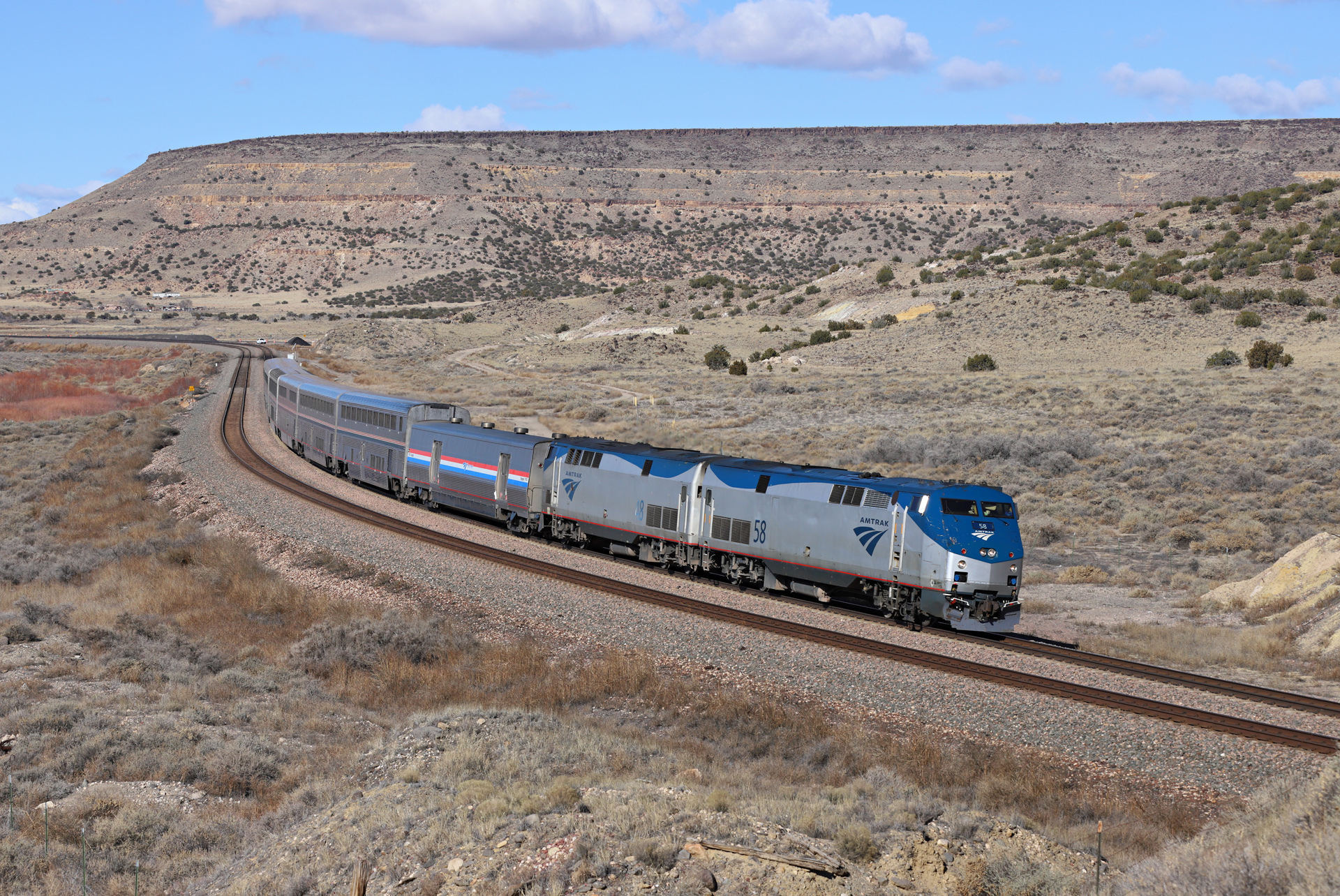
Amtrak announced its largest single-year route expansion in more than three decades during the first quarter of 2026, with seven new or expanded long-distance and corridor routes coming online between May 2026 and the end of 2027. The expansion is funded primarily by the Infrastructure Investment and Jobs Act passenger-rail allocations and by state-level rail authorities including the California State Rail Authority and the Virginia Passenger Rail Authority. Several of the routes are entirely new — restoring service to American corridors that have not had passenger rail since the 1970s. Others are expansions of existing routes adding frequencies, new stations, or longer end-points. The cumulative effect is the most significant addition to the American passenger-rail network since Amtrak’s initial 1971 consolidation. Most American travelers, including frequent train riders, have not heard about all seven. Here is the complete current list, with the specific schedules, fares, and operational dates.
The seven 2026-2027 Amtrak route changes vary in scale and ambition. Some are short corridor additions of perhaps 75 miles. Others are long-distance restorations adding new overnight service between major American regions. The funding mechanisms also vary — the Infrastructure Investment and Jobs Act provides federal funding for capacity improvements, station construction, and route extensions, while the Federal-State Partnership for Intercity Passenger Rail program funds specific corridor improvements. Several of the new routes had been in planning for over a decade and were finally moved into active construction or service launch during 2025. The cumulative impact is meaningful for American long-distance travel, particularly in regions where flying has become increasingly expensive and where domestic road trips have hit the budget pressures detailed earlier in this content series.
1. The Mountaineer (Restored New Orleans to Mobile to Pensacola Service)
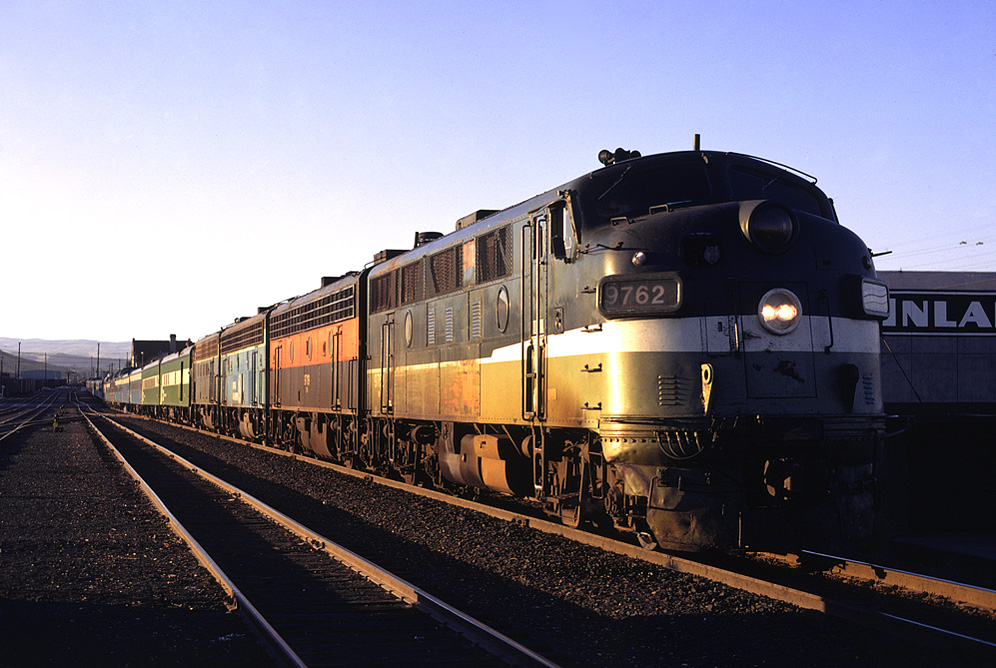
The most significant 2026 Amtrak addition is the Mountaineer route running from New Orleans east to Mobile, Pensacola, Crestview, and Tallahassee, with service launching August 18, 2025 and a full schedule operational by April 2026. The route restores Gulf Coast passenger rail service that has not run since Hurricane Katrina destroyed the previous Sunset Limited extension in 2005. The schedule provides two daily round trips, with a one-way fare of approximately $35 to $58 depending on advance purchase. The route is jointly funded by Alabama, Mississippi, Florida, and federal sources, with operational management by Amtrak. The line reconnects multiple major Gulf Coast cities by rail and is expected to grow ridership steadily through 2026 as travelers discover the service.
2. The Borealis (Chicago to Minneapolis-Saint Paul Expansion)
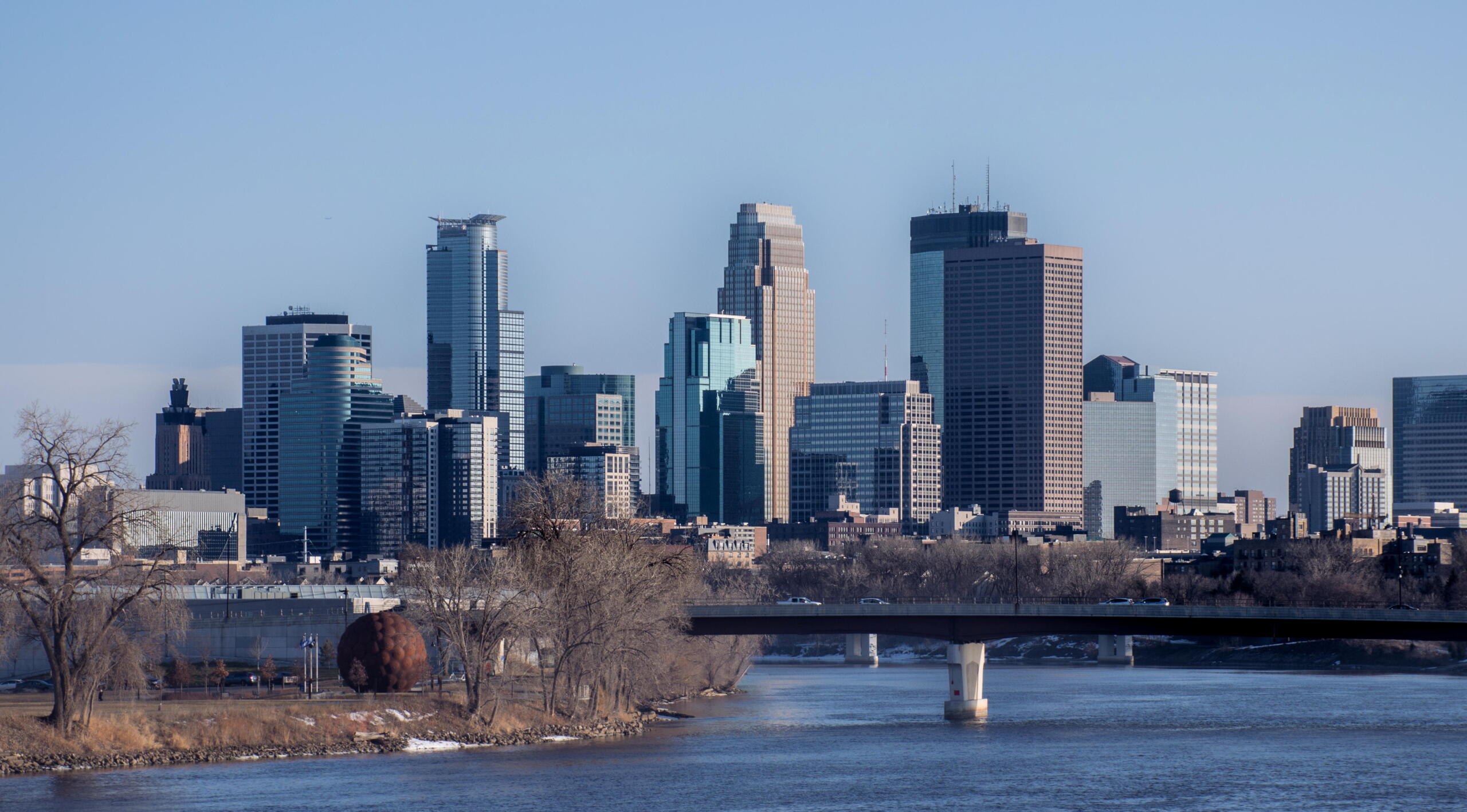
The Borealis corridor service launched in May 2024 added a second daily Chicago-to-Minneapolis-Saint Paul round trip running through Milwaukee, Madison-area connecting stations, and La Crosse. The 2026 expansion adds a third daily round trip starting June 1, 2026, plus a station addition at Madison Yahara — the first Madison-area passenger rail station since 1971. The fare from Chicago to Saint Paul runs approximately $42 to $68 one-way. The Borealis has become one of Amtrak’s fastest-growing corridor services, with ridership growth of approximately 33 percent between 2024 and 2025. The new third frequency adds capacity that has been requested by Wisconsin and Minnesota tourism interests.
3. The Floridian (Chicago to Miami)
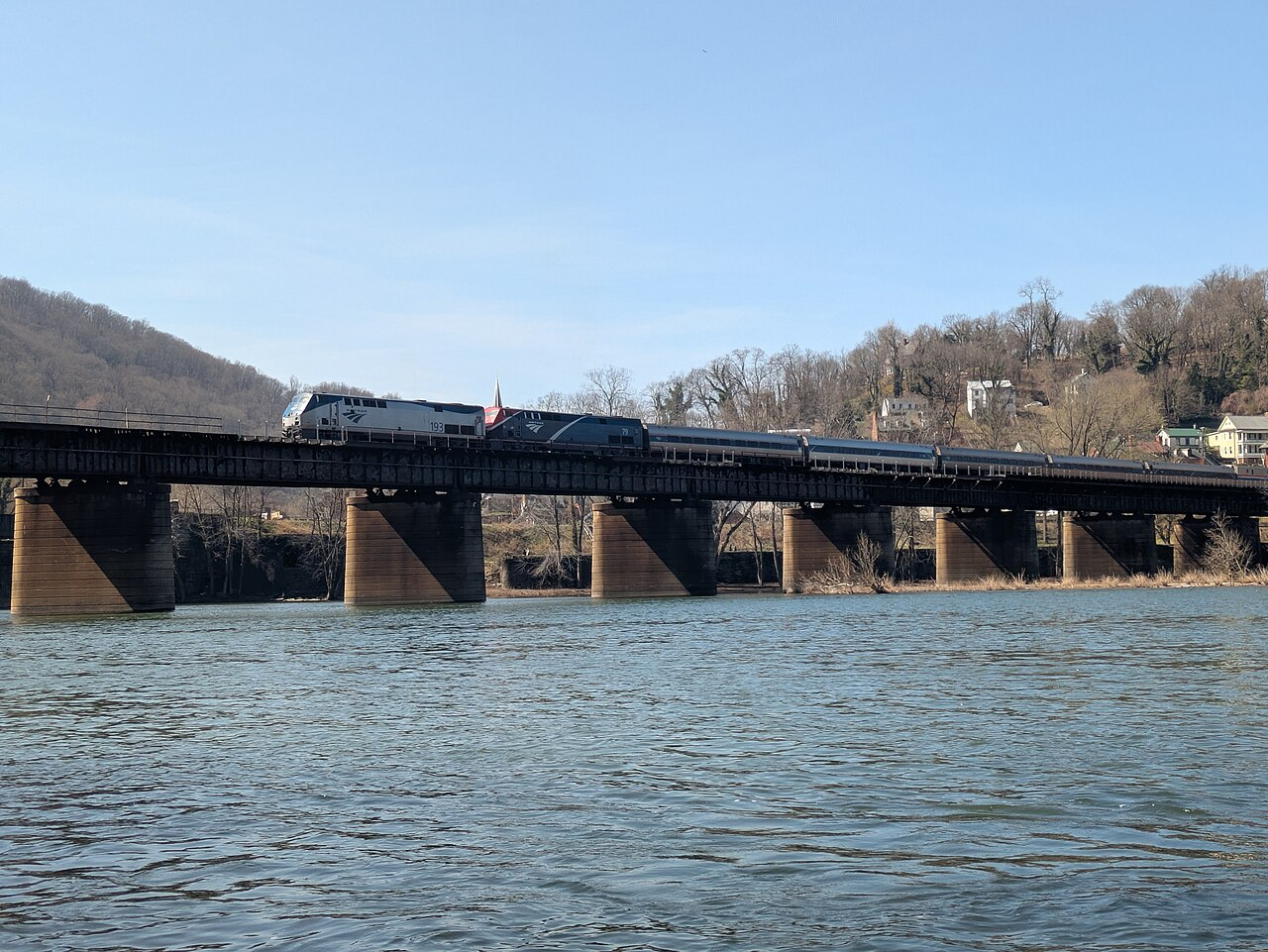
The Floridian is a restored long-distance route running Chicago to Miami via Indianapolis, Louisville, Birmingham, Atlanta, Jacksonville, Orlando, and Miami. Service launched on November 10, 2025 with a one-way trip time of approximately 36 hours. The route restores Chicago-to-Florida overnight passenger rail service that has not run since 1979. Sleeper accommodations are available at approximately $580 to $940 round-trip depending on date and class. Coach fare for the full Chicago-Miami trip runs approximately $185. The route is a true long-distance service operating one-way every other day, with a westbound and eastbound train passing somewhere in Tennessee approximately 12 hours apart. The early ridership has exceeded Amtrak’s pre-launch projections.
4. California Zephyr Schedule Modifications and Surprise New Stops
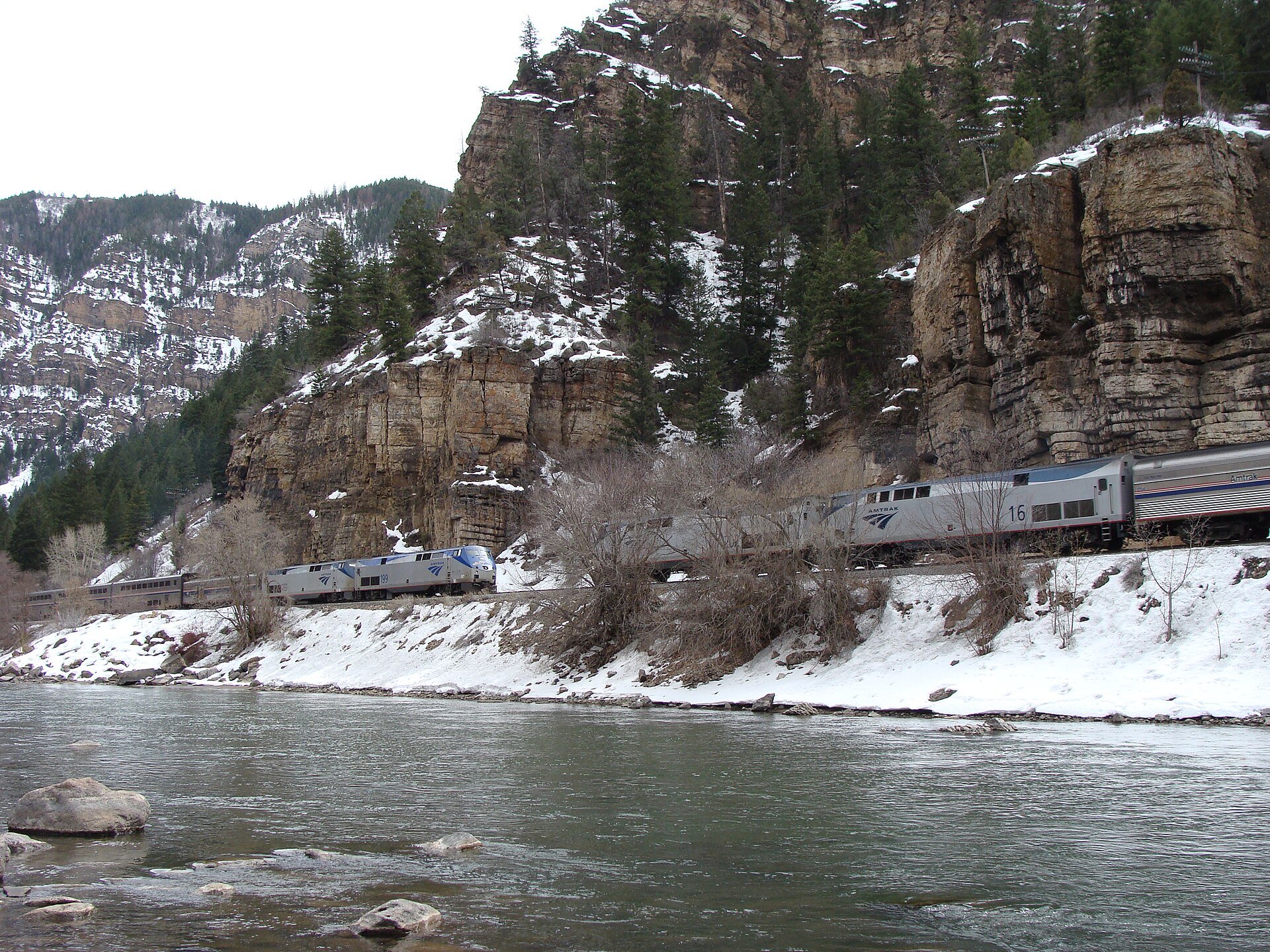
The California Zephyr — Amtrak’s most scenic long-distance route, running Chicago to Emeryville (San Francisco Bay Area) — added three new station stops in early 2026 that have received minimal media coverage. The new stops are at Aurora, Illinois (a Chicago-area suburban addition); Granby, Colorado (a Rocky Mountain ski-town stop that connects to Winter Park ski resort via the Winter Park Express co-marketing arrangement); and Soda Springs, California (a Sierra Nevada stop near Donner Pass providing access to Tahoe-area destinations). The new stops add approximately 35 minutes to the total trip time but expand the route’s relevance to regional travelers who could not previously access the Zephyr at convenient points. The full Chicago-Emeryville Zephyr fare in coach runs approximately $185 to $260 one-way depending on date.
5. The Cascades Service Expansion (Seattle-Vancouver Frequencies)
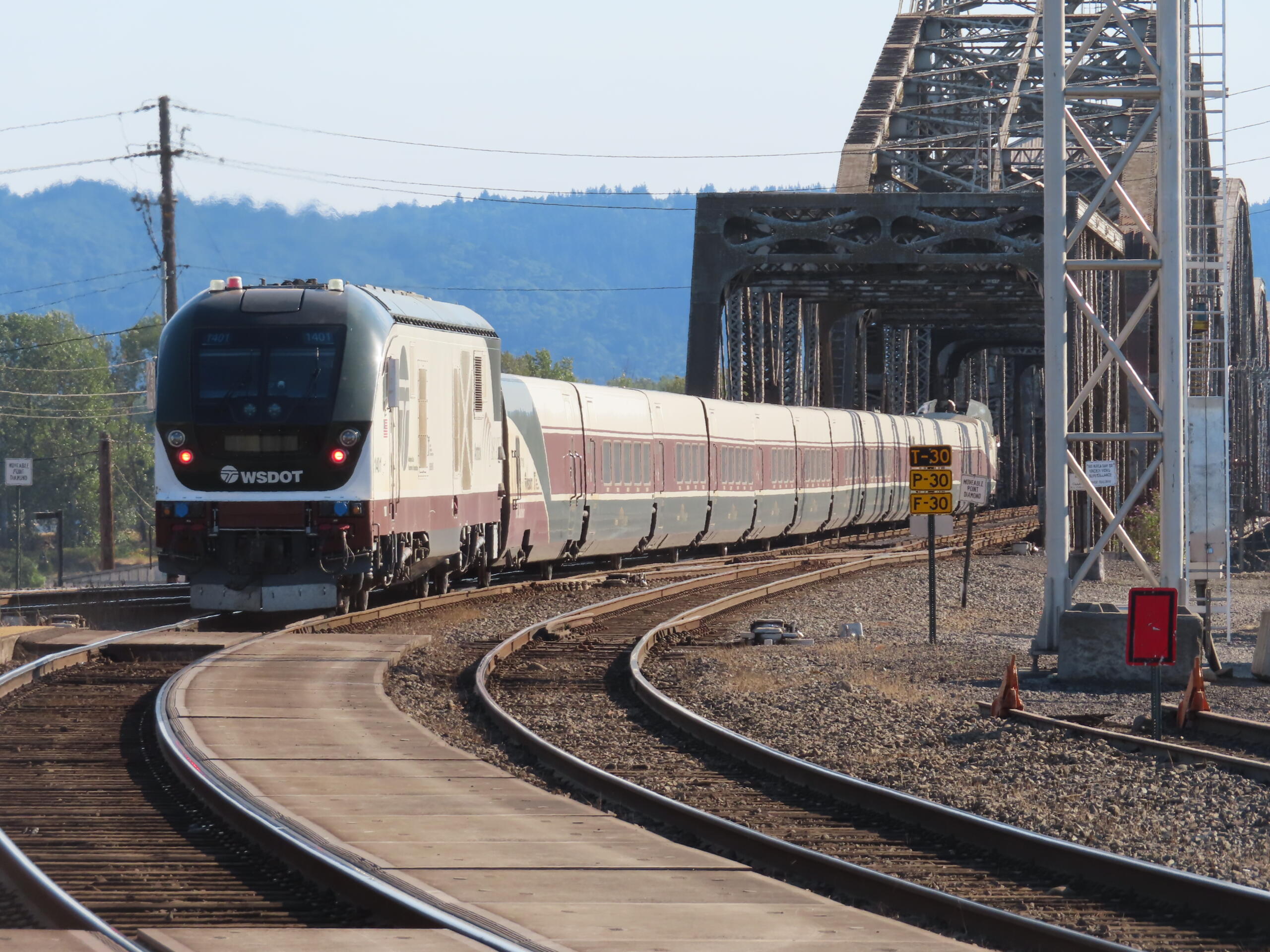
The Amtrak Cascades corridor service between Eugene, Oregon, Portland, Seattle, and Vancouver, British Columbia, expanded in 2026 with new frequencies and added rolling stock. The expansion adds a sixth daily round trip between Portland and Seattle starting July 1, 2026, plus an additional daily through-service to Vancouver during summer 2026. The new Talgo trainsets, delivered between 2024 and 2026, replace the older Talgo Series 8 equipment that has operated the route since 1998. The Cascades expansion is funded primarily by Washington State Department of Transportation and Oregon DOT, with the new equipment representing a $370 million capital investment. The Seattle-Portland one-way fare runs approximately $33 to $58.
6. The Crescent Frequency Increase (New York to New Orleans)
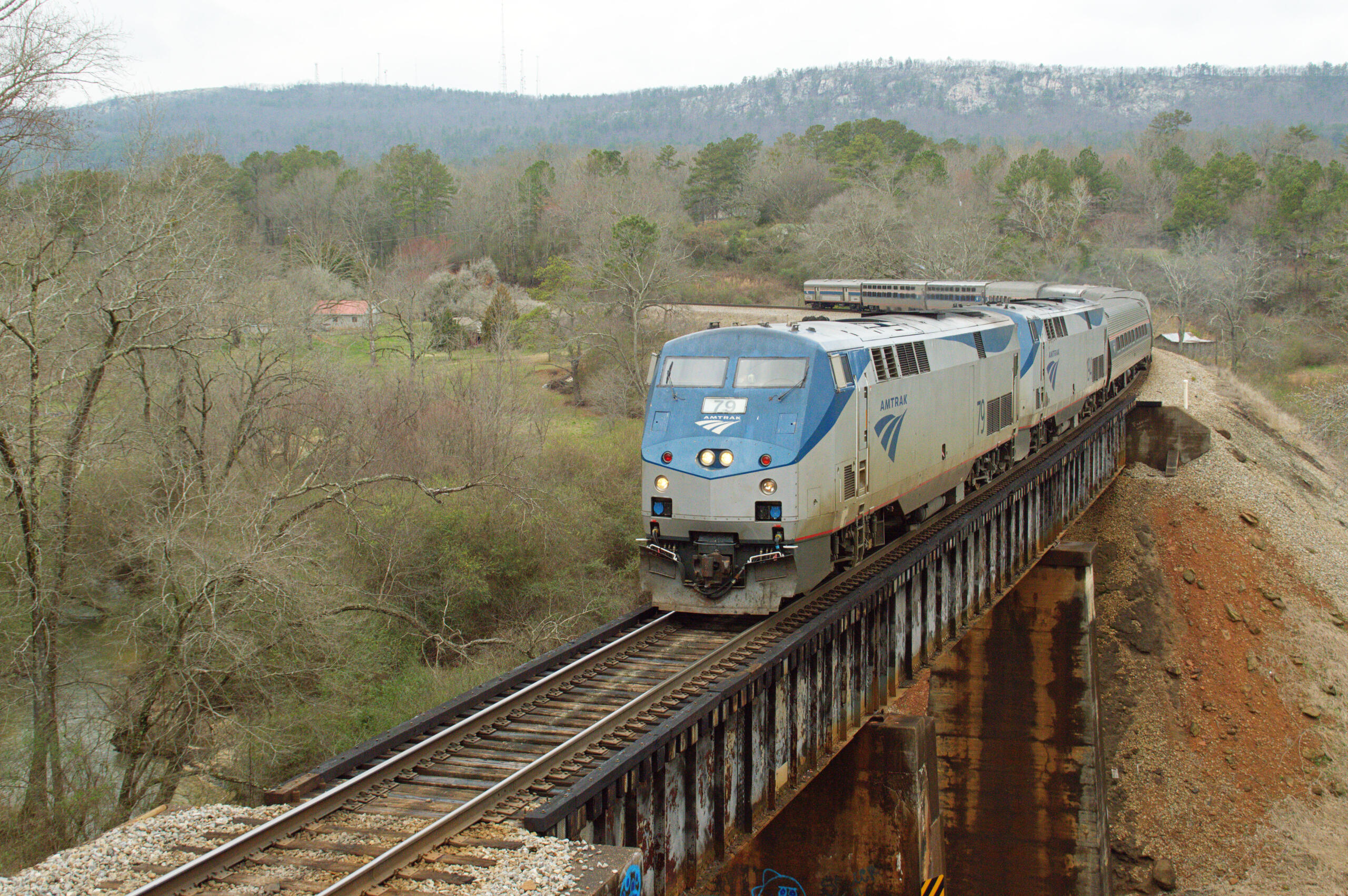
The Crescent long-distance route, running New York to New Orleans through Washington D.C., Atlanta, Birmingham, and Meridian, added a second daily round trip in March 2026 — the first time the Crescent has run on a twice-daily schedule since 1989. The expansion is intended to capture both business travel between New York/D.C. and Atlanta and longer-distance leisure travel between the Northeast and the Gulf Coast. Coach fare from New York to New Orleans runs approximately $240 to $320 one-way. The new second daily frequency provides Atlanta-area travelers with substantially improved early-evening departure options to both the Northeast and the Gulf Coast.
7. The Empire State Service Western Expansion
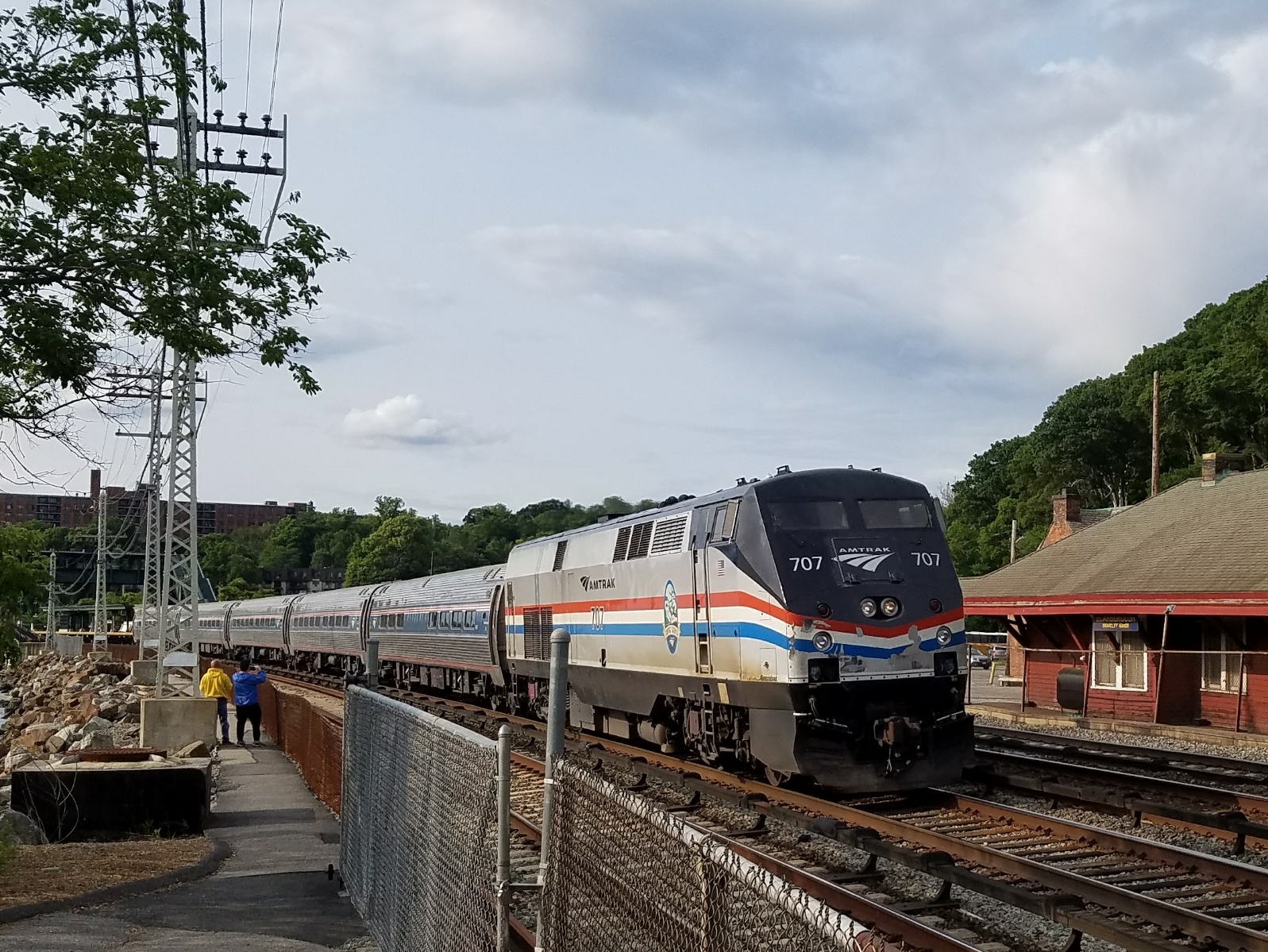
The Empire State Service — Amtrak’s New York State corridor service running between New York City and Buffalo via Albany, Schenectady, Utica, Syracuse, and Rochester — added two new daily round trips on the western segment (Albany to Buffalo) starting April 2026. The expansion is funded by New York State and is intended to support upstate New York economic development by providing improved connectivity to New York City. The new schedules also include extended service to Niagara Falls on a daily round-trip basis. New York to Buffalo coach fare runs approximately $77 to $120 one-way for the new service.
What This Expansion Means
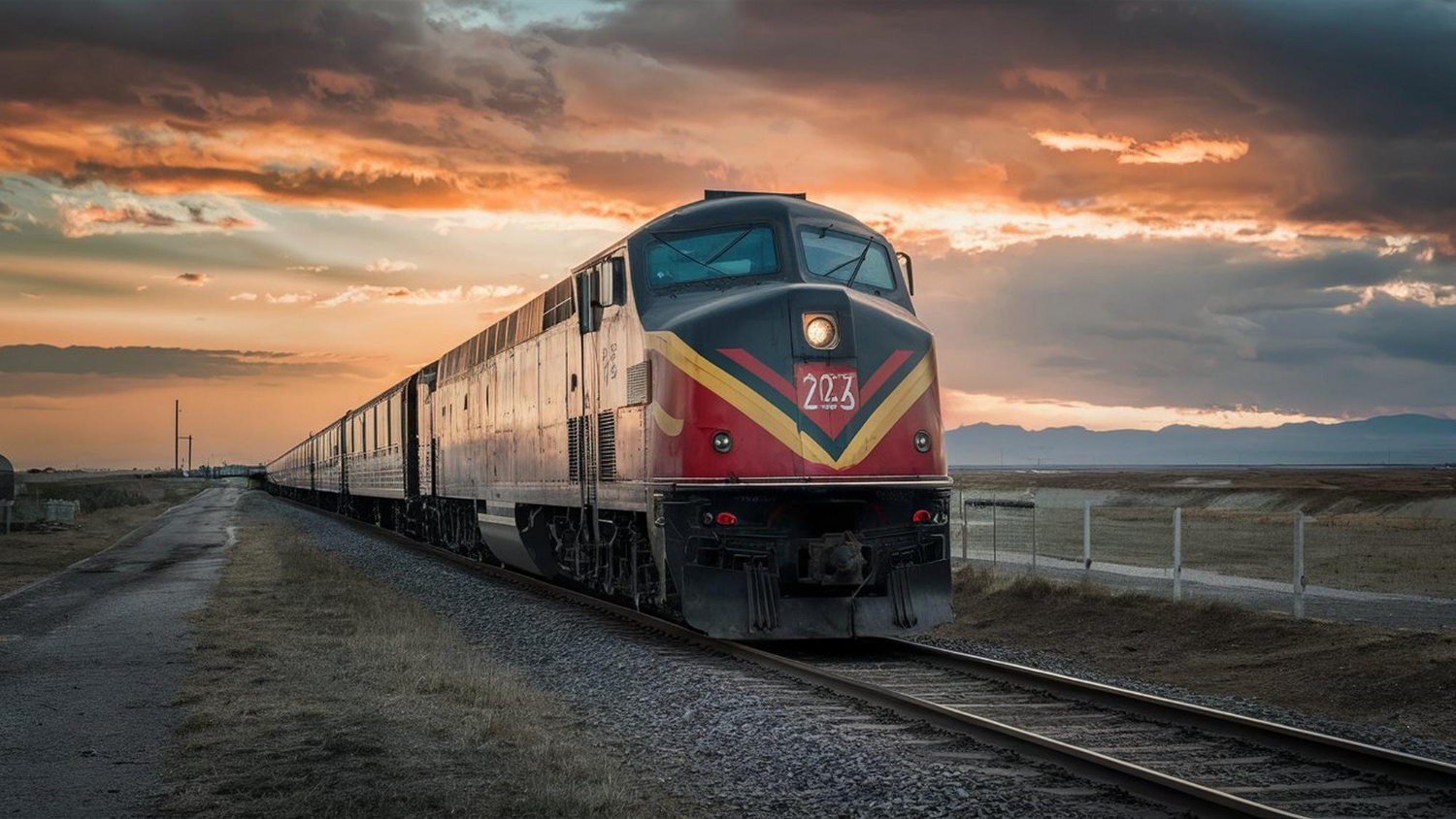
The 2026 Amtrak expansion is significant but not transformational. The American passenger rail network remains substantially smaller than its peak — at approximately 21,400 route miles in 2026 compared with over 250,000 miles at the peak of American passenger rail in the 1920s. The new routes do not restore the network to its mid-20th-century scale. They do, however, mark the first significant net expansion of American passenger rail since the early 1980s and represent the practical implementation of the Infrastructure Investment and Jobs Act passenger-rail funding. The cumulative new annual ridership from the seven routes is projected at approximately 2.4 million additional passenger trips by 2027. Travelers planning American trips in summer and fall 2026 should review the new routes before defaulting to driving or flying — particularly the Mountaineer (Gulf Coast), the Floridian (Chicago-Florida), and the California Zephyr new stops. Each route is operational now or coming online within the next few months. The American passenger rail network is the largest it has been in twenty-five years, and the practical relevance of train travel to ordinary American trip planning has measurably increased.
