

The 2026 summer travel season opens with the largest single-year batch of airline fee changes since the immediate post-pandemic period. Six major U.S. carriers have announced revisions to baggage fees, seat-selection fees, change fees, basic-economy fare rules, or loyalty-program qualifications between October 2025 and April 2026. Several of the changes have been driven by Federal Trade Commission disclosure rules finalized in 2024 that require airlines to display total trip costs including ancillary fees during the booking process. Other changes reflect carrier-level strategic adjustments to compete with the growing low-cost segment and to recover from the lower ancillary revenue of the previous summer. Here is a complete breakdown of every major U.S. airline fee change announced for summer 2026, organized by carrier, with the effective dates and the practical impact on a typical American family booking summer flights.
The American commercial aviation industry has shifted toward a fee-disclosed pricing model since the 2024 Federal Trade Commission rule requiring upfront display of total trip costs including baggage, seat selection, and standard ancillary fees during online booking. The rule, which took effect in May 2024, has not lowered the underlying fees but has made them visible earlier in the booking process. The 2026 changes detailed below take into account the post-disclosure environment and reflect each carrier’s response to the new pricing transparency.
American Airlines — Bag Fee Tiering by Route
American Airlines announced in January 2026 a revised checked-baggage fee structure that differentiates between domestic short-haul (under 1,000 miles), domestic medium-haul (1,000-2,500 miles), and domestic long-haul (over 2,500 miles) routes. The first checked bag now costs $40 on short-haul routes (unchanged from 2025), $45 on medium-haul (up $5), and $50 on long-haul (up $10). The second checked bag is $50 across all domestic routes (unchanged). The third bag and oversize fees were also adjusted upward. The change effectively raises the cost of long-distance summer family travel by approximately $20 per round trip for a typical traveler with one checked bag. American also announced in February 2026 that its basic economy fares no longer allow paid bag check at all — basic economy passengers traveling with bags must rebook into the main cabin class. The change took effect in March 2026 for new bookings.
Delta Air Lines — SkyMiles Devaluation and Seat Selection Fee Expansion
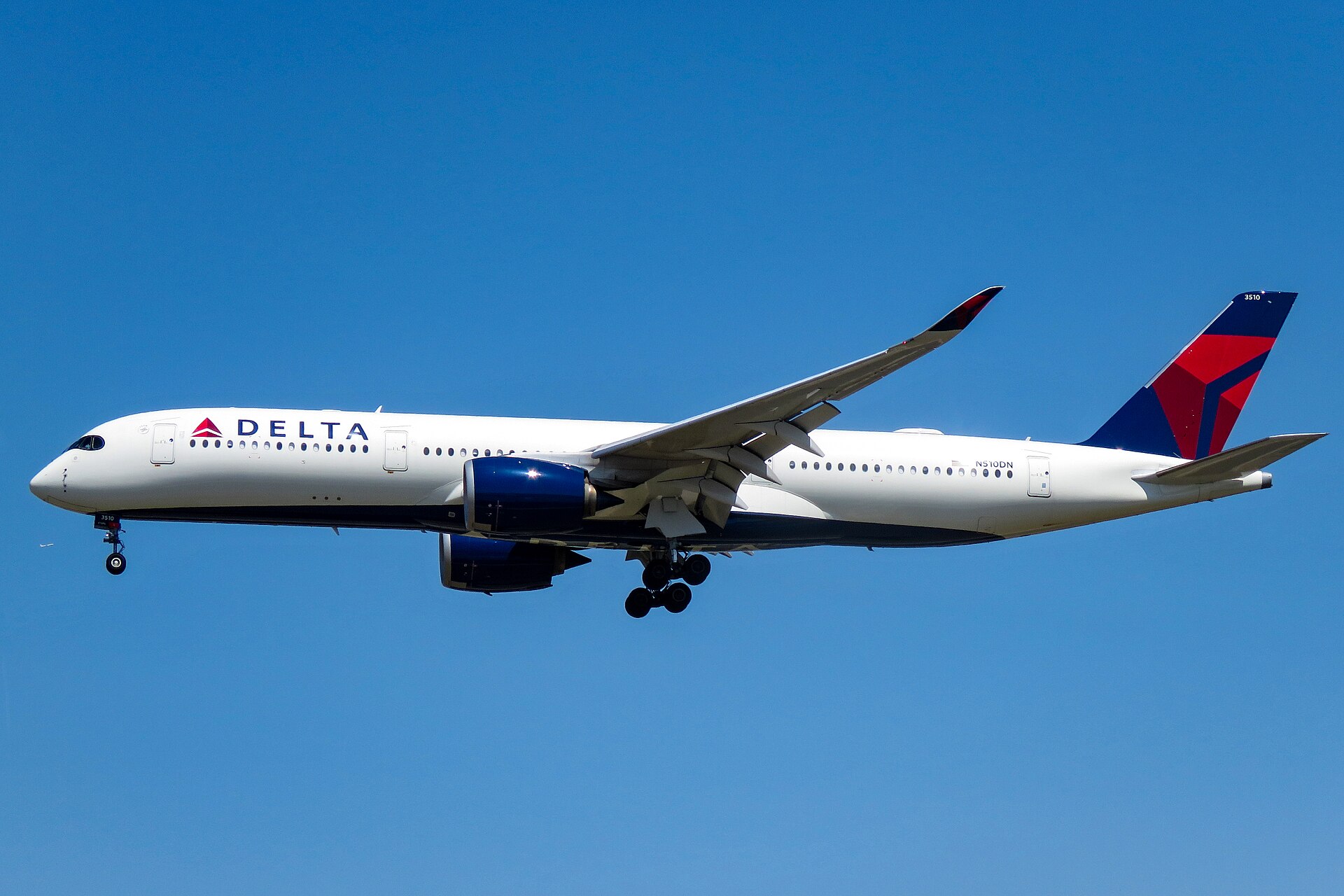
Delta Air Lines announced in November 2025 a substantial revision to the SkyMiles award-mileage program, with the revised mileage requirements for upgrade certificates and for partner award travel taking effect in February 2026. The practical impact for most travelers is approximately a 15 to 25 percent increase in the SkyMiles required for the same award flight compared with 2025 mileage charts. Delta also extended its paid seat selection program — previously free for elite-status members on most routes — to require payment for “preferred” seats on more domestic routes, with fees ranging from $19 to $89 per seat depending on the route and fare class. The seat selection fees apply even to economy fares. Travelers booking a family of four for summer 2026 on Delta should expect to budget approximately $150 to $300 in seat-selection fees if they want to sit together, on top of the base ticket cost.
United Airlines — Basic Economy Restrictions Loosened
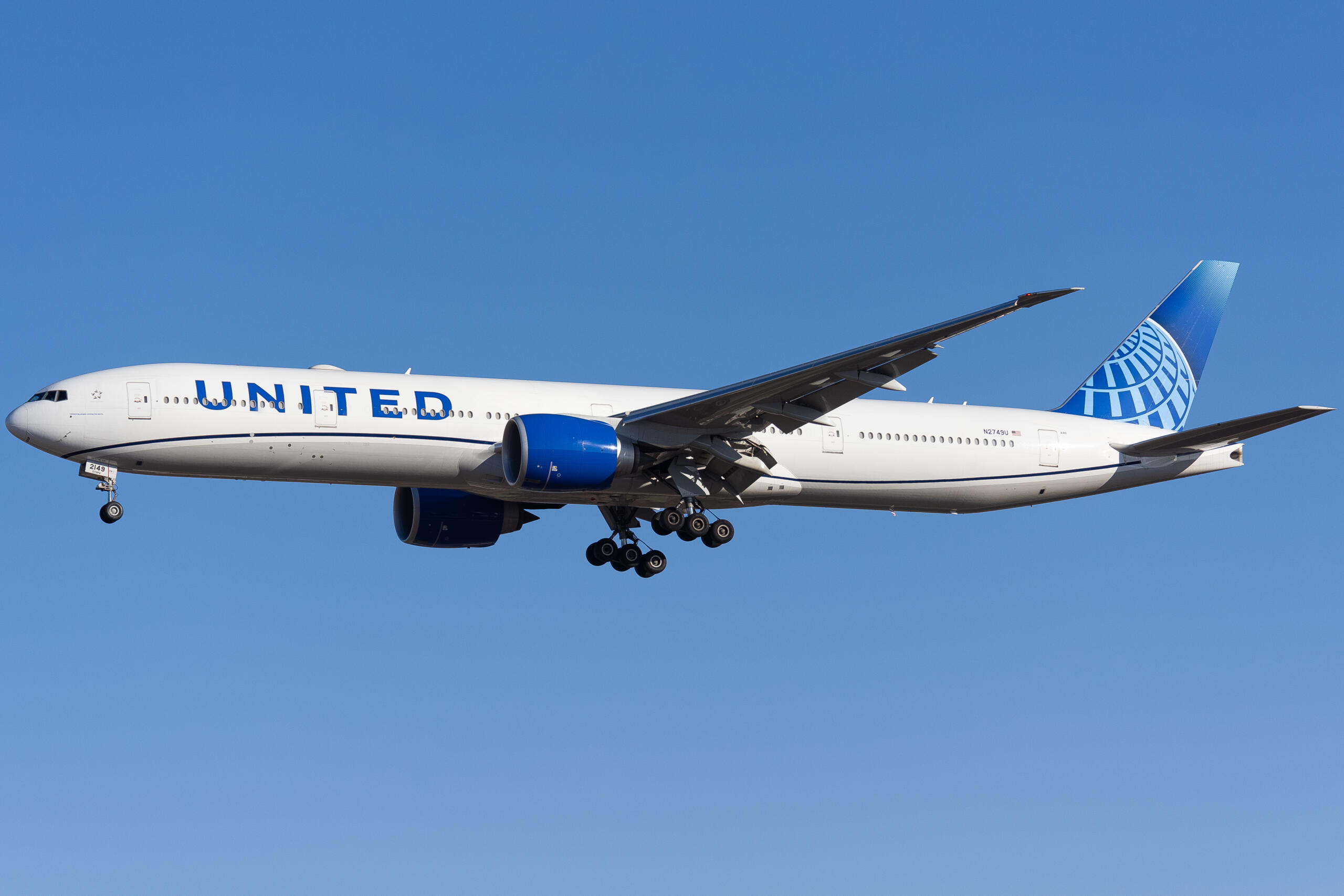
United Airlines announced a revision to its basic economy product in December 2025, effective April 2026, that partially loosens the restrictions on overhead bin access. United basic economy fares previously prohibited any overhead bin storage — passengers were limited to one personal item that fit under the seat in front of them. The April 2026 revision allows basic economy passengers to add overhead-bin access for a $25 to $40 fee paid during booking, depending on the route. The change responds to consumer complaints about basic economy restrictions and to competitive pressure from American and Delta, both of which already offered some bin access on basic economy. The practical impact for summer 2026 travelers booking United basic economy is the option to pay roughly $25 to $40 to access overhead bin space — still cheaper than rebooking into Economy or paying for full checked baggage in many cases.
Southwest Airlines — End of “Two Bags Fly Free”
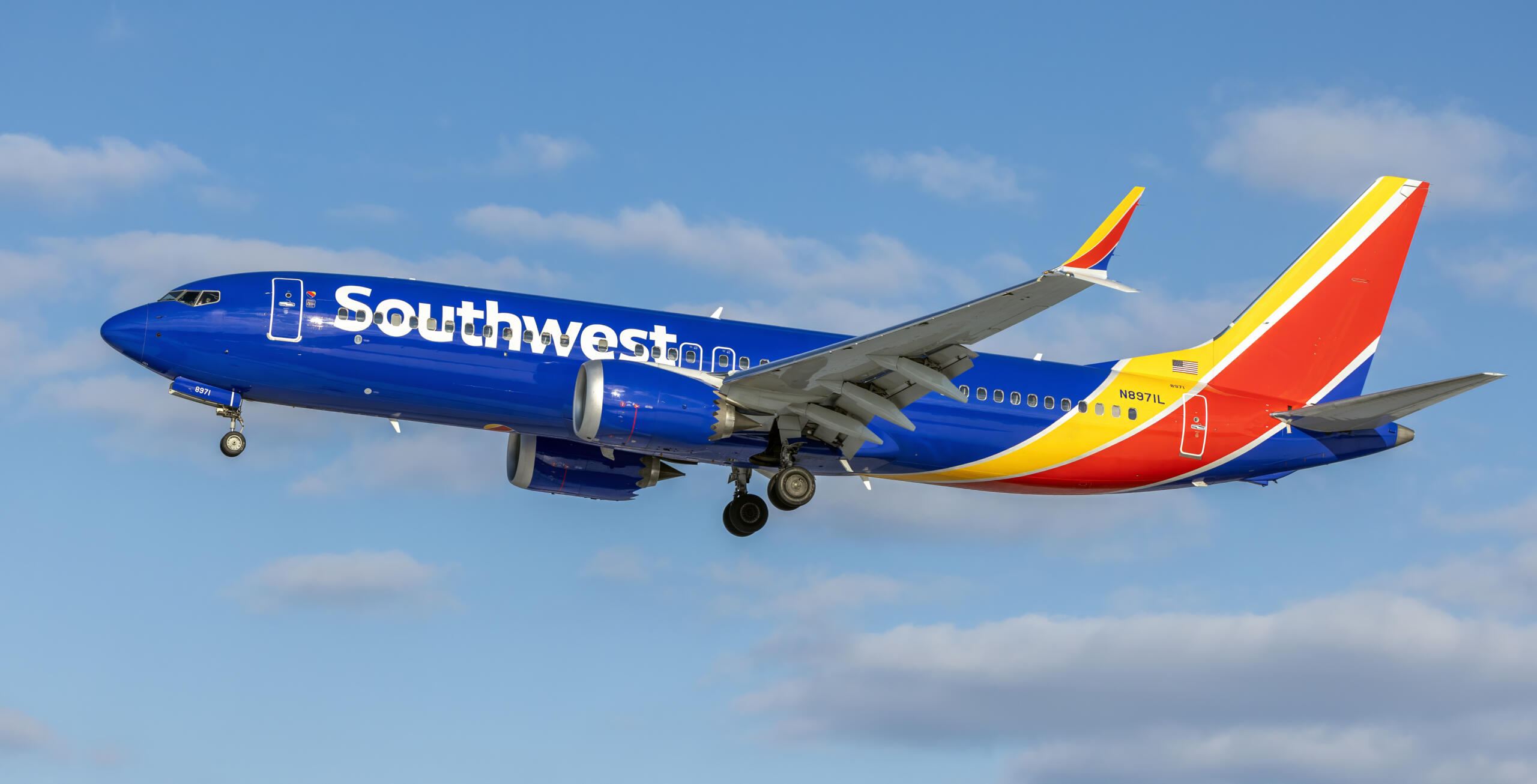
The most significant 2026 airline fee change is at Southwest Airlines, which announced in February 2025 that its long-running “Two Bags Fly Free” policy would end on May 28, 2025. The change took effect for all new bookings made after that date, with grandfather rules protecting prior bookings. The new Southwest baggage policy as of summer 2026 charges $35 for the first checked bag and $45 for the second, with elite-status members receiving partial waivers. The change represents the single most consequential consumer-fee shift in U.S. airline history, given Southwest’s role as the largest domestic carrier and the consumer-friendly positioning the bags-fly-free policy had supported for decades. Industry analysts have estimated that Southwest’s ancillary revenue from the baggage fee change will exceed $1.5 billion annually starting in 2026. Travelers who chose Southwest specifically because of the free-bags policy should reconsider their summer 2026 booking strategy.
JetBlue — Mosaic Program Changes
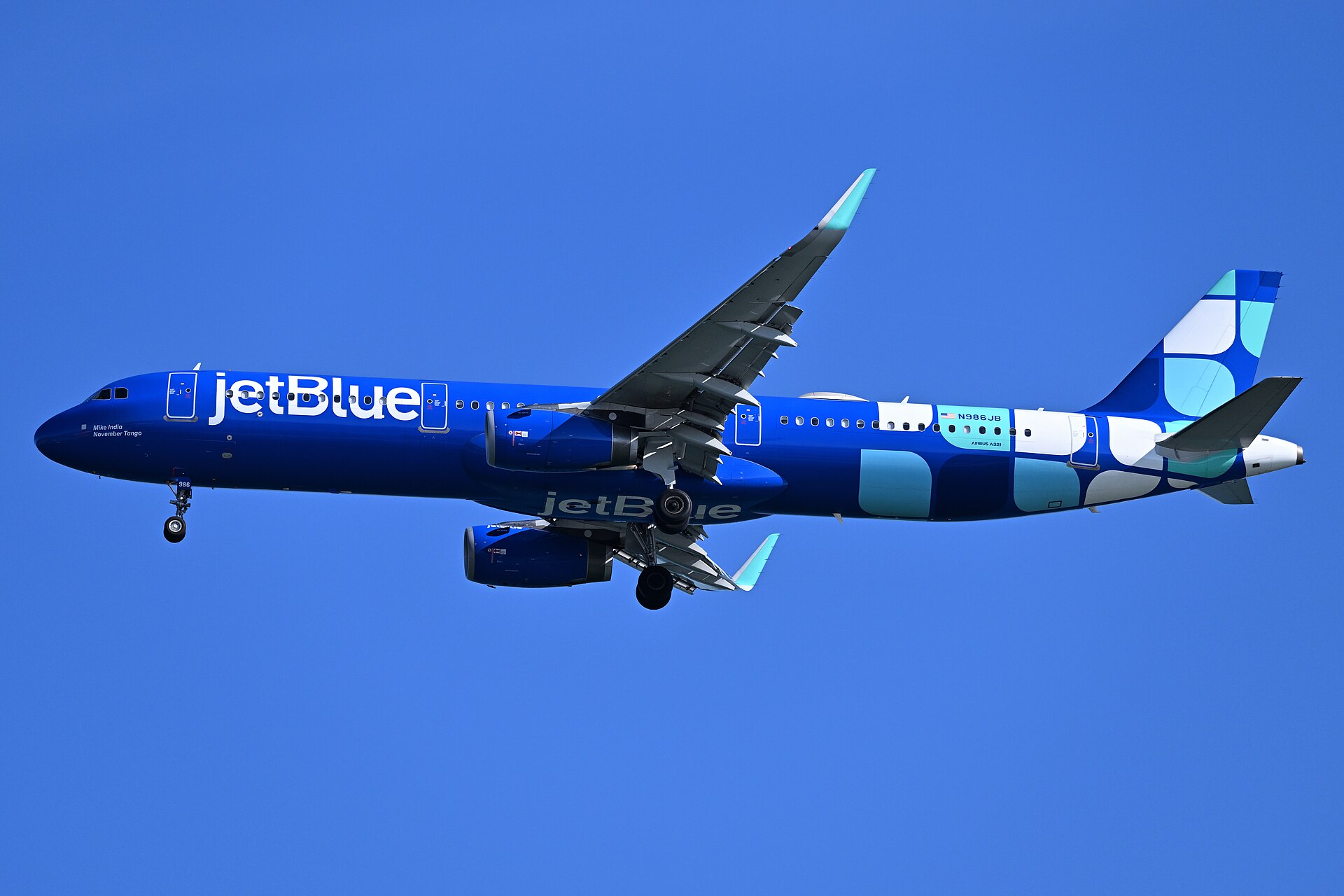
JetBlue Airways announced in October 2025 a revision to its Mosaic loyalty program, raising the qualification thresholds for elite status by approximately 30 percent and reducing the value of Mosaic benefits including complimentary first checked bag, expedited security, and same-day flight change waivers. The changes take effect for the 2026 qualification year. The practical impact for JetBlue elite members is that maintaining Mosaic status requires meaningfully more travel in 2026 than in 2025, and the in-flight benefits of Mosaic have been diluted. JetBlue also announced increased pricing for its Even More Space extra-legroom seating product, with most routes now charging $50 to $120 per seat in summer 2026 (up from $40 to $100 in 2025).
Spirit Airlines and Frontier Airlines — Reduced Routes, Same Fees
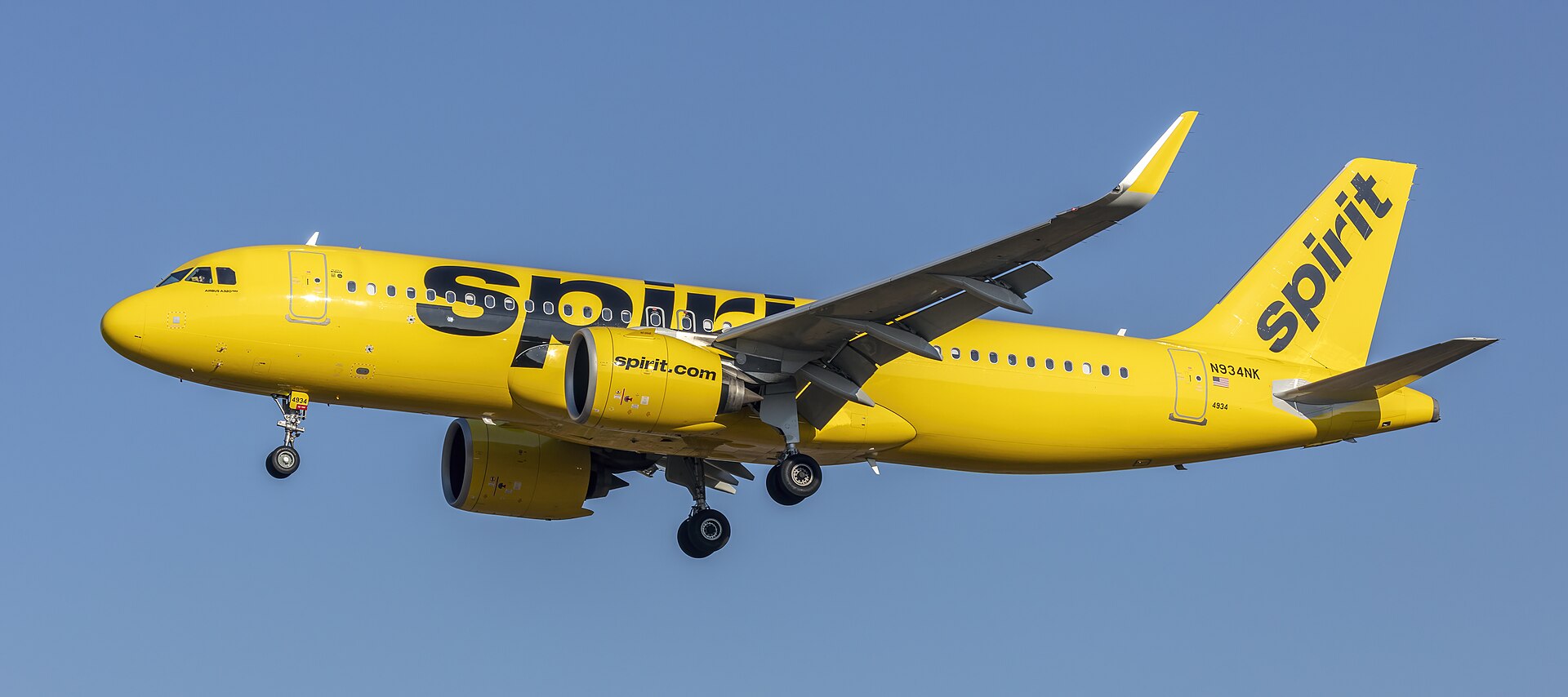
The two low-cost carriers most identified with the “fee for everything” model continue to operate the same pricing structure in summer 2026 that they have operated for the past several years. Spirit Airlines emerged from Chapter 11 bankruptcy in March 2025 with a smaller route network and a continued focus on the basic-fare-plus-everything-extra model. Frontier Airlines has not filed for bankruptcy and continues to operate similar pricing. Both carriers charge for carry-on bags ($50 to $89), seat selection ($20 to $100+), and inflight beverages. The 2026 summer change at both carriers is a network contraction — Spirit dropped roughly 35 routes between 2024 and 2026, and Frontier dropped approximately 25 routes during the same period. Travelers planning to use either carrier for summer 2026 should verify that their preferred routes are still operating.
Alaska Airlines and Hawaiian Airlines — Integration Changes
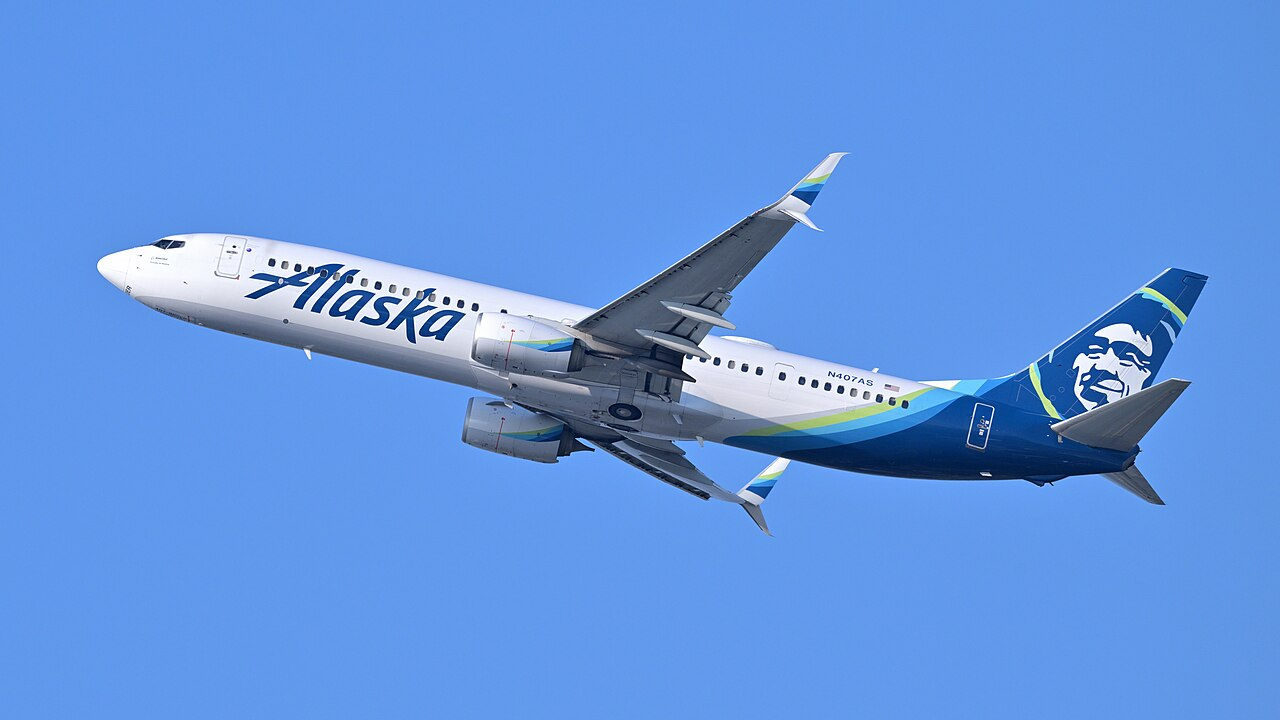
The Alaska Airlines-Hawaiian Airlines merger, approved by the U.S. Department of Justice in September 2024 and closed in October 2024, continues to integrate operationally throughout 2026. The combined carrier has announced a unified loyalty program (Atmos Rewards, launching in summer 2026 to replace both Alaska Mileage Plan and HawaiianMiles), unified booking systems by late 2026, and joint maintenance and crew operations across both brands. Travelers using either carrier in summer 2026 should expect transitional disruptions during the integration period, including possible booking-system mismatches, mileage-program account merging issues, and potential changes to fare rules. The merger has not yet produced significant fee increases or service reductions, but the integration timeline runs through 2027.
What This Means for Summer 2026 Bookings
The cumulative 2026 airline fee changes favor travelers who book carefully, read fee disclosures, and avoid the carriers with the largest cost increases. The Southwest baggage fee change is the most consequential single shift for typical American families, who often chose Southwest specifically to avoid baggage fees. American Airlines’ route-tiered bag fees raise the cost of long-distance family travel by approximately $20 per round trip. Delta’s SkyMiles devaluation makes award travel meaningfully more expensive in 2026. United’s loosened basic economy restrictions modestly help travelers who want carry-on access without paying for full checked baggage. The smaller carriers continue largely unchanged. The honest summary for summer 2026 American travelers is that fees are higher across the board, the differences between carriers’ fee structures matter more than they did in 2024, and the FTC fee-disclosure rules make comparison shopping during booking more practical than in any previous year. Travelers willing to compare actual total costs across multiple carriers — rather than just the headline fare price — will save the most money on summer 2026 flights.
