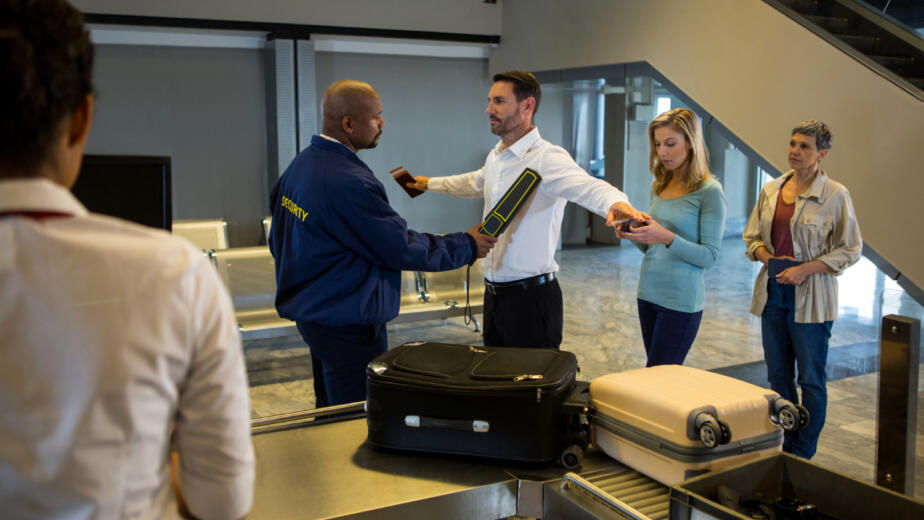
Across Europe’s most iconic historic centers, the humble rolling suitcase has transformed from a travel convenience into a public nuisance. What sounds like a minor rattle to a tourist is a nightly “drum solo” to residents living in narrow, stone-walled alleys. With over 700 million international tourist arrivals in Europe annually, the cumulative impact of millions of hard plastic wheels on centuries-old stone is causing physical damage and psychological stress. Councils are now integrating noise and pavement protection into city codes, reshaping the “last mile” of the tourist journey.
1. Dubrovnik, Croatia
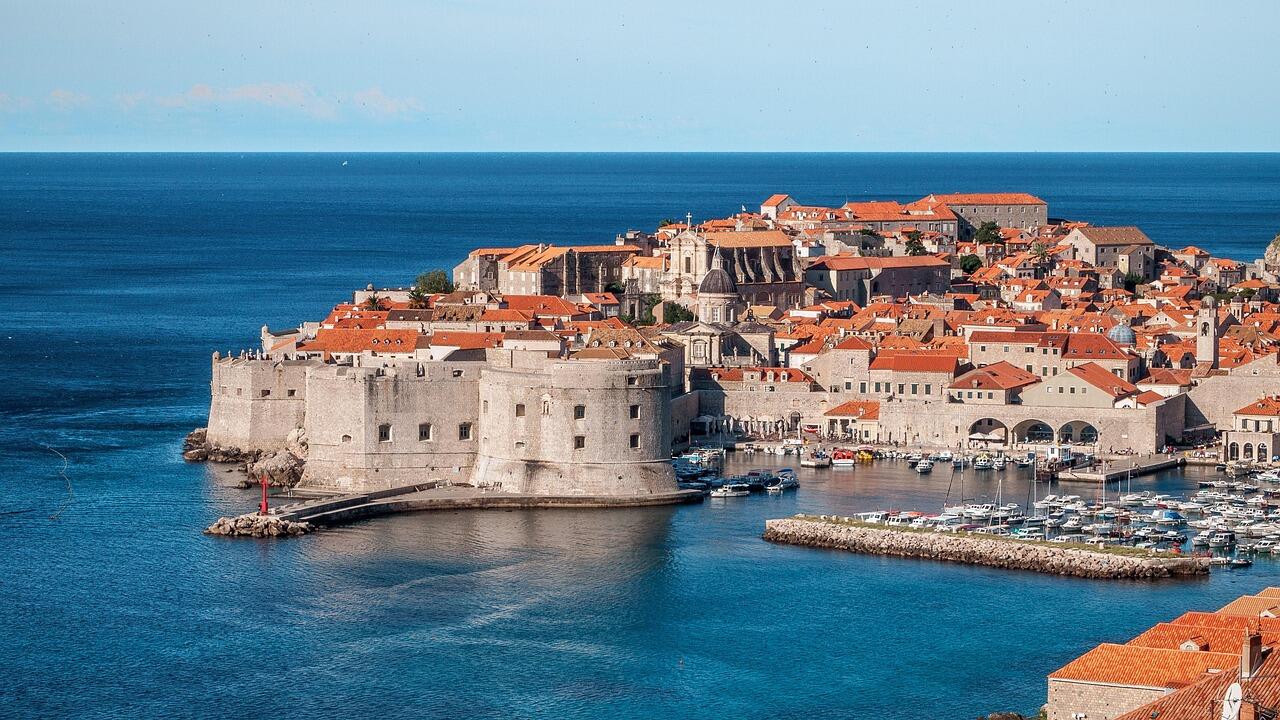
In Dubrovnik’s UNESCO-listed Old Town, the suitcase debate reached a tipping point with the “Respect the City” campaign. The city center is a limestone basin where sound reflects off high walls, amplifying a single suitcase to nearly 70 decibels, roughly the noise level of a vacuum cleaner, inside nearby bedrooms. While rumors of a flat ban were simplified by media, the city has implemented official “luggage drop-off” points at the Ploče and Pile gates. Visitors are strongly encouraged to use these or hire electric porter carts. The goal is to protect the city’s polished “Stradun” limestone, which has seen accelerated wear from the estimated 1.5 million annual visitors dragging heavy bags.
2. Venice, Italy
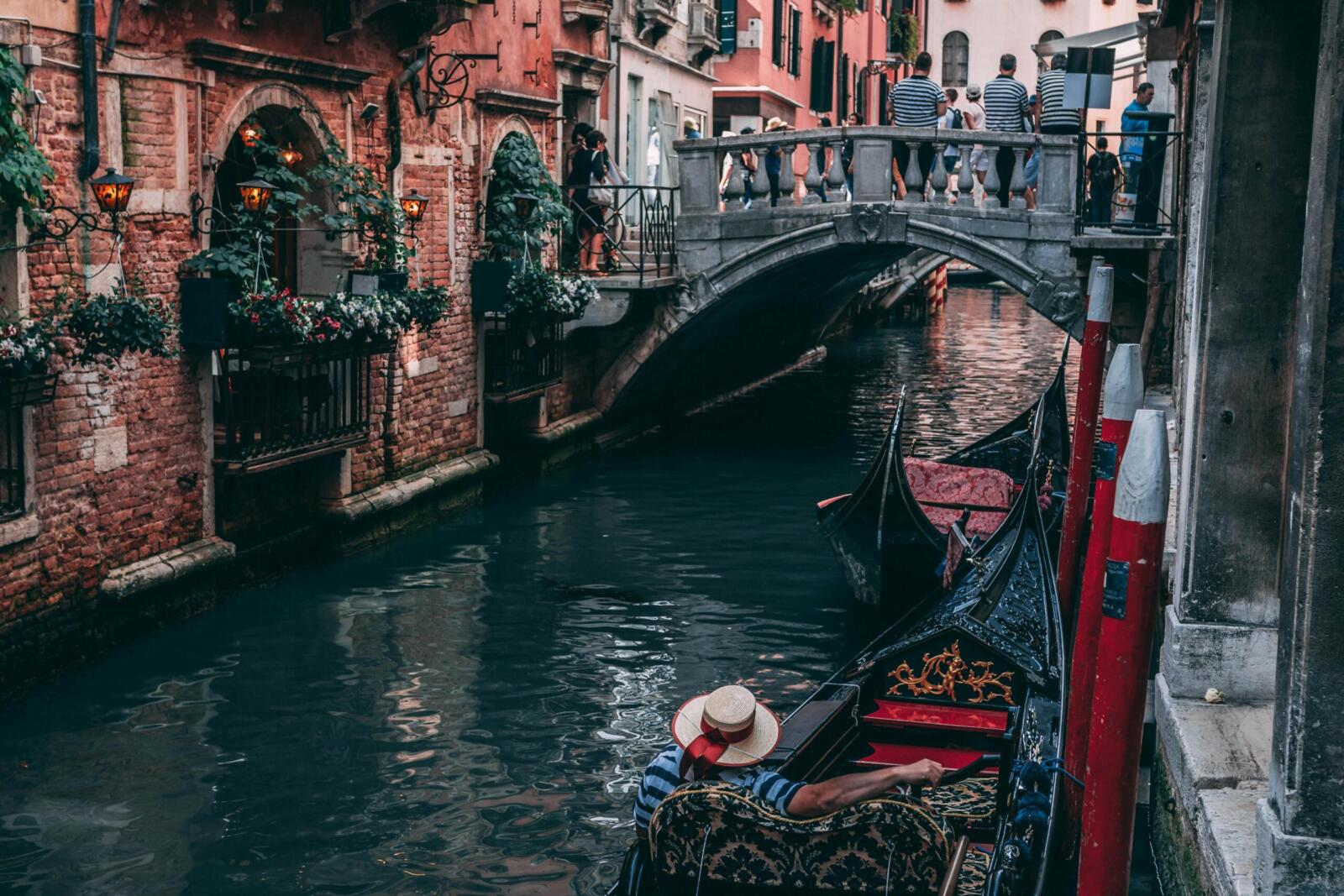
Venice has long been the epicenter of “suitcase panic.” The city’s 435 bridges are mostly made of Istrian stone and volcanic trachyte, materials that are susceptible to chipping. A few years ago, a proposal suggested fines of up to 500 Euros for suitcases with hard plastic wheels, advocating instead for air-filled rubber tires. While the law was narrowed to delivery carts, the sentiment remains. The city’s “EnjoyRespectVenezia” campaign explicitly asks tourists not to “damage the architectural heritage” with heavy luggage. With 30 million visitors a year squeezing into a city of just 50,000 residents, the mechanical vibration of trolleys is viewed as a form of “architectural erosion.”
3. Portofino, Italy
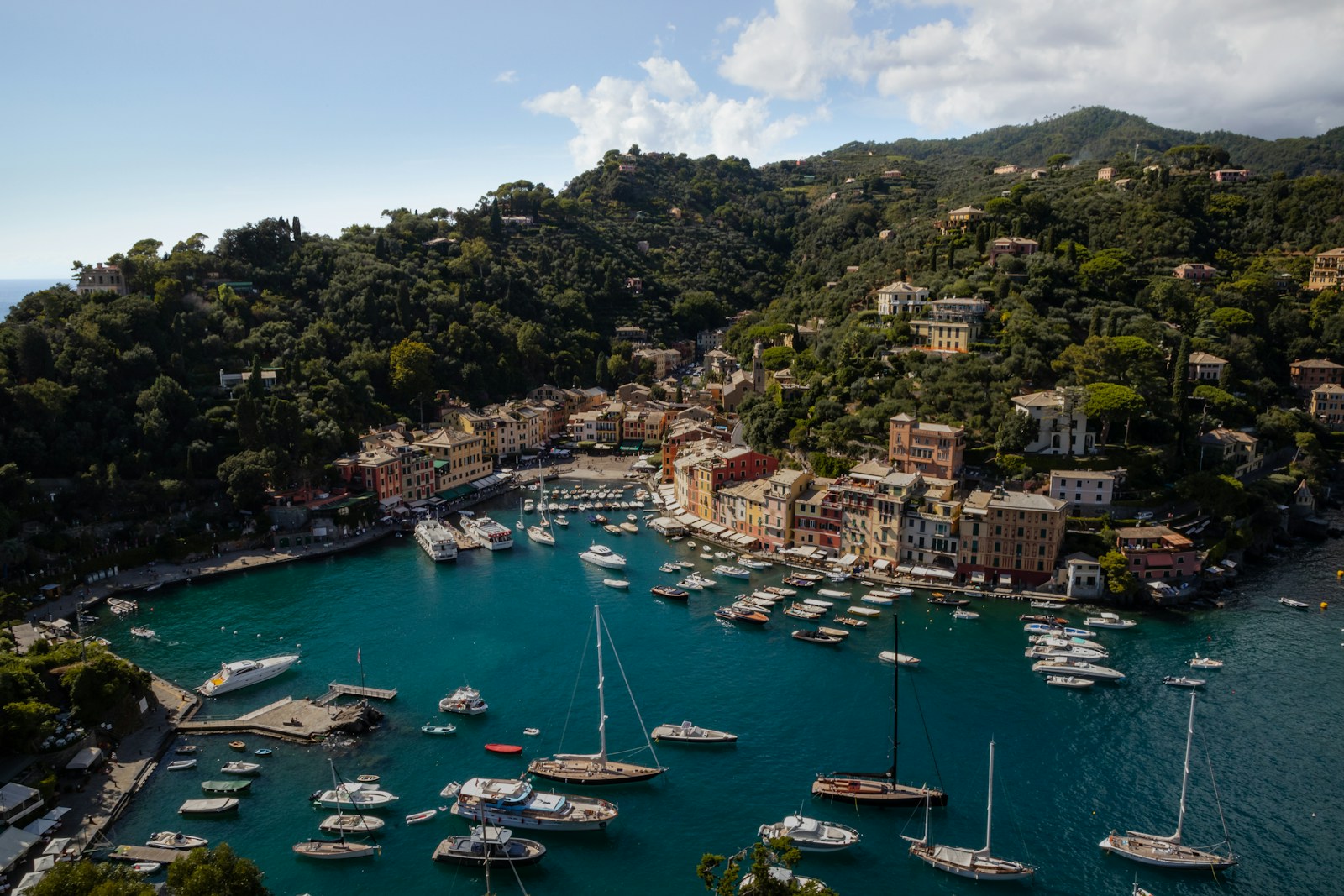
In Portofino, the focus isn’t just noise, it’s “pedestrian flow.” The town recently established “Red Zones” or “No-Loitering Zones” where visitors can be fined up to 275 Euros for standing too long in the harbor or narrow lanes. Large rolling suitcases are viewed as a primary cause of these “human traffic jams.” On peak days, when multiple cruise ships anchor nearby, the piazzetta becomes a storage area of bags that block emergency access. Officials prioritize keeping the pathways clear for the town’s 400 permanent residents, forcing travelers to carry bags closely or utilize hotel shuttle services.
4. Capri, Italy
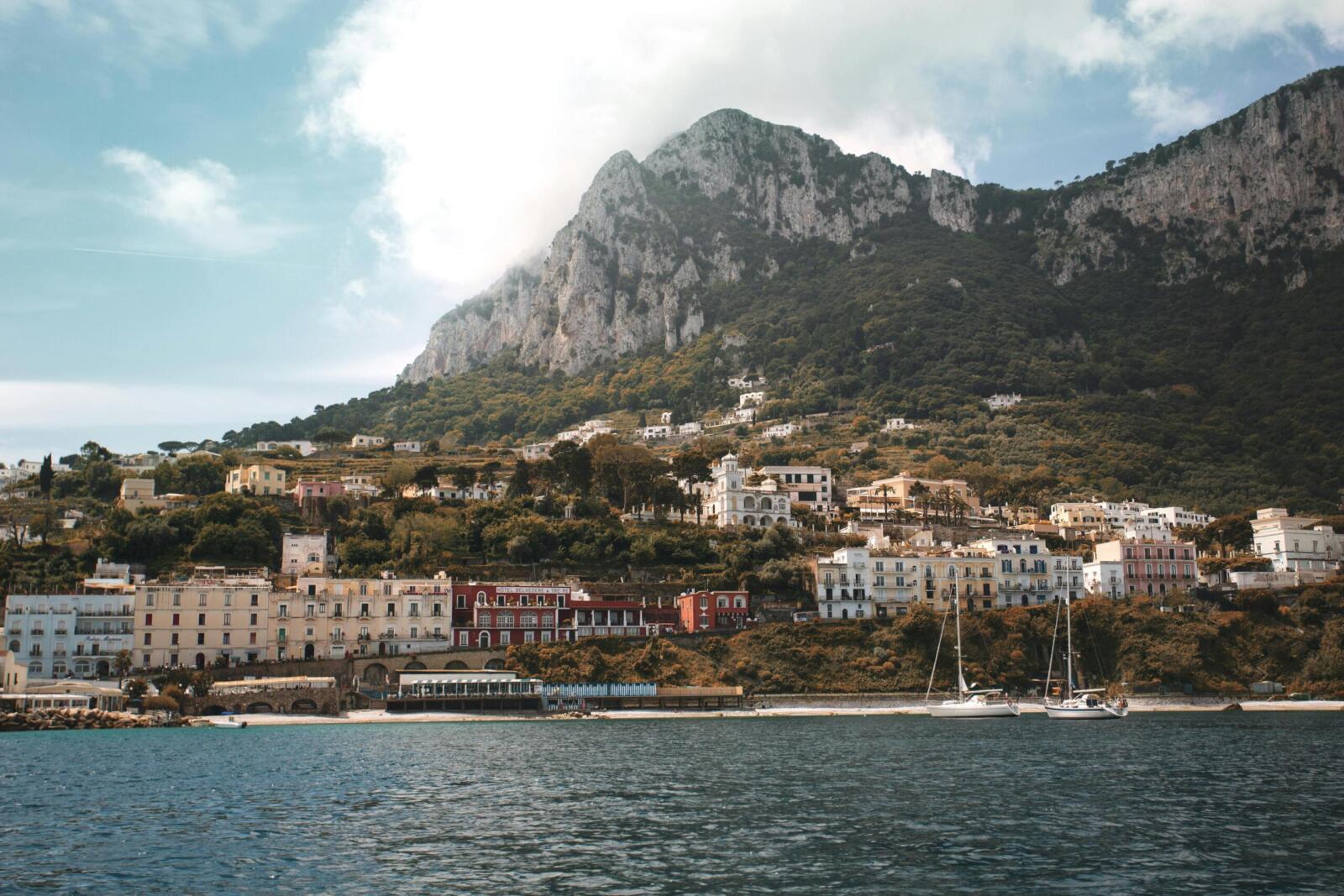
Capri has a unique history of “noise policing.” The island has long-standing ordinances against “noisy footwear,” including wooden clogs and hard-soled shoes, to preserve the tranquil atmosphere of its hilltop villages. Local authorities have increasingly extended this “acoustic decorum” to luggage. In the early morning hours, the sound of hard plastic wheels on the island’s steep, stepped inclines is treated with the same severity as a loud party. High-end hotels now pre-emptively hire porters to meet guests at the Marina Grande, ensuring bags are transported via quiet electric carts rather than being dragged.
5. Florence, Italy

Florence is fighting a broader war against “Disneyfication.” While there is no specific “suitcase fine” yet, the city has recently banned golf carts, tourist tuk-tuks, and key lockboxes for short-term rentals from its historic center to reduce “tourist clutter.” Residents in the San Lorenzo and Santo Spirito districts have complained that the “constant rumble” of early-morning check-outs is a top-three quality-of-life grievance. By restricting the “infrastructure” of short-term stays, the city is indirectly targeting the rolling suitcase as the primary symbol of transient turnover.
6. Barcelona, Spain
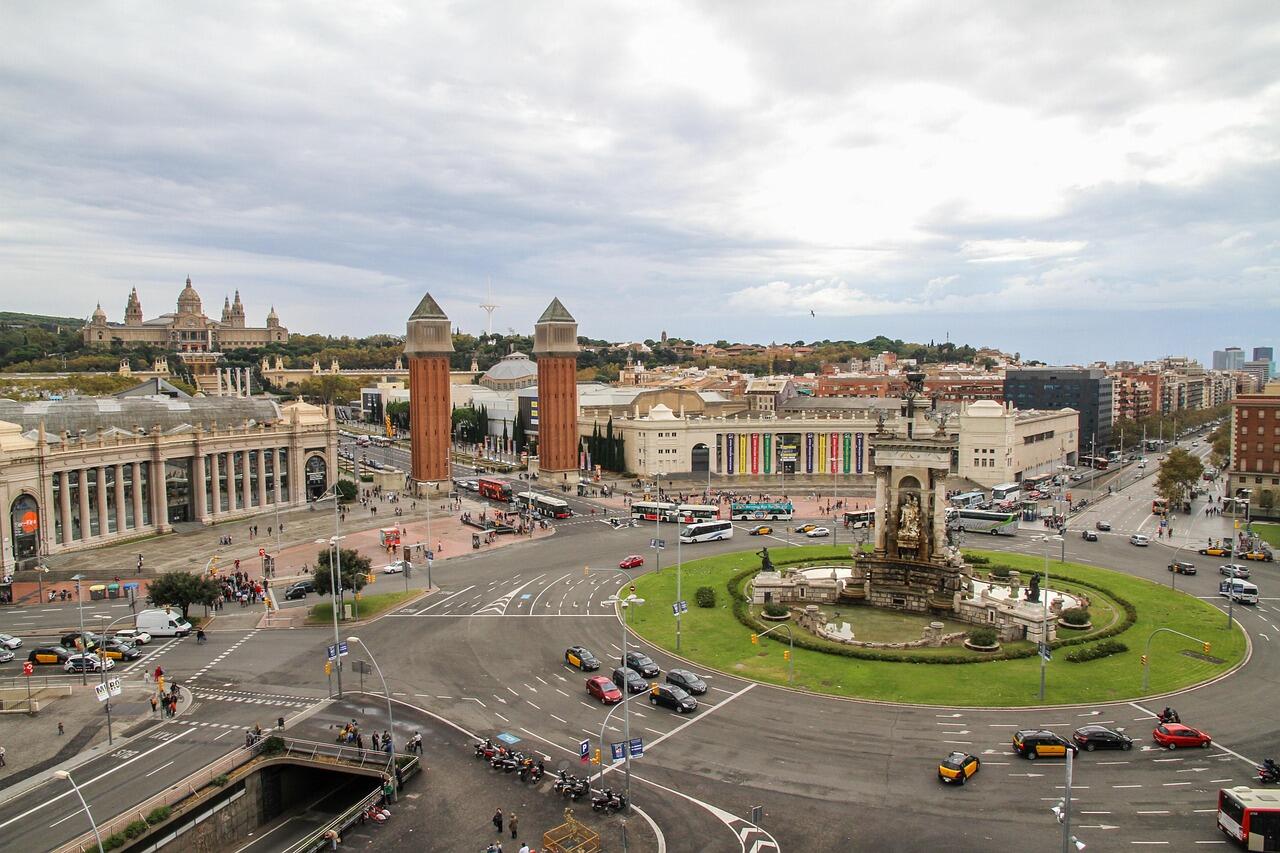
In Barcelona’s Ciutat Vella (Old City), the rolling suitcase is a symbol of “gentrification by tourism.” Local data suggests that in some quarters, over 30% of apartments are occupied by tourists. For residents, the sound of a trolley at 3 a.m. is the sound of an illegal rental in their building. While the city’s “Plan of Spaces of Great Affluence” focuses on managing crowds, neighbors have taken to hanging signs from balconies asking for silence. The city has increased inspections on illegal rentals, and “luggage noise” is often used as primary evidence by neighbors reporting unpermitted Airbnbs.
7. Amsterdam, Netherlands
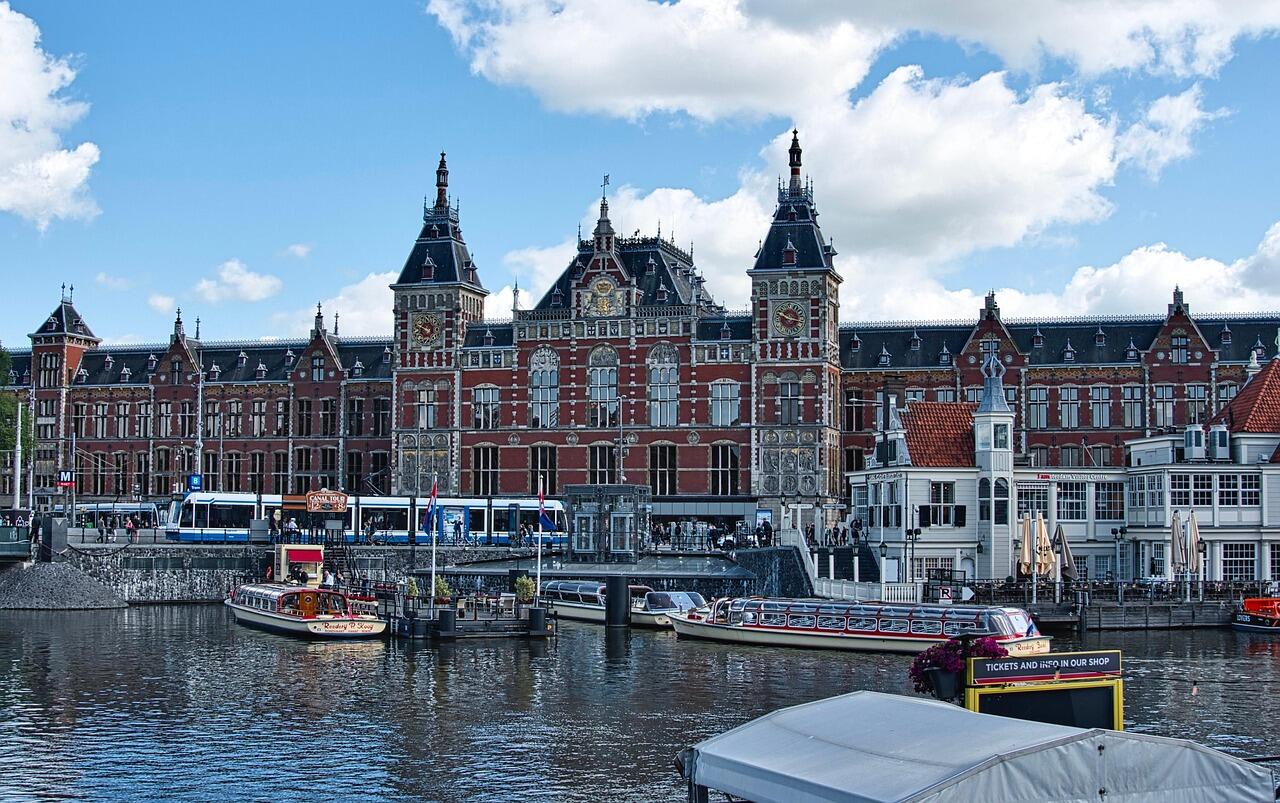
Amsterdam’s tall, narrow canal houses act as “echo chambers,” where street-level noise travels directly upward into bedrooms. The city’s “Stay Away” campaign targets nuisance tourism, and while the focus is on alcohol and drugs, “street noise” is a major component. In the Red Light District and Jordaan, some narrow lanes have experimented with “Silence Signs” that include a graphic of a suitcase with a line through it. With a hotel room density of over 30,000 rooms in the city center, the council is looking at ways to push luggage storage to the city periphery to keep the “last mile” wheel-free.
8. Cinque Terre, Italy
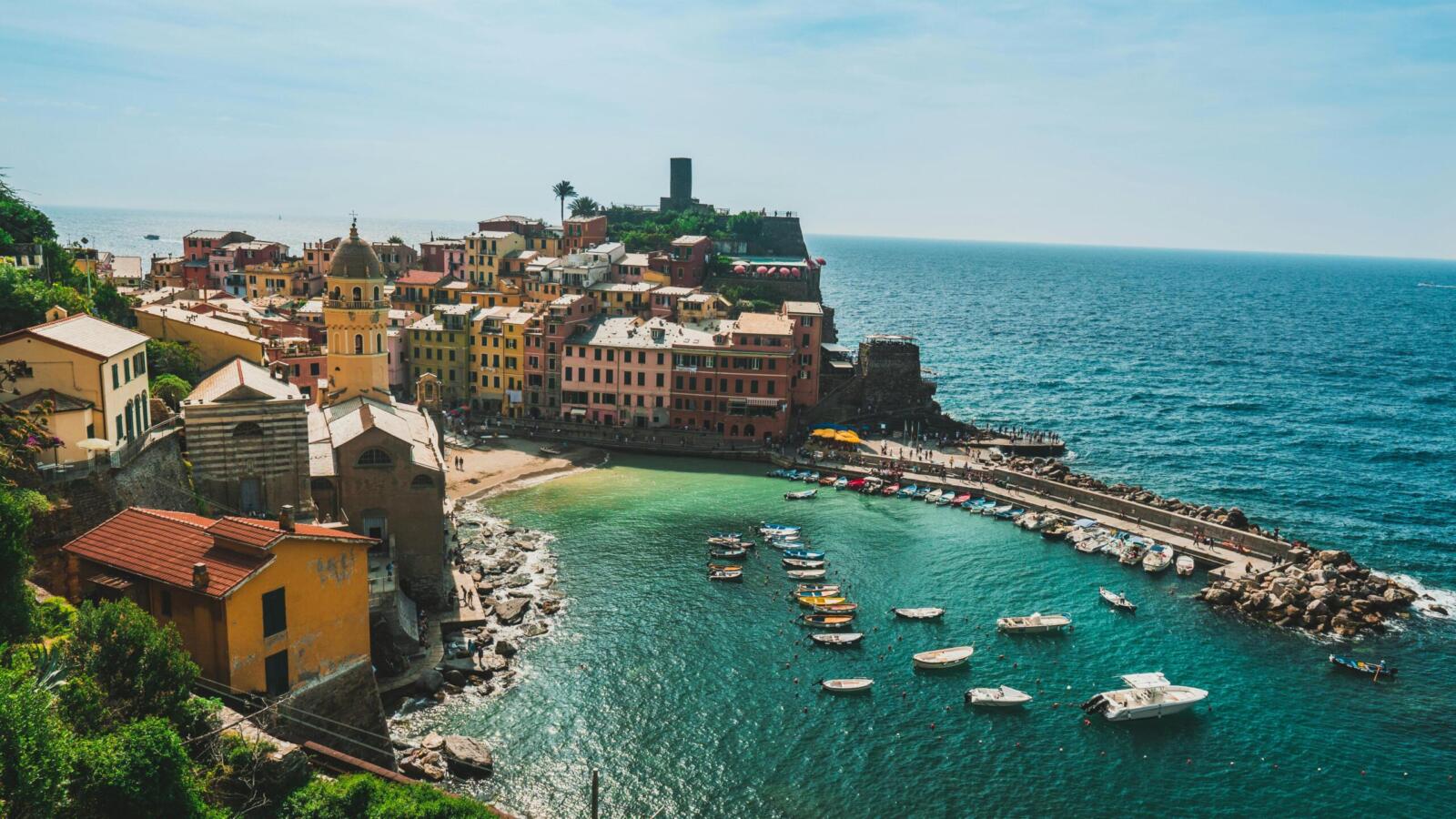
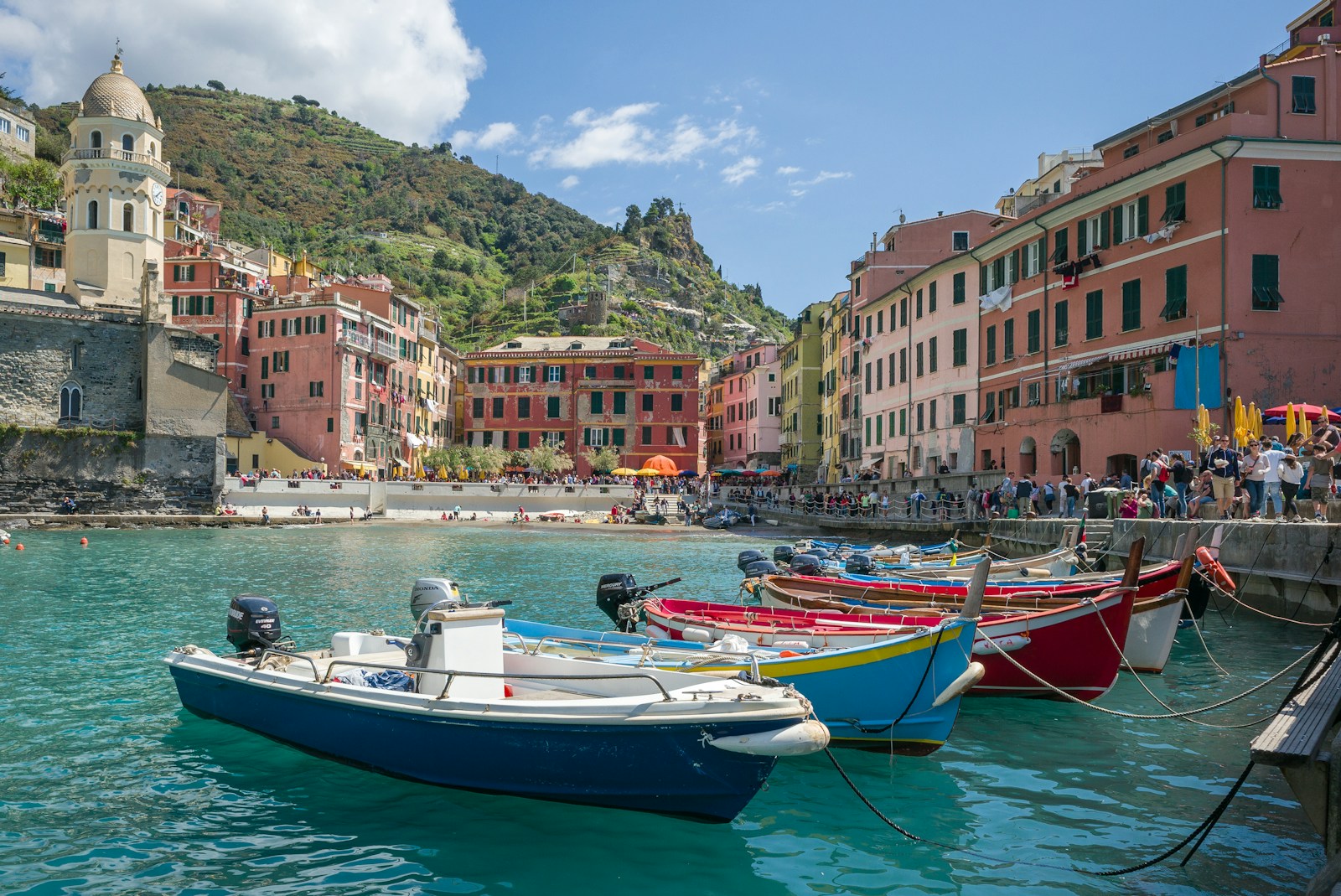
In the five villages of Cinque Terre, the “suitcase ban” is often enforced by gravity and physics rather than just laws. The region is a National Park, and officials have already started fining tourists up to 2,500 Euros for wearing flip-flops on hiking trails due to safety risks. Similar logic is applied to the villages’ train platforms. During peak season, a massive rolling bag on a crowded, narrow platform in Riomaggiore is considered a “safety hazard” and a “blockage of public transit.” Regional advice now explicitly tells travelers to leave large suitcases in lockers at the La Spezia train station.
9. Amalfi Coast Towns, Italy
Towns like Positano and Amalfi are built vertically, with thousands of steps being the only “roads” to many hotels. Large trolleys are functionally useless here, but tourists still attempt to drag them. To prevent the “arterial clog” of the main thoroughfares, many coastal towns have implemented strict “dress and behavior” codes that allow police to fine individuals for “obstructive behavior.” Dragging a 50-pound bag through a one-lane street during the afternoon “passeggiata” is increasingly categorized as an obstruction, with officials nudging visitors toward “Porterage Services” which cost roughly 10 to 15 Euros per bag.