

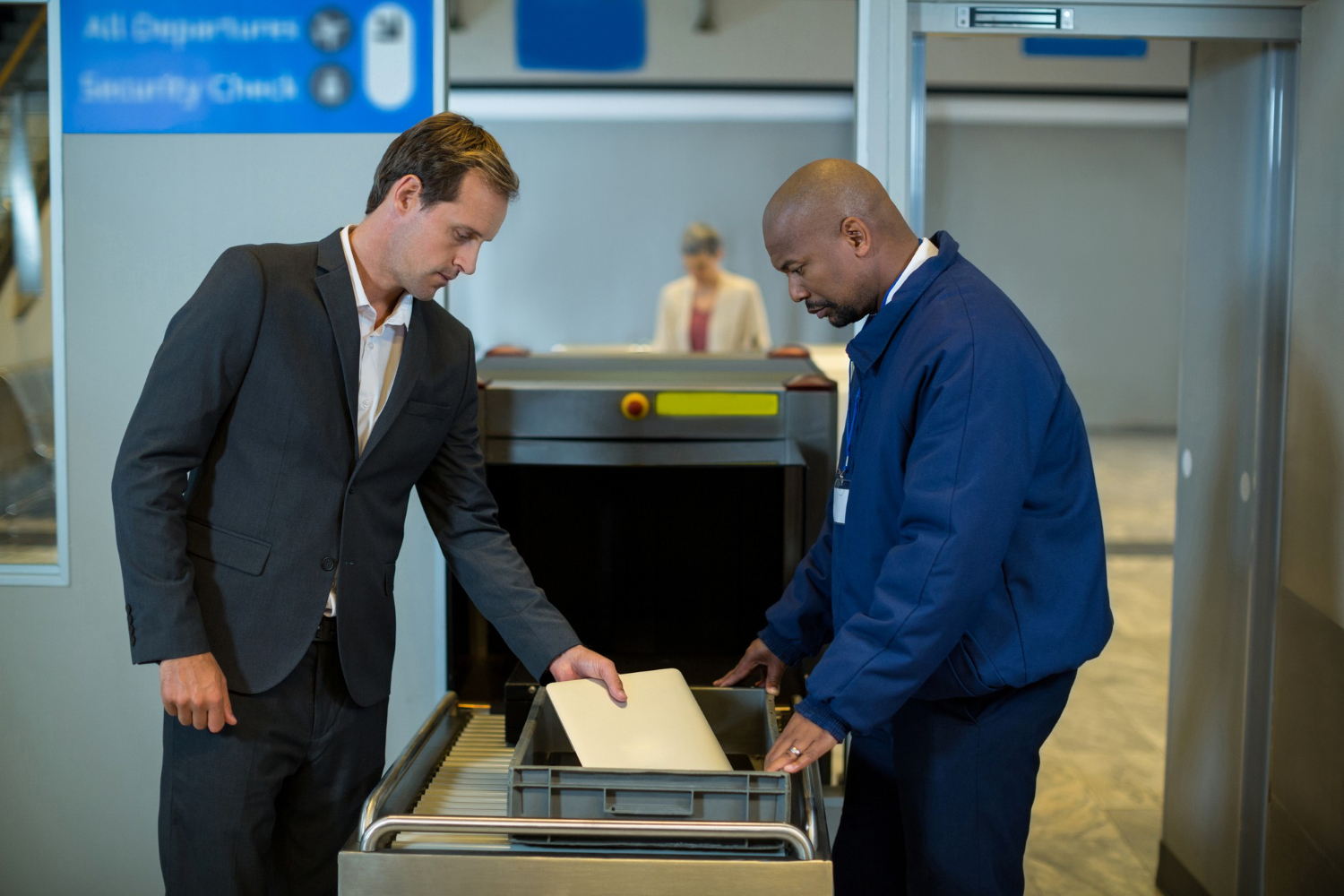
The Transportation Security Administration formally launched the TSA Gold+ program through an internal memorandum on May 14, 2026, followed by a pre-solicitation notice posted to the federal contracting database SAM.gov on May 15. The program represents the most significant structural change to American airport security since the TSA’s original 2001 creation. Under Gold+, participating airports would transition from federal TSA-staffed checkpoints with TSA-owned equipment to private contractor-operated checkpoints with privately-owned equipment, while the TSA retains regulatory oversight and security standard-setting authority. The program is voluntary for airports and represents an expansion of the existing Screening Partnership Program (SPP) that already operates at approximately 20 U.S. airports. Most American travelers have not heard about Gold+ yet. The program will substantially affect what American airport security looks like starting in summer 2026 and accelerating through 2027. Here is exactly what TSA Gold+ is, what it changes, and what it means for your travel.
The TSA Gold+ program emerged from a specific crisis. A partial federal government shutdown beginning in late 2025 and extending into 2026 forced approximately 61,000 TSA Transportation Security Officers to work without pay for an unprecedented 109-day period — the longest sustained federal shutdown affecting TSA in the agency’s history. TSA workers missed nearly $1 billion in collective wages during the period. President Donald Trump signed an emergency executive order on March 27, 2026 to maintain compensation for the affected personnel, but the experience clarified for the TSA leadership that the federal-staffing model produced unacceptable operational risks during congressional funding lapses. Acting TSA Administrator Ha Nguyen McNeill has argued in Congressional testimony that the Gold+ program would insulate airport screening operations from future federal funding fights, noting that private contractors under the existing SPP program have not missed a paycheck during shutdowns.
What Gold+ Actually Does
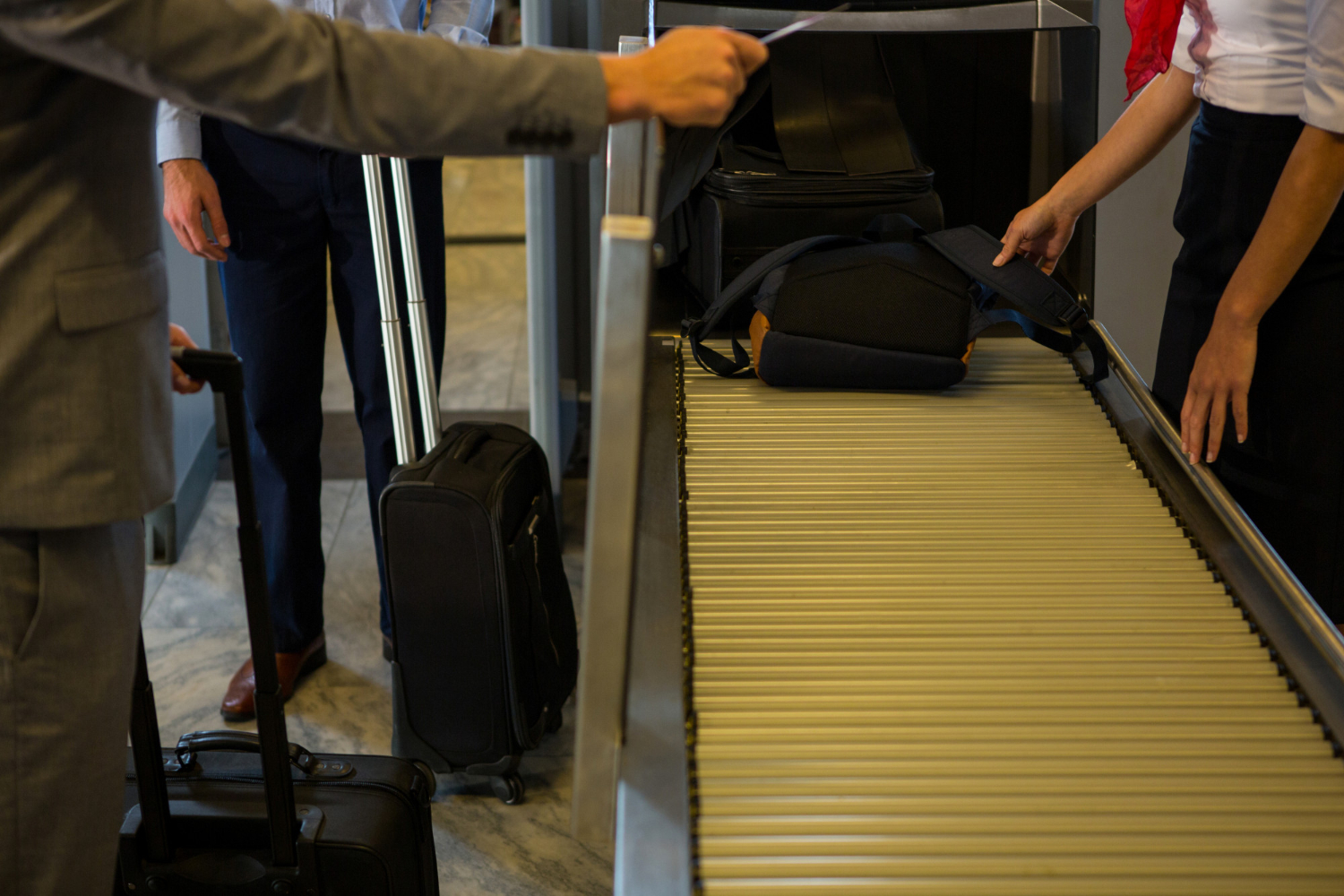
The existing Screening Partnership Program — operational since the early 2000s — allows individual airports to contract with private security companies to staff TSA checkpoints. Under SPP, the federal government still owns and manages the security equipment (the X-ray scanners, the body scanners, the explosives trace detection equipment), while private contractor employees physically operate the checkpoints. Approximately 20 U.S. airports currently operate under SPP, including San Francisco International (SFO) and Kansas City International (MCI). Under Gold+, the contractor would handle both the staffing and the equipment — including procurement of new scanners, deployment, technology upgrades, and ongoing maintenance — while the TSA continues setting security standards, conducting inspections, certifying procedures, and maintaining regulatory oversight. The program is structured as an Indefinite Delivery/Indefinite Quantity (IDIQ) contract vehicle with 10-year integrated contracts, evaluated on six factors including technology innovation, workforce management, performance outcomes, financial stability, and past performance.
Why TSA Says It’s Necessary
The TSA has cited four primary justifications for the Gold+ program. First, the federal procurement process for security technology has produced slow refresh cycles — the agency’s current timeline for fully upgrading older baggage screening systems to newer CT scanning technology extends into the 2040s. Private contractors could deploy equipment substantially faster. Second, equipment maintenance costs reached approximately $600 million in 2026, doubling over a decade, while the federal budgeting process has not kept pace. Third, the 28 percent passenger volume growth over the past decade (TSA screened 906 million passengers in 2025) has not been matched by a corresponding workforce expansion (only approximately 8 percent growth). Fourth, the program insulates airport security operations from congressional funding lapses, since private contractors remain funded during shutdowns.
What Passengers Will Actually See

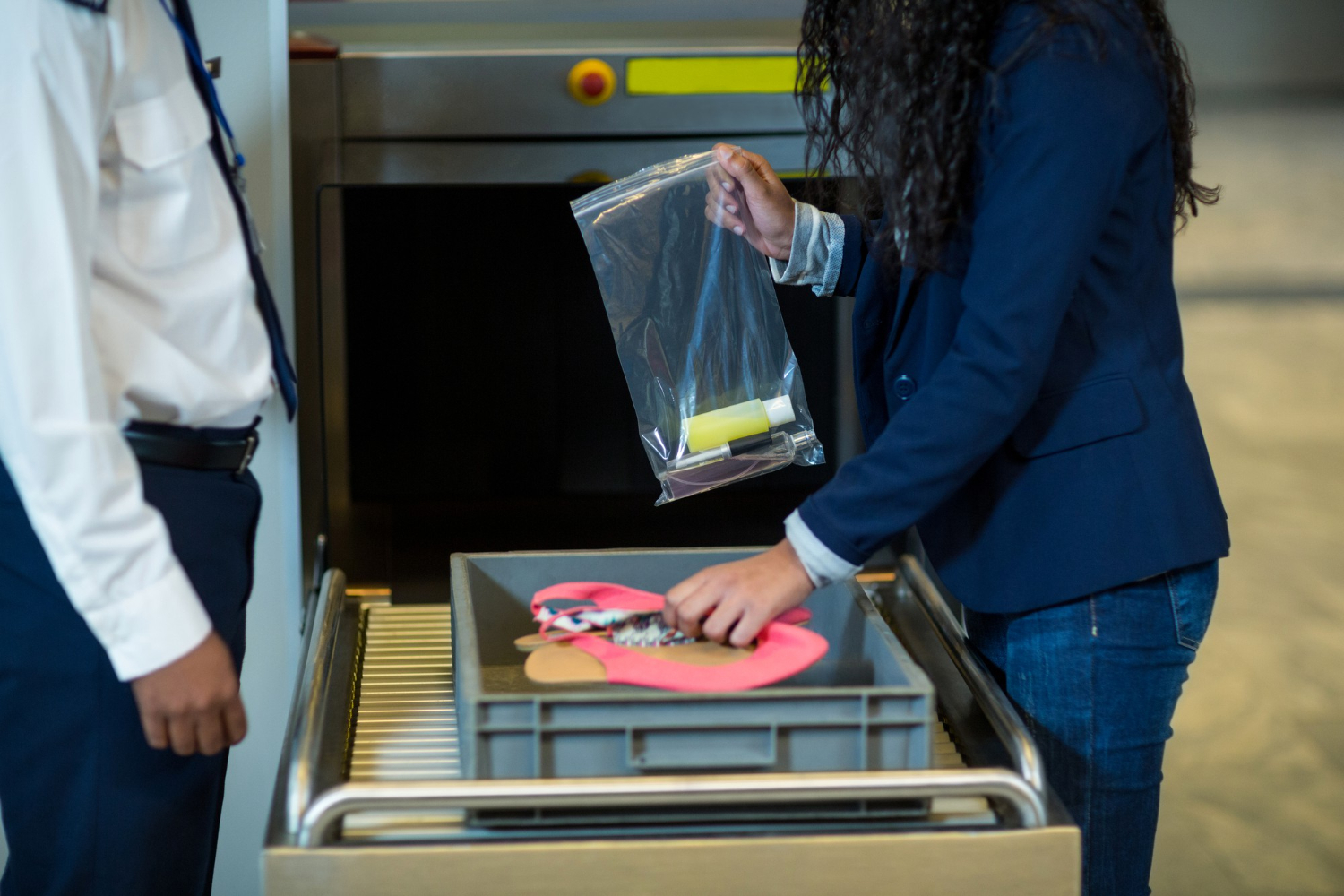
The practical experience at TSA Gold+ airports will look familiar to anyone who has flown through SFO or MCI under the existing SPP program. The checkpoint process — removing electronics, divesting metal items, sending bags through X-ray, walking through the body scanner — remains essentially identical. The same federally-mandated screening procedures apply. The same prohibited items rules apply. The same TSA PreCheck and CLEAR programs continue to operate. The most visible difference is uniforms. Officers at Gold+ checkpoints wear the contracting company’s uniforms instead of the federal TSA blue. According to former TSA Federal Security Director Keith Jeffries, the screeners receive the same training as federal TSA officers, with the same federal certification requirements. The substantive change is behind the scenes — different employer, different equipment ownership, different maintenance schedules — rather than at the lane itself.
Which Airports Will Participate

The TSA Gold+ program is voluntary. Airports opting into the program would transition from current federal TSA operations to private contractor operations over a 12 to 24-month transition period. The TSA has not publicly disclosed which airports have expressed interest in Gold+. The May 14, 2026 internal memo noted that “a handful of airports have expressed strong interest” without naming them. President Trump’s Fiscal Year 2027 budget proposal takes the expansion further by proposing to require all smaller Category III and IV airports to enroll in the existing SPP program — a move projected to save approximately $52 million annually. The smaller-airport requirement, if enacted, would substantially expand the privately-screened share of American commercial aviation. The major hub airports — Atlanta, DFW, LAX, JFK, ORD, DEN — are categorized separately and are not the current focus of the Gold+ expansion.
What Critics Are Saying
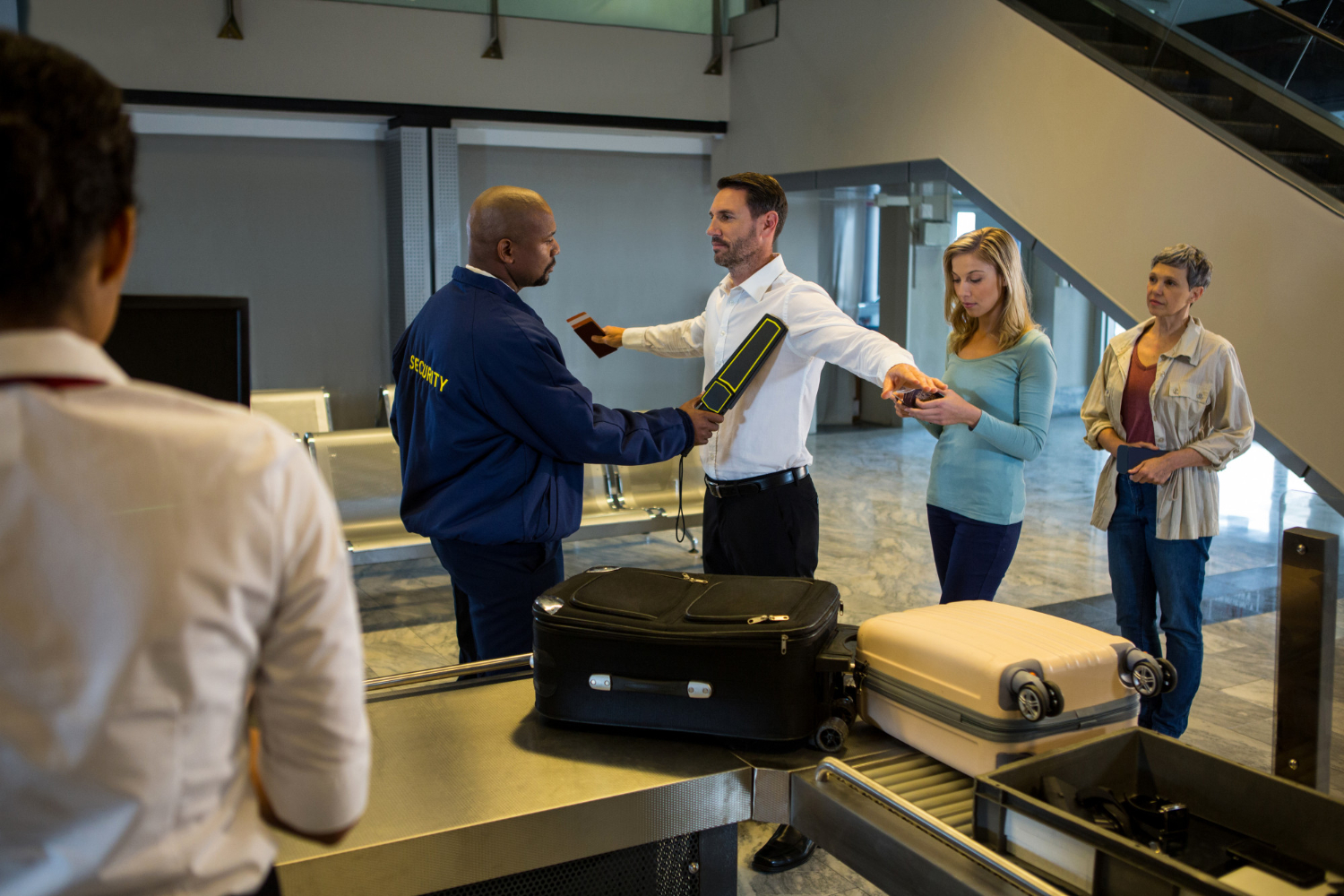
The American Federation of Government Employees (AFGE), which represents most TSA workers, has been the primary public critic of Gold+. The union’s president, Everett Kelley, has stated that significant decisions about the future of airport screening were being made through procurement documents and industry conferences while the union — and Congress — was not informed of the program’s existence. AFGE has filed public records requests for the underlying program documentation. Several Congressional Democrats on the House Homeland Security Committee have requested briefings from TSA on the Gold+ rollout. The substantive critique focuses on three issues: workforce protections under private contractors versus federal employment, the appropriateness of profit-motive within national security functions, and the practical question of whether private contractors can sustain security standards over 10-year contract periods without erosion. The TSA has stated that all federal security standards remain in place regardless of who operates the checkpoint.
What This Means for Summer 2026 Travelers

The practical impact on summer 2026 travel is minimal in the short term. The Industry Day for potential contractors was held May 21, 2026 at TSA headquarters in Springfield, Virginia. Written feedback on the draft framework was due May 25. The formal solicitation timeline has not been announced, and the first Gold+ airports will not transition operations until late 2026 or 2027 at earliest. Travelers flying through SFO, MCI, or other existing SPP airports will see no change. Travelers flying through standard federal-TSA airports will see no change in summer 2026. The first visible changes will likely appear in fall and winter 2026 at the airports that opt into Gold+ first — likely smaller regional airports where the transition risk is more manageable. The major hubs will not transition for several years.
The longer-term implications are more significant. American airport security is shifting structurally toward a public-private partnership model, with the federal TSA increasingly functioning as a regulator rather than an operator. The shift mirrors patterns in other federal infrastructure (air traffic control, certain customs operations) and could substantially change the look and feel of American airports over the next decade. Travelers should expect a gradual but persistent shift in how their airport security experience is delivered, with continuing federal oversight but increasing private operational management. The 2026 launch of Gold+ marks the most significant single step in this transition since the TSA’s original 2001 creation in the immediate aftermath of the September 11 attacks. The next 12 to 24 months will determine how broadly the program scales.
Like our content? Follow us for more.
