American travelers who last visited a national park before 2024 are walking into a substantially changed system in 2026. Eight major parks now require timed-entry reservations during peak months. Entrance fees rose under regulations finalized in early 2024. Yosemite Valley dropped its reservation system in 2026 amid federal staffing cuts. Several parks have introduced new shuttle-only zones, expanded backcountry permit lotteries, and modified their hours of operation. The National Park Service has also reorganized its annual pass program. Here is a complete briefing on every significant change to the U.S. national park system between January 2024 and summer 2026, drawn from the National Park Service’s published bulletins, federal regulations, and the agency’s most recent visitation reports.
The 2024-2026 period is the largest two-year update to the national park system since the 2017 reservation rollouts at parks including Arches and Acadia. The current changes span entrance fees, reservation requirements, pass-program structure, hours, shuttle programs, and major construction closures. American travelers planning a 2026 national park visit should review the changes systematically rather than relying on outdated travel guides or websites that have not been refreshed since 2023. Below is what has actually changed, organized by category.
Entrance Fees Increased at 17 Parks in 2024
The National Park Service published a Federal Register notice in early 2024 raising standard entrance fees at 17 of the most-visited parks, including Yellowstone, Yosemite, Grand Canyon, Zion, Arches, Glacier, Acadia, Rocky Mountain, Bryce Canyon, Olympic, Shenandoah, Crater Lake, Cuyahoga Valley, Denali, Mount Rainier, North Cascades, and Hawaii Volcanoes. The standard seven-day vehicle entrance fee at these parks rose to $35, up from the previous $25 to $30 depending on the park. Individual entry on foot or bicycle increased to $20. Motorcycle entry rose to $30. The annual single-park pass, which covers one park for one year, increased to $70 in 2024. The America the Beautiful annual pass — covering all national parks and federal recreation sites — remained at $80, providing the highest value for any family visiting more than two parks per year. Senior passes for U.S. citizens 62 and older remained at $20 annual / $80 lifetime.
Eight Parks Now Require Timed-Entry Reservations
The 2026 list of parks requiring timed-entry reservations during peak season is: Acadia (Cadillac Mountain Road, May 24 to October 19), Arches (April 1 to October 31), Glacier (Going-to-the-Sun Road and several other corridors, June through September), Haleakala (sunrise reservations year-round), Mount Rainier (Paradise corridor on weekends and holidays July through September), Rocky Mountain (May 24 to October 20), Shenandoah (Old Rag area, March through November), and Zion (Angels Landing trail, year-round). Reservation costs run $2 per reservation, in addition to the standard park entrance fee. Reservations open on Recreation.gov at specific dates ahead of each season — typically the first day of the preceding month — and most popular time slots sell out within minutes of release. Visitors arriving without reservations during the enforcement window are turned away at the entrance station.
Yosemite’s Reservation System Was Dropped in 2026
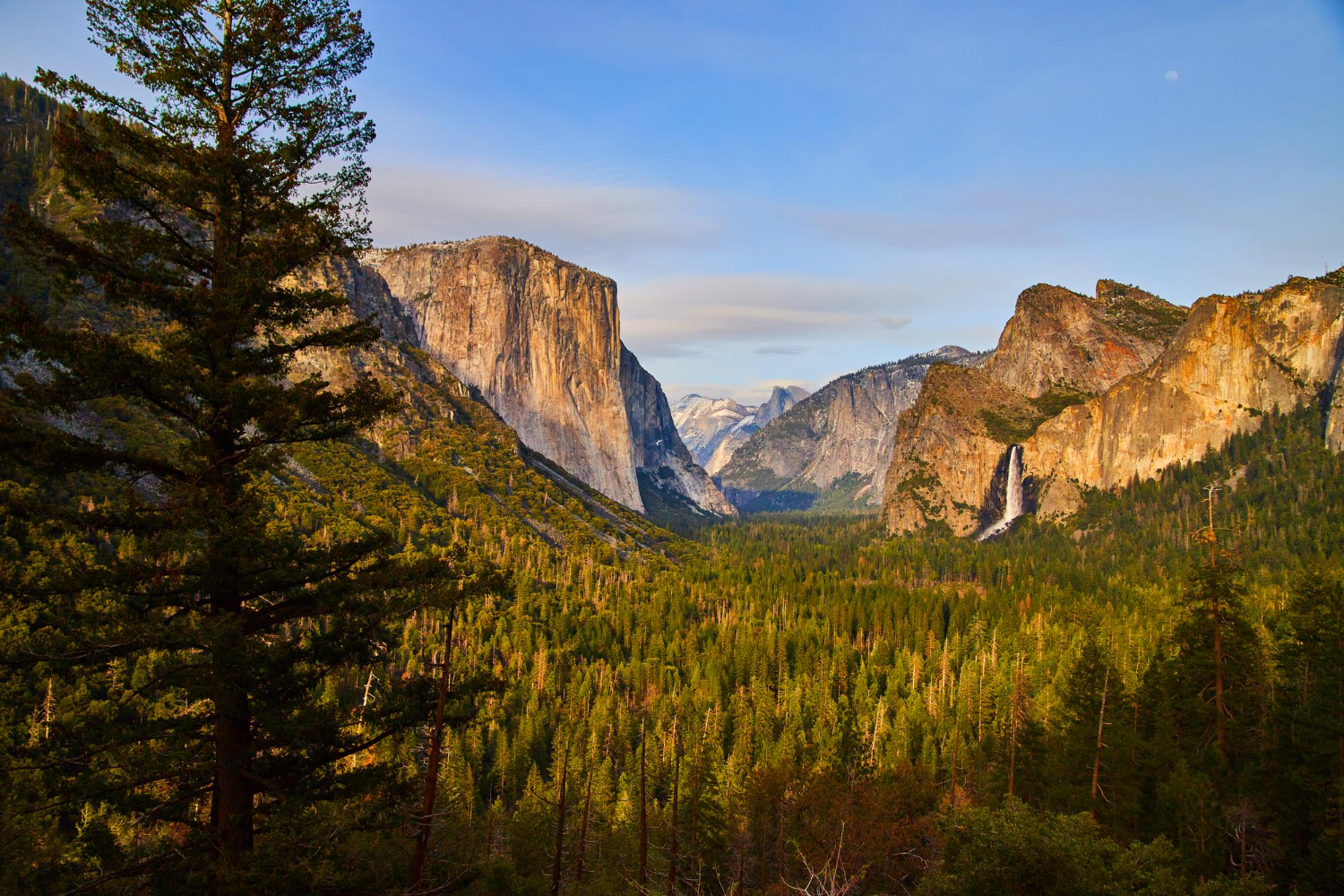
Yosemite National Park dropped its summer timed-entry reservation system for 2026, citing federal budget reductions and staffing changes announced in late 2025. The park no longer requires advance reservations for daytime visitation. The change has been widely reported as a reversion to a pre-2020 traffic environment. Wait times at the Highway 41 and Highway 140 entrance stations during peak summer 2026 have been reported to run two hours or longer on weekends, and parking at Yosemite Valley fills before 8 a.m. on most days between June and August. The decision has been controversial among park advocacy groups, several of which have publicly argued that the reservation system was the principal control on overcrowding-driven environmental damage in the valley. The reservation policy may be reinstated in future years depending on funding.
Annual Pass Structure Has Been Reorganized
The America the Beautiful annual pass system remains structurally the same in 2026, with the basic $80 annual pass covering all national parks and federal recreation sites including Bureau of Land Management land, U.S. Forest Service campgrounds, and U.S. Fish and Wildlife refuges. The pass is available at any participating site, online through usgs.gov, or by mail. The single-park annual pass rose to $70 in 2024 at most major parks, making the America the Beautiful pass the better value for any traveler visiting two or more parks. The senior pass remains $20 annual / $80 lifetime for U.S. citizens 62 and older. The access pass for permanently disabled U.S. citizens remains free. The 4th-grade Every Kid Outdoors pass remains free for U.S. fourth-graders and their families through the school year.
New Shuttle-Only Zones at Three Parks
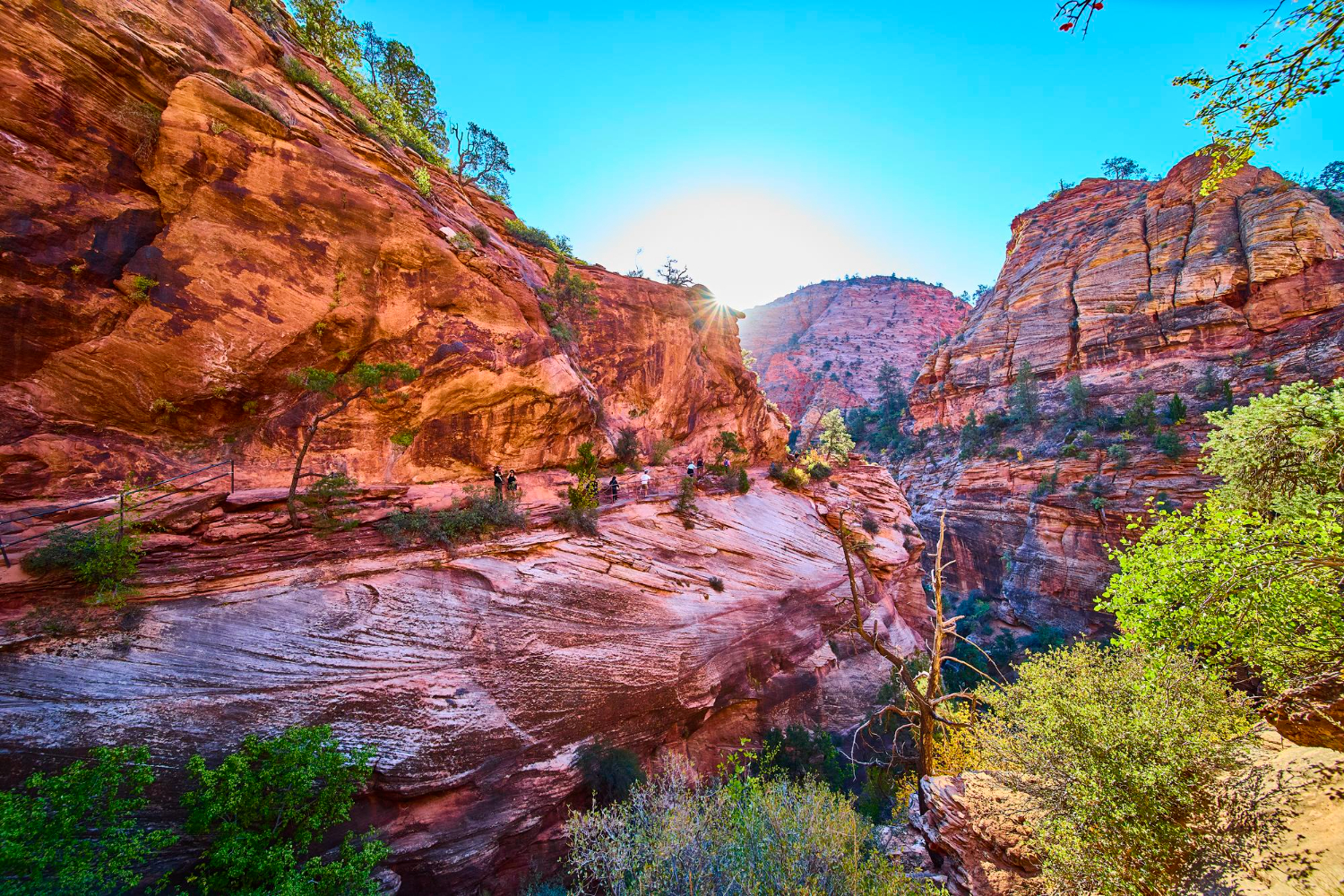
Three parks introduced new shuttle-only zones between January 2024 and summer 2026: Zion expanded its existing shuttle-only Zion Canyon Scenic Drive to year-round operation (previously shuttle-required only during peak months); Grand Canyon expanded Hermit Road shuttle-only operation to include shoulder seasons; and Bryce Canyon added a new shuttle-only loop at Sunset and Sunrise Points during summer 2026. The shuttle programs run continuously during operating hours and are free with park entry. Personal vehicles are not permitted on shuttle-only roads during operating hours. Travelers planning to photograph at sunrise or sunset must factor shuttle schedules into their timing — shuttles typically begin running 30 minutes before sunrise and stop running 30 minutes after sunset, which can affect access to specific viewpoints during low-light photography hours.
Backcountry Permit Lotteries Have Expanded
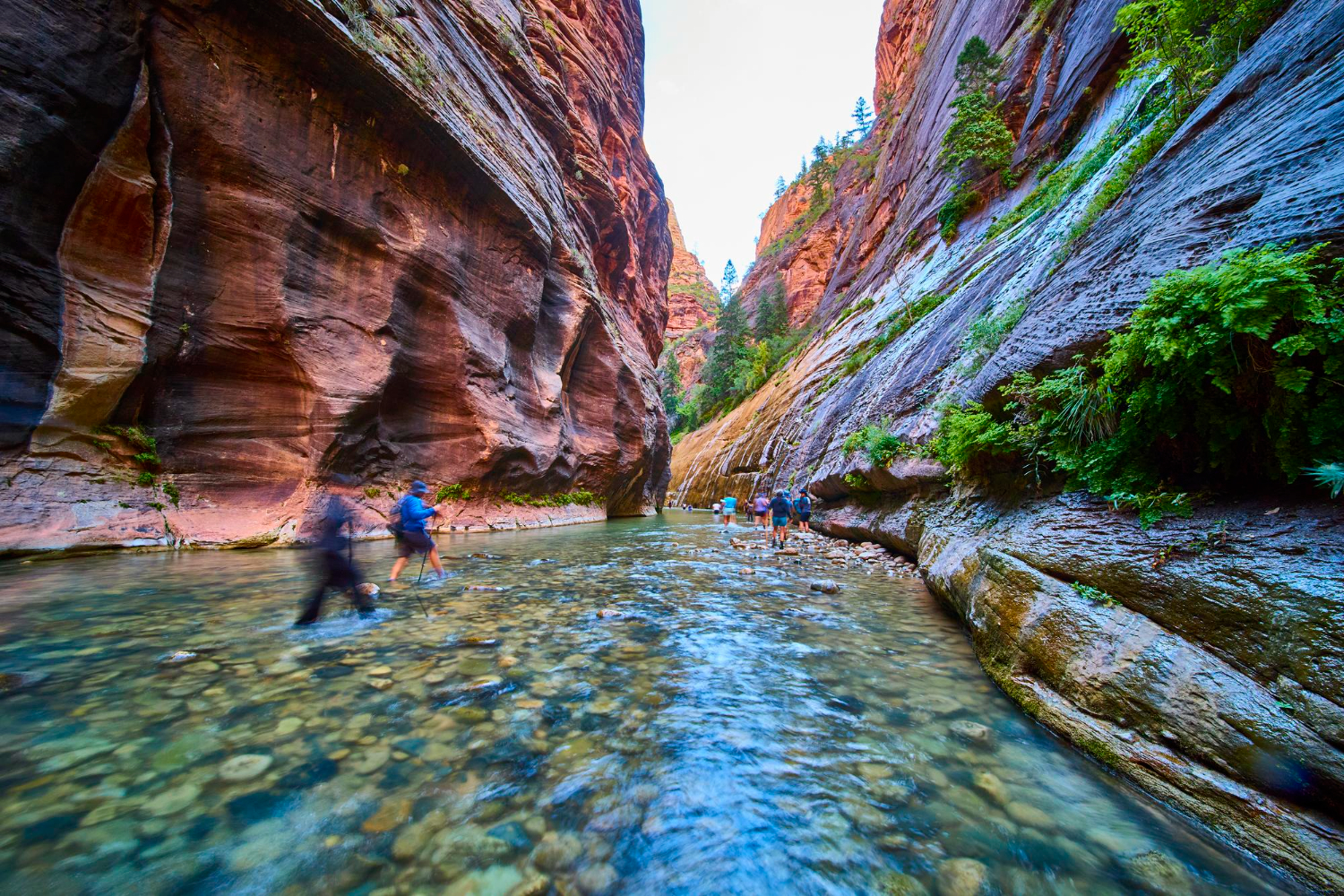
The backcountry permit lottery system has expanded substantially. The Angels Landing trail at Zion remains under year-round permit lottery, with approval rates running approximately 15 to 25 percent for advance applications and 40 to 60 percent for day-before applications. The Half Dome cables at Yosemite remain under lottery with 300 daily permits. The new backcountry permit requirement at Mount Whitney requires advance lottery applications six months in advance for the May-October hiking season. Glacier National Park added overnight backcountry permit reservations in 2025 for the Highline Trail and Belly River corridors. The Wave at Coyote Buttes North, administered by BLM rather than NPS, remains the most competitive single-permit lottery in the federal recreation system, with approximately 64 permits per day issued from over 800 applications.
Major Construction Closures in 2025-2026
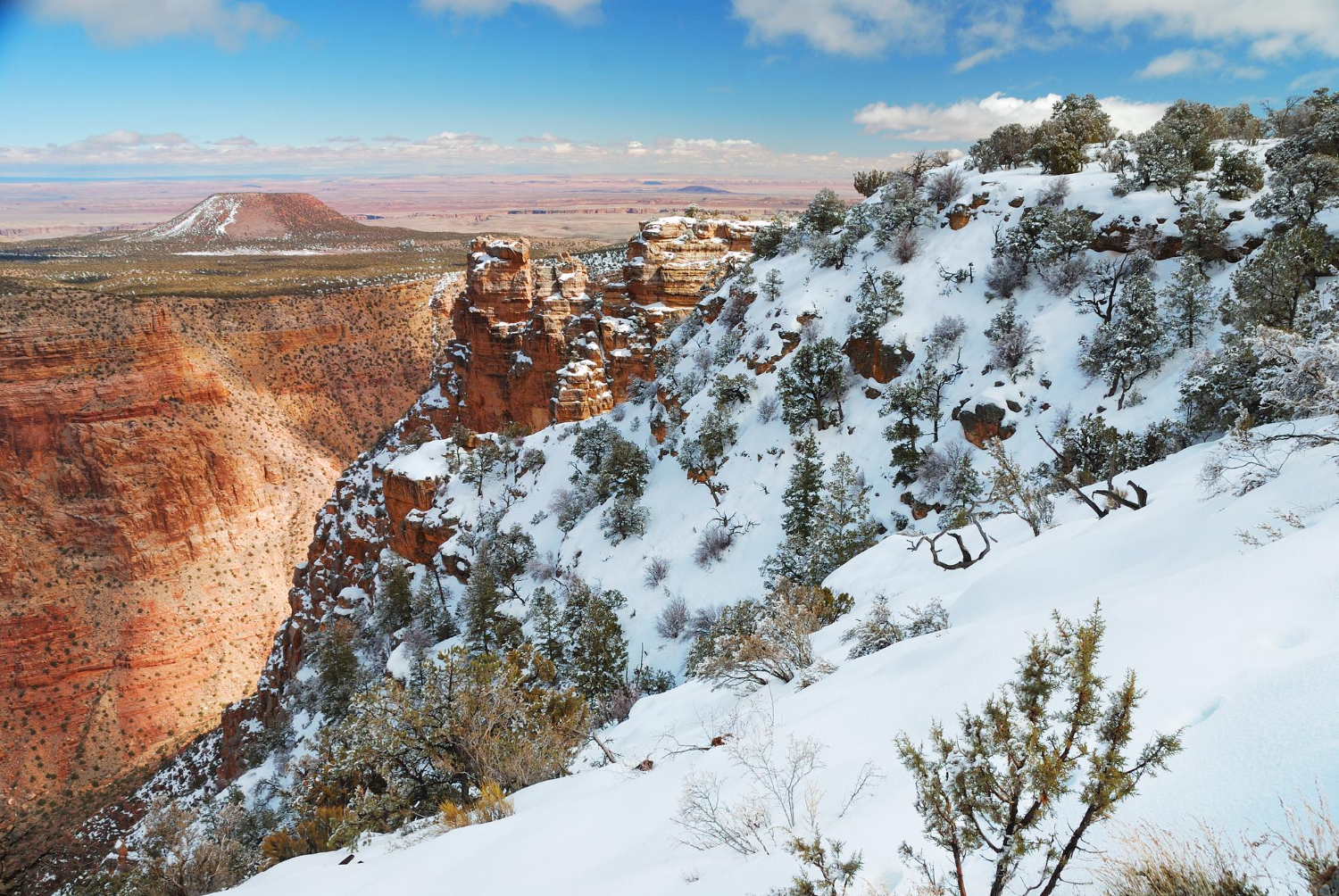
Several major park infrastructure projects have closed key access points during 2025 and 2026. The Going-to-the-Sun Road at Glacier remains partially closed in 2026 due to ongoing bridge replacement work that began in 2024 and is expected to extend through 2027. The Tioga Pass through Yosemite was closed for the entire 2024 season for road reconstruction and reopened in 2025. The historic Yellowstone North Entrance Road, washed out in 2022, fully reopened in summer 2023 with a new alignment. The Wawona Tunnel at Yosemite was closed for several weekends during 2025 for tunnel safety inspections. The Mount Washburn Trail at Yellowstone remains closed through 2026 due to ongoing trail-erosion repair. Travelers should check the National Park Service Alerts page for the most current closure information before any 2026 trip, as additional closures are announced on rolling schedules.
Hours of Operation Have Tightened at Several Visitor Centers
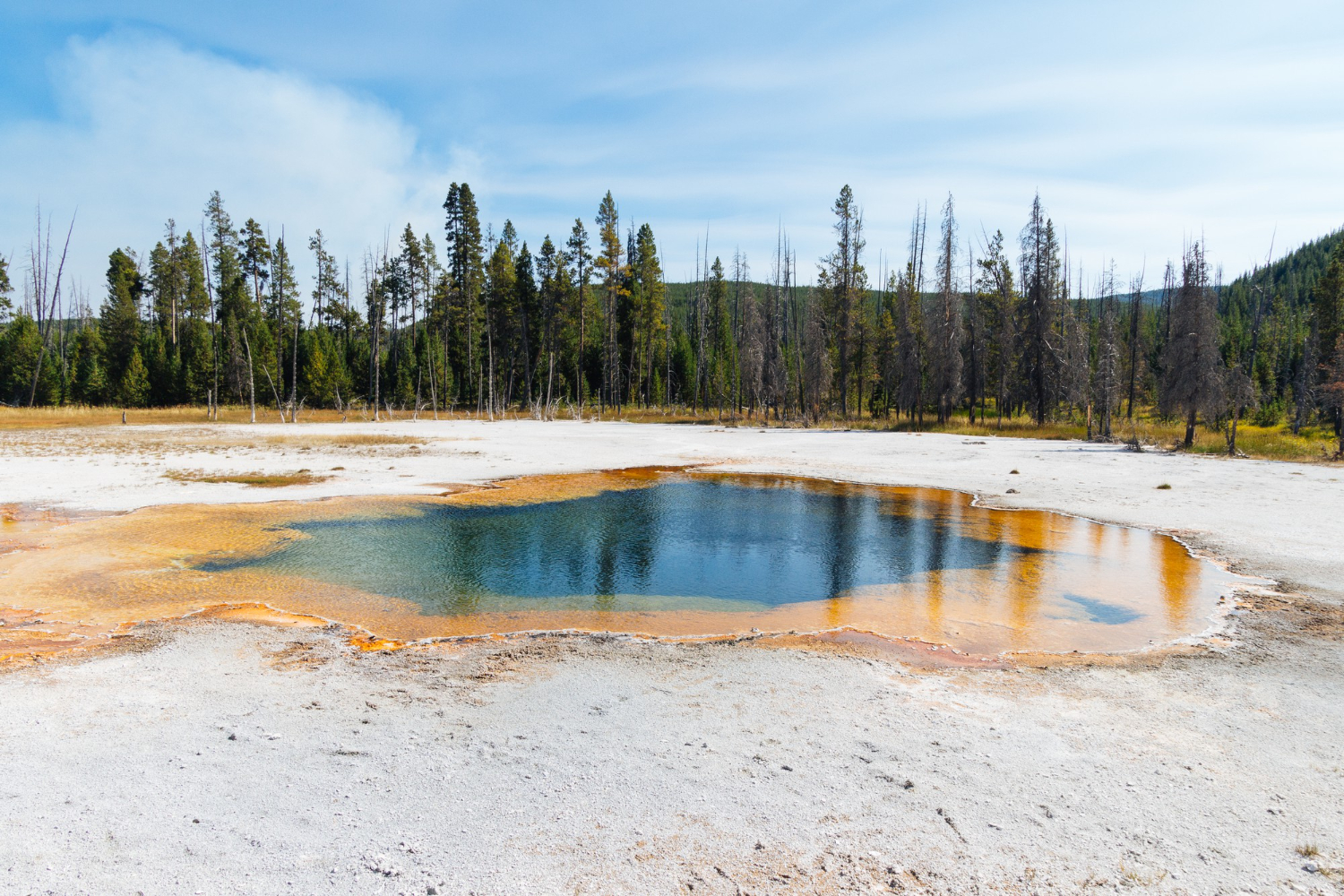
Several park visitor centers reduced their hours of operation in 2025 and 2026 due to federal staffing reductions. The Yellowstone Albright Visitor Center now operates 9 a.m. to 5 p.m. (previously 8 a.m. to 7 p.m.); the Yosemite Valley Visitor Center now operates 9:30 a.m. to 4:30 p.m. (previously 9 a.m. to 5 p.m.); the Grand Canyon Mather Point Visitor Center now operates 8 a.m. to 6 p.m. year-round (previously 7 a.m. to 7 p.m. peak). Several smaller visitor centers and ranger stations at less-visited parks have either reduced hours or shifted to seasonal-only operation, with the Ledbetter Heights Ranger Station at Big Bend now operating only May through September. Travelers should plan to obtain park information, maps, and last-minute permits during the narrower service windows.
What This Means for 2026 Trip Planning
The cumulative 2024-2026 changes to the U.S. national park system favor advance planners. Travelers who have not visited since 2022 should expect a system that requires more reservations, charges higher entrance fees, runs on tighter visitor-center hours, restricts more vehicle access, and demands earlier morning arrivals to find parking. The America the Beautiful annual pass remains the single best-value option for anyone visiting two or more parks per year. The Recreation.gov reservation system is now the central interface for nearly every park requiring advance reservations, and travelers should create an account well before any major trip. The 2026 national park experience remains accessible and rewarding for prepared visitors — but it is meaningfully less spontaneous than the 2019 baseline that many returning Americans remember.