The mass migration of the early 2020s was driven by a desire for more space and lower costs. However, by late 2025, the reality of these moves has set in. Using migration data from the U.S. Census Bureau and cost of living indices, we have identified the states where new residents are reporting the highest levels of dissatisfaction due to unforeseen costs, infrastructure failures, and social friction.
1. Texas: The Property Tax “Gotcha”
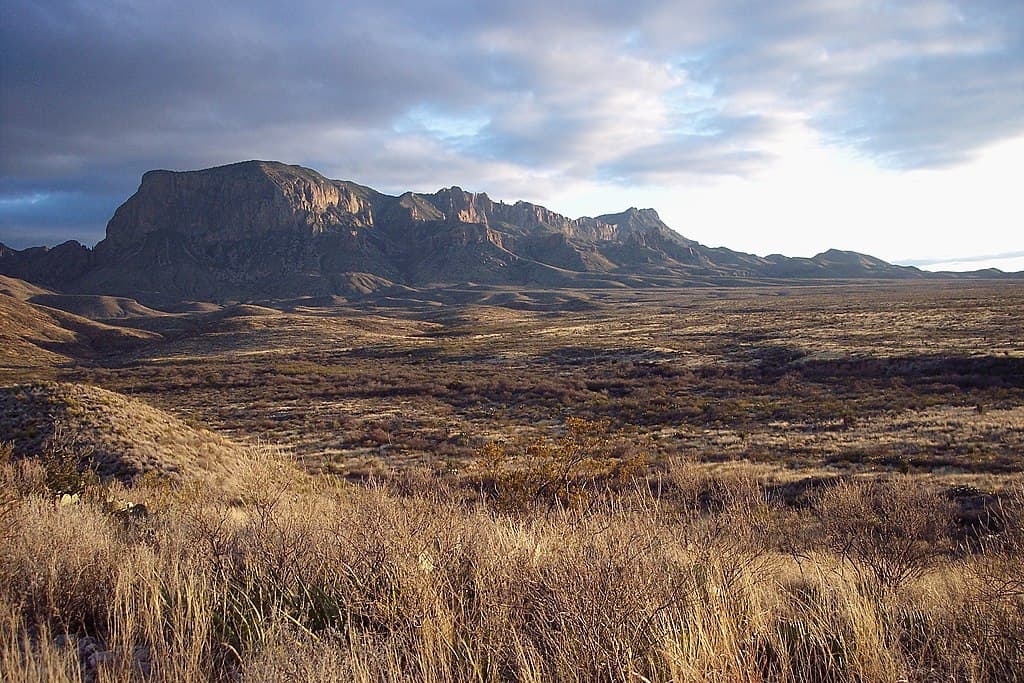
The lack of a state income tax is the primary draw for Texas, but the trade-off is one of the highest property tax burdens in the country. According to the Tax Foundation, the effective property tax rate in Texas is 1.60 percent. For many residents moving from California or Washington, the annual tax bill on a median-priced home can exceed 15,000 dollars, effectively neutralizing any savings from the lack of income tax. Additionally, the state power grid remains a point of high anxiety during extreme weather events, leading to a sense of instability for those accustomed to more robust utility infrastructure.
2. Florida: The Insurance “Death Spiral”
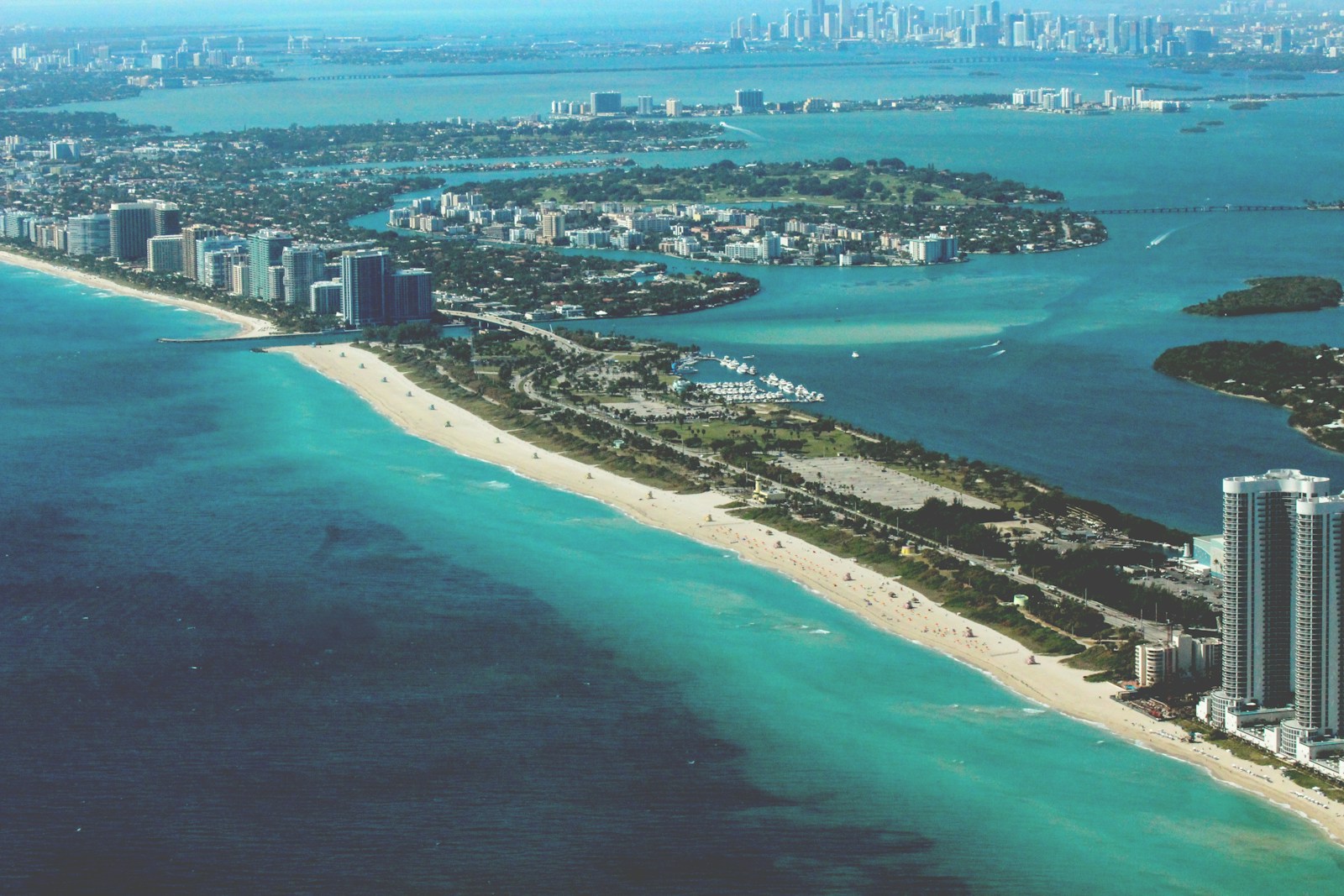
Florida’s growth has hit a significant roadblock in the form of the home insurance market. Data from Insurify reveals that the average annual premium in Florida has surged past 10,000 dollars. For retirees on a fixed income and families alike, this cost has made homeownership unsustainable. Beyond the financial aspect, the sheer volume of newcomers has overwhelmed local traffic corridors. The Florida Department of Highway Safety and Motor Vehicles has recorded a sharp increase in congestion levels, particularly in the I-4 corridor, turning what was once a relaxed lifestyle into a daily struggle with gridlock.
3. Idaho: The “Local Backlash”
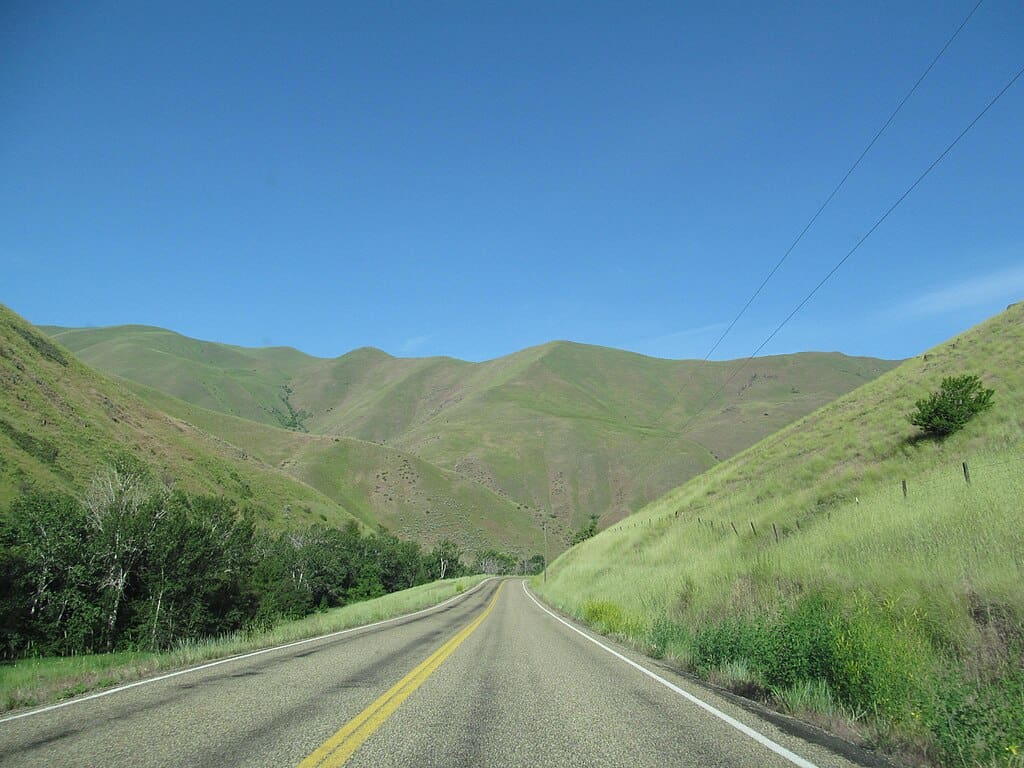
Boise and the surrounding Treasure Valley were the epicenter of the remote work boom, but the sudden influx caused the fastest housing appreciation in American history. Federal Reserve data indicates that Idaho’s housing affordability index dropped more significantly than almost any other state. Newcomers often face a cultural “cold shoulder” from long-term residents who feel priced out of their own hometowns. This social tension, combined with a lack of the diverse amenities found in larger coastal hubs, has led many to feel that the mountain-west dream was overstated.
4. Arizona: The Water and Heat Crisis

The primary deterrent for new Arizona residents is the increasingly long and lethal summer heat. In 2024, Phoenix recorded 113 days with temperatures at or above 100 degrees Fahrenheit. This extreme climate forces residents indoors for nearly half the year, creating a “reverse winter” effect that many find isolating. Furthermore, the Bureau of Reclamation’s ongoing water restrictions for the Colorado River have raised serious questions about the long-term sustainability of desert landscaping and pool ownership, which were major draws for the state.
5. Tennessee: The Infrastructure Lag
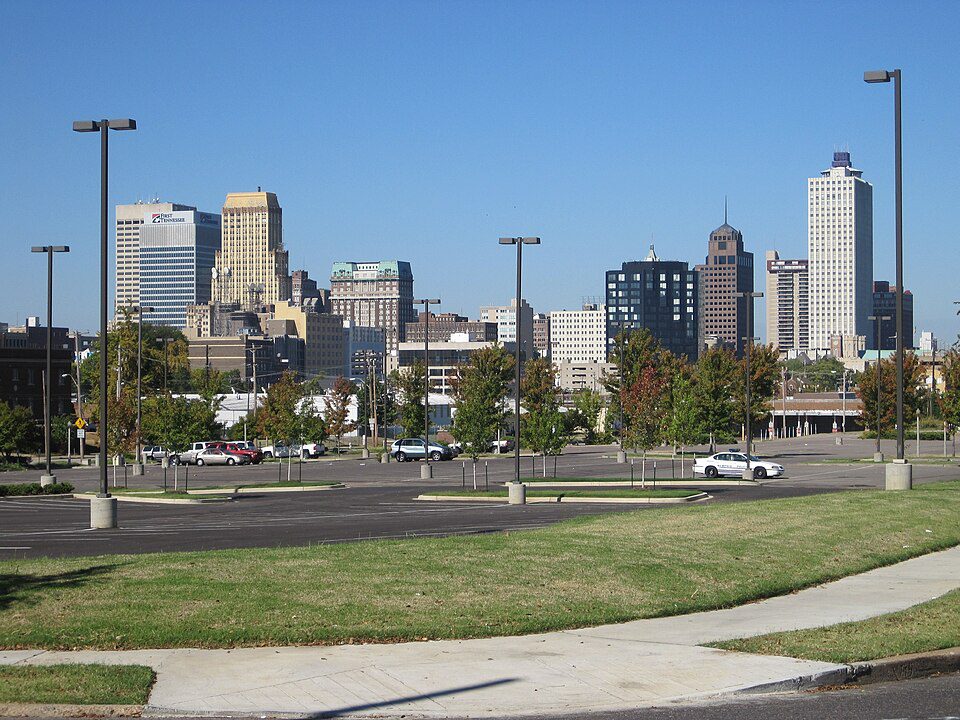
Tennessee was touted as a low-cost paradise, but the infrastructure in Middle Tennessee has failed to keep pace with the population surge. The Tennessee Department of Transportation reports that Nashville now ranks among the top cities for commute time increases. Residents moving for a “slower pace of life” find themselves trapped in traffic that rivals major coastal cities. Additionally, the rapid growth has caused a spike in local sales taxes and fees to fund new schools and roads, quickly eroding the “low-cost” advantage that originally attracted the exodus.
6. Montana: The “Equity Refugee” Trap
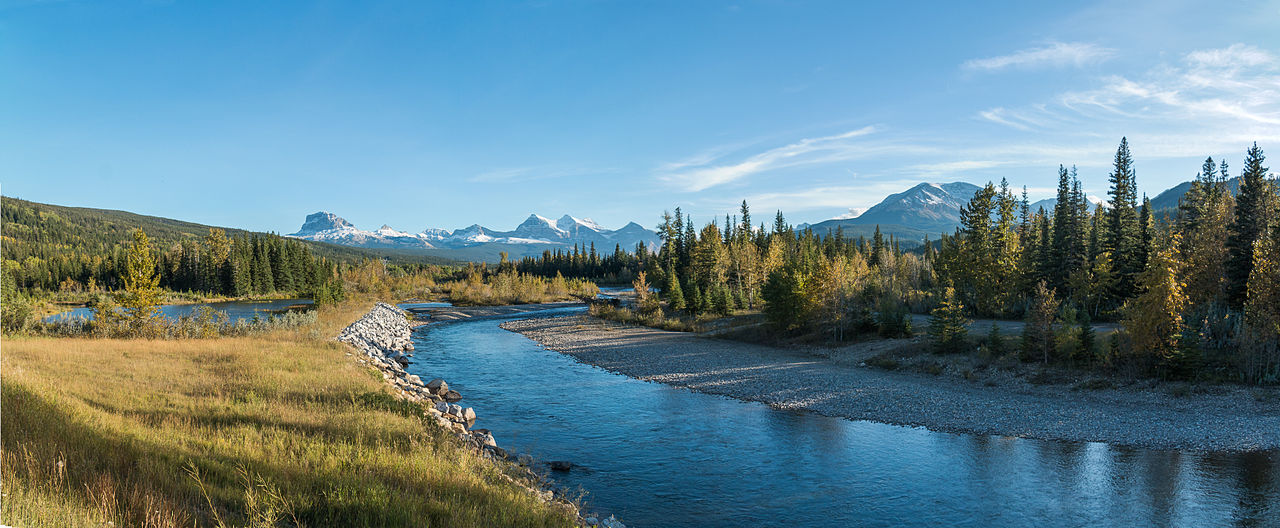
The “Yellowstone” effect brought a wave of high-income earners to Montana, which in turn decimated the local rental and housing markets. In Gallatin County, home prices have remained at luxury levels even as the national market cooled. Transplants often find that while the scenery is beautiful, the lack of professional-grade healthcare and the brutal six-month winters are more than they bargained for. Many who moved for the “rugged lifestyle” discover that the logistics of living in a remote, high-altitude environment are exhausting and expensive.
7. Colorado: The “Outdoor Crowding” Effect
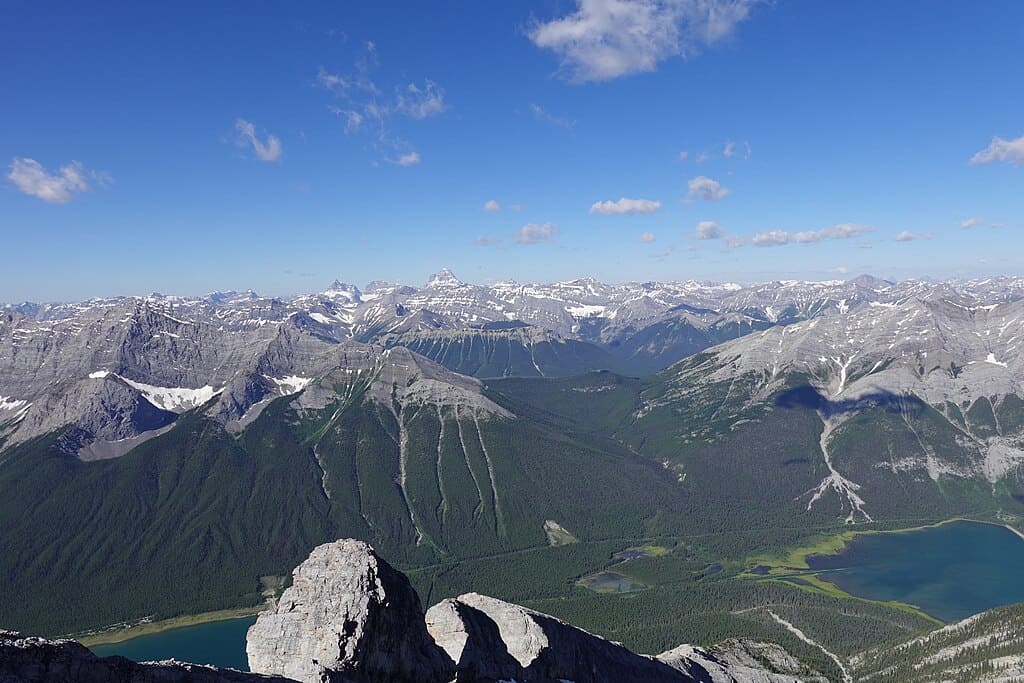
Colorado has transitioned from a hidden gem to an overcrowded hub. According to state park data, the sheer number of residents has led to the implementation of permit systems for everything from parking at trailheads to visiting popular lakes. The I-70 corridor, which provides the only access to major ski resorts, has become nearly impassable on weekends. For newcomers who moved for outdoor access, the reality of “scheduled nature” and extreme traffic has made the Colorado lifestyle feel more like a chore than a getaway.
8. North Carolina: The “New York” Pricing
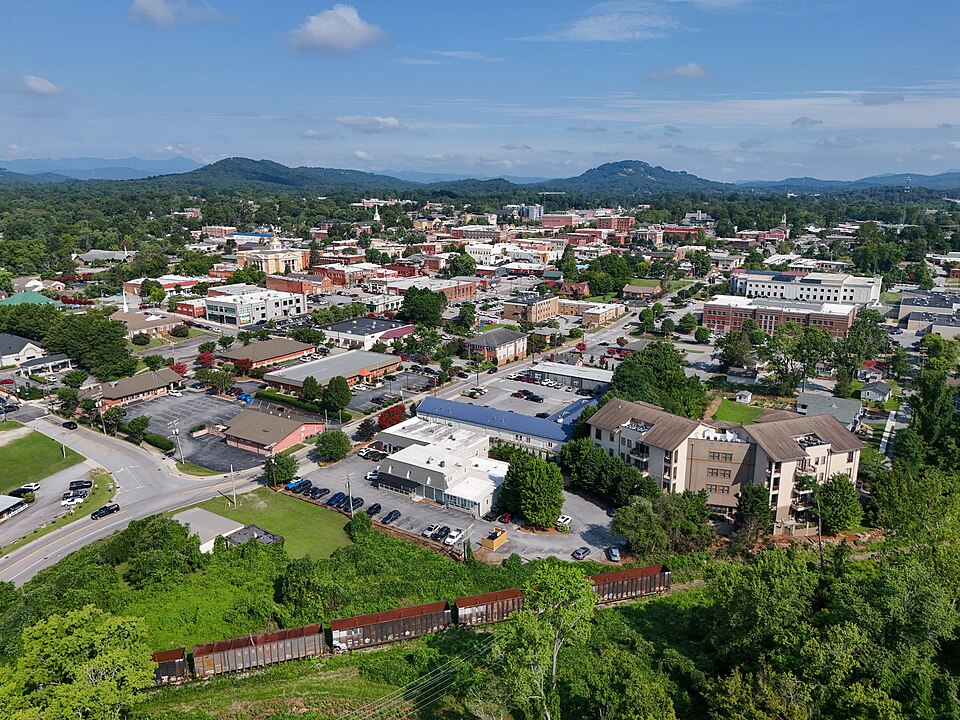
North Carolina has seen a massive influx from the Northeast, but this has brought “New York” prices to the South. Redfin reports that cities like Raleigh and Charlotte have seen some of the nation’s steepest rent hikes. The infrastructure, particularly in the Piedmont region, was not designed for this level of density. New residents often complain about the lack of reliable public transit and the fact that the “southern charm” is being replaced by strip malls and cookie-cutter developments to accommodate the population explosion.
9. Utah: The Great Salt Lake Environmental Risk
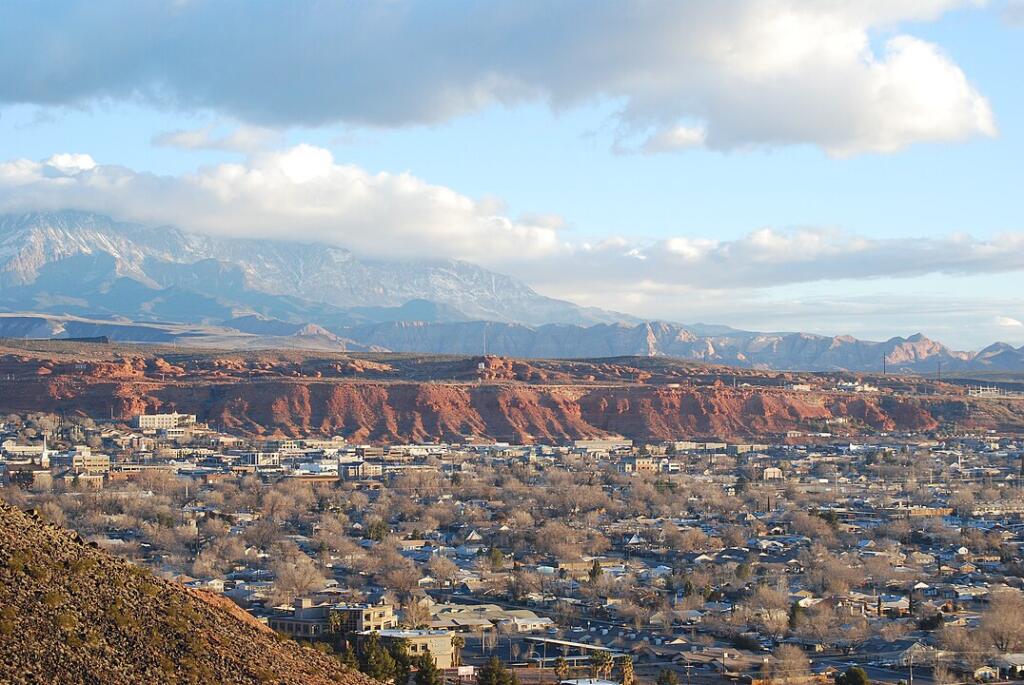
Utah’s primary concern for new residents is environmental. The shrinking of the Great Salt Lake has reached a critical point, with scientists warning of toxic dust storms containing arsenic. This environmental “ticking clock” has created a sense of urgency and regret for families who moved to the Wasatch Front for the healthy, outdoor-oriented lifestyle. While the economy remains strong, the looming ecological crisis has made many recent arrivals question the long-term safety and value of their real estate investments.
10. South Carolina: The Quality of Life Disconnect
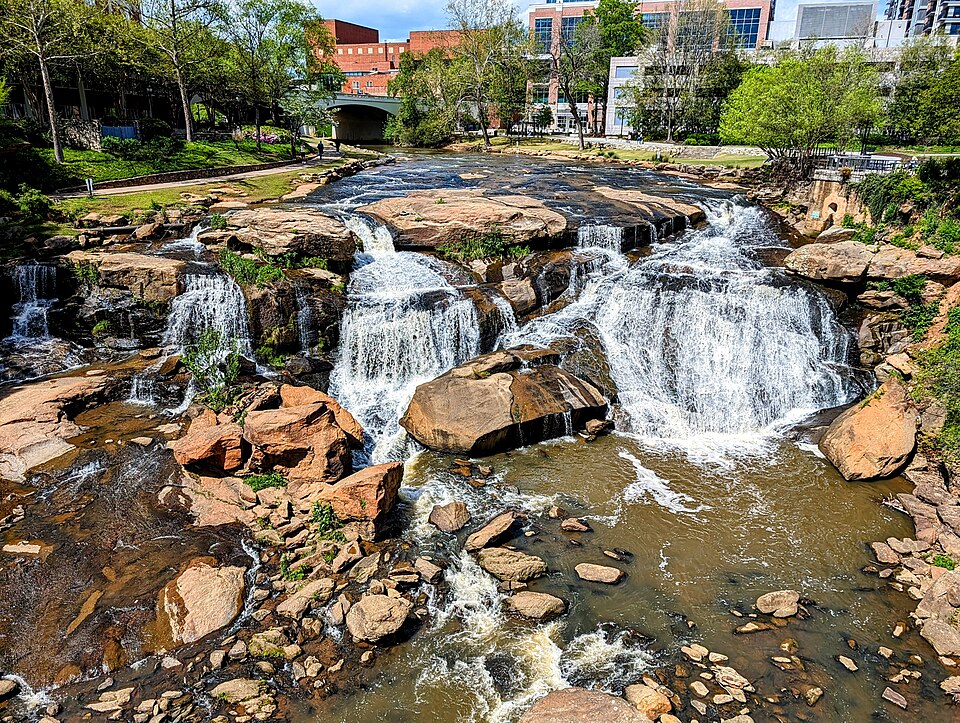
The draw of South Carolina is often its low property taxes and coastal beauty, but the trade-off is found in the state’s public services. U.S. News and World Report consistently ranks the state in the bottom tier for healthcare and education. Families moving from states with high-performing public schools are often shocked by the local education standards, frequently leading to the unplanned expense of private school tuition. This “hidden cost” of living has left many feeling that the state was not the bargain they initially thought it would be.