

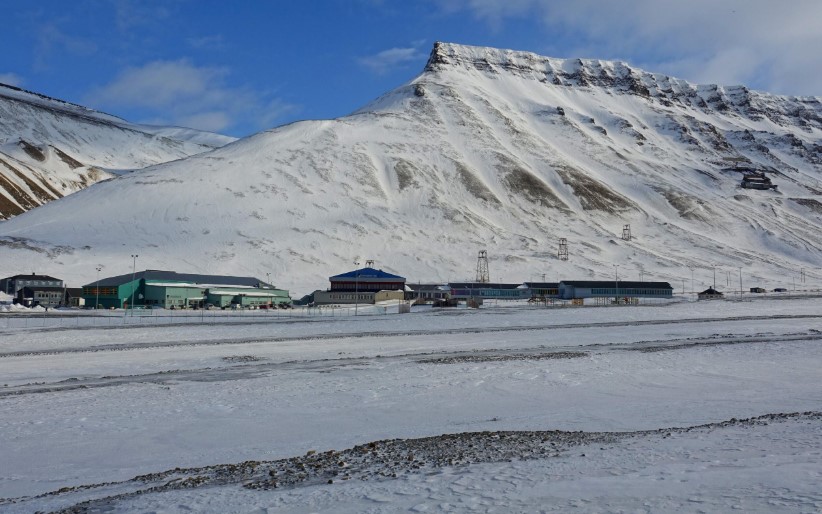
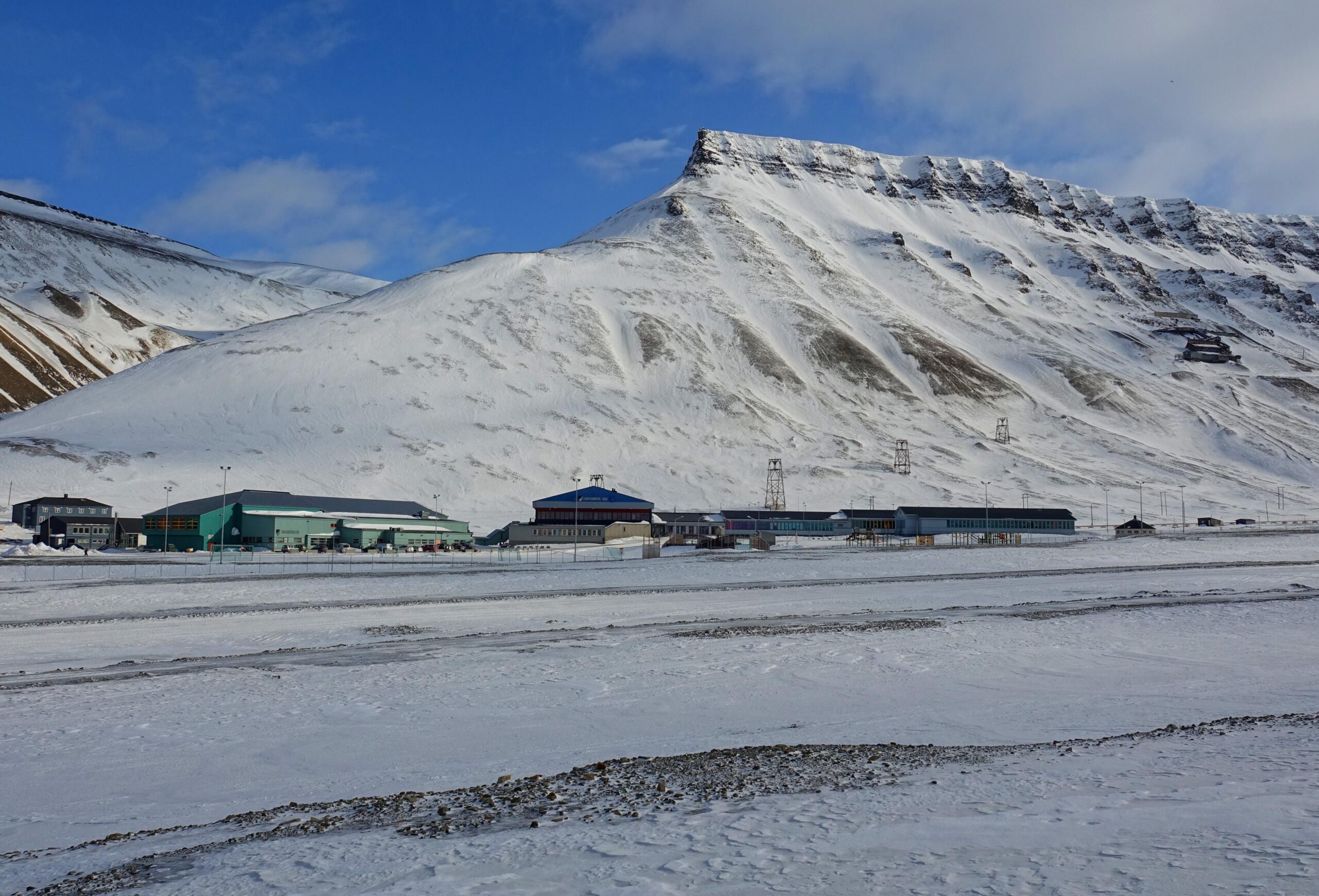
Svalbard sits halfway between mainland Norway and the North Pole — Arctic archipelago where the human population (~2,500 residents) is outnumbered by approximately 3,000 polar bears in the broader Barents Sea region. Norwegian law requires anyone leaving Svalbard’s settlements to carry suitable means of scaring off polar bears — typically a rifle. Rifles can be rented in the main town of Longyearbyen with proper documentation. Carrying loaded firearms inside town is forbidden. Pepper spray for bear protection is specifically prohibited. Here’s the actual story.
1: An Arctic Archipelago

Svalbard sits in the Arctic Ocean approximately halfway between mainland Norway and the North Pole. Total area: 61,022 km². Approximately 60% glacier coverage. Largest island: Spitsbergen. Norwegian sovereignty since 1925 under the Svalbard Treaty. Main settlement: Longyearbyen, with approximately 2,400 residents. Smaller settlement Barentsburg has ~400 mostly Russian residents. Various scientific stations house additional small populations.
2: The Polar Bear Population
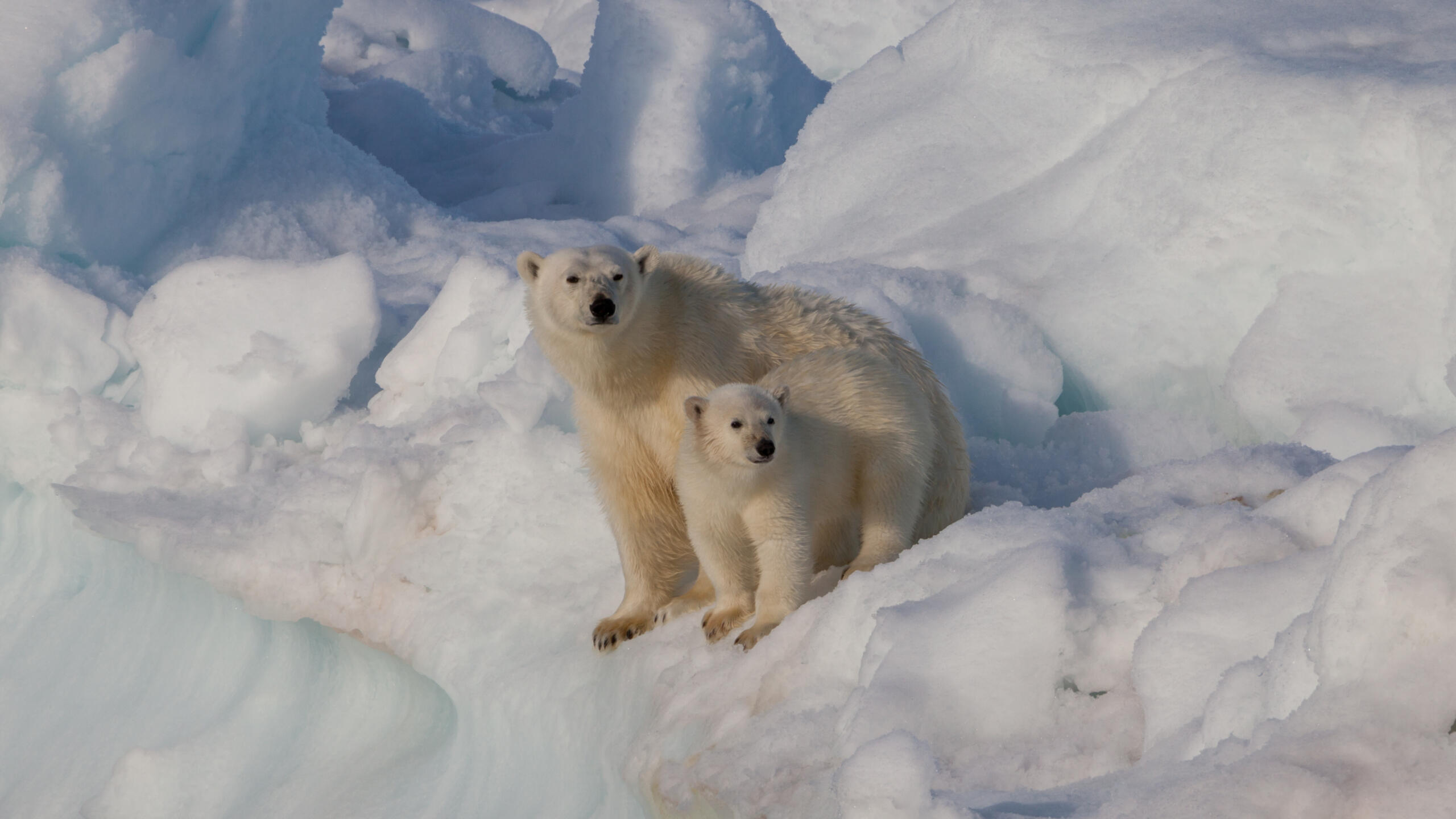
The Barents Sea polar bear subpopulation includes approximately 3,000 individuals across Svalbard and surrounding ice areas. Various polar bears specifically use Svalbard’s land areas for denning during winter months. The cumulative bear population varies seasonally — substantial portion moves with the cumulative sea ice patterns. The cumulative result: human population is genuinely outnumbered by polar bears across the broader region, though specific Svalbard land-based bear presence varies substantially.
3: The Rifle Requirement
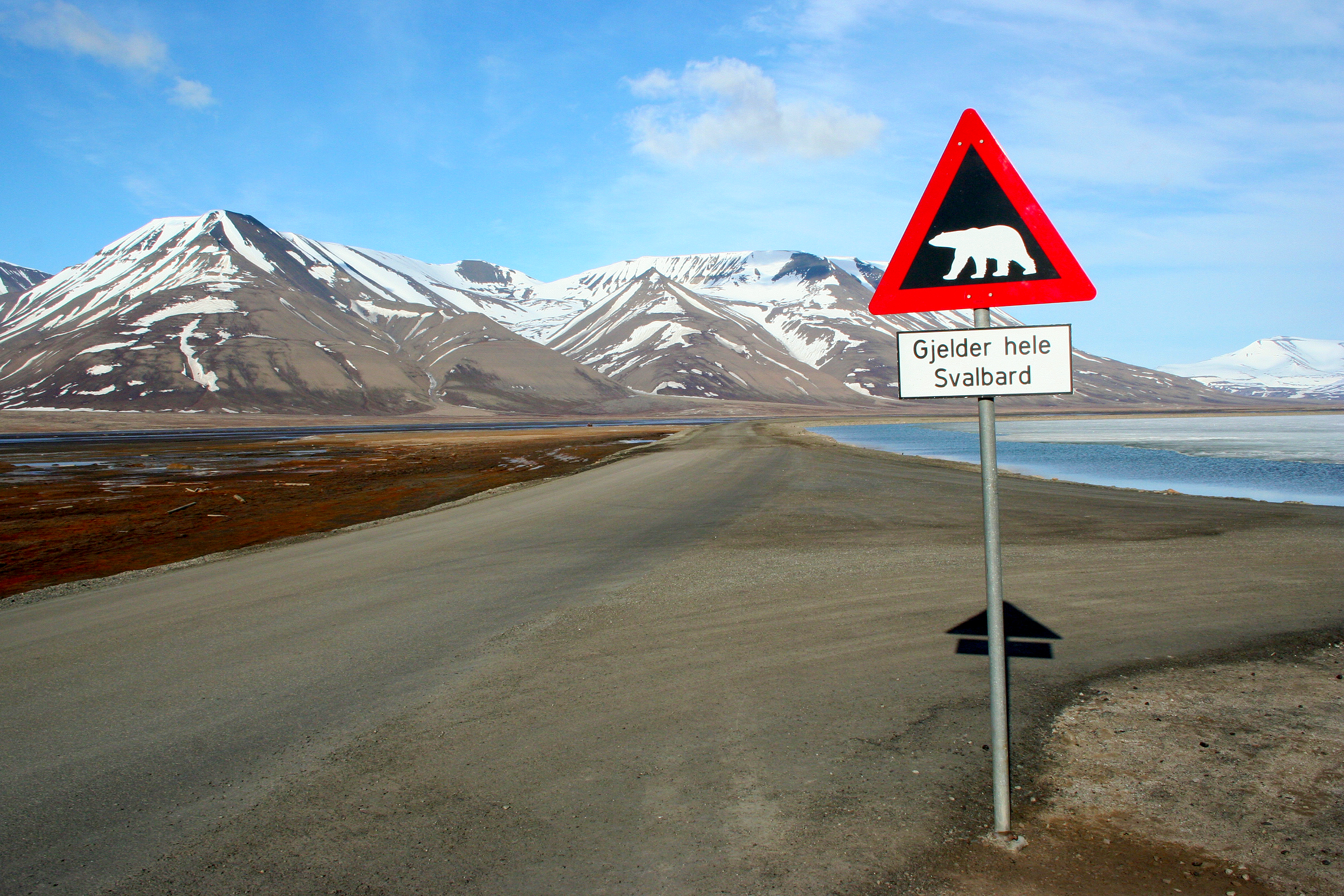
Norwegian law requires anyone leaving Svalbard settlements to carry “suitable means of scaring off polar bears.” The Governor of Svalbard specifically recommends rifles as primary protection. The cumulative requirement applies to essentially every outdoor activity beyond village boundaries — hiking, scientific work, dog sledding, cross-country skiing, snowmobiling, various other activities. Various tour operators handle firearm logistics for tourist groups.
4: The Specific Firearm Rules

Only bolt-action rifles in calibre .308 Win or .30-06 Sprg are approved for polar bear protection. Ammunition must use expanding projectiles with impact energy of at least 2,200 Joules at 100 meters distance. Bullet weight minimum 10 grams (154 grains). Various other specific technical requirements apply. The cumulative regulations ensure sufficient stopping power for actual bear protection — inadequate weapons fail in critical situations.
5: Pepper Spray Prohibition
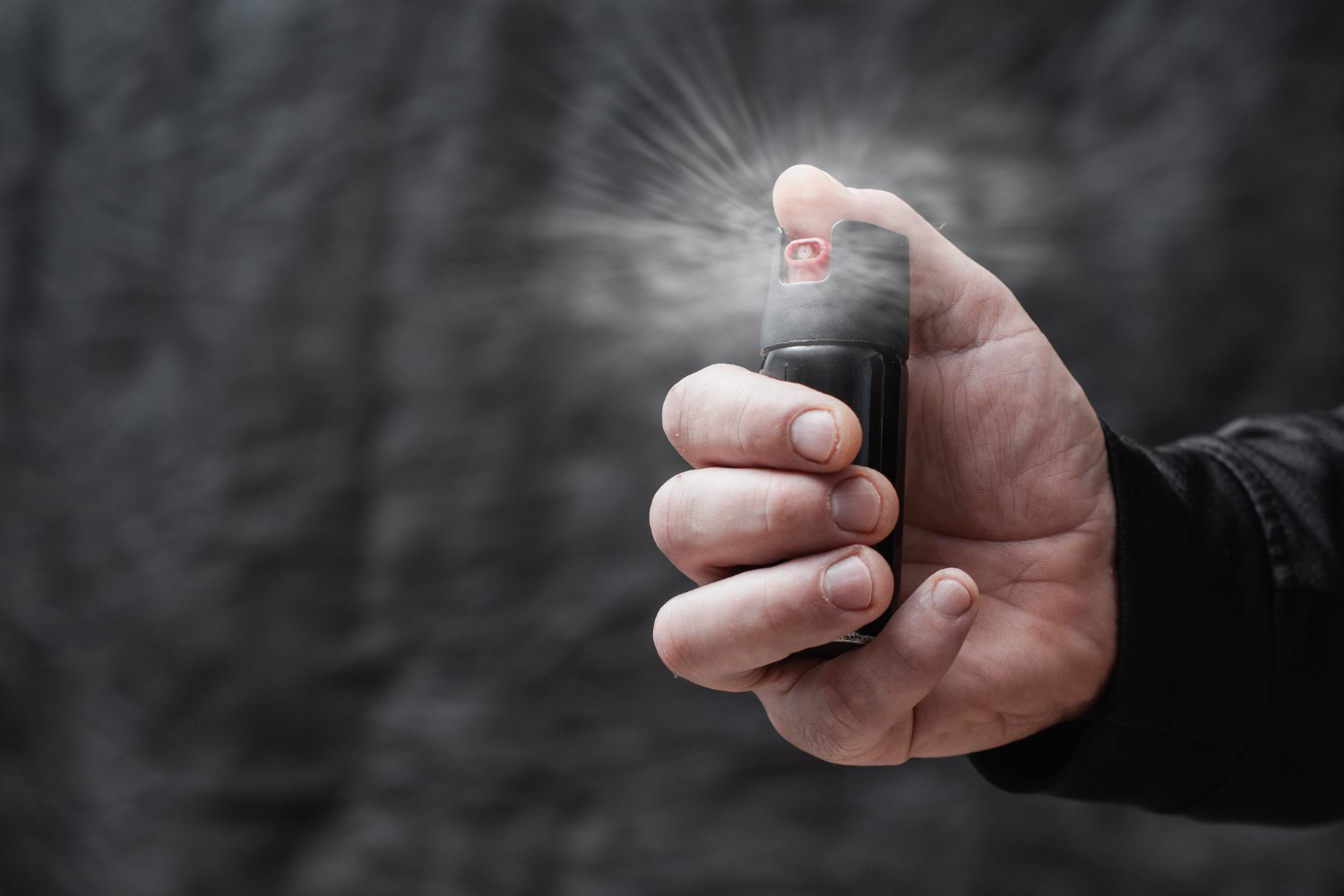
A specific Svalbard regulation: pepper spray and pepper balls are NOT permitted for polar bear protection. Section 3-6 of the Norwegian Firearms Regulations prohibits pepper spray use. Various international visitors substantially expect bear spray as standard wilderness equipment but find it specifically illegal in Svalbard. The cumulative restriction reflects substantial evidence that pepper spray provides inadequate protection against polar bears specifically (despite its effectiveness against various other bear species).
6: The Renting Reality

International visitors typically rent rifles through Longyearbyen agencies. Various specific requirements: valid firearms documentation, completed Svalbard safety course at minimum, applications submitted to the Governor of Svalbard’s office (often 2-8 weeks processing time), and various other elements. Rifle rental costs: approximately €25-50/day depending on specific arrangement. Various tour operators handle rental logistics for tourists who don’t directly manage firearm access.
7: The Town Restrictions

Loaded firearms are forbidden inside Longyearbyen settlement area. Firearms must be visibly unloaded when carried in town. Firearms cannot be brought into shops or public buildings. The cumulative regulations create specific logistics for visitors traveling between rental locations and outdoor activity areas. Various specific procedures govern firearm handling around hotels, restaurants, and various other establishments.
8: The Self-Defense Reality
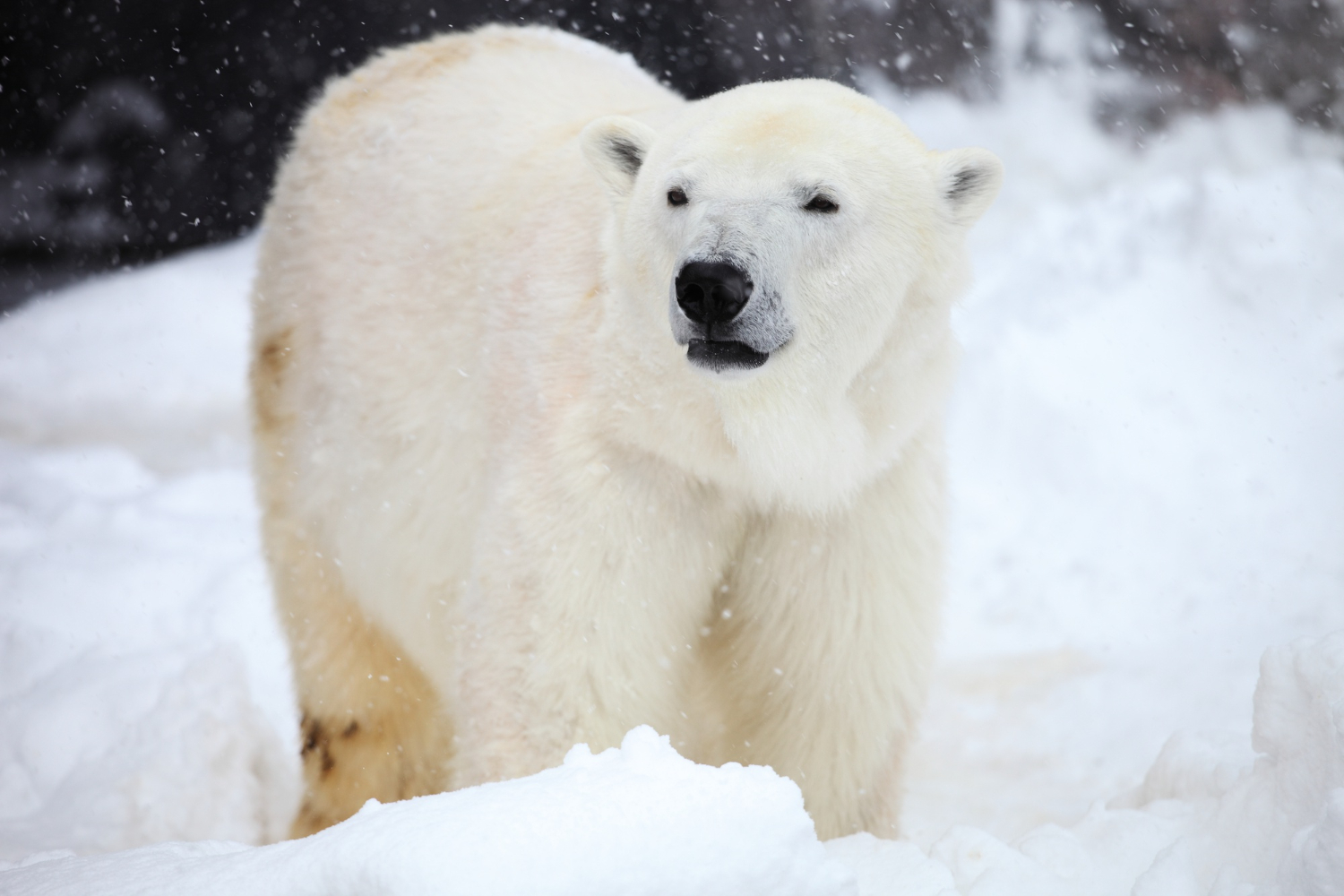
Polar bears have been protected from hunting in Svalbard since 1973. Shooting a polar bear in self-defense is permitted only when no alternative exists to protect human life. Various cases of unjustified shootings have produced substantial fines and legal consequences. Local guides typically advise that shooting at ranges over 30 meters is likely to be considered unjustified. Property protection generally doesn’t justify shooting under cumulative regulations.
9: The Flare Gun Backup
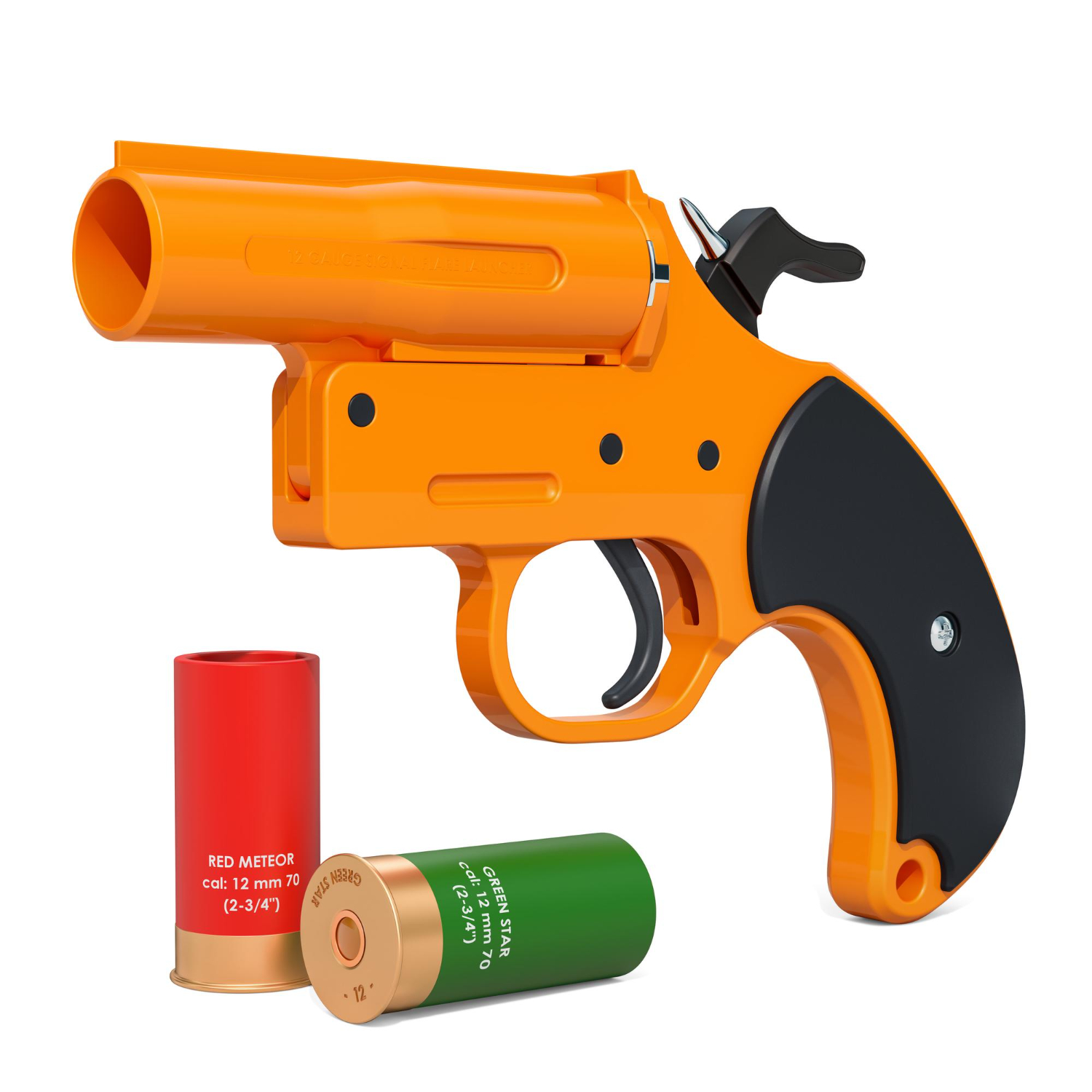
Beyond rifles, the Governor of Svalbard recommends carrying flare guns and trip flares for cumulative bear deterrence. Various non-lethal options include: flare pistols, signal pens, perimeter trip flares around campsites, various other items. The cumulative deterrence approach prioritizes scaring bears away rather than killing them. Lethal force is genuinely last resort under cumulative regulations and substantial cultural practice.
10: The Specific Tourism Activities

Most Svalbard tourism involves guided activities that handle the cumulative firearm logistics. Various specific activities include: dog sledding excursions, snowmobile tours, polar bear safari boat tours (no land disembarkation needed), Northern Lights tours, glacier hiking with armed guides, ice cave exploration, various others. Tourist visits to surrounding fjords typically involve armed guides handling cumulative protection requirements. Independent tourist activities outside Longyearbyen are substantially complicated.
11: The Climate Reality
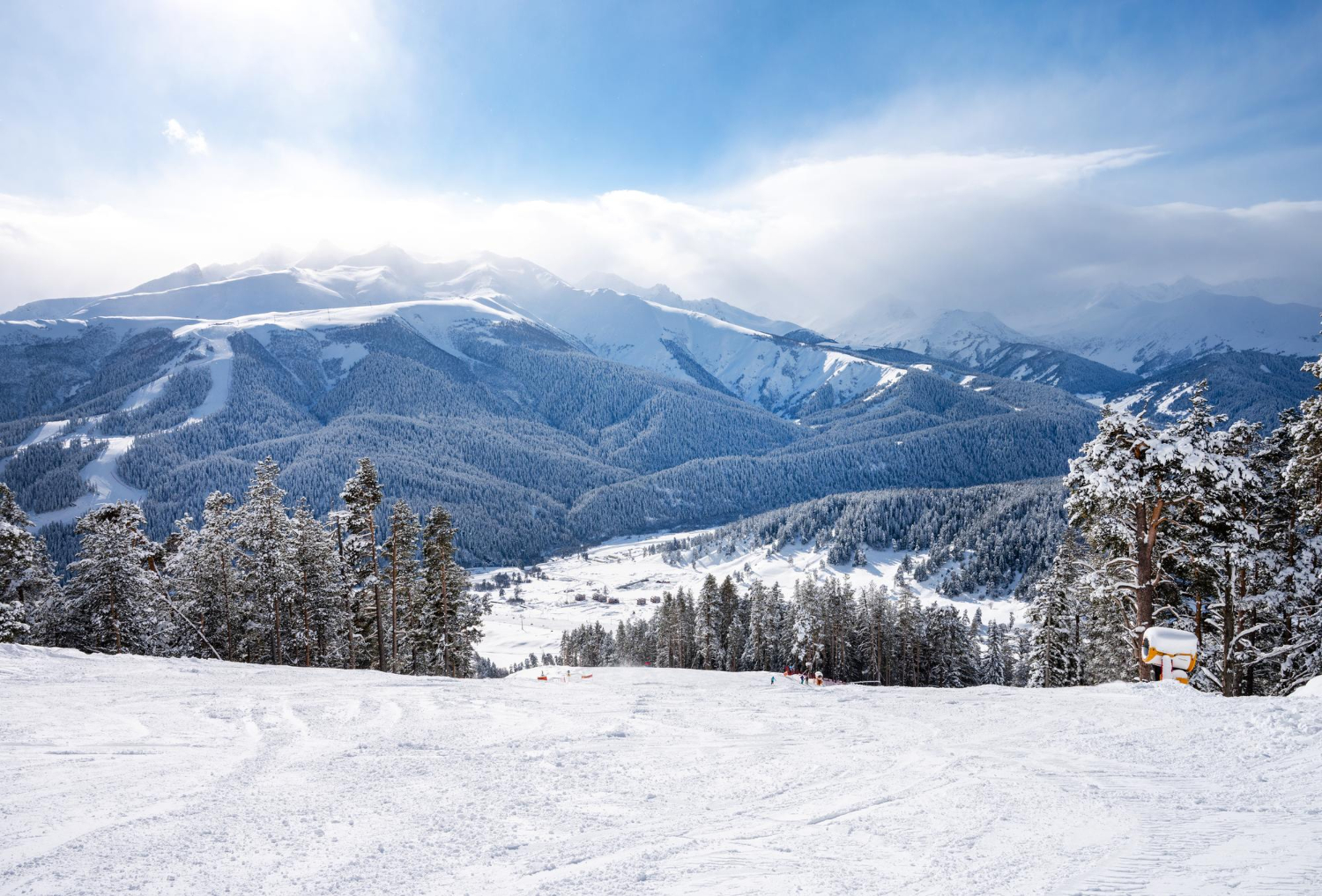
Svalbard temperatures vary substantially across seasons. Winter (October-April): typically -10°C to -25°C with substantial wind chill. Summer (June-August): typically -5°C to +10°C. Polar night (continuous darkness) runs approximately October to mid-February. Polar day (continuous daylight) runs approximately April to mid-August. Various visitors specifically time visits based on cumulative aurora viewing (winter), Northern Lights opportunities, or midnight sun experiences (summer).
12: What Svalbard Represents
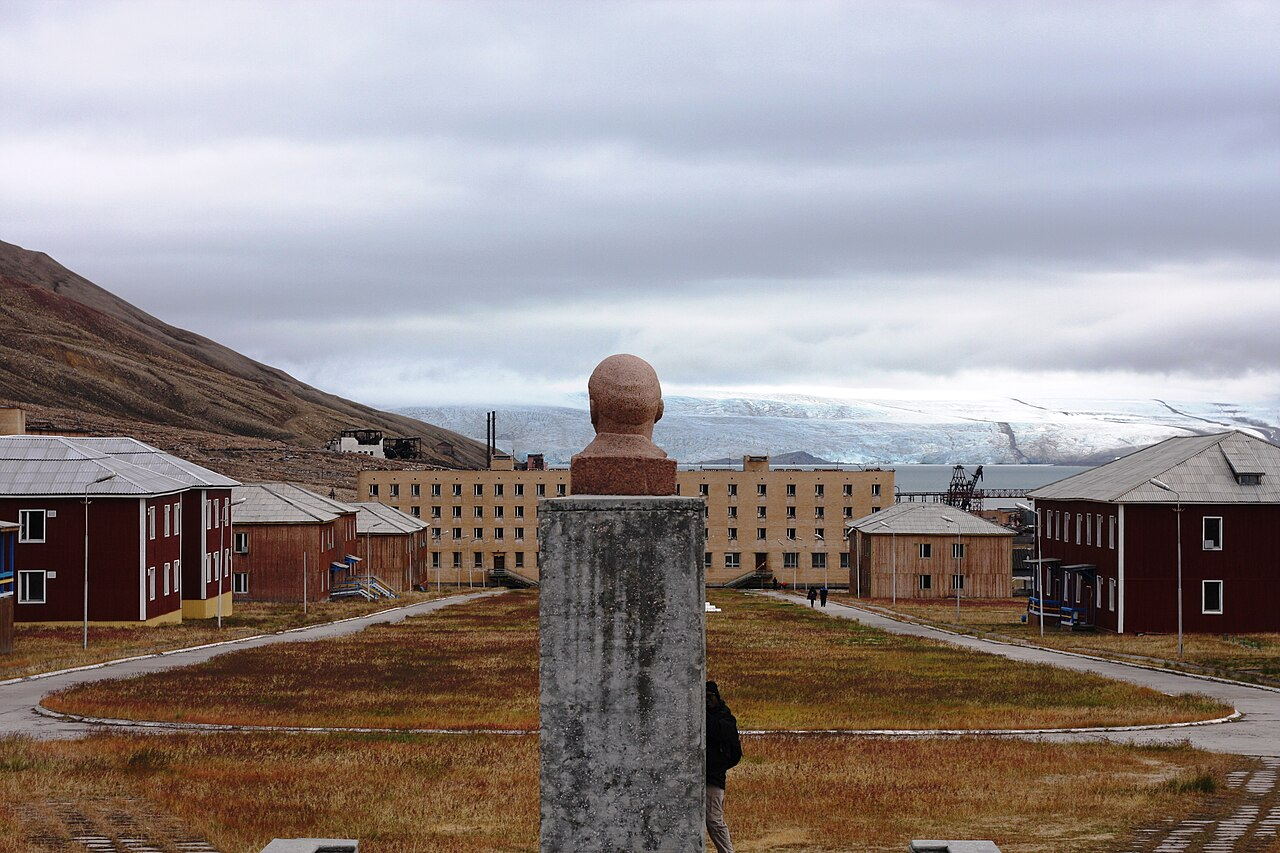
Svalbard demonstrates how cumulative human presence operates within genuine Arctic wildlife reality where polar bears represent substantial actual danger rather than just symbolic risk. The cumulative regulatory framework reflects substantial accumulated knowledge about how to maintain human activity in this specific environment. Various visitors substantially underestimate the cumulative practical realities of Arctic travel until experiencing the cumulative regulations and safety briefings. The cumulative experience represents specific aspect of Arctic travel that mainstream tourism marketing rarely emphasizes despite substantial significance.
