

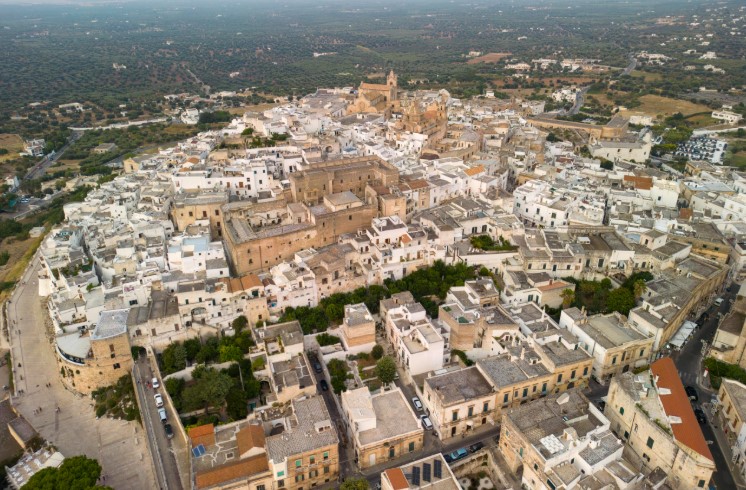
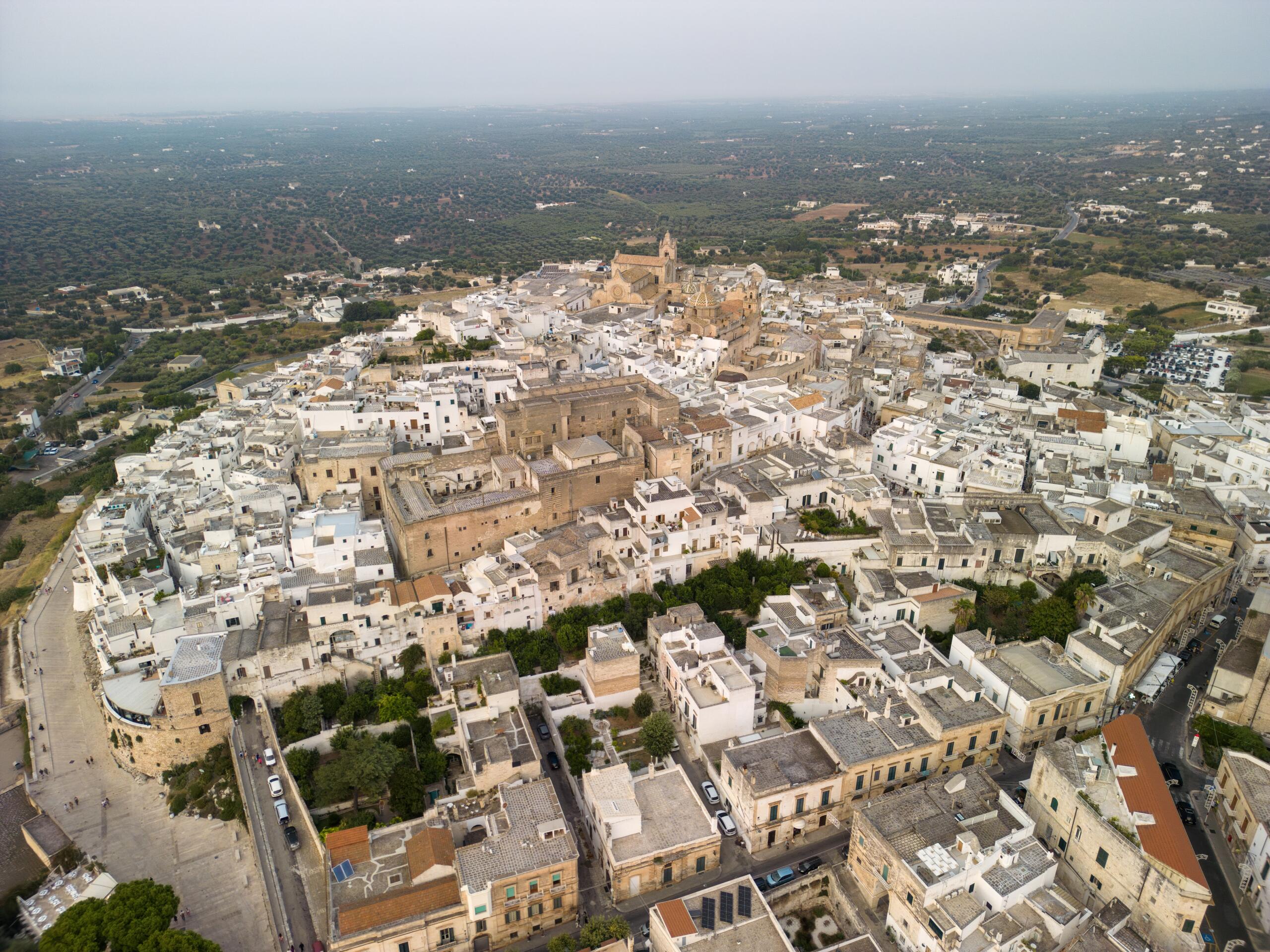
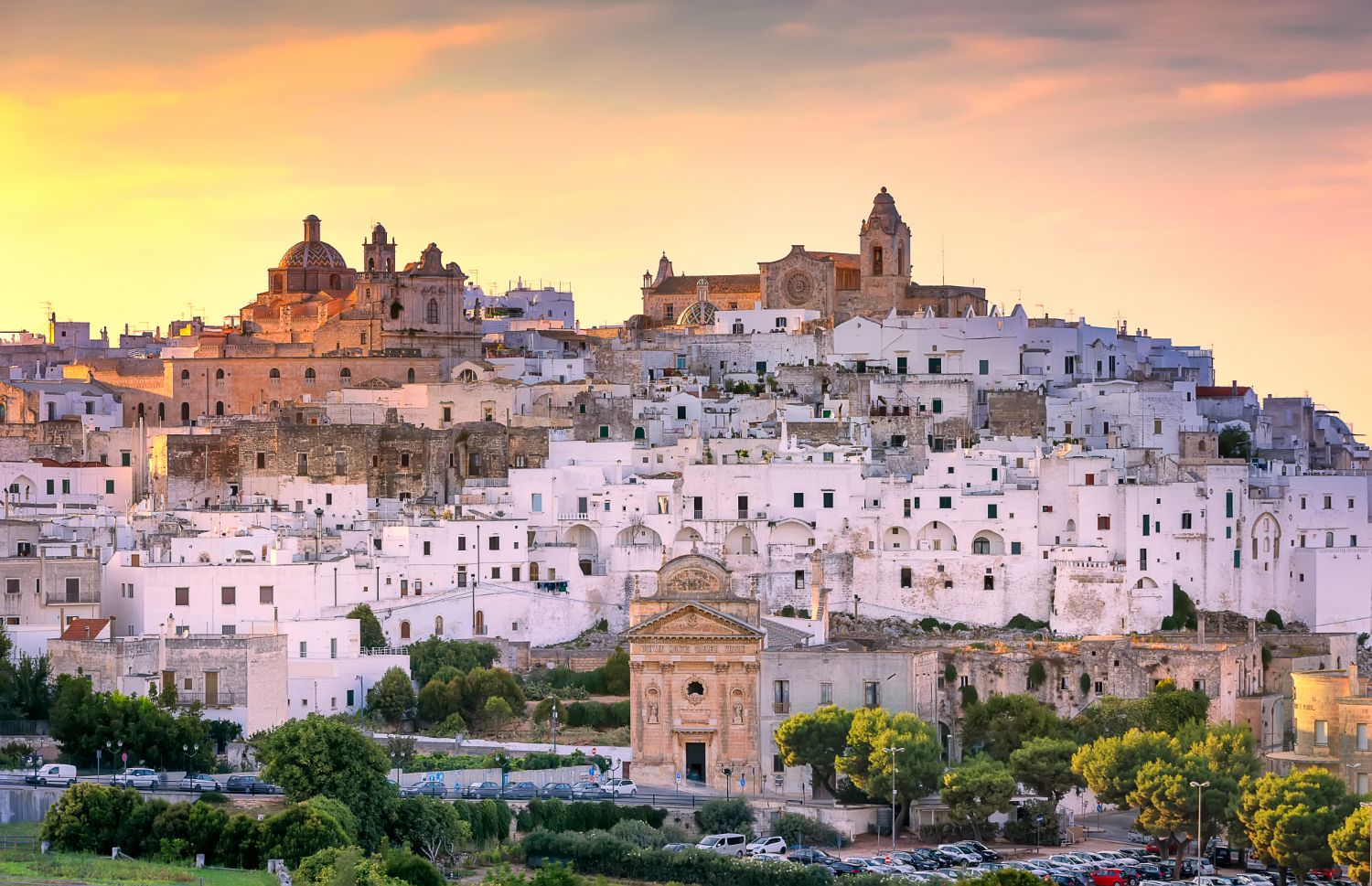
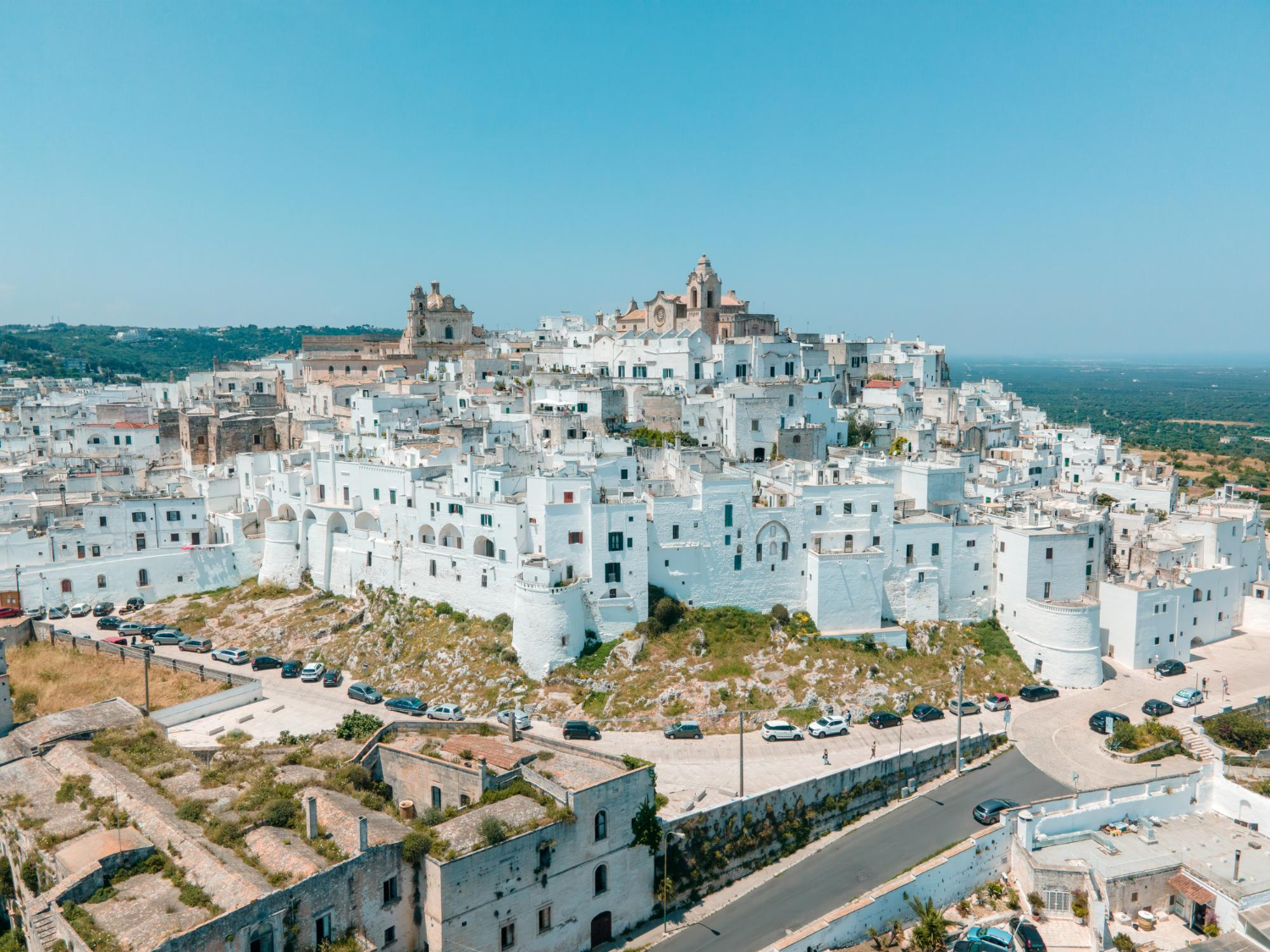
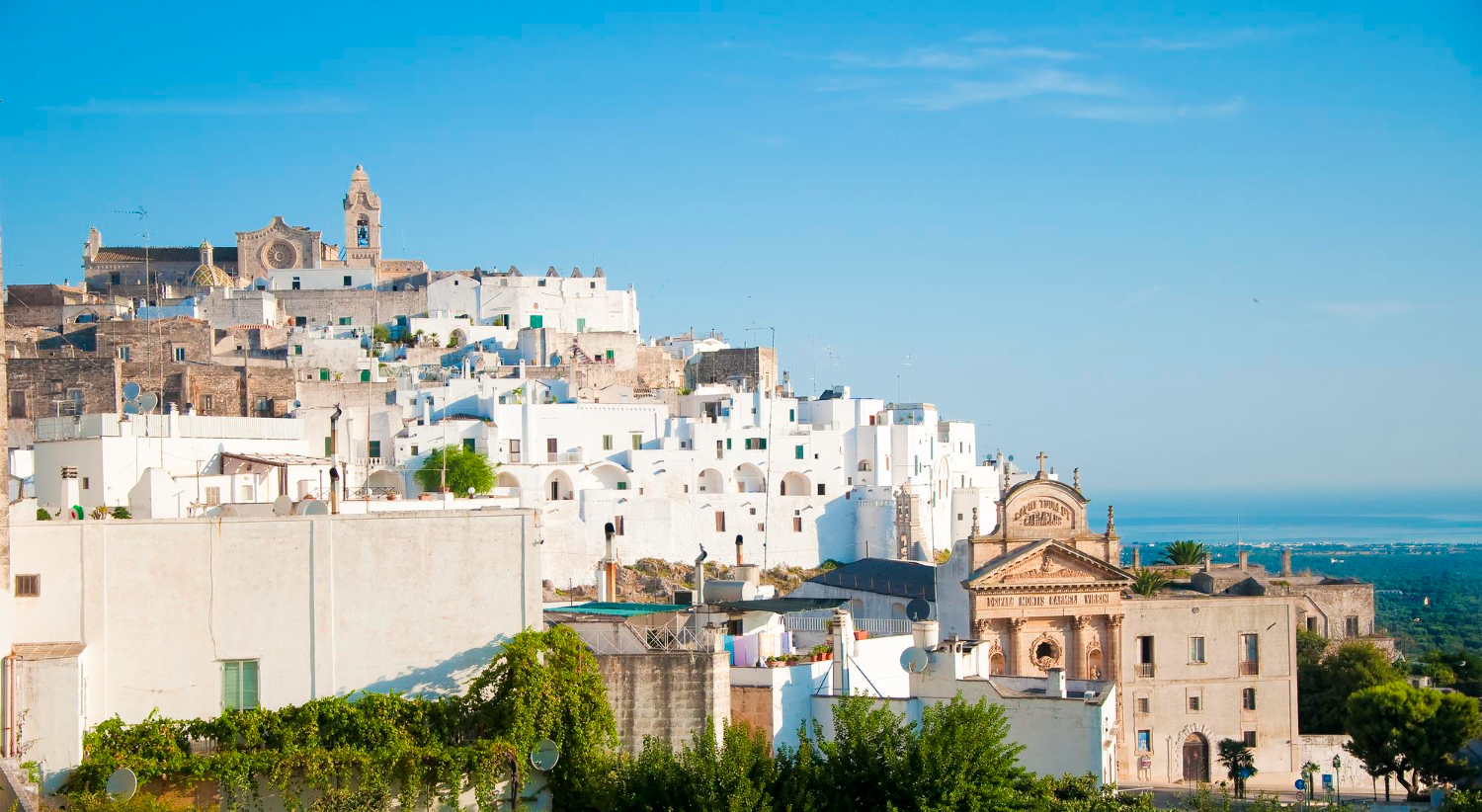
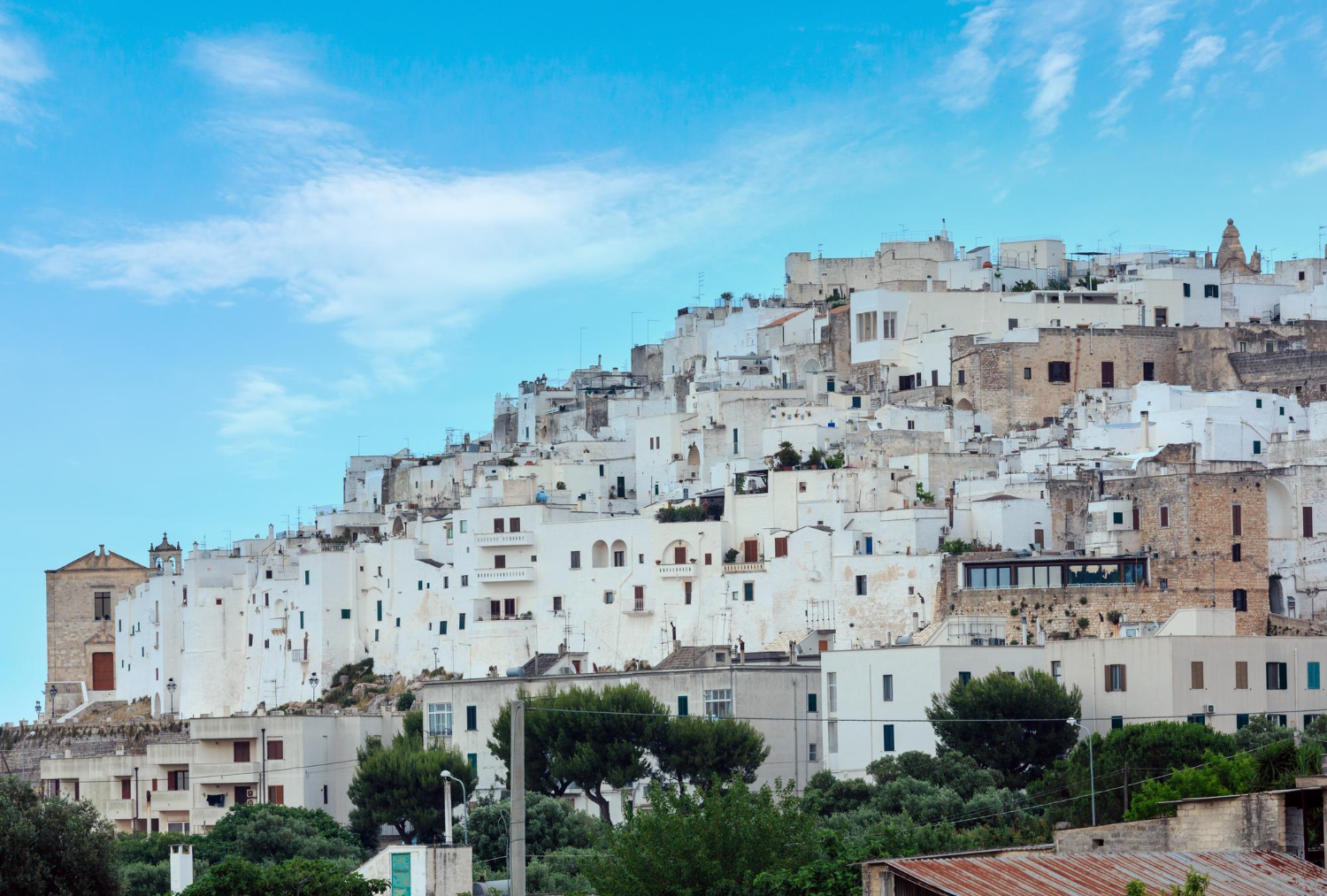
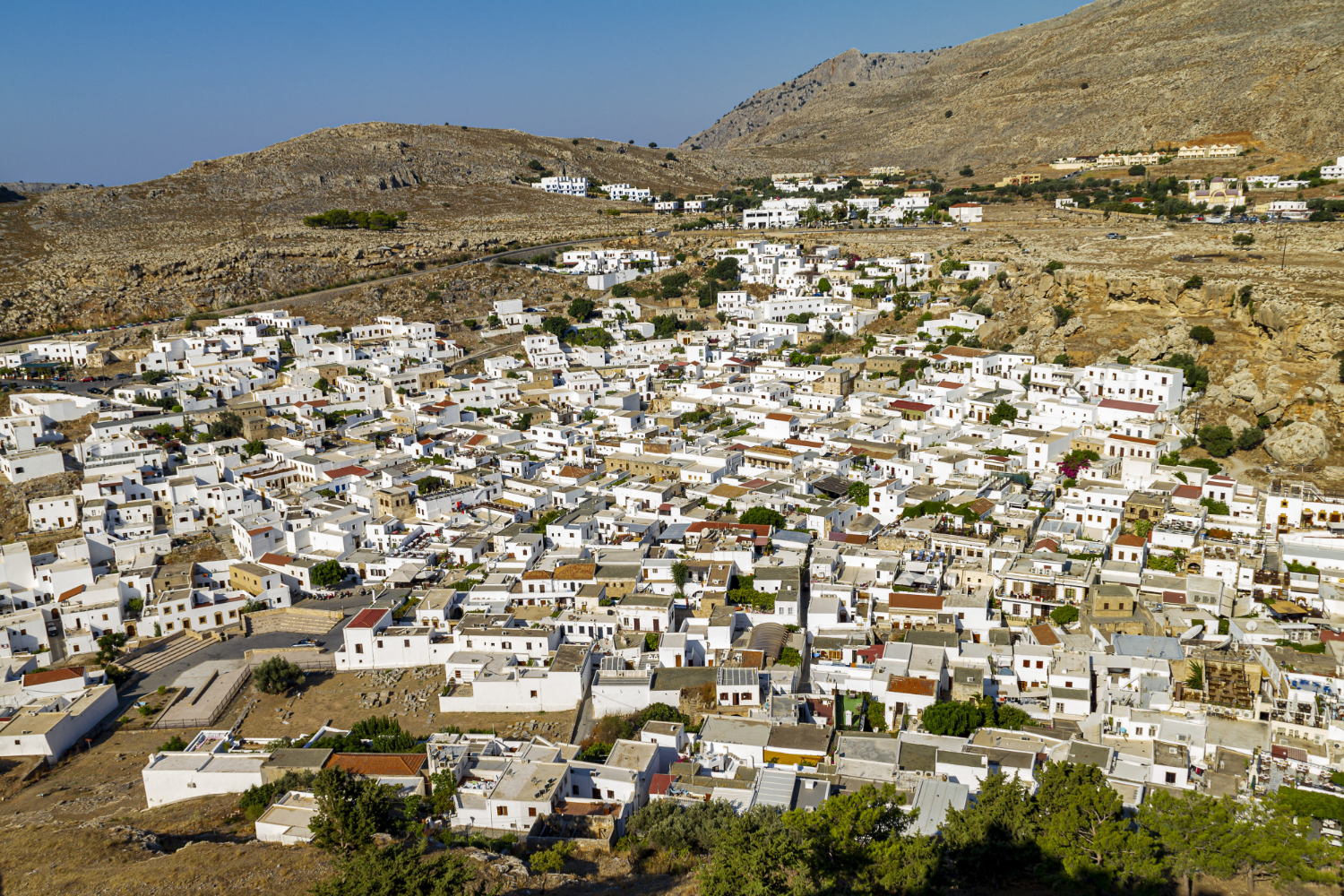
Ostuni rises from a 218-meter hill in Italy’s Puglia region — and every building is painted brilliant white. The whitewashing isn’t decorative. It traces to specific 17th-century plague-era public health laws requiring lime whitewash for its antibacterial properties. The law has never been repealed. Modern Ostuni residents must still maintain white exteriors. The result: one of the most distinctive small towns in Europe, with 32,000 residents living inside continuous white architecture that has persisted for approximately 400 years.
1: A White Town on a Hill
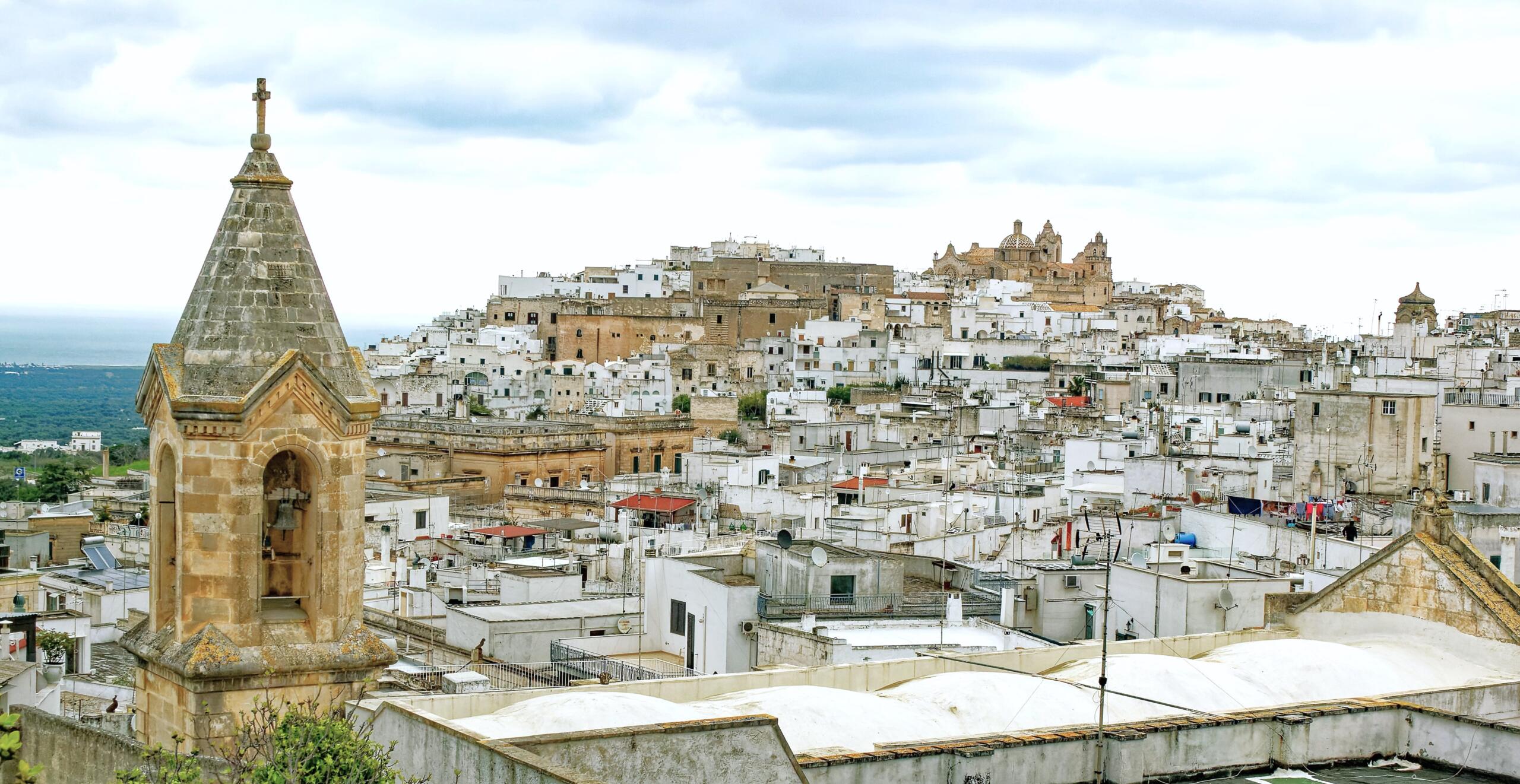
Ostuni sits in southern Italy’s Puglia region (the “heel” of the Italian boot), approximately 35 km north of Brindisi and 40 km west of the Adriatic Sea. The town occupies a 218-meter hilltop visible from substantial distance. Population: approximately 32,000 residents. Total area: 224 km². Officially nicknamed “La Città Bianca” (The White City) due to the distinctive whitewashed appearance that has defined the town for centuries.
2: The Plague-Era Origin
The whitewashing tradition traces specifically to the 1656 plague that devastated southern Italy. Local authorities issued public health ordinances requiring lime whitewash on building exteriors — lime had documented antibacterial properties that helped prevent disease spread. Various other Italian and Mediterranean towns adopted similar measures, but most discontinued the practice after immediate plague concerns passed.
3: Why It Never Stopped
Ostuni maintained the whitewashing as ongoing tradition rather than temporary measure. The lime application also provided practical benefits beyond disease prevention — substantial heat reflection in hot Puglian summers, easy and cheap reapplication, distinctive aesthetic that residents grew to value. The cumulative tradition has persisted for approximately 400 years through various political and economic transitions.
4: The Modern Legal Requirement
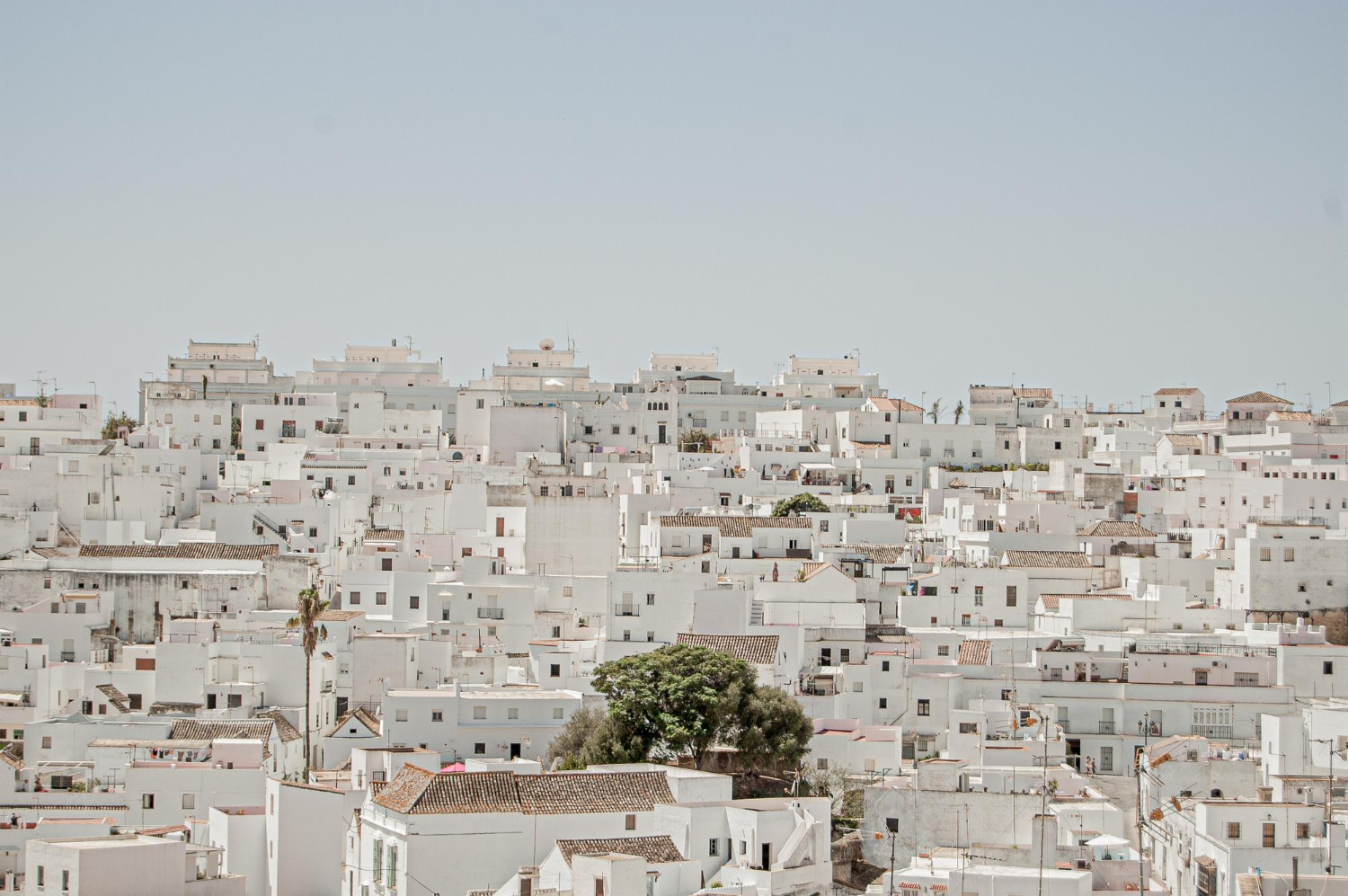
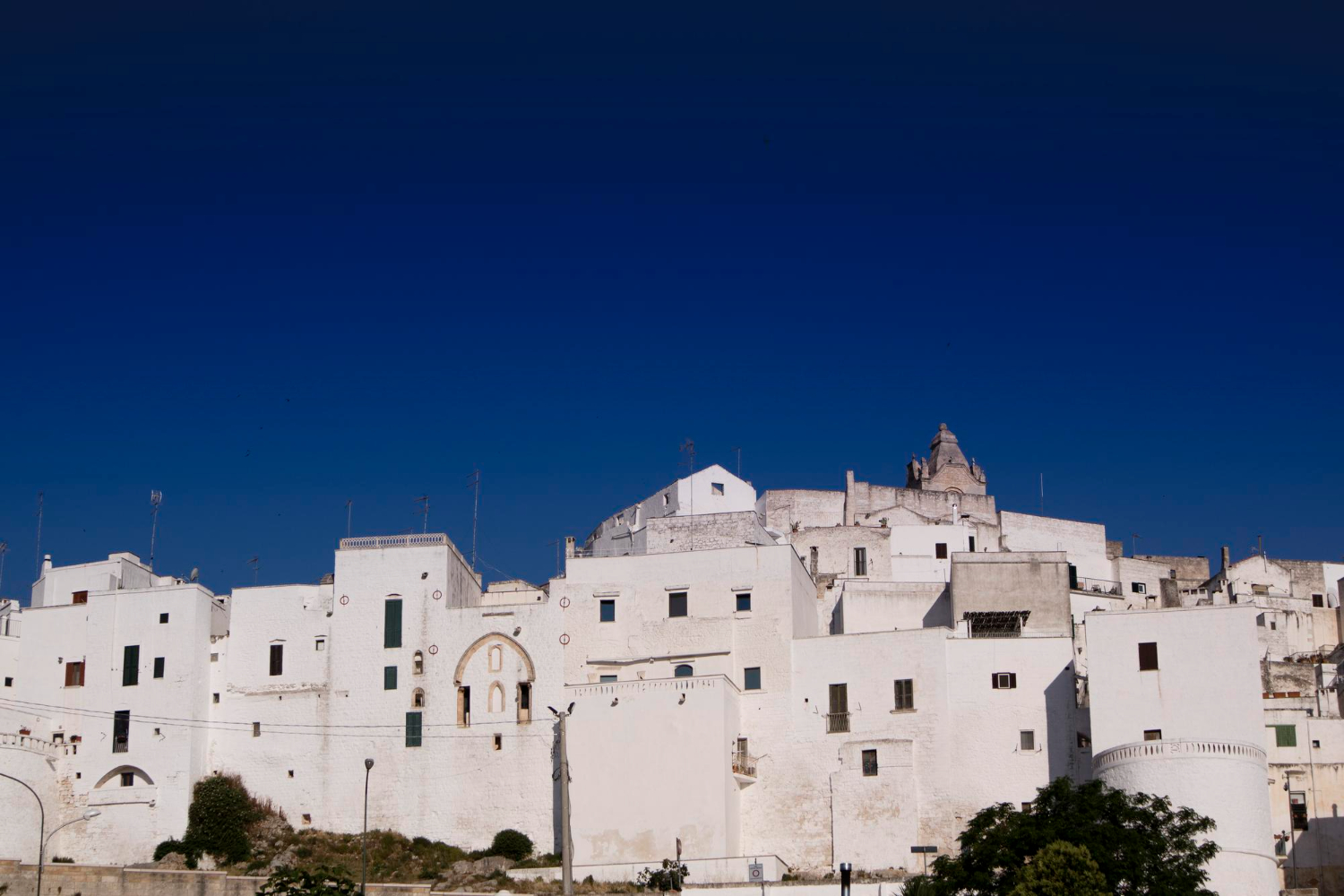
Modern Ostuni still legally requires white exterior maintenance. Residents must repaint approximately every 1-2 years depending on weather damage. Various subtle variations within “white” are permitted — pure white, cream white, slight off-white tones. But fundamentally colored exteriors aren’t permitted within historic center boundaries. The law operates through municipal building regulations that essentially every resident substantially complies with.
5: The Historic Center Layout
The Ostuni historic center features narrow medieval streets, substantial defensive walls, and various specific architectural elements from different historical periods. The town’s medieval Cattedrale di Ostuni (built 1437-1495) features substantial Gothic-Romanesque architecture with distinctive rose window. The cumulative architectural layering reflects substantial historical periods — Byzantine, Norman, Aragonese, Spanish, various others.
6: The Defensive History
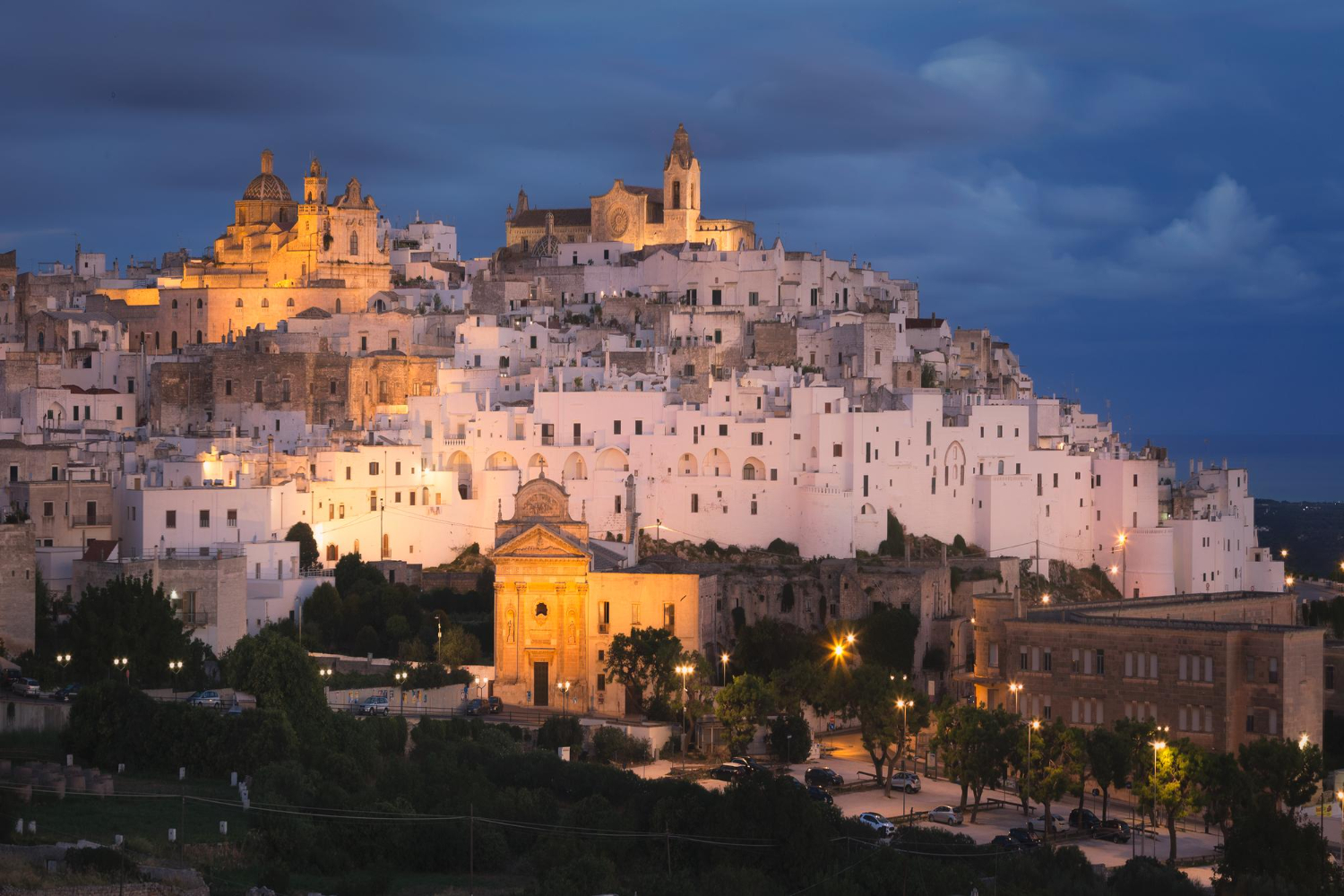
Ostuni’s hilltop position originally served defensive purposes. The town walls have been substantially preserved across centuries, providing substantial visual character beyond just the whitewashing. Various town gates remain functional access points. The cumulative defensive architecture combines with the white aesthetic to produce one of Europe’s most photographed small towns despite limited mainstream tourism awareness.
7: The Puglian Olive Tradition
Beyond the white architecture, Ostuni sits at the center of one of Italy’s most productive olive oil regions. Various ancient olive trees (some over 2,000 years old) populate surrounding countryside. The Salento peninsula produces substantial portion of Italian olive oil. Local restaurants substantially feature olive oil-based Puglian cuisine that mainstream Italian tourism rarely emphasizes despite substantial quality.
8: The Cuisine Reality
Local Puglian cuisine includes: orecchiette pasta (the “little ears” specifically from Puglia), focaccia barese, burrata cheese (originated in this region), various seafood preparations, substantial olive oil dishes. The cumulative regional cuisine differs substantially from mainstream Italian food culture that international visitors typically experience in Rome, Florence, Venice.
9: The Specific Festivals
Ostuni maintains substantial cultural festivals including the Cavalcata di Sant’Oronzo (every August 26) honoring the town’s patron saint. The festival includes substantial horseback processions, traditional costumes, and various other cultural elements. Various other annual festivals celebrate specific harvest seasons, religious occasions, and local traditions that have persisted across centuries.
10: The Surrounding Region
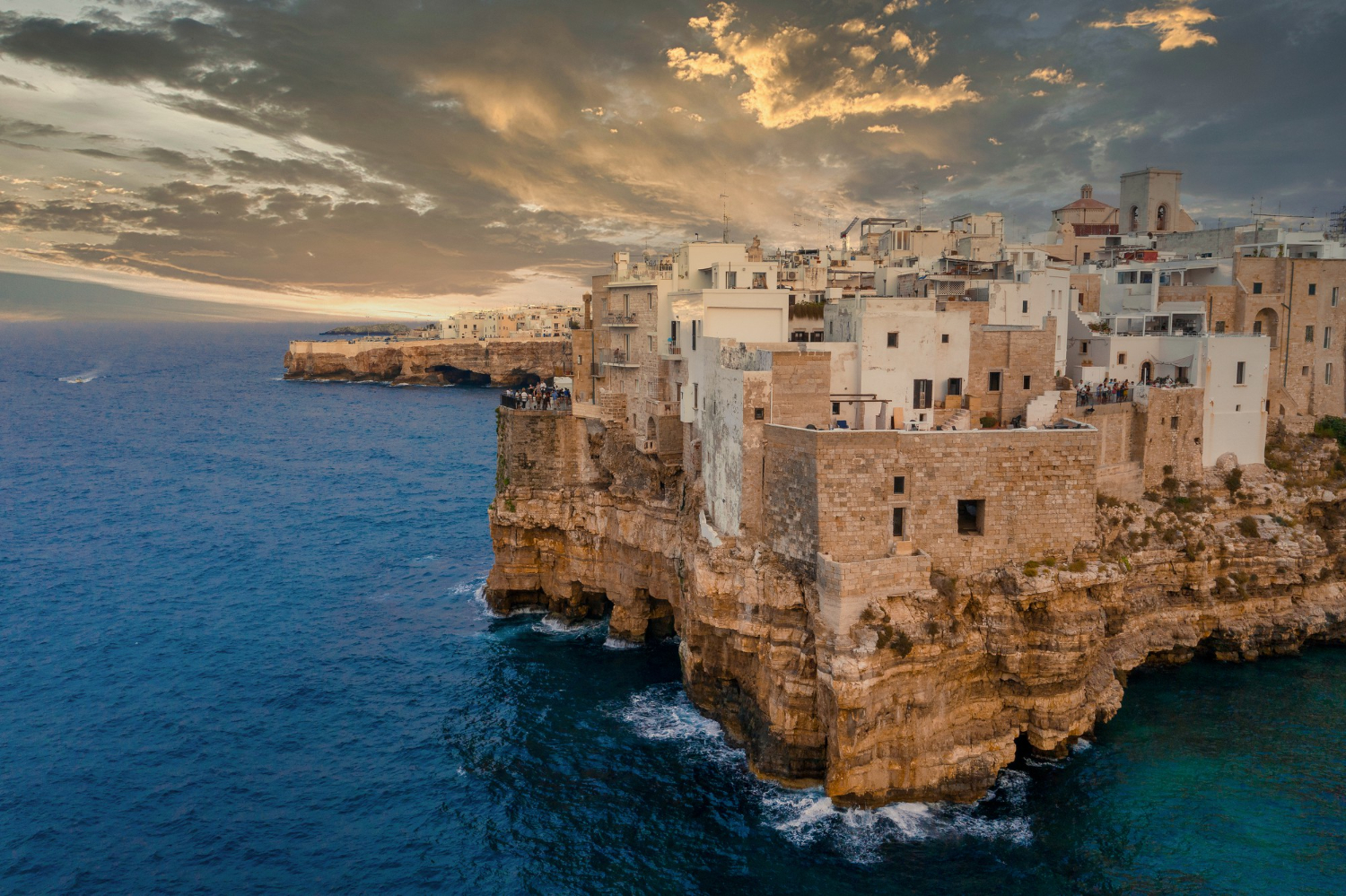
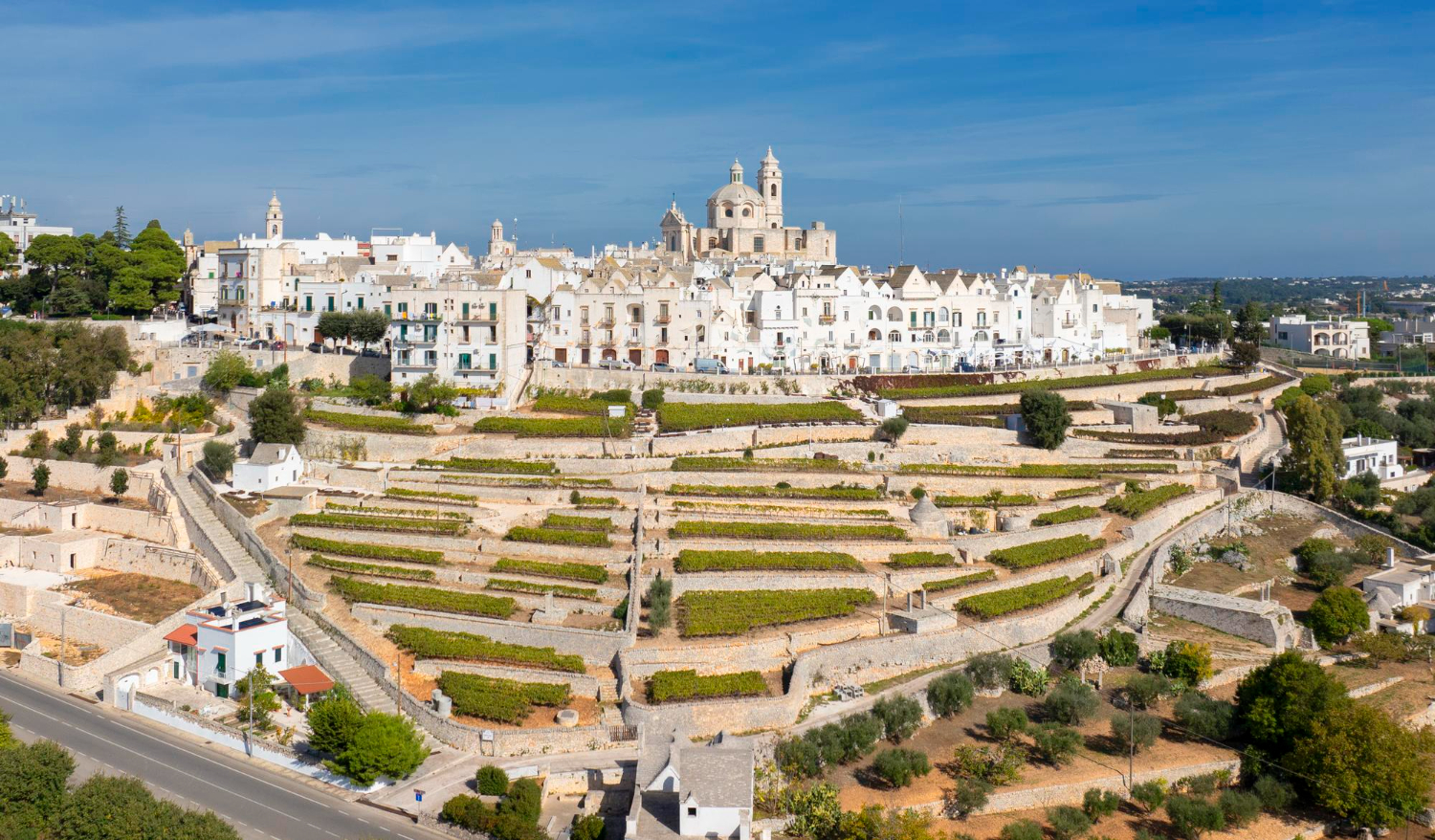
The broader Puglia region offers substantial tourism beyond just Ostuni. Alberobello (UNESCO World Heritage site featuring trulli — distinctive cone-roofed stone houses) sits approximately 30 km west. Polignano a Mare (dramatic coastal town built on cliffs) sits approximately 40 km north. Lecce (substantial Baroque architecture city, called “Florence of the South”) sits approximately 80 km south. Various beach destinations along the Adriatic coast complete the regional offerings.
11: How to Visit
Practical access: nearest airports are Brindisi (35 km, smaller flights) and Bari (85 km, more international connections). Italian rail connections through Brindisi or Ostuni’s own station. Most international visitors plan 5-10 day Puglia trips combining multiple regional destinations. Best timing: April-June and September-October for moderate weather. July-August features substantial heat plus substantial Italian tourist crowds.
12: What Ostuni Represents
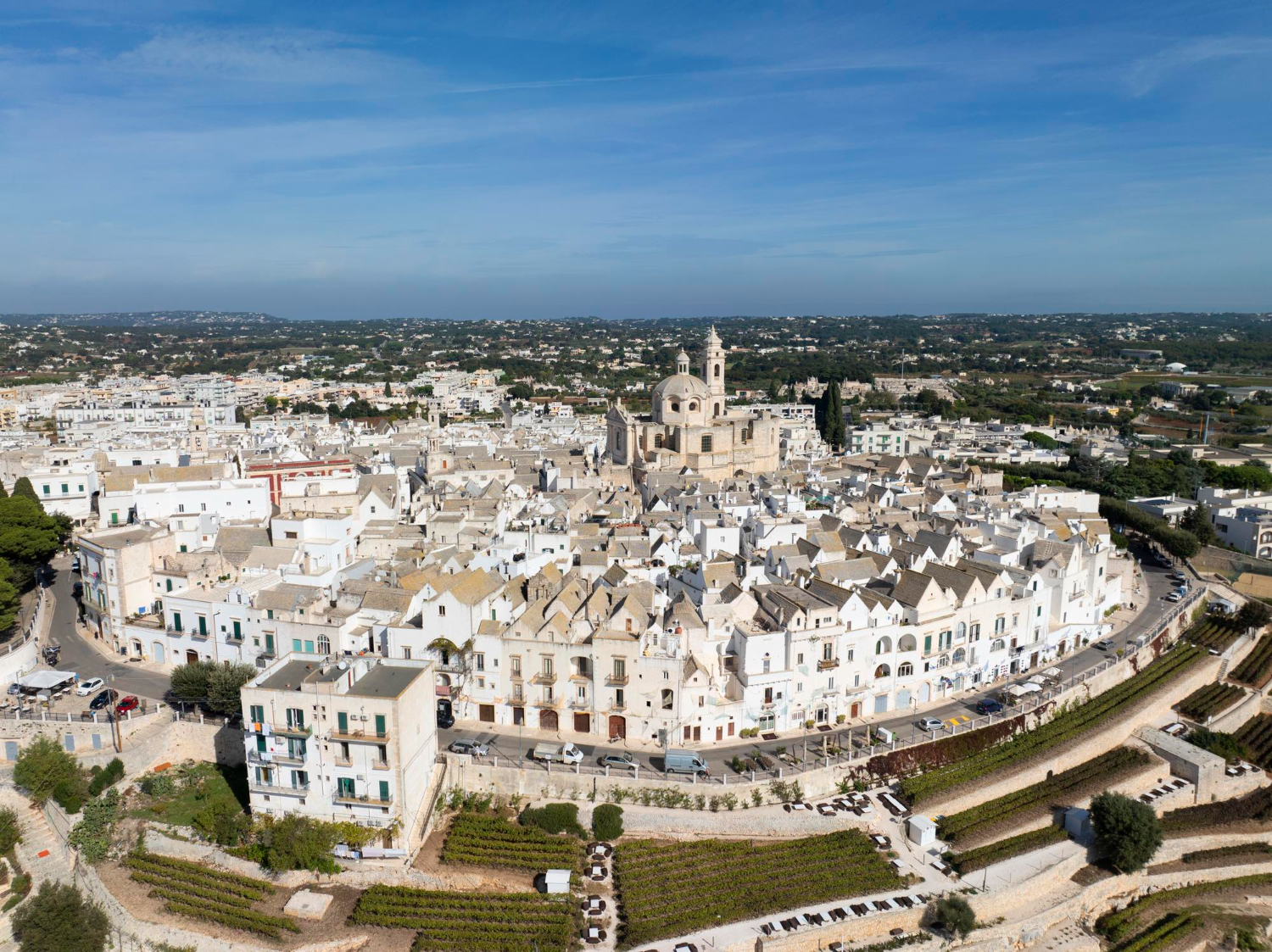
Ostuni demonstrates how a specific public health response to a 17th-century plague became permanent cultural identity across approximately 400 years. The cumulative tradition has substantially preserved Ostuni’s character through various political and economic transitions that have substantially transformed similar Italian towns. Modern residents maintain the cumulative tradition not just for tourism but as substantial expression of local identity. The cumulative result is one of Europe’s most distinctive small towns despite limited mainstream international recognition.
