


For the modern American traveler, an international layover is often the most stressful part of a journey. While many global airports boast luxury shopping and high-end lounges, the actual “user experience” of moving from Gate A to Gate B can be a logistical disaster. Between “terminal-to-terminal” bus transfers, idiosyncratic security rules that ignore TSA standards, and sprawling layouts designed more for retail than for walking, these airports have earned a reputation for causing missed connections and high blood pressure. Based on passenger sentiment data and global transit rankings, here are the hubs that travelers dread most.
1. London Heathrow (LHR), United Kingdom
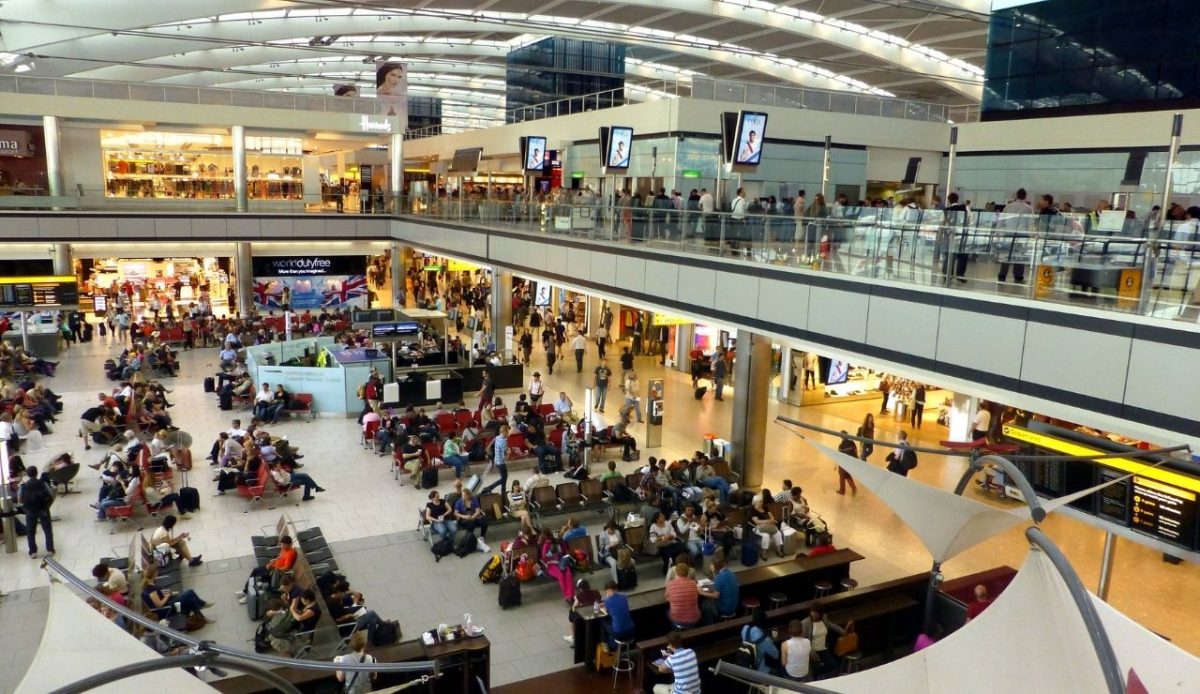
Despite being a primary gateway to Europe, Heathrow is frequently cited by Americans as a “logistical maze.” The primary issue is Terminal 5 and the sheer distance between gates. Data from AirHelp often ranks LHR lower for “on-time performance” and “claim processing.” For Americans, the nightmare begins with the mandatory liquid re-screening; unlike the U.S., Heathrow’s security often requires all liquids to fit into a specific, small plastic bag provided by the airport, regardless of your TSA-PreCheck status. The “Terminal Transfer” bus system can also take up to 20 minutes, making 90-minute connections feel nearly impossible.
2. Paris Charles de Gaulle (CDG), France
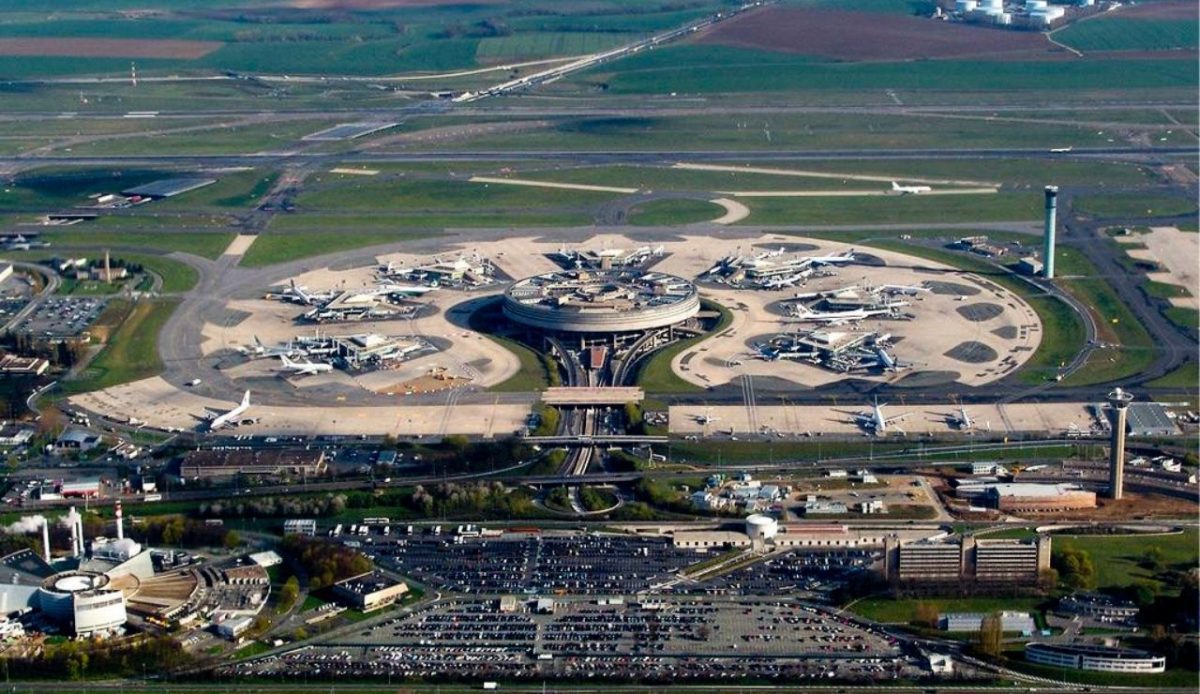
Charles de Gaulle is notorious for its “circular” design and sub-terminals (2A through 2G) that are not all physically connected. According to passenger surveys, the signage is often described as “poetic but unhelpful.” American travelers frequently report getting lost in the “Terminal 2” complex, where a gate change can require a shuttle train, a long walk, and a second security screening. Skytrax user reviews consistently mention the “lack of English-speaking staff” in critical transit zones, adding a layer of language-barrier stress to an already complex physical layout.
3. Frankfurt Airport (FRA), Germany
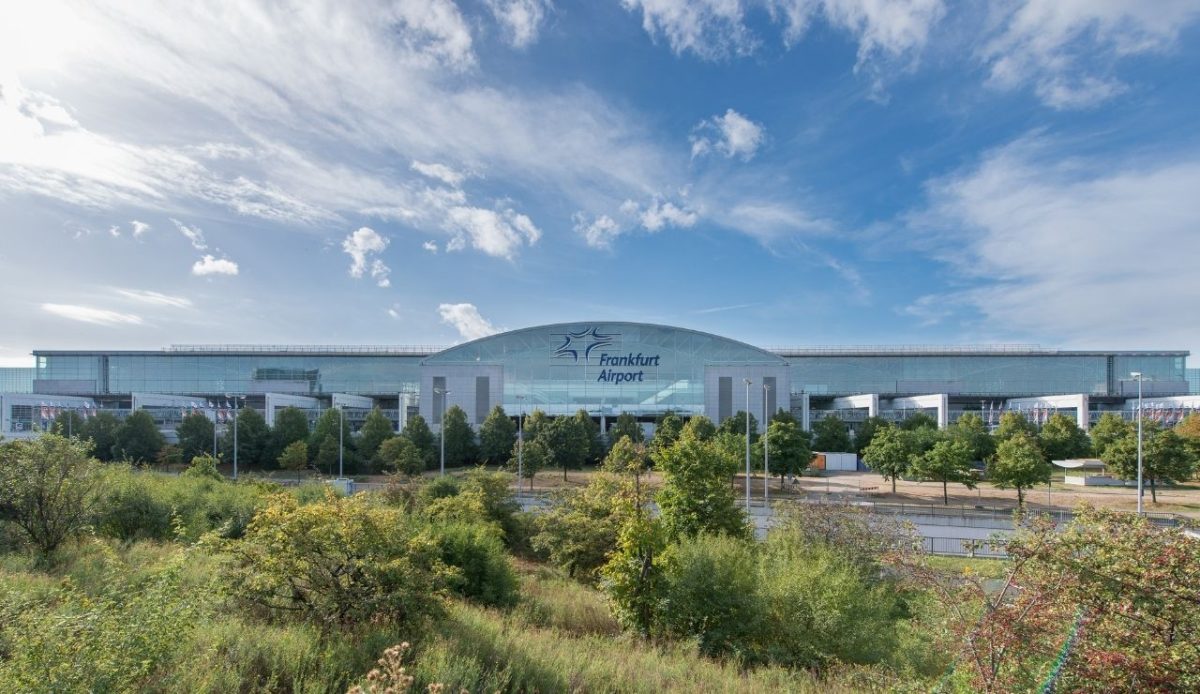
As a massive hub for Lufthansa and United, Frankfurt is a common stop for Americans, but its “industrial” layout is famously grueling. The airport was built in stages, resulting in long, narrow corridors that can require a 25-minute walk between connecting flights. Data from Eurocontrol highlights FRA as a frequent site for “connection delays.” American travelers often struggle with the “Z-Gates” and the inconsistent border control lines, which can fluctuate wildly in length. The sheer scale of the airport means that even with moving walkways, the physical exertion required to catch a flight is higher than in most U.S. domestic hubs.
4. Toronto Pearson (YYZ), Canada
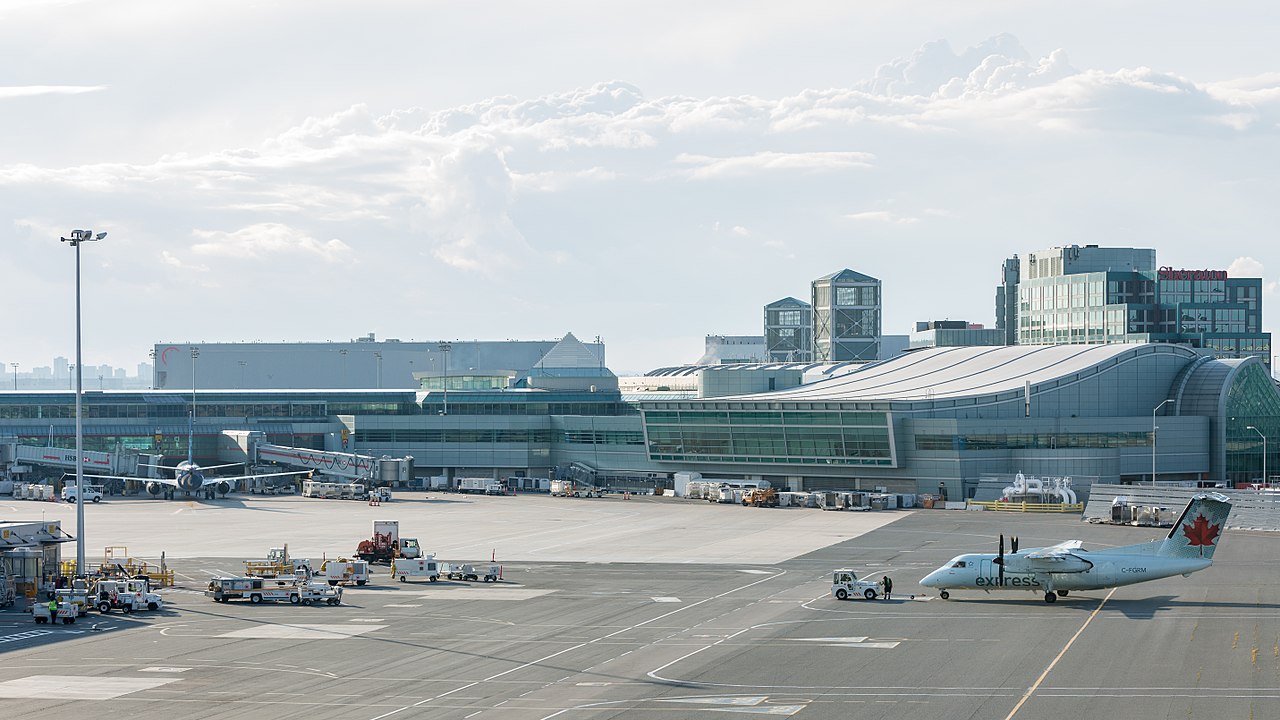
For Americans, Toronto Pearson should be a simple transit point, but it often becomes a “customs bottleneck.” YYZ is a major site for “U.S. Preclearance,” meaning you clear U.S. Customs in Canada before you fly. While this saves time upon arrival in the States, travelers report that the “Terminal 1” layout creates a confusing flow where passengers must re-check bags and clear security multiple times. In 2024, YYZ faced significant “baggage handling” critiques, with DataWiz reporting higher-than-average wait times for international-to-U.S. transfers.
5. Ninoy Aquino International (MNL), Philippines
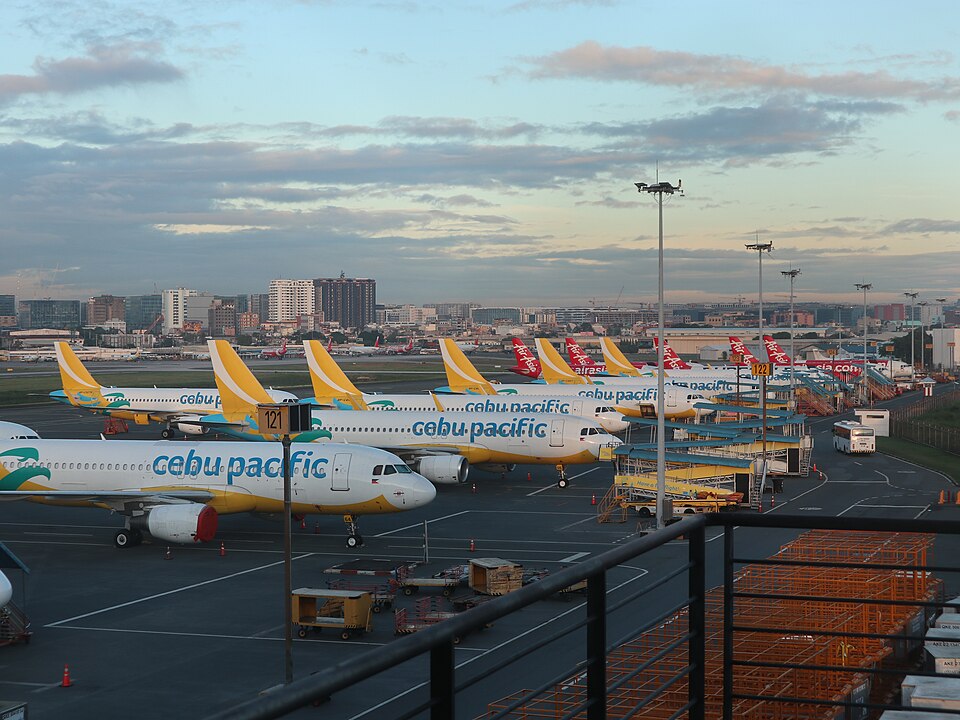
Consistently ranked as one of the most stressful airports in Asia by The Guide to Sleeping in Airports, MNL is a nightmare for Americans due to its “disconnected terminals.” Unlike most modern hubs, the terminals at MNL are not connected behind security. To move from Terminal 1 to Terminal 3, you must exit the airport, navigate the notorious Manila traffic in a taxi or shuttle, and re-enter through security. For an American traveler on a long-haul itinerary, this “external transfer” adds hours of uncertainty and the high risk of a missed connection.
