


Across the United States, there are highways and backroads that drivers approach with a deep breath and a tighter grip on the wheel. Sharp mountain switchbacks, sudden drop offs with no guardrails, dense fog that swallows headlights, and stretches so isolated that help feels miles away. These are the routes that turn an ordinary trip into a white knuckle experience.
What makes a road truly scary is not just the landscape. It is the combination of narrow lanes, unpredictable weather, steep grades, and stories shared by the people who have driven them. Based on driver experiences and firsthand accounts, here are five of the most frightening roads in America and what makes them so unsettling.
Dalton Highway, Alaska
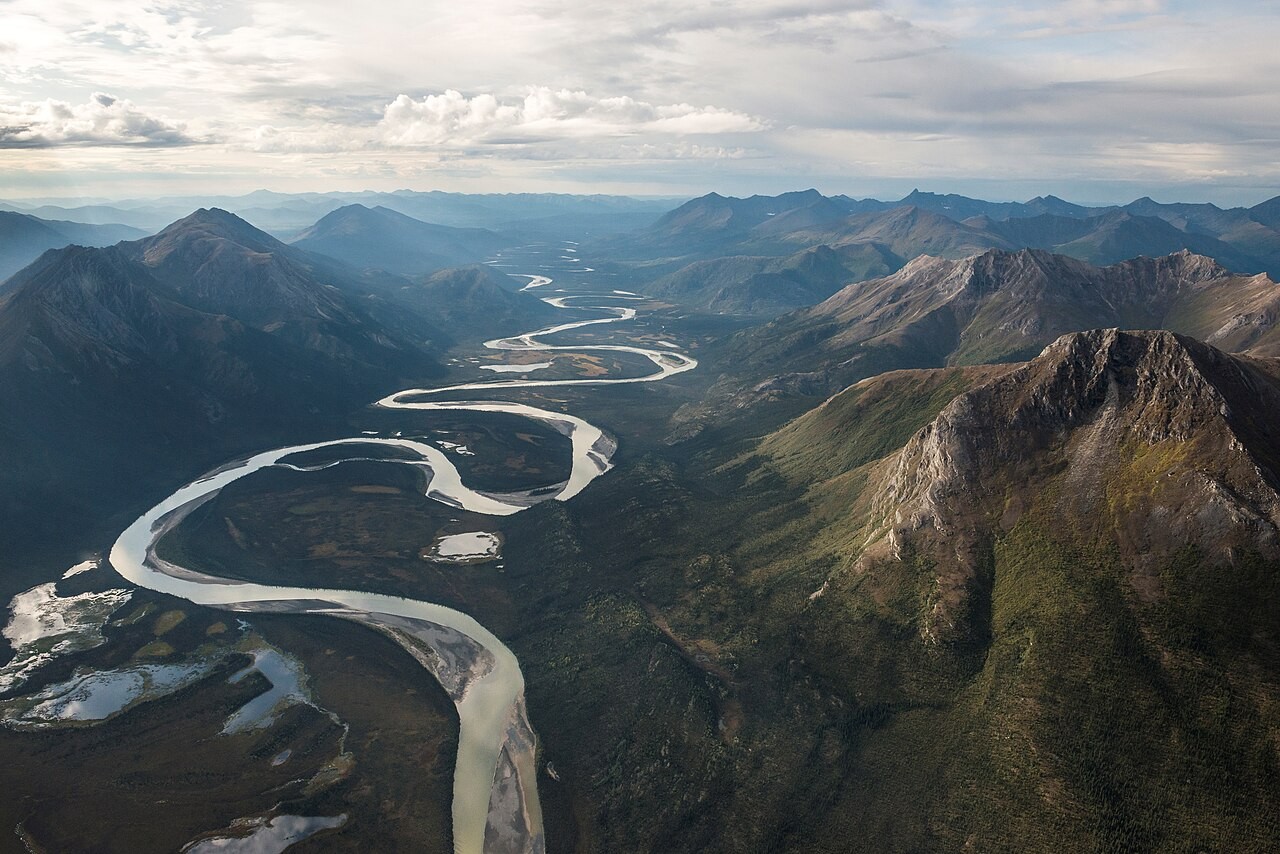
Stretching over 400 miles through remote Alaskan wilderness, the Dalton Highway is an unpaved road that presents a formidable challenge. Its remoteness means services are scarce, with vast distances between fuel stops and assistance. The road surface itself is a mix of gravel and dirt, prone to severe potholes and washouts, making control difficult.
Heavy trucks frequently use this route, reducing visibility with dust and gravel spray. Strong winds are common, and wildlife encounters, including moose and bears, add another layer of unpredictable danger. Drivers must be hyper-vigilant, prepared for anything from extreme weather to unexpected animal crossings.
Million Dollar Highway, Colorado
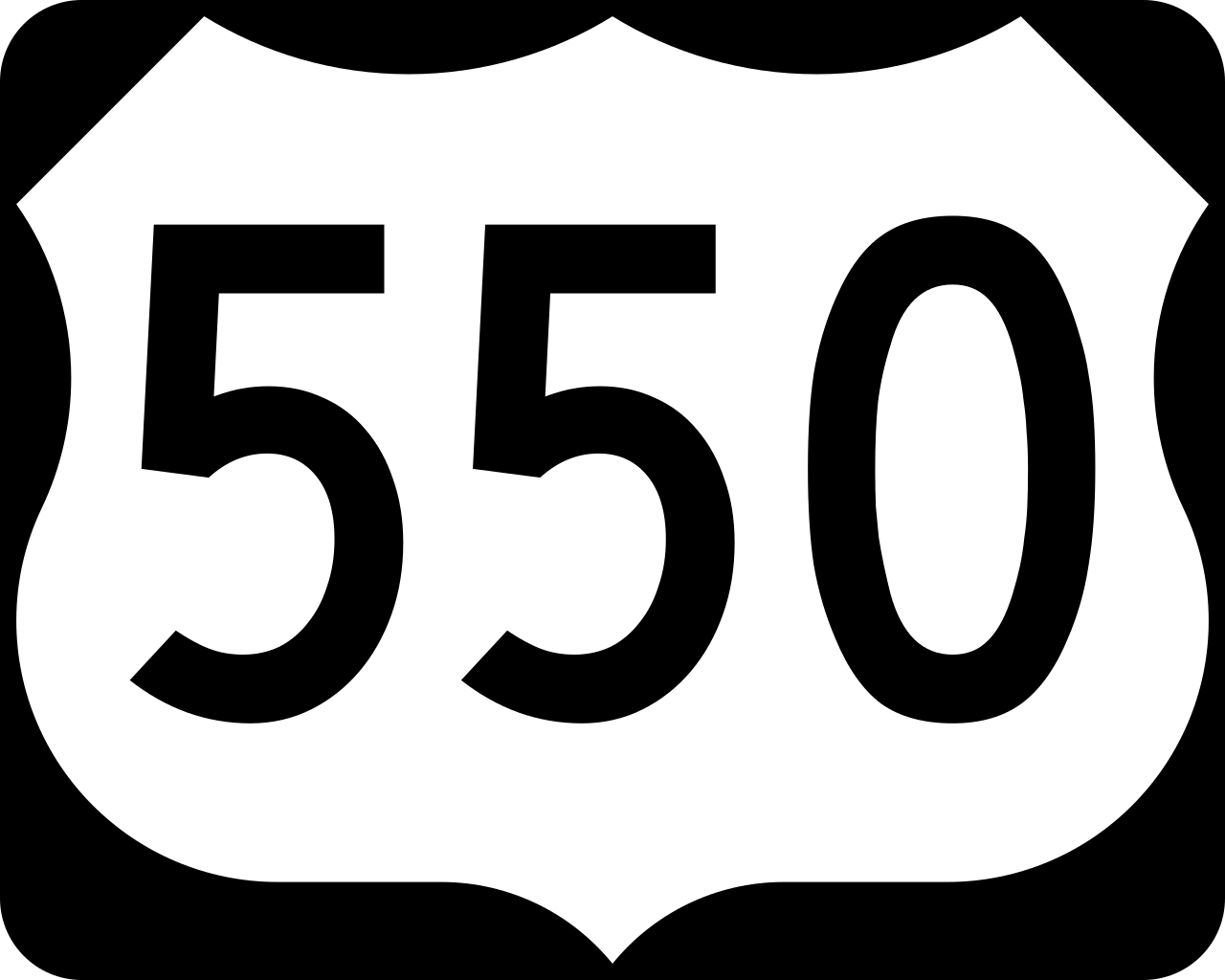
Officially designated as U.S. Route 550, the Million Dollar Highway winds through Colorado’s San Juan Mountains, a breathtaking but perilous journey. It ascends over 11,000 feet, characterized by sheer cliffs, hairpin turns, and a notorious lack of guardrails. Severe Colorado weather and the risk of rockslides further contribute to its daunting reputation.
Despite a low speed limit, there were 53 crashes on this pass in 2024 alone. The road’s narrow passages and steep drop-offs demand constant attention, making it a true test of a driver’s nerve.
Road to Hana, Hawaii
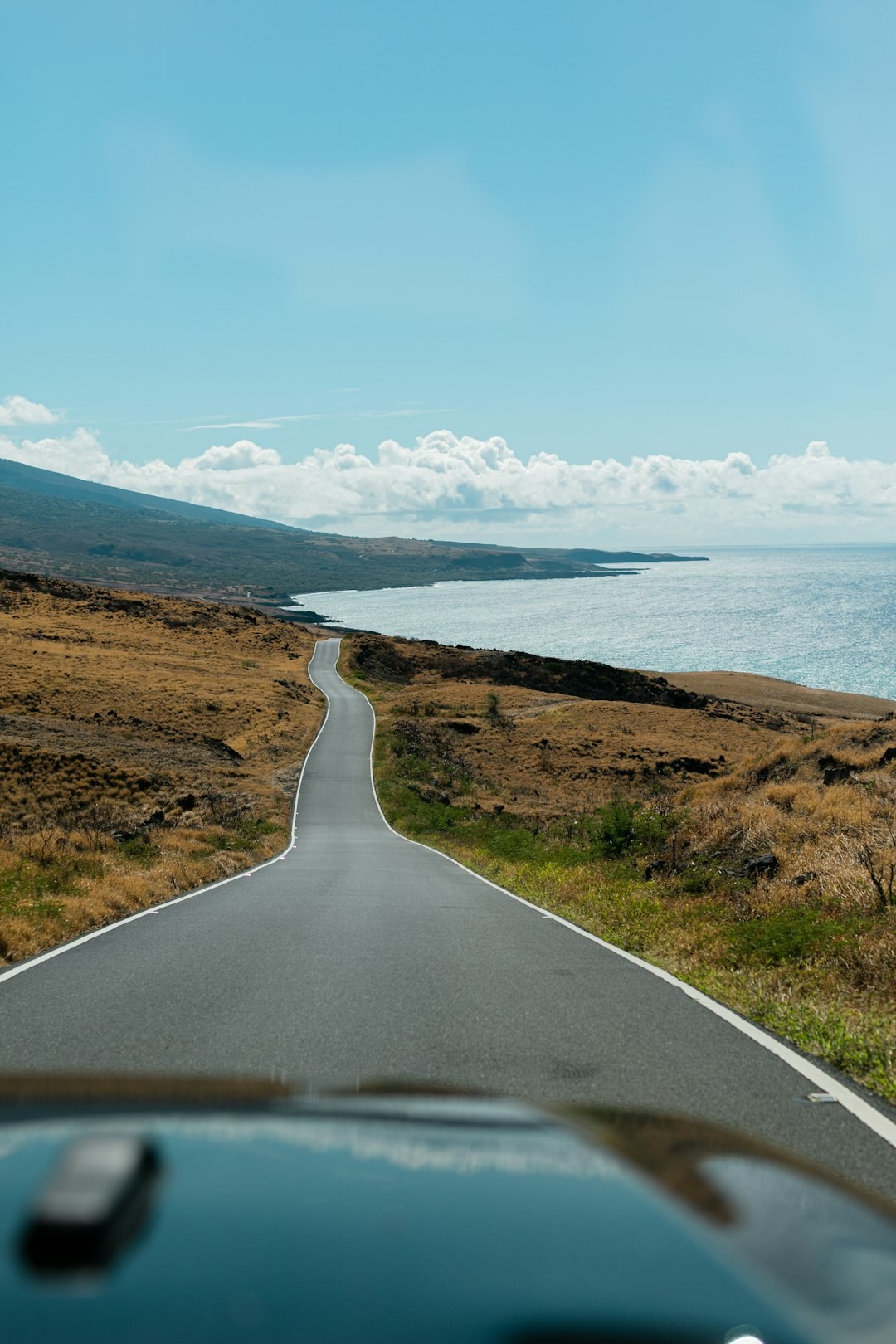
The Road to Hana on Maui is a legendary 64-mile route known for its lush rainforests, waterfalls, and 600-plus sharp turns. This stunning drive features numerous single-lane bridges, demanding careful navigation and patience. Unpredictable weather, including heavy rain and fog, can significantly reduce visibility, amplifying the inherent risks.
Tragically, this road has seen an increase in fatalities, with an estimated 68 deaths per year. Many accidents are attributed to excessive speed, reckless driving, or driver distraction while navigating the challenging terrain.
US Route 431, Alabama

Dubbed the “Highway to Hell,” U.S. Route 431 in Alabama has a grim reputation due to its frequent and often fatal accidents. The highway’s design contributes significantly to its danger, with poor visibility, sudden shifts from two to four lanes, and numerous curves and steep hills. It cuts through towns, forcing abrupt stops, and has a high volume of merging traffic.
In 2020, Alabama recorded a fatal crash on its roads approximately every 9 hours and 20 minutes, underscoring the state’s overall road safety concerns. The lack of adequate police coverage on US 431 further heightens the risk.
Tioga Pass Road, California
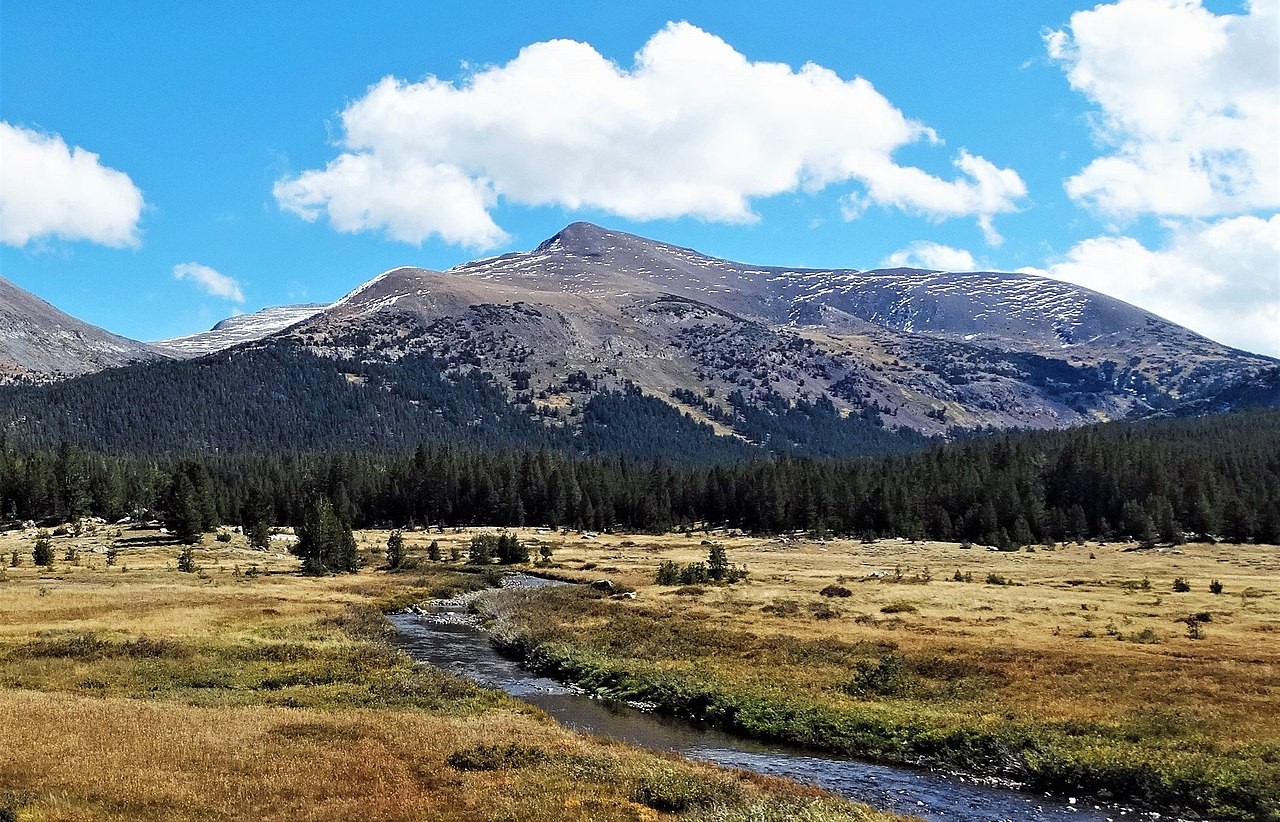
Tioga Pass Road, also known as California State Route 120, traverses the Sierra Nevada Mountains, offering stunning alpine scenery. However, its high elevation, frequent snow, and icy conditions make it treacherous, especially outside of summer months. The road is prone to sudden weather changes, including heavy snow, wind, and fog, dramatically reducing visibility.
As of February 2026, Tioga Pass is experiencing winter storm warnings with significant snow accumulation expected. This unpredictability, coupled with narrow sections and potential drop-offs, makes it a truly harrowing drive when conditions are unfavorable.
Have you ever driven one of these notoriously frightening roads, and what made it so terrifying for you?

