

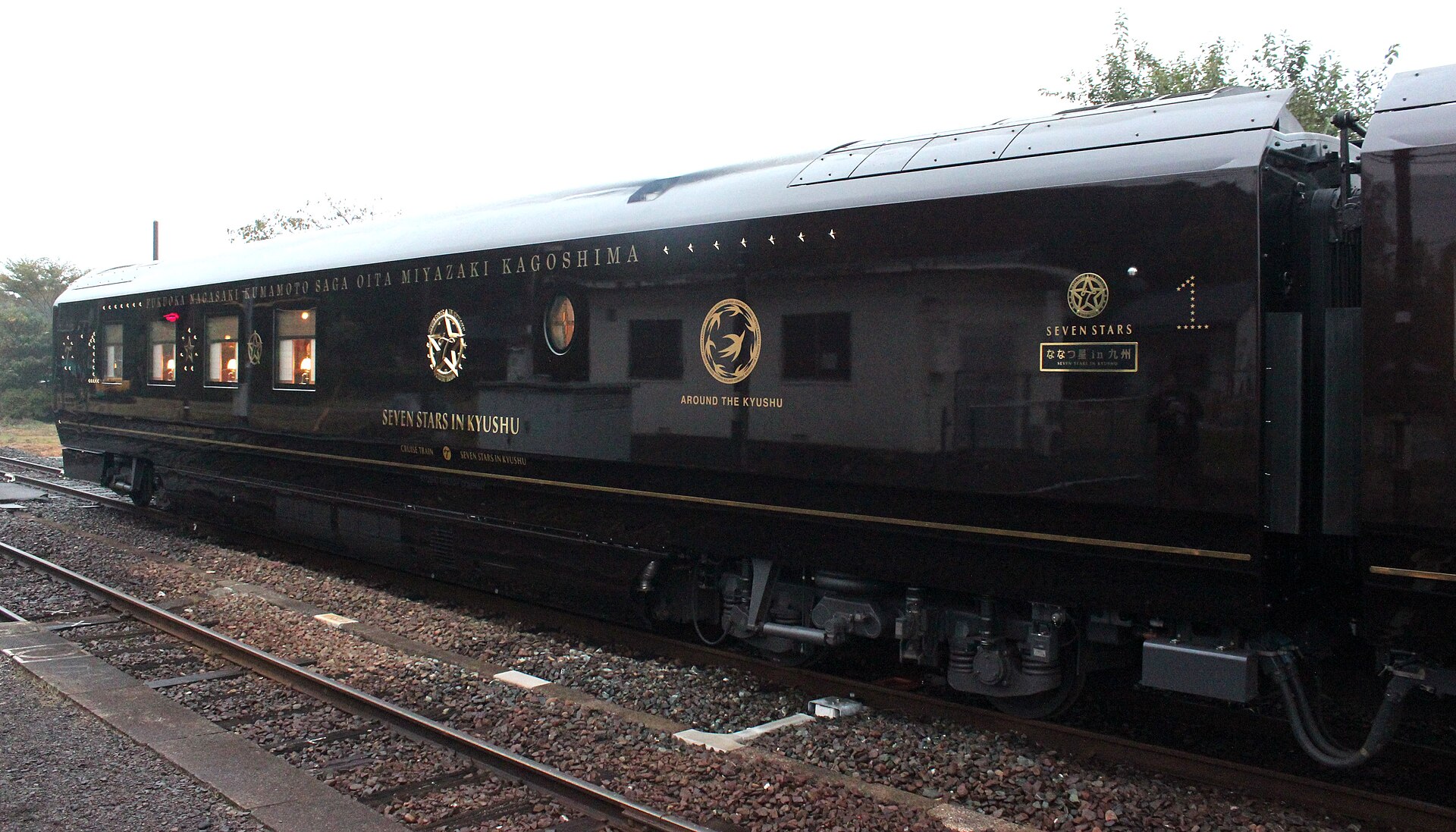
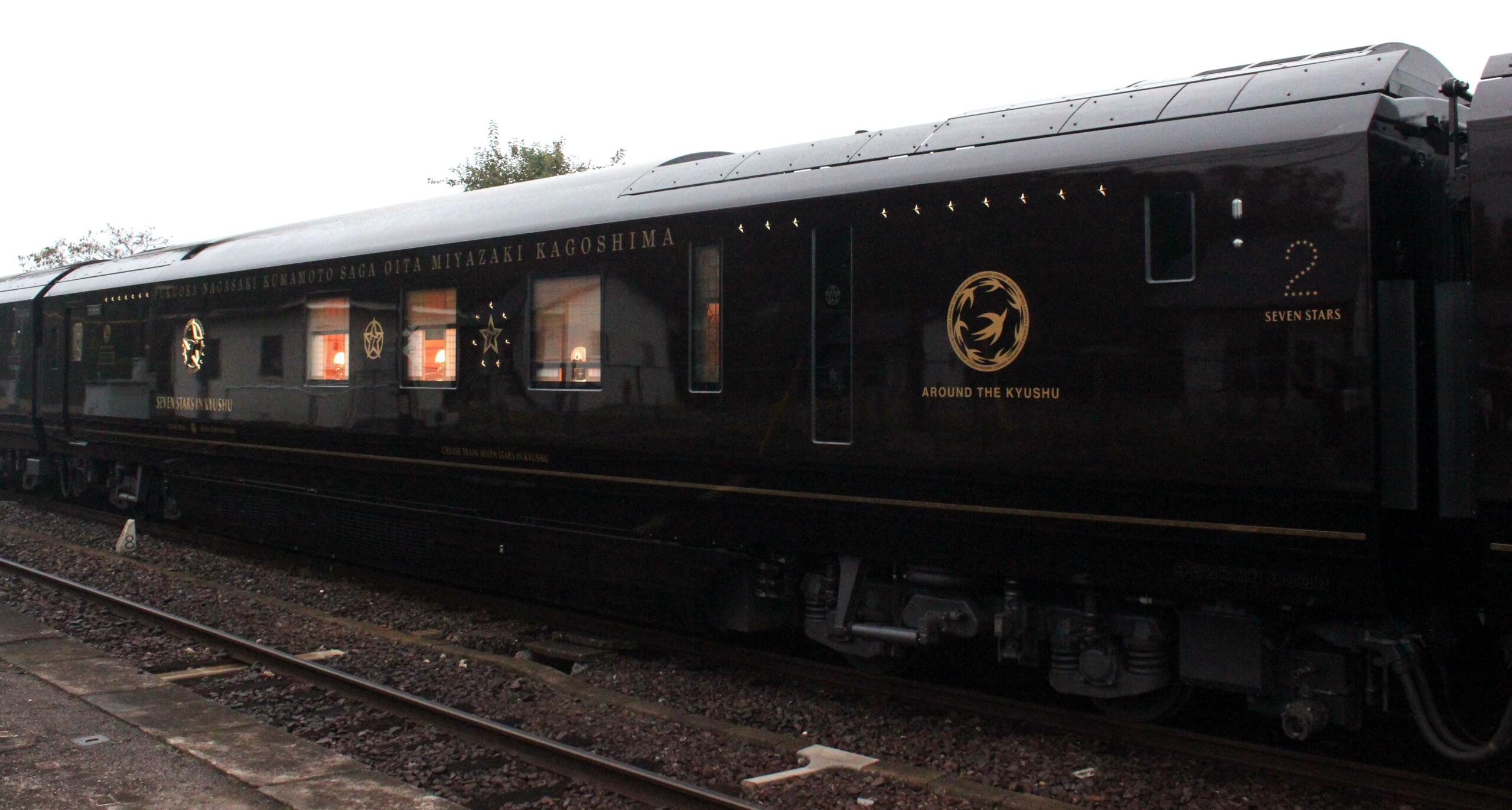
The Seven Stars in Kyushu — known in Japanese as Nanatsuboshi in Kyushu — is the most expensive scheduled passenger train in the world and one of the most exclusive luxury travel experiences in modern Japan. The train carries a maximum of 30 passengers per departure (14 suites total, including 2 deluxe suites). The cheapest 2-night package starts at approximately $7,000 per person; the 4-night Premium Royal Suite package costs approximately $38,000 per person. Reservations are awarded by lottery — typically with 10 to 20 applicants for each available cabin — and tickets are unavailable for 14 to 18 months in advance during typical demand cycles. The train has been operating since October 2013 and has become the global benchmark for luxury rail travel, alongside the Venice Simplon-Orient-Express in Europe and the Maharajas’ Express in India. Here is exactly what the Seven Stars trip contains, why the lottery system produces such consistent demand, and how the geisha entertainment that appears on the dining car has become one of the most photographed moments in luxury travel.
The Seven Stars in Kyushu is operated by Kyushu Railway Company (JR Kyushu), one of the seven privatized successor companies to the original Japanese National Railways. The train was designed by industrial designer Eiji Mitooka and constructed over a 3-year period from 2010 to 2013 at a reported cost of approximately ¥3 billion (about $30 million in 2013 dollars). The train consists of seven cars total — five sleeping cars containing 14 suites, one dining car, and one lounge/observation car. The exterior is finished in deep burgundy with gold accents. The interior uses traditional Japanese craft materials including hand-carved wood paneling, Arita porcelain, Yamaga lacquerware, and silk-thread woven textiles produced specifically for the train. The cumulative construction represents one of the most ambitious luxury-train projects in modern rail history.
The Two Trip Options

The Seven Stars offers two scheduled itineraries. The 2-night “Tuesday Departure” package departs Hakata Station in Fukuoka on Tuesday afternoons and returns Thursday morning, traveling clockwise around the Kyushu island visiting Yufuin, Beppu, Aso, and Kumamoto. The base price is approximately ¥1,050,000 (about $7,000 per person) for a standard suite. The 4-night “Saturday Departure” package departs Hakata on Saturday afternoons and returns Wednesday morning, covering a longer counterclockwise route through Nagasaki, Aso, Yufuin, Beppu, and Kumamoto. The base price starts at approximately ¥1,500,000 (about $10,000 per person) for a standard suite. The deluxe suites — the two largest cabins, each occupying half a railroad car with a private observation lounge and traditional Japanese-style cypress bathtub — cost approximately ¥5,700,000 (about $38,000 per person) for the 4-night package.
What the 14 Suites Look Like

The Seven Stars’s 14 standard suites measure approximately 8 to 11 square meters (about 86 to 118 square feet) each. Each contains a custom-built private bedroom with traditional Japanese textile bedding, a private washroom with marble surfaces, a writing desk, and large picture windows. The two deluxe suites measure approximately 21 square meters (about 226 square feet) each, with private observation lounges, traditional Japanese cypress-wood (hinoki) deep soaking tubs, and a writing alcove. Every suite is equipped with personal smartphone-style cabin attendant call buttons, climate control, and Japanese-style yukata robes provided for sleep wear. The bedding is changed daily by a dedicated cabin attendant assigned to two specific suites for the full trip.
The Dining Car Experience
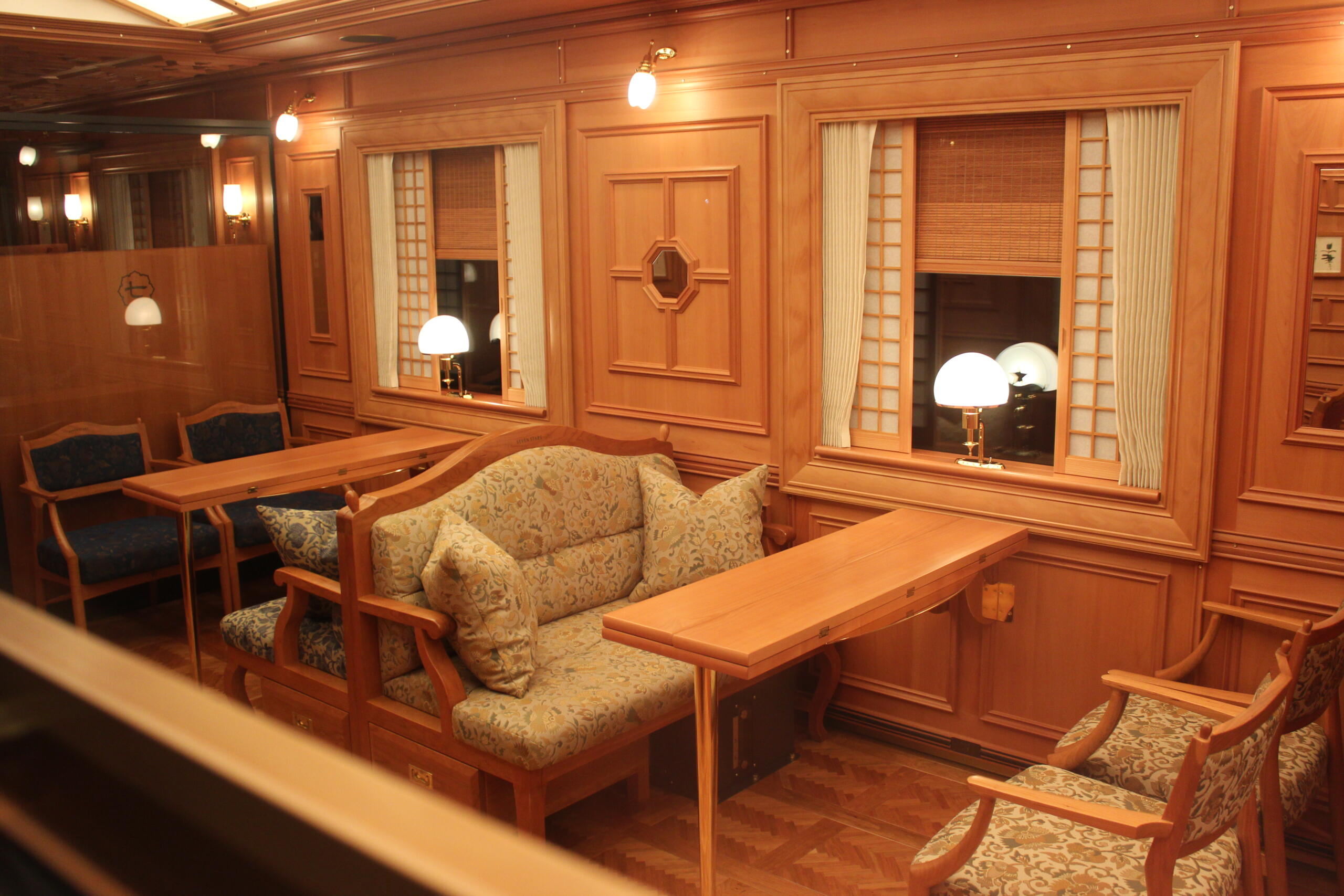
The Seven Stars dining car — designed by Yamaha’s interior division and outfitted with Arita porcelain serviceware — produces three multi-course meals daily during travel days. The cuisine is exclusively Japanese kaiseki tradition, executed by guest chefs from Kyushu’s most-decorated restaurants. The Tuesday departure includes 4 kaiseki meals; the Saturday departure includes 7 kaiseki meals plus 2 station-platform special dining events at country inns along the route. The dining car seats 28 passengers per service in two seatings. The chef changes for each departure (a rotating guest-chef program featuring Michelin-starred Kyushu chefs). Each meal includes wine and sake pairings featuring small Kyushu-region producers that do not export internationally.
The Geisha Entertainment
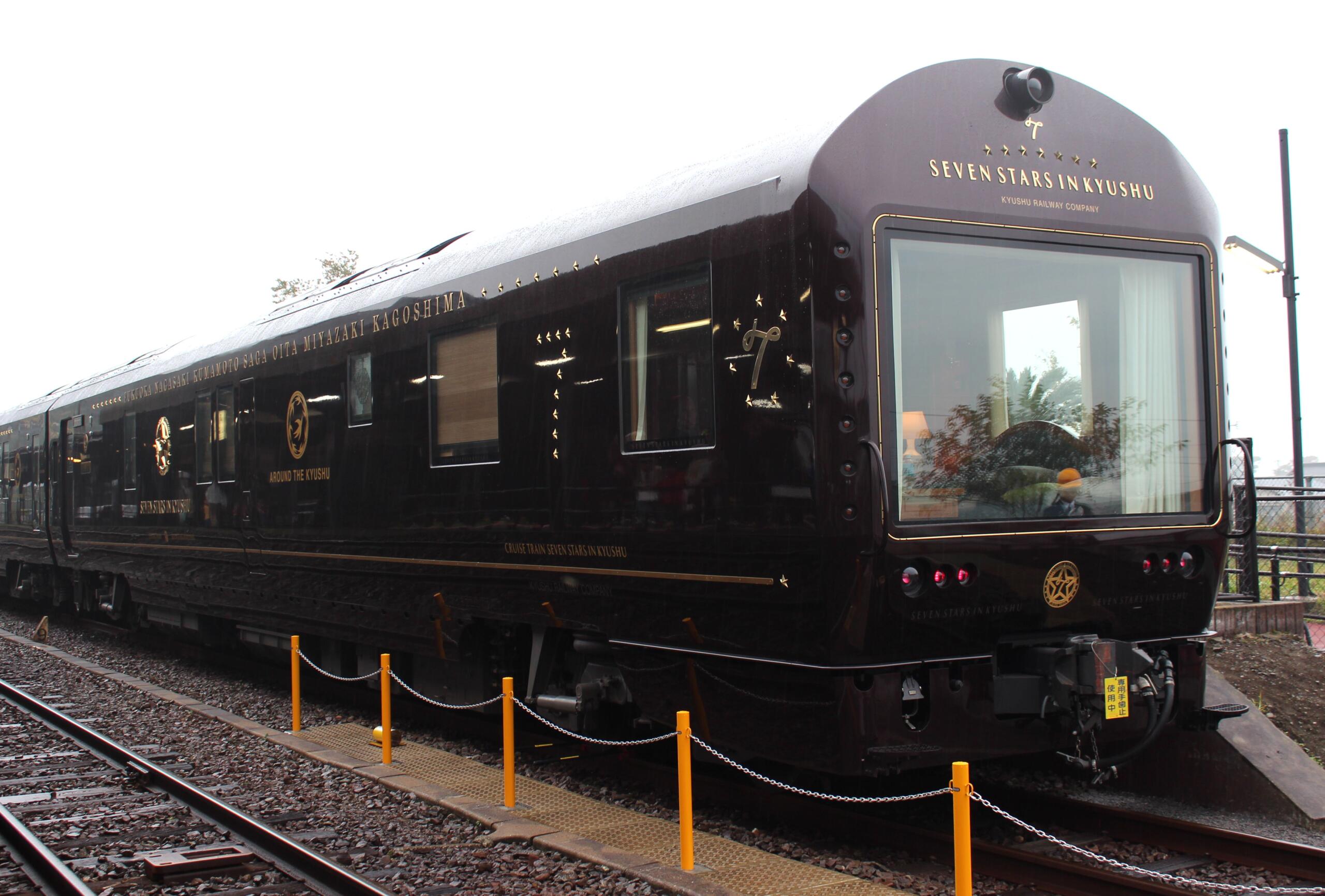
The dining car features evening entertainment during specific dining services, with geisha (specifically, the “Hakata gei” or Hakata geisha tradition from northern Kyushu) performing traditional dance and shamisen music. The geisha are professional entertainers, not actors — they hold formal certifications from the Hakata Geisha Cultural Promotion Association. The Hakata geisha tradition dates to the 17th century and represents one of the few remaining authentic geisha communities in Kyushu (most Japanese geisha culture now centers on Kyoto’s Gion district). The Seven Stars geisha performances last approximately 25-40 minutes per evening and have become one of the most-photographed moments of any luxury train experience worldwide. The geisha do not interact with passengers beyond the formal performance — they are not hospitality staff but professional artists making a scheduled appearance.
The Lottery System
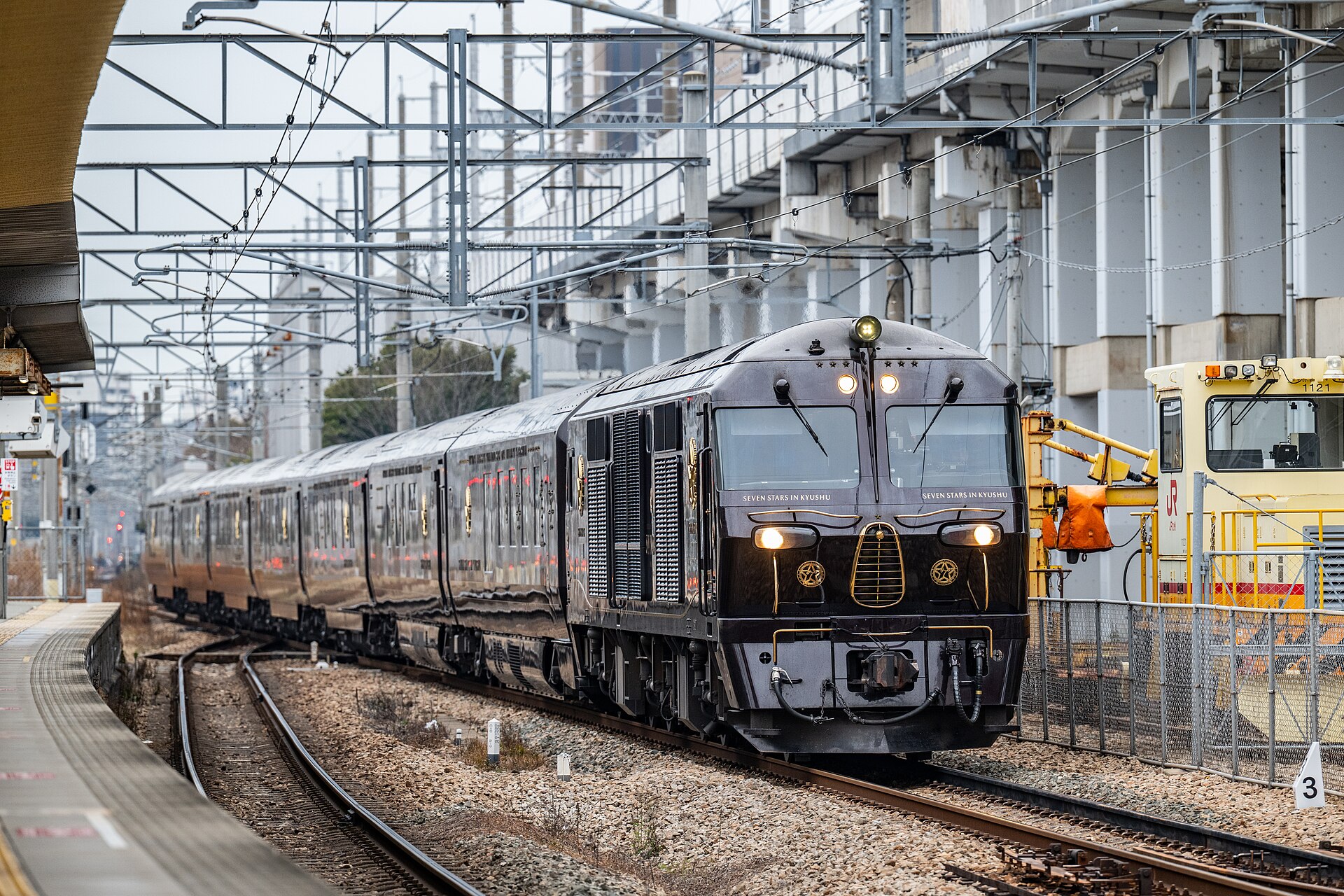
The Seven Stars reservation system operates entirely by lottery. Prospective passengers submit applications through the JR Kyushu Seven Stars website during quarterly application windows. Each application can request up to 6 dates and 2 trip-type preferences. The lottery is conducted approximately 13 months before each travel date. Successful applicants are notified by email. The acceptance rate varies — peak season (October-November, March-April) draws 15 to 25 applicants per available suite; off-season (January-February, August) draws 8 to 15. The lottery has produced consistent demand since 2013 with no observed decline through 2025. Tickets are non-transferable and require confirmation of passport identity for all named passengers.
Why the Price Is What It Is
The $38,000-per-person price of the premium deluxe suite reflects several specific cost components. First, the per-passenger train operating cost — only 30 passengers per departure means the train’s operating costs (crew, fuel, maintenance, depreciation) divide across very few revenue units. Second, the food cost — kaiseki cuisine at the Seven Stars quality tier runs approximately $300-$500 per passenger per meal. Third, the geisha entertainment, station-platform dining events, and ancillary experiences add substantial per-passenger cost. Fourth, the brand premium — the Seven Stars commands a luxury-tier premium comparable to top-tier private yacht charter or super-luxury safari operations. Fifth, the limited availability — the lottery system means demand consistently exceeds supply, supporting price escalation. JR Kyushu has not raised the prices since 2017 but the operating model produces healthy margins at the current price point.
What Competitors Look Like
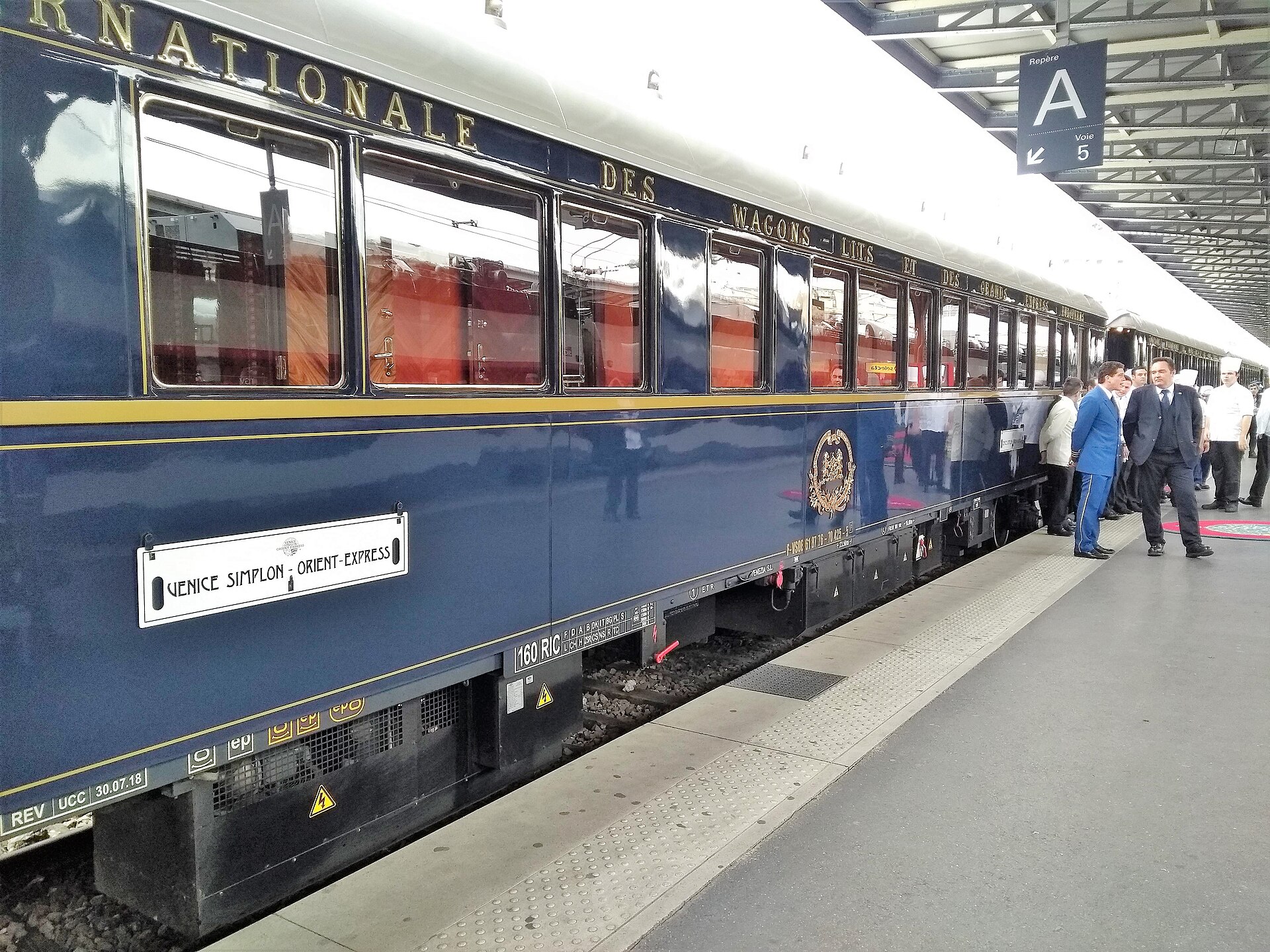
The Seven Stars’s primary global competition includes the Venice Simplon-Orient-Express operated by Belmond (multiple European routes, comparable pricing), the Maharajas’ Express in India (7-day luxury Indian rail experience), and the Royal Scotsman in Scotland (operated by Belmond, 7-night Scottish Highland routes). Within Japan, the Twilight Express Mizukaze (operating from Osaka) and the Train Suite Shiki-shima (operating from Tokyo) provide regional luxury rail competitors at similar price points but different scenic itineraries. The Seven Stars is regarded by most international rail travel writers as the most-refined of the global luxury rail products, primarily due to the consistent quality of the kaiseki cuisine, the geisha entertainment, and the contained geographic focus on Kyushu’s volcanic and onsen landscape.
The American Traveler Question
The practical question for American travelers considering the Seven Stars is whether the trip justifies the substantial cost and 14-month booking timeline. The honest answer depends on the traveler’s interest in Japanese culture, the value placed on extreme service quality, and the broader Japan vacation context. The Seven Stars typically functions as the anchor of a longer Japan vacation — most international passengers pair the 2-night or 4-night train experience with 5-10 additional days in Tokyo, Kyoto, and the broader Japan circuit. Reviewers who have completed the trip consistently rate it among the most-memorable single travel experiences they have had. Reviewers who chose less-expensive alternatives have generally been satisfied with comparable Japanese luxury hotel and ryokan experiences at lower cost. The Seven Stars is not a value purchase. It is a defining luxury rail experience that has become, since its 2013 launch, the global benchmark for the category.

