

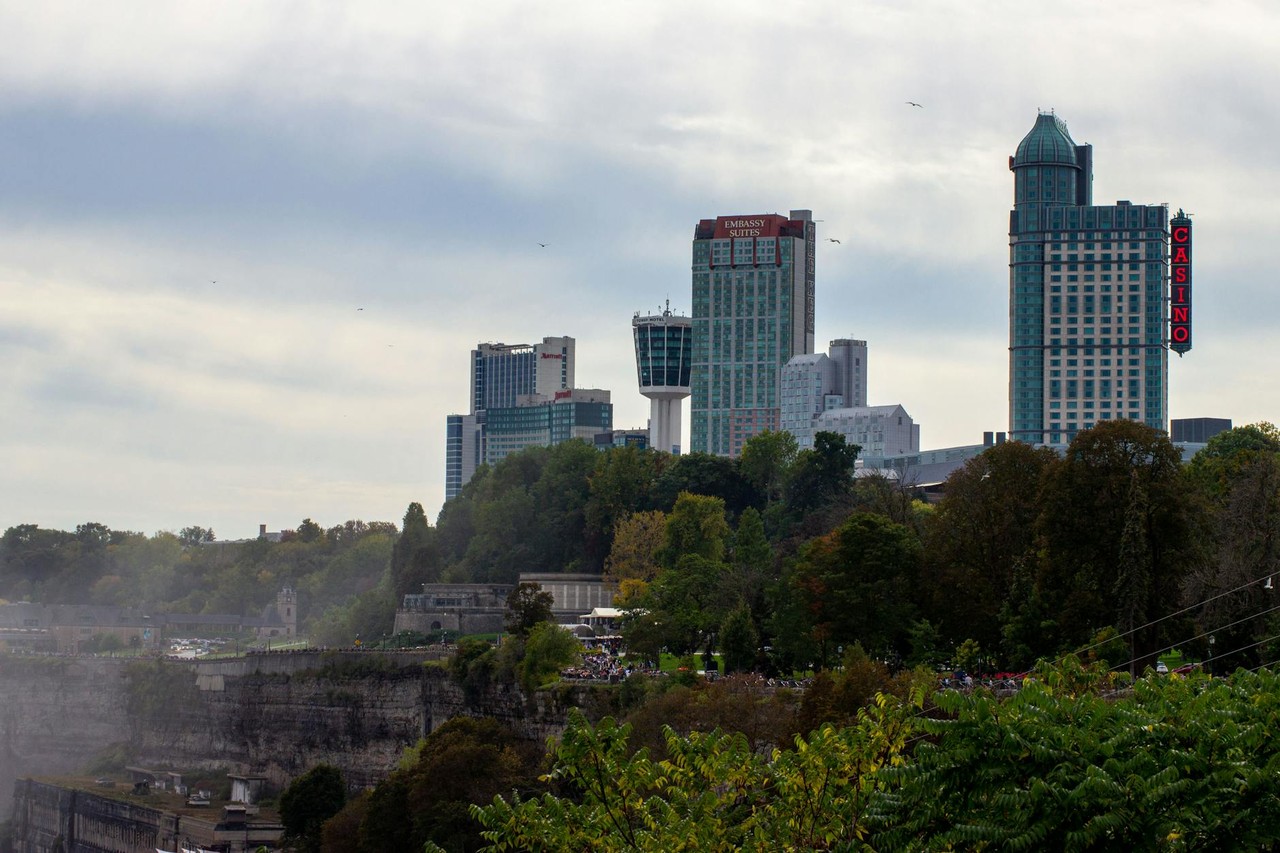
For decades, a familiar stream of American tourists has flowed across the border, drawn to picturesque Canadian towns. These destinations, often just a stone’s throw from the U.S., offer a distinct charm and cultural allure. However, the sheer volume of visitors has begun to strain resources and test the patience of local residents.
Windsor, Ontario: A Bridge Too Far?
Windsor, Ontario, a city often called the “Automotive Capital of Canada,” shares a long, economically intertwined border with Detroit, Michigan. This proximity makes it an easily accessible destination for many Americans seeking a taste of Canadian culture, unique shopping, or a different casino experience. The Ambassador Bridge, a vital artery for trade and tourism, sees millions of vehicles cross annually, a significant portion of which are American travelers. This constant movement, while indicative of strong cross-border relations, also brings with it the predictable challenges of increased traffic and demand on local services.
The accessibility is a primary driver, with many Americans viewing Windsor as a convenient weekend getaway rather than a distant travel destination. Restaurants, entertainment venues, and retail establishments in Windsor often cater to a bilingual clientele, reflecting the significant number of American visitors. While the economic boost from tourism is undeniable, the sheer volume can lead to frustrations for residents, particularly during peak seasons. The city’s infrastructure, designed for a smaller population, can feel the strain of sustained high visitor numbers.
Data from the Windsor-Essex County Tourism Association consistently highlights the importance of the American market, with a substantial percentage of overnight stays attributed to U.S. visitors. This reliance underscores the economic impact, yet it also fuels conversations about sustainable tourism and managing the visitor experience for both guests and locals. The ongoing discussions often revolve around balancing economic benefits with the quality of life for Windsor’s residents.
Niagara Falls, Ontario: The Horseshoe’s Double-Edged Sword
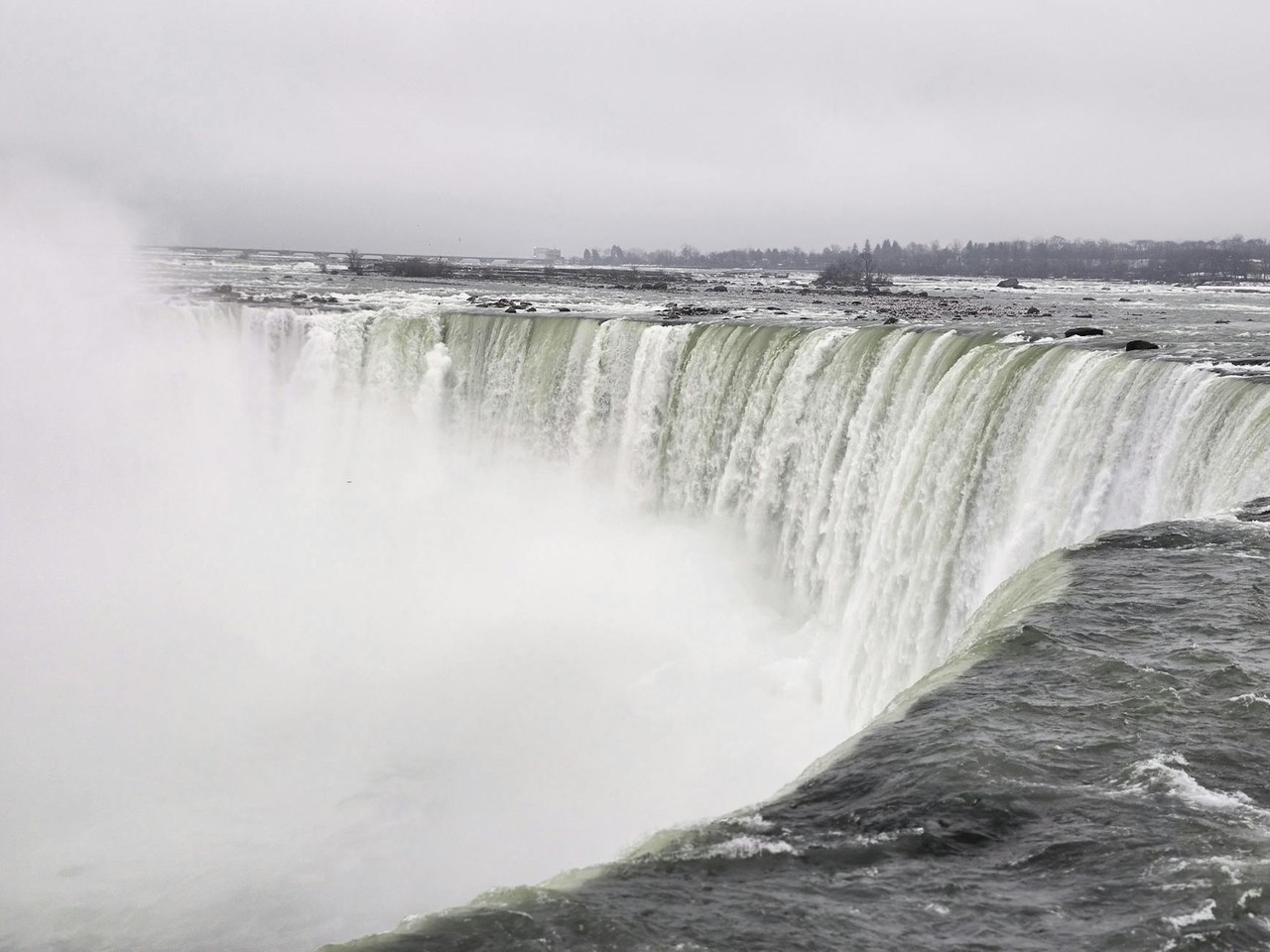
Niagara Falls, Ontario, is perhaps the quintessential example of a Canadian town heavily influenced by American tourism. The sheer spectacle of the falls draws millions annually, with a considerable number of those being from the United States. Proximity to Buffalo, New York, makes it a natural destination for many Americans seeking world-renowned natural beauty and the vibrant entertainment district that has grown around it. The Canadian side, with its well-developed tourist infrastructure, offers a different perspective and experience compared to its American counterpart.
The hotels, casinos, and attractions lining the Niagara Parkway are a testament to the economic power of tourism. Yet, this bustling atmosphere can be overwhelming for residents who live amidst the constant flow of tour buses and vacationers. Parking can become a significant issue, and the sheer number of people can make everyday errands feel like navigating a festival. While the tourism dollars are crucial for the local economy, there’s a growing sentiment that the town sometimes feels more like a perpetual tourist hub than a living community.
Reports from Niagara Parks and local tourism boards frequently emphasize the significant contribution of U.S. visitors to the region’s economy. The falls themselves are a powerful magnet, but the surrounding amenities have been specifically developed to cater to this demographic. This has led to a dynamic where the town’s identity is deeply intertwined with its visitor base, sometimes at the expense of local needs and desires for a more serene environment.
Fort Erie, Ontario: A Quiet Neighbour’s Overspill
Fort Erie, Ontario, situated directly across the border from Buffalo, New York, experiences a notable influx of American visitors, largely due to its direct border crossing via the Peace Bridge. While not as globally renowned as Niagara Falls, it serves as a convenient point of entry and a destination for those seeking a less crowded, more laid-back experience than its more famous neighbor. The town offers a range of amenities, including casinos and access to Lake Erie’s shoreline, appealing to a segment of the American tourist market looking for a relaxed getaway.
The town’s residential areas can find themselves navigating increased traffic, especially during warmer months when Americans are more inclined to make spontaneous trips across the border. Local businesses, from restaurants to shops, often see a significant portion of their revenue tied to these cross-border shoppers and visitors. This economic reliance means that while residents might occasionally wish for fewer crowds, the economic reality often necessitates a welcoming stance towards American tourists.
While specific statistics for Fort Erie’s American visitor numbers can be harder to isolate from broader regional data, the proximity and the presence of the Peace Bridge are undeniable drivers. Conversations with local business owners often reveal the importance of American day-trippers and weekend visitors. The desire for a more manageable flow of traffic and a less congested feel to their community is a sentiment shared by many long-time residents.
Sarnia, Ontario: A Practical Crossing Point
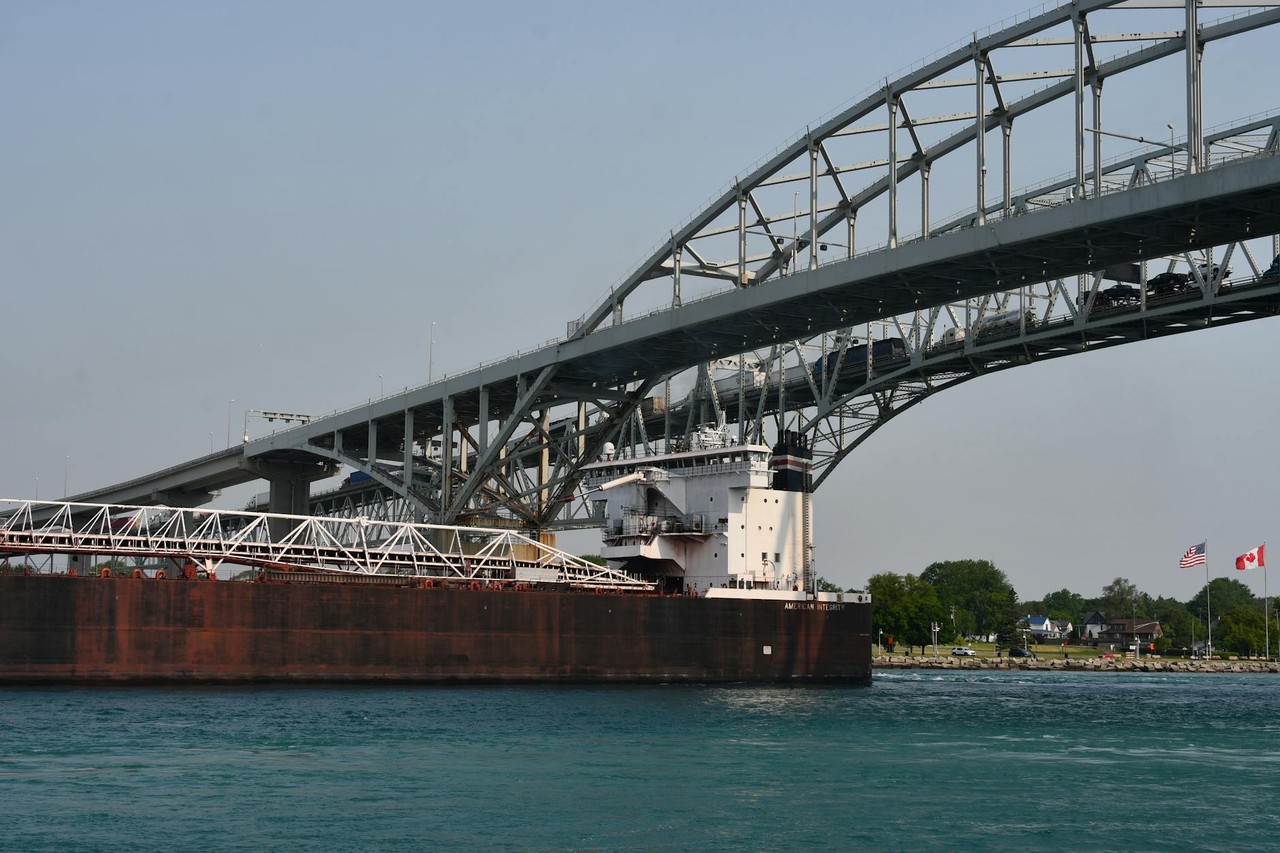
Sarnia, Ontario, located on the St. Clair River and connected to Port Huron, Michigan, by the Blue Water Bridge, serves as another key gateway for Americans. Its strategic location makes it a practical stop for those traveling through or looking for a familiar yet distinctly Canadian experience. The town offers a range of shopping opportunities, a pleasant waterfront, and is a point of access for exploring southwestern Ontario. Americans often visit Sarnia for its pharmacies, which can offer different pricing or availability for certain goods compared to the U.S.
The constant movement of vehicles across the Blue Water Bridge highlights Sarnia’s role in cross-border traffic, with many Americans making day trips or short overnight stays. This brings a steady stream of customers to local businesses, contributing significantly to the local economy. However, the increased traffic can also lead to congestion in certain areas, particularly around the border crossing and main commercial streets, impacting the daily routines of Sarnia’s residents.
While comprehensive data specifically tracking Sarnia’s American tourist demographics isn’t always readily available, the bridge’s traffic volumes and the town’s commercial offerings point to a consistent pattern of American visitation. Local business associations often note the economic impact of these visitors, particularly in the retail and service sectors. The desire for a less crowded experience, especially during peak traffic times, is a sentiment that resonates with many Sarnia residents.
The Okanagan Valley, British Columbia: A Summer Magnet
The Okanagan Valley in British Columbia, with its world-class wineries, stunning lakes, and sun-drenched climate, has become an increasingly popular destination for Americans, particularly those from Washington and Oregon. While not a border town in the traditional sense, its appeal transcends the immediate proximity, drawing visitors for its burgeoning wine industry and outdoor recreational opportunities. Towns like Kelowna, Penticton, and Osoyoos buzz with activity during the summer months, with a significant portion of the visitors being from south of the border.
The rapid growth of the wine tourism sector has transformed the valley, attracting a sophisticated clientele. Americans are drawn to the high-quality wines, picturesque vineyard settings, and the overall relaxed, upscale vacation experience. This surge in popularity, however, has led to challenges in accommodation availability, increased demand on restaurant reservations, and a noticeable increase in traffic on scenic routes. Residents who once enjoyed a more tranquil summer now find their communities bustling year-round.
Statistics from Destination Canada and provincial tourism bodies consistently show a strong and growing interest from the U.S. market in British Columbia’s interior. The Okanagan’s unique combination of natural beauty and culinary excellence makes it a prime target for American vacationers. While the economic benefits are substantial, there is a growing undercurrent among locals about managing this growth to preserve the valley’s charm and avoid over-tourism.
Vancouver, British Columbia: A Major Urban Draw
Vancouver, British Columbia, a vibrant coastal city, acts as a significant magnet for American tourists, drawn by its stunning natural setting, diverse culture, and renowned culinary scene. Its status as a major international hub, coupled with its proximity to the Pacific Northwest, makes it an accessible and highly desirable destination for U.S. travelers. From exploring Stanley Park to enjoying the city’s dynamic neighborhoods, Vancouver offers a multifaceted experience that appeals to a broad range of American visitors.
The economic contribution of American tourism to Vancouver’s economy is substantial, supporting a vast array of businesses in hospitality, retail, and entertainment. However, the sheer volume of visitors, especially during peak seasons, can lead to overcrowding in popular attractions and contribute to traffic congestion, impacting the daily lives of residents. Finding affordable accommodation can also become a challenge due to high demand from both international and domestic travelers.
According to Destination Vancouver, the United States is consistently one of the top source markets for international visitors. This sustained interest highlights Vancouver’s global appeal, but it also prompts ongoing discussions about managing visitor flows and ensuring the city remains a livable and enjoyable place for its residents. The balance between catering to tourists and maintaining the quality of life for locals is a continuous consideration for city planners and tourism operators.
The Potential for Strain on Infrastructure and Services
The persistent influx of American tourists, while economically beneficial, undeniably places a strain on the infrastructure and public services of many Canadian towns. Roads, public transportation, and parking facilities can become overwhelmed, particularly in popular tourist hotspots like Niagara Falls and the Okanagan Valley. This increased demand can lead to longer wait times, higher costs for services, and a general sense of congestion that impacts the daily lives of residents.
Furthermore, local services, such as healthcare facilities and emergency response, can experience increased pressure during peak tourist seasons. While visitors contribute to the economy, the direct cost of providing these services often falls on local taxpayers. This creates a complex dynamic where the economic benefits are widespread, but the immediate impacts on infrastructure and services are felt most acutely at the community level, leading to resident concerns.
Data from border agencies often reveals the sheer volume of cross-border traffic, underscoring the consistent flow of American visitors. This volume necessitates continuous investment in infrastructure to manage the flow, which can be a significant financial burden for smaller municipalities. The conversation around sustainable tourism often includes addressing these infrastructure challenges and finding ways to mitigate the impact on local resources.
Preserving Local Culture and Identity
Beyond infrastructure, the continuous presence of large numbers of American tourists can subtly, or not so subtly, influence the cultural fabric of Canadian towns. As businesses adapt to cater to visitor preferences, there’s a potential for the unique local character to be diluted. Shops might shift towards more generic souvenir offerings, and restaurants may alter menus to appeal to broader tastes, sometimes at the expense of traditional local fare.
Residents often express a desire to maintain the authenticity of their communities and preserve the traditions that make their towns special. This can manifest as a wish for fewer crowds during local festivals or a longing for a more intimate atmosphere in public spaces. The constant presence of a tourist gaze can also alter the spontaneous interactions and sense of community that locals cherish, creating a feeling of being perpetually “on display.”
Studies on cultural tourism often highlight the challenges of balancing economic development with cultural preservation. While tourism can provide opportunities to share local heritage, it also risks commodifying it. Many Canadians in popular tourist destinations grapple with this dilemma, seeking ways to benefit from visitors without losing the essence of what makes their towns unique and home.
The Economic Argument: A Necessary Evil?
From an economic standpoint, American tourism is a vital component for many Canadian border towns and popular destinations. The money spent on accommodation, dining, shopping, and attractions creates jobs and stimulates local economies. In regions where other industries may be in decline, tourism can represent a crucial source of revenue and employment, making it difficult for communities to simply wish for fewer visitors.
However, the economic argument is not without its counterpoints. Critics argue that the economic benefits are not always distributed equitably, with profits often flowing to larger corporations rather than staying within the local community. Furthermore, the reliance on a single industry like tourism can make communities vulnerable to external economic fluctuations or changes in travel trends.
Reports from Statistics Canada and various tourism industry associations consistently demonstrate the significant financial contribution of U.S. visitors to the Canadian economy. While these figures highlight the importance of American tourism, they also fuel the ongoing debate about maximizing its benefits while minimizing its drawbacks for local communities. It’s a complex equation of economic gain versus community well-being.
Balancing Act: Towards Sustainable Tourism
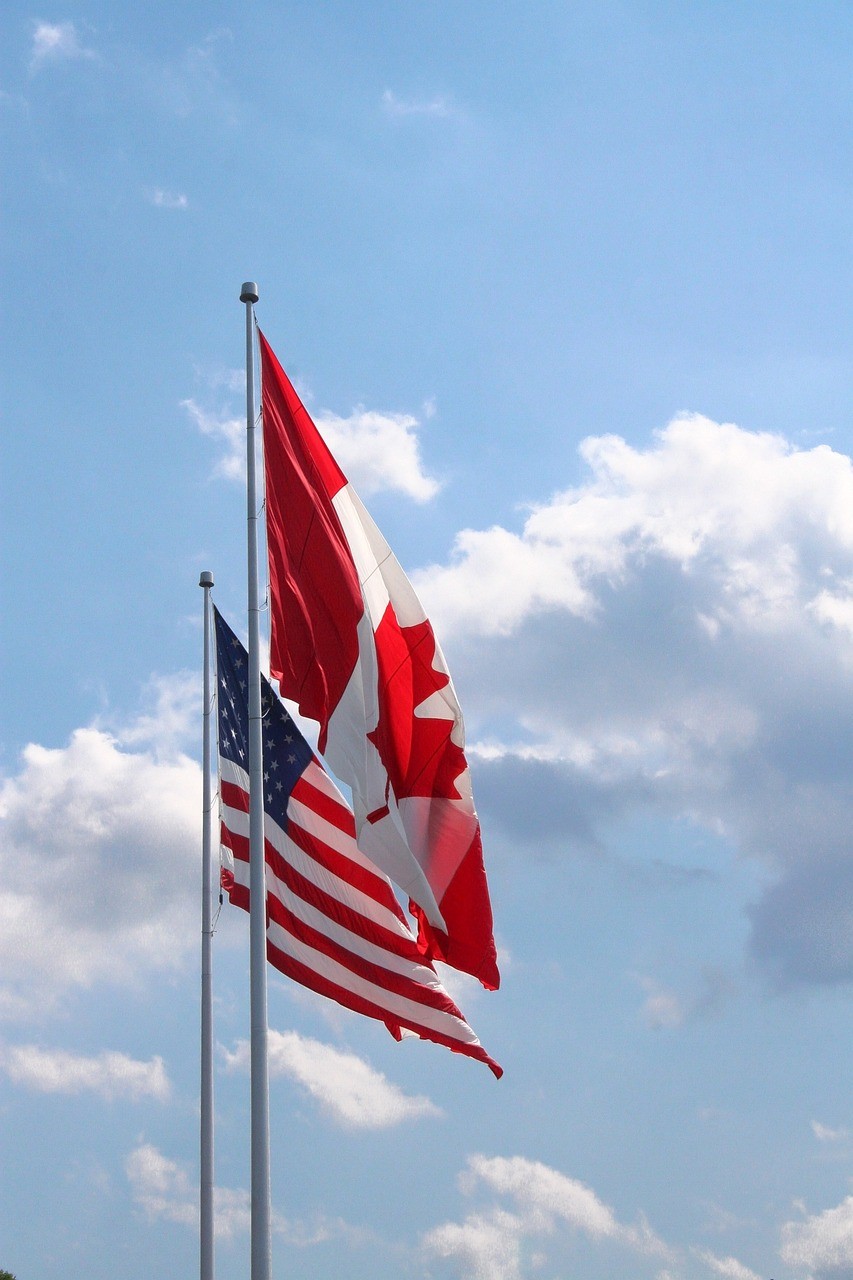
The sentiment among some Canadians for fewer American tourists is less about outright hostility and more about a desire for a more balanced and sustainable approach to tourism. This involves managing visitor numbers, promoting off-peak travel, and encouraging longer, more meaningful stays rather than short, high-impact visits. The goal is to ensure that tourism benefits the community without overwhelming it.
Strategies for achieving this balance include diversifying the tourism market to reduce reliance on any single source country and investing in infrastructure that can better accommodate visitor numbers. There’s also a growing emphasis on promoting responsible tourism practices that encourage visitors to engage with the local culture respectfully and minimize their environmental footprint.
Ultimately, the future of tourism in these beloved Canadian towns hinges on finding a sustainable path forward. It requires collaboration between tourism operators, local governments, and residents to ensure that these destinations remain attractive to visitors while continuing to be vibrant and livable communities for the people who call them home.
What innovative strategies could Canadian towns implement to manage tourism effectively without alienating visitors?
