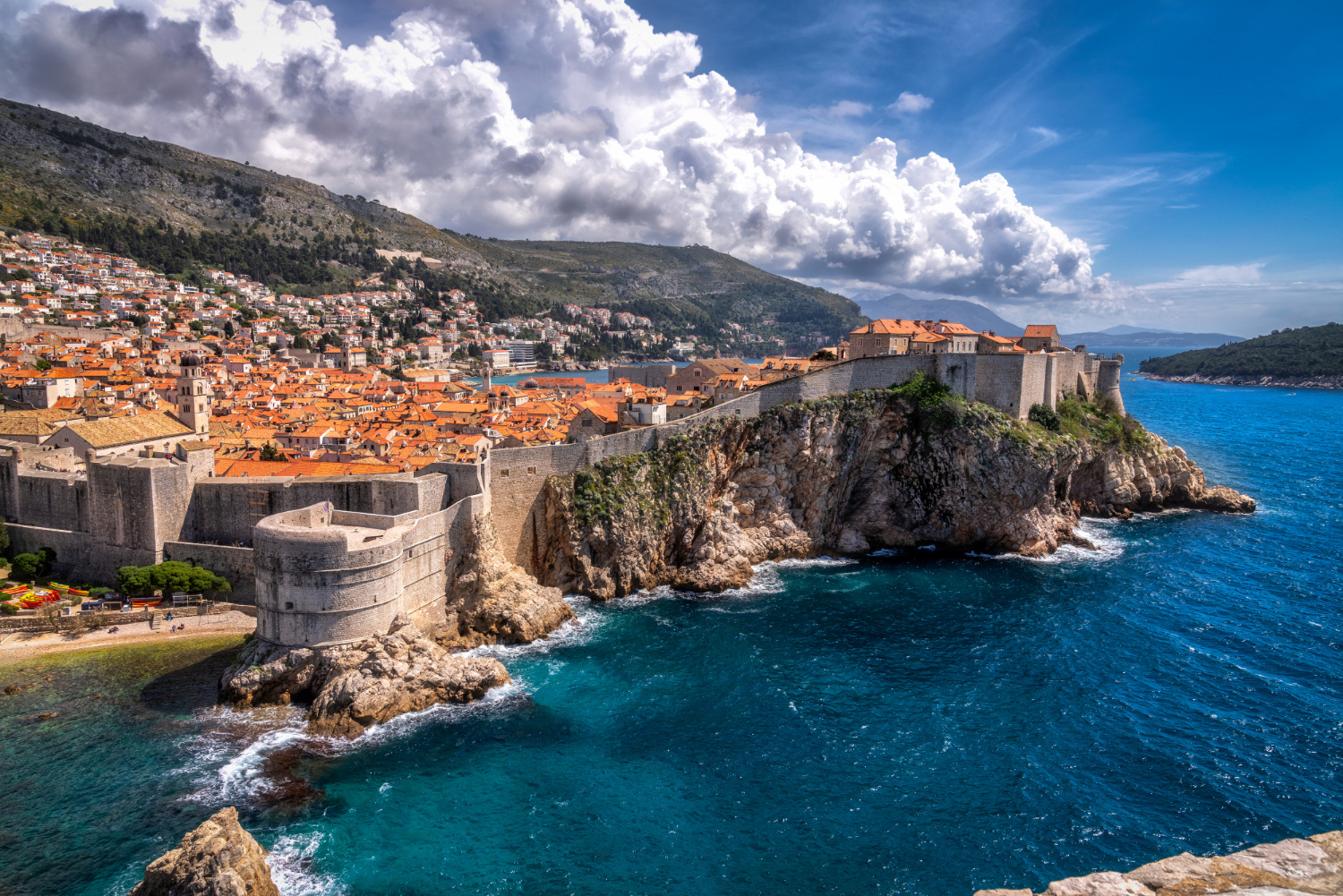
Dubrovnik, Croatia — the medieval walled city on the Adriatic coast — earned the top ranking in the 2026 Walk Score International Old Town survey, beating better-known European destinations including Venice, Florence, Prague, and Bruges. The methodology combined four factors: the percentage of the historic core that is closed to motor vehicles (Dubrovnik scores 100 percent within its walls), the contiguous pedestrian-only network length, the density of restaurants, shops, and services within the walking area, and the surveyed walking experience scores from international travelers. Dubrovnik’s Old Town measures approximately 38 acres entirely within 1.2 miles of intact medieval city walls, and the entire core is closed to motor vehicles except for emergency services. The city has been a UNESCO World Heritage Site since 1979. Yet most American travelers have not visited and many cannot place Dubrovnik on a map. Here is what the most-walkable old town in the world actually contains, the practical visitor logistics, and why the city remains under-promoted relative to its actual quality.
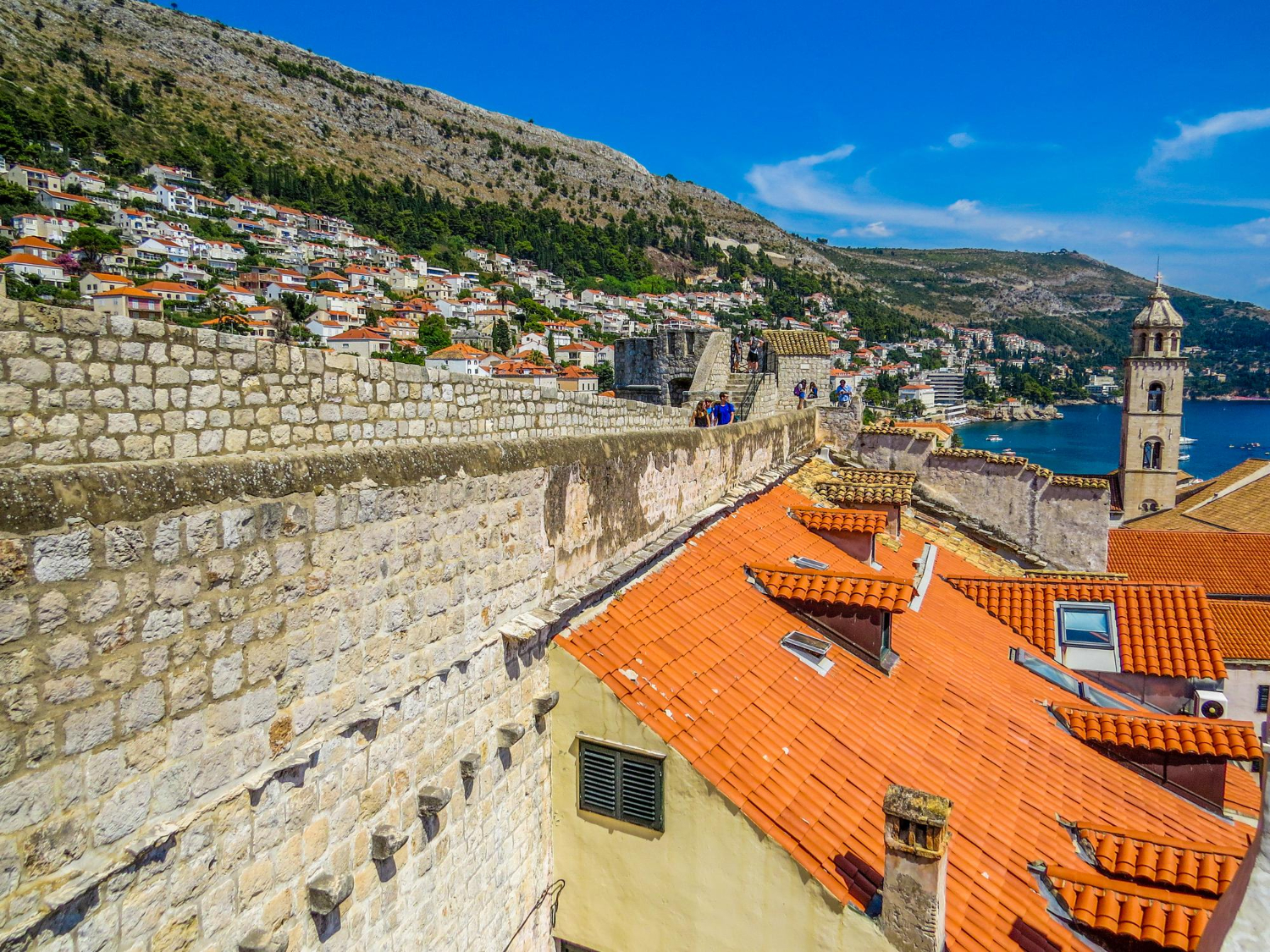
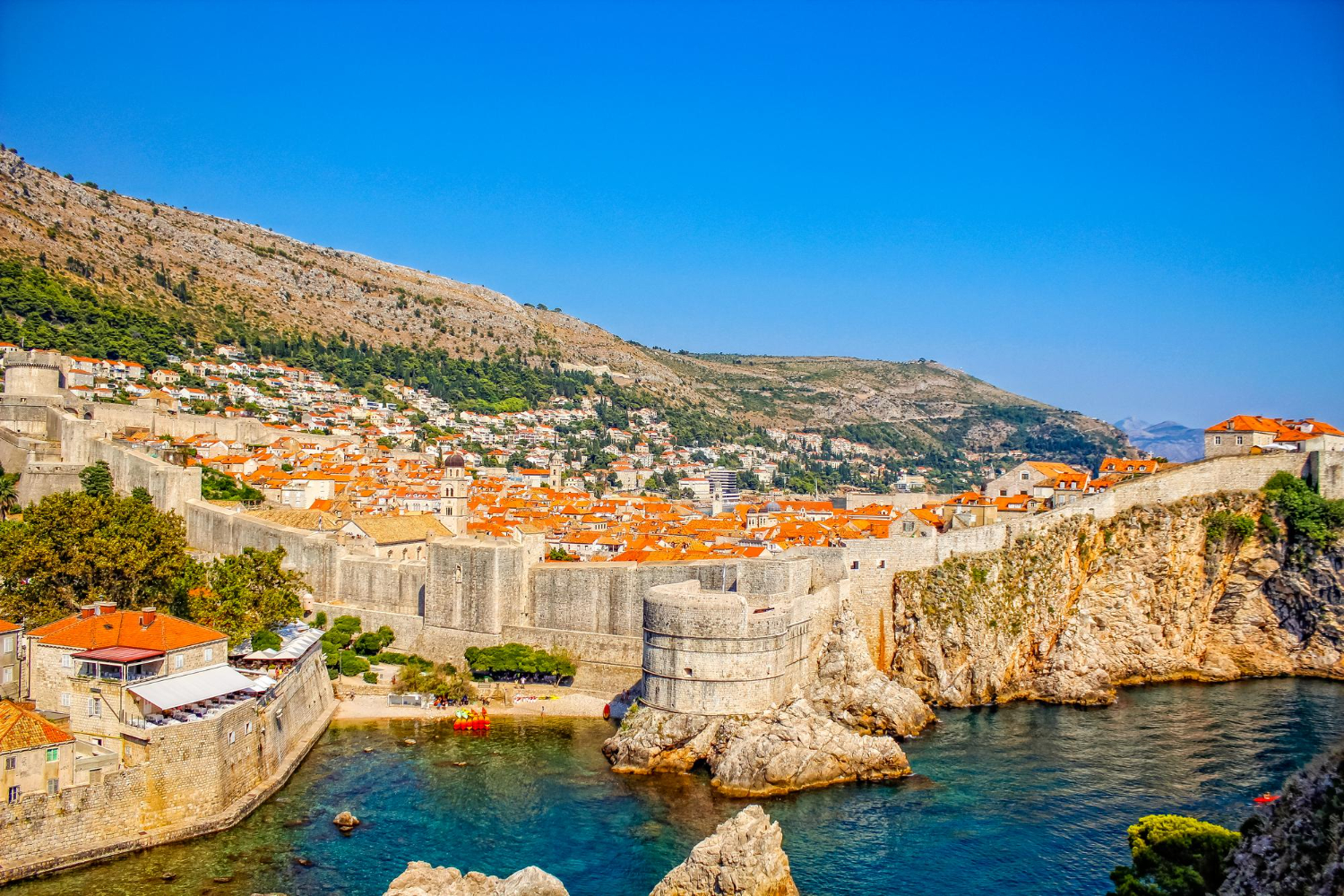
The Dubrovnik Old Town sits on a peninsula on the southern Croatian coast, approximately 25 miles north of the Montenegro border and 350 miles south of Zagreb (Croatia’s capital). The Old Town’s perimeter measures approximately 1.2 miles of intact medieval defensive walls, originally constructed between the 10th and 17th centuries, with the modern wall system substantially representing the 1453 reconstruction following a major earthquake. The walls range from 13 to 20 feet thick, are accessible to visitors for the complete circuit walk, and provide elevated views of the Old Town below, the Adriatic Sea, and the surrounding Mediterranean landscape. The Old Town is reachable on foot from outside parking areas, by water taxi from cruise ports, and by the elevated Cable Car from Mount Srđ. No private vehicles are permitted inside the walls.
The Walking Experience Inside the Walls
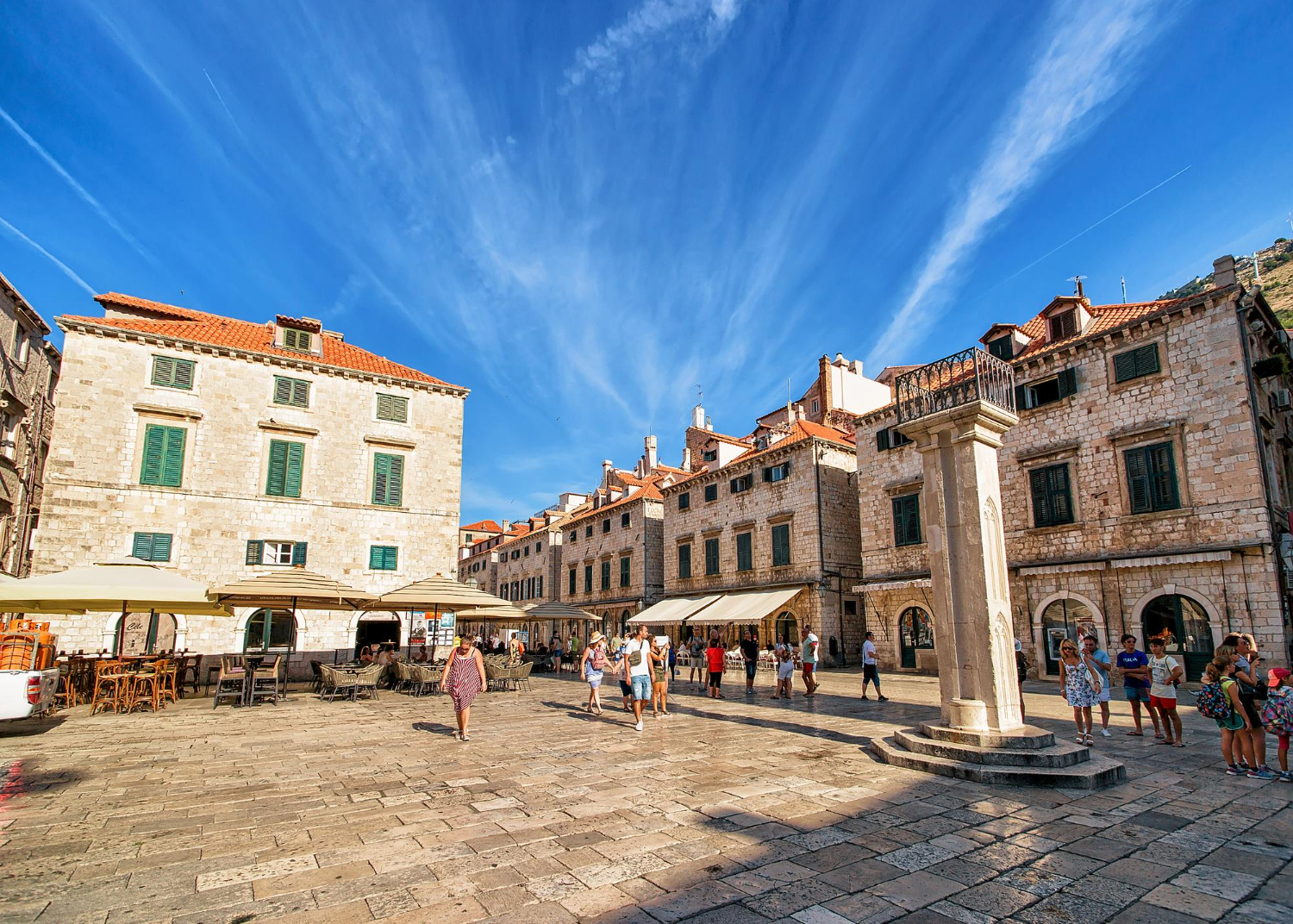
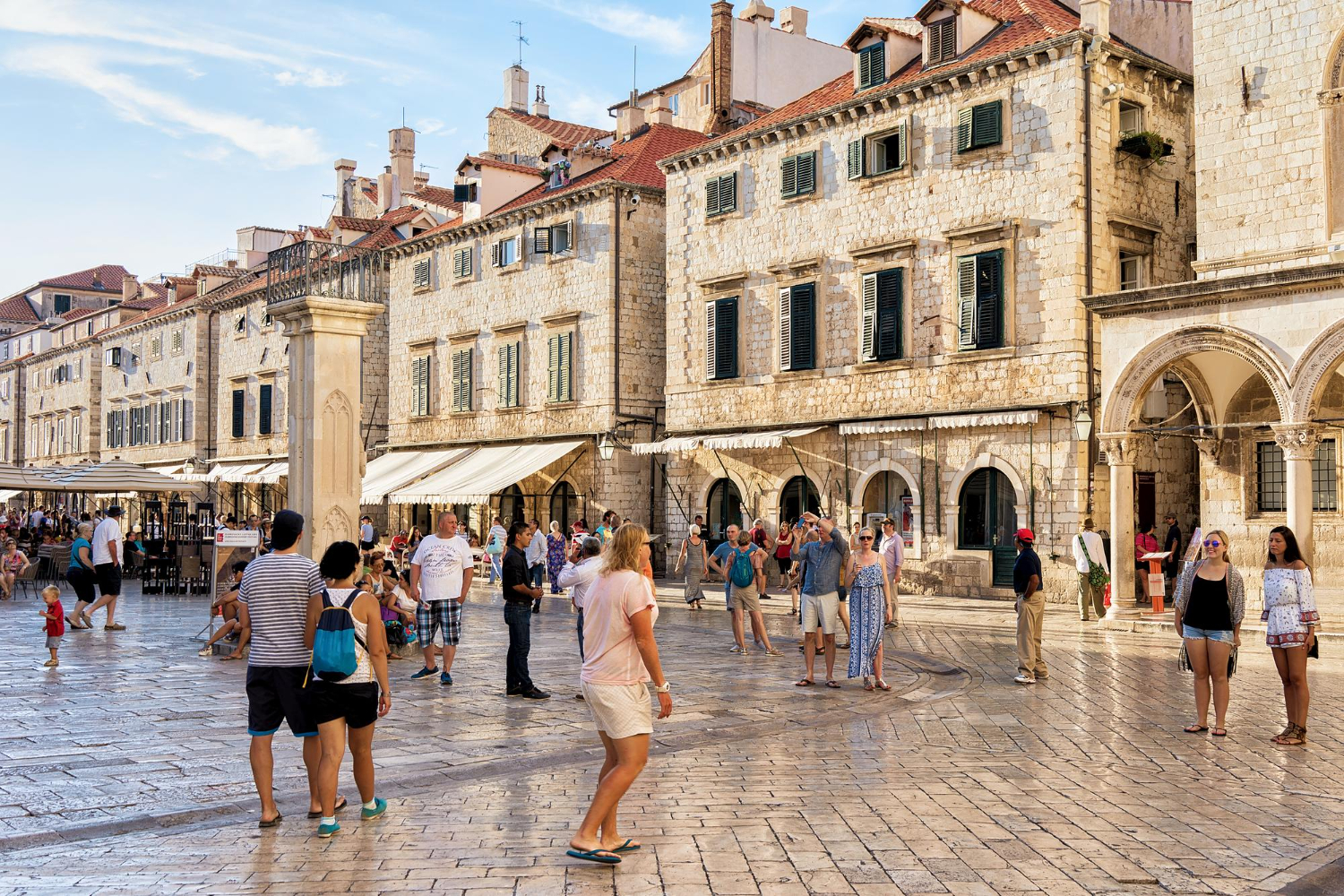
The Old Town’s main street — the Stradun (also called Placa) — runs approximately 300 meters (about 1,000 feet) from the Pile Gate at the western entrance to the Ploče Gate at the eastern entrance. The street is paved with polished limestone that has been worn smooth by foot traffic over six centuries. The Stradun is flanked by 17th-century four-story buildings constructed in a uniform architectural style following the 1667 earthquake’s reconstruction. The buildings contain ground-floor restaurants, shops, ice-cream parlors, and cafes, with residential apartments on the upper floors. The cumulative walking distance to cover the entire interior of the Old Town is approximately 2.5 miles across a winding network of perpendicular alleys, stairs, and small squares. The complete walking exploration takes most visitors 4 to 6 hours.
Why It Ranks Number One
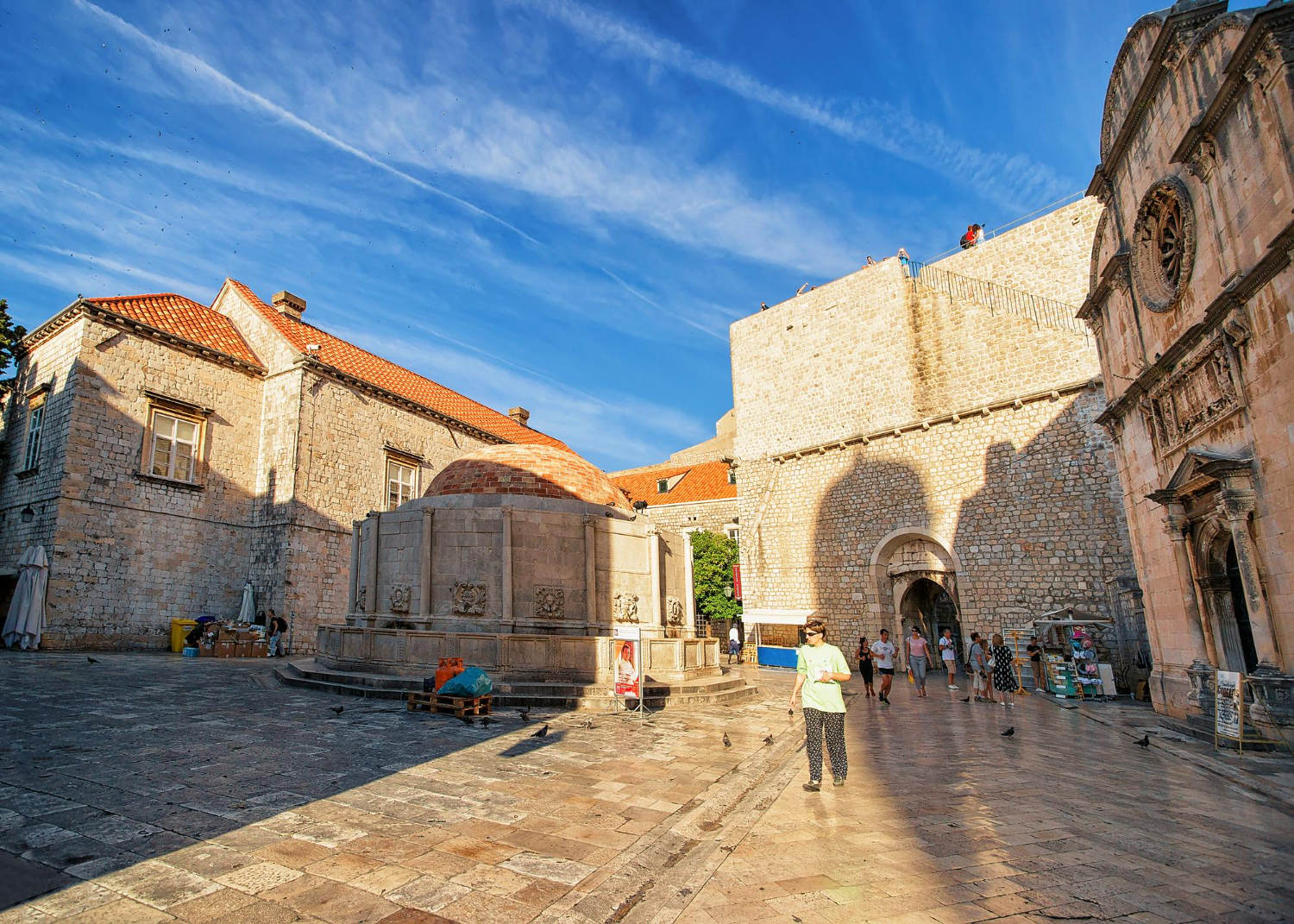
The Walk Score 2026 international ranking placed Dubrovnik first for four specific reasons. First, the 100 percent pedestrian-only status — no motor vehicles enter the walled town under any normal circumstances, even for delivery (handcart and human-portage delivery only). Second, the high density of services within walking distance — Dubrovnik’s 38-acre interior contains approximately 220 restaurants and food establishments, over 150 shops, 8 churches and monasteries, 5 museums, and the Rector’s Palace historic site. Third, the surrounding street network connects naturally to the elevated city wall walk, the harbor promenade, and the Mount Srđ Cable Car ascent, producing a multi-layered walking experience. Fourth, the surveyed traveler scores ranked Dubrovnik first among all European old towns for visitor walking satisfaction. The closest competitors — Venice, Bruges, Cinque Terre’s Vernazza, Český Krumlov — each scored highly on individual metrics but did not match Dubrovnik’s combined profile.
Why Most Americans Haven’t Heard of It
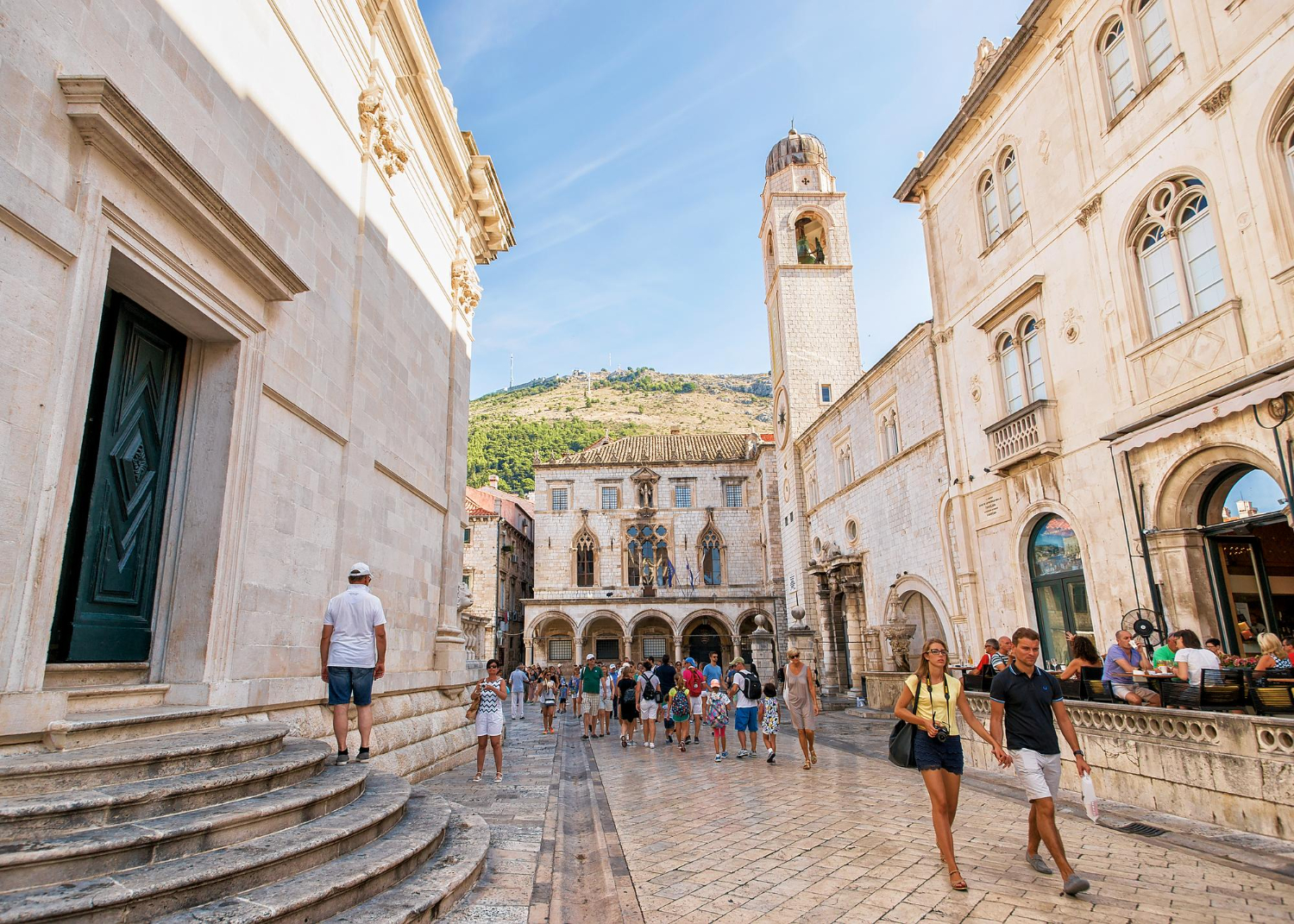
Dubrovnik attracts approximately 1.4 million annual visitors, compared with Venice’s approximately 25 million, Paris’s 47 million, or Rome’s 40 million. The lower visitor count tracks several specific factors. First, no direct flights from major U.S. cities — American travelers typically fly to Frankfurt, Munich, Vienna, or Zagreb and then connect to Dubrovnik (DBV) on a regional carrier. Second, Croatia’s tourism marketing budget is substantially smaller than France’s, Italy’s, or Spain’s. Third, Dubrovnik was substantially damaged during the 1991-1992 Croatian War of Independence (over 50 percent of the Old Town’s buildings suffered shell damage), and the city’s tourism recovery was gradual through the late 1990s and 2000s. Fourth, the city’s brief moment in HBO’s “Game of Thrones” (filming locations for King’s Landing from 2011-2017) produced a tourism surge that has since stabilized at a lower level than the show’s peak.
The Practical Logistics for American Visitors
American travelers planning Dubrovnik visits should budget specific logistics. The flight routing requires either an overnight stop or a connection through a major European hub — total transit time from East Coast U.S. cities is approximately 14 to 18 hours including layover. The Dubrovnik Airport (DBV) is approximately 14 miles south of the Old Town, with airport shuttle service or taxi available. Accommodations within the Old Town walls range from approximately $80 per night (small guesthouses) to $400 per night (boutique hotels with sea views). The city wall walk costs approximately €35 (about $39) and takes 1.5 to 2.5 hours depending on pace. The Cable Car to Mount Srđ costs approximately €27 round trip and provides the iconic elevated view of the walled town. The best visitor weather is typically May, June, September, and October. July and August are uncomfortably hot and crowded.
The Two Visit Windows
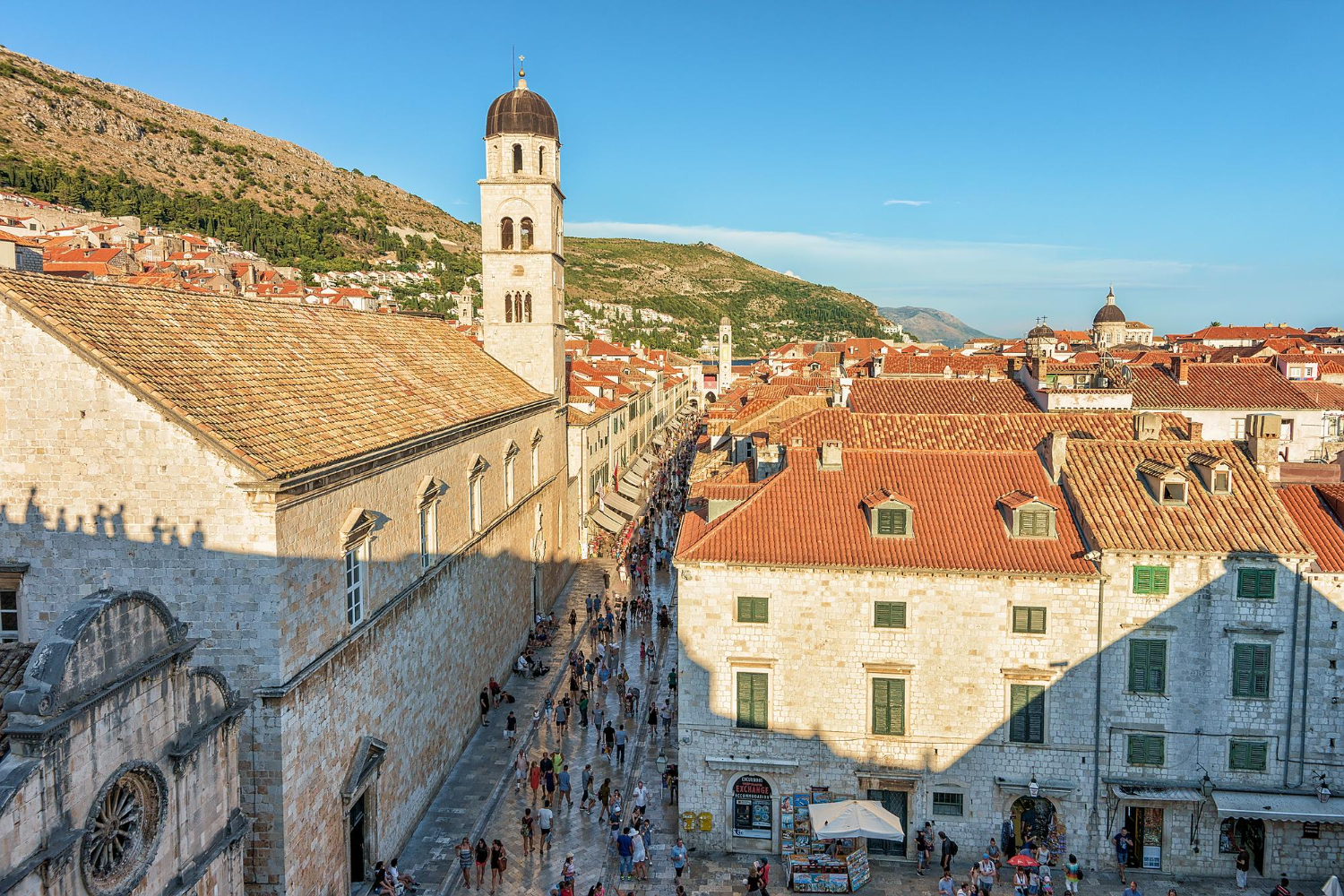
The 2026 visitor experience varies substantially between the shoulder season (April-May, October-November) and peak summer. Peak season produces cruise-ship day-visitors at volumes that can exceed 8,000 daily, substantially crowding the Stradun and the wall walk between approximately 10 a.m. and 4 p.m. each day. Visitors staying within the Old Town overnight have the early-morning and late-evening hours when the ship passengers have departed, producing a substantially different experience. The shoulder season cruise traffic is approximately 60 percent lower, producing a much more comfortable visitor experience even during peak walking hours. Most American travel writers recommend the shoulder-season visits for the optimal walking experience.
What the Walking Day Actually Looks Like
A typical full-day American visit to Dubrovnik Old Town follows a predictable pattern. Morning arrival through the Pile Gate, coffee at one of the Stradun cafes, the complete city wall walk (1.5-2 hours), lunch at a Buža Bar terrace overlooking the Adriatic, afternoon exploration of the side streets and small squares, the Rector’s Palace and Cathedral, dinner at one of the Stradun’s restaurants, evening departure through the Ploče Gate. The walking distance across a full day routinely exceeds 6 miles. The walking experience is the city’s primary attraction — Dubrovnik does not have the museum density of Florence, the architectural variety of Prague, or the canal navigation of Venice. What it has is the most consistently rewarding walking environment of any old town in Europe, with the contained scale that allows complete exploration in a single day. The 2026 Walk Score ranking is well-supported by the actual visitor experience.
What to Pair With Dubrovnik
American travelers extending the Dubrovnik visit typically pair the city with the broader Dalmatian coast region. The town of Cavtat (15 miles south, smaller-scale coastal town), Mljet Island (1 hour by ferry, national park with ancient monastery), Korčula Island (3 hours by ferry, claimed Marco Polo birthplace), and the wider Croatian Dalmatian Coast all provide complementary day-trip and overnight options. The broader Croatia visit pairs well with neighboring Montenegro (Kotor, 90 minutes south), Bosnia and Herzegovina (Mostar, 3 hours northeast), or onward travel through Slovenia and Austria. The American traveler making the substantial effort to reach Dubrovnik typically extends the visit to 5-7 days across the broader region rather than treating Dubrovnik as a single-day destination. The cumulative experience justifies the long flight, and the world’s most walkable old town serves as the anchor for a substantively rich Adriatic vacation.