Madrid, Spain has taken the top position in the 2026 Travel + Leisure ranking of European cities for American solo travelers, displacing Lisbon (which had held the top spot in 2024 and 2025) and pushing perennial favorite Amsterdam to third place. The ranking combines five weighted factors: personal safety (heavily weighted toward crime statistics and street-safety surveys), affordability (cost of accommodations, meals, and transportation relative to U.S. comparable cities), walkability (Walk Score and pedestrian infrastructure), English-language accessibility (percentage of population with conversational English, English-language signage availability), and cultural depth (museums, restaurants, day-trip options within 2 hours). Madrid ranks first or second on four of the five factors and was a top-three city on all five. The other four cities in the 2026 Top 5 — Lisbon, Amsterdam, Vienna, and Edinburgh — each have specific strengths that justify their rankings. Here is the complete 2026 Top 5 with the specific data behind each city’s position and what American solo travelers should know before booking.
The Travel + Leisure 2026 ranking methodology is well-documented. The five factors above are weighted approximately equally, with personal safety carrying slightly more weight in the final composite score given the importance of safety to solo travelers. The data sources include the World Economic Forum Travel & Tourism Competitiveness Report, the Global Peace Index, INRIX traffic and pedestrian infrastructure data, EuroStat tourism statistics, and survey responses from approximately 12,000 American solo travelers between June 2025 and March 2026. The five cities below are the consensus top results across the analytical methodology. Each one rewards solo travel specifically — meaning the experience as a single traveler is genuinely good, not just tolerable.
1. Madrid, Spain
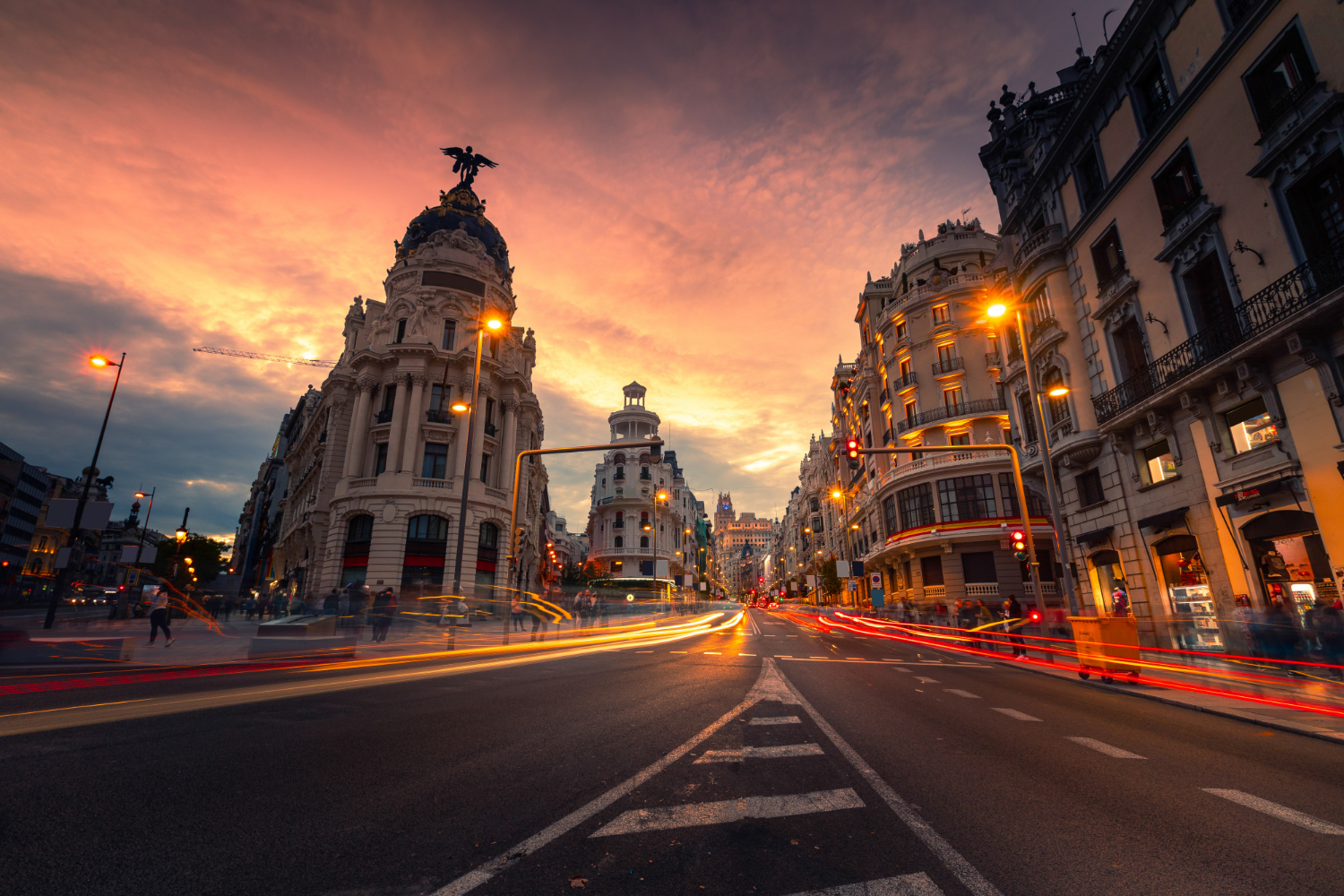
Madrid ranks first in the 2026 analysis based on a combination of moderate cost (substantially cheaper than Northern European capitals while comparable in quality), excellent personal safety (the Global Peace Index ranks Spain 25th globally for safety, with Madrid scoring above average among Spanish cities), strong walkability (the central Madrid district covers approximately 2 square miles of walkable historic neighborhoods), and substantial English-language accessibility in tourist-serving areas. The city’s late-evening culture — with restaurants serving until midnight and tapas bars open until 2 a.m. — produces a distinctive social environment that solo travelers consistently report as welcoming. The Madrid Metro is fast, clean, and operates from 6 a.m. to 1:30 a.m. The cultural depth includes the Prado Museum, the Reina Sofía (Guernica), the Thyssen-Bornemisza, and dozens of smaller museums. Day-trip options to Toledo (35 minutes by AVE high-speed rail), Segovia, and Salamanca extend the visit substantially. Hotel rates in Madrid average approximately $130 to $220 per night for solo travelers in centrally-located hotels — well below comparable European capital prices.
2. Lisbon, Portugal
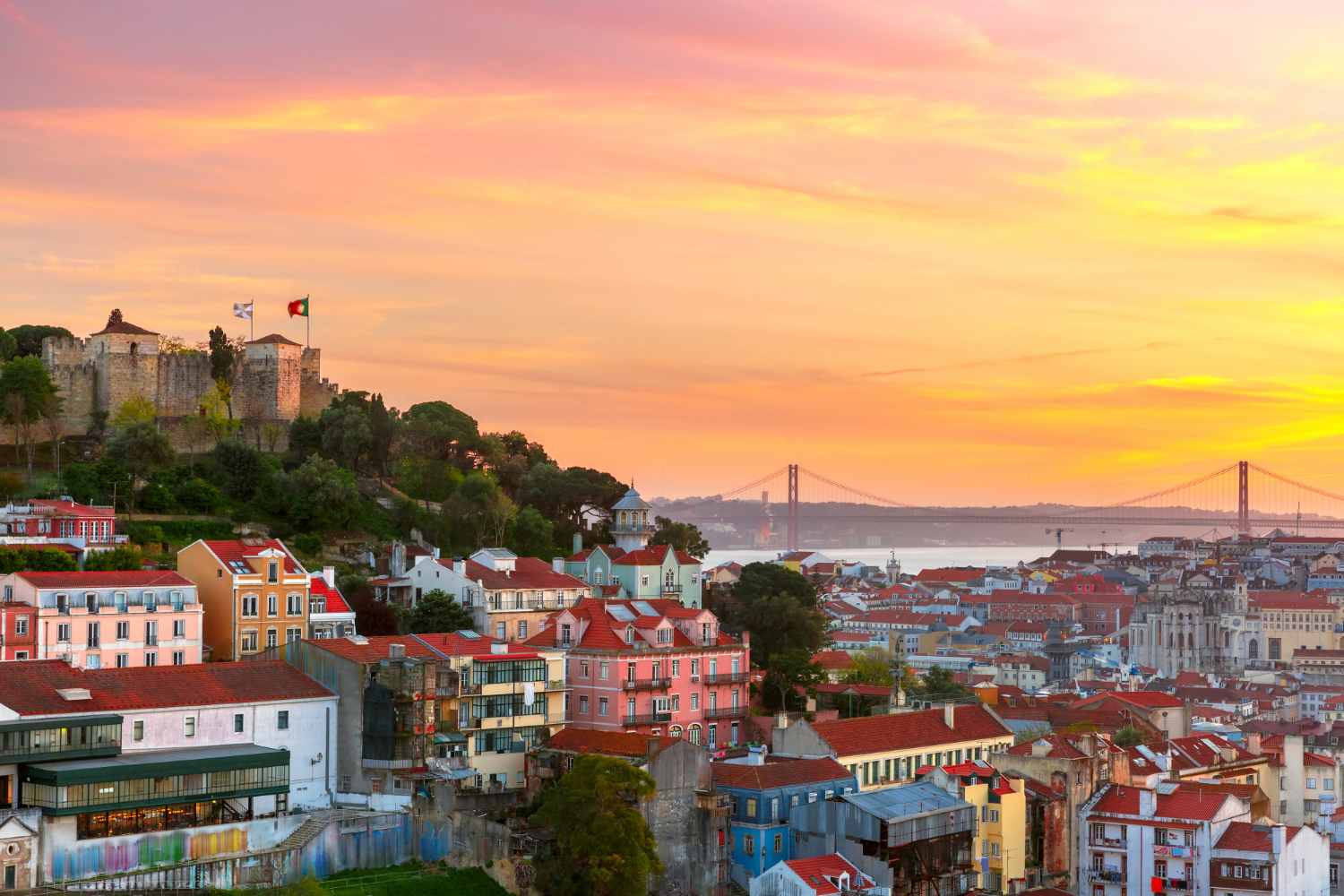
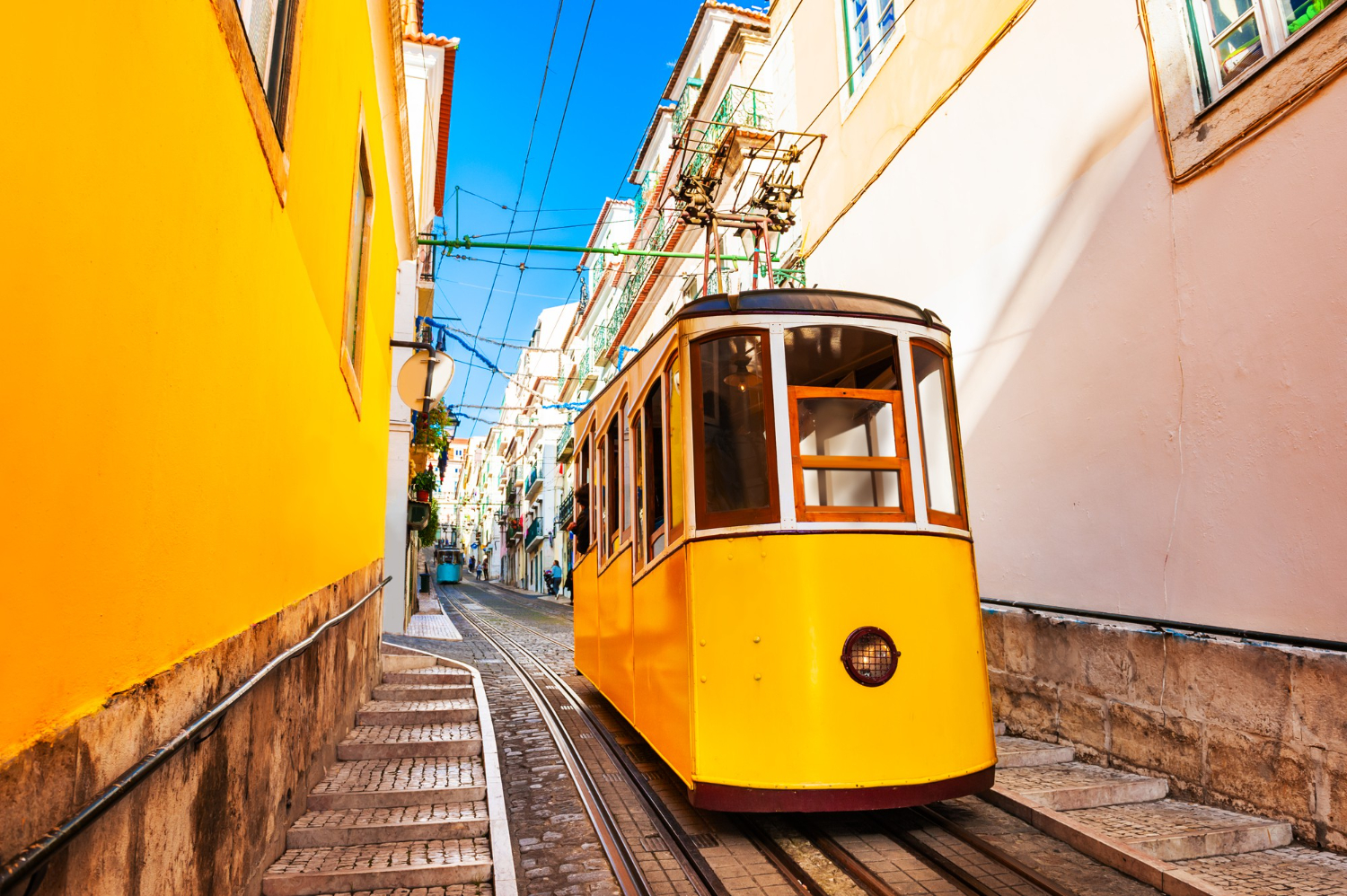
Lisbon ranks second in the 2026 analysis after holding the top spot in 2024 and 2025. The city remains exceptional for solo travelers but has experienced rising costs (housing prices have increased approximately 35 percent since 2022, with corresponding upward pressure on hotel and meal pricing). Lisbon’s Walk Score remains among the highest of any European capital, particularly in the Alfama, Bairro Alto, and Chiado districts. The city’s famous yellow trams (Tram 28, Tram 12, Tram 15) cover most major tourist destinations. The English-language accessibility is excellent among Portuguese workers in tourist areas. Day-trip options to Sintra (40 minutes by train), Cascais (40 minutes), and the Setúbal Peninsula extend the visit. The cost increase has pushed Lisbon from first to second in the ranking but the city remains an excellent solo travel destination at $140 to $250 per night for solo accommodations.
3. Amsterdam, Netherlands
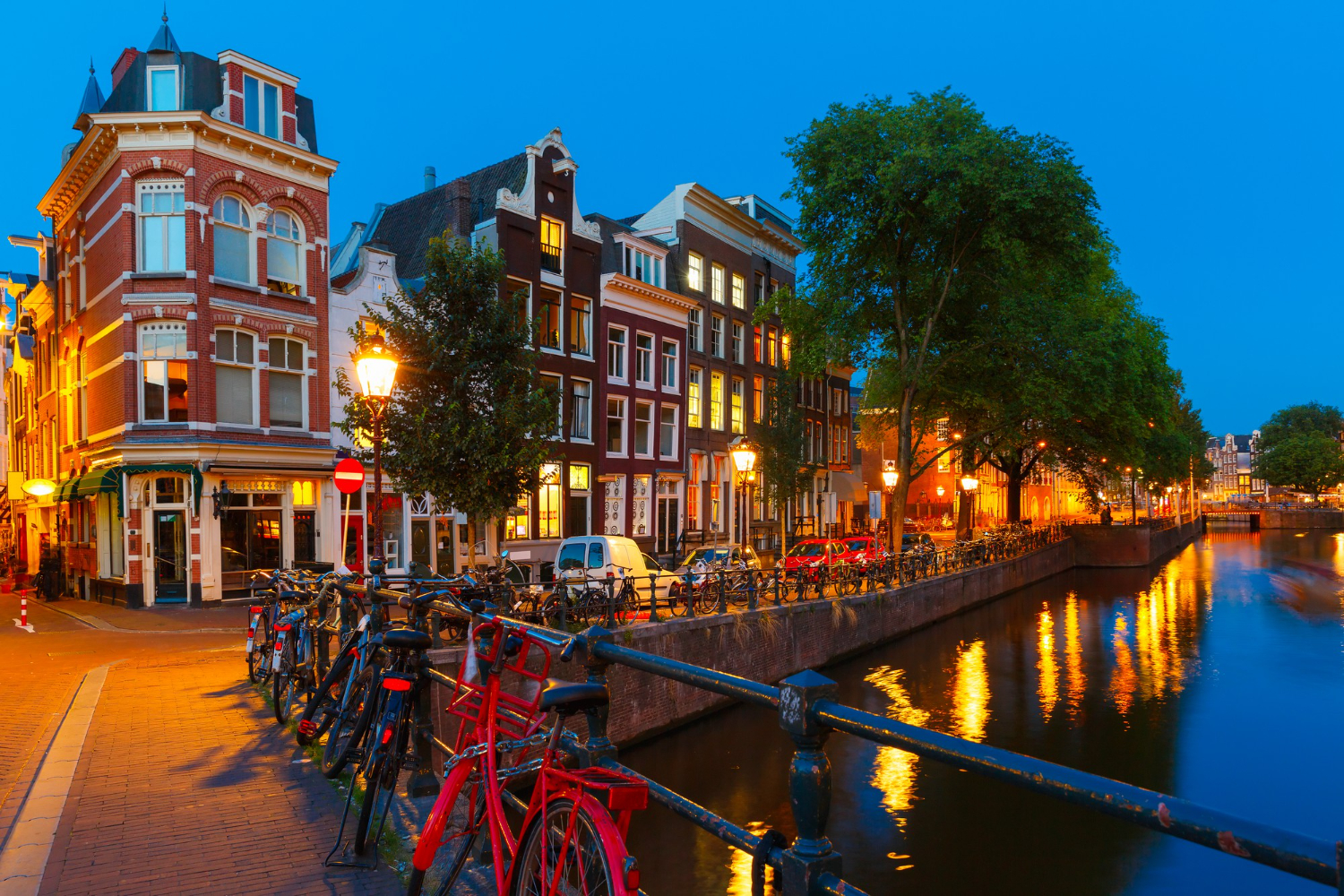
Amsterdam ranks third — the perennial top-tier European solo travel destination that has slipped from previous top rankings due to substantial cost increases since 2022. The city’s bicycle infrastructure (approximately 32,000 km of bike lanes citywide), walkable historic core, and English-language saturation (over 90 percent of Dutch citizens speak English fluently) all support solo travel. The historic canal-ring core is approximately 1.5 square miles of densely walkable streets. Personal safety is excellent — the Netherlands ranks 15th globally on the Global Peace Index. The Anne Frank House, the Rijksmuseum, the Van Gogh Museum, and dozens of smaller institutions provide cultural depth. The day-trip options to Haarlem, Delft, and The Hague are 30-60 minutes by train. Hotel rates run approximately $200 to $350 per night in central districts — the highest among the top 5 — which has pushed Amsterdam to third place despite its other strengths.
4. Vienna, Austria
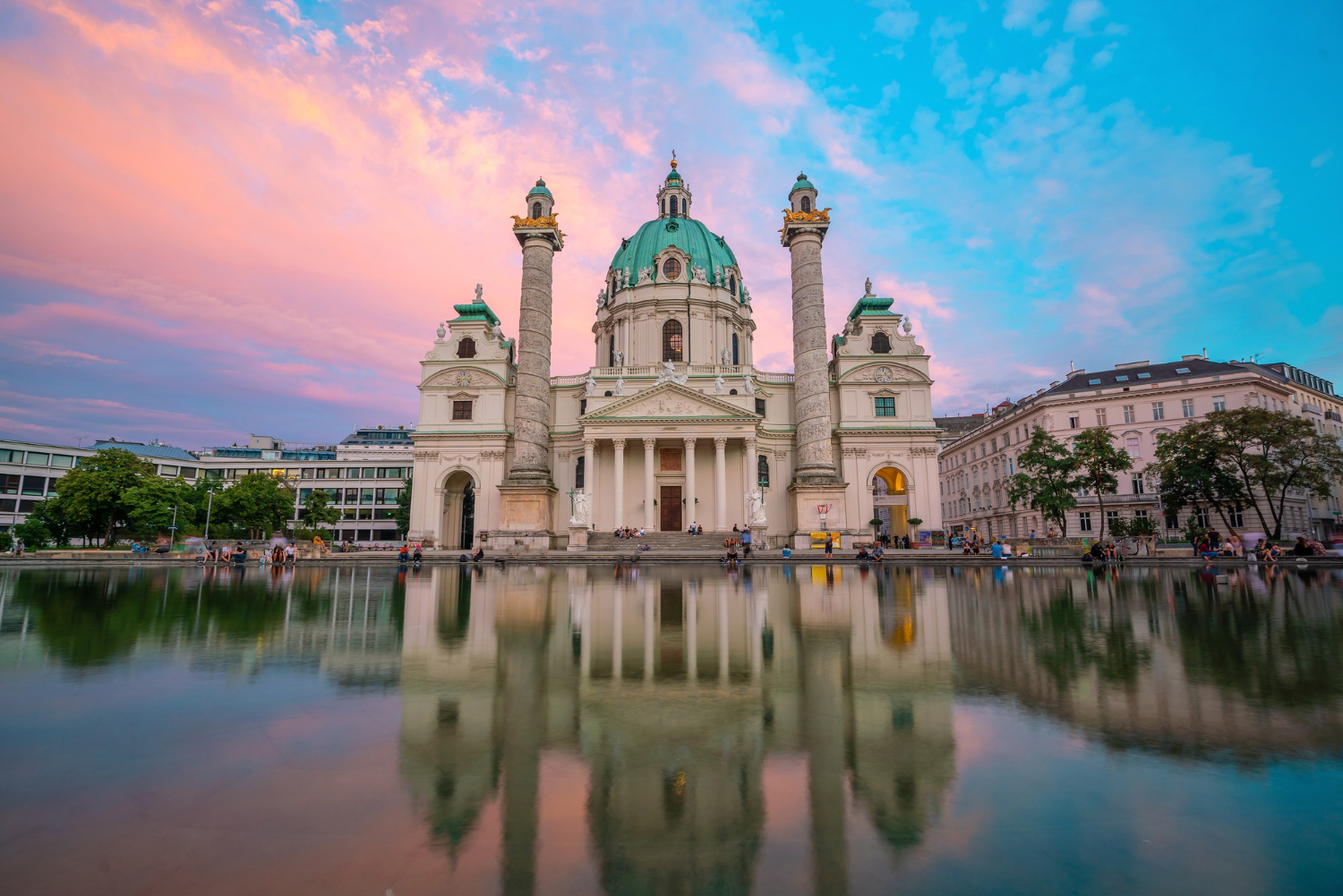
Vienna ranks fourth — a city that consistently scores in the top tier for personal safety, walkability, and cultural depth but with English-language accessibility slightly below the top 3 cities. Vienna ranks 5th globally on the Global Peace Index, making it among the safest cities on Earth for solo travelers. The historic Innere Stadt (First District) is approximately 1.2 square miles and entirely walkable. The cultural density is extraordinary — the Vienna State Opera, the Albertina, the Belvedere, the Kunsthistorisches Museum, the Hofburg, the Schönbrunn Palace, and dozens of additional institutions. The classical music scene is unique among European cities. Vienna’s day-trip options to Bratislava (1 hour), Budapest (2.5 hours), Prague (4 hours), and the Wachau Valley wine region extend the visit substantially. Hotel rates run approximately $150 to $280 per night.
5. Edinburgh, Scotland
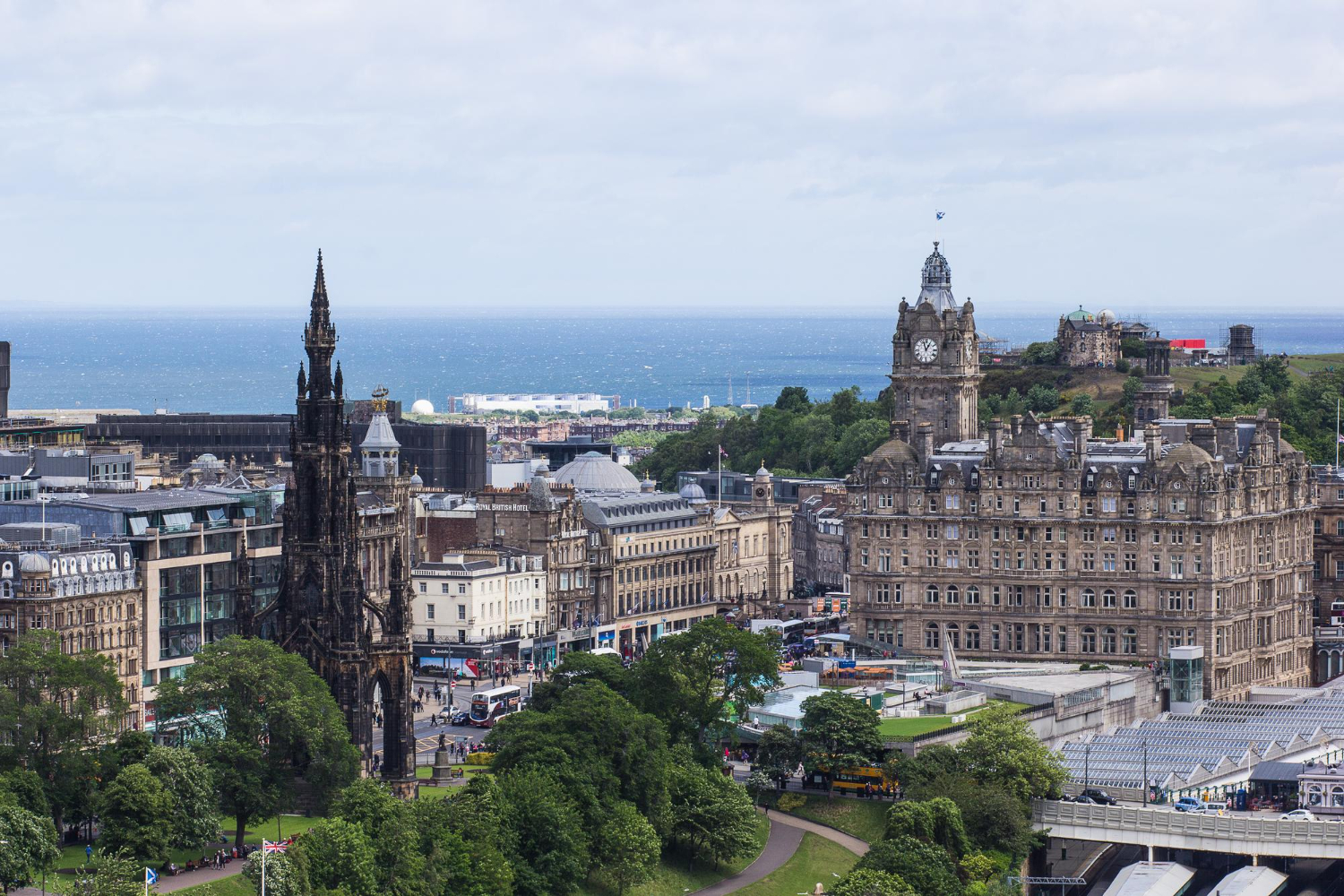
Edinburgh ranks fifth — the only United Kingdom city in the 2026 top five, displacing London which has fallen substantially due to cost. Edinburgh’s compact historic Old Town and New Town districts (both UNESCO World Heritage Sites) cover approximately 1.4 square miles and are entirely walkable. Personal safety is excellent. The English language is, obviously, native. The cultural depth includes Edinburgh Castle, the Royal Mile, the National Museum of Scotland, and the Edinburgh Fringe Festival (August). Day-trip options to St. Andrews, Stirling, the Highlands, and the Scottish Borders extend the visit. Hotel rates run approximately $170 to $300 per night during the August Fringe period (substantially cheaper outside Fringe season). Edinburgh’s specific solo-traveler appeal includes the substantial pub culture, the literary heritage (J.K. Rowling, Robert Louis Stevenson, Sir Arthur Conan Doyle), and the relative friendliness reported by American solo travelers.
What American Solo Travelers Should Actually Plan For

The practical implication for American solo travelers in 2026 is that Europe’s top solo-travel destinations have substantially diverged from American solo-travel-destination assumptions. Paris has fallen from top rankings due to cost; London has fallen due to cost and crime perception; Rome has fallen due to over-tourism in the historic center. The cities above represent the current data-driven optimization for American solo travelers. The combination of safety, walkability, English accessibility, cultural depth, and reasonable cost has shifted toward Madrid, Lisbon, Amsterdam, Vienna, and Edinburgh — each with specific strengths.
The booking considerations include several specific factors. First, transit time from major U.S. cities — direct flights to all five cities exist from major U.S. east coast airports (Madrid via Iberia or American, Lisbon via TAP Portugal or United, Amsterdam via KLM or Delta, Vienna via Austrian or United, Edinburgh via British Airways or American). Second, optimal seasons — late April through early June and mid-September through October offer the best combination of weather, crowds, and pricing for all five cities. Third, accommodation strategy — solo travelers consistently benefit from centrally located mid-tier hotels (3-star to 4-star) rather than apartments or hostels, particularly for personal safety and concierge support. Fourth, the solo-dining culture — Madrid and Lisbon tapas culture, Edinburgh pub culture, and Amsterdam café culture all naturally accommodate solo diners. Vienna’s coffeehouse culture is similarly welcoming. These five cities all rank highly for solo-dining specifically.
The Specific Reason Madrid Won This Year
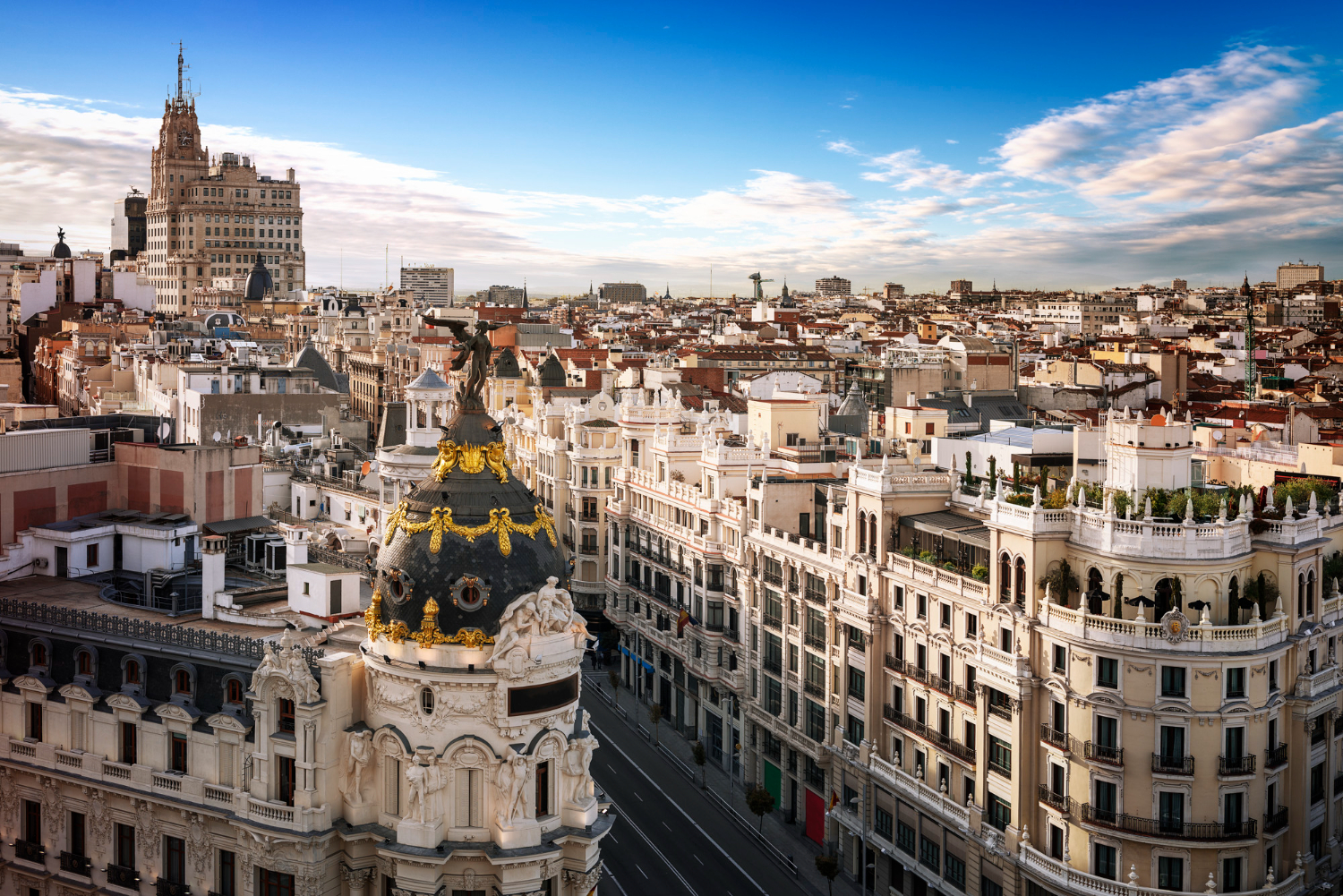
Madrid’s first-place 2026 ranking reflects the convergence of multiple favorable factors at a specific historical moment. The city has invested heavily in walking infrastructure since 2019, with the Gran Vía pedestrianization, Plaza España redesign (completed 2021), and broader expansion of pedestrian-priority zones. The cost-of-living adjustments since 2022 have positioned Madrid as substantially cheaper than other major European capitals while maintaining comparable quality. The English-language accessibility has improved measurably as the Spanish hospitality industry has invested in language training. The personal safety has remained excellent throughout the past decade. The cultural depth has expanded with new museum installations and the recent Royal Collections Gallery opening (2023). The cumulative effect produces the strongest current value-and-experience proposition for American solo travelers among major European cities. Whether Madrid will hold the top ranking in 2027 depends on factors including ongoing cost trends, the pace of Lisbon’s relative recovery, and the specific shifts in safety and accessibility data — but in 2026, Madrid is the consensus best European city for American solo travelers.