In most of the United States, a “Low Fuel” light is a minor inconvenience. In the high-desert plateaus of Utah, it is a legitimate emergency. Across vast stretches of I-15 and the legendary “No Services” section of I-70, the distance between fuel pumps can exceed 100 miles. For locals, the “Last Services” sign in towns like Green River or Salina is a hard stop. Passing it with less than a half tank is considered a “rookie mistake” that keeps local Search and Rescue (SAR) teams on constant rotation.
1. The 100-Mile Desert Void (I-70)
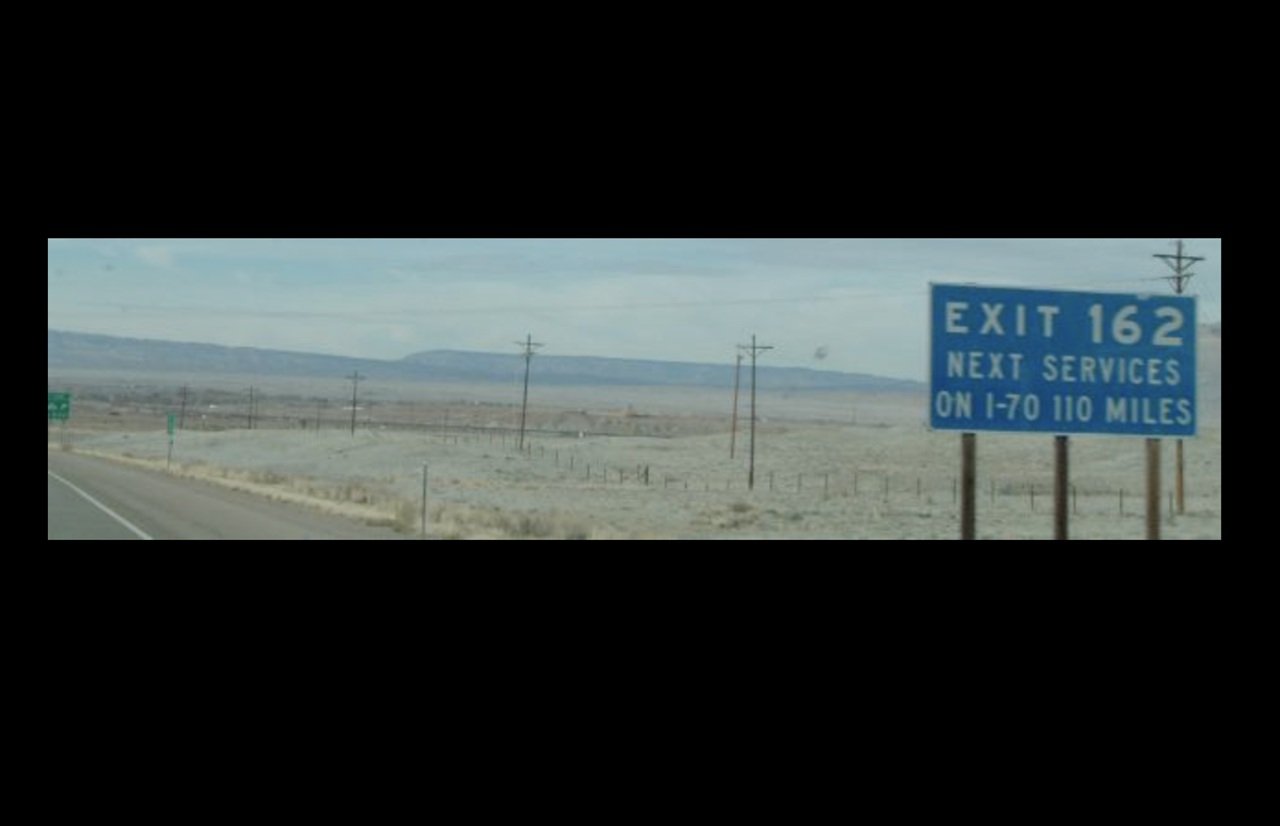
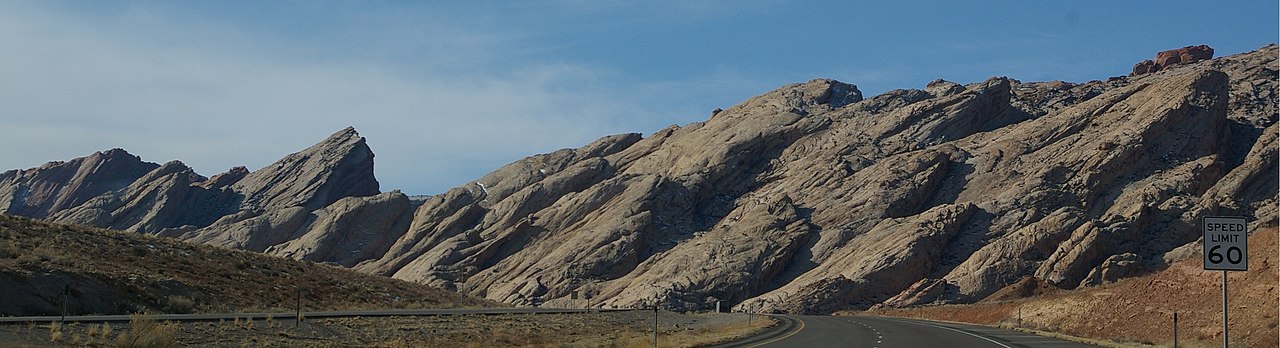
The stretch of I-70 between Green River and Salina is the longest distance in the United States Interstate Highway System without any services. For 106 miles, there are no gas stations, no restrooms, and, most crucially, extremely unreliable cell service. According to UDOT, thousands of travelers underestimate the “San Rafael Swell” ascent. The steep grades and high altitude (rising to nearly 8,000 feet) cause engines to burn fuel at a significantly higher rate than on flat terrain. If you start this stretch with a quarter tank, the “physics of the climb” will likely leave you stranded before the midpoint.
2. The “Phantom” Cell Service Gap
A primary reason locals warn travelers is the false sense of security provided by modern technology. Data from DeadCellZones.com and local carrier maps show that once you dip into the canyons of Southern Utah, signal “shadows” occur. If your vehicle stalls or runs out of fuel, you may have to walk several miles uphill just to get enough signal to reach a dispatcher. In 2024, Utah SAR teams reported that a significant percentage of “motorist assists” involved travelers who expected to use an app for roadside assistance, only to find their phones showing “No Service” for a 50-mile radius.
3. The Altitude and Evaporation Factor
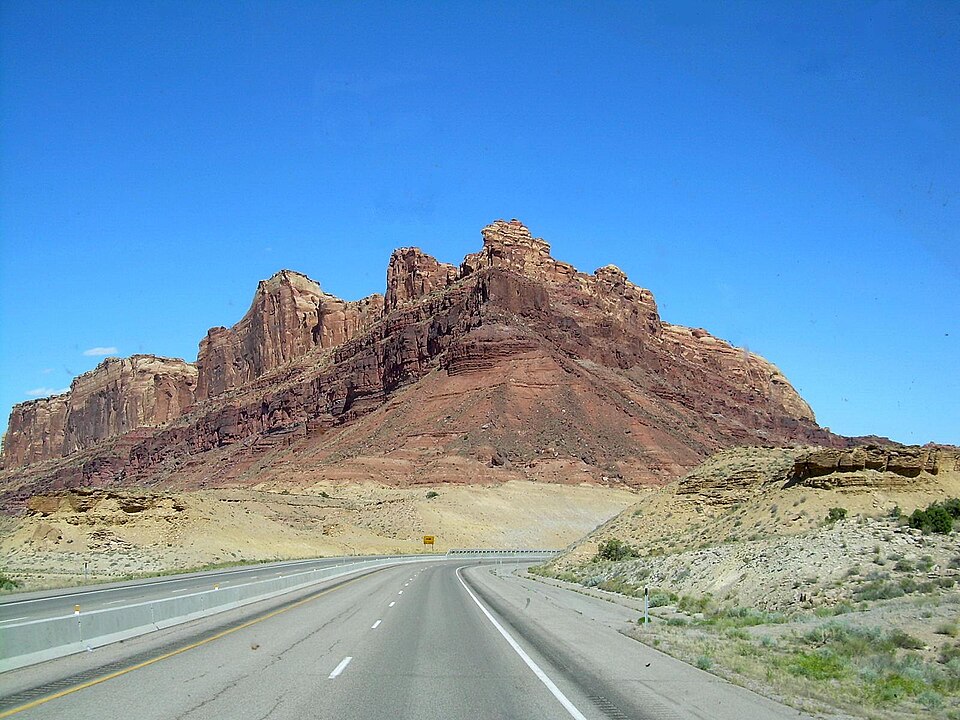
Utah’s climate is semi-arid to arid, and much of the interstate system sits above 5,000 feet. At higher altitudes, fuel can actually evaporate faster in older vehicle systems, but more importantly, the low oxygen levels can decrease fuel efficiency in non-turbocharged engines during heavy climbs. Locals know that a vehicle getting 25 MPG on the coast might only get 18 MPG while hauling a family and luggage up the Spotten Lion or Black Dragon grades. That “half tank” that usually gets you 150 miles might only get you 90 in the heart of the Swell.
4. The Extreme Temperature “No-Man’s-Land”
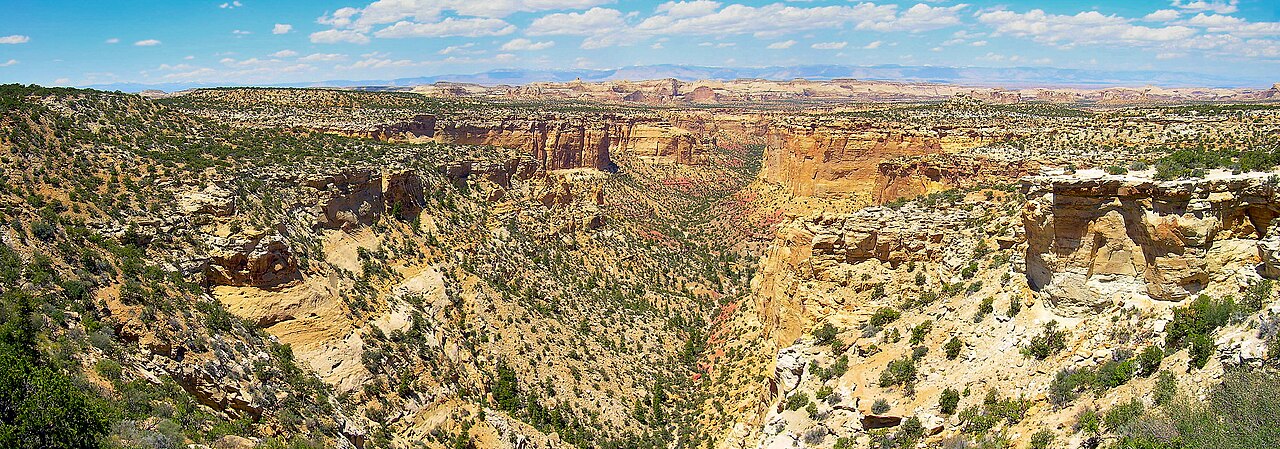
The danger of running out of gas in Utah isn’t just the walk; it’s the environment. In the summer, ground temperatures on the blacktop can exceed 130 degrees Fahrenheit. In the winter, the same stretch can drop to negative 10 degrees in an hour after sunset. Without fuel to run your heater or air conditioning, a stranded vehicle becomes a life-threatening “hot box” or “ice box” within 30 minutes. Local law enforcement frequently encounters tourists in “heat distress” who ran out of gas trying to reach the next town, unaware that the next town was two hours away.
5. The “Towing” Financial Nightmare
If you do run out of gas in these “No Services” zones, the financial cost is staggering. Because the distances are so great, towing companies often have to travel 60+ miles just to reach your location. A simple “fuel delivery” or tow back to civilization in rural Emery or Grand County can easily cost between 500 and 1,200 dollars, as many standard roadside assistance plans have “distance caps” that these stretches easily exceed. Locals warn travelers that the 5 minutes spent topping off the tank is the best “insurance policy” you can buy in the desert.