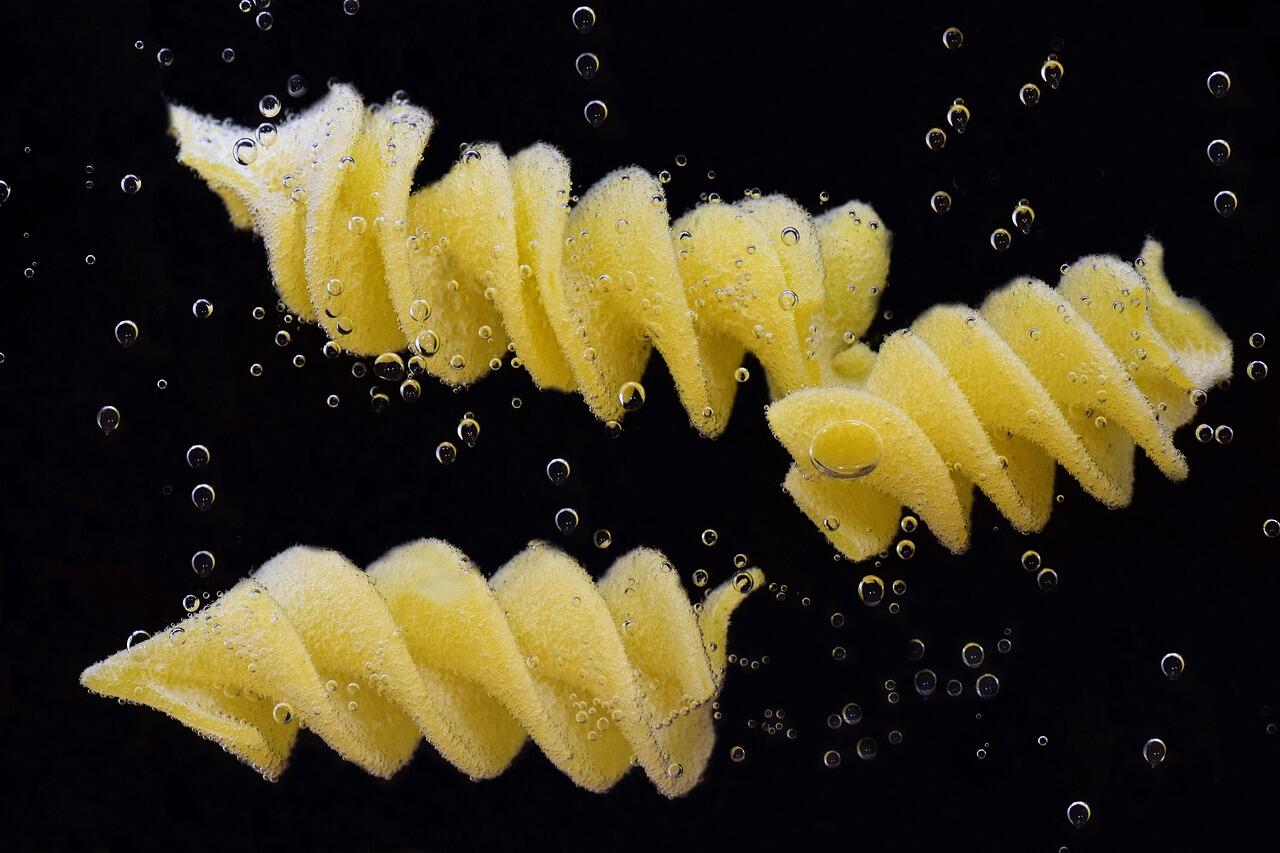
For most home cooks, boiling pasta is a three-step process: water, salt, and noodles. It’s a foundational kitchen task we learn early and rarely question. However, professional chefs and food scientists view that pot of bubbling water very differently. To a pro, pasta water isn’t just a cooking medium, it is a functional ingredient that dictates the flavor, texture, and “sauce-ability” of the final dish.
By shifting your approach from “boiling” to “seasoning,” you can transform a basic pantry staple into a masterpiece. Here are the essential techniques to elevate your pasta game.
1. The “Sea Water” Standard: Proper Salinity
The most common mistake in home kitchens is under-salting the water. According to culinary experts, the goal is “2% salinity”, roughly 5 tablespoons of salt per gallon of water.
- The Science: You aren’t just seasoning the surface; you are seasoning the noodle from the inside out. As the pasta starch swells and hydrates, it pulls the salt into its core.
- The Myth: Don’t worry about the high sodium count; the pasta only absorbs a fraction of the salt in the water. Most of it stays in the pot.
2. The “Liquid Gold” Rule: Save Your Pasta Water
Never dump your pasta water down the drain. This cloudy, starchy liquid is a natural emulsifier containing dissolved amylose and amylopectin.
- The Secret: In professional kitchens, this water is used to bind the fat (oil or butter) in your sauce to the pasta. It creates that glossy, unctuous coating that separates “noodles with sauce” from a cohesive “pasta dish.”
- Pro Tip: Use less water than the box suggests. The smaller the volume of water, the higher the concentration of starch, making your “liquid gold” even more effective at thickening sauces.
3. The “Finishing” Technique: Pan-Seared Pasta
In Italy, the cooking process doesn’t end in the pot. To achieve true al dente perfection, pull your pasta from the water 2 minutes early and transfer it directly into a simmering pan with your sauce.
- The Logic: This allows the pasta to finish its hydration by absorbing the sauce itself. As it cooks in the pan, it releases more starch, further thickening the sauce and ensuring every noodle is infused with flavor rather than just being coated by it.
4. Stop Adding Oil to the Pot
It is a common myth that adding olive oil to pasta water prevents sticking. In reality, oil floats on the surface and has zero effect on the noodles while they boil.
- The Downside: When you drain the pasta, that oil creates a slick, waterproof coating on the noodles. This prevents your sauce from clinging properly, causing it to slide right off the pasta and pool at the bottom of your plate. To prevent sticking, simply stir the pasta frequently during the first 60 seconds of cooking.
5. The “Cold Start” and Lower Water Volume
Contrary to the old rule of “gallons of water for every pound,” food scientists like Kenji López-Alt have proven that you only need enough water to cover the pasta.
- The Efficiency: Less water boils faster and creates a higher starch concentration. Some chefs even start their pasta in cold water, bringing it to a boil together. This wild-sounding method works because it allows for more even protein coagulation before the starch fully gelatinizes, resulting in a firmer, better-textured noodle.
6. The Cornstarch “Insurance Policy”
If you are cooking gluten-free pasta or find your sauce is refusing to emulsify, use the “Physicist’s Hack.” Adding a ¼ teaspoon of cornstarch to a cup of water mimics the starch concentration of professional pasta water.
- The Physics: Research suggests that a 2%–3% starch concentration is the “sweet spot” for a stable sauce. If your pasta water looks too thin, this simple slurry acts as a foolproof insurance policy for a silky Cacio e Pepe or Aglio e Olio.