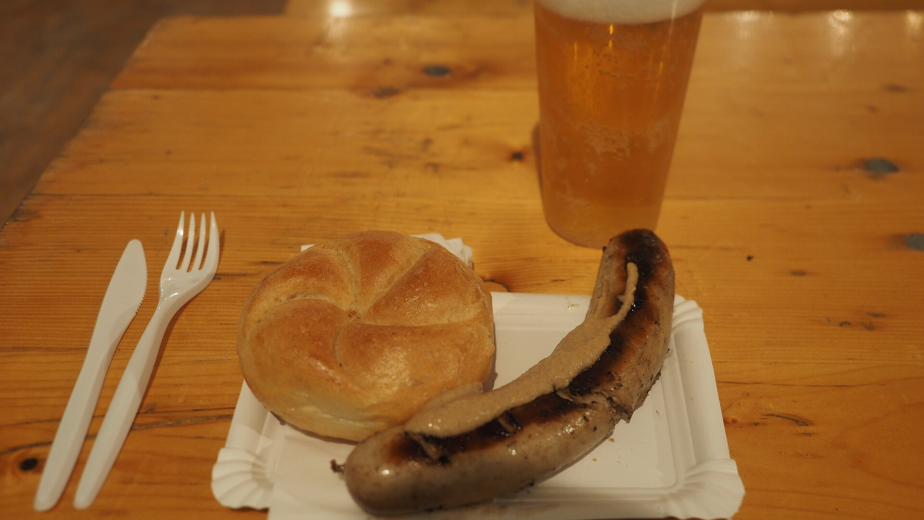
For decades, the American fast-food experience was defined by a single word: consistency. To achieve this, industry giants relied on a “frozen-to-fryer” pipeline that sacrificed flavor for speed and low costs. However, a new era of fast-casual dining has emerged, led by a select group of chains that have built their empires on the “scratch-made” philosophy. By ditching freezers and microwaves for daily prep and hand-cut ingredients, these brands are proving that even in a high-speed world, there is no substitute for fresh preparation.
Five Guys: The Fresh-Cut Fries Specialist
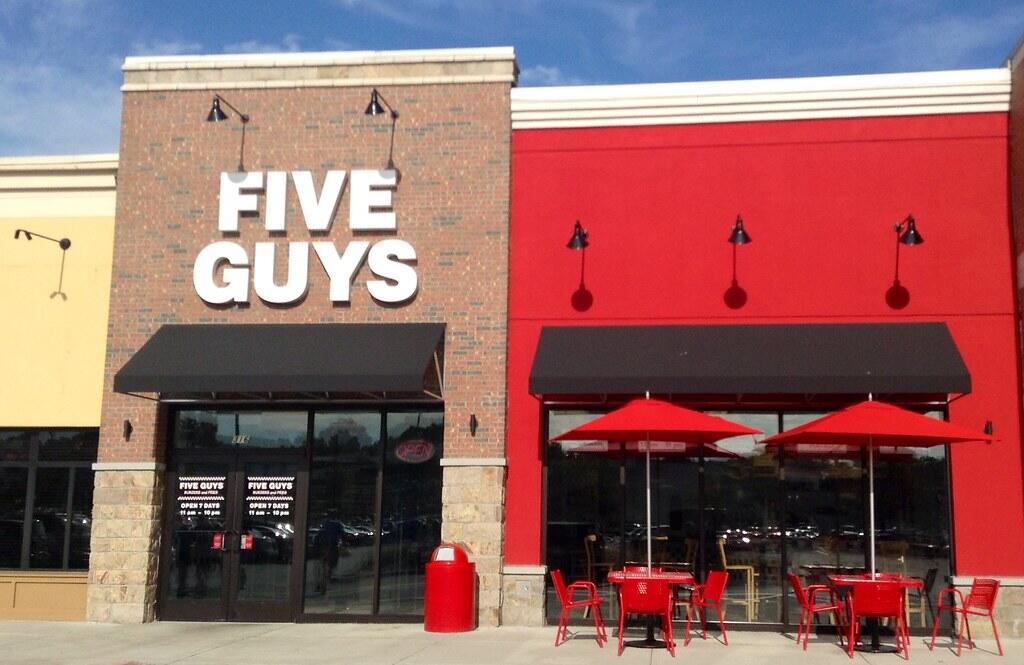
All of the toppings at Five Guys are prepared by hand every morning, ensuring that nothing ever sees the inside of a freezer. Their signature potatoes are scrubbed, hand-sliced, and soaked in water to eliminate excess starch before being submerged in refined peanut oil—using fryers that are strictly off-limits to any other food items. Each burger patty is formed from fresh beef and grilled to order on a flat-top surface. Rather than relying on mechanical timers, the staff is trained to use visual cues to determine exactly when a burger has reached its peak of juicy, well-done perfection.
With a library of 15 complimentary toppings prepped daily, Five Guys provides enough variety to create hundreds of thousands of unique flavor profiles. The company remains unwavering in its commitment to high-tier ingredients; founder Jerry Murrell famously noted in 2010 that the chain prefers to raise menu prices rather than compromise on the quality of their sourcing. This dedication to the “never-frozen” path comes with a visible cost—data from 2024 indicates that the average price for a full meal at Five Guys has climbed to approximately $20.73.
In-N-Out: The Gold Standard of “Never Frozen” Beef
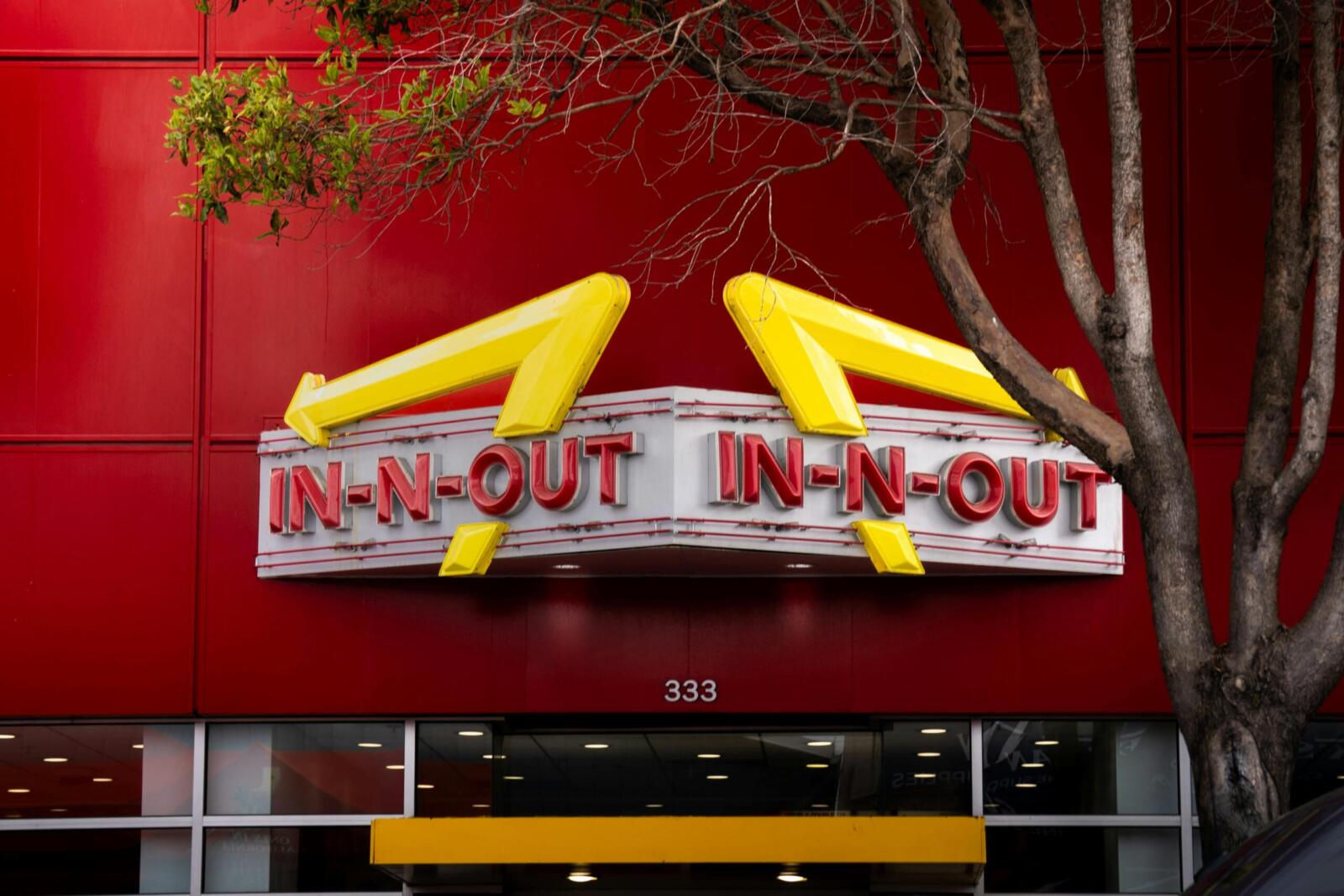
In-N-Out lives by its “Freshness You Can Taste” mantra, operating a business model that excludes both microwaves and freezers from every location. Their hamburger patties are produced in-house using only fresh, premium front-quarter beef chuck. By maintaining total control over their supply chain, the brand ensures that no additives, preservatives, or fillers ever enter their meat. This focus on purity is why the chain refuses to expand to regions that are too far from their dedicated distribution centers.
The fries at In-N-Out are a testament to simplicity: they are hand-peeled and thin-cut from whole potatoes throughout the day. For those looking for more variety, these can be ordered “Animal Style,” topped with their signature spread, hand-grilled onions, and melted cheese. To round out the meal, they offer traditional milkshakes crafted with 100% real ice cream. The result is a fry that tastes remarkably like a potato sliced in a home kitchen, a flavor profile that keeps their drive-thru lanes consistently packed.
El Pollo Loco: Hand-Prepped Traditions at Scale
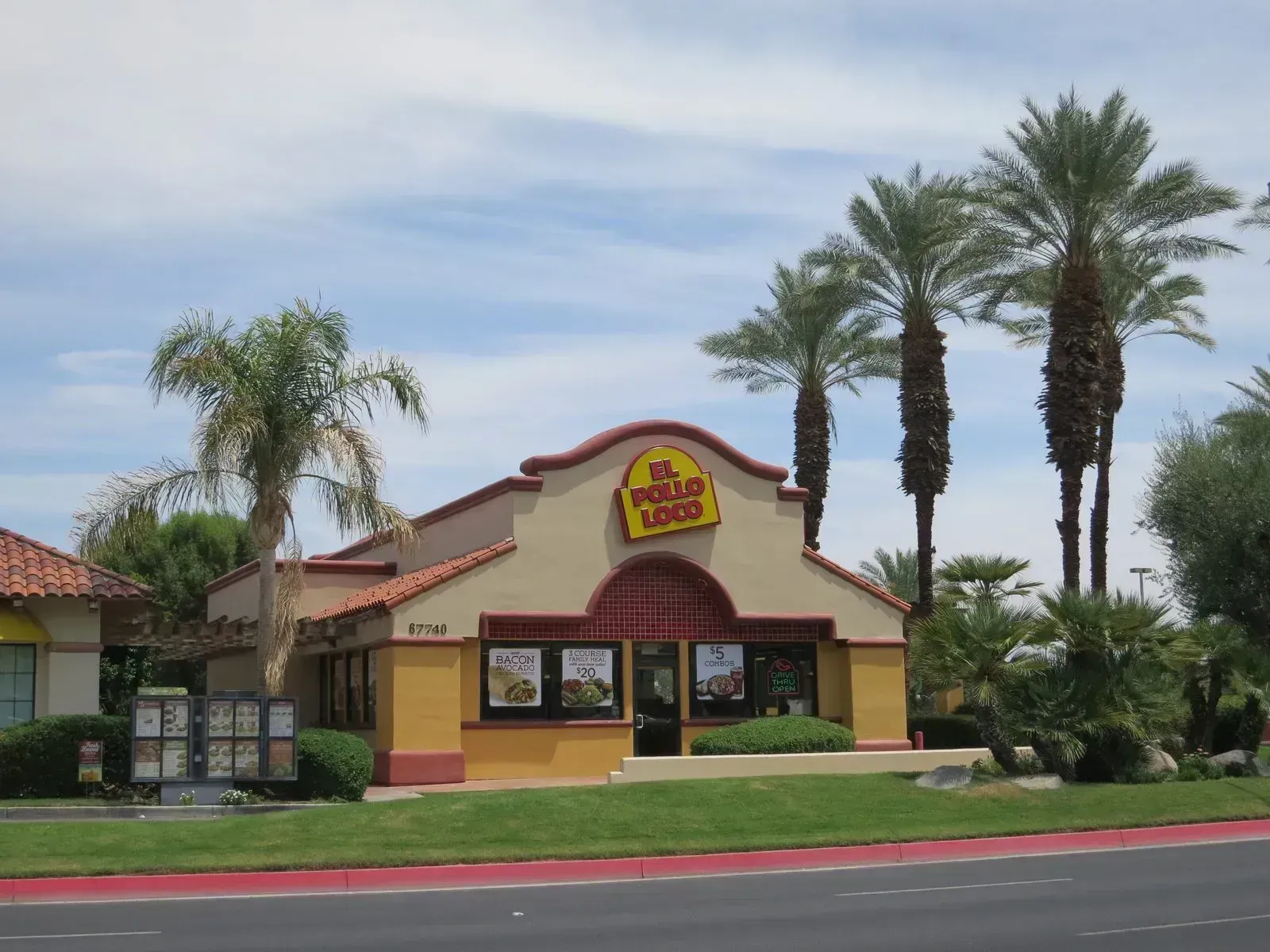
At El Pollo Loco, the culinary identity is built entirely around the slogan: “Made fresh. Made by hand. Made every day.” The chain prioritizes scratch-made preparation, focusing on flame-grilled chicken that is never frozen, alongside salsas blended in-house and avocados sliced by hand. This Mexican-inspired fast-food brand has carved out a niche by proving that traditional kitchen techniques can still thrive in a high-speed environment.
Their signature fire-grilled chicken serves as a lighter, high-quality alternative to the breaded and deep-fried options common in the industry. By preparing their salsas from scratch every day, the chain maintains a level of flavor complexity rarely seen in quick-service dining. Additionally, the choice to use whole, hand-sliced avocados instead of pre-packaged, processed guacamole ensures that the texture and taste of their ingredients remain uncompromised.
Shake Shack: Why Sourcing Matters More Than Speed
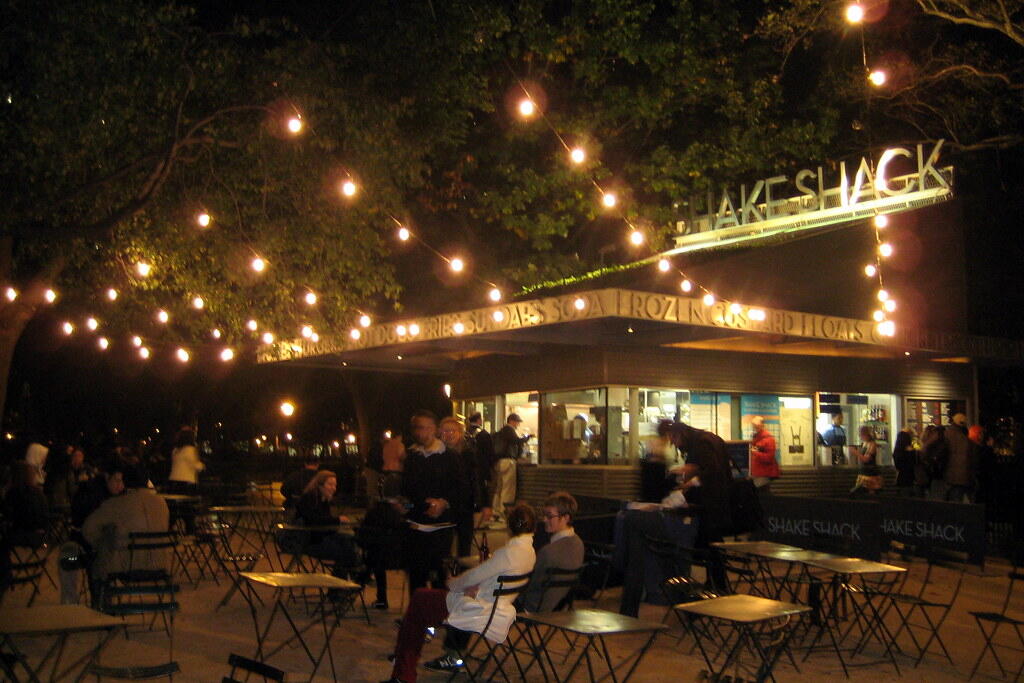
Shake Shack offers a menu defined by 100% all-natural Angus beef that is completely free of hormones and antibiotics. Their iconic ShackBurger is served on a soft potato bun with crisp lettuce, vine-ripened tomatoes, and their proprietary ShackSauce. This commitment to sourcing extends to their poultry, which is strictly cage-free and antibiotic-free. This attention to detail and high-standard sourcing has turned every visit into a premium experience for quality-conscious diners.
Known as the “anti-chain chain,” Shake Shack focuses on high-end ingredients and sustainable practices rather than the mass-production methods utilized by traditional competitors. The brand has built a loyal following by blending the convenience of fast food with the ingredient standards of a fine-dining establishment. Their success is rooted in a unique dining atmosphere and a transparent approach to how their food is grown and prepared.
Chipotle: Redefining Transparency in the Kitchen
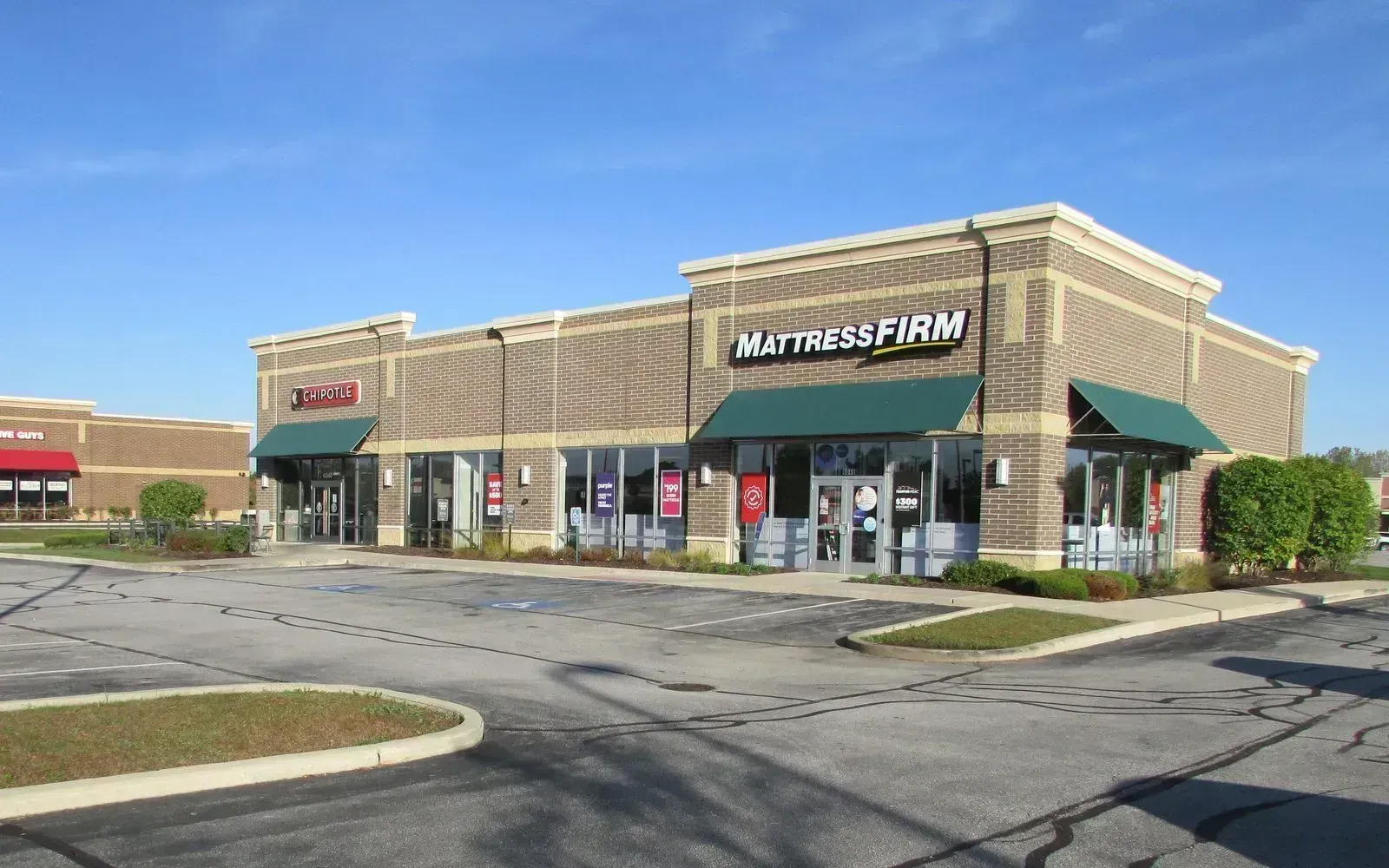
Chipotle maintains one of the most transparent preparation styles in the fast-casual industry. The brand continues to innovate its flavor profile, recently introducing items like the Adobo Ranch dip, which is crafted inside the restaurants using entirely real ingredients. The “open kitchen” layout is a central part of the experience, allowing guests to watch as the culinary team grills meats and mashes guacamole in real-time throughout the day.
The company’s dedication to freshness starts long before the food reaches the restaurant. Through its “Cultivate Next” fund, Chipotle invests in cutting-edge agricultural technologies, such as aquatic plant-based systems and sustainable cattle feed. By focusing on the environmental impact of their supply chain, the brand ensures that their “fresh” promise encompasses the entire journey from the farm to the customer’s bowl.
Why These Chains Are Outpacing Traditional Giants
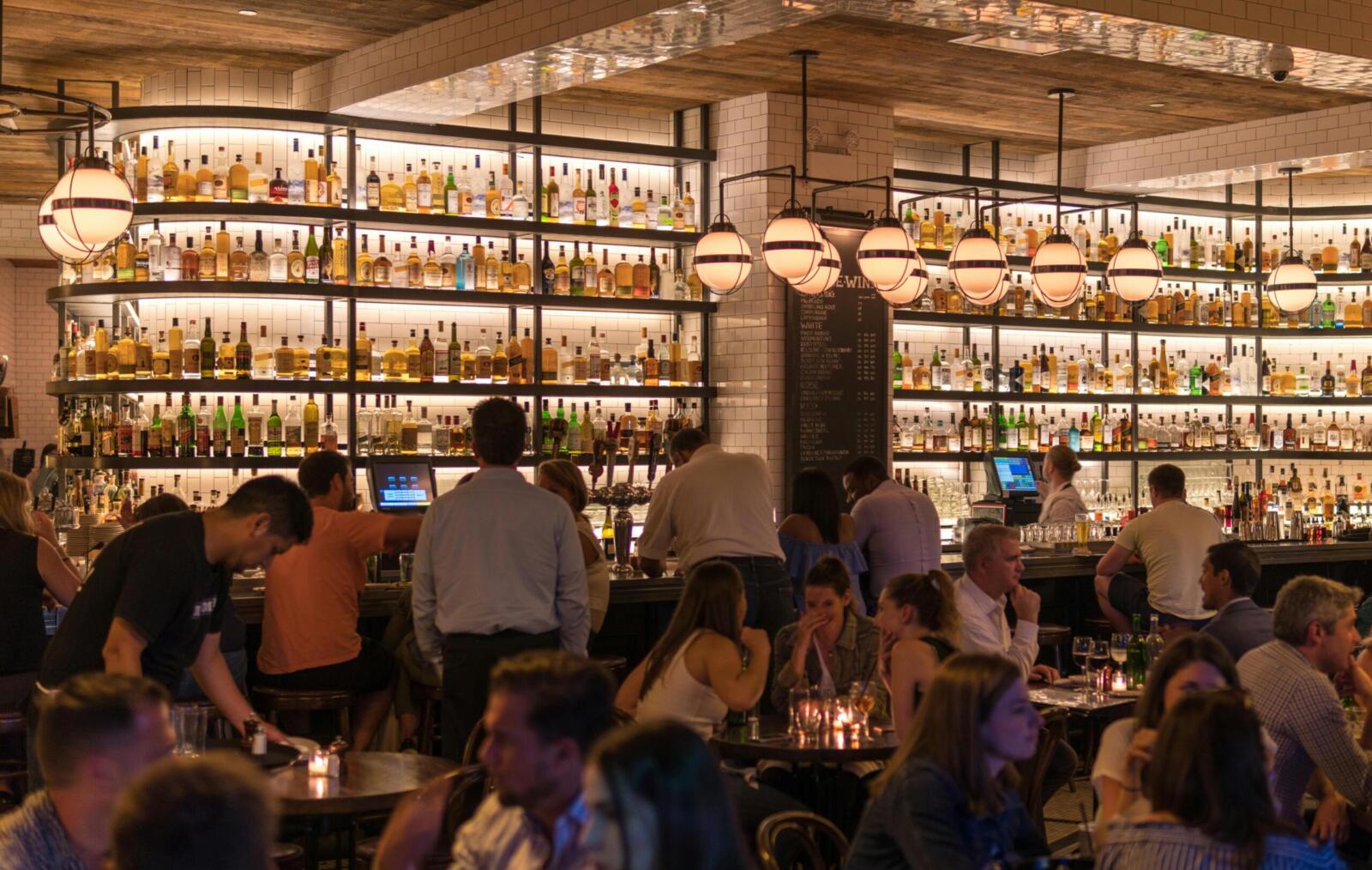
The defining characteristic of these establishments is their commitment to daily, scratch-made preparation. While most people walk into a fast-food joint expecting processed, pre-packaged meals, these select chains pride themselves on doing the hard work in-house. From hand-cutting every potato to baking fresh buns and grilling meat to order, they often provide a level of ingredient quality that surpasses many traditional sit-down restaurants.
The fundamental difference is found in the preparation: these five brands reject the “reheat” culture. While the majority of the industry relies on pre-cooked, flash-frozen components to maximize speed, these chains have built their entire business models around fresh labor. Even if this approach results in slightly longer wait times and a higher price point, it creates a final product that stands in stark contrast to the standard fast-food fare.
The Premium Price Tag of Prioritizing Fresh Ingredients
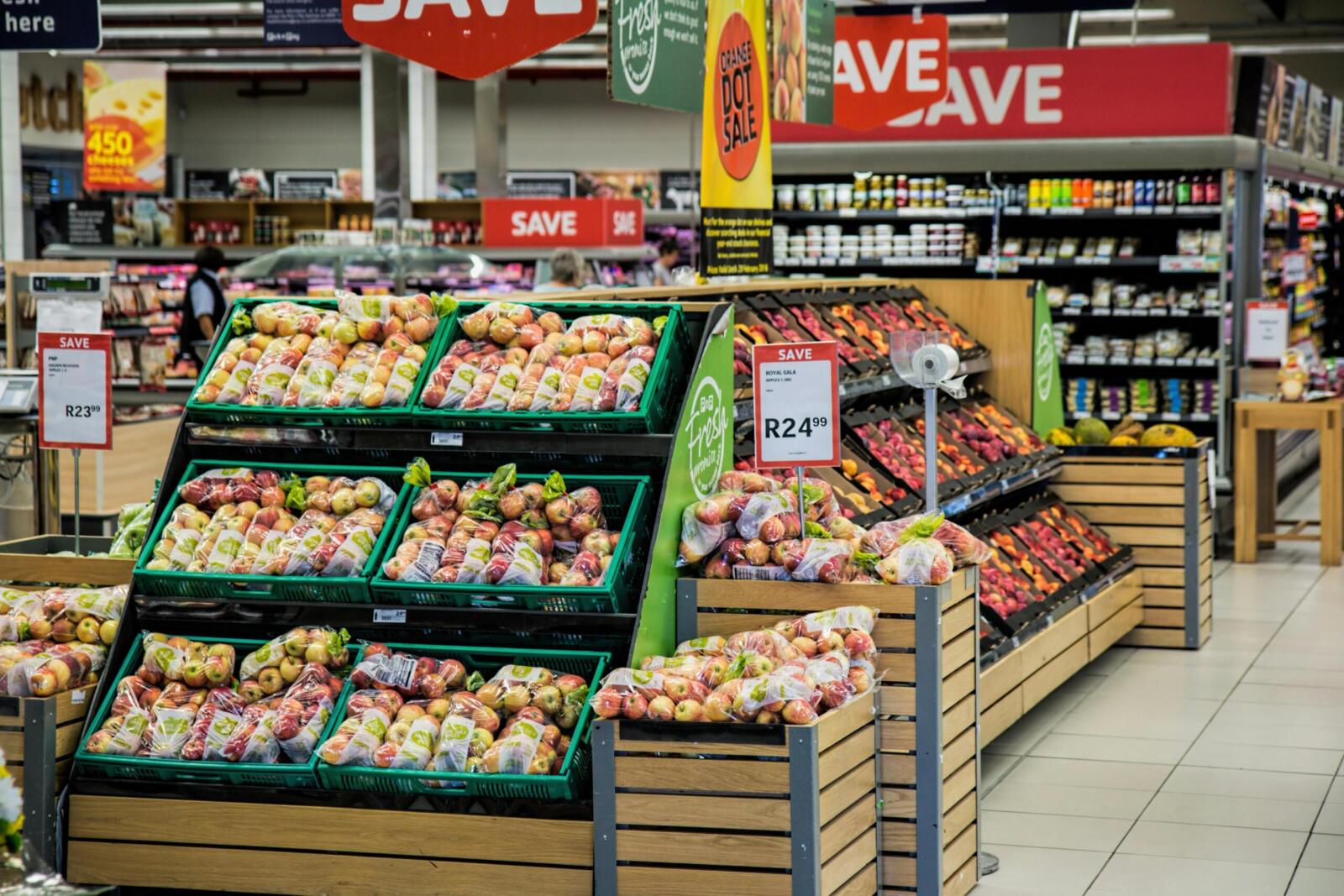
Opting for fresh-ingredient chains usually comes with a higher bill than visiting a traditional burger stand. Consumer surveys often highlight brands like Five Guys and Shake Shack as being among the more expensive options in the category. However, a significant portion of the market is willing to pay this premium in exchange for the transparency and taste of real food.
The economic reality is that fresh food is expensive to manage. Unlike frozen items, fresh ingredients require frequent deliveries, climate-controlled logistics, and more intensive manual labor to prepare. Furthermore, fresh produce has a much higher waste rate. These operational overheads mean that scratch-made fast food will always command a higher price than the highly processed alternatives.
Redefining Speed: The Shift in Diner Expectations
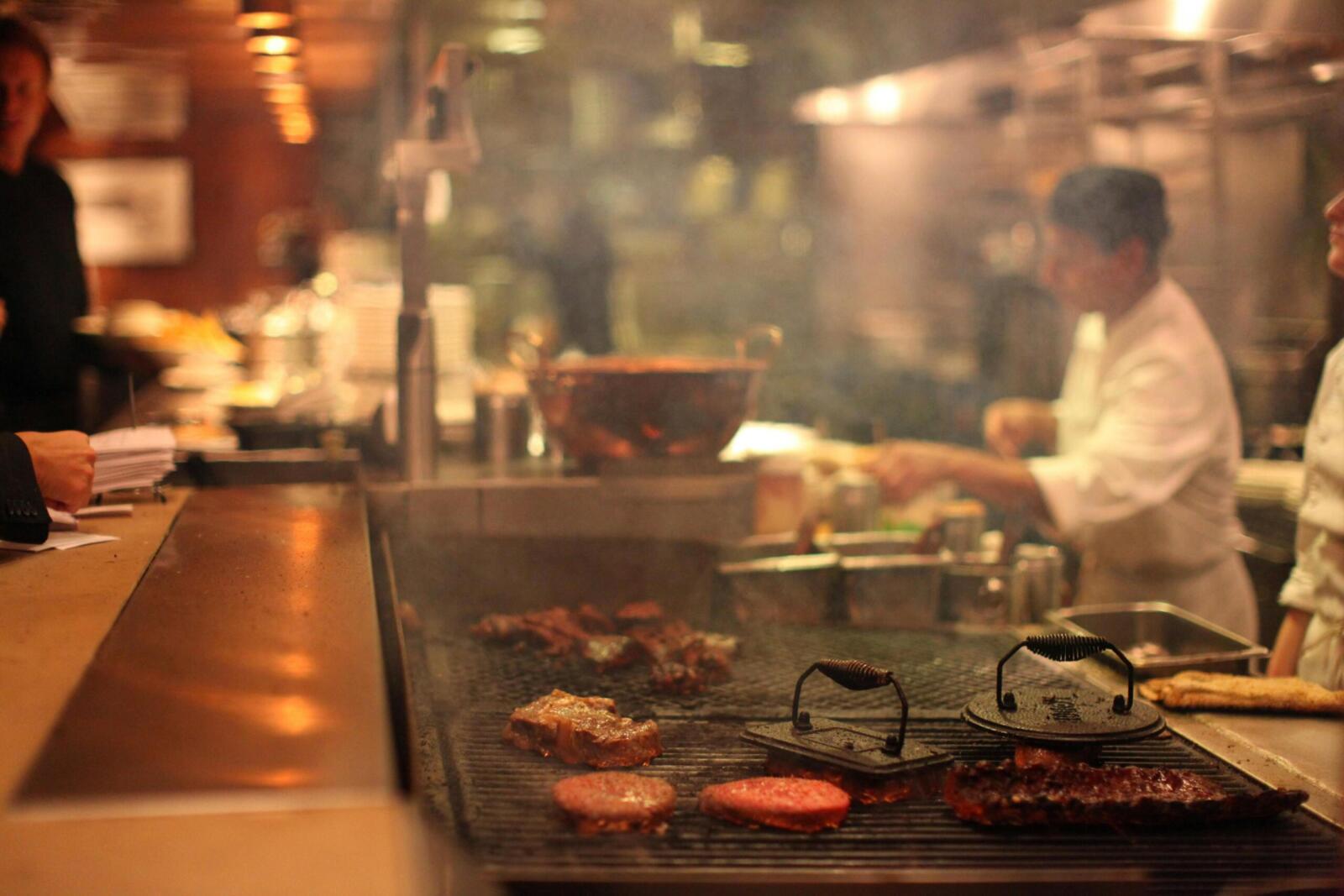
Dining at a fresh-prep establishment offers a different pace than the “under 90 seconds” service of older chains. Because the food isn’t sitting under a heat lamp, the wait times are naturally longer. However, 2025 foot traffic data shows that visits to chains like Chipotle and Shake Shack have surged significantly. This suggests that the modern diner is trading speed for the engagement of watching their food be made.
To balance quality with efficiency, these brands have leaned heavily into digital innovation. Chipotle has seen massive success with its “Chipotlane” drive-thrus, while other chains have invested in streamlined mobile ordering platforms. These tools allow the kitchen to begin fresh preparation before the customer even arrives, bridging the gap between high-quality cooking and the need for convenience.
Logistical Breakthroughs for Scaling Perishable Goods

Scaling a fresh-food model across hundreds of locations requires a sophisticated logistical dance. Some newer concepts are utilizing “commissary kitchens,” where certain ingredients are prepped centrally and delivered fresh to storefronts daily. This hybrid model allows brands to maintain strict quality control while achieving the economies of scale necessary to keep prices somewhat competitive.
These central kitchens handle the labor-heavy tasks—like dicing large quantities of vegetables—while the final “finishing” and cooking happen at the individual restaurant level. This ensures that the customer still receives a meal that was just pulled from the grill, but the brand can manage costs more effectively than if every single task was performed in a small, cramped restaurant kitchen.
Thriving in a Market Burdened by Inflation
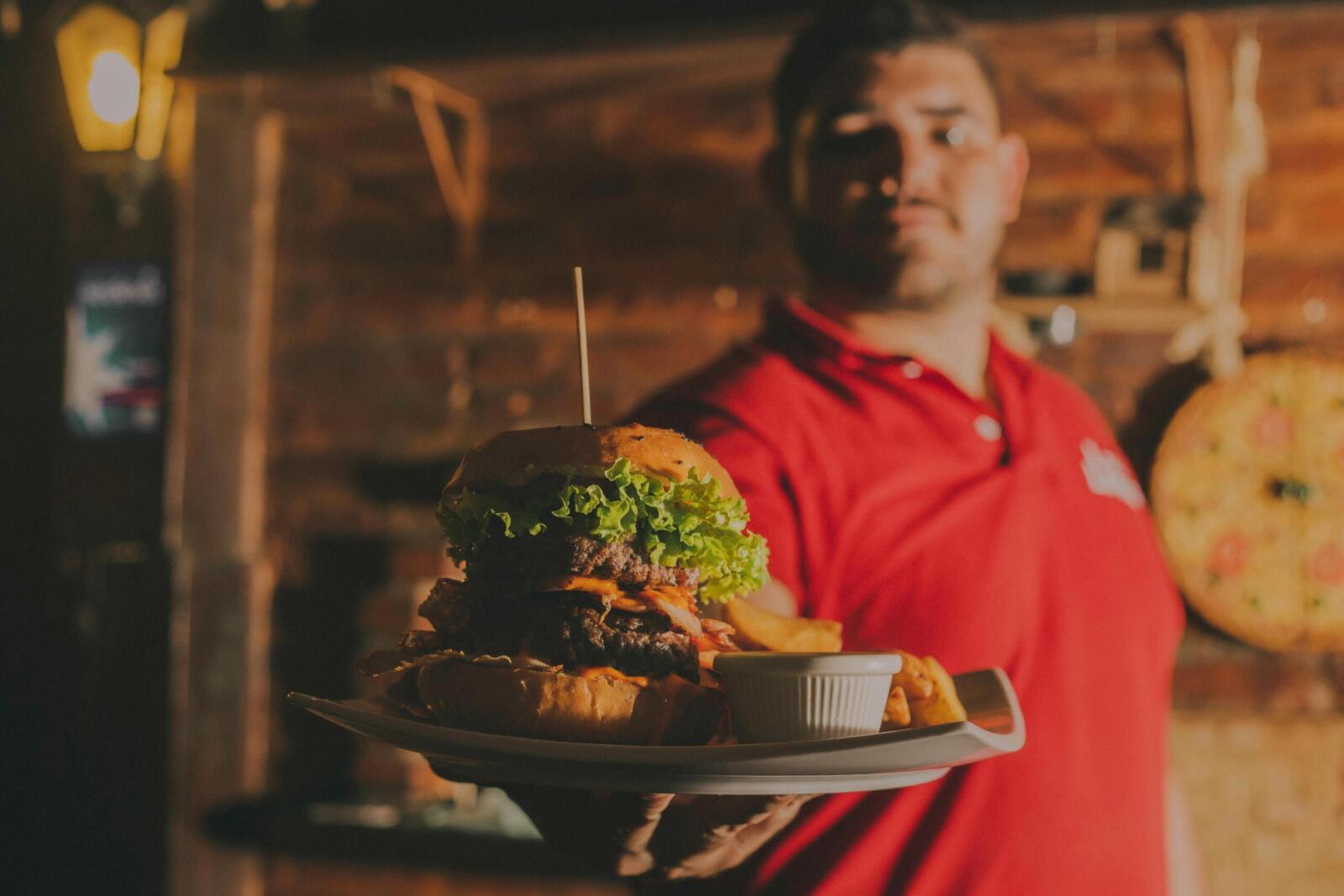
Despite the inflationary pressures of 2025 and 2026, fresh-focused chains like Wingstop, Chipotle, and Shake Shack continue to see impressive growth in foot traffic. Quarterly visits have risen significantly year-over-year, outperforming the broader quick-service restaurant (QSR) category. This trend proves that consumers are not just looking for the cheapest meal, but for the best value in terms of ingredient quality.
While traditional fast-food segments have seen muted or flat performance, the fresh-ingredient leaders are thriving. Their ability to attract customers despite higher prices suggests that “quality” has become a non-negotiable for a large portion of the dining public. It proves that the “scratch-made” model is not just a niche trend, but a dominant force in the future of the industry.
The Next Evolution of High-Speed Dining
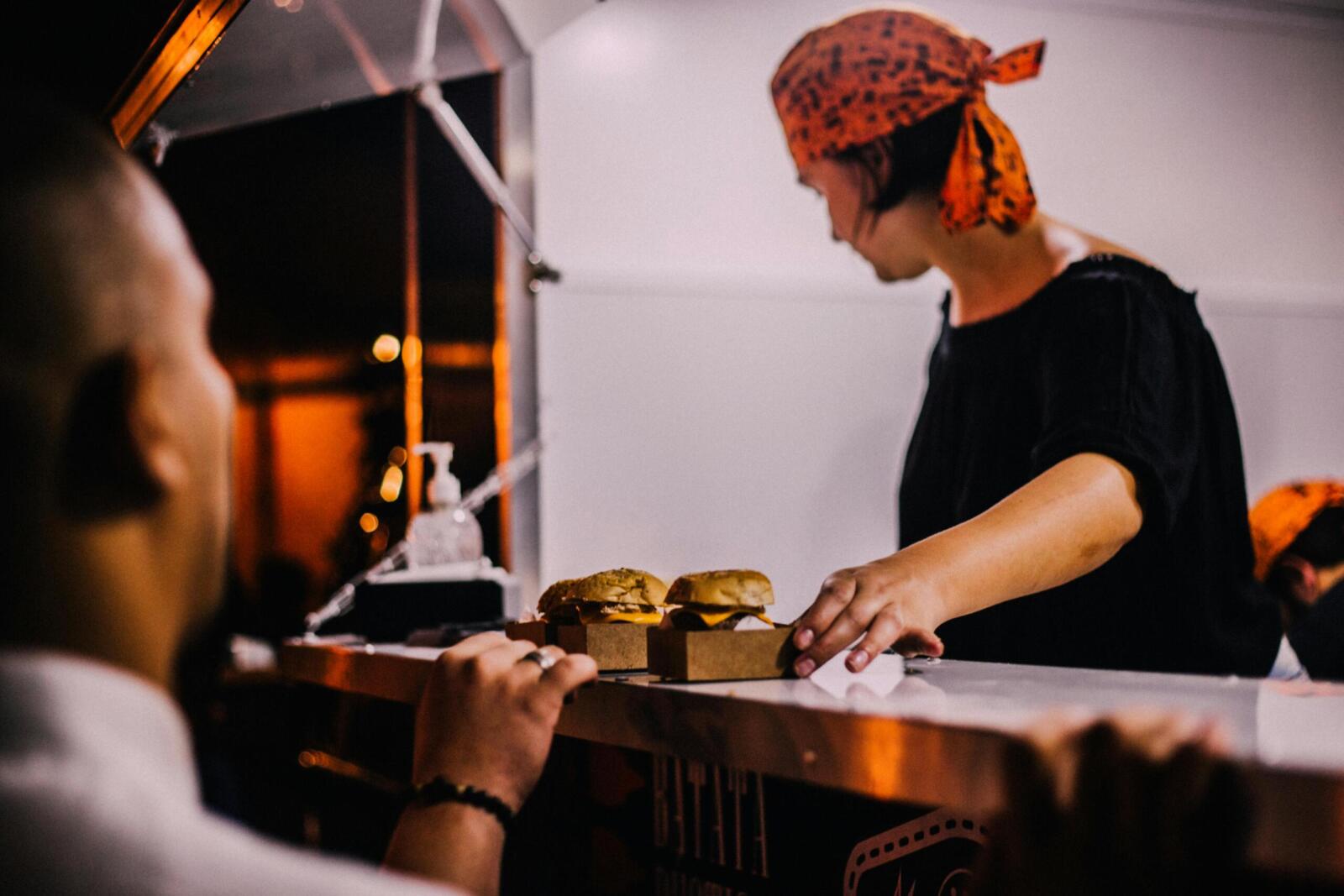
The success of these pioneers is forcing the entire industry to rethink its reliance on frozen goods. Thriving chains are staying ahead of economic shifts by being proactive with their pricing and sourcing strategies. This adaptability allows them to maintain their high standards even when the cost of raw materials fluctuates.
Technology is also playing a larger role in the “fresh” kitchen. While these brands pride themselves on human prep, they are beginning to adopt AI and automated tools to handle repetitive tasks like monitoring grill temperatures or managing inventory. This allows human workers to focus on the craftsmanship of the food, ensuring that consistency remains high even as the volume of orders increases.
Building Unshakeable Loyalty Through Kitchen Integrity
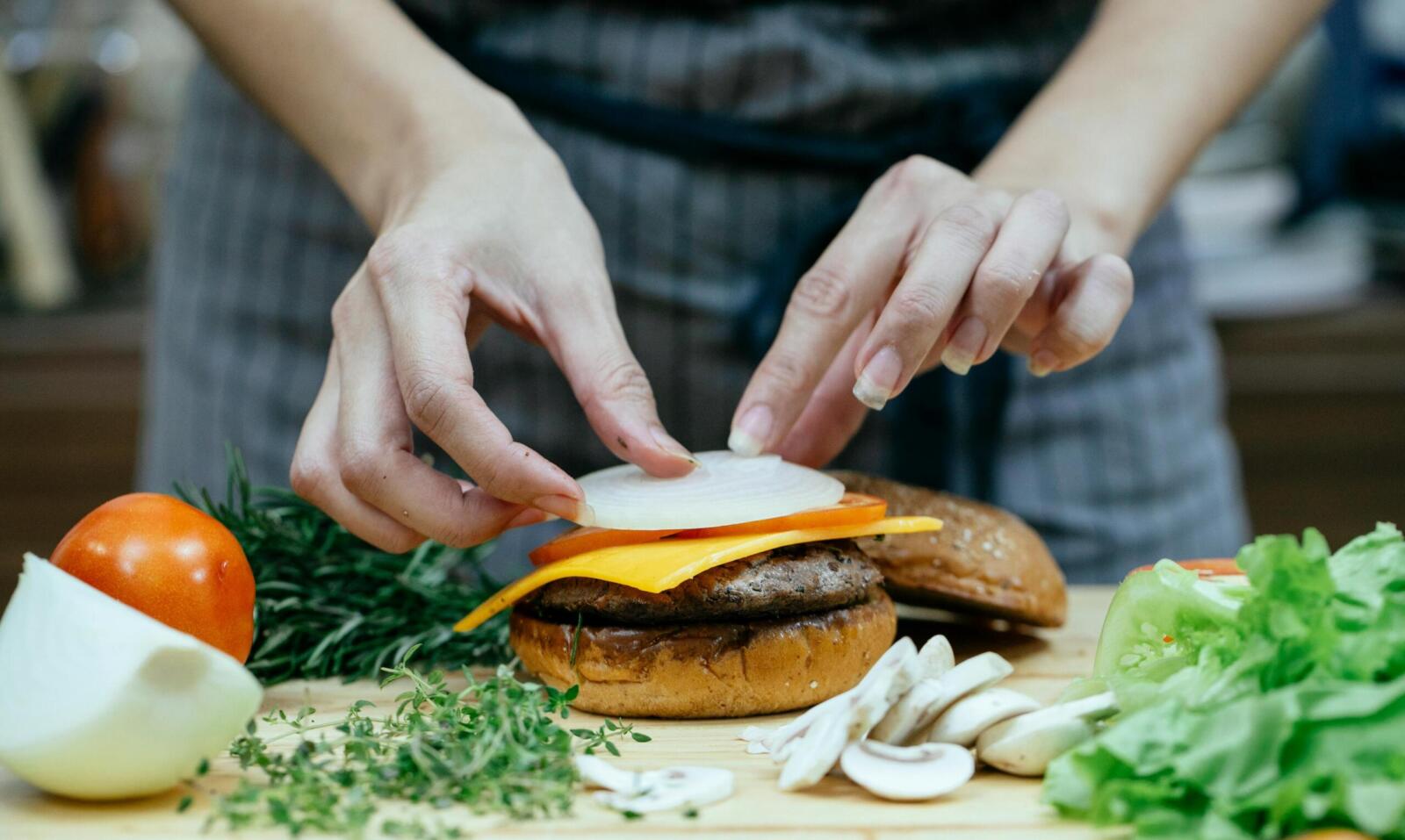
Preparing food from scratch builds a level of brand loyalty that is difficult for competitors to break. In-N-Out, for example, consistently wins “best burger” accolades because its simple, fresh approach hits a nostalgic and culinary sweet spot for many Americans. When the quality is consistent and the ingredients are real, customers are willing to overlook a long drive-thru line.
Even when the economy tightens and families cut back on luxury dining, they often “trade down” to these high-quality fast-casual spots. They receive a meal that feels like a “treat” without the price tag of a full-service restaurant. This resilience makes the fresh-ingredient model one of the most stable and successful segments in the modern food landscape.
How to Choose Between Speed and Substance
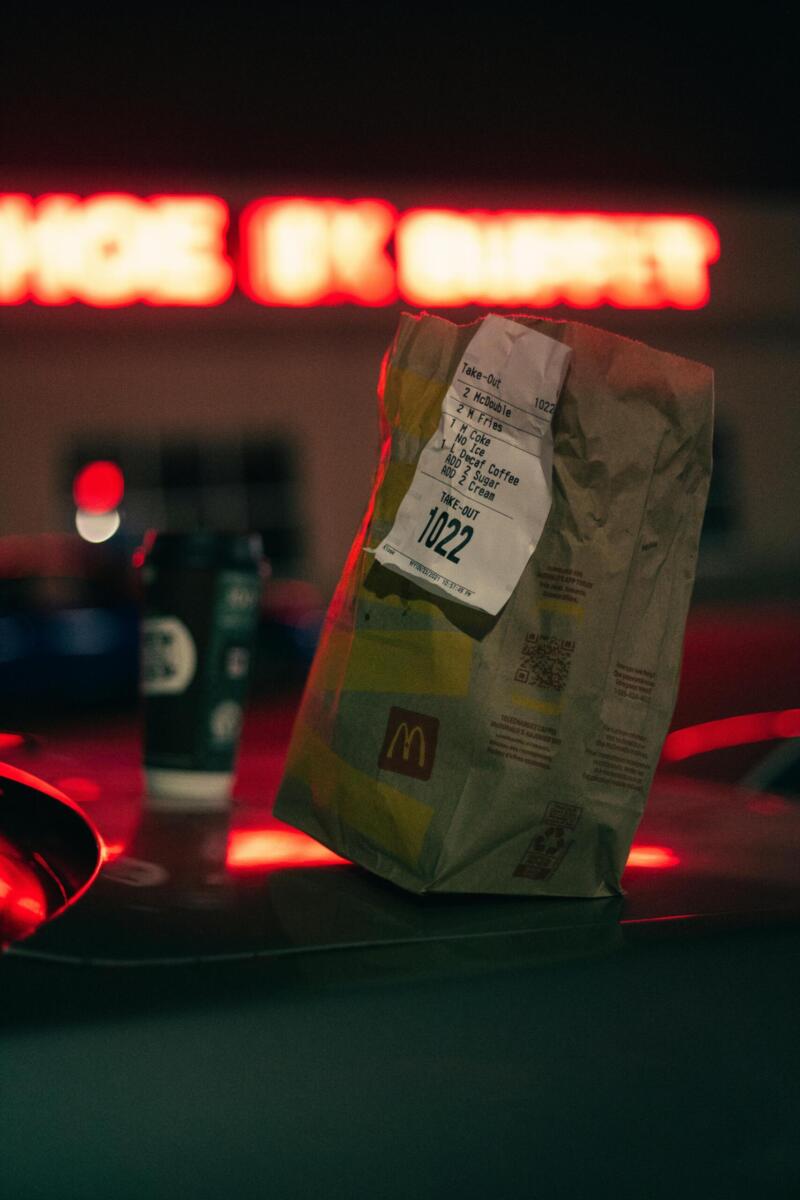
Understanding the difference between “reheated” and “prepared” helps diners make better choices. The gap in flavor and satisfaction is undeniable when a meal is made from whole, raw ingredients. These five chains represent a shift in the industry: a move away from pure convenience and toward a model where quality and speed can actually coexist.
The next time you are choosing a meal, you are essentially choosing between two different philosophies. One prioritizes the lowest possible cost and the fastest possible speed, while the other prioritizes the integrity of the ingredient. As these chains continue to grow, it’s clear that more Americans are choosing to prioritize the latter.
Detecting the Difference Between Freshness and Hype
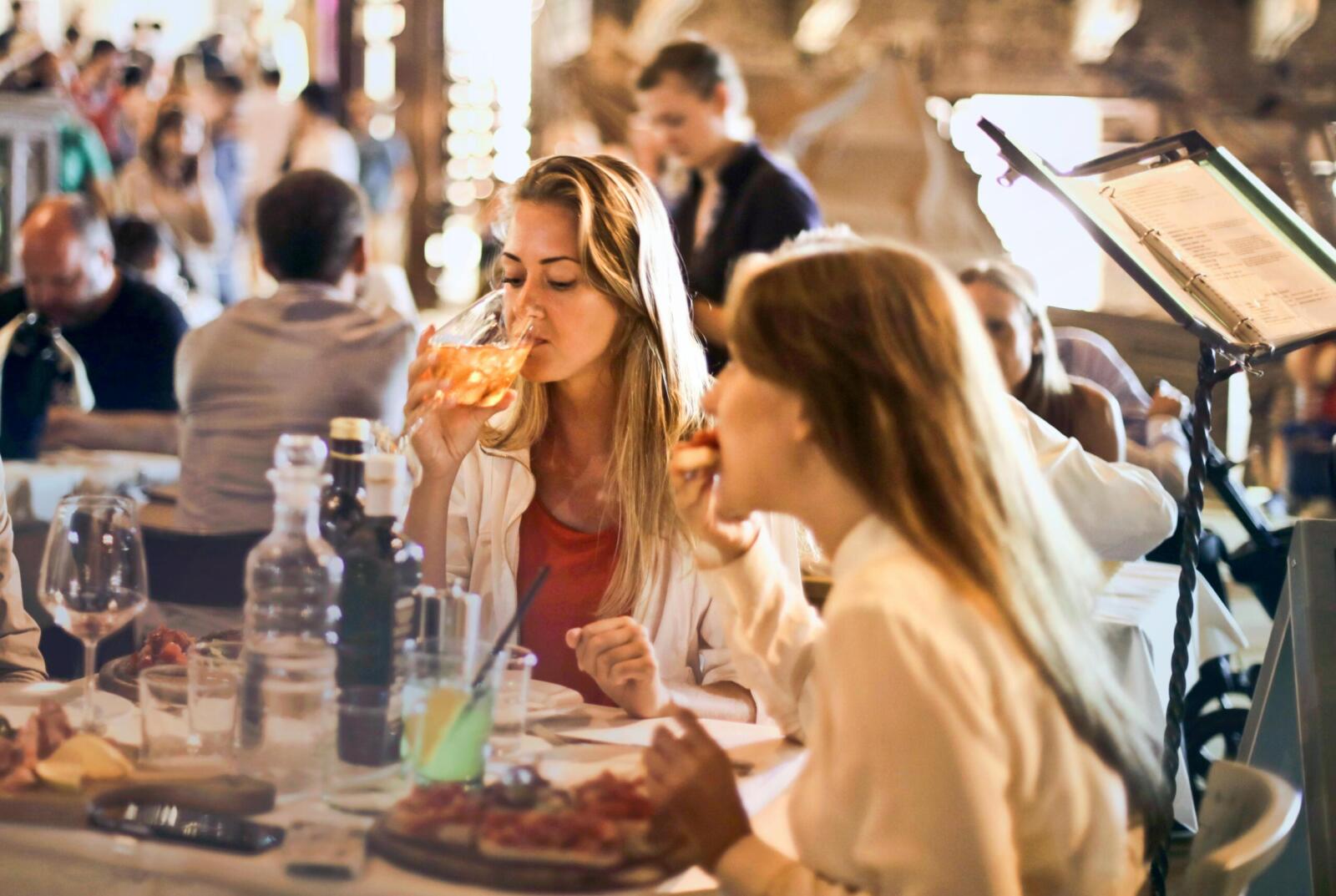
Not every brand that uses the word “fresh” is actually cooking from scratch. Savvy diners are learning to look past the marketing buzzwords. A true fresh-prep restaurant has a few tell-tale signs: an open kitchen where you can see the produce, the absence of heavy-duty freezers, and a menu that is often smaller and more focused.
Authentic scratch-made kitchens are proud of their process. They don’t hide their ingredients in pre-marked boxes or keep their prep areas behind closed doors. If you can see the staff dicing onions or cutting potatoes, you are likely in a place that values the real deal. In 2026, the best way to vote for food quality is to spend your money at the establishments that have nothing to hide.
Underground Favorites: Regional Champions of Quality
While big names get the most attention, regional fast-food chains are often doing the most impressive scratch-made work because they aren’t forced to standardize operations across thousands of locations. In the Midwest, Culver’s has built a massive following by hand-breading chicken tenders and churning frozen custard in small batches throughout the day. Across the South, Whataburger maintains a strict “never-frozen” beef policy and hand-cuts vegetables in-store every morning. On the West Coast, The Habit Burger Grill differentiates itself by chargrilling burgers over open flames and hand-slicing fresh avocados for every order. These regional leaders often outperform national brands in quality because their supply chains are tighter and their local reputations are on the line with every meal.
The Hidden Burden of the Scratch-Made Commitment
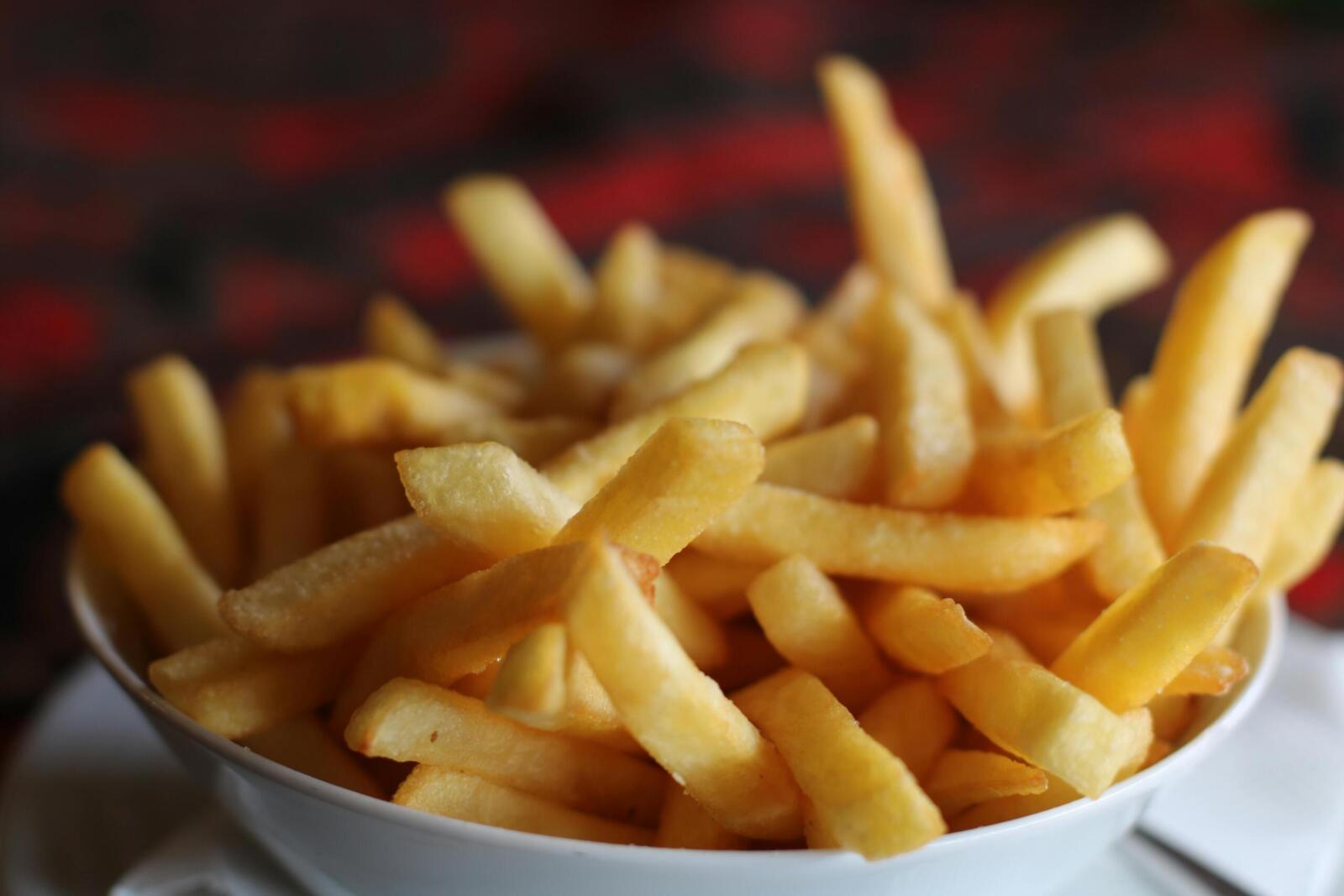
Maintaining a “scratch-made” commitment creates an uncomfortable reality that most brands won’t advertise: massive food waste and extreme pressure on the workforce. Industry insiders reveal that fresh-prep chains often discard 15% to 20% more product than traditional outlets because fresh ingredients spoil rapidly and unsold daily prep must be tossed at closing. Furthermore, the burnout rate for kitchen staff is significantly higher than at legacy chains. You cannot simply drop a frozen puck on a grill; employees must master knife skills and manage complex prep schedules, leading to longer shifts and higher stress during rush periods. Some former managers have described these conditions as unsustainable, noting that the “fresh” promise relies on a level of labor intensity that many workers are no longer willing to provide.
Solving the Staffing Crisis With Smart Technology
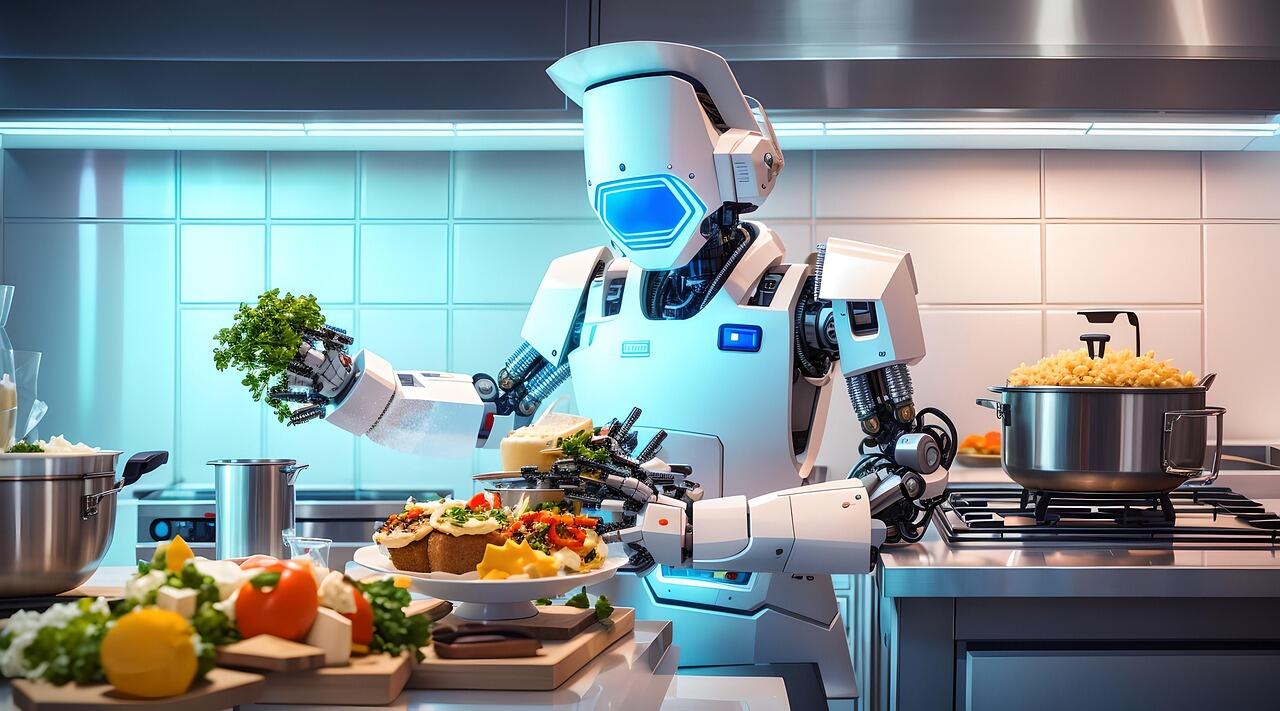
The ongoing labor shortage has hit scratch-cooking restaurants harder than their frozen-focused competitors. While a traditional fast-food worker can be trained to operate a pre-programmed fryer in minutes, fresh-food chains must invest months in training staff to follow recipes and maintain food safety standards. This has led to turnover rates exceeding 100% in some markets, resulting in wildly inconsistent dining experiences where a meal’s quality depends entirely on who is working the shift. Ironically, this crisis is driving these “handmade” brands toward automation. Chipotle and Shake Shack are now testing AI-driven systems to dicing onions, portioning guacamole, and predicting rush periods to reduce waste. This hybrid approach suggests that the only way to save the scratch-made model in 2026 is to let robots handle the soul-crushing prep work so humans can focus on quality control.
The Wait-Time Illusion: Why Fresh Feels Faster
There is a fascinating psychological gap between how long a fresh meal takes to prepare and how fast the customer thinks it is being made. While a frozen-food chain might deliver a burger in ninety seconds, fresh-prep chains often have “ticket times” of four minutes or more. However, customers consistently rate fresh-prep spots as “faster” because of the open-kitchen concept. Watching a cook actively grill your beef or hand-toss a salad provides a “mini-performance” that keeps the brain occupied, making the wait feel shorter. This engagement increases the perceived value of the meal; customers believe they are getting a premium product precisely because they can see the effort being exerted, a stark contrast to the sterile, hidden kitchens of traditional fast food.
Deconstructing the Myths of “Healthy” and “Sustainable”
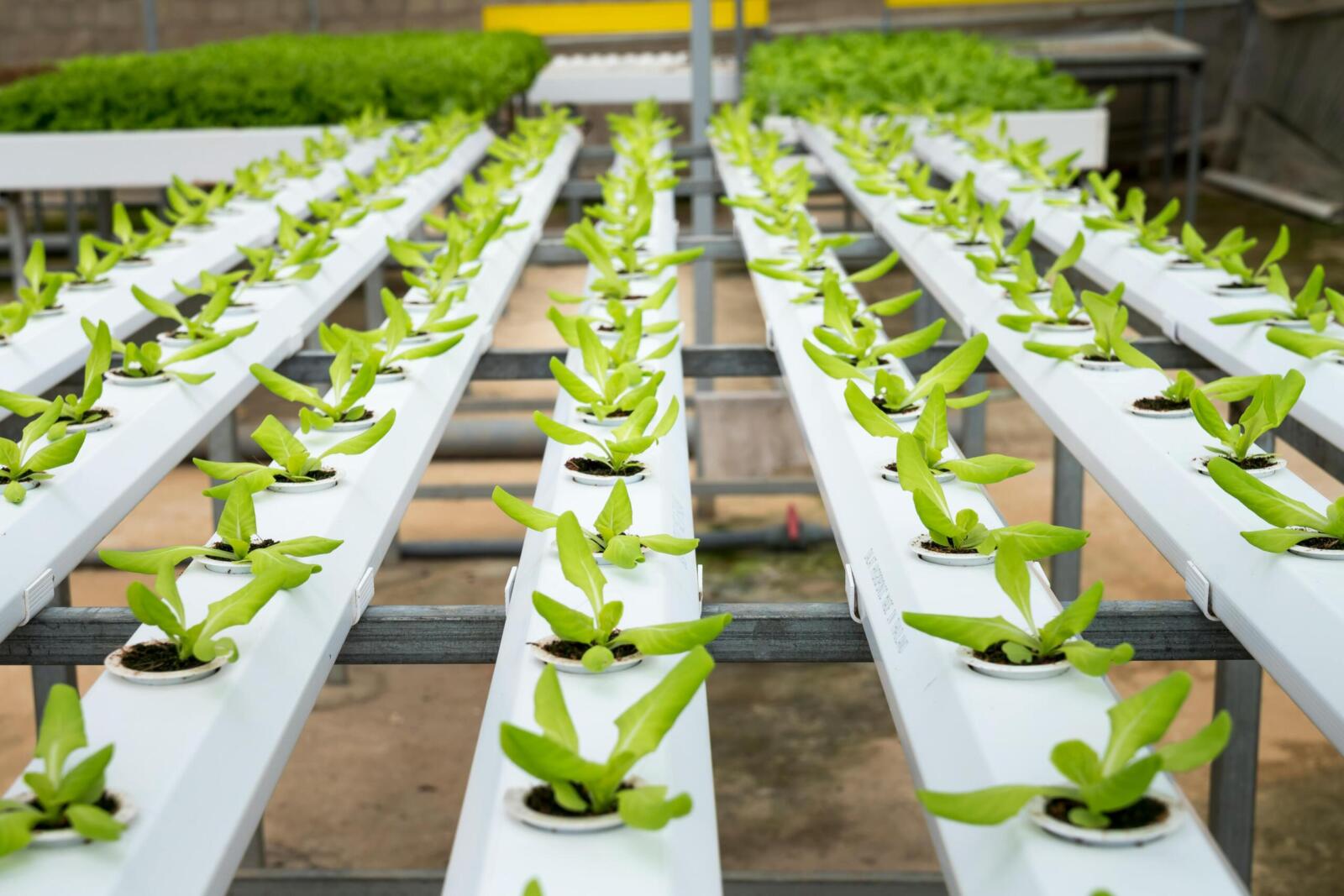
The “health halo” surrounding fresh-prep chains often masks the significant environmental and nutritional costs of the model. From a sustainability standpoint, fresh-prep is a logistical nightmare. These chains require frequent, often daily, deliveries of perishables, putting more diesel trucks on the road than competitors who can stock frozen goods in bulk. Additionally, the nutritional data often shocks consumers: a “fresh” Five Guys fry can contain more calories and fat than a processed competitor because fresh-cut potatoes absorb more oil during the frying process. Nutritionists also point out that frozen vegetables can actually retain more nutrients than “fresh” produce that has spent days in transit. For the consumer, the choice is often between the taste of quality and the reality of a high-calorie, high-waste business model.
The Quality Gap: Why Every Location Isn’t Created Equal
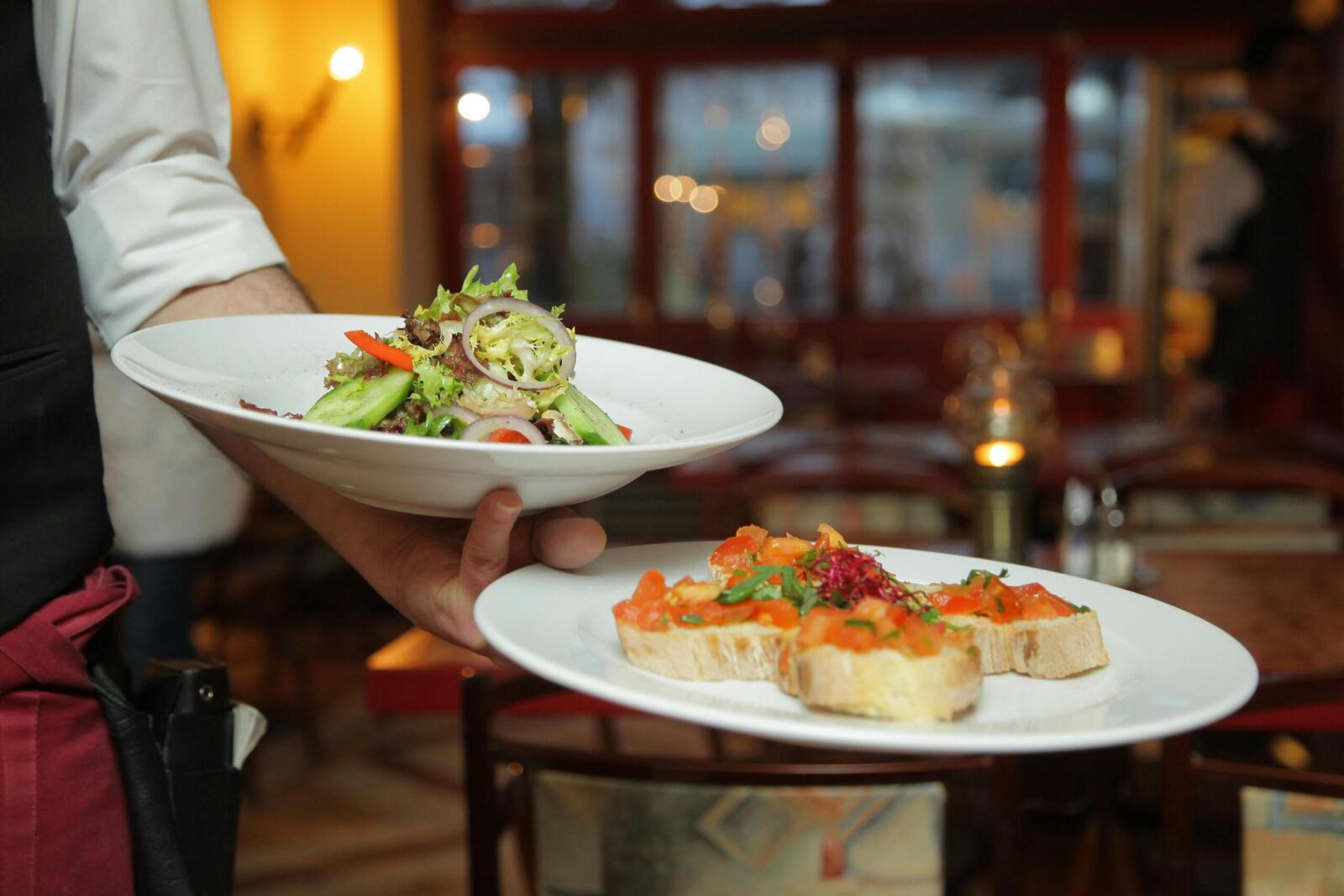
One of the greatest challenges for fresh-food brands is the lack of consistency across different locations. Unlike legacy chains where every burger tastes identical due to factory standardization, scratch-cooking brands are only as good as their local manager. A “sketchy” location that has given up on quality often reveals itself through simple red flags: prep stations hidden from view, a suspiciously long menu that suggests the use of frozen backups, or a “made-to-order” burger that arrives in under two minutes during a rush. Smart regulars know that employee retention is the best predictor of food quality; if you see the same faces behind the counter month after month, you’ve found a location that has mastered the institutional knowledge required to execute a complex, fresh menu.
Key Takeaways
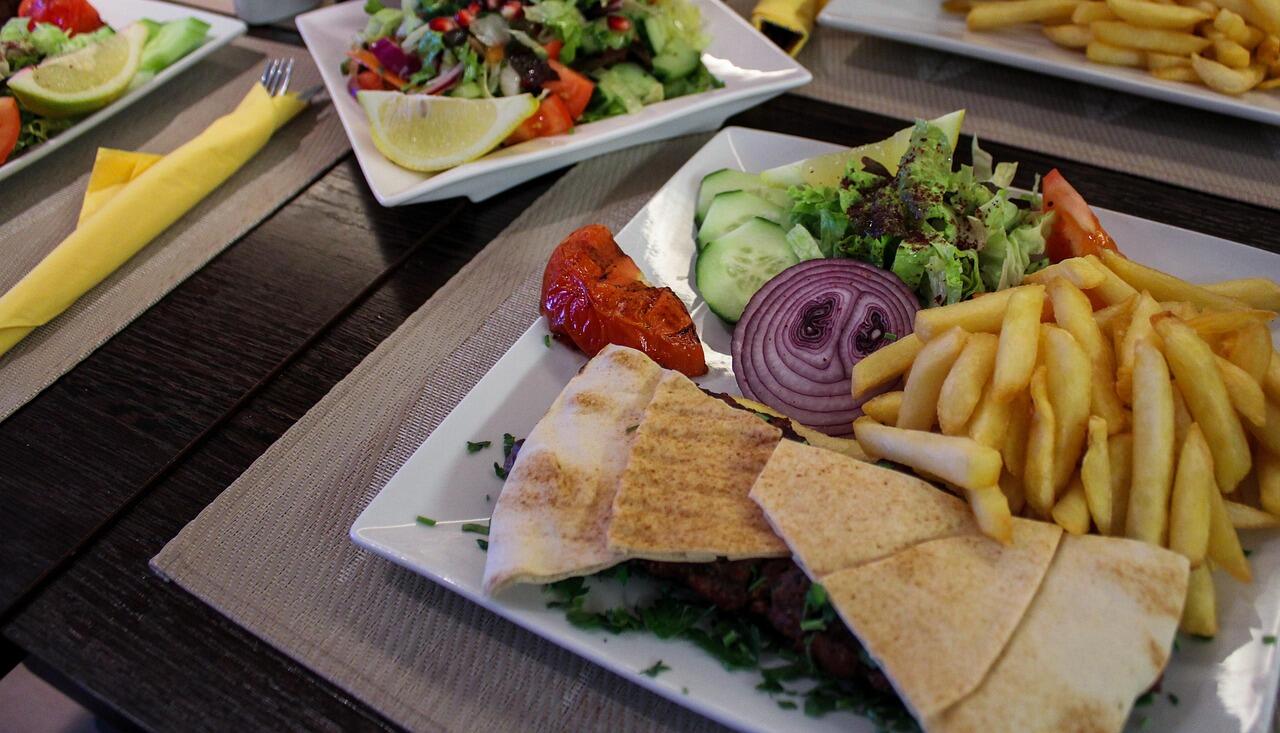
The future of fast food in 2026 is a battle between machine-like consistency and the artisanal “scratch-made” promise. While chains like In-N-Out and Five Guys lead the way with premium ingredients and hand-prepped meals, they face mounting pressure from labor costs, insurance premiums, and the delivery-app era, which often ruins the quality of fresh food before it reaches your door. Ultimately, diners are deciding with their wallets: while the price is higher and the wait is longer, the demand for authentic, real ingredients suggests that the “reheat” culture of the past is slowly losing its flavor.