In the current landscape of American migration, a fascinating paradox has emerged where many of the nation’s most “hated” cities are actually some of its fastest-growing hubs. Despite headlines about congestion, taxes, and high costs, Americans are moving in record numbers toward cities that offer resilient job markets and specific lifestyle sweet spots. By analyzing travel and residency data for 2025 and 2026, we can see that while the criticism is loud, the relocation numbers are even louder.
1. Austin, Texas: The “Overhyped” Tech Oasis
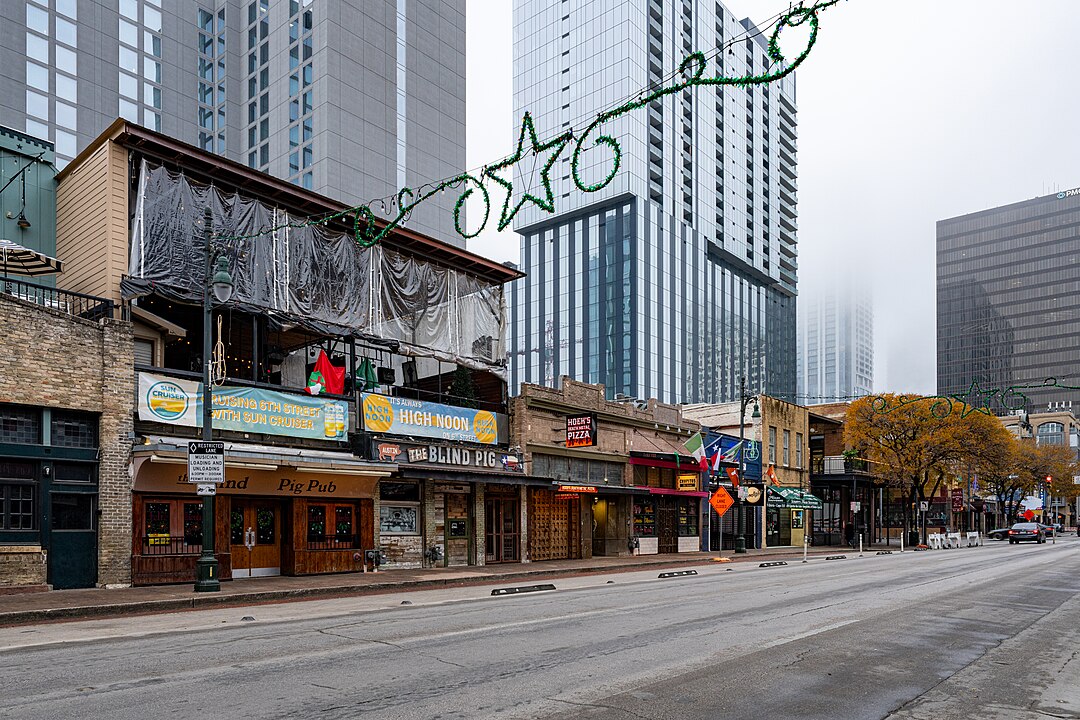
Austin has become the poster child for the city that used to be cool. Critics frequently point to skyrocketing home prices and the loss of its “Keep Austin Weird” soul as reasons to stay away. People often complain about the brutal traffic congestion and a tech culture that has reportedly pushed out the local artist community.
Despite these grievances, Austin continues to see a massive surge in net migration throughout 2026. The total lack of state income tax and the concentration of high-paying jobs in the “Silicon Hills” make it an undeniable economic powerhouse. For young professionals in the tech sector, the career opportunities simply outweigh the high cost of rent.
2. Dallas, Texas: The Sprawl That Won’t Stop
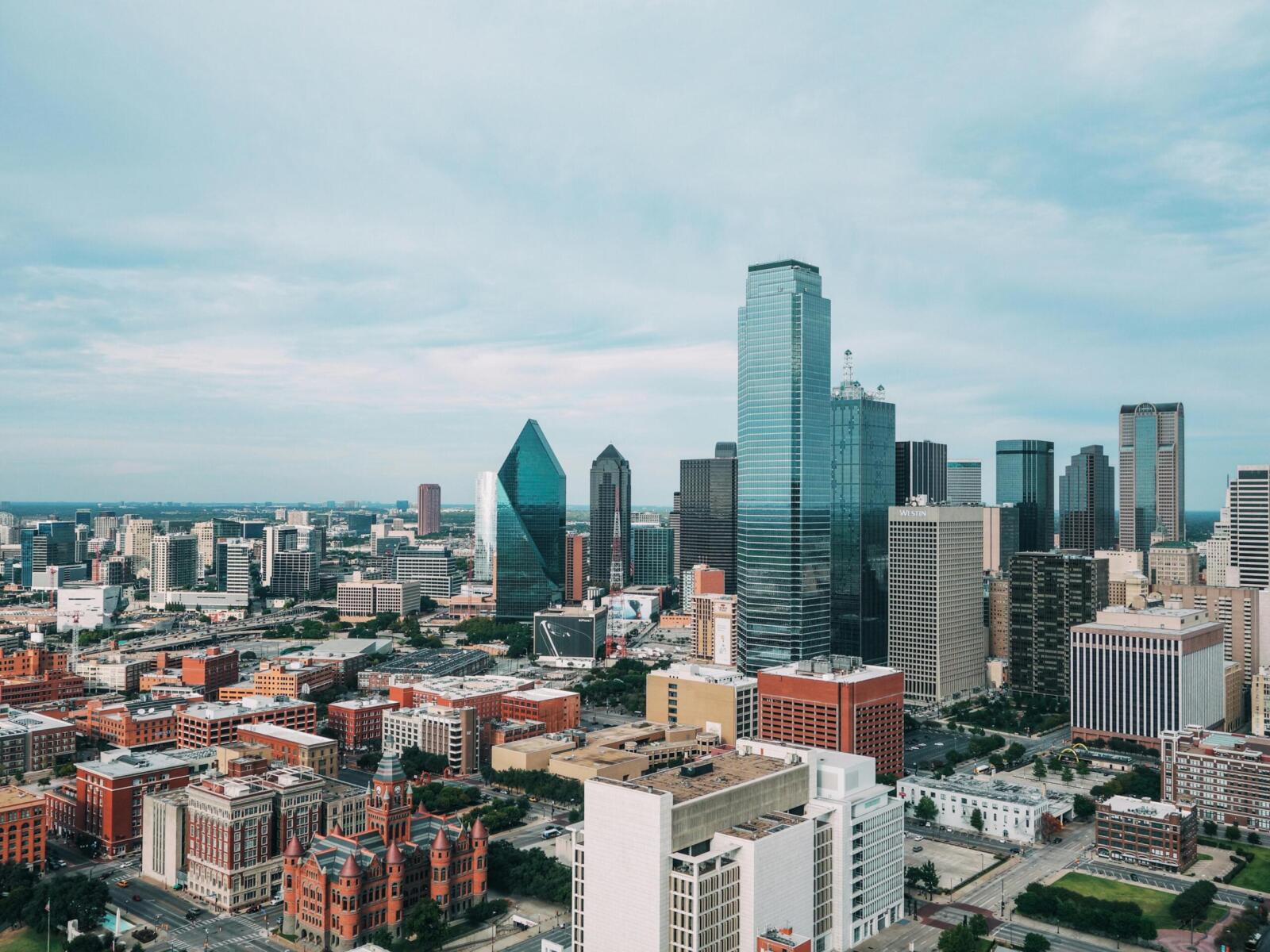
Dallas is often mocked for its endless concrete landscape and a perceived lack of natural scenery. Critics characterize the city as a soulless collection of highways and strip malls that lack a central identity. Recent infrastructure debates regarding the DART transit system have only added fuel to the fire for those who claim the city is poorly planned.
The reality is that Dallas remains a premier destination for major corporate relocations. It offers a level of professional stability that few other metros can match, with a diverse job market spanning finance, healthcare, and telecommunications. Many families are willing to overlook the urban sprawl in exchange for a high-quality job and a relatively attainable suburban lifestyle.
3. Chicago, Illinois: The Targeted Midwestern Hub
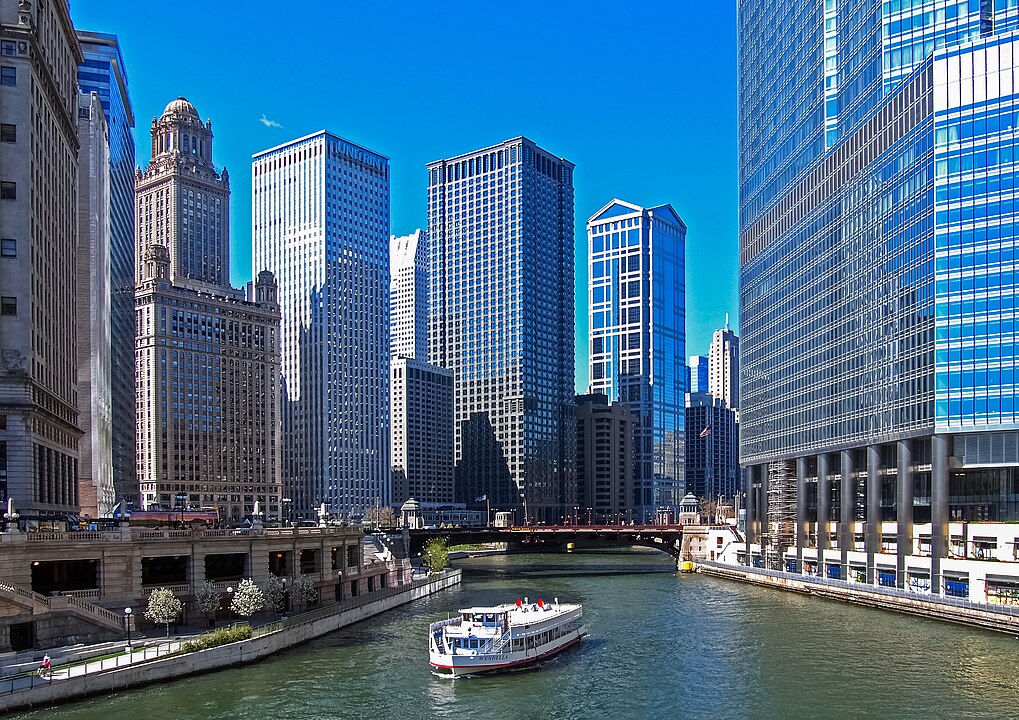
Chicago is a permanent target of national news segments focusing on crime rates and high tax burdens. Many critics claim there is a mass exodus from the state of Illinois, suggesting the city is in a state of terminal decline. The high cost of living compared to other Midwestern cities is often cited as a major deterrent for new residents.
Census data reveals a much more nuanced story where the North Side and surrounding suburbs are actually seeing substantial growth. Chicago remains the most affordable world-class city in the United States, offering cultural amenities that rival New York City for a fraction of the price. The architectural beauty and public lakefront continue to draw in thousands of people who value urban density.
4. Miami, Florida: The Influencer Playground
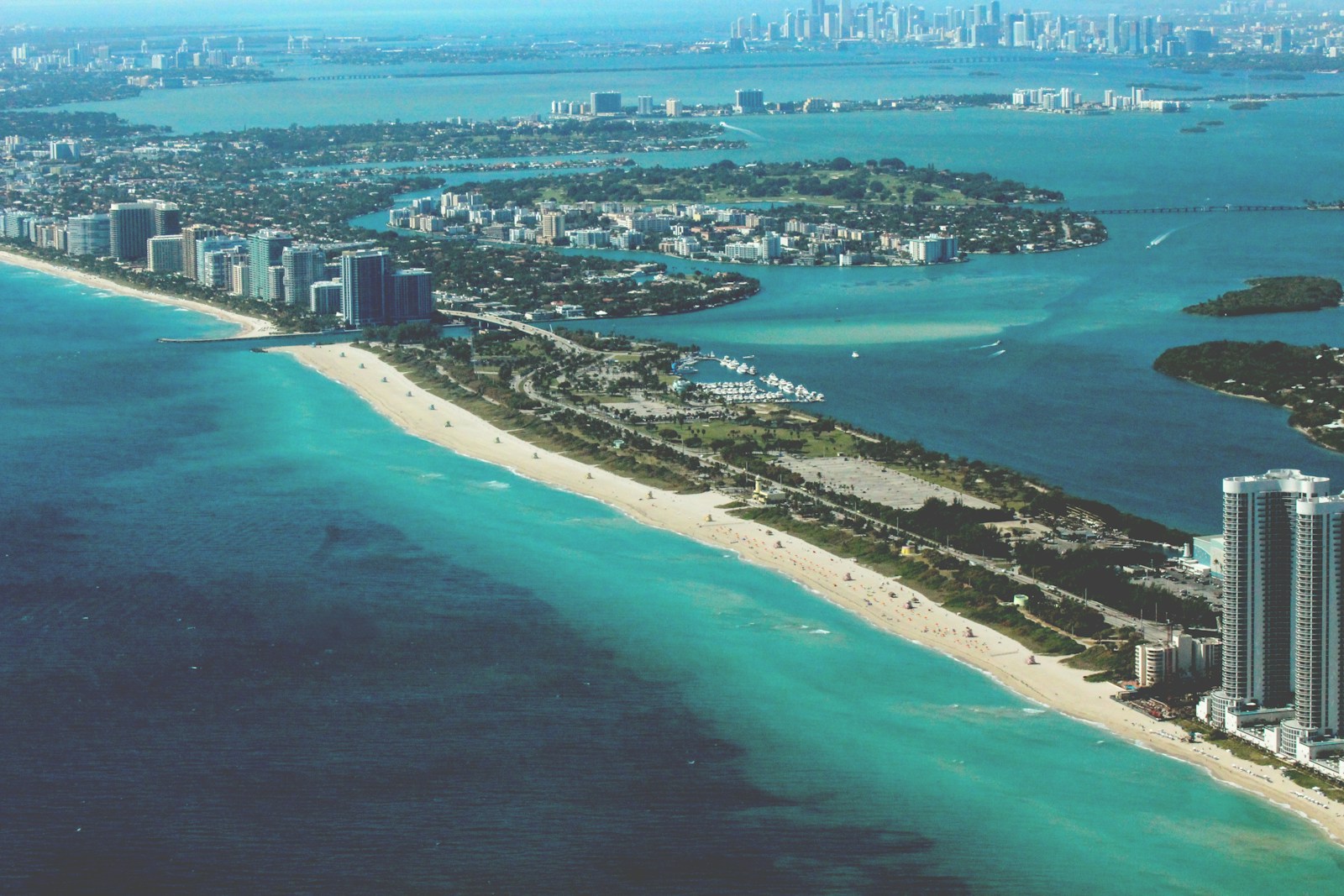
Miami is frequently dismissed as a playground for influencers and crypto-investors where the culture is seen as flashy but hollow. Critics complain about the extreme humidity and a perceived rude social environment. The rapid rise in housing costs has also led to claims that the city is becoming a gated community for the ultra-wealthy.
Miami has successfully transformed into a global financial hub often referred to as the Wall Street of the South. In the last two years, it has welcomed a massive influx of new residents as tech and finance firms move their headquarters to Florida. The international lifestyle and proximity to Latin American markets make it a strategic move for entrepreneurs.
5. Washington, D.C.: The Power Bubble
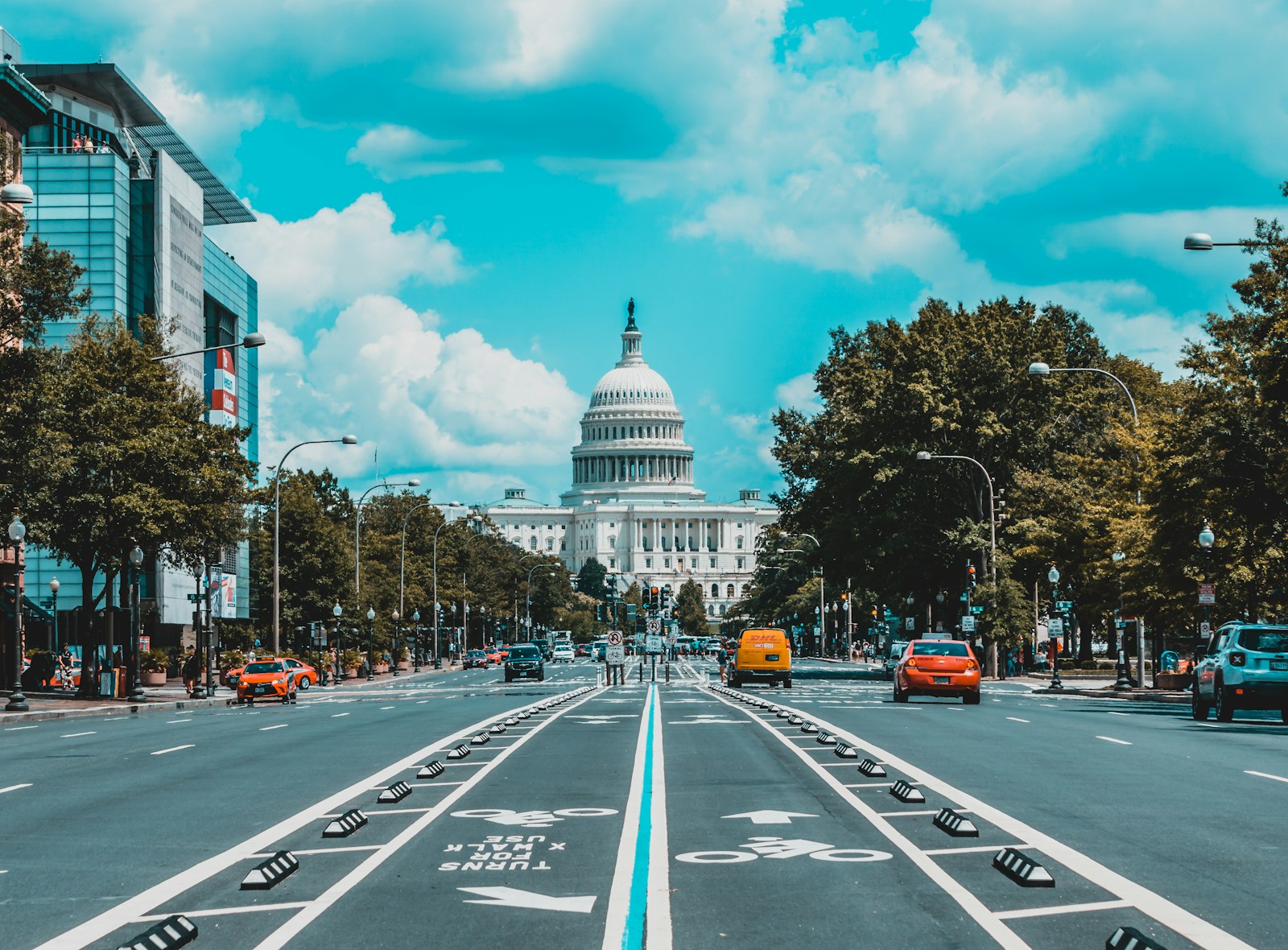
Washington is often maligned for being a transient company town where everyone’s personality is tied to their job title. Critics describe the social scene as sterile and politically obsessed, with high crime rates in certain wards frequently making national headlines. Many people view it as a place to build a resume rather than a place to build a life.
By 2026, the city has bounced back as a top destination for recent college graduates. The sheer density of entry-level openings and a high average starting salary make it a career-starter’s dream. The city’s walkability and world-class public transportation system continue to attract those who want to live without a car.
6. Atlanta, Georgia: The Gridlock Capital
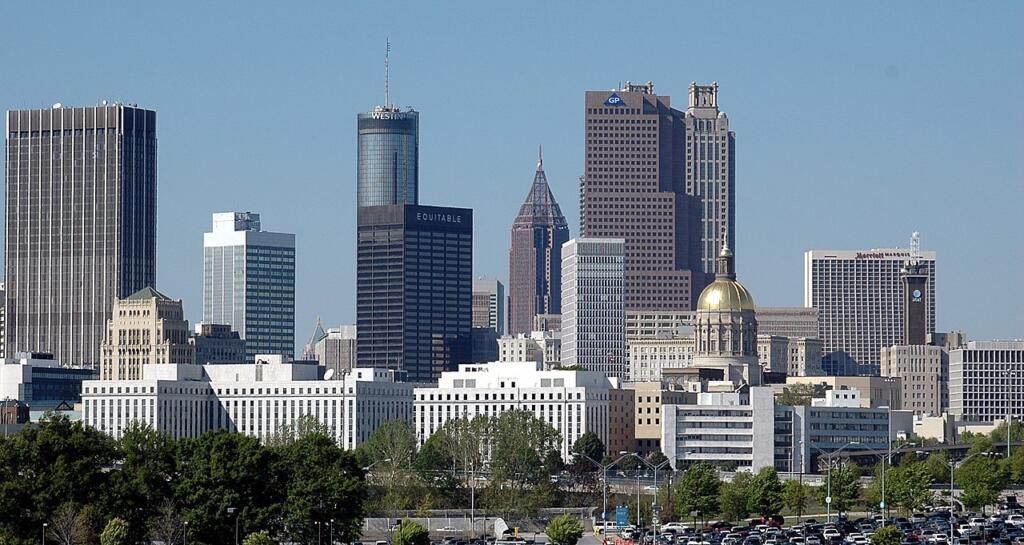
Atlanta is famous for having some of the worst traffic in the nation and a level of summer humidity that can be suffocating. Critics argue that the urban sprawl has become unmanageable and that the city’s infrastructure cannot keep up with its rapid population growth.
Despite the complaints about the commute, Atlanta is a massive magnet for the creative class. It has become a premier hub for the film and music industries, earning the nickname of the Hollywood of the South. The city’s vibrant social life and the relatively low cost of entry for homeowners make it a top pick for Millennials and Gen Z professionals.
7. Nashville, Tennessee: The Tourist Trap
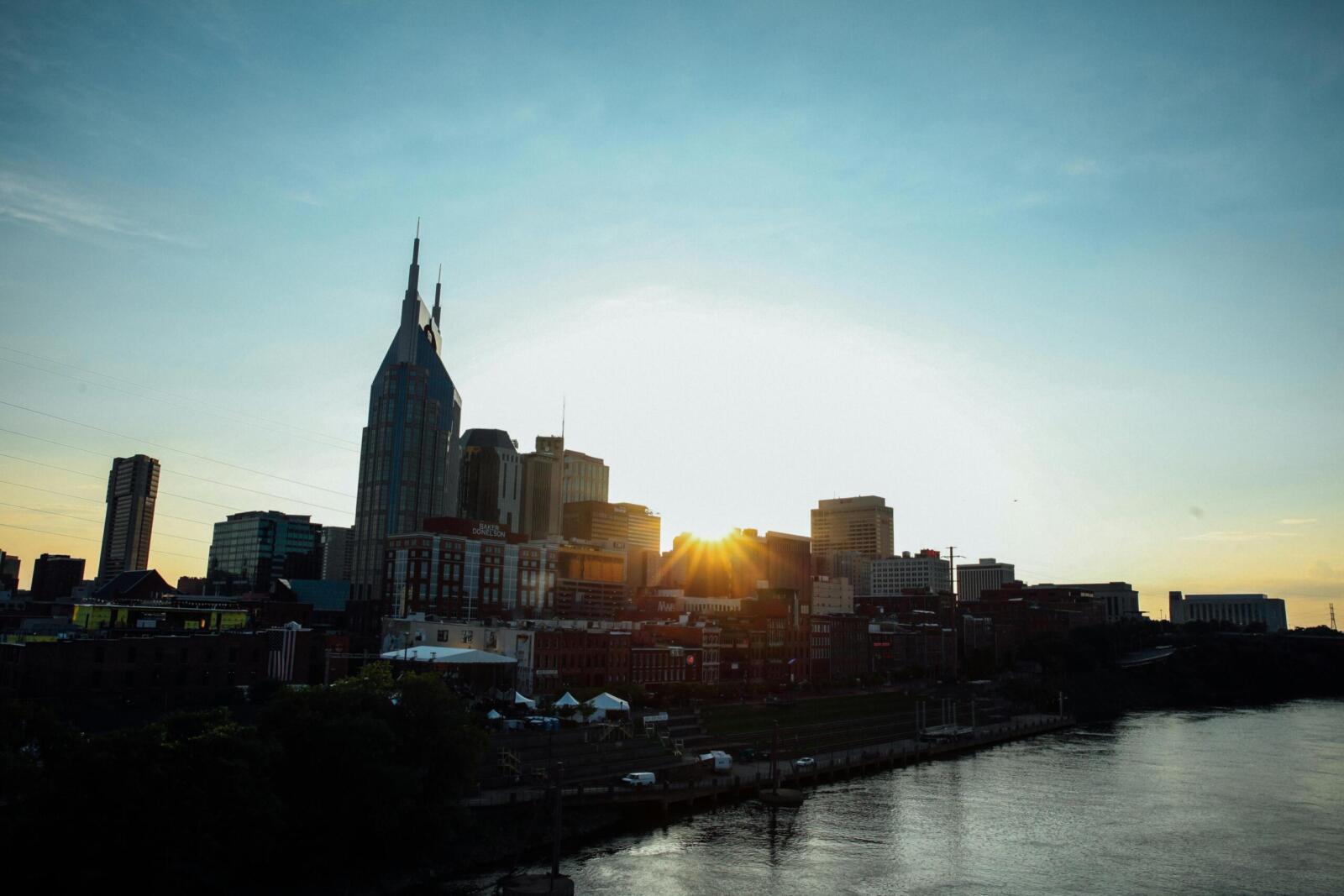
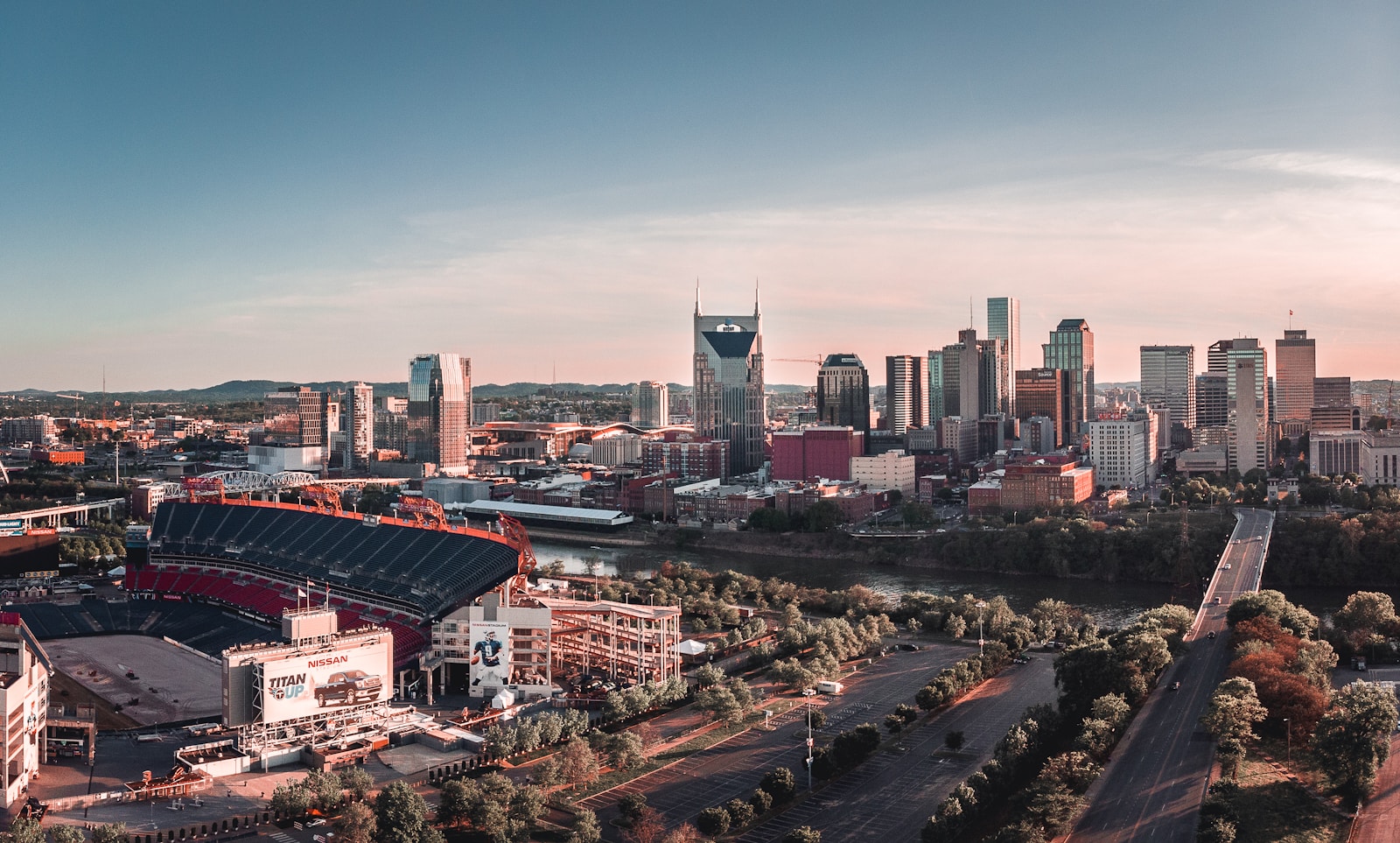
Nashville faces constant complaints from locals about the transformation of its historic music scene into a neon-lit tourist destination. Critics often mock the bachelorette party culture and the rising property taxes that have accompanied the city’s fame. Many fear the city is losing its authentic country roots to commercial interests.
Nashville is currently the crown jewel of Tennessee migration because it hits a specific sweet spot for size and opportunity. It functions as a mid-sized city that offers big-city jobs in healthcare, education, and tech. The lack of a state income tax remains a major draw for those relocating from the West Coast or the Northeast.
8. New York City, New York: The Resilient Giant
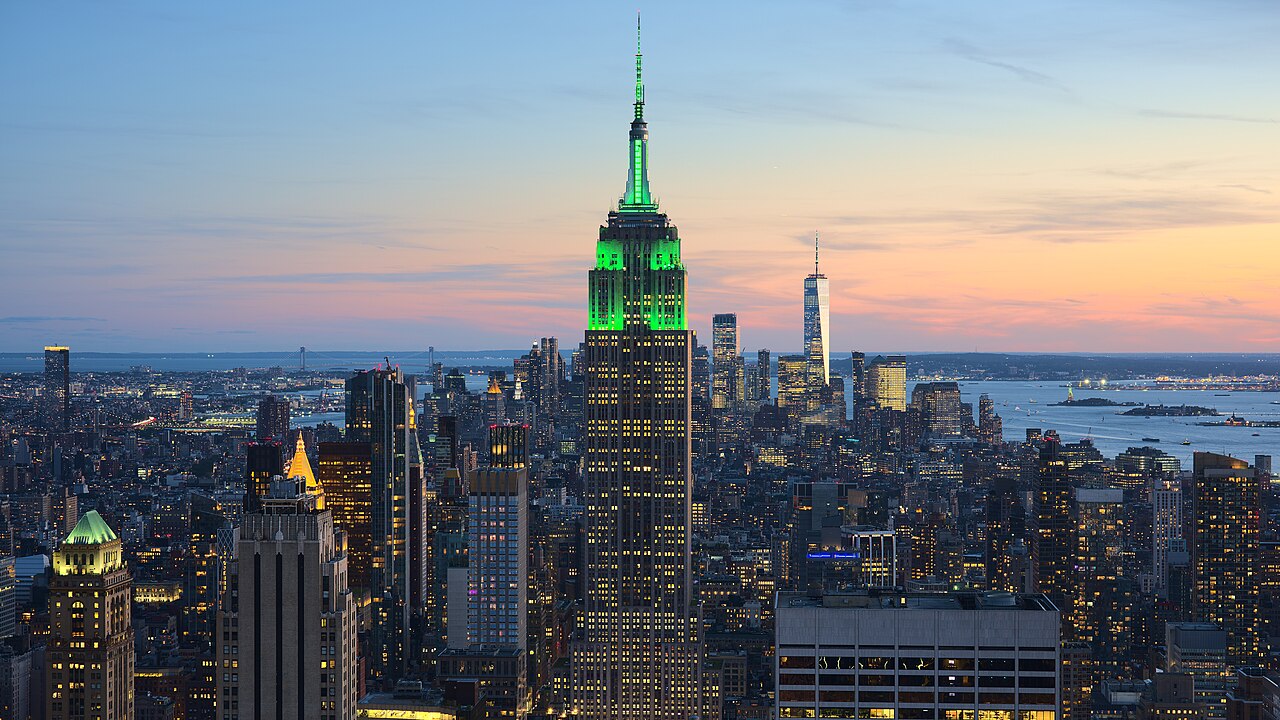
Since 2020, people have been predicting the downfall of New York City due to record-high rents and aging infrastructure. Critics claim the city has become too dirty and dangerous for families, suggesting that the era of the great American city is over. The “New York is dead” narrative has become a popular trope in social media circles.
In 2026, New York is seeing a quiet but powerful comeback. High-income households and ambitious graduates are flocking back to the five boroughs for the unmatched density of professional opportunities. There is a cultural gravity in NYC that no other American city can replicate, ensuring that the apartments never stay empty for long.
9. Los Angeles, California: The Land of Commutes
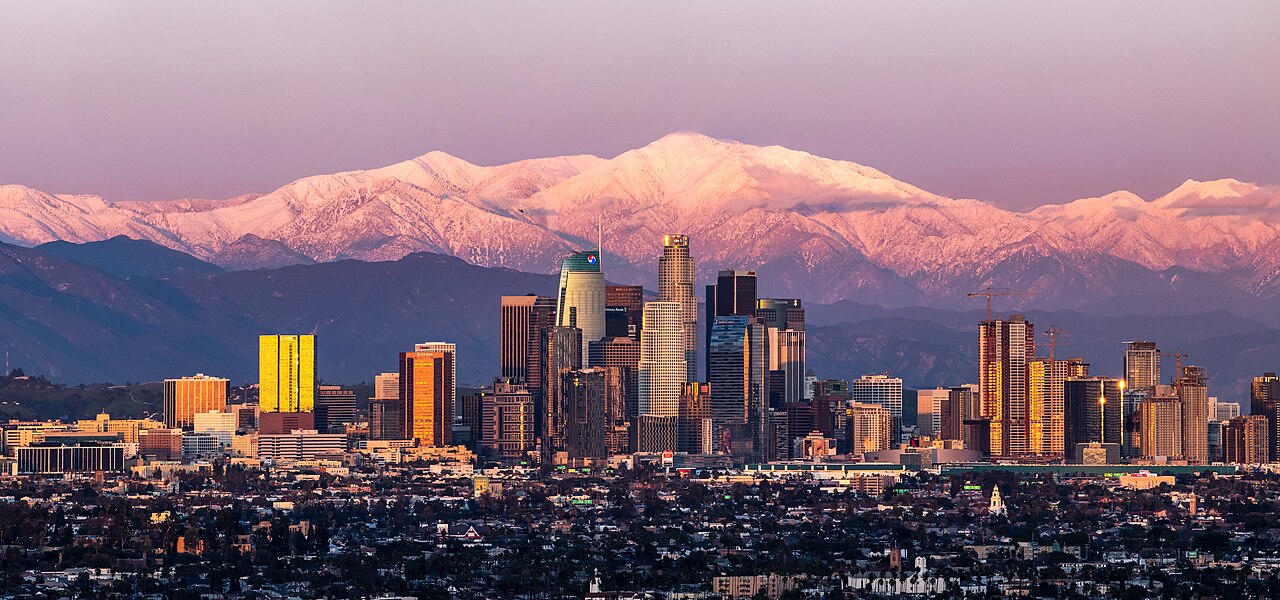
Los Angeles is the perennial target of California Exodus stories that cite homelessness and two-hour commutes as reasons to flee. Critics often describe the social environment as fake or superficial, and the high state taxes are a frequent point of contention for business owners and high earners.
Despite a high rate of out-migration to places like Vegas and Phoenix, Los Angeles still attracts hundreds of thousands of new residents annually. Its diverse economy and cultural influence ensure that it remains a focal point for those in media, aerospace, and biotechnology. The weather and geographic variety continue to be a massive draw that keeps the population robust.
10. Las Vegas, Nevada: The Desert Gamble
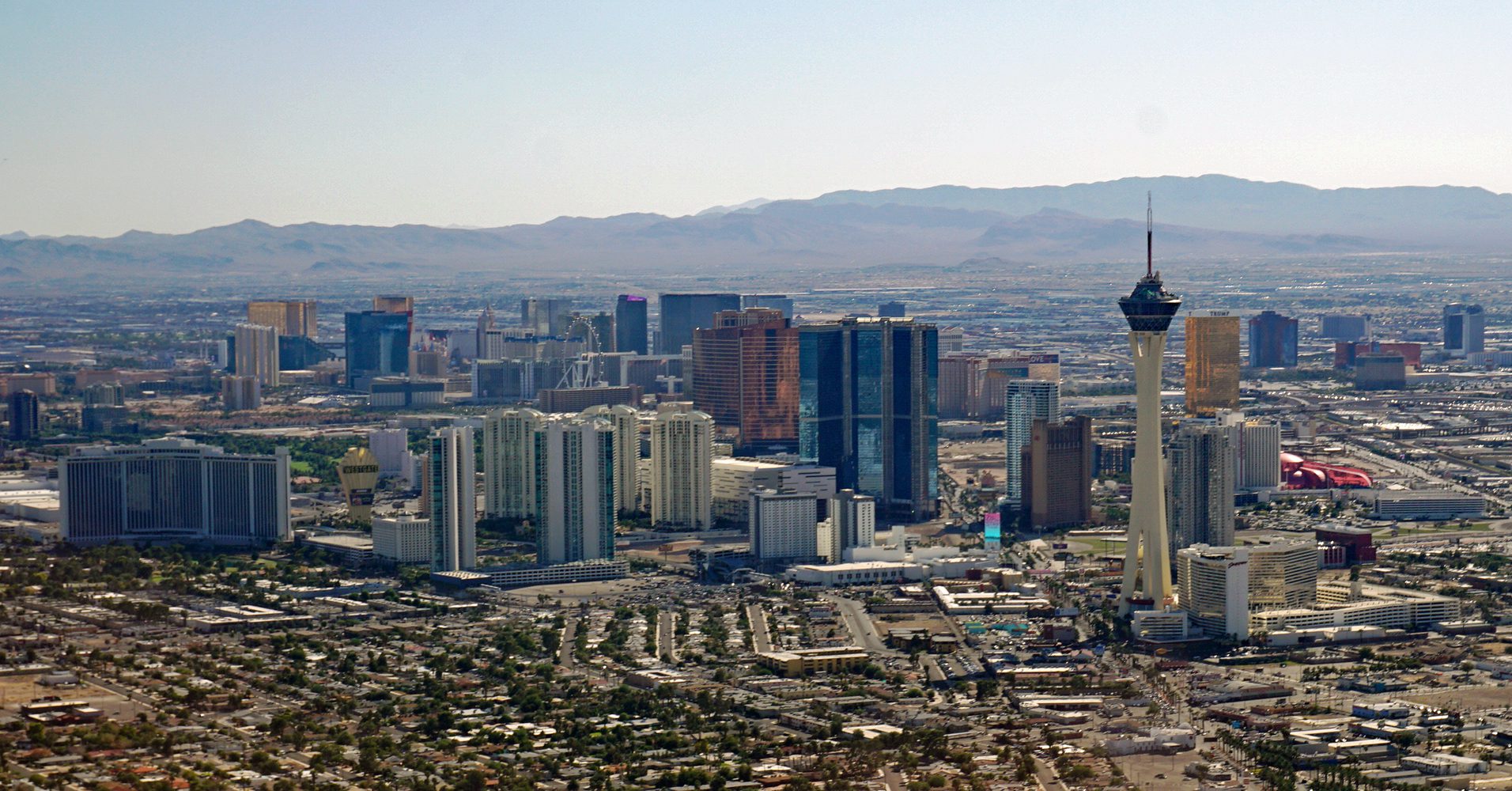
Las Vegas is often criticized for having a transient population and an economy that is far too dependent on the gambling and tourism industries. Critics point to poor rankings in public education and a lack of traditional community feeling as reasons why people should avoid moving there permanently.
Las Vegas remains one of the most popular destination cities for remote workers and retirees moving from California. The lack of state income tax and a significantly lower cost of housing compared to the West Coast keep the moving trucks coming. The city is also diversifying its economy by becoming a major sports and entertainment hub beyond the traditional casino model.
The Reality of the Criticism Loop
It is important to note that the cities receiving the most criticism are often the ones experiencing the most rapid change. When a city grows quickly, its infrastructure often strains and prices rise, which naturally generates a high volume of complaints from both locals and observers. However, the migration data suggests that as long as there is a strong job market and favorable tax conditions, people will continue to move toward these hubs regardless of the negative headlines.