For generations, the “American Dream” came with a clear blueprint: graduate, get a stable job, get married, and buy a house with a white picket fence. Homeownership wasn’t just a financial goal; it was the ultimate marker of “adulting,” a symbol of stability, success, and settling down. Yet, for a significant portion of today’s younger generations, particularly Millennials and Gen Z, that iconic checkbox has vanished from their personal “adulting” list, replaced by a more fluid, often pragmatic, and sometimes resigned set of priorities.
The reasons are complex, rooted in economic realities, shifting values, and a redefinition of what a successful, independent life truly looks like in today’s world.
1. Stable Rent Beats a 30-Year Mortgage for Many
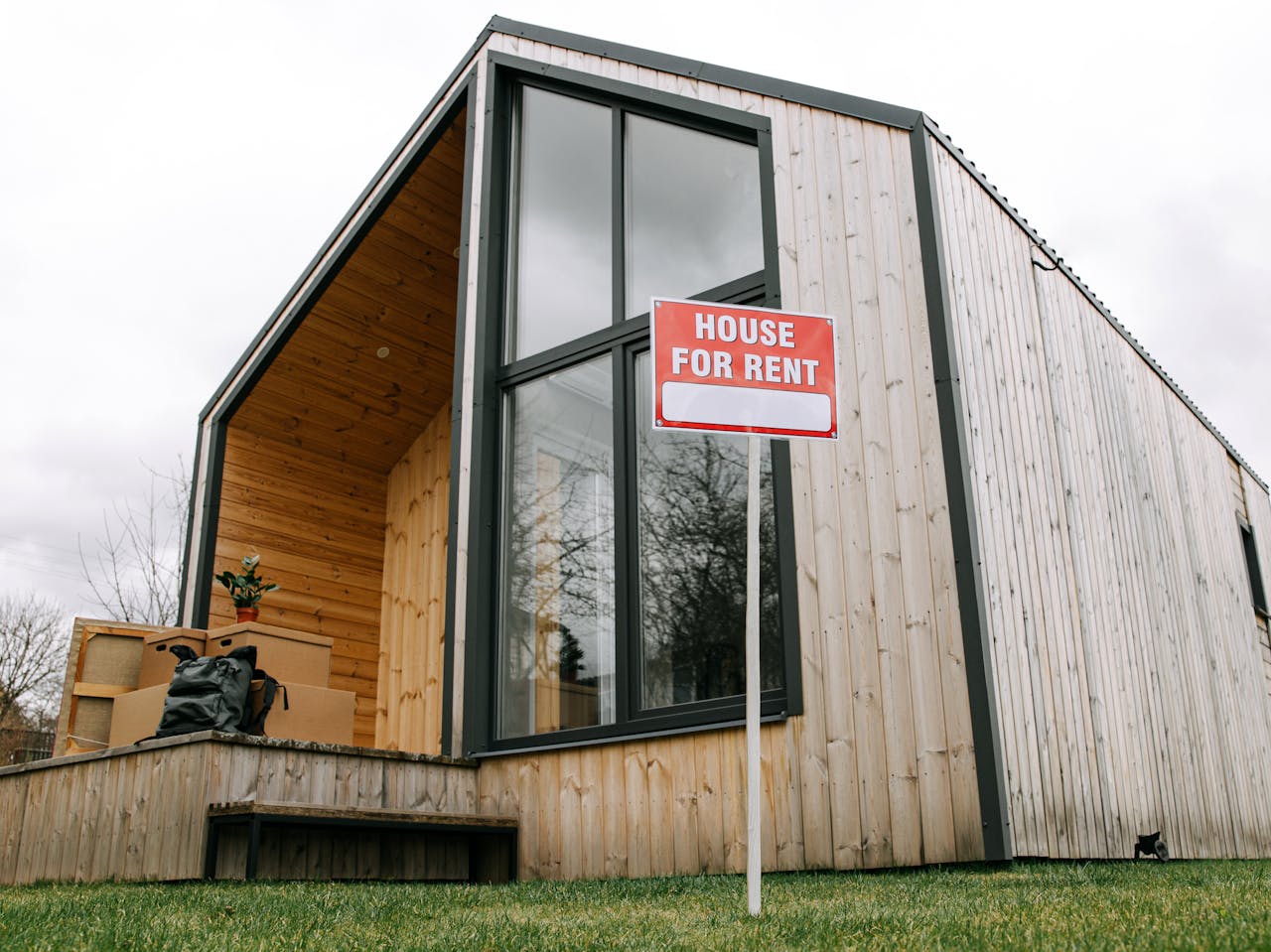
For decades, buying a home was considered the first major marker of adulthood. Now, millions of young adults see stable renting as the more realistic and less risky choice. With starter-home prices up more than 40 percent in some cities since 2020 and mortgage rates hitting levels not seen in two decades, the math simply doesn’t add up. Instead of tying themselves to a long-term loan, many prefer predictable rent, flexibility, and the ability to move when opportunities change. The shift isn’t driven by fear of commitment as older generations often assume. It’s driven by the realization that the traditional timeline doesn’t match today’s economic reality.
2. Financial Security Means Emergency Savings, Not Equity

Ask anyone under 40 what “being financially grown-up” means, and you’ll hear the same answer: a solid emergency fund. Rising medical bills, inconsistent job markets, and cost-of-living spikes make liquidity more valuable than locking money into a property they may not keep. Many young adults aim for savings goals like six months of expenses or maxing out retirement contributions because these offer practical, immediate stability. Home equity takes years to build, and the past decade’s housing volatility has made people more cautious. Today’s version of responsible adulthood is about having cash on hand, not just a deed with your name on it.
3. Career Flexibility Matters More Than Planting Roots

Remote work reshaped adulthood expectations almost overnight. Instead of building a life around a single city, many younger workers accept that career growth may come from chasing new opportunities, switching industries, or relocating often. A 30-year mortgage can feel like a trap in a world where job security isn’t guaranteed. Renting, even if imperfect, gives them the mobility modern careers demand. For this generation, “adulting” is less about planting roots and more about staying open to change. Freedom, not permanence, is the new form of stability.
4. Mental Health Is Now a Core Part of Adulthood

Older generations rarely spoke about burnout or emotional wellbeing, but today mental health sits near the top of every adulting checklist. People are choosing lifestyles that protect their minds, even if that means delaying milestones like marriage or homeownership. Working fewer hours, avoiding toxic workplaces, and choosing environments that feel healthy are now seen as signs of maturity. Many say the financial and emotional weight of a mortgage could worsen stress, not solve it. Prioritizing mental balance over traditional achievements is one of the most defining cultural shifts of adulthood today.
5. Building Community Isn’t Tied to Property Ownership

Previous generations often met neighbors, joined local clubs, and built lifelong networks through homeownership. Today community happens differently – online, through shared hobbies, in co-working spaces, or through travel. Renting doesn’t feel isolating the way it once did because community is no longer limited to a neighborhood. Many young adults find deeper connections through interest groups or virtual communities than they do through owning a house on a cul-de-sac. Belonging has become a choice, not a byproduct of buying property.
6. Experiences Carry More Weight Than Square Footage

Travel, hobbies, food, and memorable life moments take priority over owning a large home filled with things. After years of economic upheaval, many young adults realized that material milestones aren’t as fulfilling as shared experiences or personal growth. A mortgage often represents years of sacrifice and financial pressure, which means cutting back on the things that actually bring joy. The modern adulting checklist leans toward passports, concerts, and skill-building, not granite countertops or backyard upgrades. A fulfilling life matters more than a big floor plan.
7. Student Loans and High Costs Delay Big Milestones

It’s impossible to talk about the new adulting landscape without acknowledging the financial drag many young adults carry into their late twenties and thirties. Student loan debt, rising rent, inflated grocery prices, and stagnating wages make down payments feel out of reach, even for people who work hard and save responsibly. Because of this, many are reframing adulthood around goals they can genuinely achieve rather than milestones built for a different economy. Checking boxes like “pay off debt,” “start investing,” or “build a side income” now feels far more realistic and rewarding.
8. Stability Now Looks More Like Balance, Not Ownership

In the past, stability was defined by property lines and long-term commitment. Today, stability is defined by balance: a steady income, manageable expenses, time for relationships, and the freedom to pivot when life demands it. Renting, downsizing, or moving for a better lifestyle doesn’t signal immaturity, it signals adaptability. Young adults aren’t rejecting adulthood. They’re rewriting it. And the new checklist reflects a generation that understands stability isn’t something you buy, it’s something you build through choices that fit your reality.