


Backyards used to be full of improvisation, fire pits built from leftover bricks, swings tied to any sturdy branch, and electrical cords run wherever someone needed light. But local codes, wildfire rules, modern safety studies, and updated environmental laws have quietly outlawed many once-normal backyard features. Homeowners often don’t realize that certain DIY upgrades can violate national standards or void insurance coverage, even if the project seems harmless. These now-illegal additions show how quickly regulations have evolved to reduce injuries, protect neighbors, and keep ecosystems from being damaged right behind the house.
Wood Burning Fire Pits in High Fire-Risk Zones
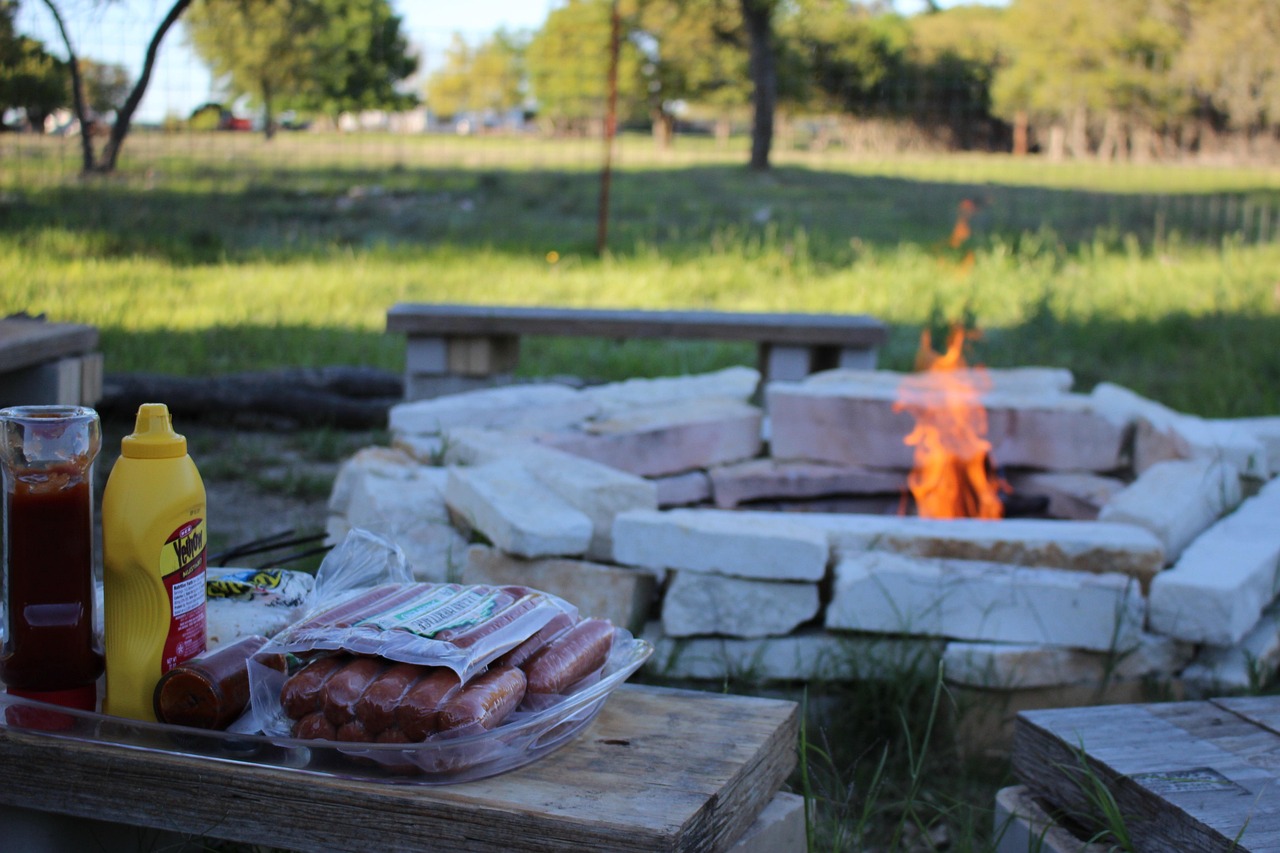
Many western states now ban wood-burning fire pits in designated wildfire zones, especially in communities bordering national forests or dry grasslands. Fire investigators report that windblown embers from backyard pits are one of the most common causes of accidental structure fires during red-flag conditions. Climate-driven drought has pushed states like California, Oregon, and Colorado to tighten restrictions, and fines can be steep, some counties require removal on short notice. Propane or natural-gas units may still be allowed, but only if they meet clearance standards and have spark-arresting features.
Above Ground Pools Without Safety Barriers
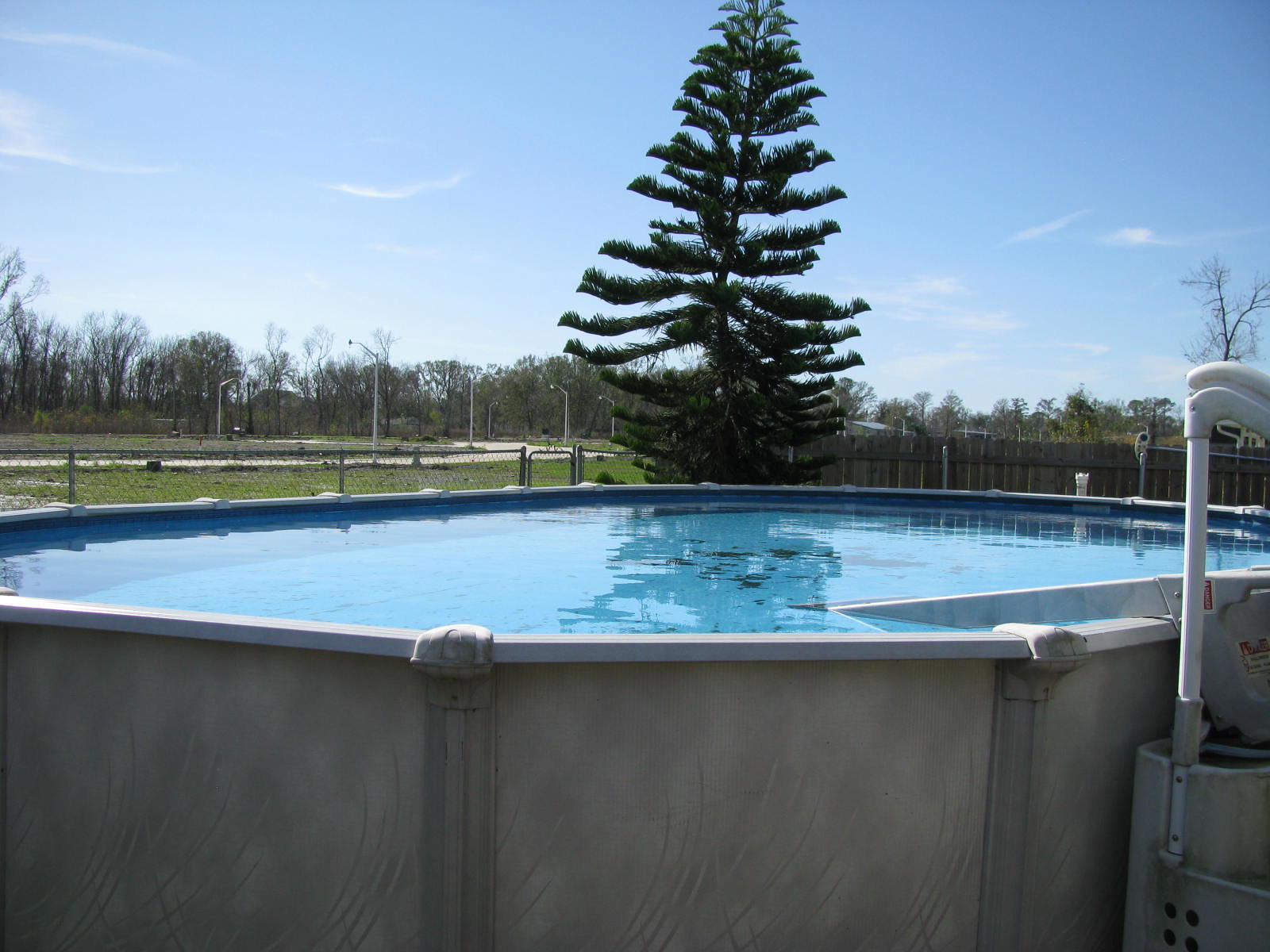
What used to be a simple summer project is now heavily regulated. The Consumer Product Safety Commission reports that most residential pool drownings involving children happen in water under two feet deep. Because of that data, many cities require fencing of a certain height, self-latching gates, and removable or lockable ladders. Installing an above-ground pool without these safeguards isn’t just illegal, it can invalidate homeowner liability insurance. Municipalities routinely issue correction orders or even force removal if safety barriers are not installed.
Homemade Play Structures Not Built to Safety Codes
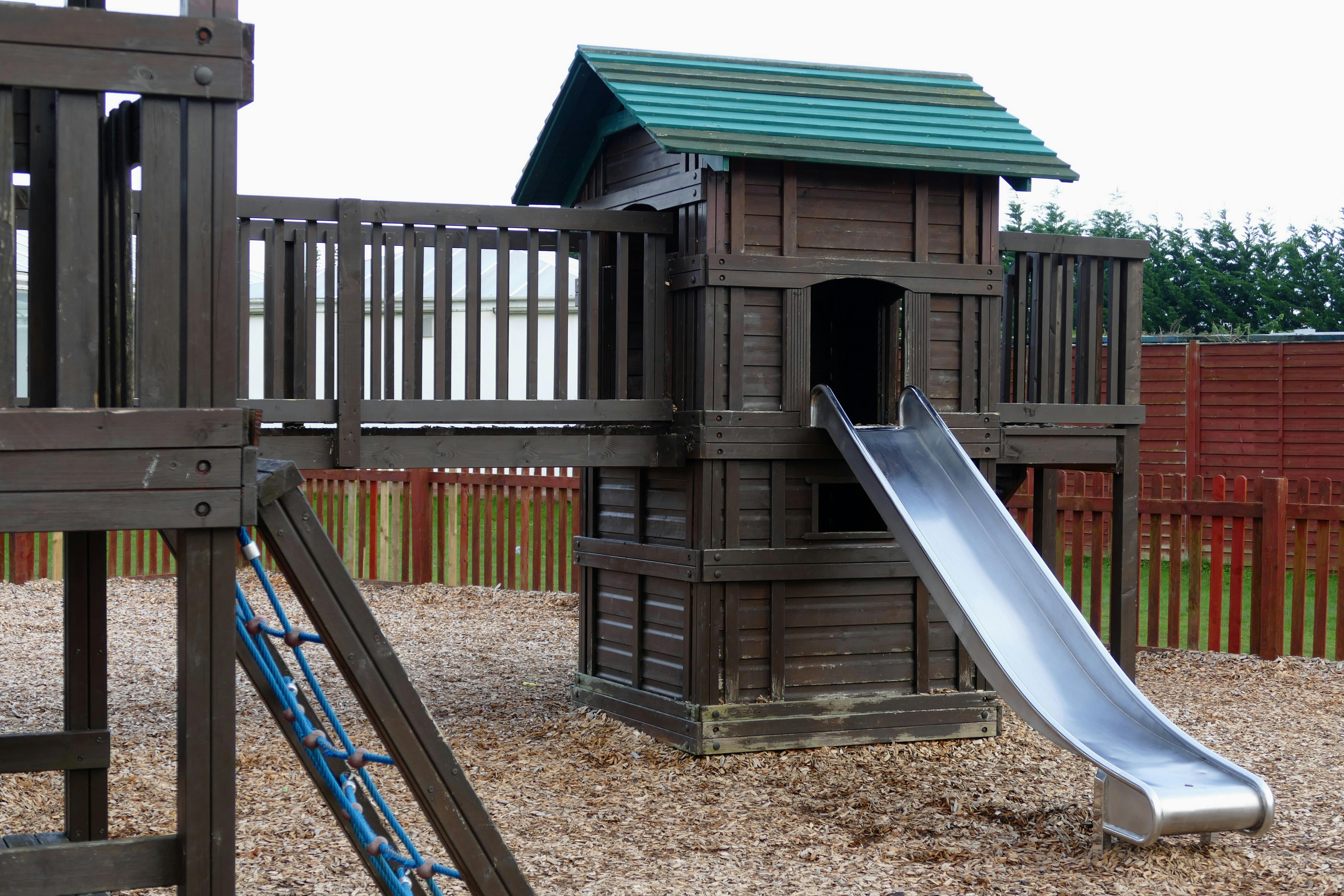
Backyard forts, rope bridges, and DIY climbing towers have become targets of local building inspectors because injury rates tied to unstable play structures remain high. Pediatric emergency departments regularly report fractures, head injuries, and lacerations from makeshift equipment. Some cities classify larger play sets as accessory buildings, meaning they must use treated lumber, anchored posts, safe-fall surfaces, and height-compliant platforms. If a structure exceeds limits or shows structural risk, it can be deemed illegal and require permitting or removal.
Septic Drainage Into Yard Soil
El gran sueño/Openverse
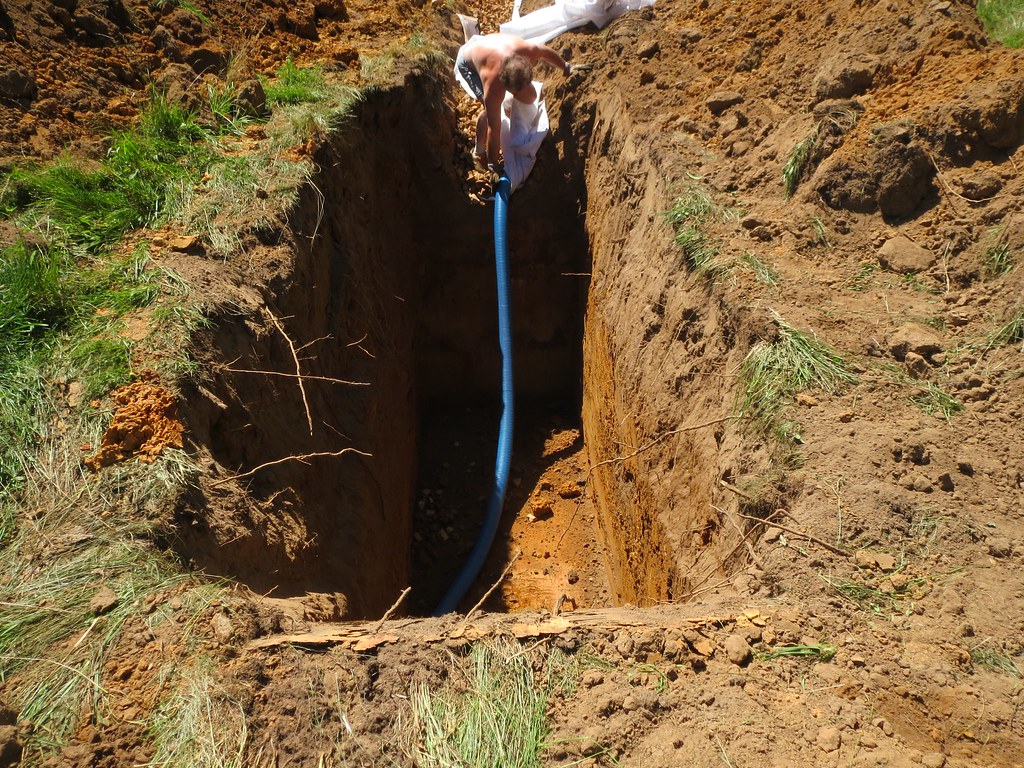
Routing graywater or septic overflow into yard soil used to be a quiet workaround for aging systems, but now it’s universally illegal. The EPA and state health departments prohibit releasing untreated wastewater because it spreads pathogens, increases nitrate pollution, and contaminates groundwater. Public health investigations have traced E. coli clusters back to illegal backyard drainage setups. Homeowners caught diverting waste can face steep fines and mandatory system replacement, especially in rural counties where groundwater wells serve whole communities.
Outdoor Electrical Outlets Installed Without Permits
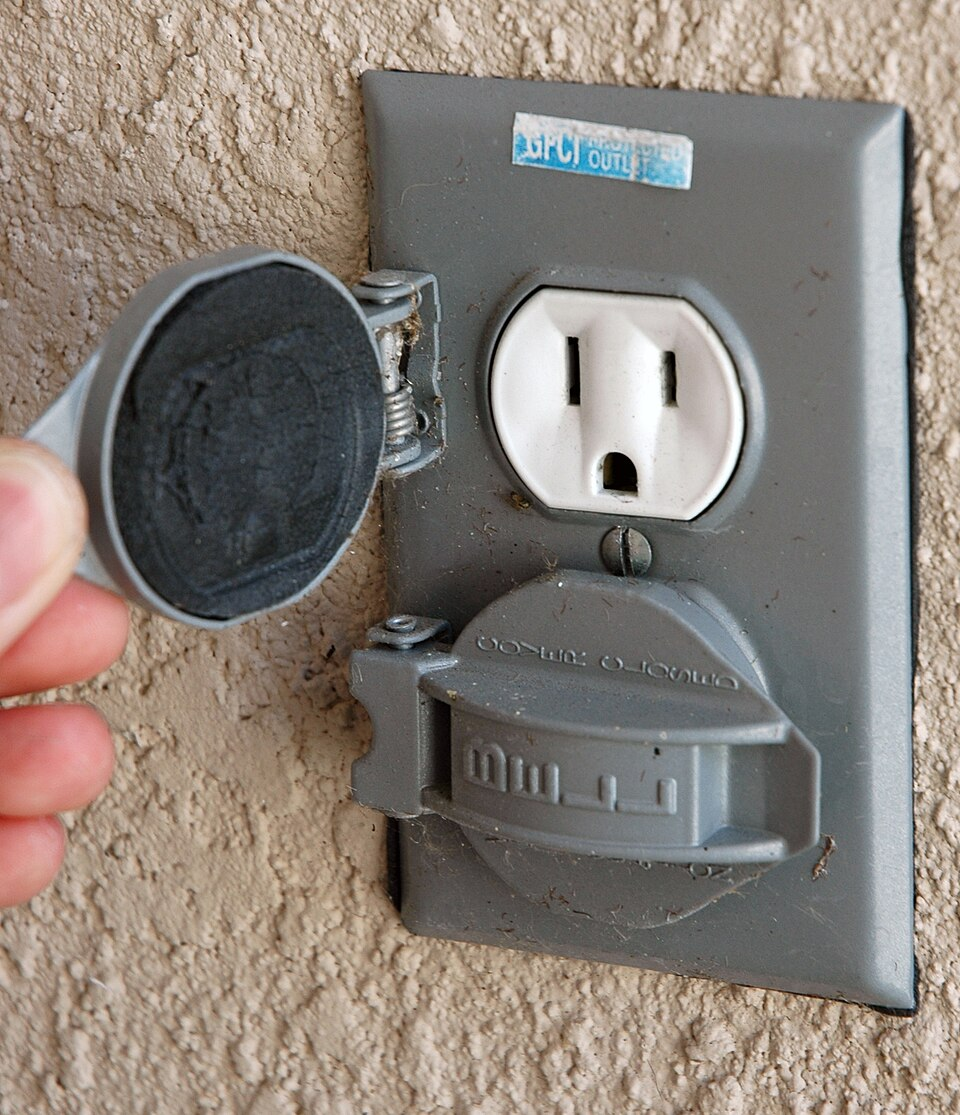
DIY wiring for patios, sheds, pond pumps, or outdoor lighting is illegal in many places when not installed to National Electrical Code standards. Electrical-related insurance claims are frequently denied if investigators find unpermitted work or non-GFCI outlets exposed to weather. Outdoor wiring must be buried at regulated depths, encased in conduit, and fully inspected, anything less is considered unsafe. Homeowners are often surprised to learn that even a simple outlet box mounted outside can violate local rules without paperwork.
Pesticide Storage Sheds Without Compliance

Pesticides and fertilizers fall under federal hazardous material rules, meaning they must be stored in ventilated, secure, spill-protected spaces. Backyard sheds that lack ventilation or child-resistant locks violate EPA label requirements. Poison control data shows thousands of accidental exposures each year tied to improperly stored lawn chemicals. Some counties classify non-compliant storage as an environmental hazard, giving inspectors the authority to issue fines or demand immediate cleanup.
Rainwater Diversion That Impacts Neighboring Drainage
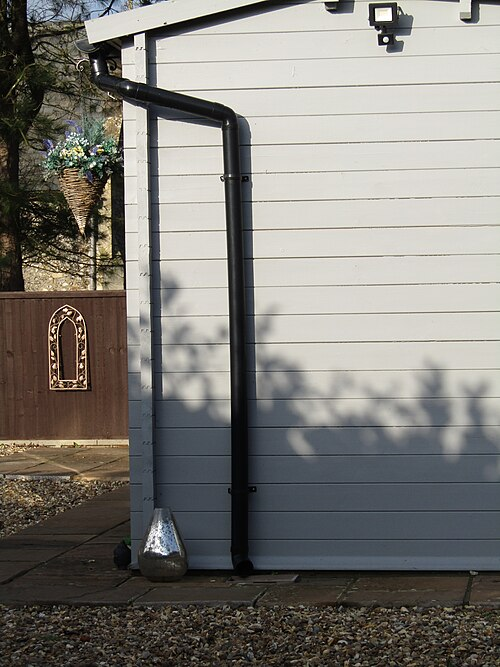
Collecting rainwater is legal in many states now, but redirecting runoff in a way that floods a neighbor’s yard is not. Civil drainage laws require homeowners to maintain natural water flow, and improvised trenches, berms, or French drains can lead to erosion, retaining-wall damage, or basement flooding on adjacent properties. Cities can issue fines, and neighbors can pursue civil action if improper backyard modifications redirect stormwater onto their land.
Outdoor Kitchens Using Non-Certified Gas Lines

Outdoor kitchens have become popular, but many are illegal if built without approved gas installations. Fire marshals warn that improperly buried or flexible lines running from the house to an outdoor grill or burner are a frequent source of leaks, explosions, and carbon monoxide incidents. Most states require licensed installation, pressure tests, and inspections, without them, insurance companies may deny claims for fire damage. Homeowners often learn too late that a DIY gas hookup violates code.
Backyard Animal Enclosures Violating Zoning Rules
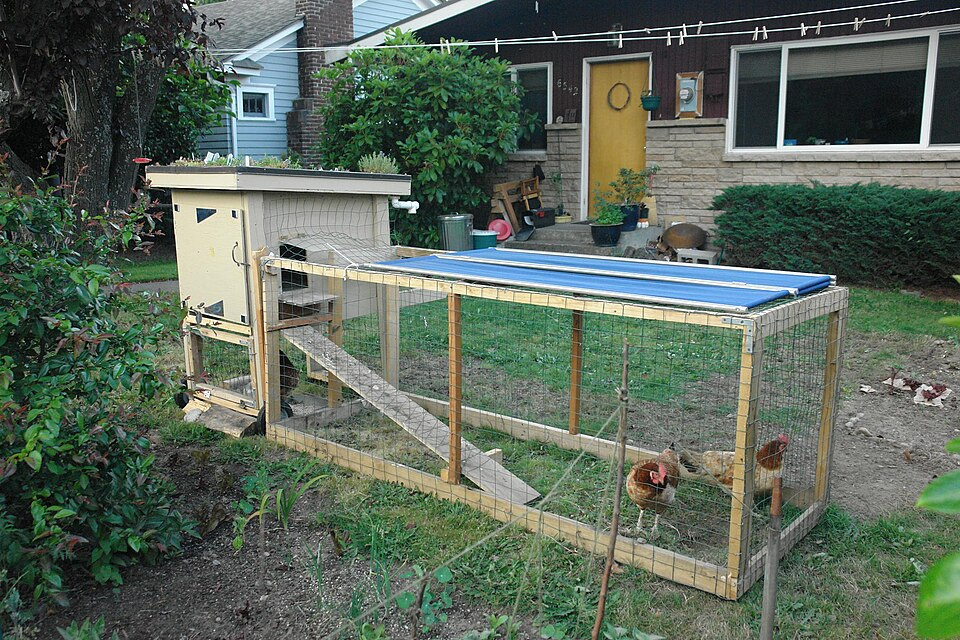
Urban and suburban areas now strictly regulate backyard livestock. Chickens, goats, and other animals must meet setback requirements, sanitation rules, and sometimes annual permits. Health departments track complaints about noise, waste runoff, and rodent activity tied to unregulated backyard animals. Violations can lead to forced removal of the animals, fines, and property inspections to ensure cleanup, especially in dense neighborhoods where runoff can impact multiple households.
Sunken Trampolines Installed Without Permits
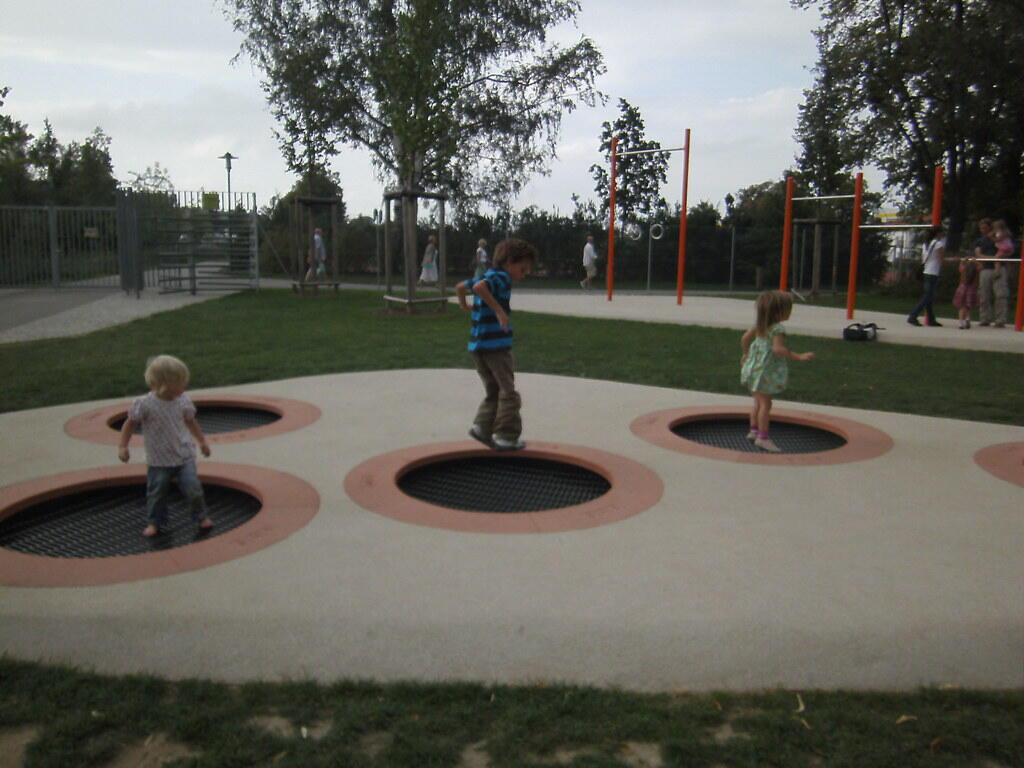
In-ground trampolines look safer, but many cities classify them as permanent structures requiring excavation permits, drainage systems, and retaining walls. Poorly constructed pits can collapse, flood, or become mosquito breeding grounds. Structural engineers warn that unsupported soil around the pit can give way, leading to injuries. In many areas, homeowners must either apply for compliance retroactively or fill in illegal pits entirely.
