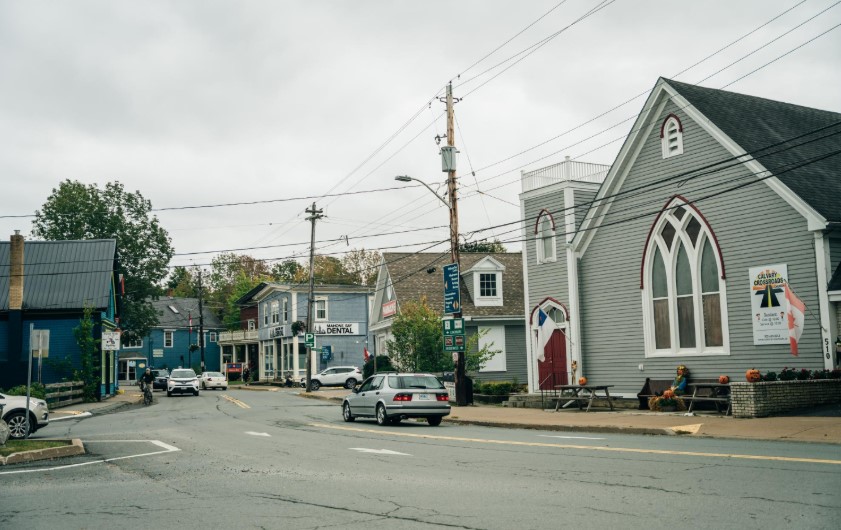
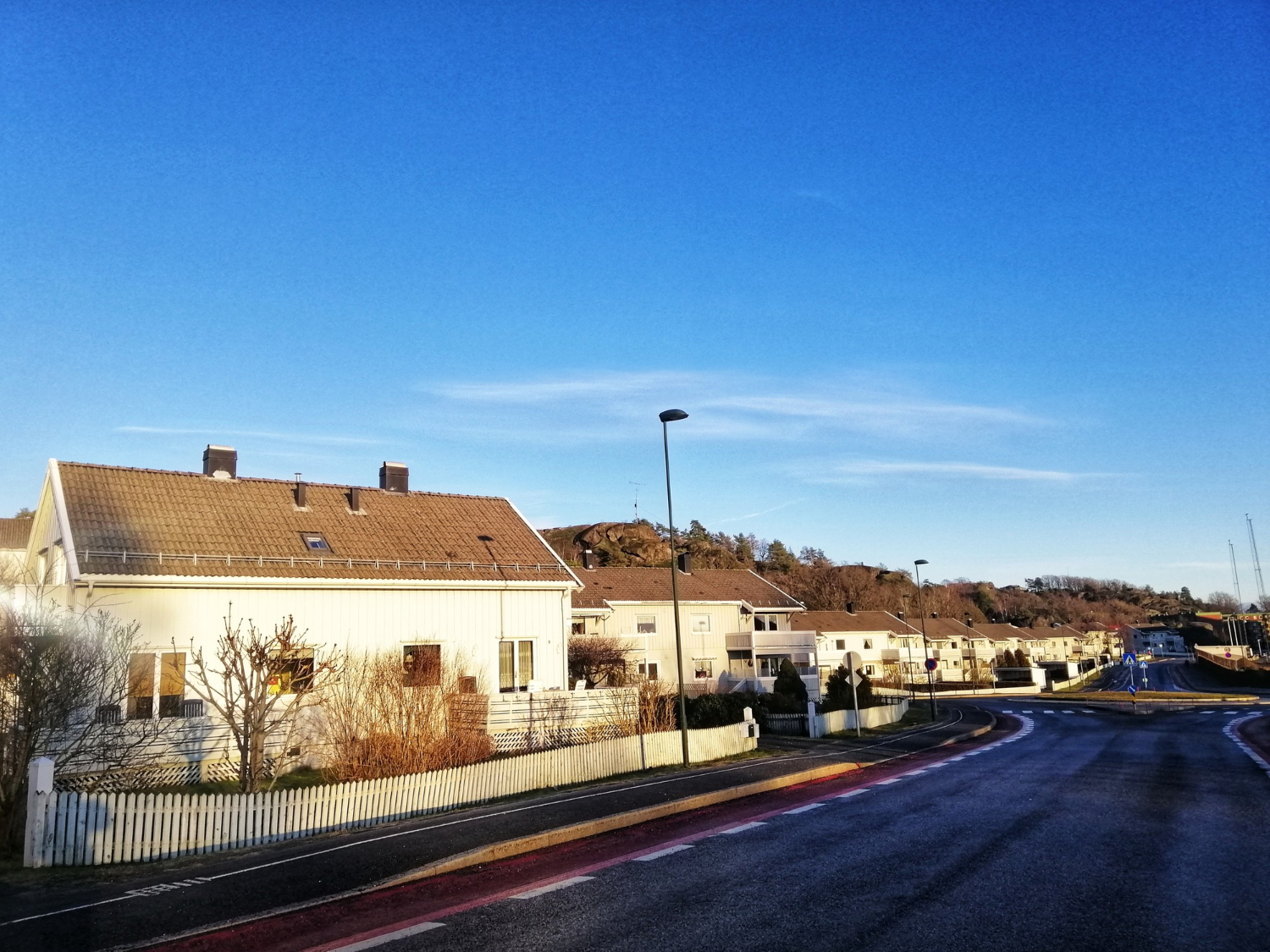
The roughly 60 million Americans who live in rural areas and small towns — about 18 percent of the U.S. population — frequently encounter a specific set of assumptions, comments, and questions from people raised in cities and suburbs. Some are condescending. Some are well-meaning but reveal misunderstanding. Some are simply tired clichés that small-town Americans have heard hundreds of times. The comments reflect a broader cultural gap between urban and rural America that has widened over the past several decades. None of these comments is necessarily offensive in isolation, but each one tends to land poorly with people who are proud of where they come from and tired of having their communities mischaracterized. Here are fifteen things you should avoid saying to someone from a small town in America — and what the comment reveals about the assumptions behind it.
The urban-rural cultural divide in America is real and well-documented, and much of the friction comes from urban and suburban Americans making assumptions about small-town life that small-town residents find inaccurate or condescending. The comments below are the ones small-town Americans report hearing most frequently and finding most grating. Understanding why each one lands poorly helps bridge the cultural gap rather than widening it.
1. “There’s nothing to do there, right?”
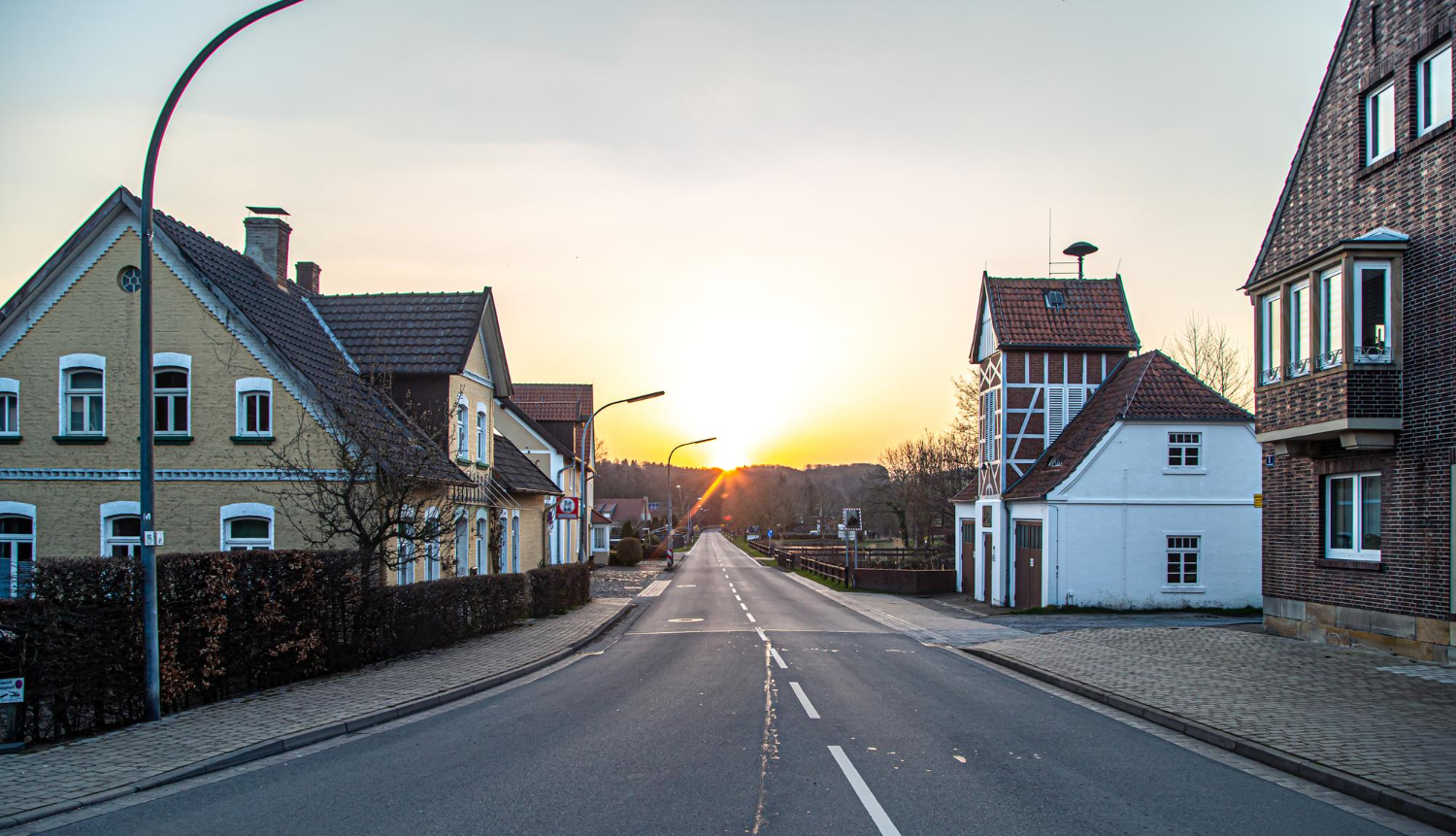
This is perhaps the most common comment small-town Americans hear, and it reveals an assumption that entertainment means commercial urban amenities. Small-town residents typically respond that there is plenty to do — it just looks different. Hunting, fishing, hiking, community sports, church activities, volunteer organizations, local festivals, and a rich social fabric of people who actually know each other. The comment reveals an inability to imagine fulfillment outside of urban consumer culture.
2. “How do you live without [a specific store/restaurant/amenity]?”
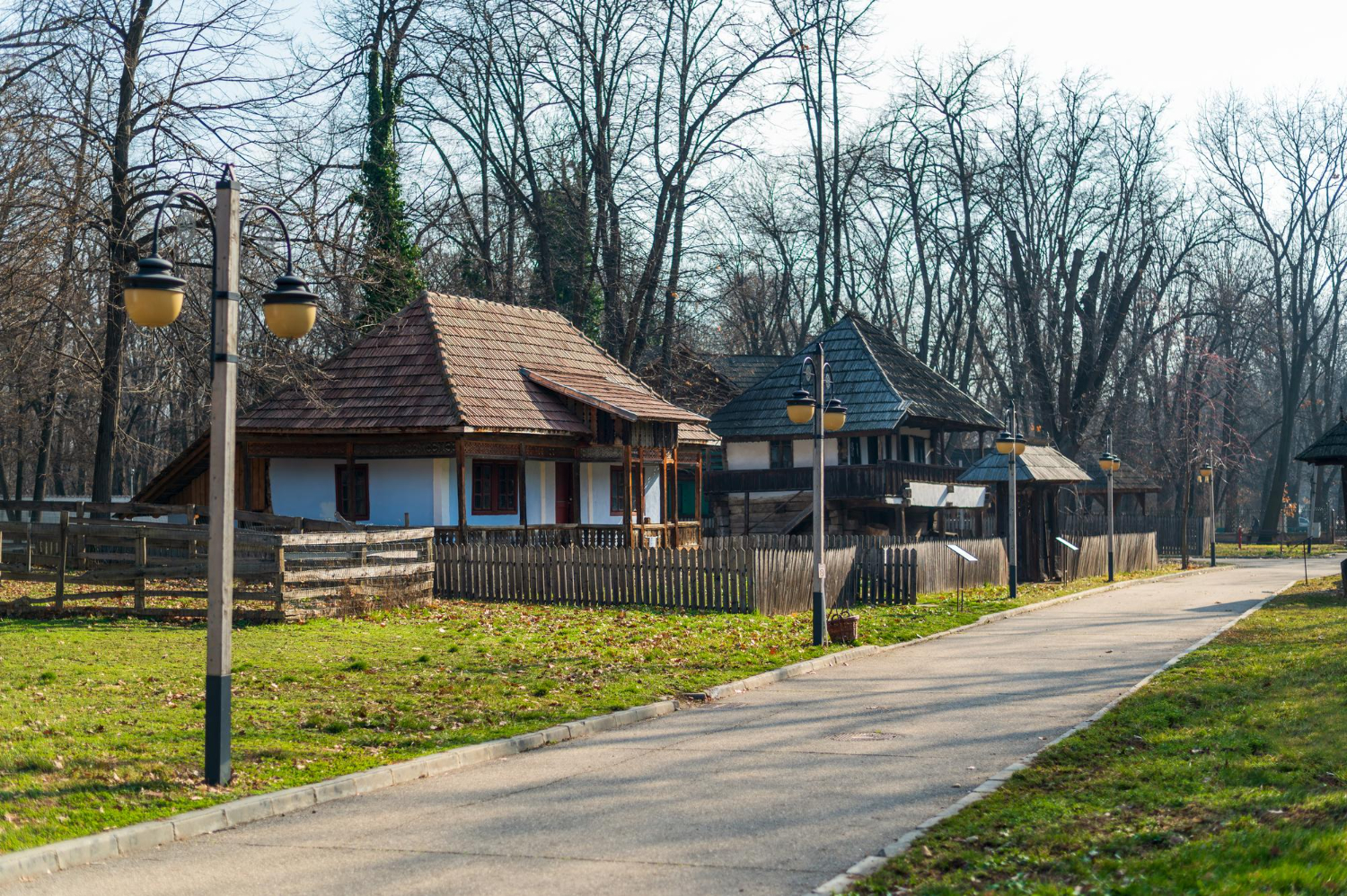
Whether it’s a specific coffee chain, a department store, or a particular cuisine, this comment assumes that urban amenities are necessities. Small-town residents generally find this faintly insulting — they live perfectly well, thank you, and frequently note that they can drive to the city when they actually want something specific, while enjoying lower costs, less traffic, and more space the rest of the time.
3. “Everyone must know everyone’s business.”
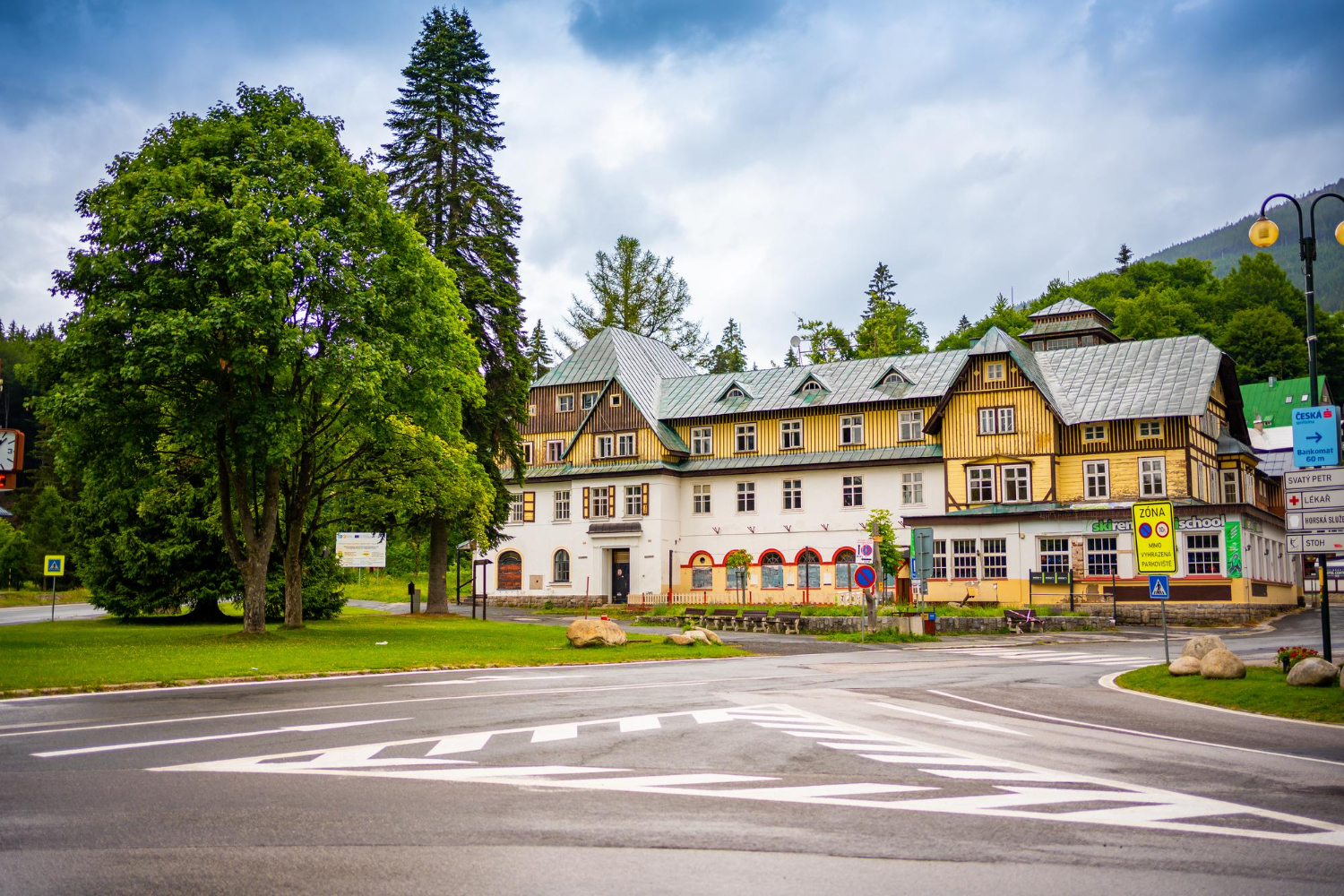
While it’s true that small towns have less anonymity than cities, this comment frames a feature as a bug. Many small-town residents value the fact that their neighbors know them, look out for them, and would notice if something was wrong. The comment reveals an urban assumption that anonymity is preferable to community. Small-town residents often counter that they’d rather be known than be a stranger in a crowd of millions.
4. “Isn’t it kind of… backward?”

This is the comment that lands worst of all. The implication that small-town people are less sophisticated, less educated, or less worldly is deeply insulting and frequently inaccurate. Small towns contain doctors, engineers, business owners, veterans, artists, and people with rich life experiences. The “backward” assumption reveals more about the speaker’s prejudice than about the town.
5. “Why would anyone choose to live there?”
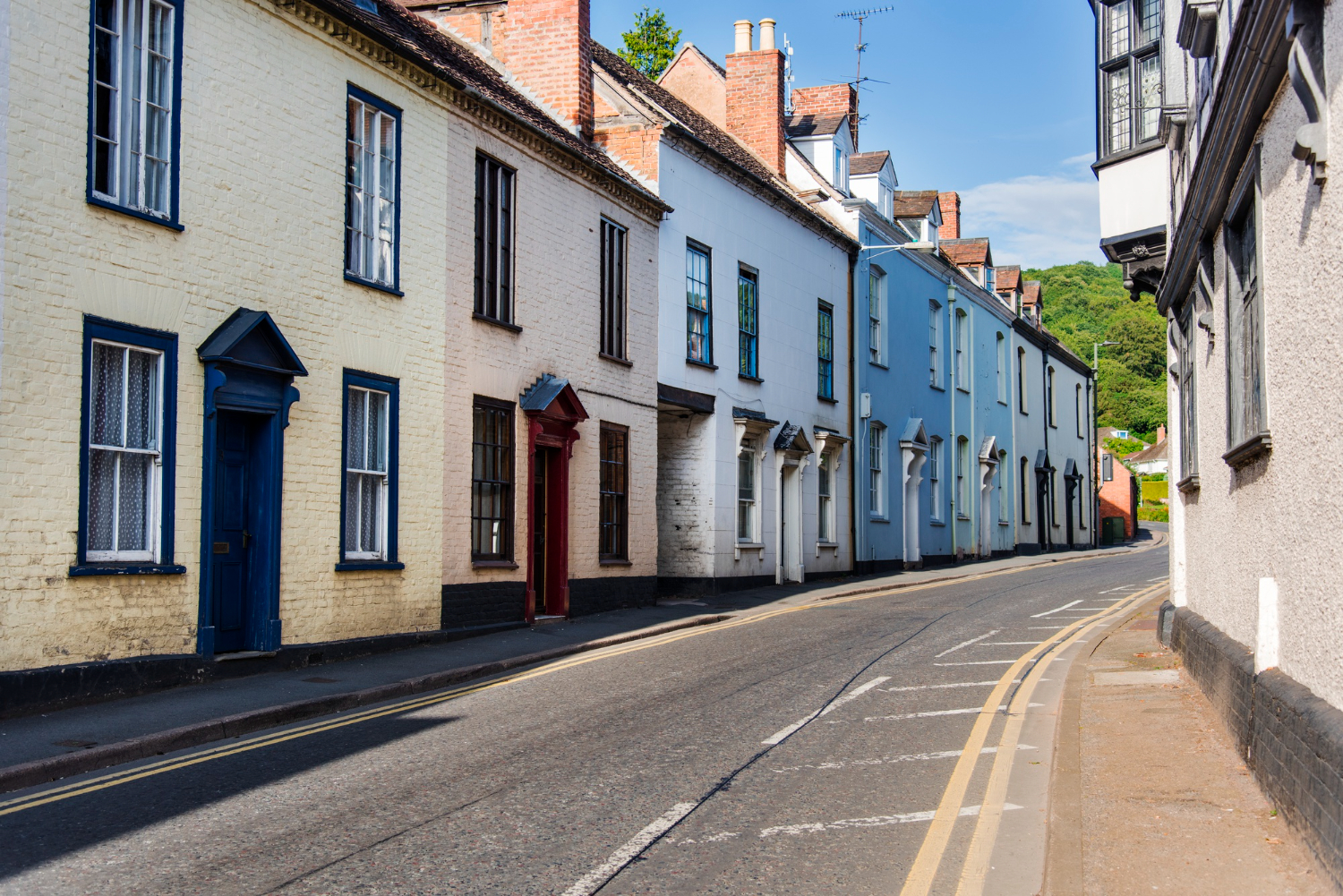
This question, even when asked with genuine curiosity, frames small-town life as something that requires justification. Small-town residents typically have clear answers — the cost of living, the pace of life, the community, the connection to land and nature, the safety, the ability to raise children in a known environment — but the question itself implies that urban life is the default and rural life is the deviation requiring explanation.
6. “It must be so boring.”
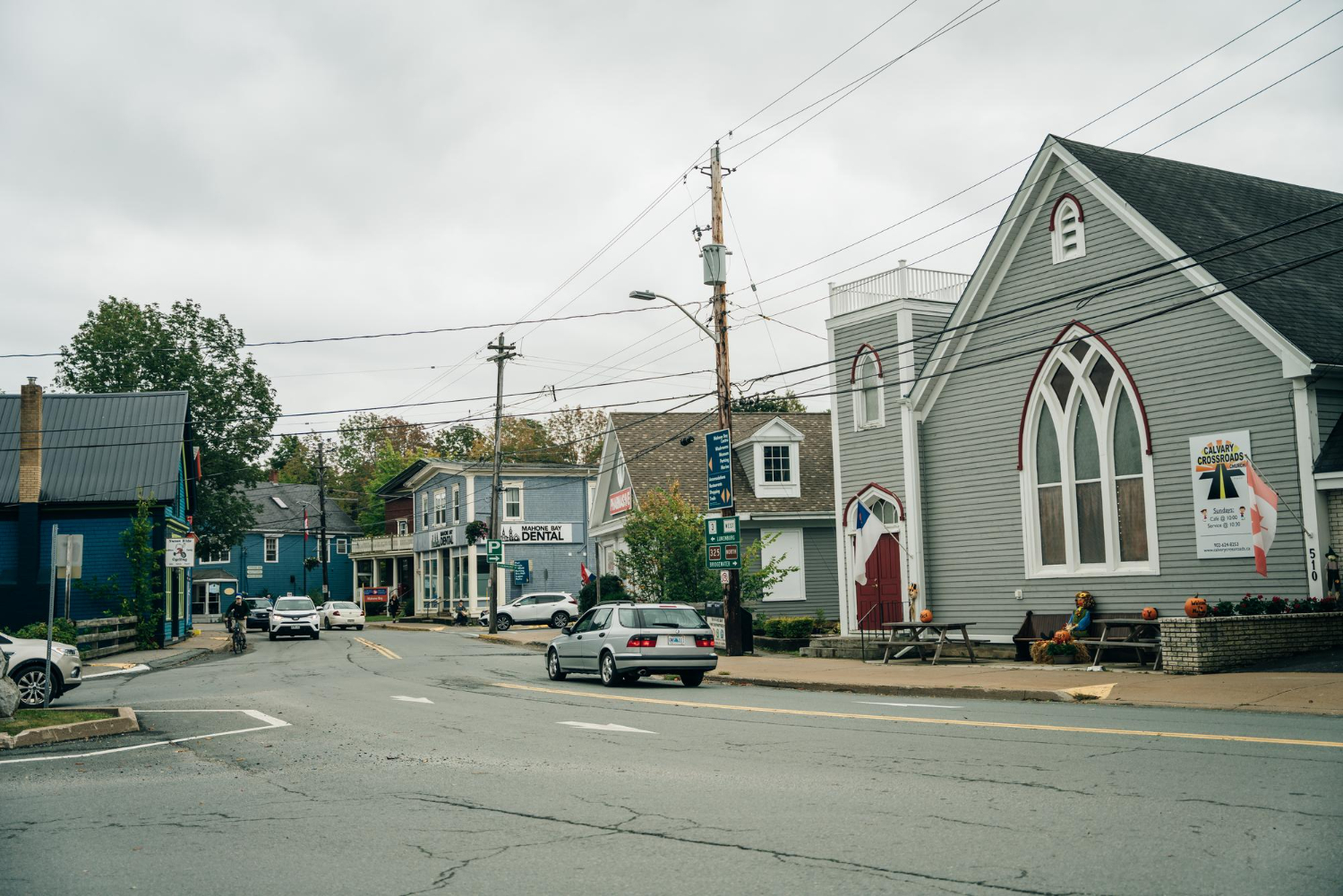
Closely related to “nothing to do,” this comment reveals the speaker’s inability to value the rhythms of small-town life. Small-town residents frequently note that their lives are full — with work, family, community involvement, outdoor activities, and the kind of deep local relationships that urban life often lacks. “Boring” is in the eye of the beholder, and small-town residents generally don’t experience their lives that way.
7. “Do you even have [internet/cell service/modern amenities]?”
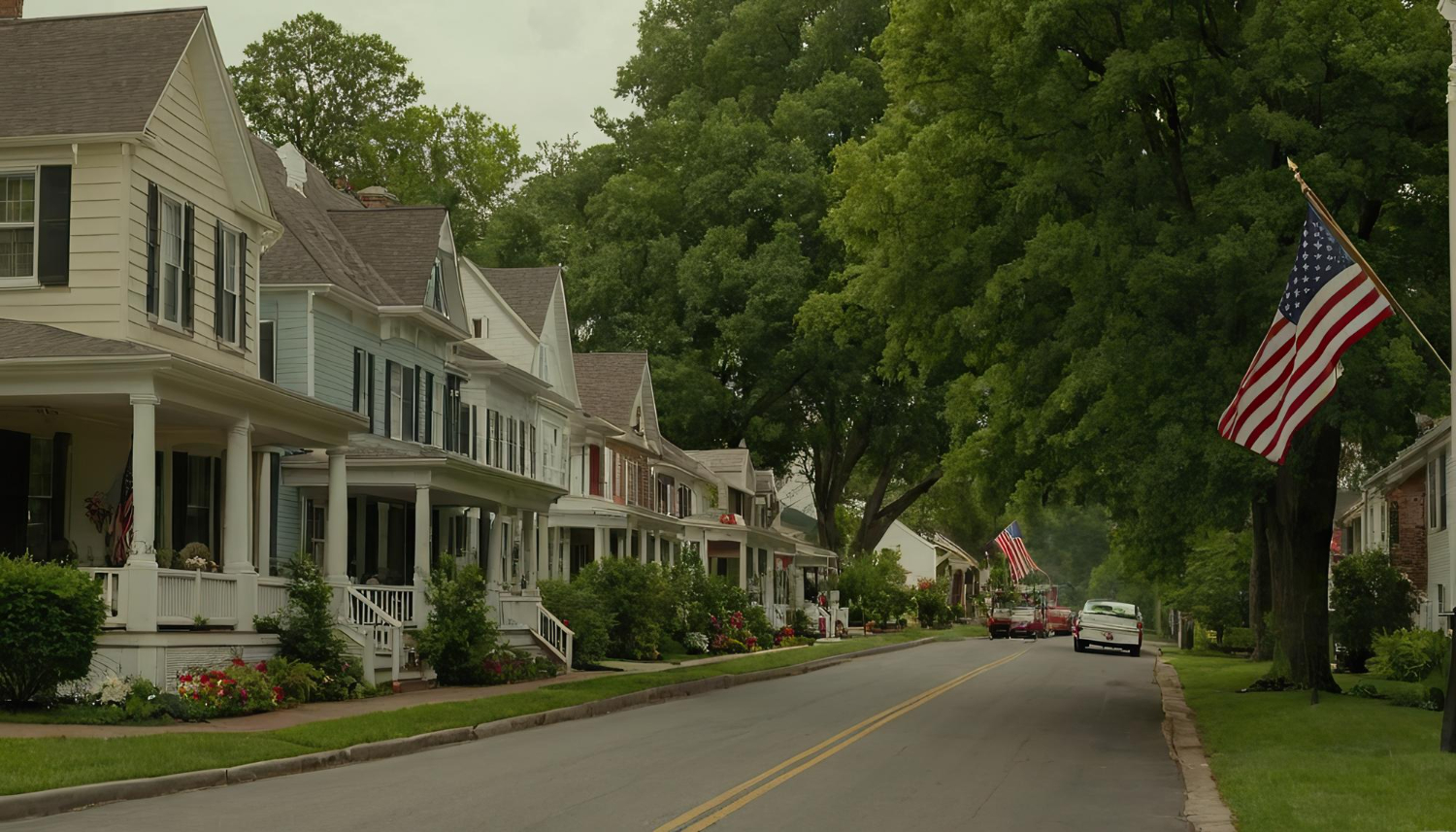
This comment assumes small towns are technologically backward. While rural broadband access remains a genuine challenge in some areas, most small-town Americans have the same smartphones, streaming services, and connectivity as anyone else. The assumption that small towns are stuck in the past technologically is both inaccurate and condescending.
8. “I could never live somewhere that small.”
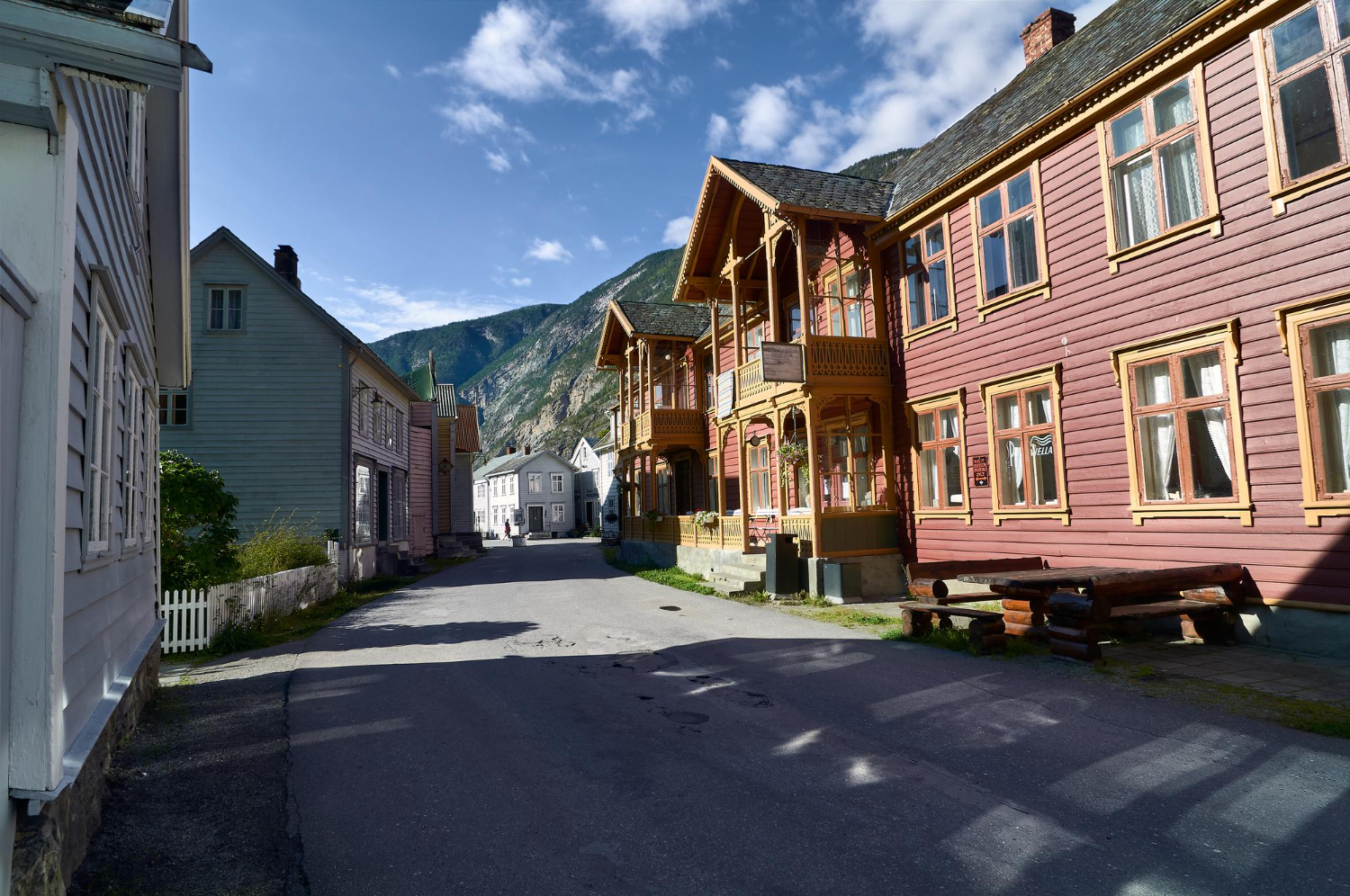
While this is framed as a statement about the speaker rather than the listener, it still implies that the small town is deficient. Small-town residents have heard it countless times and recognize the subtle judgment. A more graceful version simply acknowledges different preferences without implying that one choice is superior.
9. “Everyone there must be [a political stereotype].”
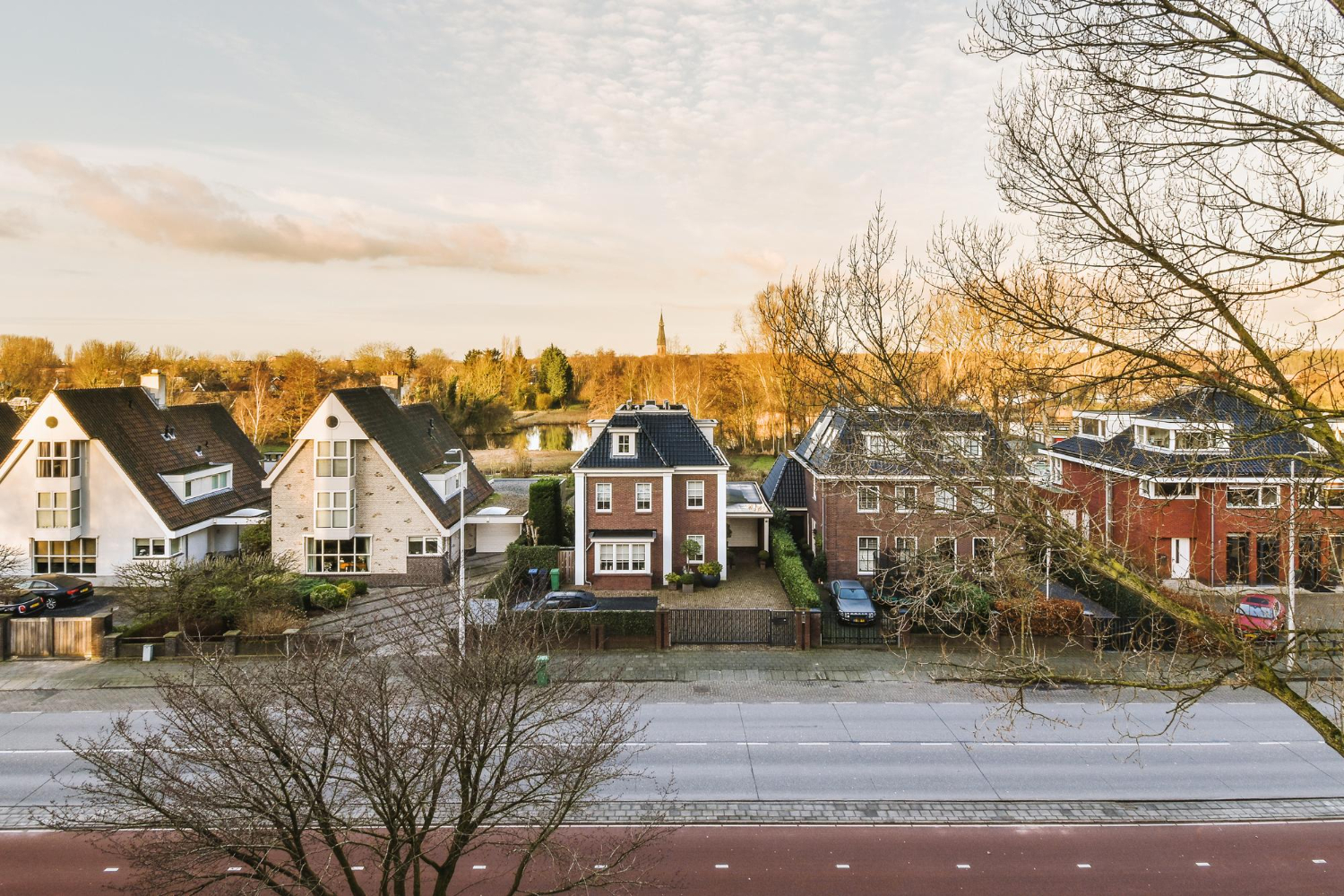
Assuming that everyone in a small town holds a particular political view — in either direction — is both inaccurate and insulting. Small towns contain a range of political views, and residents are tired of being reduced to a monolithic stereotype based on their geography. The assumption flattens real people into a caricature.
10. “Did you grow up on a farm?”

While some small-town residents did grow up on farms, many did not — small towns include people in every profession. The assumption that small-town equals farm reveals a limited understanding of rural and small-town America, which includes manufacturing towns, college towns, resort towns, county seats, and many other types of communities.
11. “It must be hard to find good [food/coffee/culture].”

This comment assumes that small towns lack quality. Many small towns have excellent local restaurants, distinctive regional food traditions, surprising cultural assets, and a strong sense of place. The assumption that quality only exists in cities reveals an urban bias that small-town residents find both inaccurate and tiresome.
12. “Why don’t you just move to the city?”
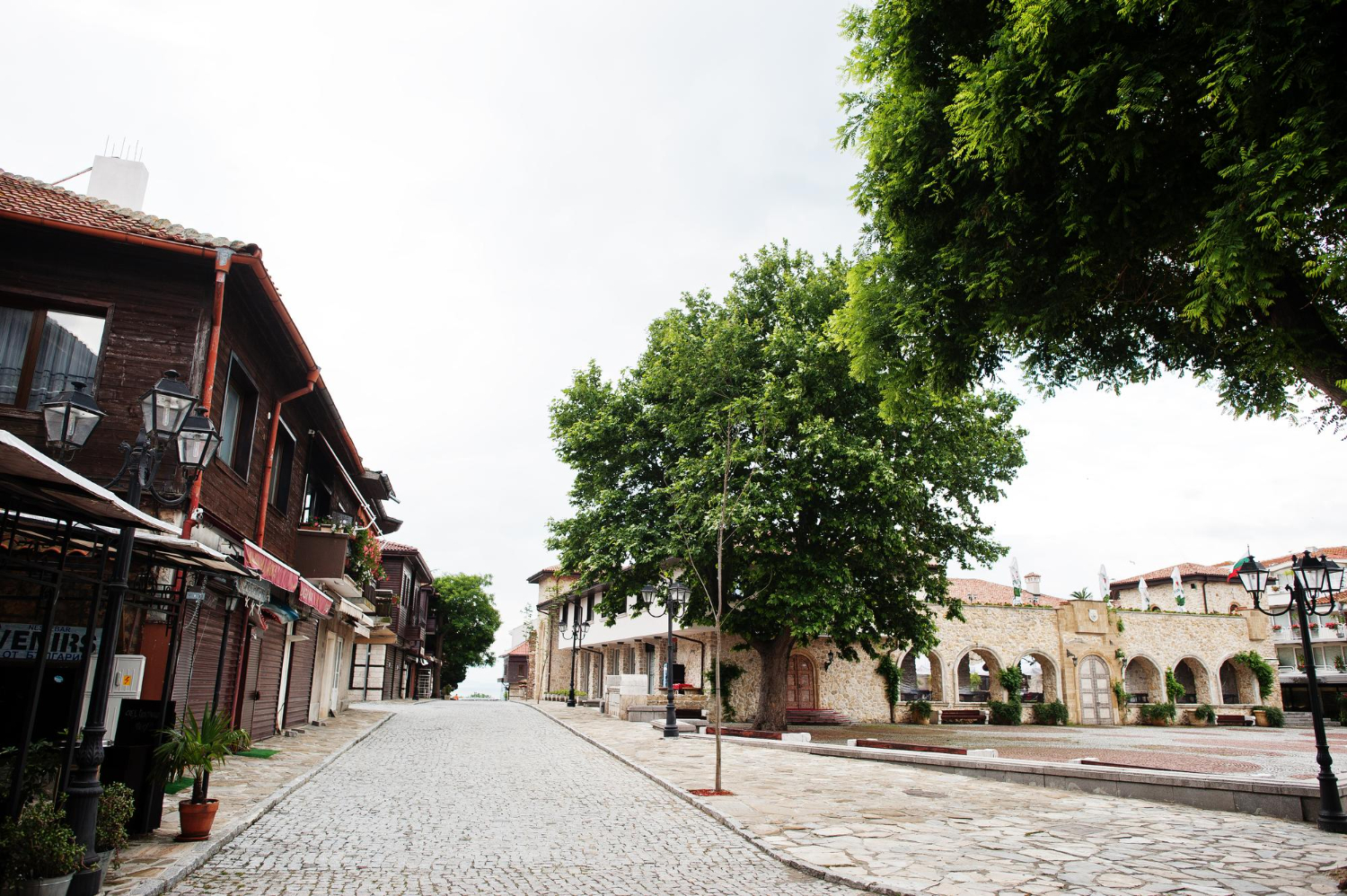
This question, often asked when a small-town resident mentions any challenge, assumes that the obvious solution to any problem is relocation to an urban area. It dismisses the deep reasons people choose to stay — family, community, heritage, cost, preference — and frames small-town residence as a temporary condition to be escaped rather than a deliberate choice.
13. “Everyone must be related to everyone.”
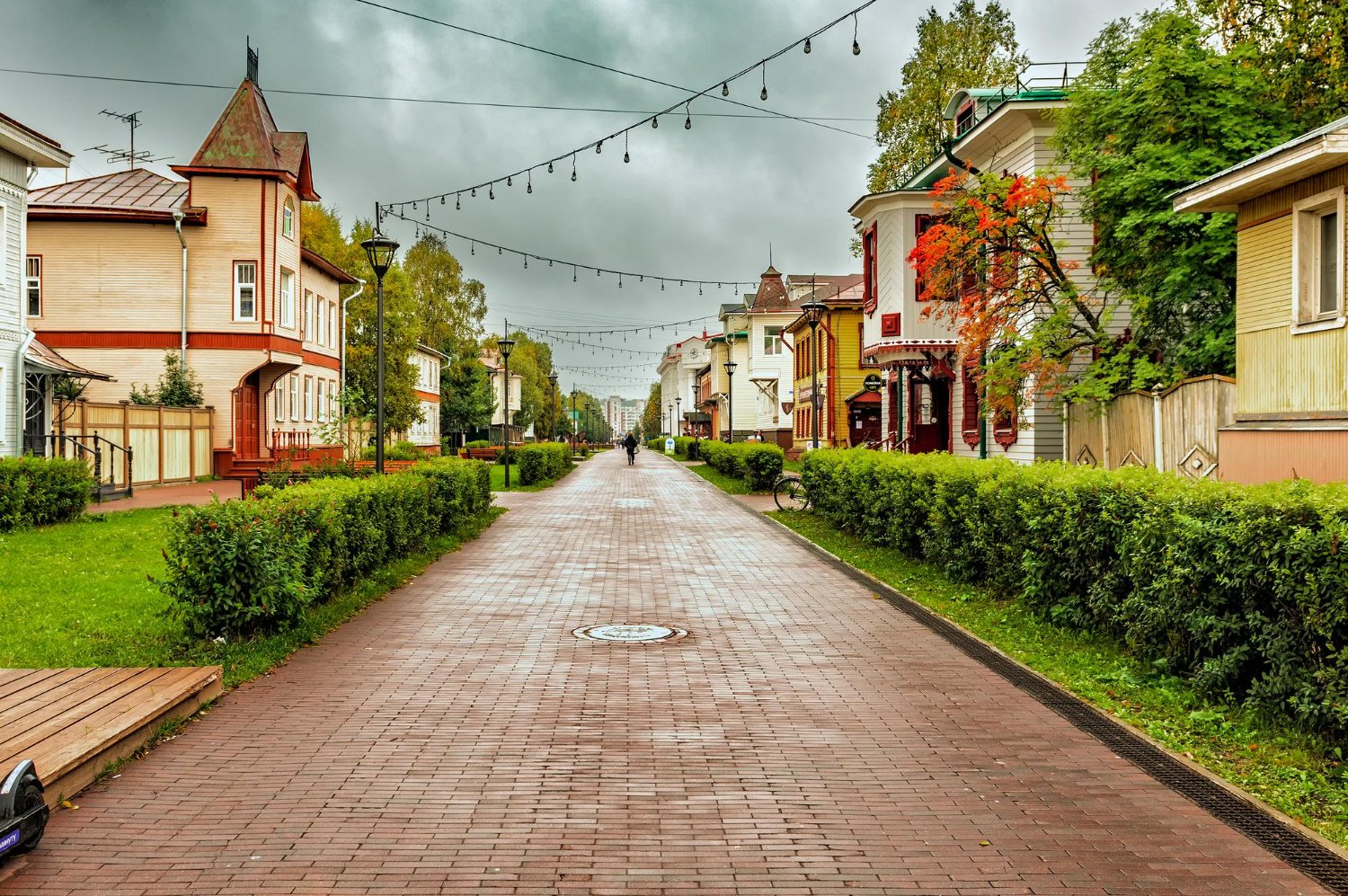
While small towns do have multi-generational families and intertwined relationships, this comment (sometimes delivered with a hint of an inbreeding joke) is genuinely offensive. It reduces a real community to a crude stereotype and reveals a contemptuous attitude toward rural people that small-town residents pick up on immediately.
14. “I’m surprised you’re so [educated/sophisticated/well-traveled].”

This backhanded compliment, expressing surprise that a small-town person could be accomplished, is among the most insulting things one can say. It reveals that the speaker held a low expectation based purely on geography. Small-town residents who have achieved education, professional success, or wide travel experience find the surprise itself to be the insult.
15. “What do you even do for fun out there?”
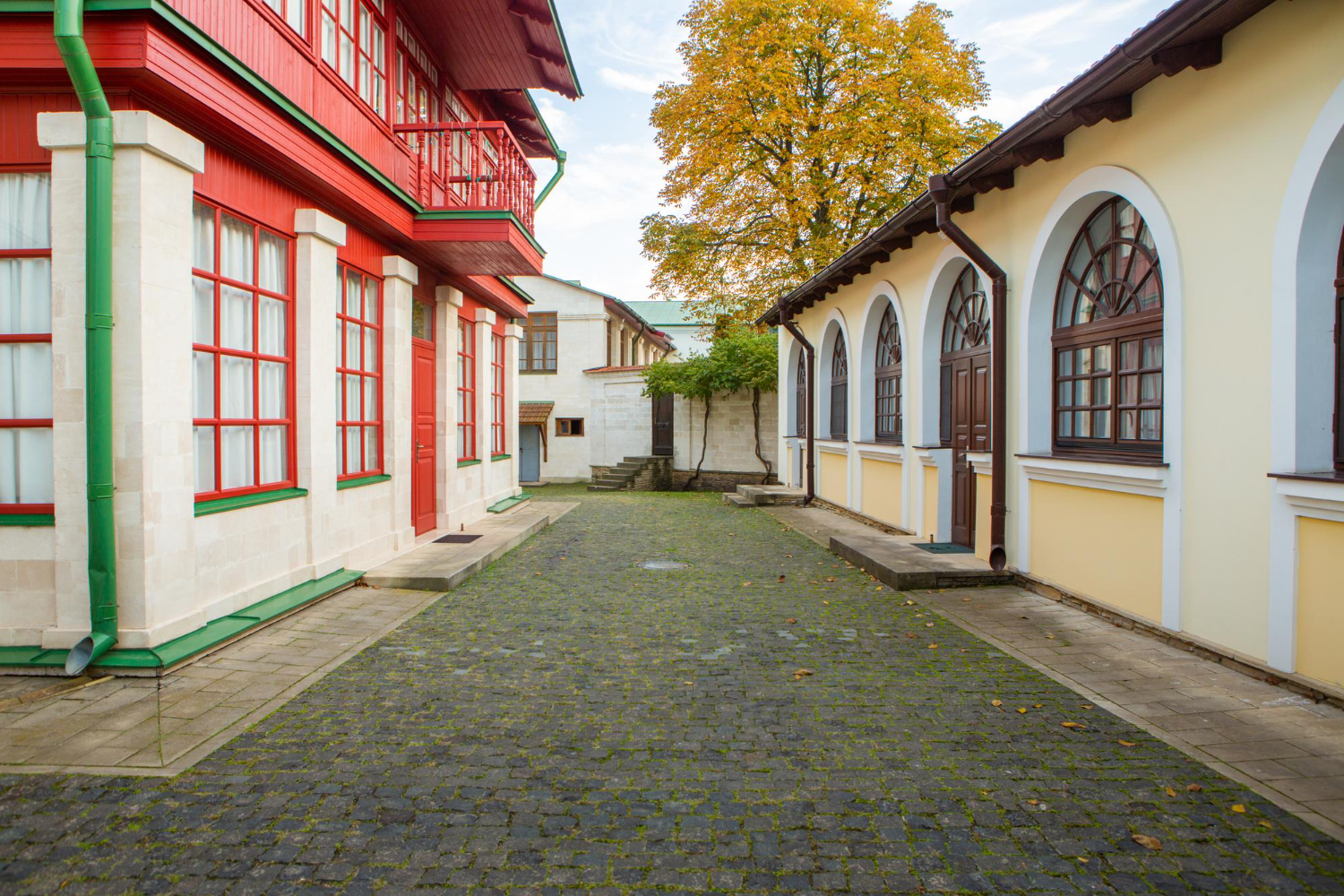
The recurring theme — that small-town life lacks fun, activity, or fulfillment — appears in many forms, and this is one of the most common. Small-town residents have rich answers, but the repeated need to defend the fundamental validity of their way of life against urban assumptions is itself the grating part. The question, asked enough times, communicates that the asker simply cannot conceive of a fulfilling life outside the city.
Bridging the Gap
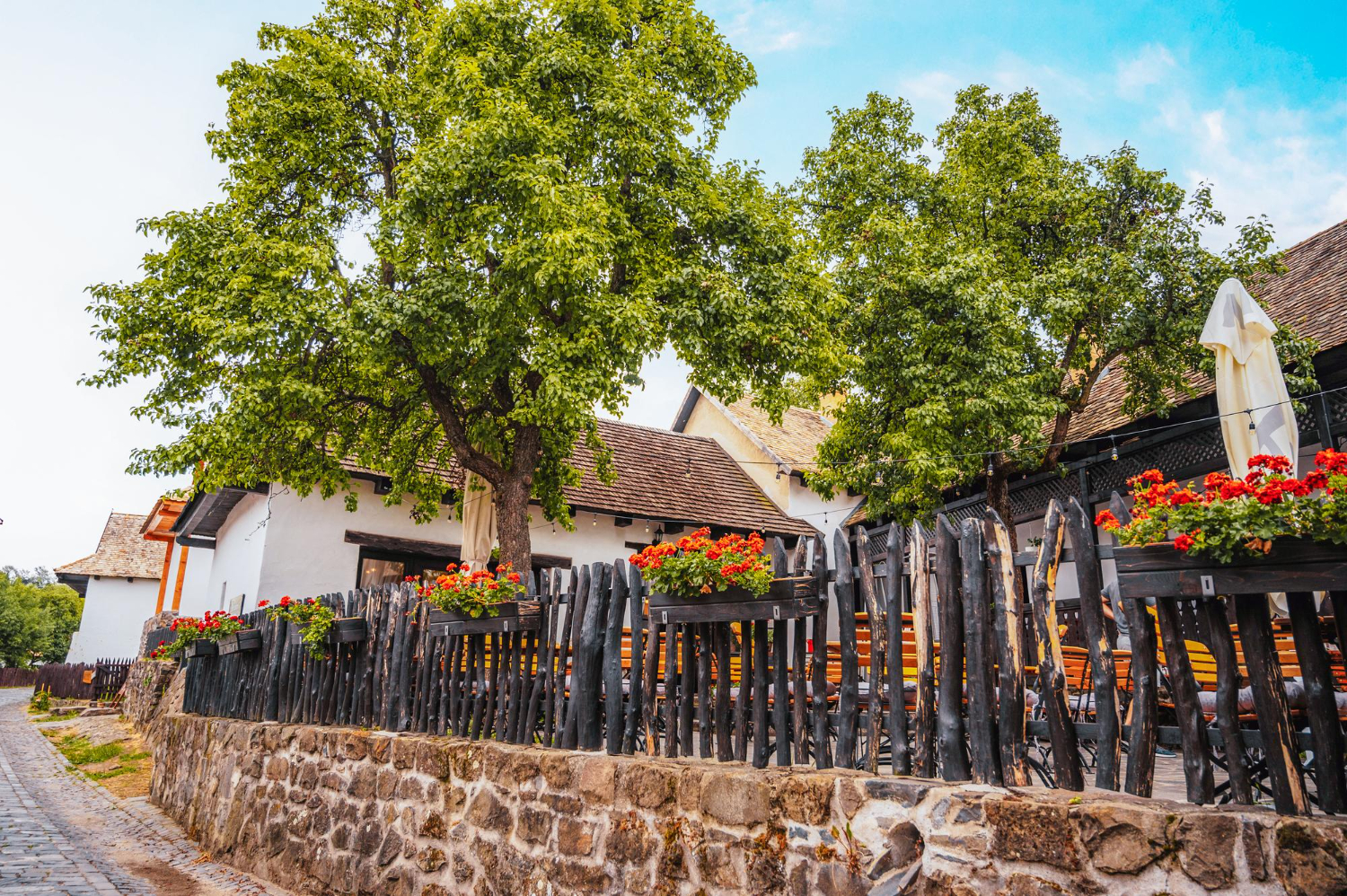
The broader point behind all fifteen of these comments is that the urban-rural cultural divide in America is sustained partly by exactly these kinds of assumptions. Urban and suburban Americans frequently hold an unexamined belief that their way of life is the default and the superior choice, and that rural and small-town life is a deficient or backward alternative. Small-town Americans, who are proud of their communities and tired of defending them, experience these comments as a steady drumbeat of condescension. The way to bridge the gap is straightforward — approach small-town America with genuine curiosity rather than assumptions, recognize that different ways of life reflect different values rather than different levels of sophistication, and listen to what small-town residents actually value about their communities rather than projecting urban assumptions onto them. The 60 million Americans who live in small towns and rural areas have made a legitimate choice about how and where to live, and they deserve the same respect that anyone deserves for their way of life.