A specific category of American small town has resisted the homogenizing forces of the past seventy years — the interstate bypass, the big-box retail expansion, the suburban sprawl, the chain-restaurant standardization. These towns retain their 1950s main streets, their independent businesses, their period architecture, and their broader mid-century American character not because of deliberate preservation efforts but because economic and geographic circumstances left them largely untouched. Some are National Register historic districts. Some are simply remote enough that modernization never arrived. Some have actively preserved their character as a tourism strategy. Walking their main streets produces a genuine sense of stepping into 1955 America. Here are twelve American small towns that still look essentially the way they did seventy years ago, with the specific reason each one was preserved.
1. Galena, Illinois
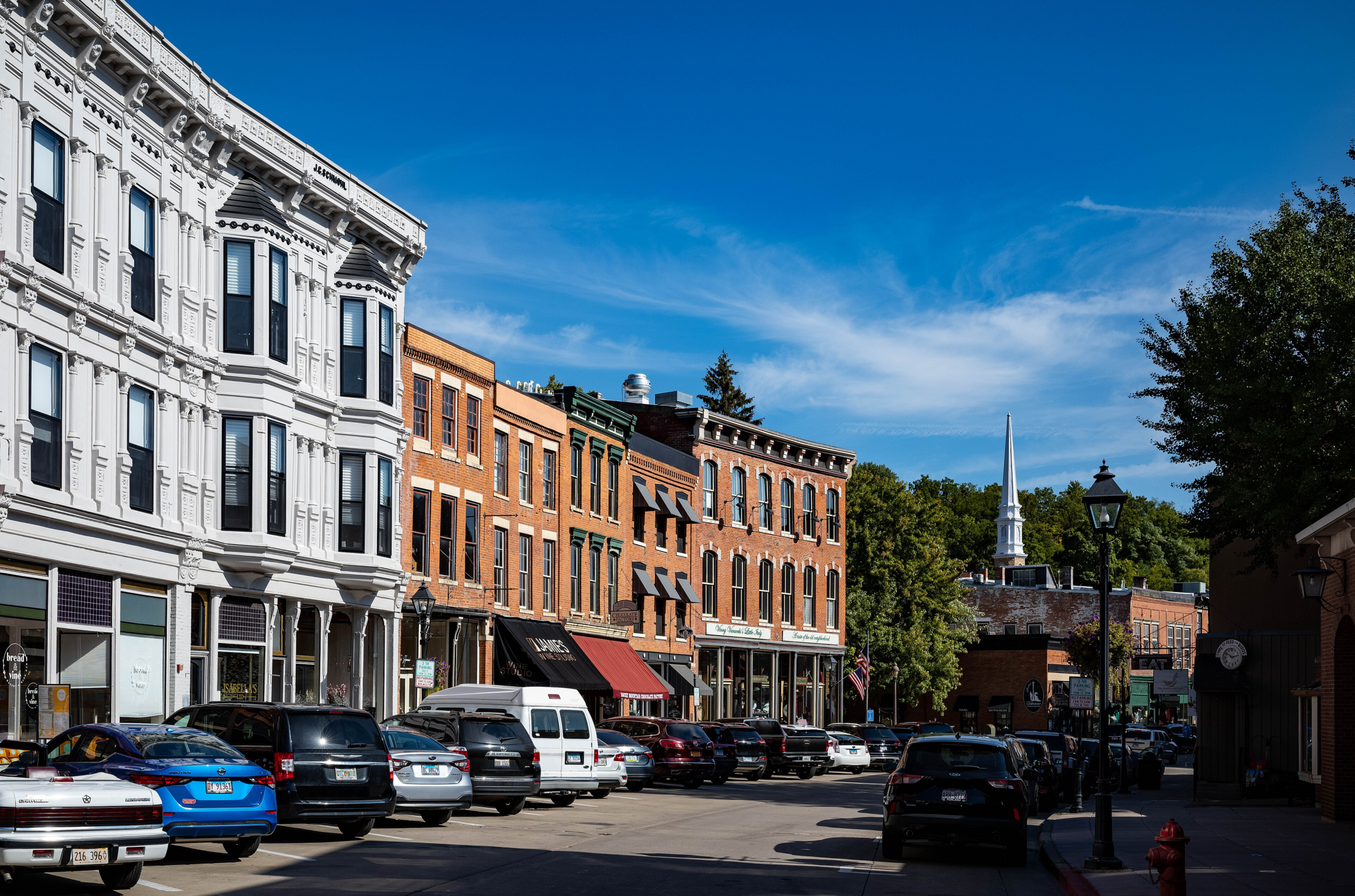
Galena in northwestern Illinois preserves one of the most intact 19th-century American main streets in the country. Approximately 85 percent of the town’s buildings are on the National Register of Historic Places. The town was a major lead-mining and river-trade center that peaked in the 1850s and then declined economically — the economic stagnation paradoxically preserved the architecture, as there was no money or pressure to demolish and rebuild. The town’s Main Street, brick buildings, and the Ulysses S. Grant home produce a genuine mid-19th-century atmosphere. Galena now thrives on tourism, with approximately 1 million annual visitors.
2. Bisbee, Arizona
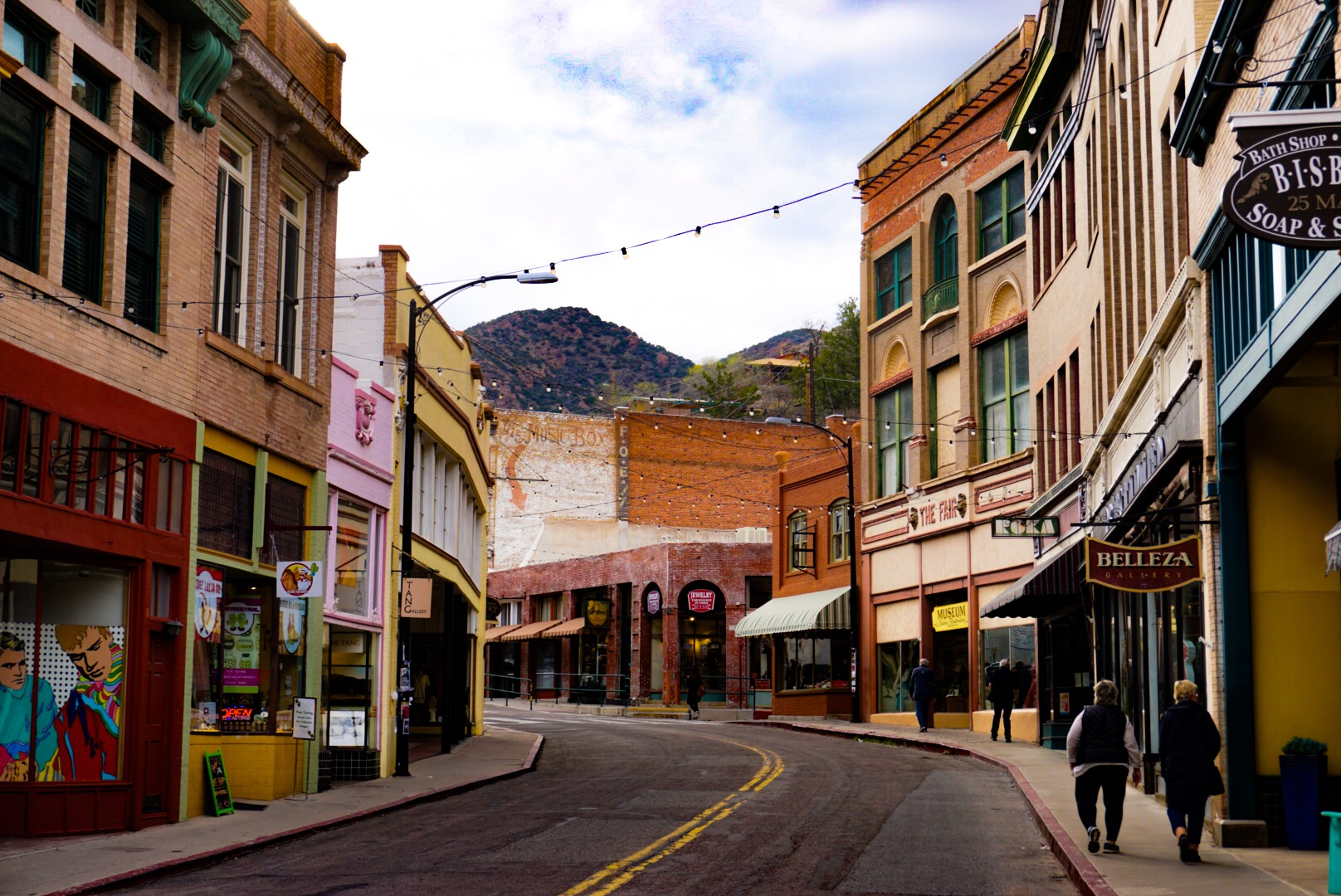
Bisbee in southeastern Arizona is a former copper-mining town built into a steep mountain canyon. The mining peaked in the early 20th century and the last mine closed in 1975, freezing the town’s development. The Victorian and early-20th-century buildings cascade up the canyon walls along narrow, winding streets. The town became an artist colony in the 1970s as miners departed and artists arrived attracted by the cheap, intact buildings. Bisbee retains a genuinely preserved early-20th-century mining-town character.
3. Eureka Springs, Arkansas
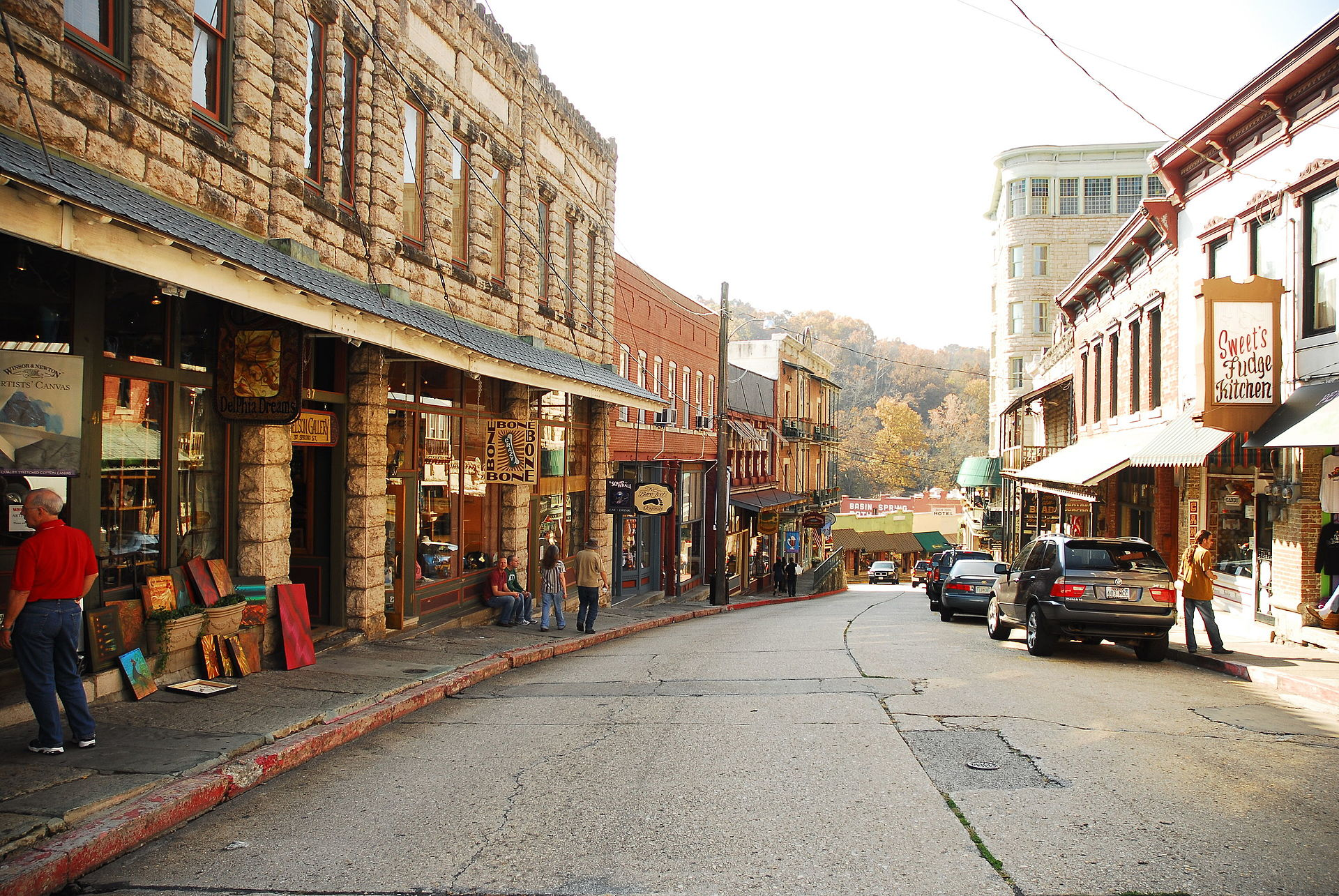
Eureka Springs in the Ozark Mountains preserves an entire Victorian-era resort town built around natural springs in the 1880s. The entire downtown is on the National Register of Historic Places. The town’s winding streets (no traffic signals in the historic district), Victorian architecture, and natural-spring grottos produce a genuinely preserved 19th-century atmosphere. The town’s mountain location and the decline of the spring-resort industry preserved the architecture from modernization.
4. Marfa, Texas

Marfa in far West Texas retains its 1930s-1950s small-town character, anchored by the Presidio County Courthouse (1886) and the historic Hotel Paisano (where the cast of the 1956 film “Giant” stayed). The town’s remote desert location preserved its mid-century character. The arrival of minimalist artist Donald Judd in the 1970s and the subsequent art-world interest has added a contemporary layer but the underlying 1950s town remains intact.
5. Mackinac Island, Michigan
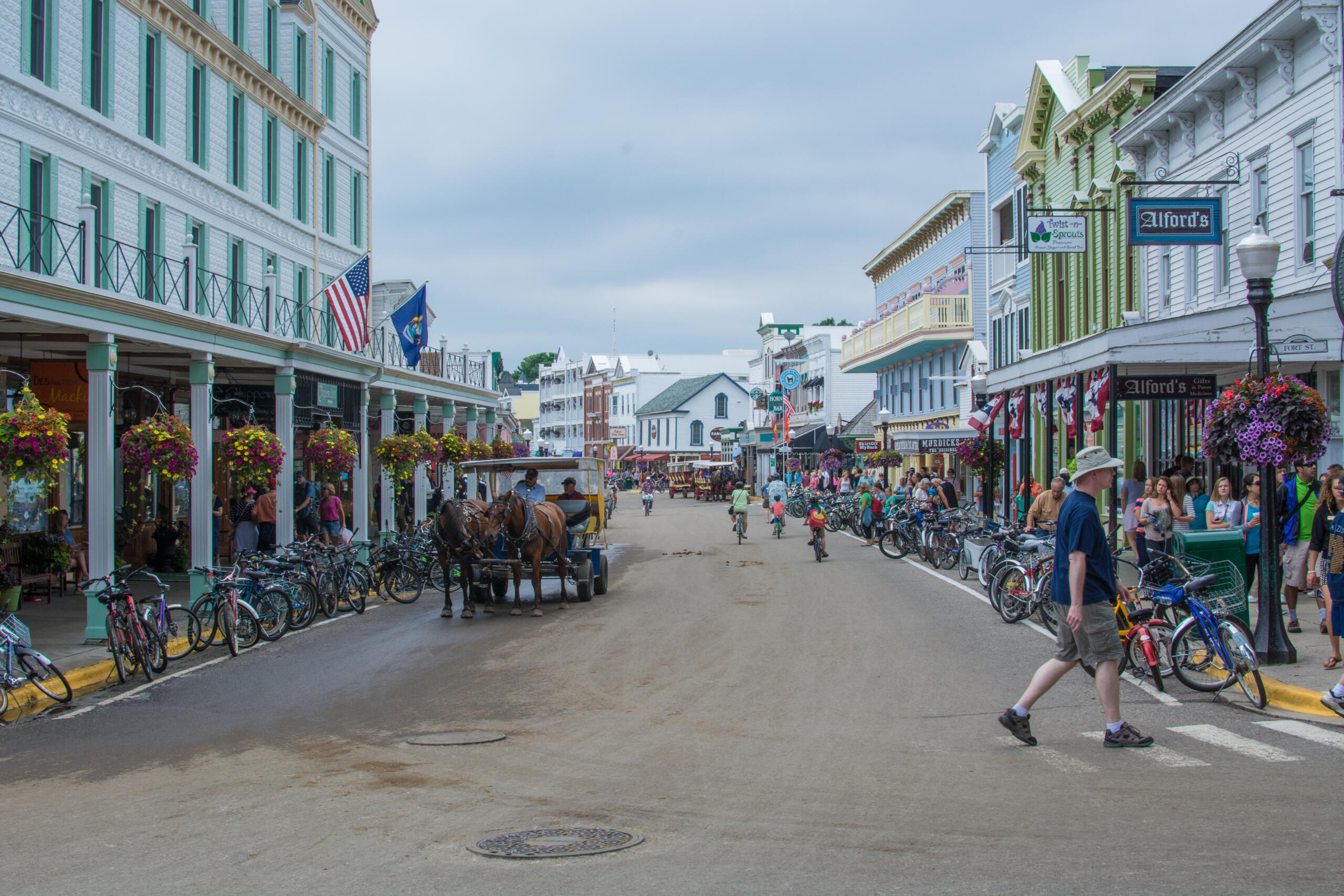
Mackinac Island in Lake Huron has banned automobiles since 1898 — transportation is by horse-drawn carriage, bicycle, or foot only. The island’s complete prohibition on motor vehicles has preserved a genuinely pre-automobile American atmosphere. The Grand Hotel (1887), the Victorian cottages, and the fudge shops along the main street produce an experience unlike anywhere else in America. The car ban, combined with the island’s tourism-based economy, has preserved the town’s historic character intact.
6. Jim Thorpe, Pennsylvania
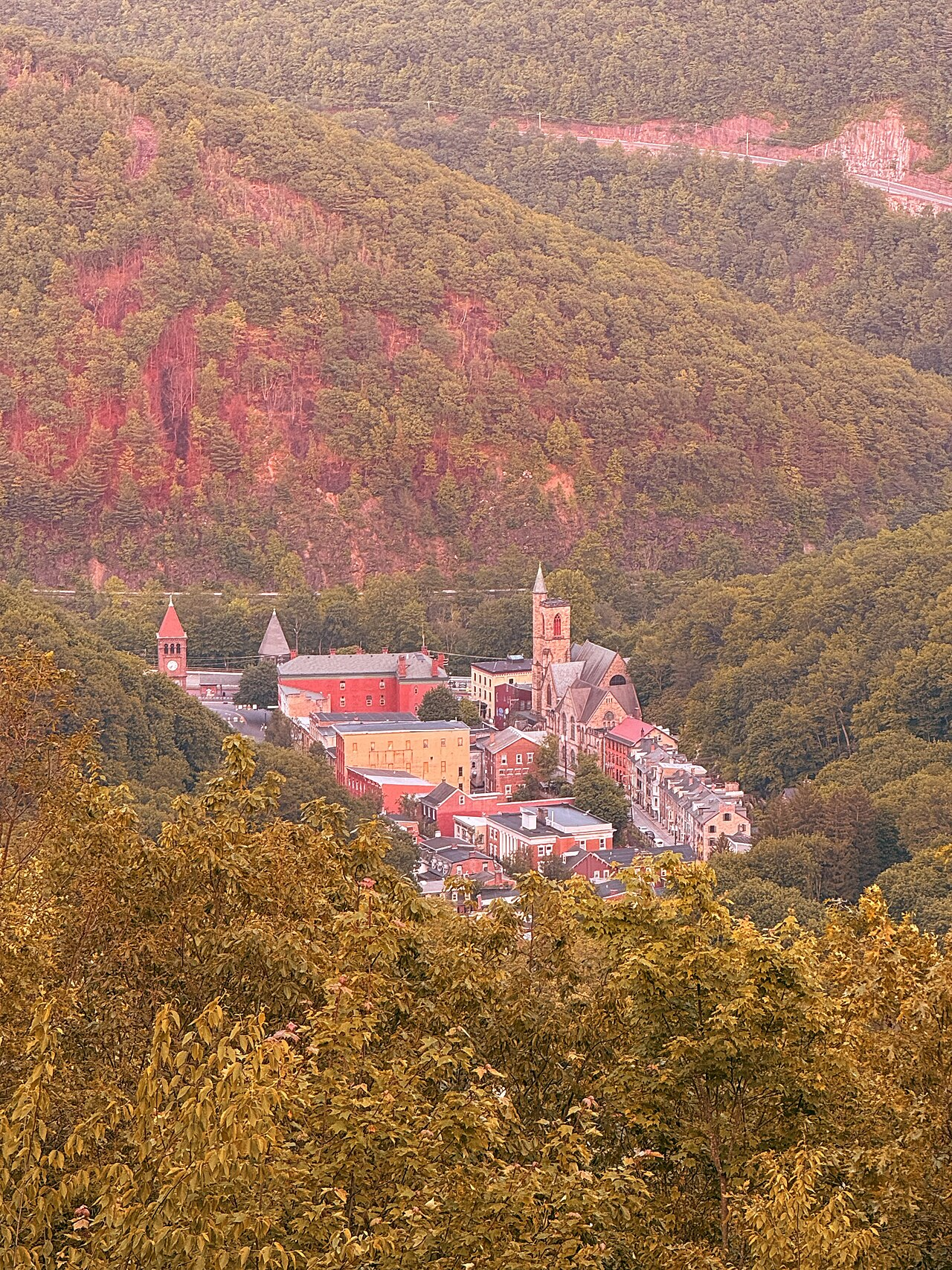
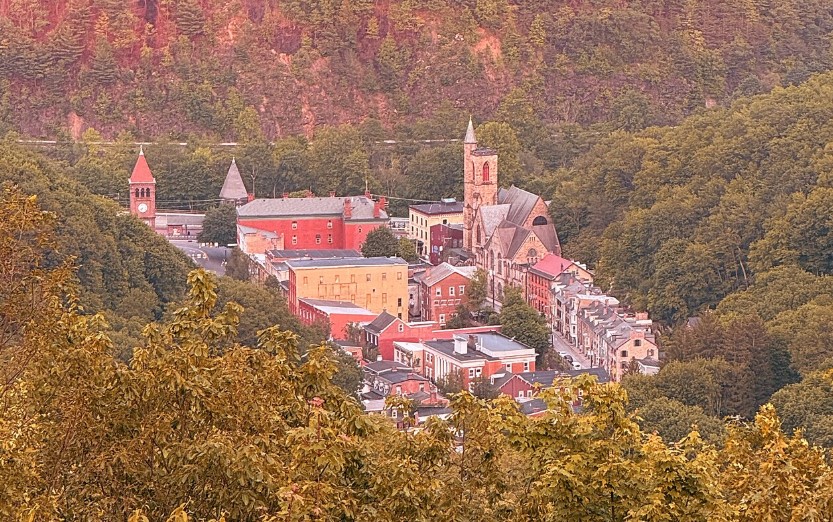
Jim Thorpe (formerly Mauch Chunk) in the Pennsylvania mountains preserves a Victorian-era industrial and resort town built into a steep river gorge. The town’s Victorian architecture, the Asa Packer Mansion, and the narrow gorge setting produce a genuinely preserved 19th-century atmosphere. The town’s economic decline after the anthracite coal industry collapsed preserved the architecture from redevelopment. The town renamed itself after the famous athlete in 1954 in a tourism-promotion effort.
7. Port Townsend, Washington
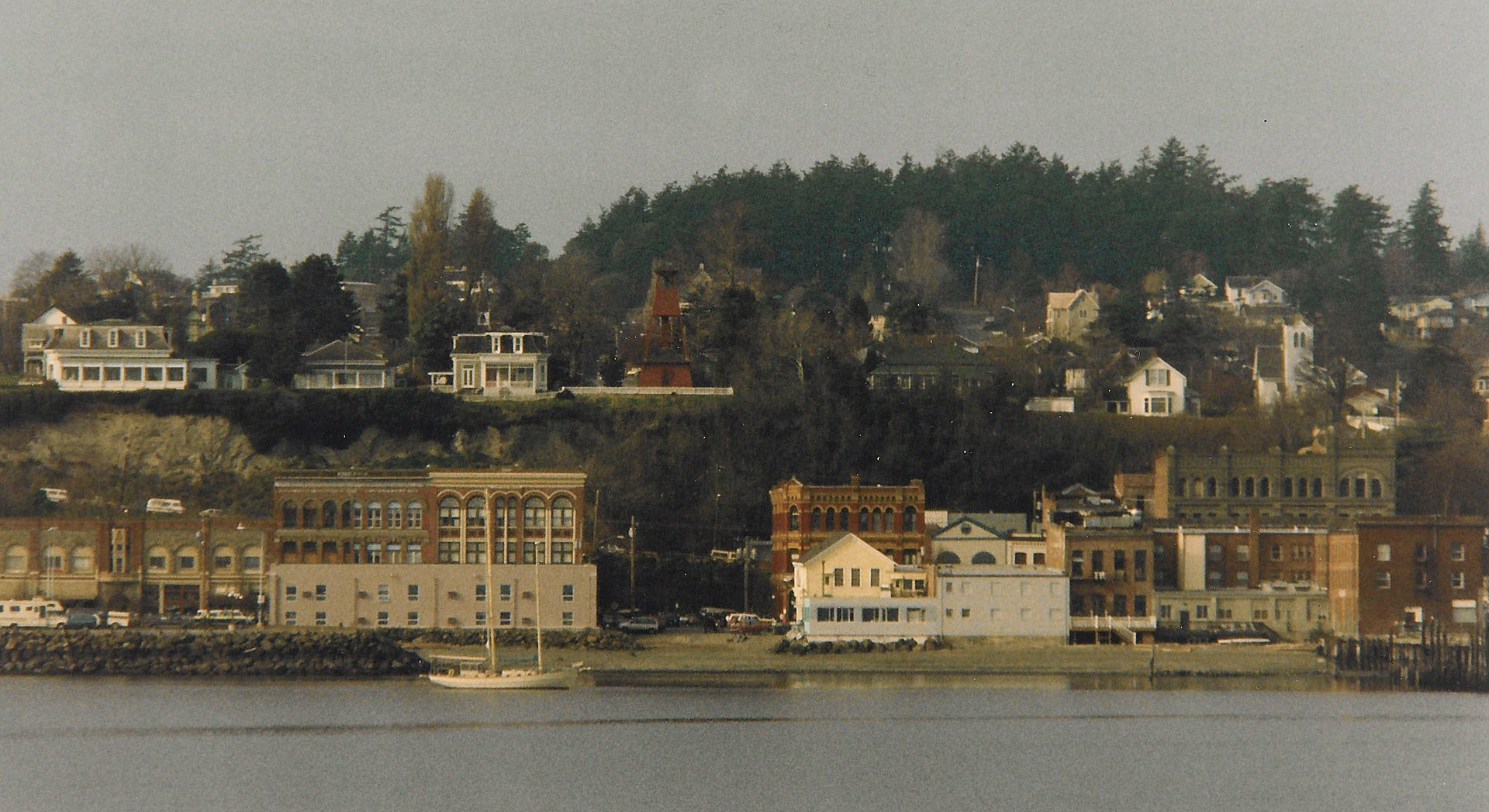
Port Townsend on the Olympic Peninsula preserves one of the most intact Victorian seaports on the American West Coast. The town expected to become a major Pacific port in the 1880s and built accordingly, but the railroad went elsewhere and the boom collapsed — freezing the elaborate Victorian commercial and residential architecture in place. The entire downtown and the residential bluff are National Historic Landmarks. The “failed boomtown” preservation produced an unusually complete Victorian environment.
8. Telluride, Colorado
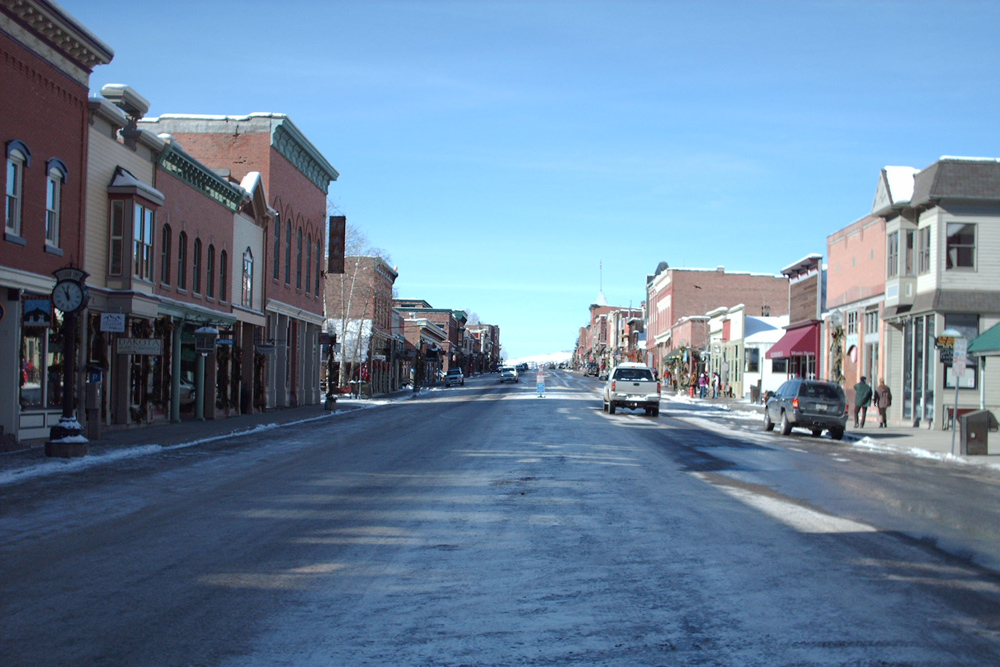
Telluride in the Colorado San Juan Mountains preserves a Victorian mining-town main street in a dramatic box canyon. The entire town is a National Historic Landmark District. The mining economy collapsed in the mid-20th century, preserving the architecture, before the ski industry revived the town in the 1970s. The strict historic-preservation rules maintained since have kept the Victorian main street intact even as Telluride became an elite resort destination.
9. St. Augustine, Florida
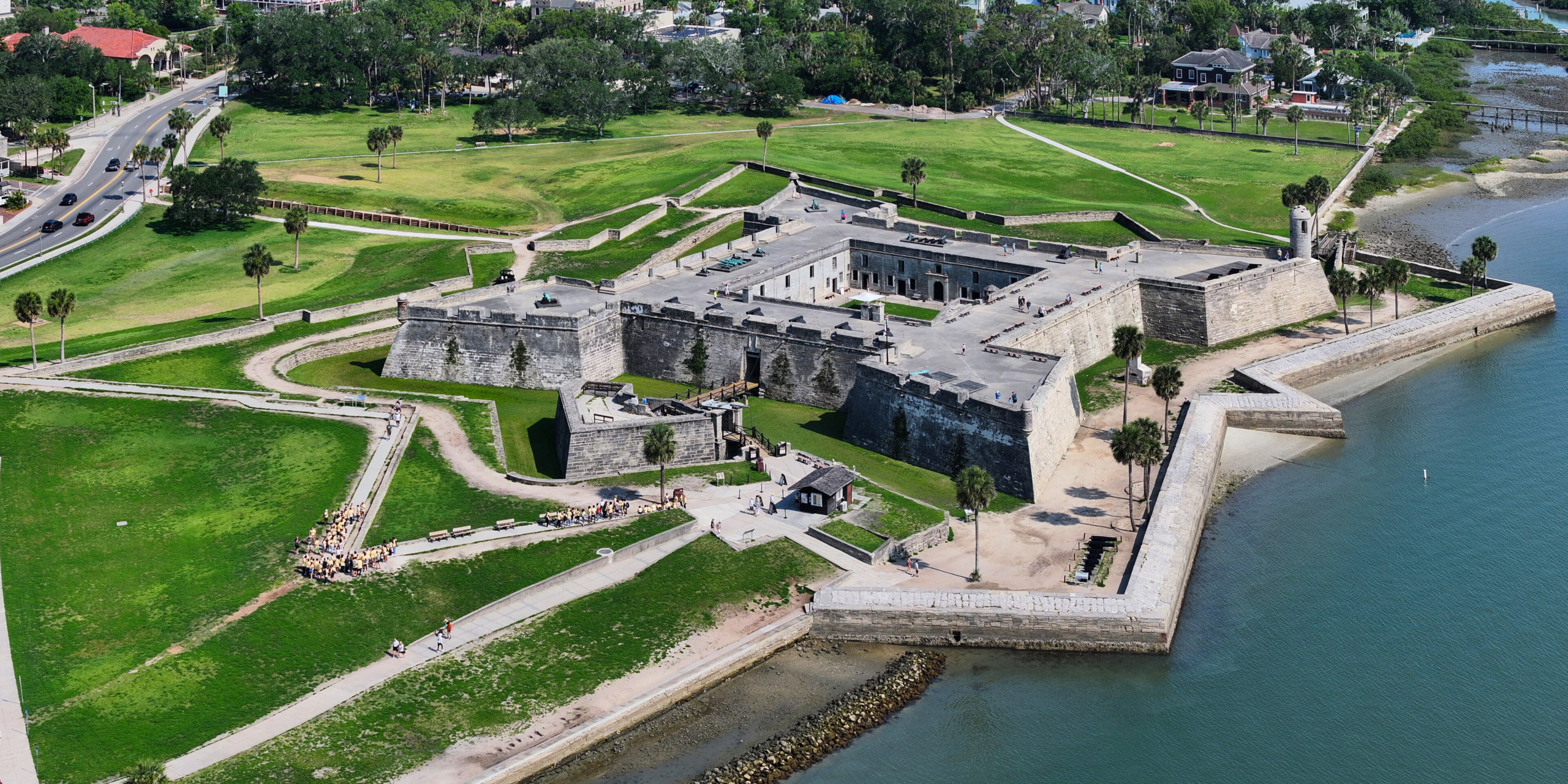
St. Augustine is the oldest continuously occupied European-established settlement in the continental United States (founded 1565). The historic district preserves Spanish colonial architecture, the Castillo de San Marcos fortress (1672), and narrow colonial streets. While St. Augustine is older than 1955, its historic core retains a genuinely preserved pre-modern atmosphere that the broader American small-town experience lost. The town’s tourism economy has preserved the colonial architecture.
10. Hannibal, Missouri
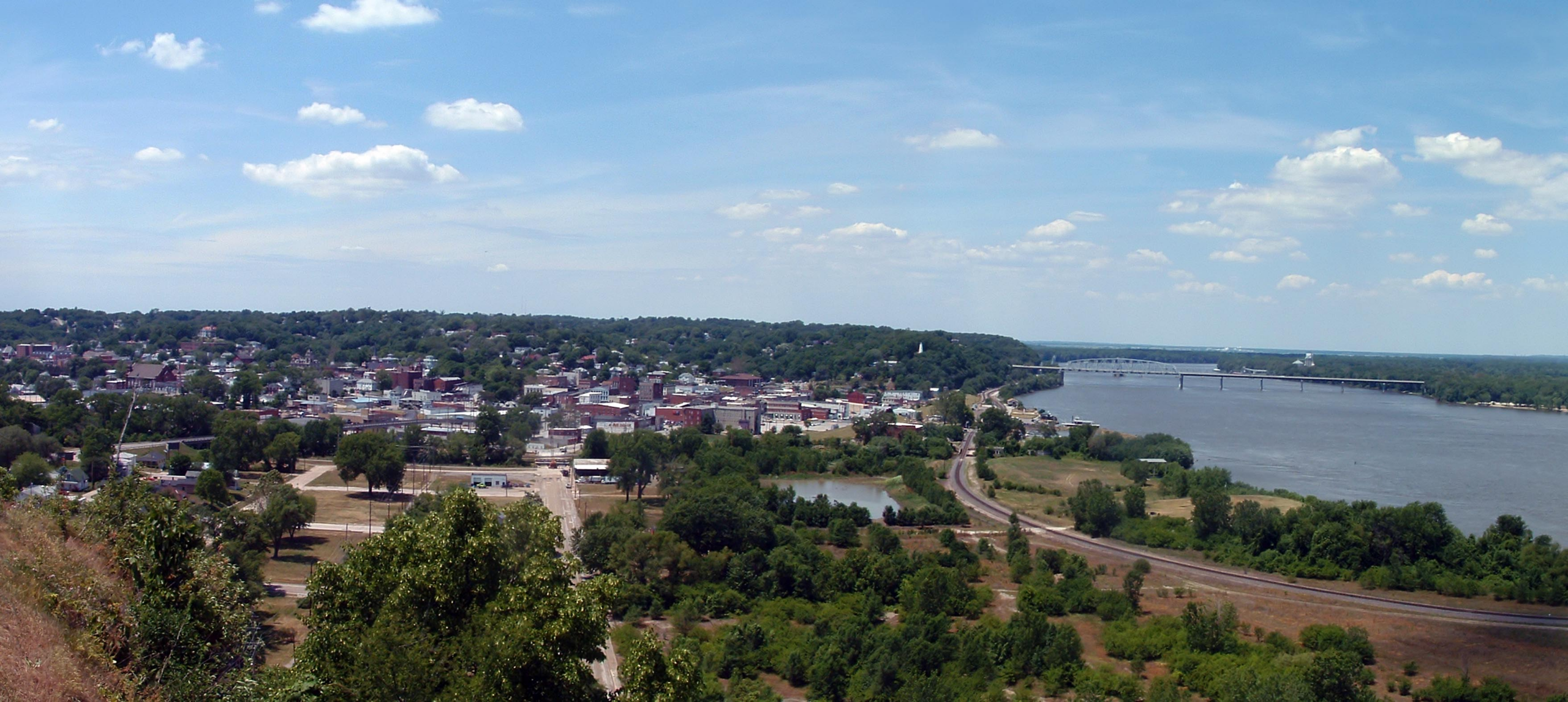
Hannibal on the Mississippi River preserves the boyhood town of Mark Twain (Samuel Clemens), with the historic district maintaining the 19th-century riverboat-town character that Twain depicted in “The Adventures of Tom Sawyer.” The town’s Twain-tourism economy has preserved the period architecture. The Mississippi River setting, the historic Main Street, and the Twain-related sites produce a genuinely preserved 19th-century American river-town atmosphere.
11. Virginia City, Nevada
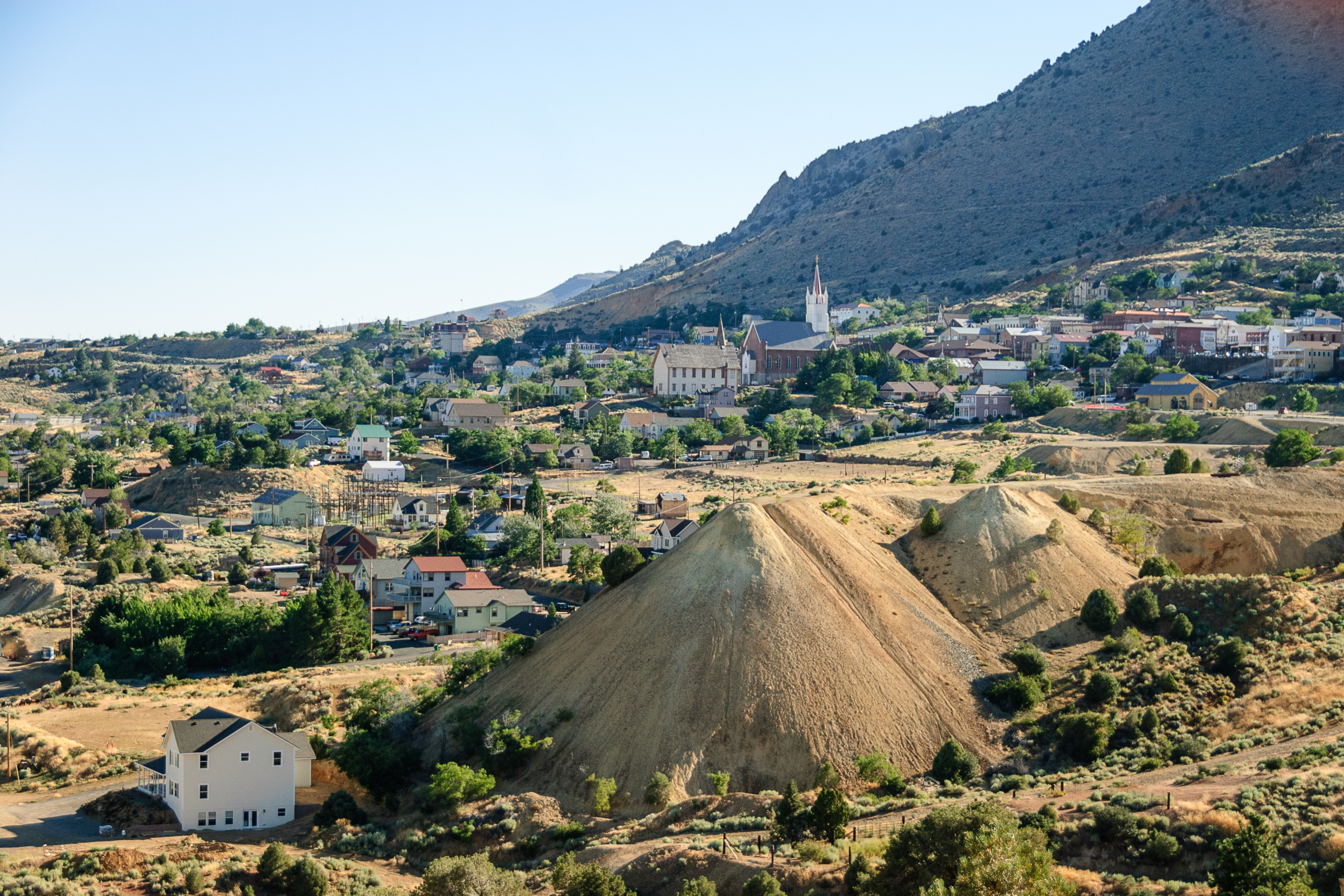
Virginia City preserves the boomtown built on the 1859 Comstock Lode silver discovery — the richest silver strike in American history. The town’s population peaked around 25,000 in the 1870s and collapsed to a few hundred as the silver played out, freezing the Victorian boomtown architecture. The entire town is a National Historic Landmark District. The wooden boardwalks, the Victorian saloons, and the mining-era buildings produce a genuinely preserved 19th-century mining-boomtown atmosphere.
12. Cooperstown, New York
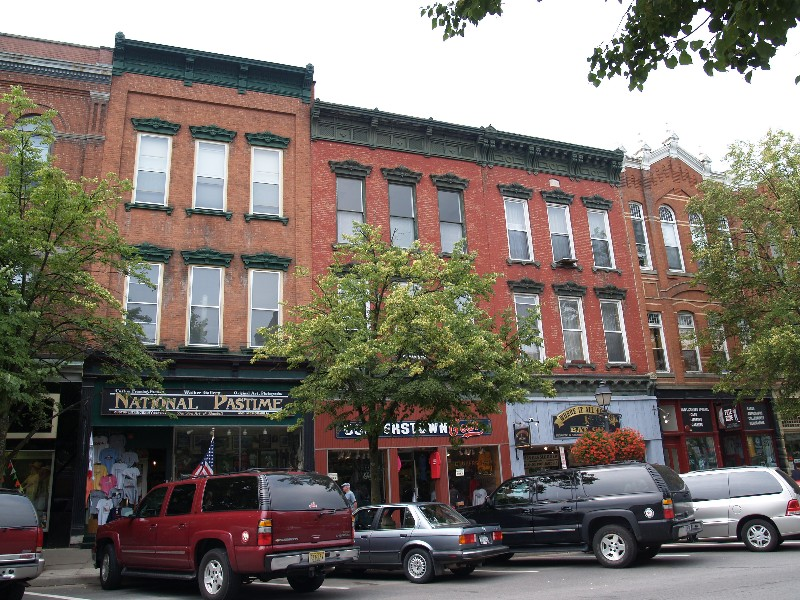
Cooperstown in central New York preserves a genuinely intact small-town American main street, anchored by the National Baseball Hall of Fame but retaining its broader 19th and early-20th-century village character. The town’s strict preservation efforts, its tourism economy, and its lake setting (Otsego Lake) have preserved the period architecture. The Main Street, with its independent shops and the absence of chain retail, produces a genuinely preserved small-town atmosphere that most American towns lost decades ago.
What These Towns Have in Common

The twelve towns above were preserved through a small number of recurring mechanisms. The most common is economic collapse followed by tourism revival — Galena, Bisbee, Telluride, Virginia City, and Jim Thorpe all lost their original mining or industrial economies, which paradoxically preserved their architecture because there was no money or pressure to demolish and rebuild, and then revived decades later through tourism that valued the preserved historic character. The second mechanism is geographic isolation — Marfa, Mackinac Island, and Port Townsend were remote or transportation-disadvantaged enough that modernization simply never arrived at scale. The third is deliberate preservation policy — Cooperstown, St. Augustine, and Eureka Springs have maintained strict historic-district rules that prevent the chain-retail and big-box development that homogenized most American towns.
The broader American small town of 2026 has largely lost its distinctive character to the interstate bypass, the big-box retail corridor, and the chain-restaurant standardization that produces nearly identical commercial strips across the country. The twelve towns above are the exceptions — places where the specific combination of economics, geography, and policy preserved a genuine sense of an earlier America. Visiting them produces something increasingly rare: the experience of an American main street that looks essentially the way American main streets looked seventy years ago, before the homogenizing forces of the late 20th century erased most of them. For travelers seeking that vanishing America, these twelve towns remain the most reliable destinations in the country.