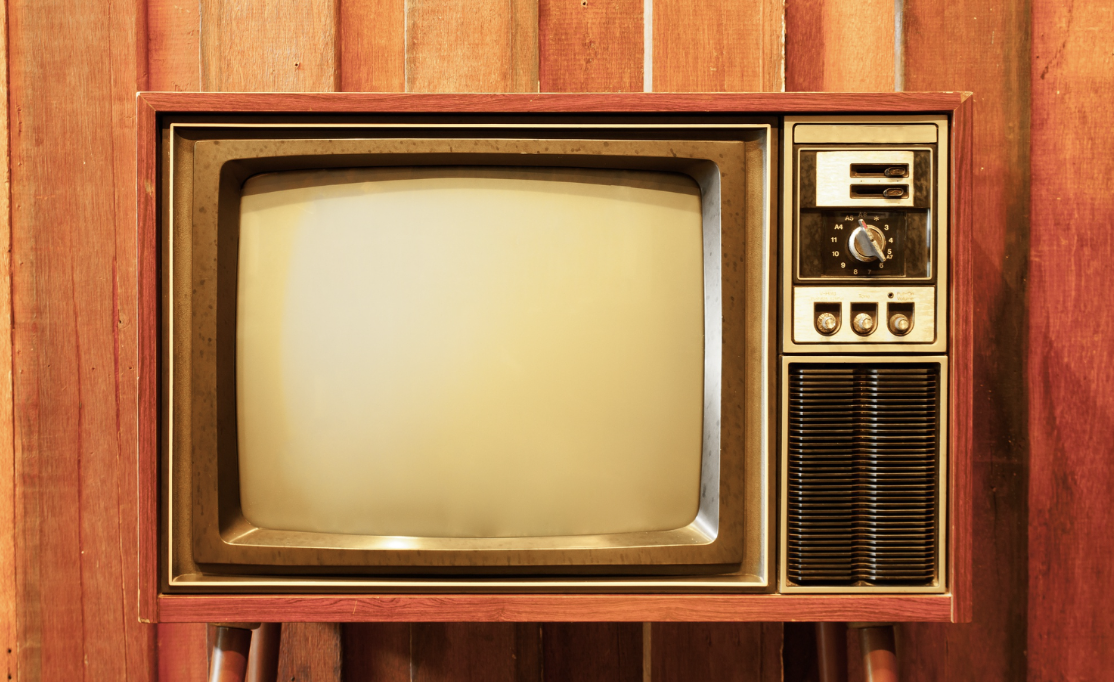
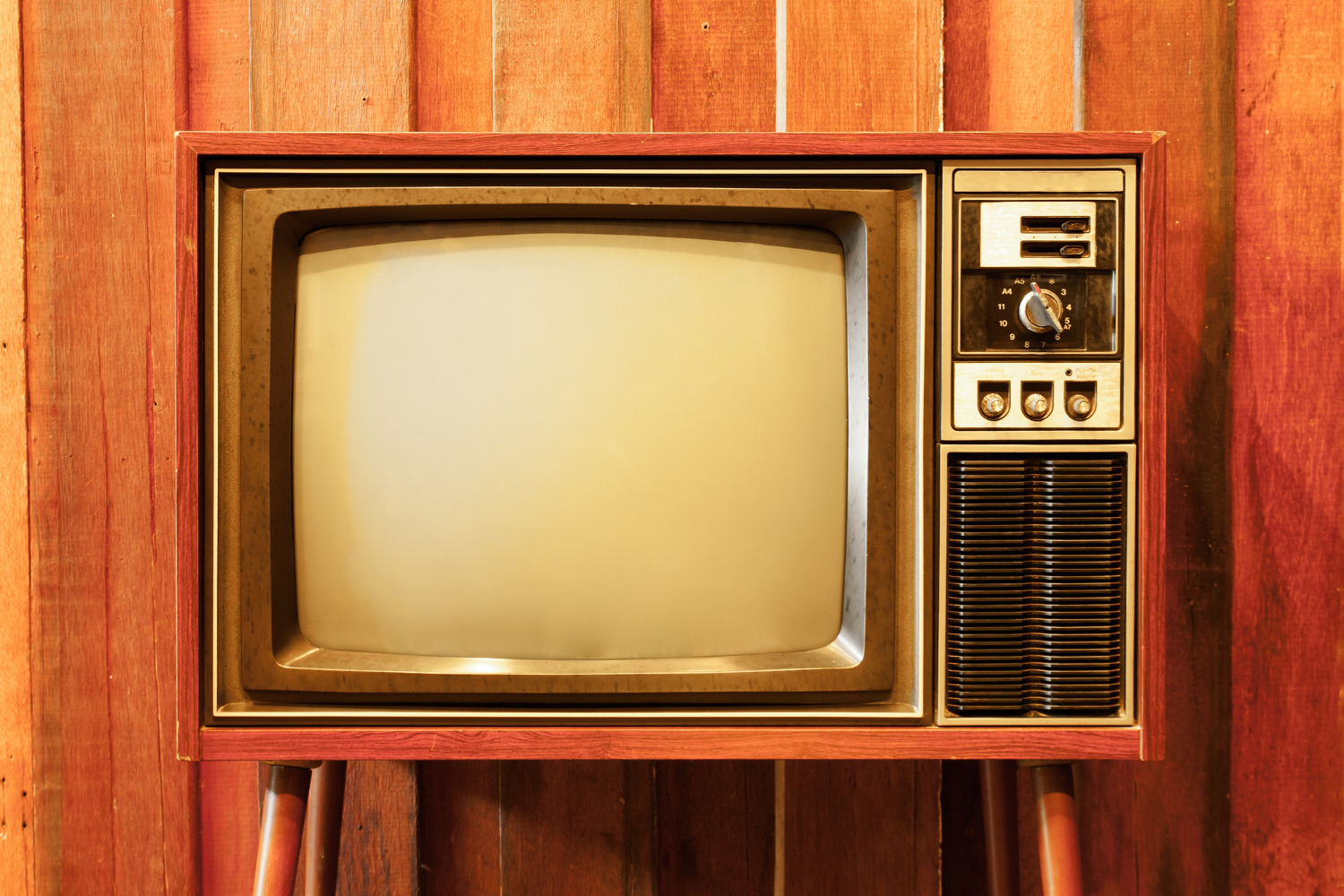
A Sunday night in 1985 had one mandatory activity for American families: watching television together. The three broadcast networks — ABC, CBS, NBC — built their entire Sunday primetime schedules around the assumption that the family was on the couch from 7 p.m. to 11 p.m., with one person controlling the channel. 60 Minutes started at 7 sharp. The Wonderful World of Disney followed. Murder, She Wrote anchored CBS’s nine o’clock slot. The Sunday-night audience was the largest reliable television audience of the entire week. By 2010, every element that made that audience possible had collapsed. Here is the Sunday-night television ritual of 1985, hour by hour, and the specific reasons it no longer exists.
1. 60 Minutes at 7 P.M. on CBS

60 Minutes, which premiered on September 24, 1968, had become a Sunday institution by 1985 with an average weekly audience of 32 million viewers. Mike Wallace, Morley Safer, Ed Bradley, Diane Sawyer, and Andy Rooney were the on-air correspondents. The ticking stopwatch opening and the three investigative stories followed by Rooney’s closing essay defined the show. The program was the highest-rated television show in America for five separate years between 1980 and 1990 — the only news program ever to hold the year-end top slot. According to Nielsen Media Research, the 2024-25 average 60 Minutes audience was approximately 7 million viewers, a 78 percent decline from the 1985 peak. The show still airs Sundays at 7 p.m. on CBS. Most of its current viewers are over age 65.
Like our content? Follow us for more.
2. Murder, She Wrote at 8 P.M. on CBS

Murder, She Wrote, starring Angela Lansbury as mystery writer and amateur detective Jessica Fletcher, premiered in September 1984 and was the dominant 8 p.m. Sunday show for twelve consecutive seasons. The Cabot Cove, Maine setting, the visiting niece or nephew in every episode, the dinner party that always seemed to end with someone dead — the show drew an average of 30 million viewers per episode at its 1985 peak. Lansbury, born 1925 in London, was awarded an honorary Oscar in 2013 for her career. She died in October 2022 at age 96. Murder, She Wrote ended its original run in May 1996 after 264 episodes. Reruns aired continuously on Hallmark Channel and other networks through the 2020s. A reboot was announced multiple times but has not been produced as of early 2026.
3. The Wonderful World of Disney at 7 P.M. on ABC

The Wonderful World of Disney, originally premiered as Disneyland in 1954, anchored ABC’s Sunday evening lineup for over four decades. By 1985, the program rotated Disney animated features, live-action films, nature documentaries, and original anthology productions. The opening — Tinker Bell circling Cinderella Castle — was instantly recognizable to American children of the postwar generation. The original program ended its weekly run in 1990. ABC briefly revived the format multiple times between 1991 and 2008. The current incarnation, Wonderful World of Disney: Magical Holiday Celebration, airs only as occasional special programming. The decision to retire the weekly anthology was driven by the rise of cable television (which fragmented children’s viewing) and later by the launch of Disney+ in November 2019, which absorbed the original Disney film and television library into a paid streaming service.
4. The ABC Sunday Night Movie at 9 P.M.
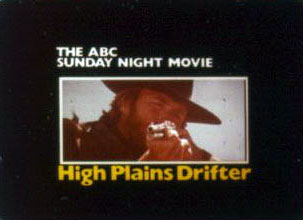
The ABC Sunday Night Movie was the network’s primetime anchor in 1985, programming theatrically released films, made-for-TV movies, and miniseries premieres in a 9 p.m. to 11 p.m. block. Major Hollywood premieres — Gone With the Wind, The Sound of Music, James Bond films — drew audiences of 40 million or more for a single broadcast. According to Nielsen historical data, the 1976 ABC Sunday Night Movie broadcast of Gone With the Wind drew an audience of 47.7 million households, one of the highest non-sports primetime audiences in American television history. The Sunday Night Movie format was discontinued by ABC in 1998 as the network shifted to original series and DVD home video. The same format had effectively died at NBC and CBS by the mid-2000s. The pre-cable era of “the Sunday Night Movie” as a national cultural event is gone.
5. Cable TV Was Already Eroding the Audience

By 1985, HBO had been operating for thirteen years and had approximately 14 million American subscribers. MTV launched in 1981 and was rapidly building a younger audience. CNN launched in 1980 and was beginning to compete for news viewers. ESPN launched in 1979 and was on the verge of becoming the sports television monopoly. The three-network Sunday lineup that defined 1985 was already facing the structural competitive pressure that would eventually destroy it. According to Nielsen subscription data, cable household penetration grew from approximately 23 percent in 1985 to 56 percent by 1990 and 70 percent by 2000. Every percentage point of cable penetration meant a percentage point of Sunday-night network audience erosion. The trend lines were already obvious to network executives by the late 1980s, but the response — original programming, network mergers, syndication strategy — could not reverse the underlying audience fragmentation.
6. The Remote Control Was Already Changing Things

The infrared remote control became standard with American television sets in the early 1980s. Zenith’s Space Command wireless remote, introduced in 1956, had relied on ultrasonic frequencies that were unreliable. The infrared remote, introduced commercially by Magnavox in 1980, was the first reliable wireless remote and quickly became standard. By 1985, approximately 35 percent of American households had remote-controlled televisions. By 1990, that figure was over 70 percent. The remote enabled channel surfing, which fundamentally changed Sunday-night viewing patterns. The 1985 family could not casually flip between four channels during a commercial break in the way that a 1990 family could. The remote, combined with the cable expansion, created the conditions for sustained attention to a single show to become impossible.
7. The VCR Untethered Viewers From the Schedule
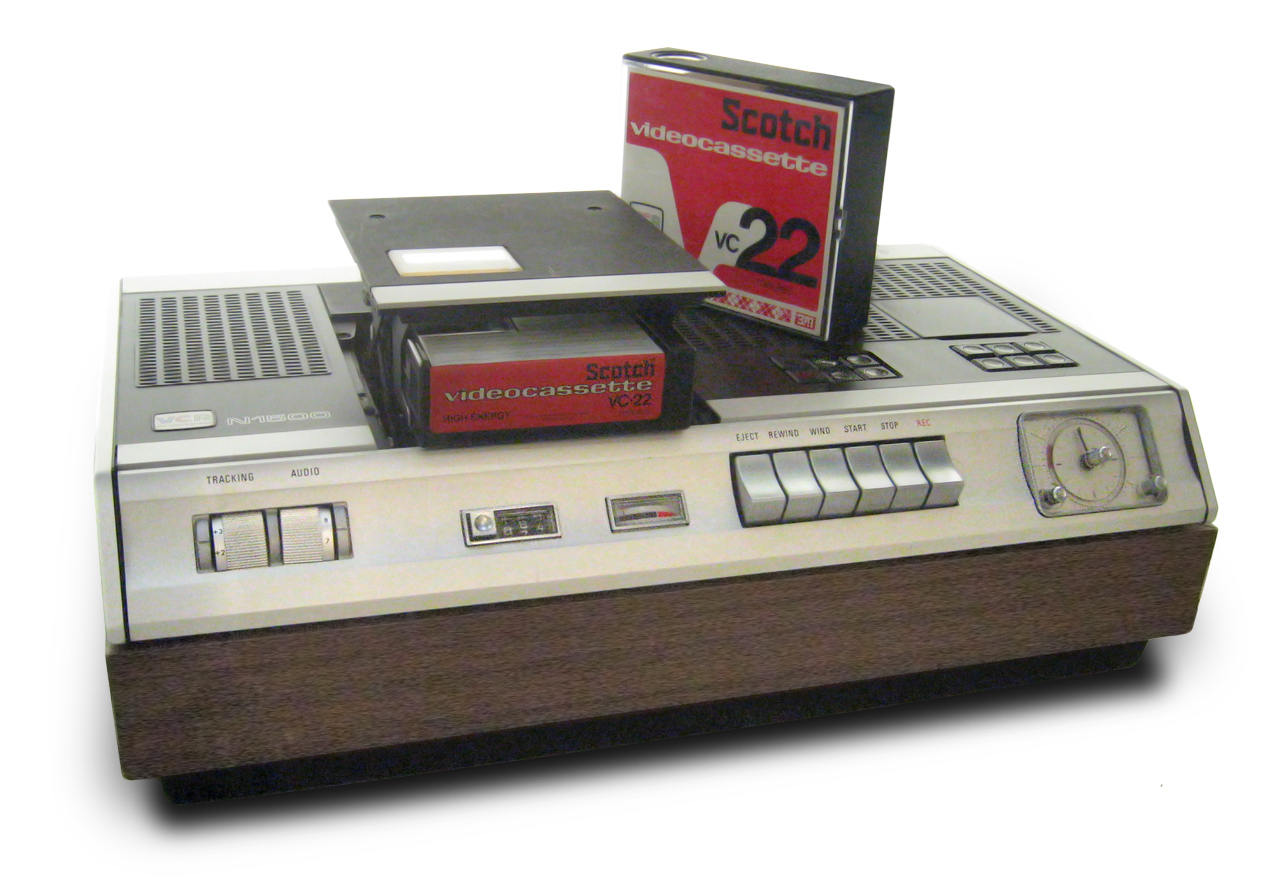
The home video cassette recorder, introduced commercially by Sony in 1975 (Betamax) and JVC in 1976 (VHS), became affordable for middle-class American households in the early 1980s. By 1985, approximately 30 percent of U.S. households owned a VCR. The technology made it possible to record a Sunday-night broadcast for later viewing — a previously impossible feat. The 1976 Sony Corp. of America v. Universal Studios Supreme Court decision established that home recording for personal use was legal, and the practice exploded. By 1990, over 75 percent of U.S. households owned VCRs. The “must-watch live” character of Sunday primetime began to weaken because audiences increasingly understood that they could record the show and watch later, with the option to fast-forward through commercials.
8. The DVR Made Recording Effortless

The digital video recorder — TiVo, launched in 1999, followed by cable-provider-integrated DVRs in the mid-2000s — eliminated the friction of VCR recording. Setting a recording required no tapes, no programming, no scheduling. By 2010, approximately 40 percent of U.S. households had DVRs. The Nielsen “live plus 7” measurement, introduced to capture DVR viewing, showed that 30 to 50 percent of major drama audiences were time-shifting their viewing within a week of original broadcast. The Sunday-night ritual was now technically obsolete because no one needed to be on the couch at 8 p.m. to see Murder, She Wrote’s modern equivalent. The audience that did show up live was older, smaller, and less attractive to advertisers. Networks responded by emphasizing live sports — the one category that retained live-audience value — which gradually pushed scripted Sunday primetime aside.
9. Streaming Killed What Remained
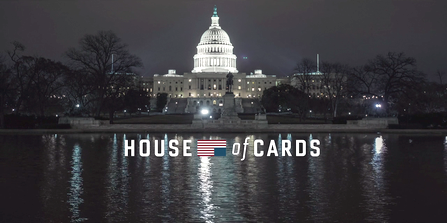
Netflix introduced video streaming in January 2007. House of Cards launched as a Netflix Original in February 2013. By 2024, the average American household subscribed to roughly 4 streaming services and spent over 3 hours per day on streaming video content. The implications for Sunday-night network television were terminal. Audiences could now watch any show, on any night, at any time, with no commercials. Several of the highest-quality American dramas of the 2010s and 2020s — The Crown, Stranger Things, The Bear, Succession — premiered on streaming with no broadcast window at all. According to Nielsen’s 2024 Total TV report, streaming surpassed broadcast television in total share of viewing for the first time in May 2024. Sunday-night network primetime, which had been the dominant American family ritual of the postwar period, is now a minority share of Sunday-night viewing.
10. Sports Took Over the Sunday Night Slot

Through the 2000s and 2010s, the three networks gradually replaced scripted Sunday-night drama with live sports — primarily NFL Sunday Night Football. NBC won the Sunday Night Football package from ESPN in 2006 and has held it since. According to Nielsen sports ratings data, Sunday Night Football has been the most-watched show on American television for fourteen consecutive seasons through 2024, with an average audience of 22 to 24 million viewers per game. Live sports retain real-time audience attention because the outcome is unknown and cannot be spoiled by streaming. Scripted Sunday-night drama, by contrast, can be DVR’d or streamed without penalty. The structural advantage of live sports has reshaped Sunday-night primetime entirely. The Murder, She Wrote audience of 1985 has been replaced, almost in its entirety, by the Patrick Mahomes audience of 2025.
11. The Living Room Disappeared
The 1985 Sunday-night ritual depended on the family being in the living room together, watching the same television. According to Nielsen’s National Television Index, the average American household in 1985 owned 1.8 television sets. By 2024, the average was 2.7 sets, distributed across living rooms, bedrooms, kitchens, and dens, supplemented by phones, tablets, and laptops. The shared family viewing experience that anchored Sunday night has fragmented into individual viewing. Each family member typically watches a different program on a different device at a different time. Multigenerational shared viewing now happens primarily during live sports events, holiday specials, and major awards shows. The Sunday-night living-room couch — five family members in a row, one person controlling the channel — is a 1985 artifact that does not return.
12. What Sunday Night Was
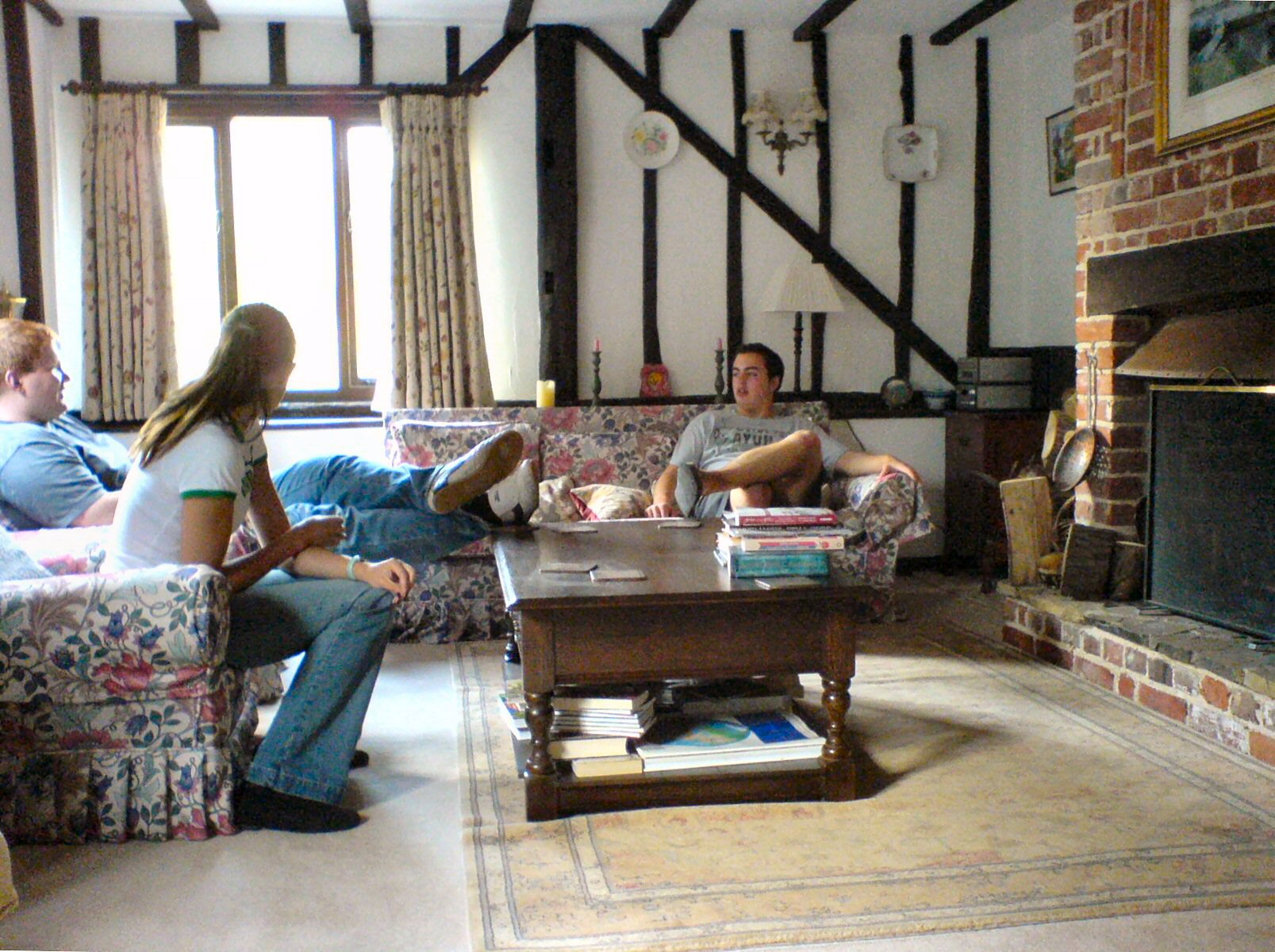
Sunday-night television in 1985 was not really about the shows. It was an American family ritual that depended on three networks, no streaming, no remote control culture, no individual screens, no DVR, and a household structure in which one or both parents were home for the entire evening. Every one of those conditions has reversed since 1985. The 60 Minutes audience of 32 million has fallen to 7 million. The Murder, She Wrote audience is gone. The Wonderful World of Disney is now a streaming-service catalog. The ABC Sunday Night Movie ended in 1998. What survives — Sunday Night Football — is a different cultural artifact for a different generation. The Sunday-night living room of 1985, with the whole family watching the same screen, is now mostly preserved in family photographs and in the memories of the boomers and Gen X parents who grew up in that exact moment.
Like our content? Follow us for more.