The American Top 40 in 1972 was a remarkably specific cultural artifact. Casey Kasem launched the syndicated radio countdown that July, and the songs that dominated the AM radio dial that year became the soundtrack of an entire generation. Boomers who were 14 to 28 years old in 1972 — now 67 to 81 in 2026 — typically remember every lyric of the year’s defining hits. Their children and grandchildren mostly do not. The intergenerational lyric gap is one of the most measurable cultural shifts of the past fifty years, driven by the fragmentation of radio, the collapse of the unified Top 40, and the streaming era’s algorithm-driven personalization. Here are ten songs that every American adult knew by heart in 1972 — and that most Americans under 50 cannot quote a single line of in 2026.
1. “American Pie” — Don McLean
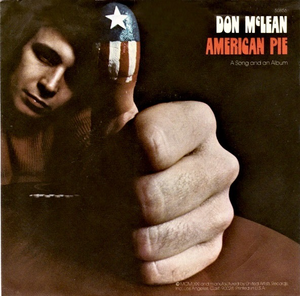
Don McLean’s “American Pie” hit number one on the Billboard Hot 100 in January 1972 and stayed at the top for four weeks. The 8-minute, 36-second track is among the longest songs ever to reach number one in the United States. The lyrics reference Buddy Holly’s death, the changing 1960s, and a generation watching its cultural anchor disappear. American adults who were teenagers or young adults in 1972 typically remember the entire eight-minute lyrical journey — “Drove my Chevy to the levee but the levee was dry” and the rest. The song is regularly cited in academic studies of cultural memory because the recall rate among 1972-era listeners is statistically extraordinary. Most American adults under 50 in 2026 recognize the chorus but cannot recite a full verse. The song’s 50th anniversary in 2022 generated brief renewed attention but did not restore broad lyrical familiarity.
Like our content? Follow us for more.
2. “Lean on Me” — Bill Withers
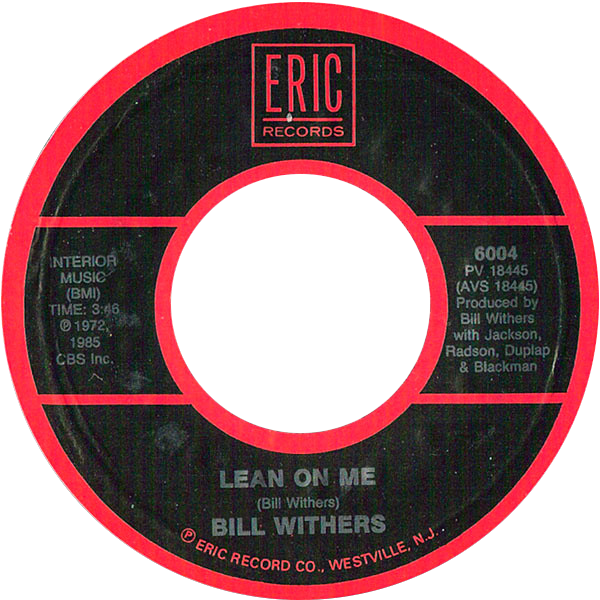
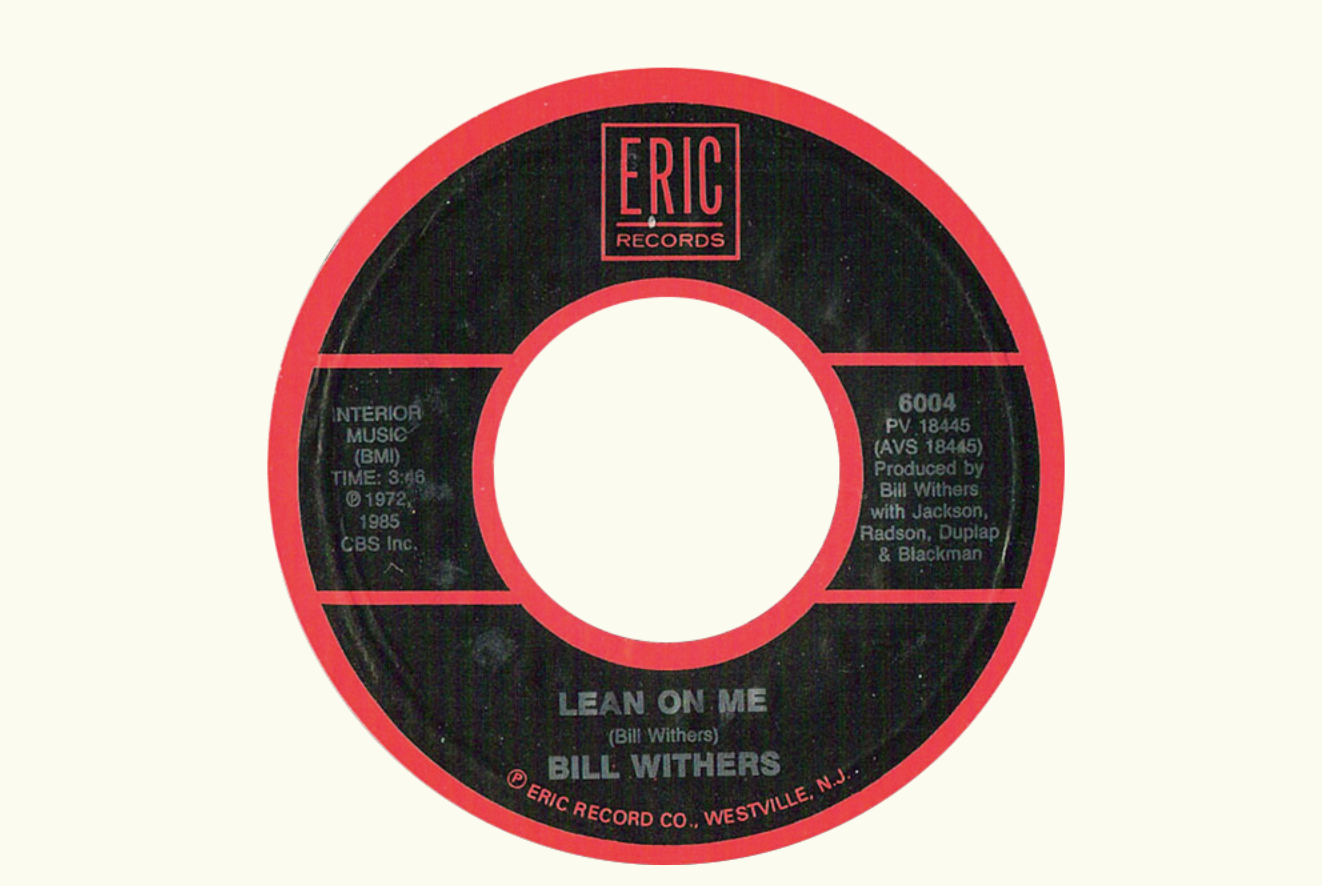
Bill Withers’ “Lean on Me” reached number one in July 1972 and became one of the most-played soul-pop crossovers of the decade. The song’s structure — a piano hook, a simple chord progression, lyrics built around mutual support — made it instantly memorable. American adults of the 1972 generation typically know every line. The song’s renaissance through covers (Club Nouveau in 1987, Glee in 2010) has kept the chorus alive across generations, but the full lyric set is generally unknown to listeners under 40. Bill Withers passed away in 2020 at age 81, and his obituary coverage focused heavily on this single song as the defining work of his career.
3. “Without You” — Harry Nilsson
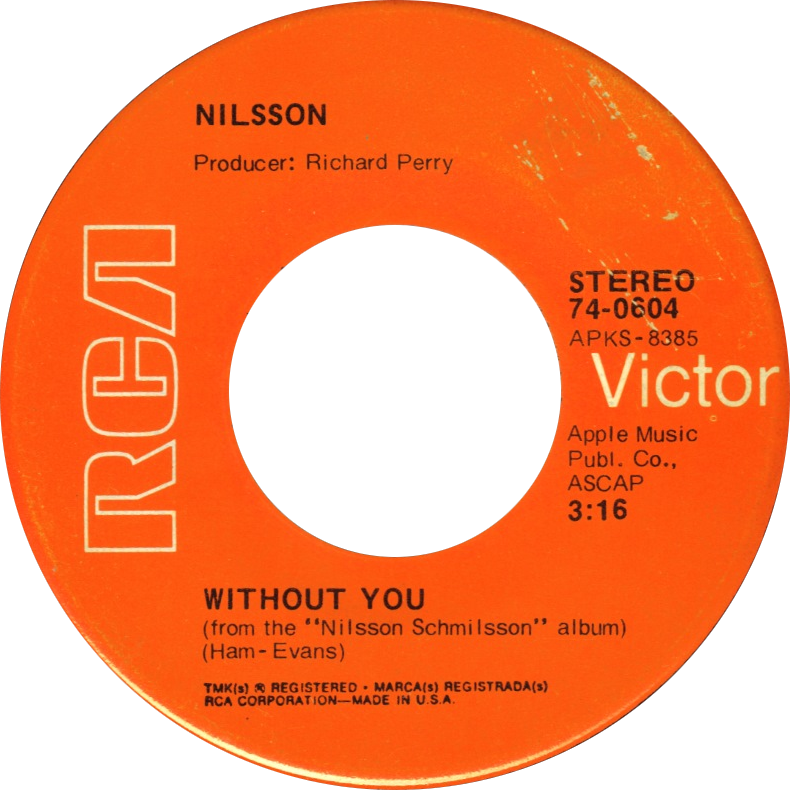
Harry Nilsson’s “Without You” — a cover of the Badfinger original — spent four weeks at number one in February and March 1972. The song’s emotional vocal performance set a template for adult-contemporary balladry that dominated American radio for the next two decades. Nilsson’s version won the 1973 Grammy Award for Best Male Pop Vocal Performance. American adults who heard the song in 1972 typically remember every emotional rise and fall. The 1994 Mariah Carey cover briefly reintroduced the song to a new generation but with limited lyrical retention. Most American listeners under 40 in 2026 do not recognize either the title or the original artist.
4. “I’ll Take You There” — The Staple Singers
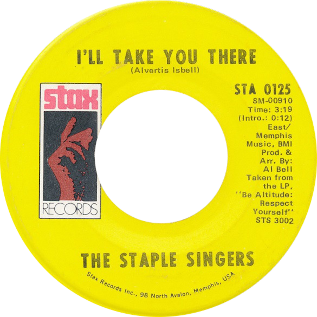
The Staple Singers’ “I’ll Take You There” reached number one on the Billboard Hot 100 in May 1972 and became one of the year’s defining soul-gospel crossovers. The song’s relaxed groove, Mavis Staples’ vocal lead, and the repeated title hook produced one of the most-played radio singles of the decade. American adults of the 1972 generation can typically sing the entire chorus and most of the verses. The song was inducted into the Grammy Hall of Fame in 1999. Younger American listeners in 2026 recognize the title from soundtrack appearances (notably in the 1993 film “Sleepless in Seattle”) but generally cannot quote the full lyrics or identify the original recording artist.
5. “Heart of Gold” — Neil Young
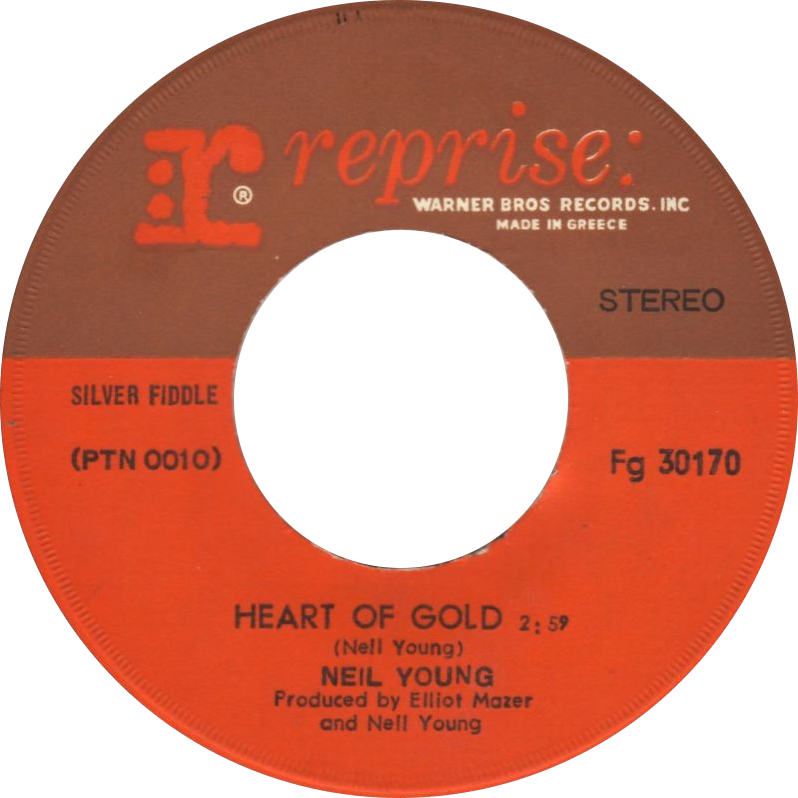
Neil Young’s “Heart of Gold” reached number one in March 1972 — the only number-one Billboard Hot 100 single of Neil Young’s solo career. The song’s harmonica intro, acoustic guitar, and simple lyric about searching for genuine love made it instantly memorable. The track appeared on Young’s “Harvest” album, which became the best-selling album of 1972 in the United States. Young, now 80 years old, has periodically performed the song in his rare 2024-2025 tour appearances. American adults of the 1972 generation typically know the song word-for-word. Younger American listeners in 2026 generally recognize the harmonica hook but cannot identify the title or full lyrics.
6. “Brand New Key” — Melanie
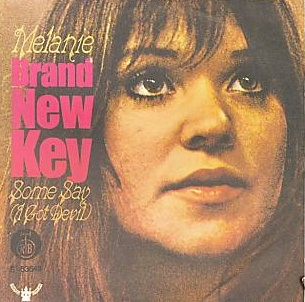
Melanie’s “Brand New Key” hit number one in January 1972 and became one of the defining novelty pop singles of the early 1970s. The song’s playful lyric about roller skates, the high-pitched vocal delivery, and the bubblegum melody dominated AM radio for months. The song sold over three million U.S. copies. Melanie Safka passed away in January 2024 at age 76, and her obituary coverage focused largely on this single song. American adults of the 1972 generation typically remember every line of the lyric. The song is essentially unknown to listeners under 40 in 2026, occasionally surfacing in 1970s-themed compilations and ironic TikTok throwback videos.
7. “Alone Again (Naturally)” — Gilbert O’Sullivan
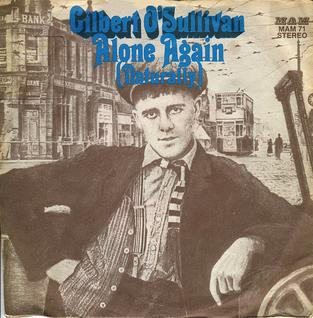
Gilbert O’Sullivan’s “Alone Again (Naturally)” spent six weeks at number one in the summer of 1972 — the longest run at number one of any song that year. The song’s lyrical content — a narrator contemplating suicide after being jilted at the altar, then describing the deaths of his parents — was unusually dark for a pop number-one hit. American adults of the 1972 generation typically remember the entire lyric, often noting the emotional impact of the song’s specific narrative. The song was central to a 1991 Biz Markie copyright lawsuit that effectively ended the era of unauthorized sampling in American hip-hop. Younger American listeners in 2026 generally do not recognize the title or artist.
8. “The Candy Man” — Sammy Davis Jr.
Sammy Davis Jr.’s “The Candy Man” reached number one in June 1972 and stayed at the top for three weeks. The song originated in the 1971 film “Willy Wonka & the Chocolate Factory” but became Sammy Davis Jr.’s defining recording outside his Rat Pack collaborations. The song’s chorus about the candy man making the world taste good remains widely recognized by Americans of all ages, but the verses are typically known only by the 1972 generation. Sammy Davis Jr. passed away in 1990. The song has been continuously referenced in American popular culture — from Adam Sandler’s “Big Daddy” (1999) to dozens of cover versions — without restoring broad lyrical familiarity.
9. “Song Sung Blue” — Neil Diamond
Neil Diamond’s “Song Sung Blue” reached number one in July 1972 and became one of the most-played Neil Diamond singles of his long career. The song’s accessible structure, the cheerful “Funny thing, but you can sing it with a cry in your voice” lyric, and Diamond’s distinctive vocal phrasing made it instantly memorable. American adults of the 1972 generation typically know the entire song. Neil Diamond retired from touring in 2018 due to a Parkinson’s disease diagnosis and remains alive in 2026 at age 85. Younger American listeners generally recognize Neil Diamond as a name but cannot identify this specific song or quote its lyrics.
10. “My Ding-a-Ling” — Chuck Berry
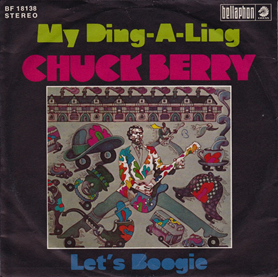
Chuck Berry’s “My Ding-a-Ling” — bizarrely the only number-one Billboard Hot 100 single of Chuck Berry’s entire career — reached the top in October 1972. The song’s double-entendre humor, recorded live from a 1972 Lanchester Arts Festival performance in England, dominated American AM radio for two weeks. American adults of the 1972 generation typically remember the entire participatory call-and-response chorus. Chuck Berry passed away in 2017 at age 90. The song is generally regarded as a curious footnote to Berry’s serious work (Maybellene, Johnny B. Goode, Roll Over Beethoven), and younger American listeners in 2026 have generally never heard it. The fact that Berry’s only Billboard number one was this novelty song rather than his classic rock-and-roll catalog remains one of the strangest facts in American music history.
Like our content? Follow us for more.