If you grew up in the 1970s, your after-school world ran on a very specific roster of snacks — the ones you begged for at the grocery store, traded at lunch, and devoured in front of Saturday morning cartoons. They were colorful, frequently bizarre, loaded with sugar and additives nobody worried about yet, and they defined a particular flavor of American childhood. Most of them are now gone, discontinued, reformulated beyond recognition, or surviving only as a faint memory and the occasional nostalgic re-release. Tastes changed, ingredients got reconsidered, and the snack aisle moved on. But for an entire generation, these treats are powerful, specific memories of being a kid in the ’70s. Here are fourteen snacks every American kid begged for in the 1970s that have all but disappeared.
1. Space Food Sticks
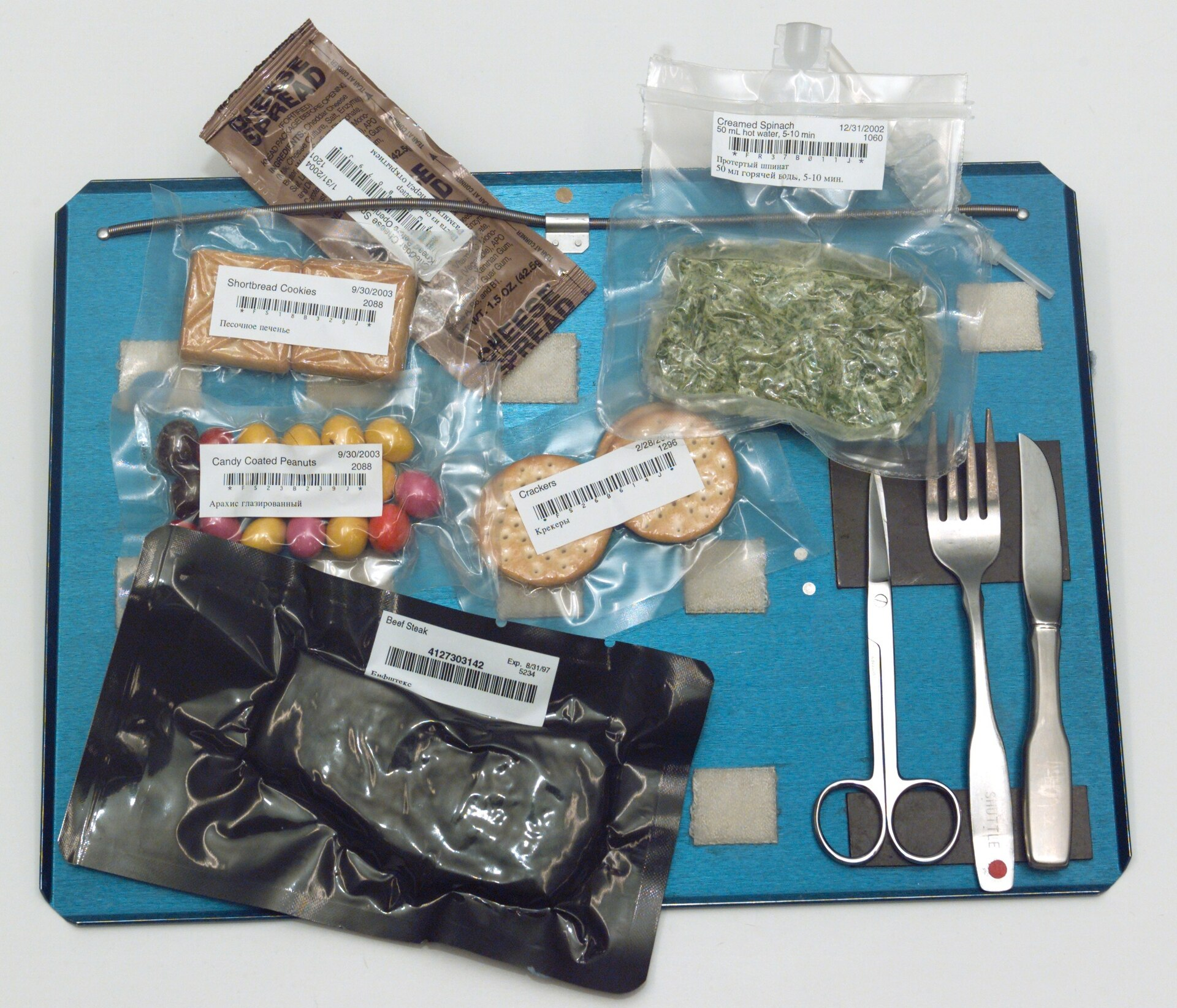
Riding the wave of Space Age enthusiasm from the Apollo era, Space Food Sticks were chewy, tubular “energy” snacks marketed with astronaut associations, and 1970s kids loved the idea of eating something connected to space travel. The chewy, vaguely-nutritious sticks in flavors like chocolate and peanut butter were the height of futuristic snacking. As the space craze faded and tastes shifted, Space Food Sticks largely vanished from shelves, surviving mainly in the memories of kids who felt like astronauts eating them. They’re a perfect emblem of the era’s optimistic, Space Age marketing aimed straight at children.
2. Marathon Bar
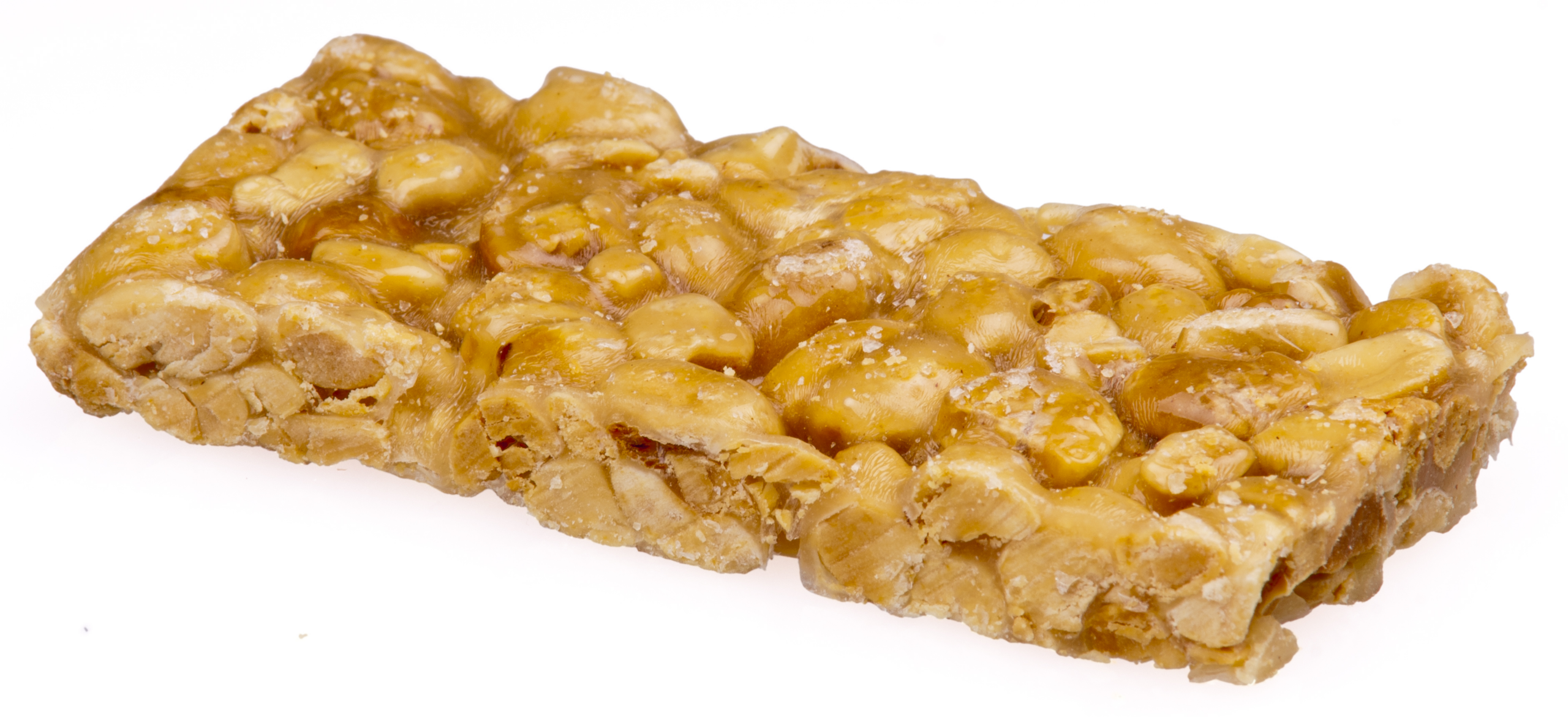
The Marathon bar was a long, braided rope of caramel covered in chocolate, famous for being genuinely long — the package even had a ruler printed on the back — and for taking a satisfyingly long time to eat. 1970s kids adored its chewy, drawn-out eating experience and its distinctive shape. Discontinued in the U.S. around 1981, the Marathon bar became one of the most fondly-remembered lost candies of the era, frequently topping nostalgic “bring it back” lists. Its braided length and the ruler on the wrapper made it unforgettable, and its disappearance left a candy-shaped hole in many childhood memories.
3. Reggie! Bar
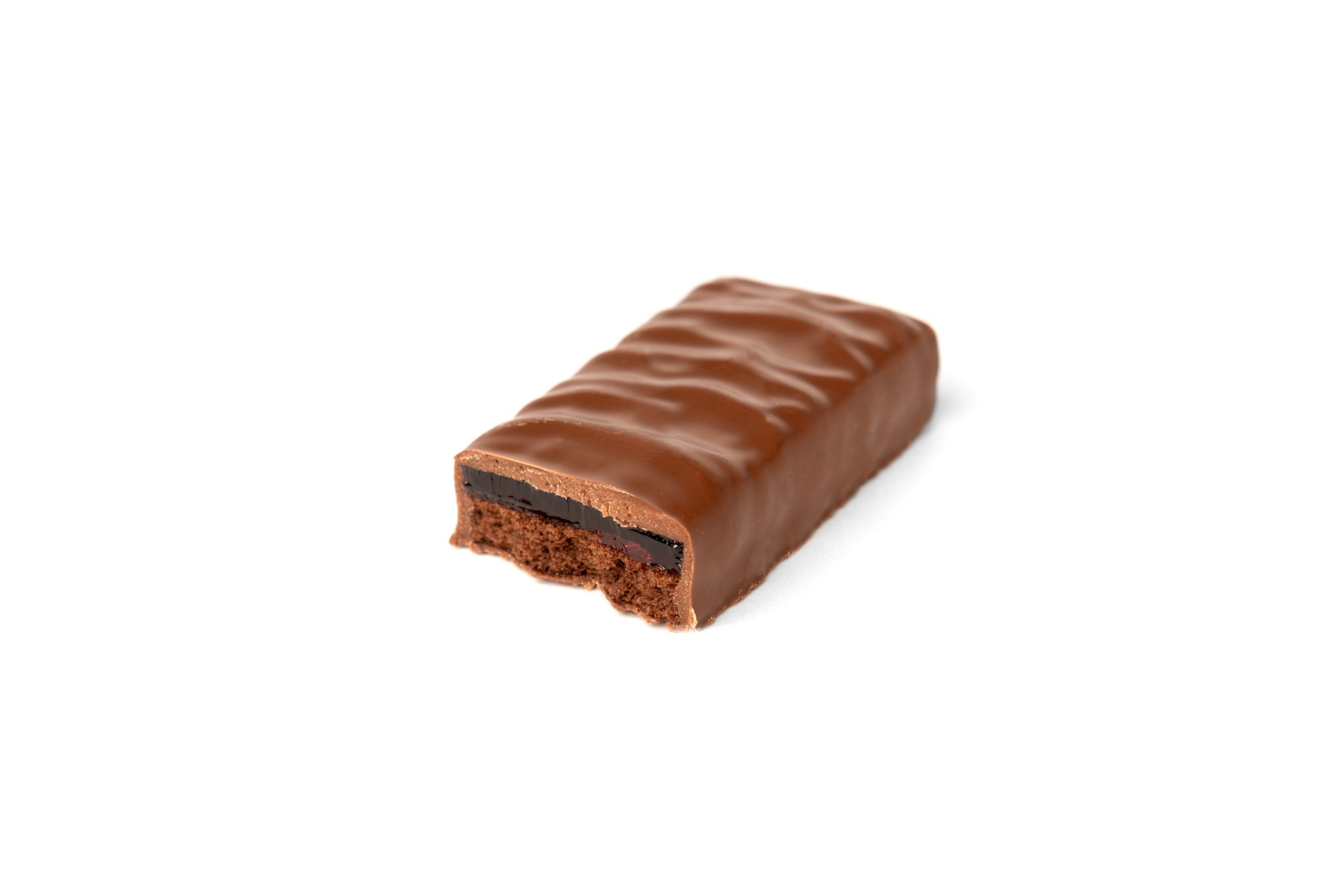
Named for baseball star Reggie Jackson and launched in the late 1970s, the Reggie! Bar was a round patty of caramel and peanuts covered in chocolate, famously showered onto the field by fans at a Yankees game. For 1970s kids, especially baseball fans, it was a must-have, tying their snacking to their sports heroes. The Reggie! Bar faded from shelves as the decade’s particular celebrity-candy moment passed. It remains a vivid emblem of late-’70s sports and snack culture, a candy bar that was as much about baseball fandom as it was about chocolate and peanuts.
4. Jell-O 1-2-3
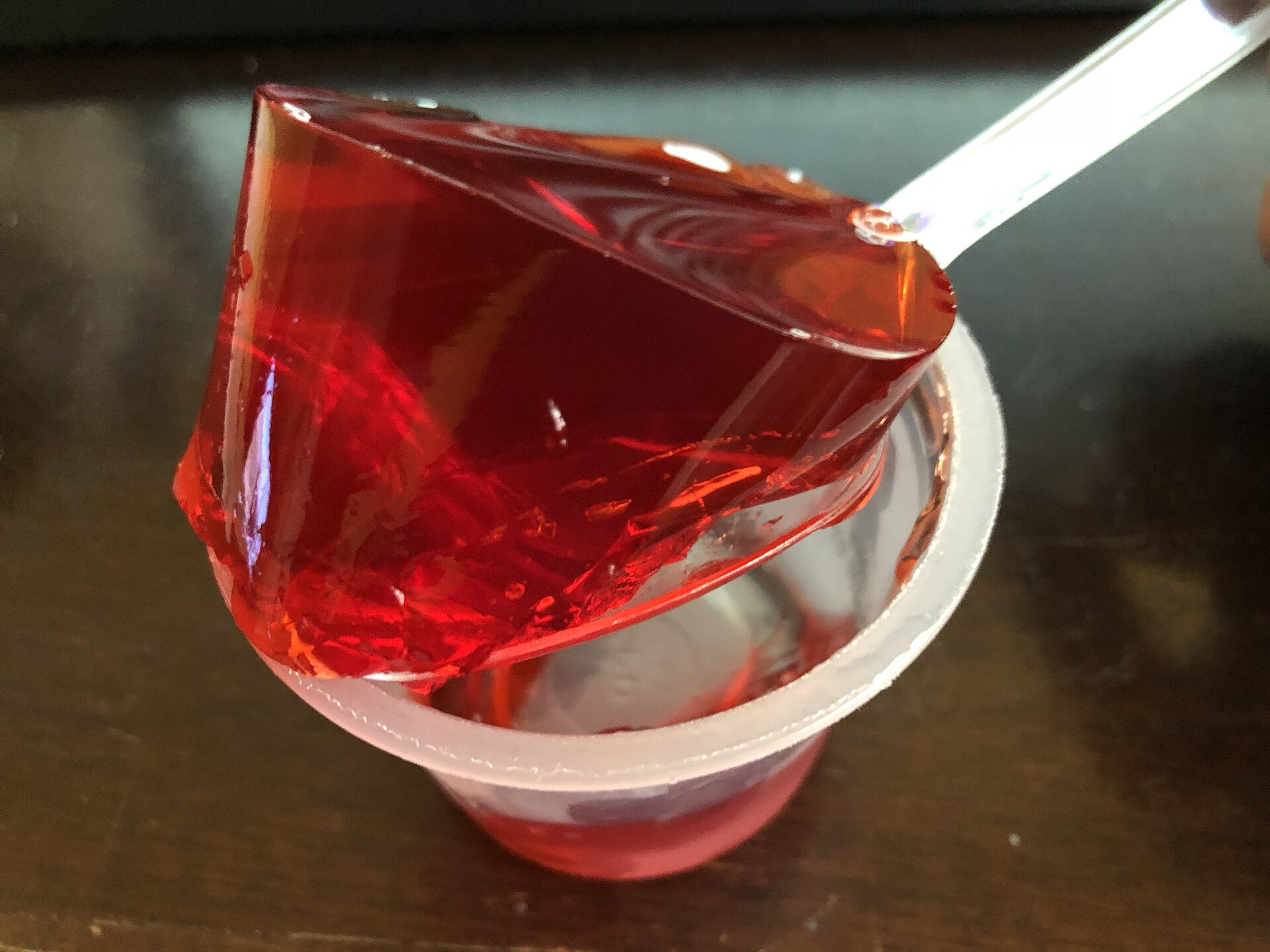
Jell-O 1-2-3 was a magical dessert powder that, when prepared, separated into three distinct layers — a creamy top, a mousse-like middle, and classic gelatin on the bottom — all from one mix. 1970s kids were mesmerized by the science-like transformation. The novelty dessert was a hit in an era that loved gelatin treats. Discontinued in the 1990s, Jell-O 1-2-3 vanished along with much of the era’s gelatin-dessert obsession. The self-separating layers felt like kitchen magic, and its disappearance marked the end of a peculiarly 1970s style of fun, transforming convenience dessert.
5. Pop Rocks (in Their Original Glory)
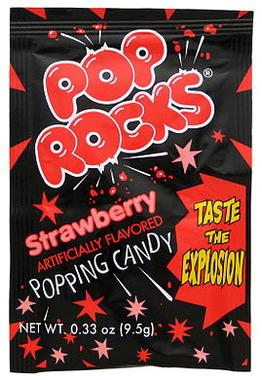
Pop Rocks, the carbonated candy that crackled and popped in your mouth, were a 1970s sensation, surrounded by playground legends (including the famous false rumor that they were dangerous when mixed with soda). Kids were both thrilled and slightly scared by the fizzing, popping sensation. While Pop Rocks still exist in some form, their original 1970s cultural moment — the genuine novelty, the wild rumors, the playground mythology — has faded. For ’70s kids, the first experience of candy that exploded on the tongue was unforgettable, a sensory novelty unlike anything before it.
6. Quisp and Quake Cereals
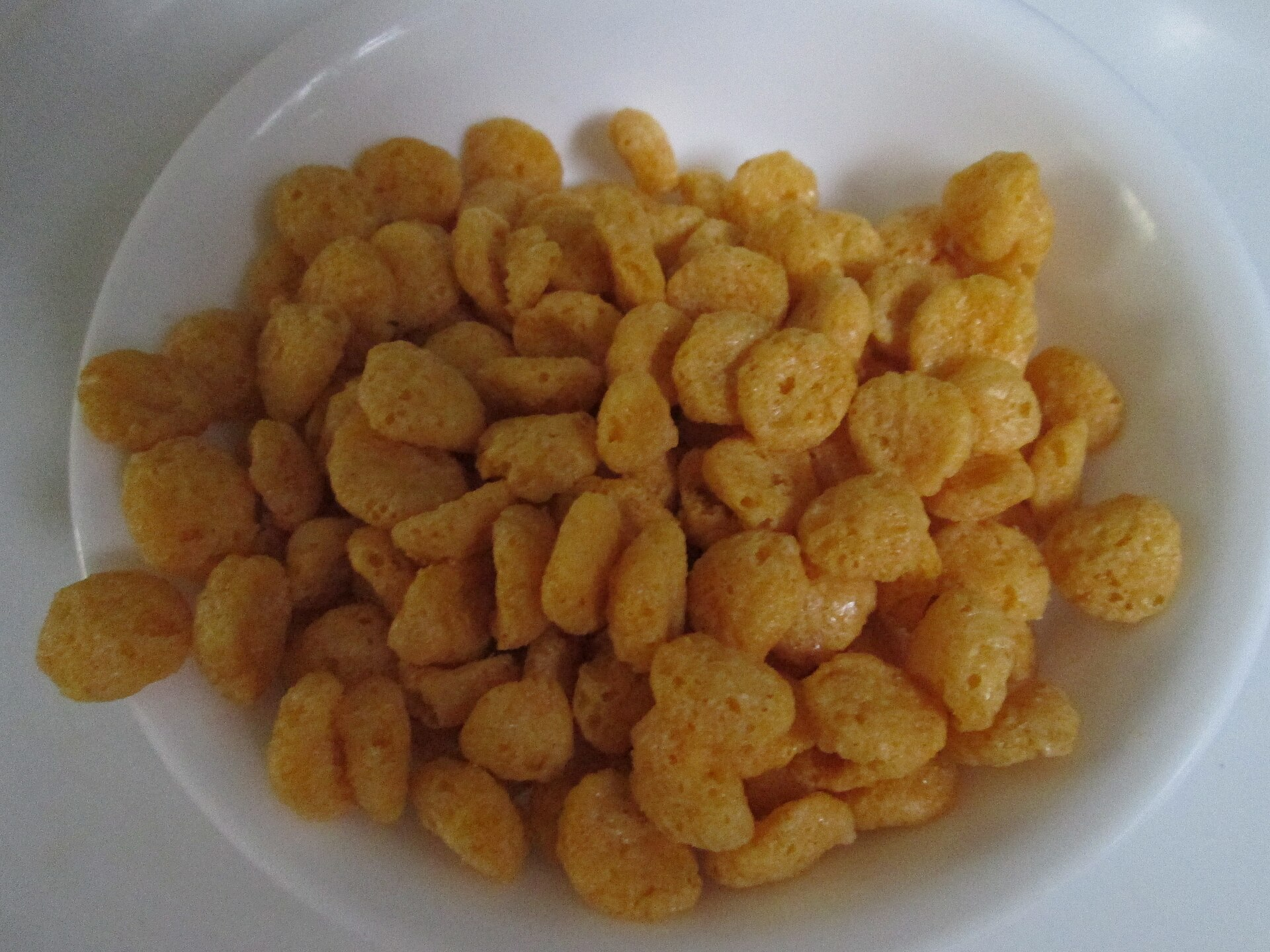
The Quisp cereal, with its friendly alien mascot, and its rival Quake competed for 1970s kids’ breakfast loyalty in a famous marketing rivalry. The sugary, crunchy cereals were beloved, and the cartoon mascots were childhood icons. Quake was eventually discontinued, and while Quisp has had limited nostalgic revivals, the everyday presence of these cereals on breakfast tables vanished. The Quisp-versus-Quake era captured the 1970s peak of character-driven sugar cereals marketed directly to children, a breakfast-aisle world that has largely disappeared.
7. Freakies Cereal
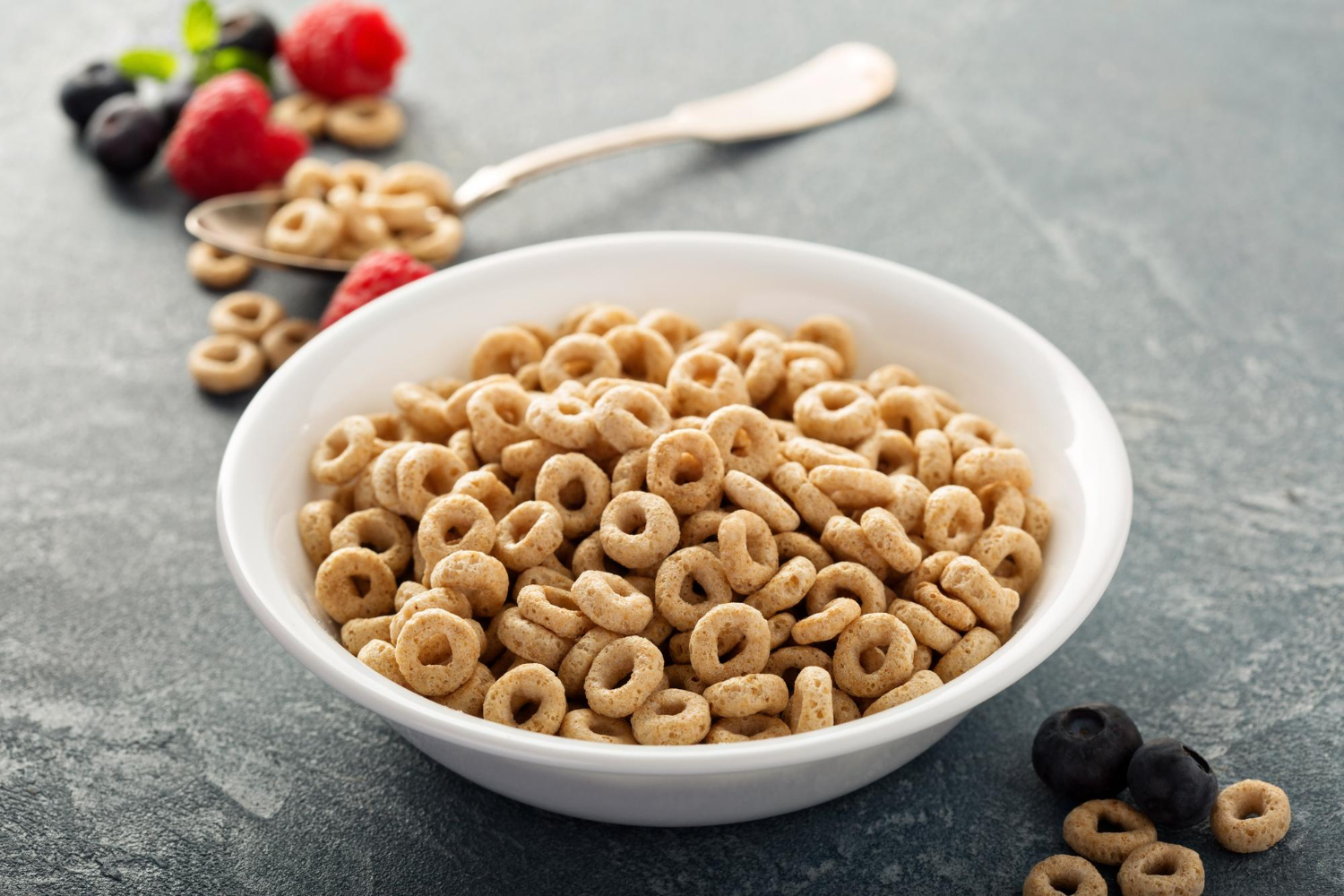
Freakies cereal, built around a cast of quirky little monster characters who lived in the “Freakies Tree,” was a 1970s phenomenon driven by an elaborate cartoon mythology and collectible prizes. Kids were drawn in by the characters and the lore as much as the cereal itself. Freakies eventually disappeared from shelves as the character-cereal craze cooled. The elaborate world-building around a breakfast cereal — complete with backstories for each Freakie — exemplifies the 1970s marketing approach to children, and its vanishing took a whole quirky mythology with it.
8. Gee, Your Hair Smells Terrific (and the Scented-Everything Craze)
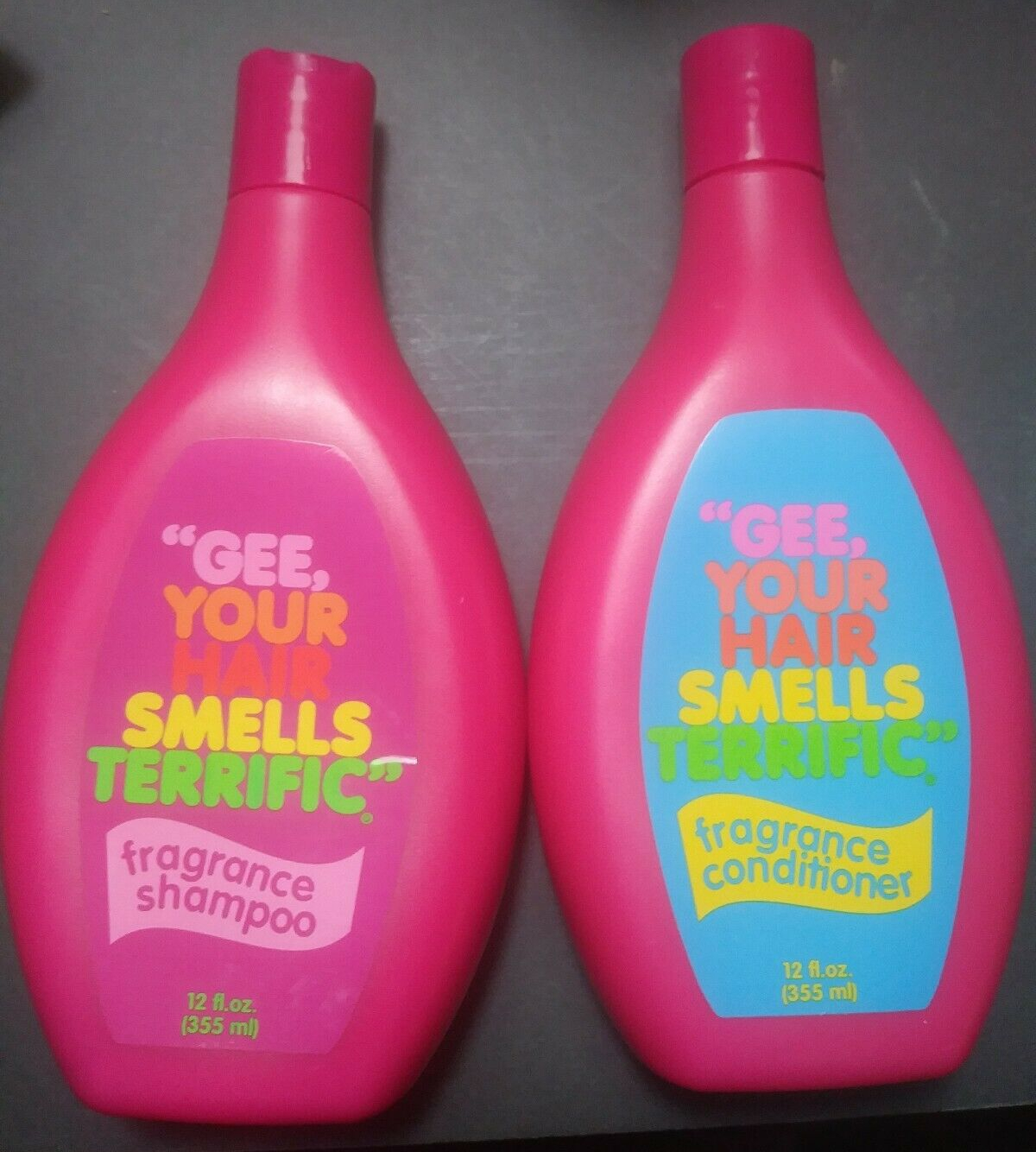
While technically a shampoo, the 1970s craze for novelty and the broader world of scratch-and-sniff and scented products defined kid culture, and scented snacks, stickers, and novelties were everywhere. The era’s love of novelty sensory products extended into countless short-lived snack and treat items. This whole category of gimmicky, sensory-novelty products aimed at 1970s kids has largely vanished as tastes matured. The decade’s appetite for novelty — things that popped, fizzed, glowed, or smelled — produced a constant churn of treats that burned bright and disappeared.
9. Carnation Breakfast Bars
Carnation Breakfast Bars were chocolate-coated “breakfast” bars marketed as a complete morning meal, and 1970s kids happily ate what was essentially a candy bar for breakfast. The chewy, chocolatey bars felt like getting away with something. Discontinued, they became a fondly-remembered lost snack, frequently appearing on nostalgic “bring it back” lists. The Carnation Breakfast Bar captured the 1970s enthusiasm for convenient, fortified, candy-adjacent foods marketed as nutritious, a snack that blurred the line between breakfast and dessert in a very of-the-era way.
10. Sticker and Wax Treats: Wax Lips and Bottles
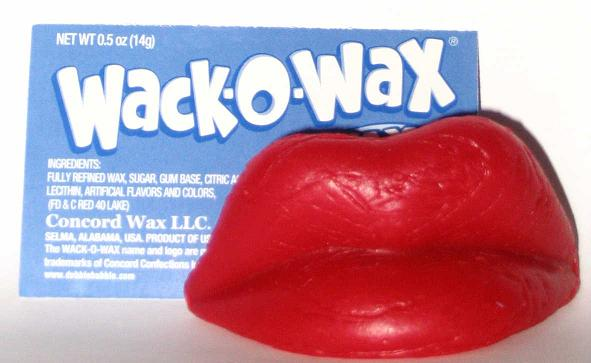
Novelty wax candies — wax lips you could wear then chew, and little wax bottles filled with sweet syrup you’d bite open and drink — were a staple of 1970s penny-candy culture. Kids loved the playful, edible-toy quality of these treats. While wax candies still exist in small nostalgic forms, their everyday presence in candy counters and the central place they held in 1970s kid culture has faded. The wax lips you’d wear for laughs before chewing them up, and the tiny wax bottles, are quintessential lost treats of the era.
11. Pixy Stix by the Fistful
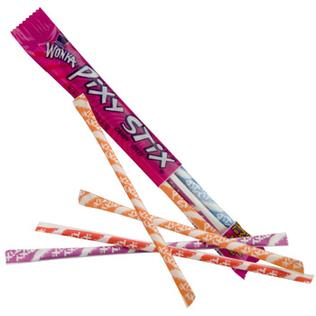
While Pixy Stix — paper straws filled with flavored sugar powder — technically still exist, the 1970s experience of buying them by the fistful as cheap penny candy and the sheer central role of pure-sugar candy in kid culture has changed. Kids in the ’70s consumed straight flavored sugar with abandon. The shift in attitudes toward children and sugar means the era of casually downing tubes of pure colored sugar has faded. Pixy Stix represent the 1970s’ uncomplicated, pre-health-conscious approach to candy: it was just sugar, and that was the point.
12. Hostess Chocolate Pudding Pies and Fried Pies
The 1970s convenience-snack world was full of Hostess and similar treats, including various fried pies, pudding-filled snacks, and seasonal novelties that have since been discontinued or changed. Kids reached for these individually-wrapped treats constantly. Many specific 1970s varieties have vanished even as the brands continue, victims of changing tastes and reformulation. The specific roster of fried pies, pudding snacks, and novelty cakes that filled 1970s lunchboxes and after-school plates has thinned dramatically, taking particular flavors and textures into memory.
13. Screaming Yellow Zonkers
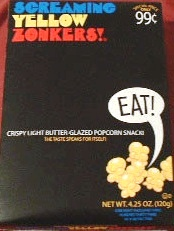
Screaming Yellow Zonkers — sweet, glazed popcorn in a famously designed black box covered in wacky humor — were a 1970s favorite as much for the irreverent packaging as the buttery-sweet popcorn inside. Kids and teens loved reading the silly copy all over the box. Discontinued (with brief revivals), Screaming Yellow Zonkers became a cult-nostalgia snack. The combination of glazed popcorn and genuinely funny, era-defining packaging made them memorable, and their disappearance took a small piece of 1970s snack humor with it.
14. Koogle and the Flavored Peanut Butter Craze
Koogle was a flavored peanut butter spread — in varieties like chocolate, banana, and cinnamon — that 1970s kids spread on bread for a sweet, novel twist on the lunchbox staple. The flavored peanut butter, with its catchy jingle and cartoon mascot, was a hit. Discontinued, Koogle vanished, taking its banana and chocolate peanut butter flavors into the realm of pure nostalgia. It captures the 1970s tendency to take a familiar staple and reinvent it as a sweet, kid-targeted novelty, a flavored-peanut-butter moment that simply ended.