While the in-room hotel safe is designed to offer peace of mind, its security is often more illusion than reality. Many safes are vulnerable to bypass methods, and hotel staff may have access to override codes. Relying solely on a hotel safe can create a false sense of security, leaving valuables exposed to opportunistic thieves or even internal hotel staff. Understanding these vulnerabilities is the first step to protecting your belongings.
The Illusion of Security: Why Hotel Safes Aren’t Foolproof
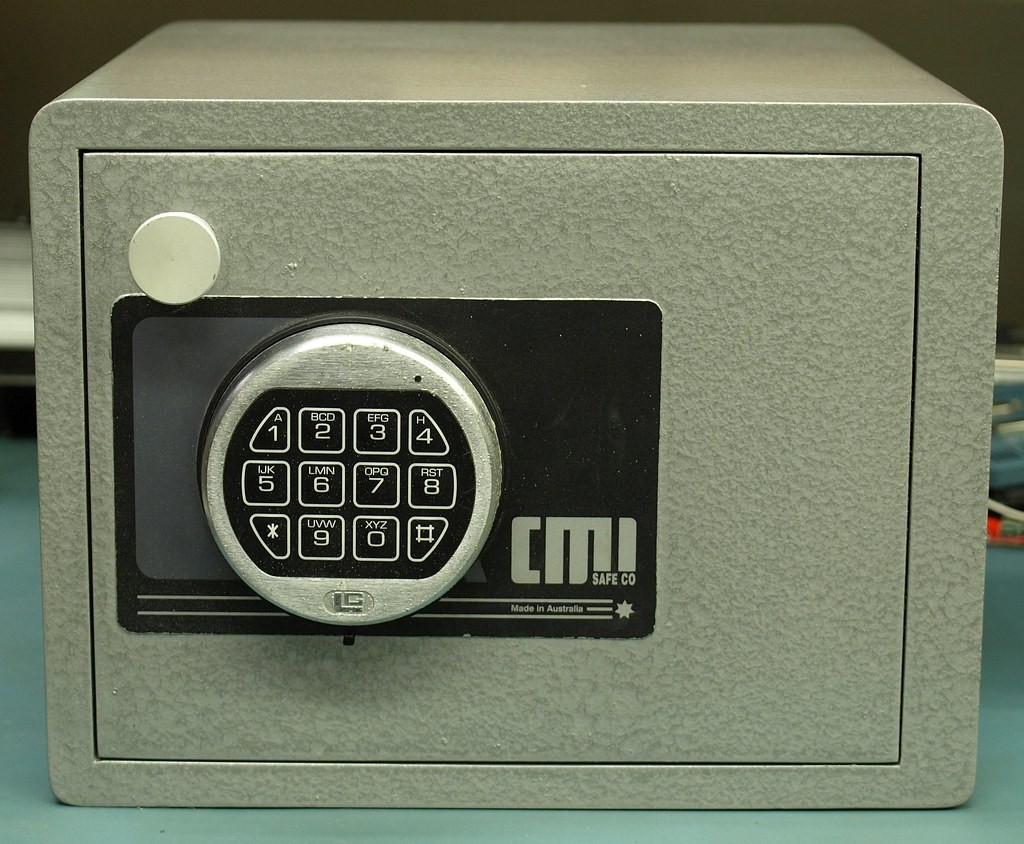
The hotel room safe, often perceived as a digital vault for passports, cash, and jewelry, frequently falls short of robust security standards. Many electronic safes can be bypassed with relative ease. For instance, videos circulating online demonstrate how older models might be susceptible to “master codes” that hotels sometimes fail to change, leaving them accessible to anyone with the right information. Even newer systems can have vulnerabilities. Some safes have hidden override keyholes or can be exploited by draining internal batteries and manipulating power wires, a method requiring some technical know-how but achievable for determined individuals. The presence of a safe can lull guests into a false sense of security, leading them to be less vigilant about other security measures. While hotels have override systems for forgotten codes, this very mechanism highlights the inherent vulnerability of the safe itself, as it means there’s a way in that bypasses the guest’s chosen code. The responsibility then shifts back to the guest to ensure their valuables are truly secure.
The Usual Suspects: Top Places Thieves Check First
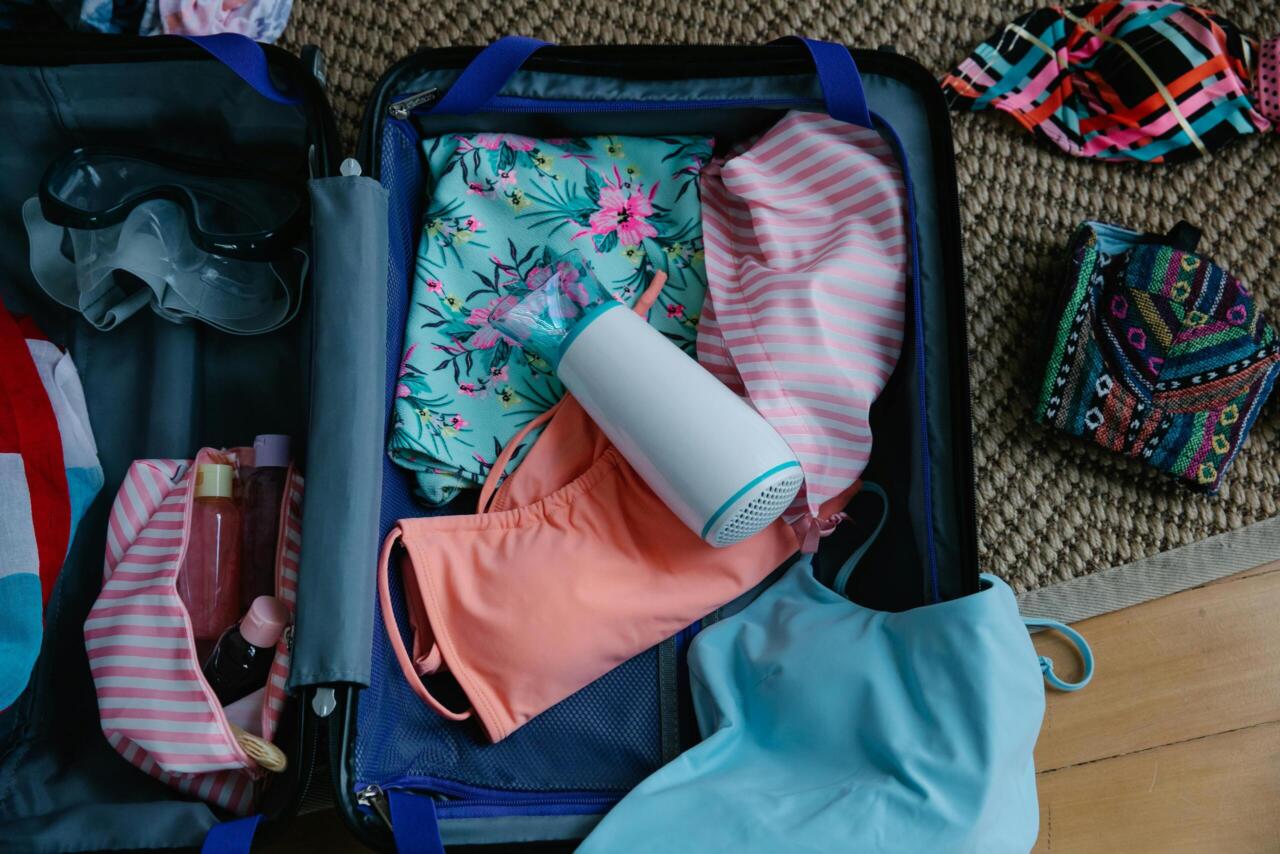
When a hotel room is targeted, thieves often don’t waste time on complex lock-picking. Instead, they focus on predictable hiding spots and accessible areas where guests might stash their valuables. Luggage is a primary target; thieves will often go through suitcases, especially if they appear unattended or easily accessible. Another common area of interest is within the room’s amenities, such as wardrobes or drawers, where guests might tuck away items for safekeeping. The bathroom, often overlooked by guests when considering security, can also be a target, with thieves checking behind mirrors or under sinks. Beyond these, any place that seems like a logical hiding spot to a guest is likely to be considered by a thief. The ease with which items like towels and bathrobes are taken suggests that more valuable items might also be carelessly left in accessible locations, making them easy targets.
Beyond the Safe: Smarter Storage Solutions
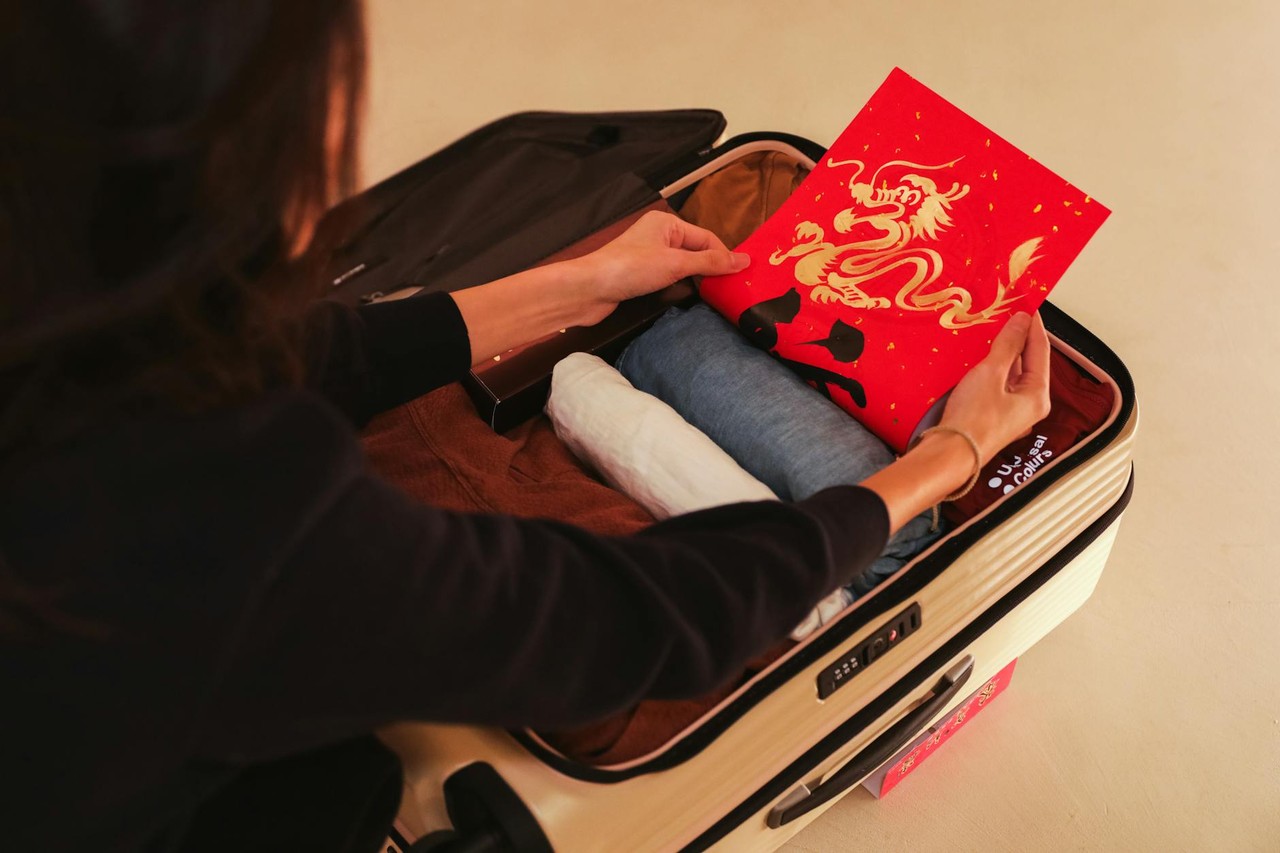
Given the vulnerabilities of hotel safes, it is prudent to explore alternative storage methods. For high-value items or irreplaceable mementos, consider utilizing the hotel’s front desk safe deposit box, which often offers a higher level of security and hotel accountability. If opting for in-room storage, think creatively about less obvious hiding places. Items like cash or spare credit cards can be concealed within unmarked containers or everyday objects. For smaller electronics or important documents, consider tamper-evident bags that clearly show if they have been accessed. Some travelers opt for portable travel safes that can be secured to a piece of furniture, offering an added layer of protection. Ultimately, diversifying where you store valuables and avoiding the single point of failure that a hotel safe can represent is key to comprehensive security.
Enhancing Hotel Room Security Beyond the Safe
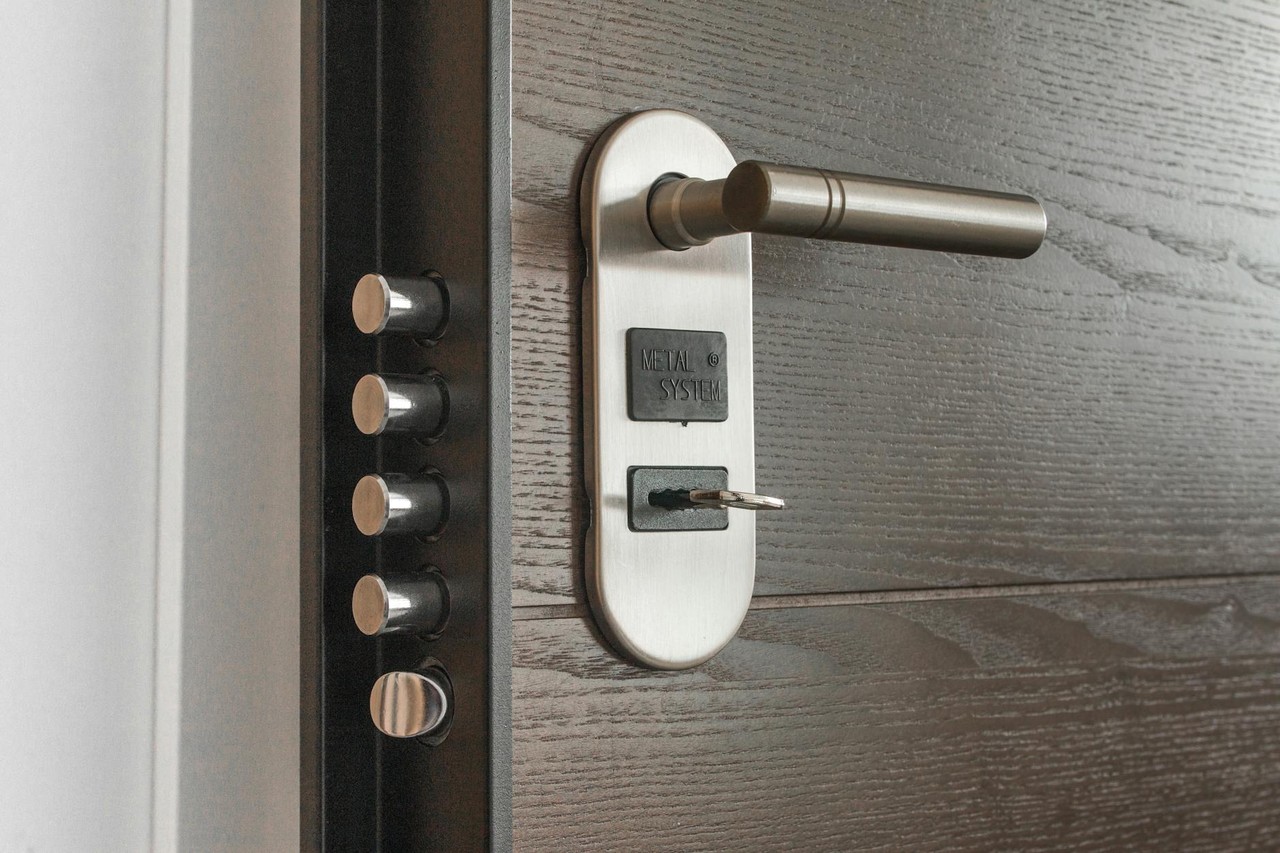
True hotel room security involves a multi-layered approach that extends far beyond the in-room safe. Always ensure your room door is securely locked, utilizing all available bolts and chains, and consider a portable door lock for added security, especially when traveling alone. Opt for rooms on higher floors, as they are generally less accessible to opportunistic criminals. Be cautious about who you allow into your room; always verify hotel staff identity by calling the front desk, and never open the door without confirming their legitimacy. Keep your room number and personal travel details private, avoiding discussions in public areas. Familiarize yourself with emergency exits and always be aware of your surroundings. These proactive measures, combined with a critical view of the in-room safe’s limitations, will significantly enhance your peace of mind during your stay.