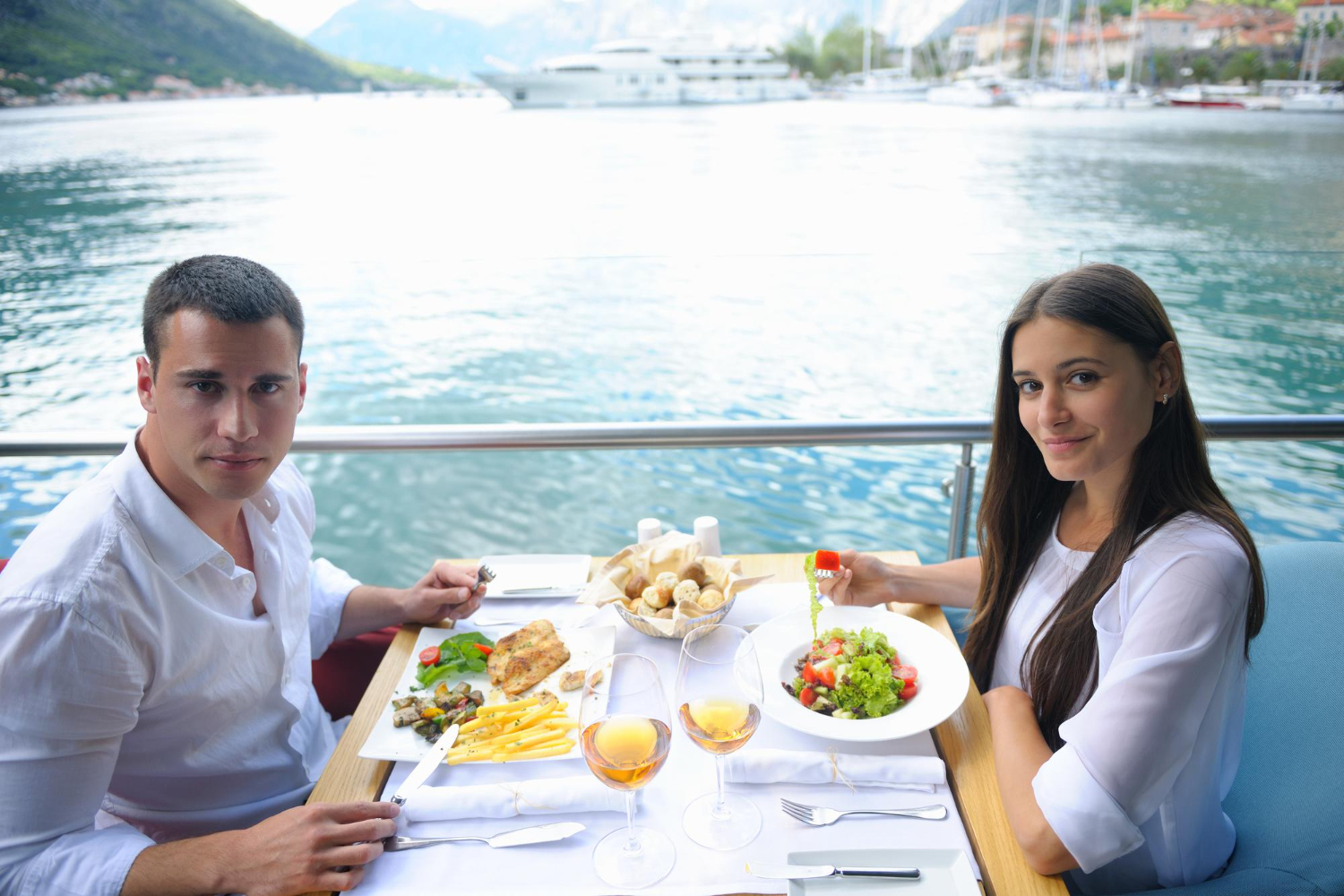
A cruise ship is essentially a floating resort, and like any resort, it runs more smoothly when guests understand the shared expectations that keep thousands of people fed comfortably across multiple dining venues every single day. Whether you’re headed to the main dining room, a specialty restaurant, or the buffet, a little etiquette knowledge goes a long way toward a pleasant meal for you and everyone around you. Here are ten things to know about cruise ship dining etiquette, counted down one by one.
1. Buffet Lines Move Faster With Simple Orders
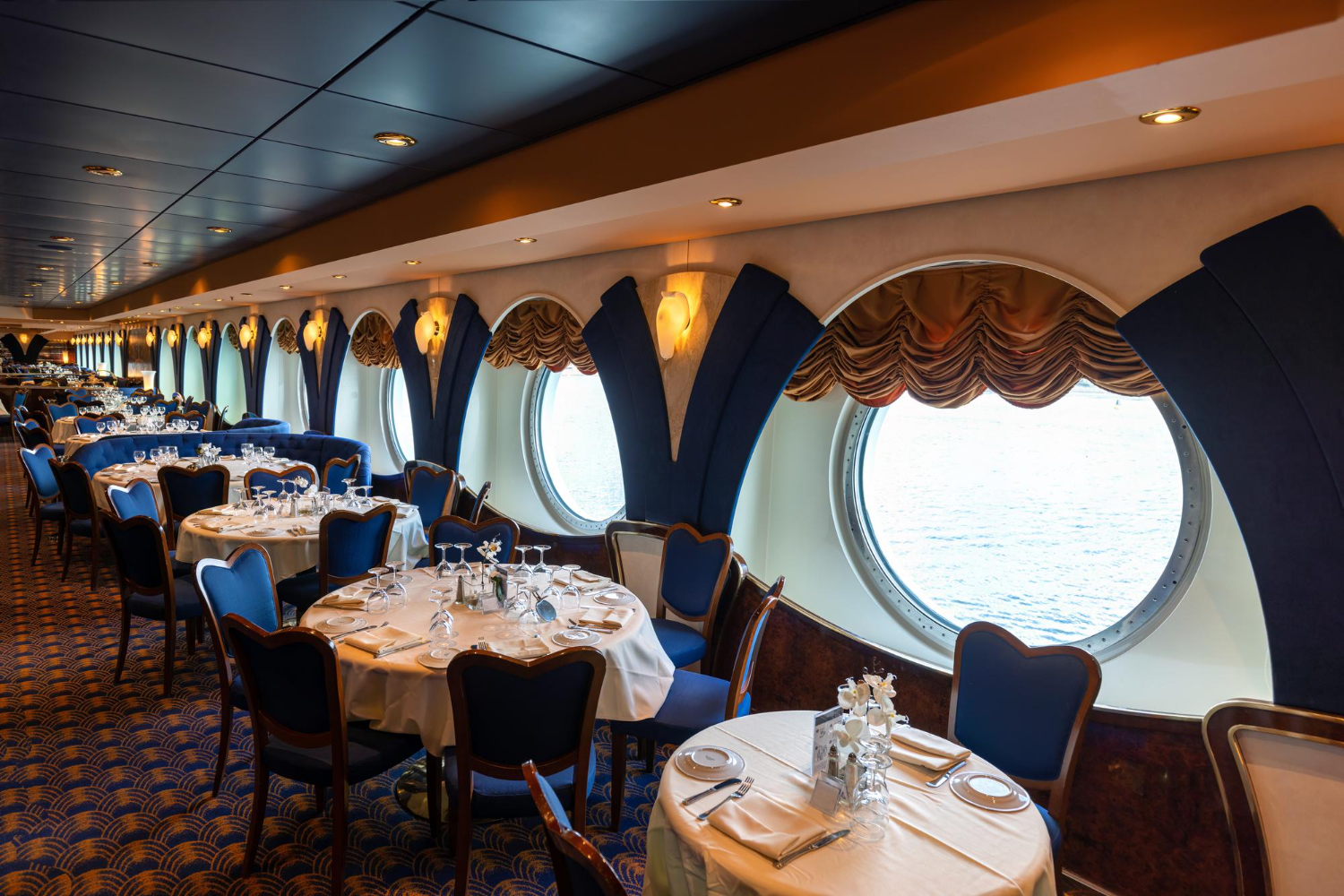
Long buffet stations reward quick, decisive choices. Overthinking a station slows everyone behind you.
Cafeteria-style buffet stations move quickly when guests keep their requests simple and decisive, and slow down considerably when someone spends several minutes deliberating over specific modifications at a busy omelet or carving station. Being mindful of the line behind you and keeping requests brief helps everyone move through more smoothly. Buffet lines moving faster with simple orders is a basic but important courtesy, the small consideration that keeps a genuinely high-volume dining system running efficiently for the thousands of passengers relying on it every meal.
Like our content? Follow us for more.
2. Dress Codes Vary by Venue and Night
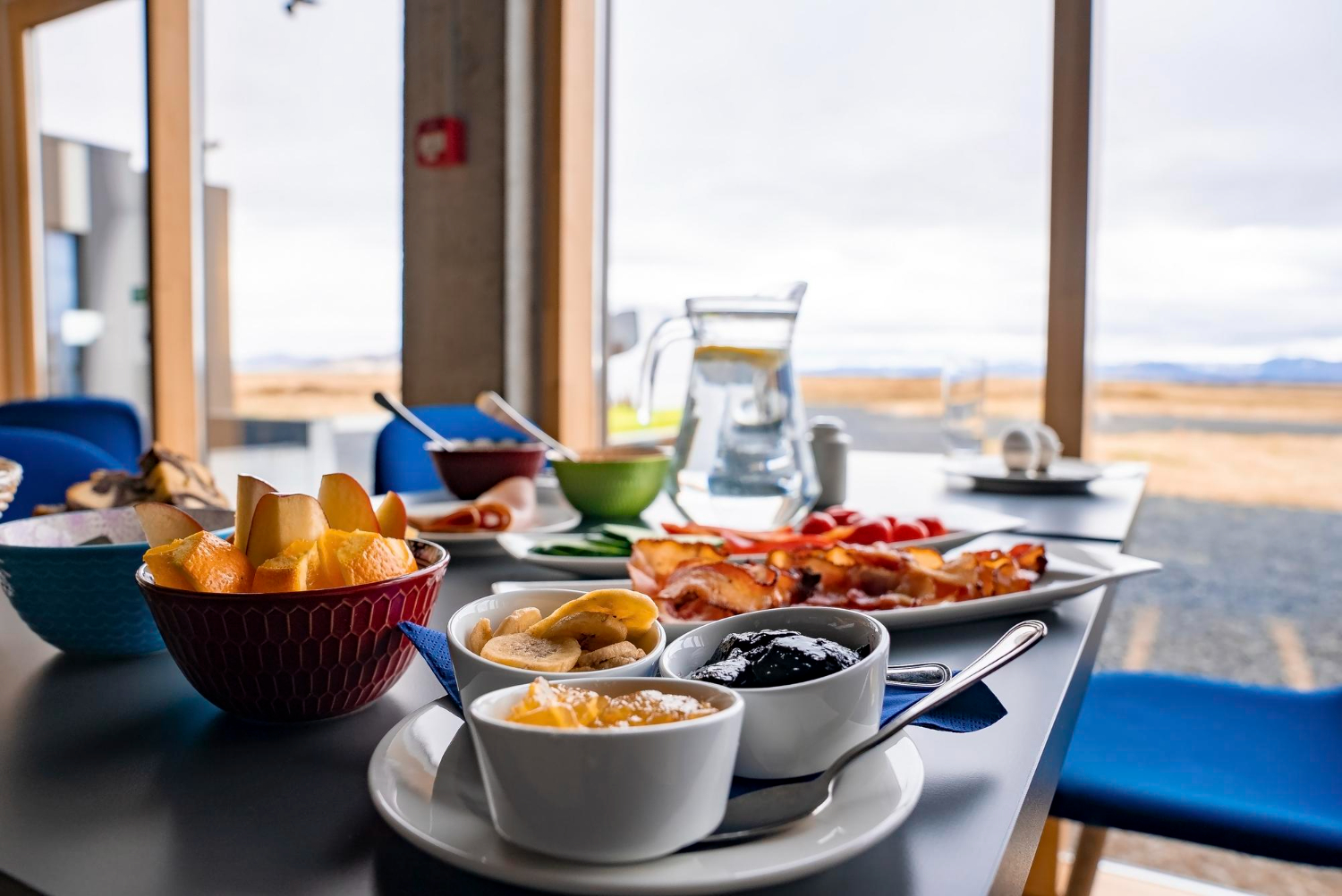
Different dining rooms enforce different standards. Formal nights typically call for smarter attire.
Dress expectations vary considerably across a ship’s dining venues and even by night, casual poolside grills welcome swimwear cover-ups, while the main dining room and specialty restaurants typically expect smart-casual or formal attire, especially on designated formal nights. Checking the cruise line’s specific dress code before packing avoids an awkward mismatch. Dress codes varying by venue and night is essential pre-trip knowledge, the practical detail that helps travelers pack appropriately and avoid being turned away from a venue for not meeting its particular standard.
3. Tipping Is Often Already Included, But Extra Is Appreciated
Gratuities are typically added automatically to your bill. Additional tips for exceptional service are still welcome.
Most cruise lines automatically add a daily gratuity charge covering dining and stateroom staff, meaning tipping isn’t strictly required at each individual meal the way it might be at a standalone restaurant. That said, offering a little extra cash for genuinely exceptional or personalized service is a welcome and appreciated gesture. Tipping being largely included, but extra still appreciated, is useful to understand before boarding, since it clarifies what’s already covered while leaving room for recognizing standout service.
4. Specialty Restaurants Usually Require Reservations
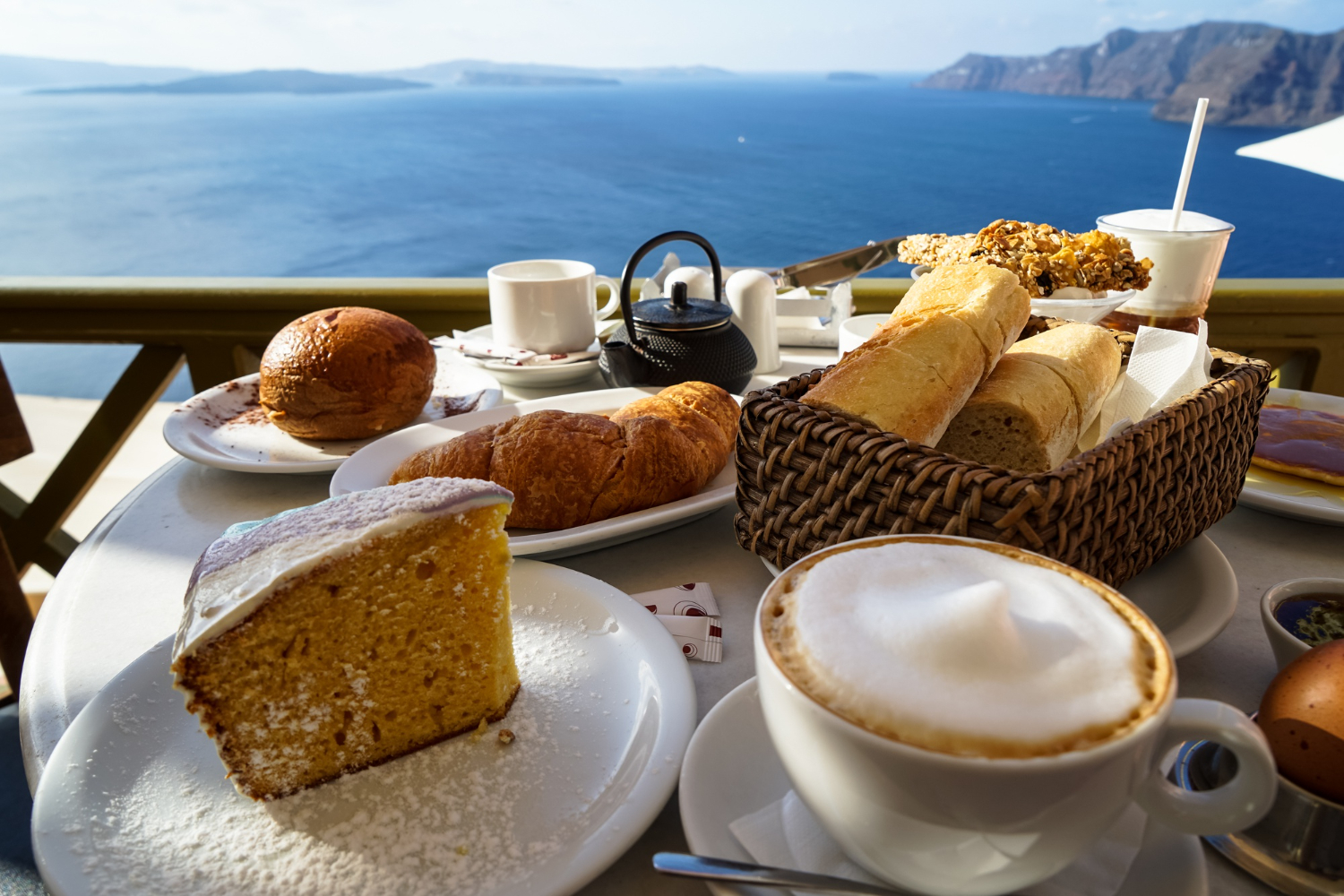
Upscale onboard restaurants operate on a reservation system. Booking early secures your preferred time.
Beyond the main dining room and buffet, most cruise ships offer specialty restaurants, often at an additional cost, that require advance reservations rather than walk-in seating. Popular time slots can fill up quickly, especially early in the cruise. Booking as soon as reservations open, sometimes even before boarding through the cruise line’s app, secures your preferred time and venue. Specialty restaurants usually requiring reservations is essential planning knowledge, since arriving without one often means a long wait or being turned away entirely from a venue you were hoping to try.
5. Table Assignments in the Main Dining Room Are Usually Fixed
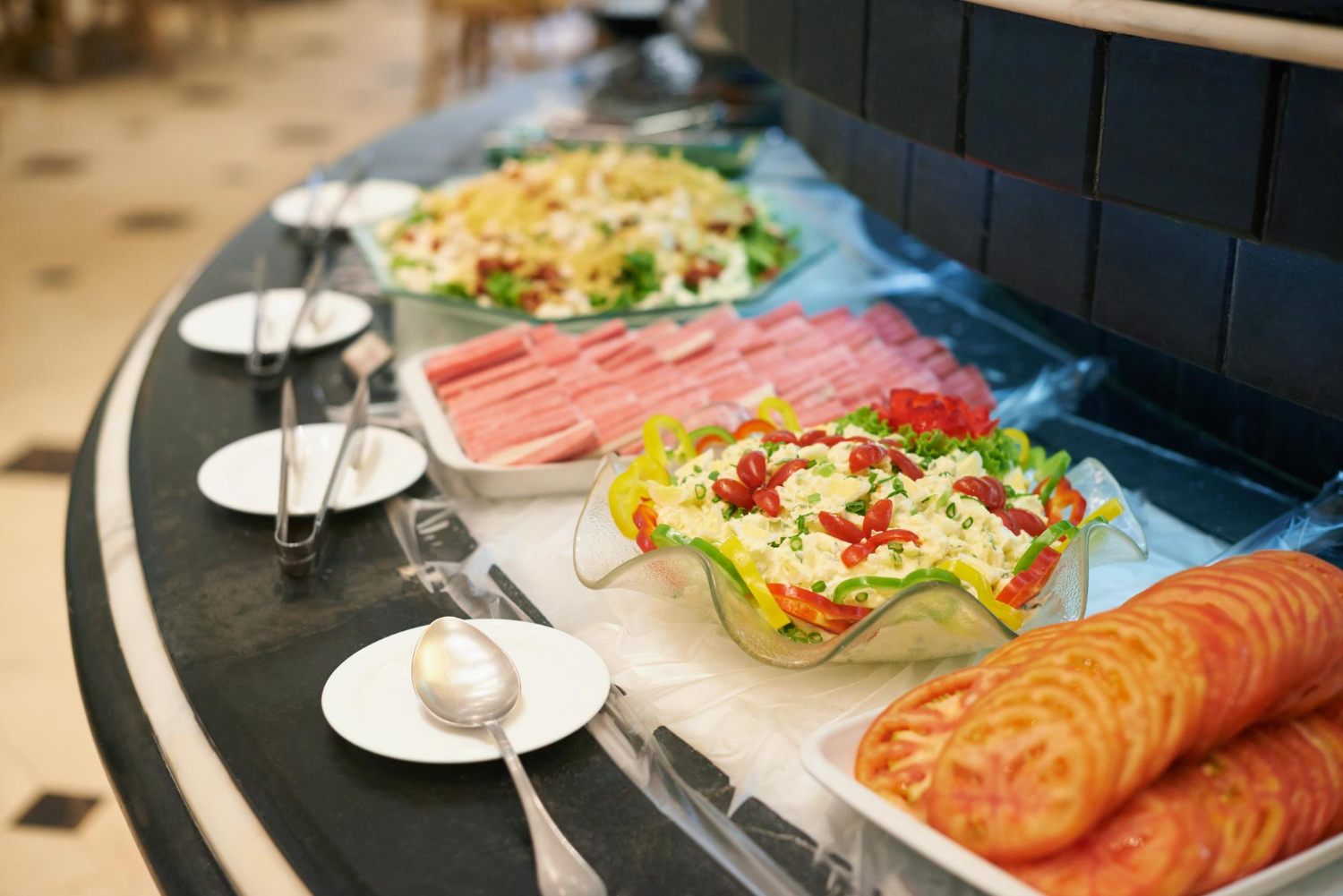
Traditional dining assigns you a set table and time. Switching requires a request to the maître d’.
Many cruise lines still offer traditional fixed dining, assigning passengers a specific table and seating time for the main dining room each evening of the cruise, often shared with the same tablemates throughout the voyage. If the arrangement isn’t a good fit, requesting a change through the maître d’ early in the cruise is the appropriate way to address it. Table assignments in the main dining room usually being fixed helps set expectations, since many newer cruisers assume dining is entirely open seating when a considerable amount of it may still be structured.
6. Sharing a Table With Strangers Is Common and Encouraged
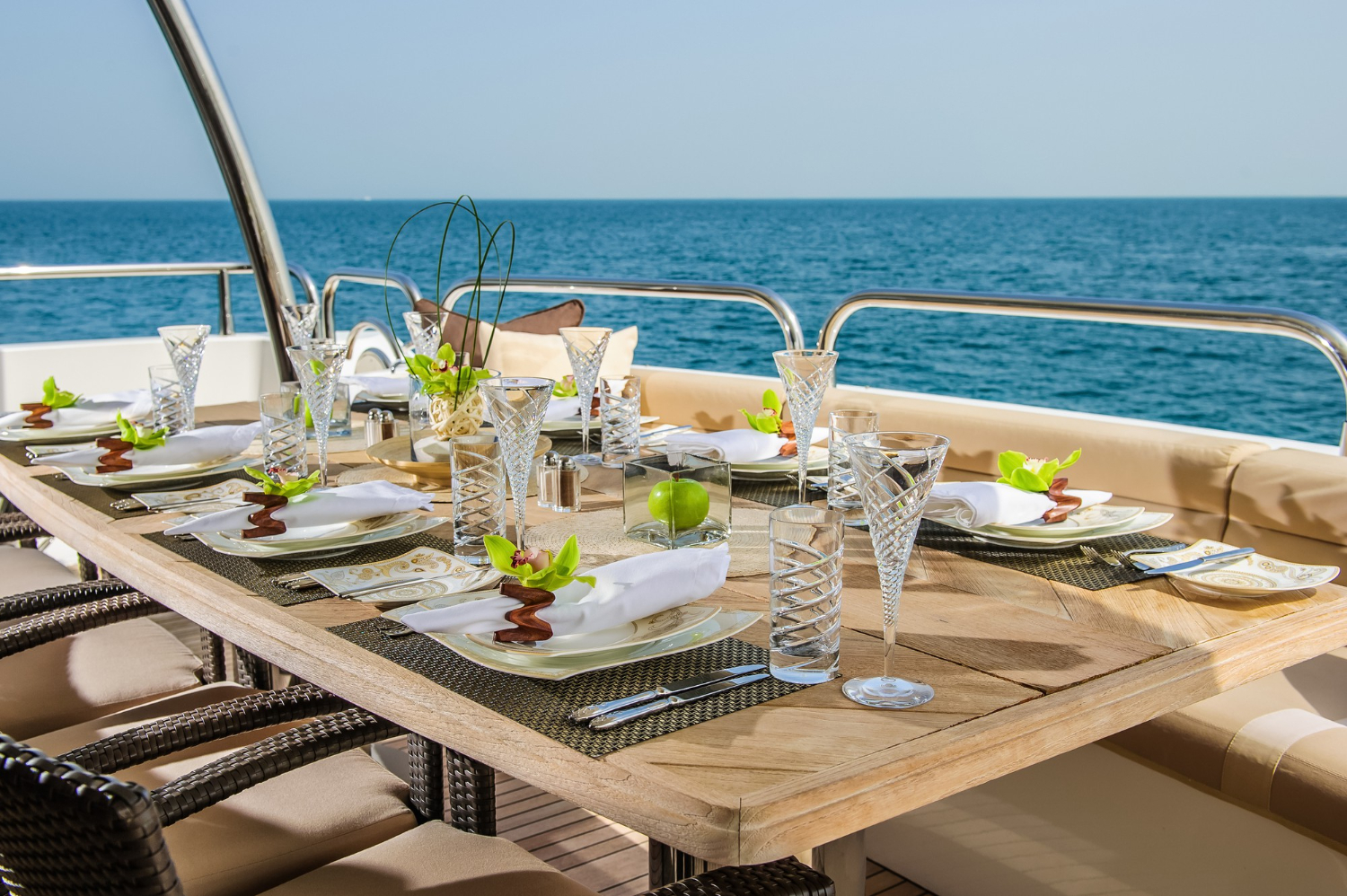
Solo travelers or smaller parties may be seated together. It’s a genuine social opportunity, not an imposition.
On many cruises, solo travelers or smaller dining parties are seated at larger shared tables with other guests, a longstanding tradition that many passengers genuinely enjoy as a chance to meet new people during the voyage. Approaching it with openness rather than reluctance tends to make for a much better experience. Sharing a table with strangers being common and encouraged is worth knowing ahead of time, since it reframes what might otherwise feel like an awkward arrangement into one of cruising’s more social, memorable traditions.
7. Buffet Etiquette Discourages Overloading Plates
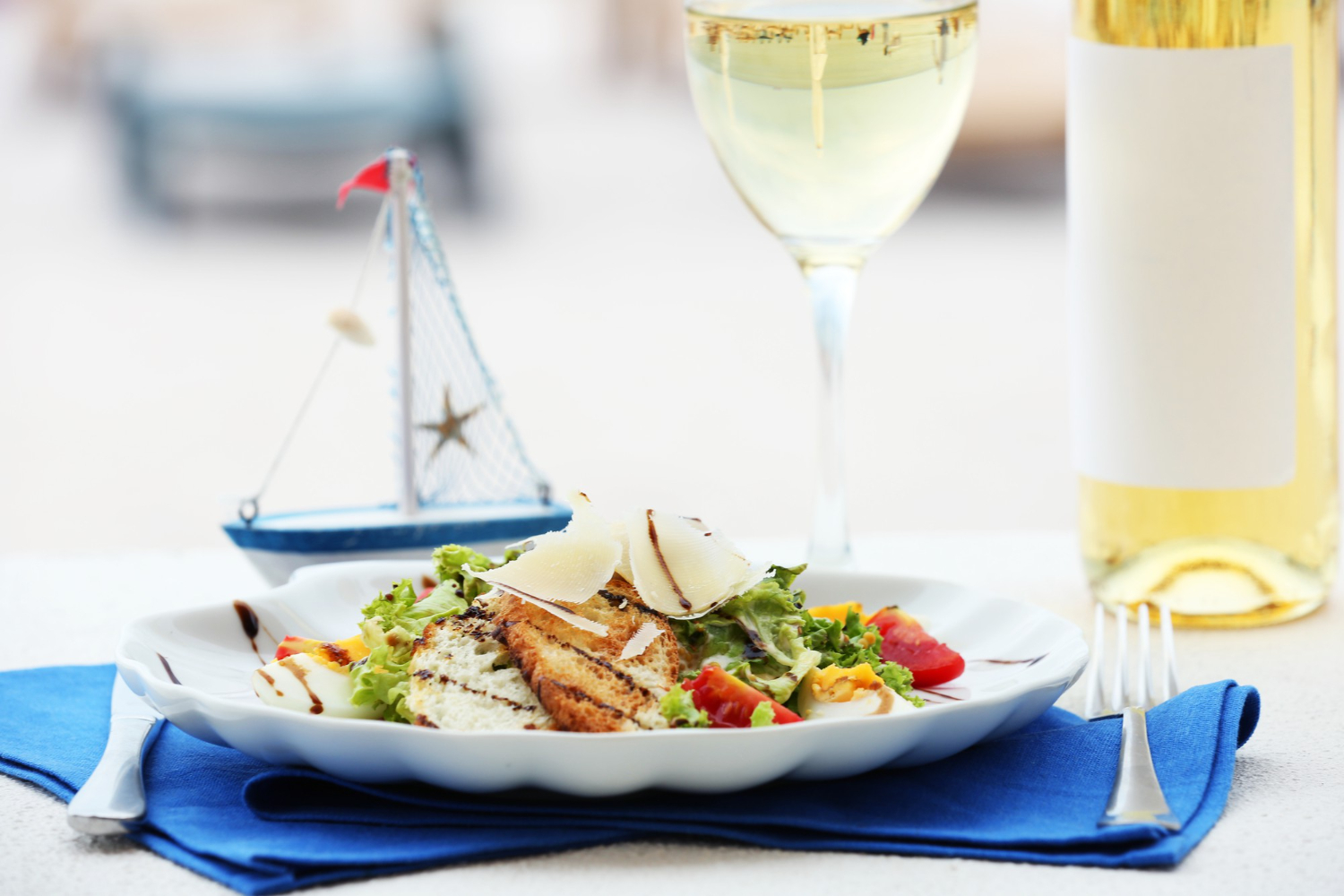
Taking modest portions and returning for more is preferred. Overfilling a single plate is generally frowned upon.
With unlimited food readily available, buffet etiquette generally favors taking modest, manageable portions and returning for seconds as needed, rather than piling a single plate dramatically high, which can lead to waste and makes navigating crowded buffet areas more difficult for everyone. Multiple smaller trips are simply more practical and considerate. Buffet etiquette discouraging overloaded plates is a small but meaningful courtesy, one that helps keep a genuinely high-traffic dining space functional and reduces unnecessary food waste over the course of a cruise.
8. Dietary Restrictions Are Best Flagged in Advance
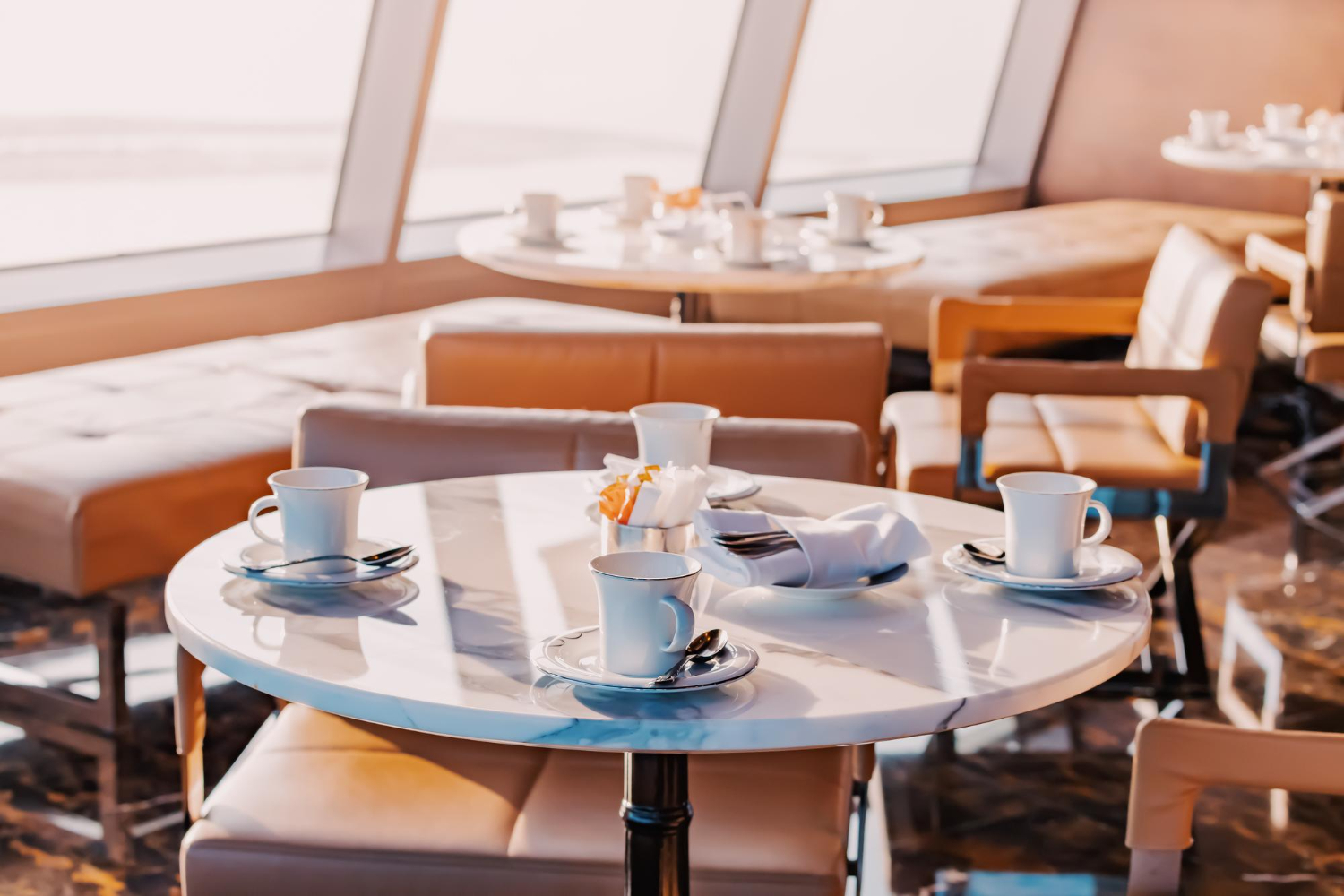
Notifying the cruise line ahead of time helps them prepare. Onboard staff can also assist once aboard.
Passengers with food allergies or dietary restrictions get the smoothest experience by notifying the cruise line during the booking process, giving the culinary team advance notice to plan accordingly. Once aboard, speaking directly with the dining room’s maître d’ or head waiter on the first night helps ensure your needs are clearly understood for the rest of the voyage. Dietary restrictions being best flagged in advance is genuinely important travel-planning advice, since proactive communication considerably improves both the safety and enjoyment of dining throughout the cruise.
9. Late Seating and Early Seating Suit Different Travelers
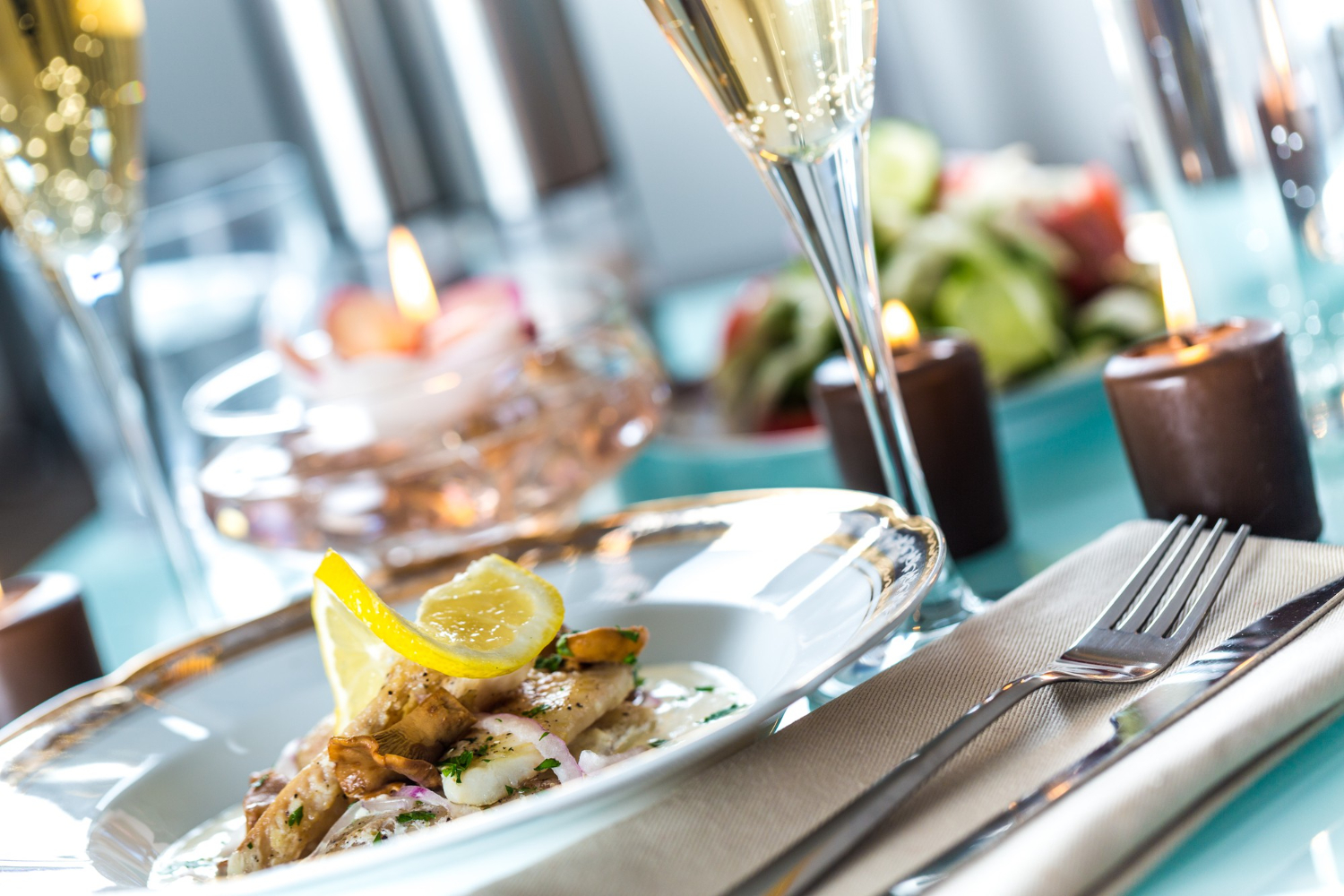
Dinner time slots vary in pace and atmosphere. Choosing the right one shapes your whole evening.
Traditional dining typically offers an early and a late seating option, the earlier slot often suits families with young children and those wanting time afterward for evening entertainment, while the later seating tends to feel more relaxed and adult-paced. Choosing the seating time that matches your travel style shapes the whole rhythm of your evenings onboard. Late and early seatings suiting different travelers is a useful planning consideration, one worth thinking through before booking rather than defaulting to whichever slot happens to be available.
10. Waitstaff Appreciate Patience During Peak Hours
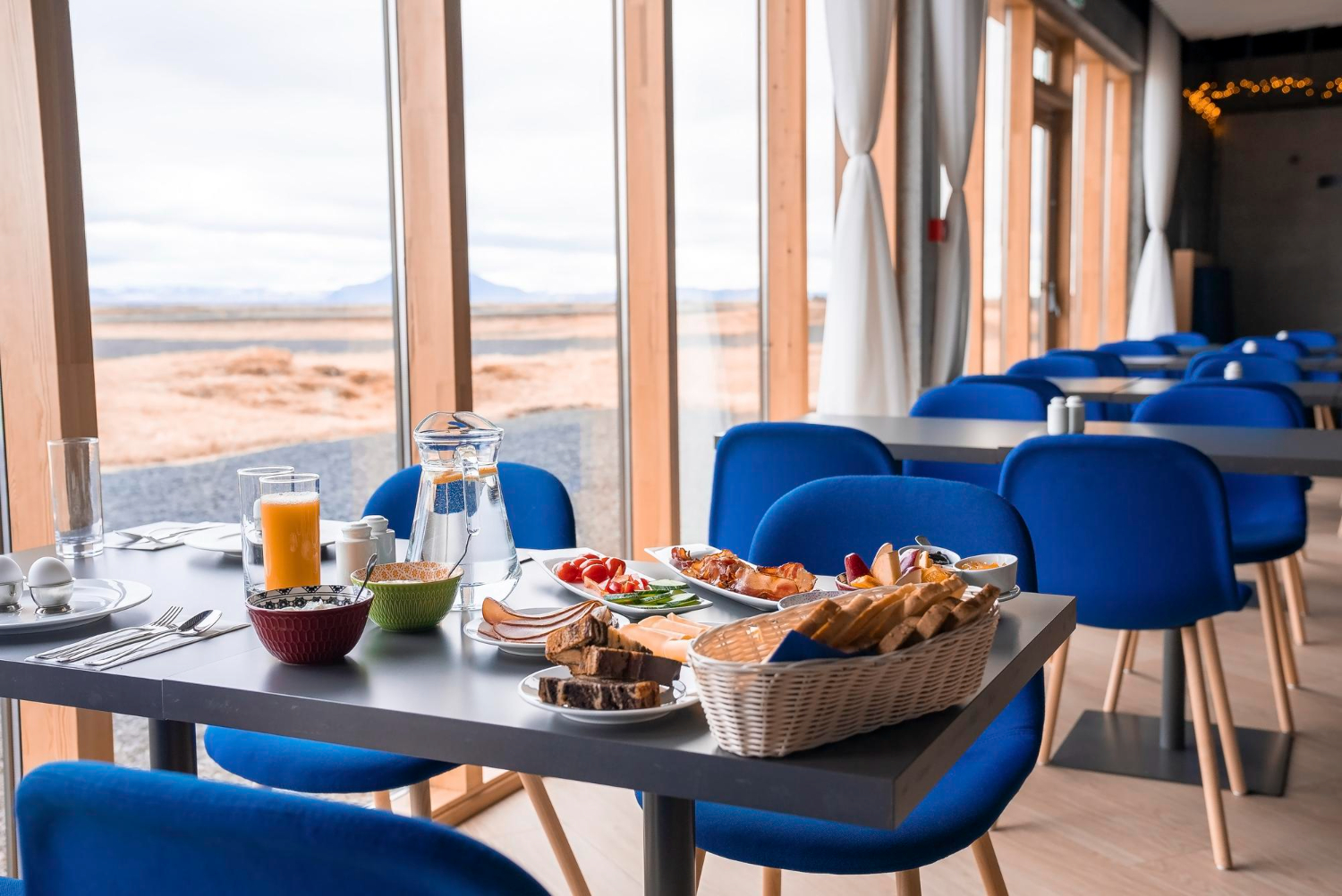
Dinner rushes can genuinely stretch service thin. A little extra patience goes a long way.
During the busiest dinner hours, waitstaff are often managing a considerable number of tables simultaneously, and a little extra patience during genuinely busy periods is both appreciated and simply realistic, given how much coordination goes into serving a full dining room efficiently. A calm, understanding approach tends to result in better service overall. Waitstaff appreciating patience during peak hours is a simple but meaningful courtesy, a reminder that a demanding, high-volume job runs more smoothly, and more pleasantly for everyone, when guests extend a bit of grace during the rush.
Smooth Sailing at the Dinner Table
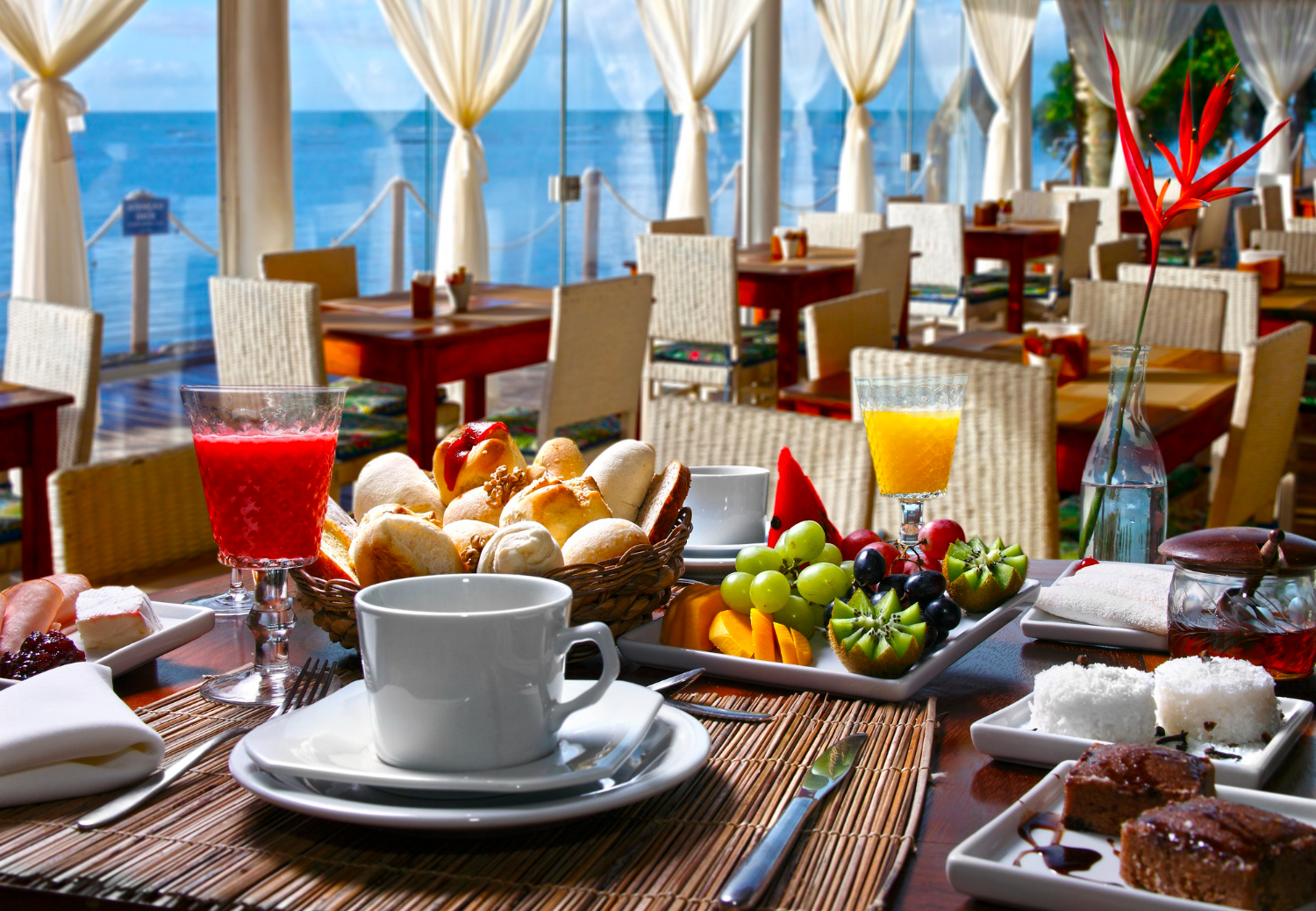
Taken together, these ten points show that cruise ship dining runs on a specific set of shared expectations, dress codes, reservation systems, table assignments, and basic buffet courtesy, that make the experience pleasant for everyone sharing the ship. A little preparation before you board goes a long way toward avoiding awkward missteps.
None of these guidelines are especially complicated, but knowing them ahead of time removes a layer of first-cruise anxiety and helps you make the most of what’s often one of the real highlights of a cruise vacation, the food and the dining experience itself. Whether you’re sharing a table with strangers, navigating a formal night dress code, or simply learning the rhythm of buffet versus reservation dining, a bit of etiquette knowledge turns mealtime from a potential source of confusion into one of the more enjoyable parts of life at sea.
Like our content? Follow us for more.