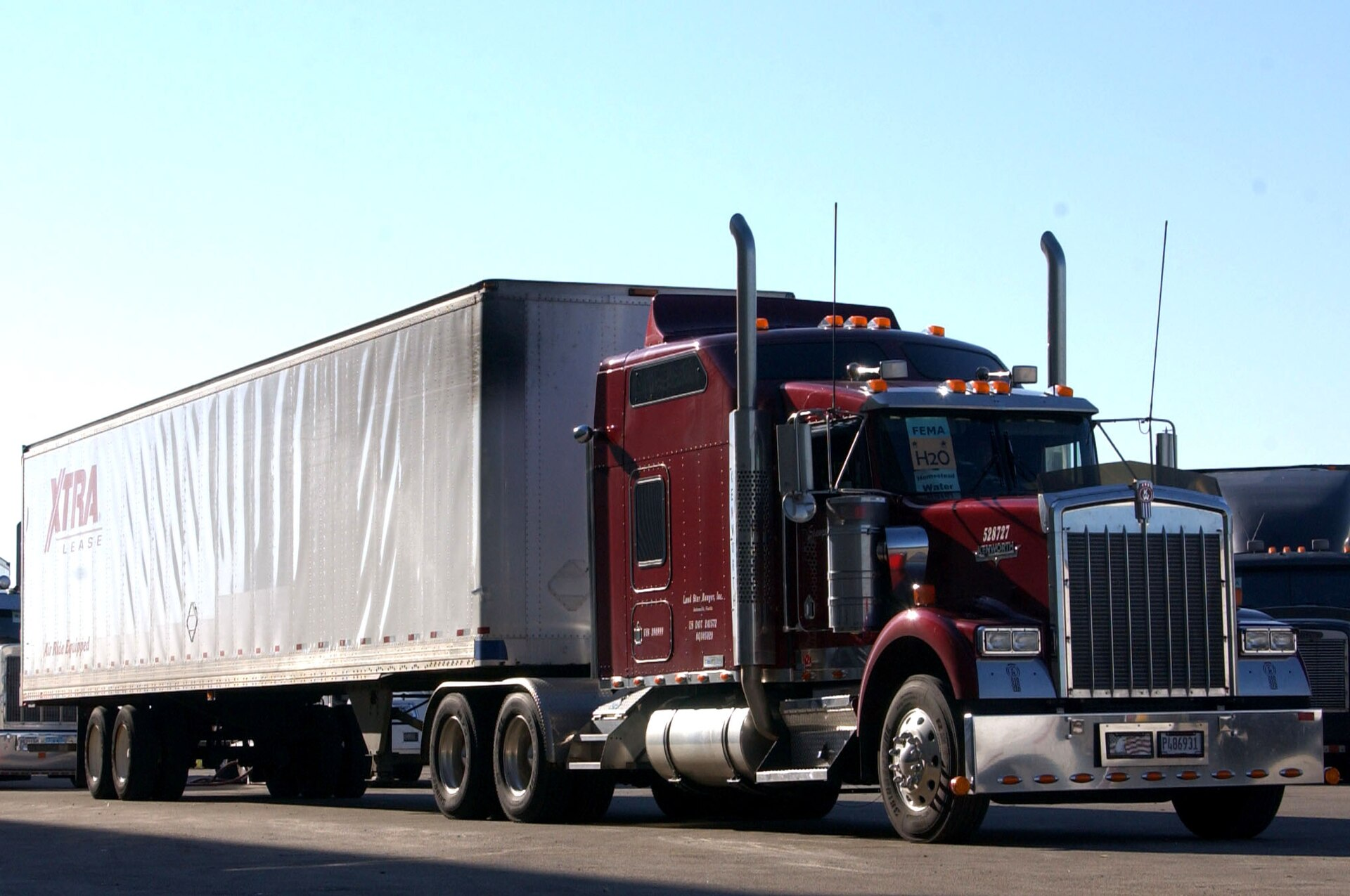
For long-haul truckers crossing America in 1978, the cab of a semi was more than a workspace, it was a home away from home for days or weeks at a stretch, outfitted with a very particular set of gear. Some of it was pure comfort, some of it kept a driver connected to the world, and some of it, by today’s standards, wouldn’t survive a single roadside inspection. Of the twelve items on this list, five are now illegal or tightly restricted for commercial drivers. Here are twelve things every American trucker kept in their cab in 1978, counted down one by one.
1. A CB Radio for Constant Chatter
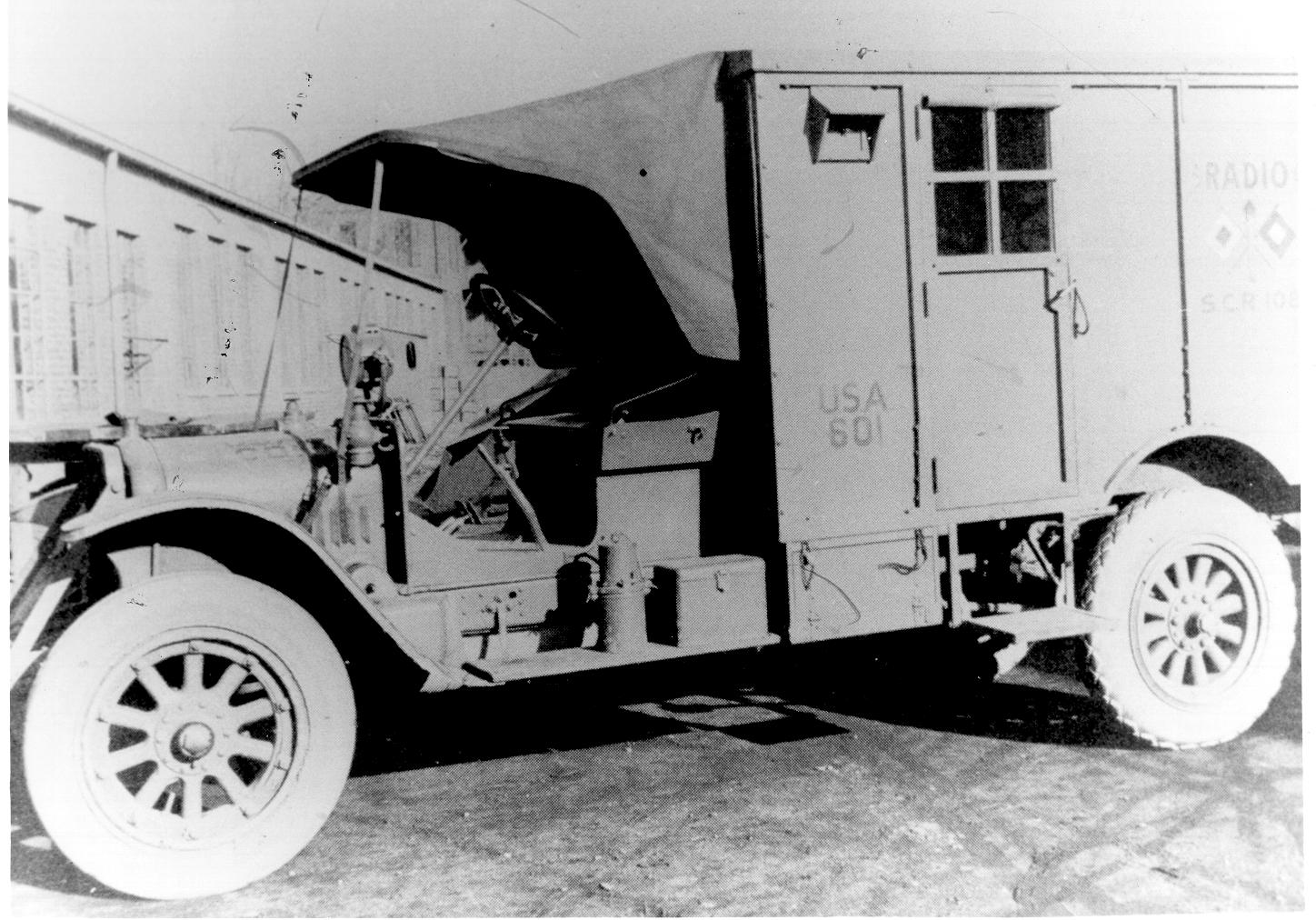
CB radios connected truckers on the road. Channel 19 buzzed with constant conversation.
Every cab had a citizens-band radio mounted within easy reach, tuned to channel 19, where truckers swapped road conditions, traffic warnings, and friendly banter across hundreds of miles. It was the trucker’s social network long before cell phones existed. Knowing your handle and the local lingo was practically a rite of passage. A CB radio for constant chatter is the single most iconic piece of trucker-cab gear from the era, the communication lifeline that connected isolated drivers to a whole community of voices out on the highway.
Like our content? Follow us for more.
2. A Paper Logbook Filled In by Hand (Now Illegal)
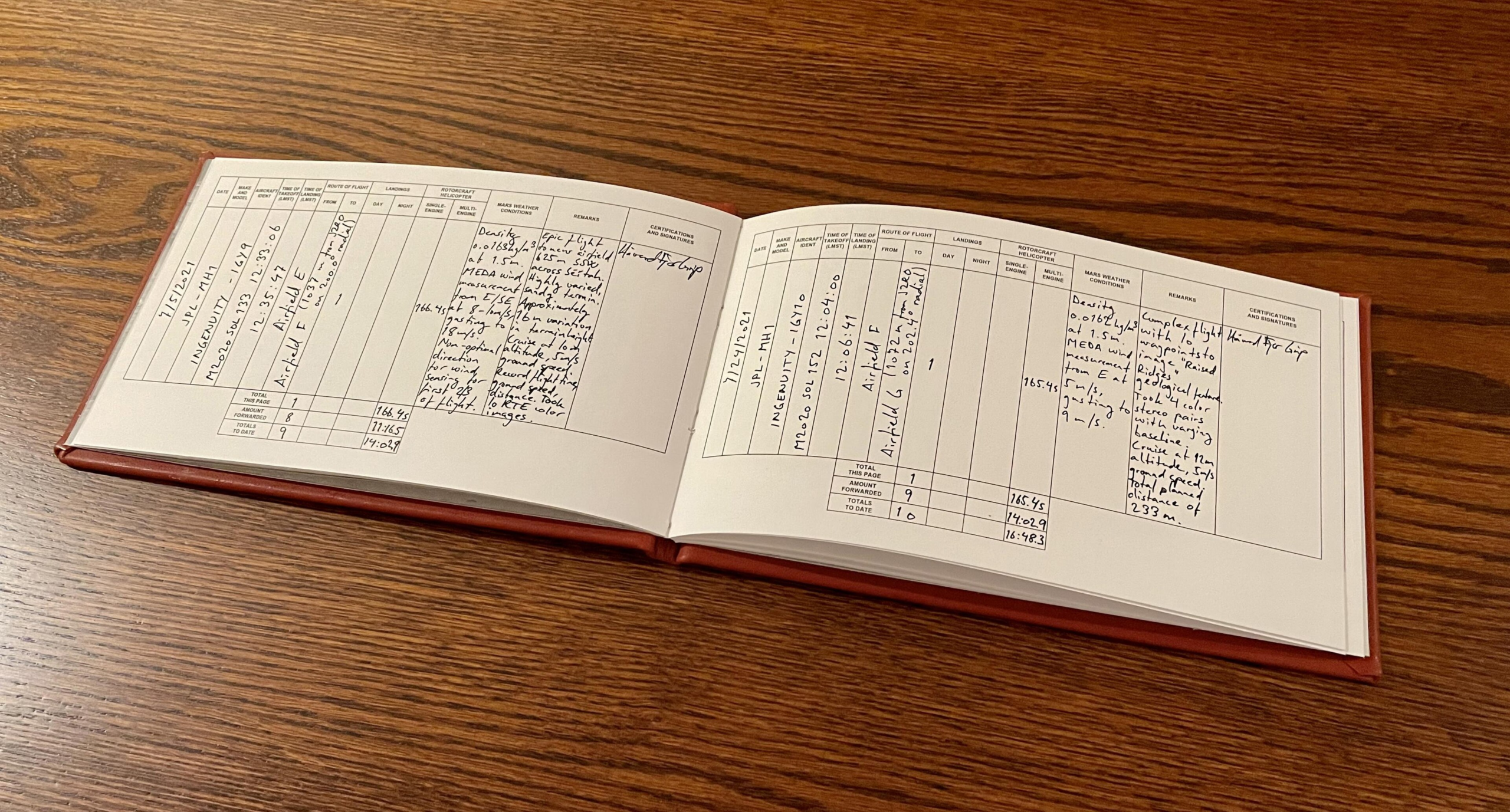
Drivers logged hours manually in a paper book. Federal rules now require electronic logging devices.
Every trucker kept a paper logbook, hand-filling in hours driven, rest breaks, and mileage to comply with federal hours-of-service rules. It sat on the dashboard, updated at every stop. Since a 2017 federal mandate phased in over subsequent years, commercial truckers must now use electronic logging devices that automatically record driving time, making the old handwritten paper logbook illegal for most long-haul use. The paper logbook filled in by hand is a defining trucker-cab memory now replaced by law, a manual system that federal regulation has since required to be automated for accuracy and safety.
3. A Thermos of Coffee That Never Ran Dry
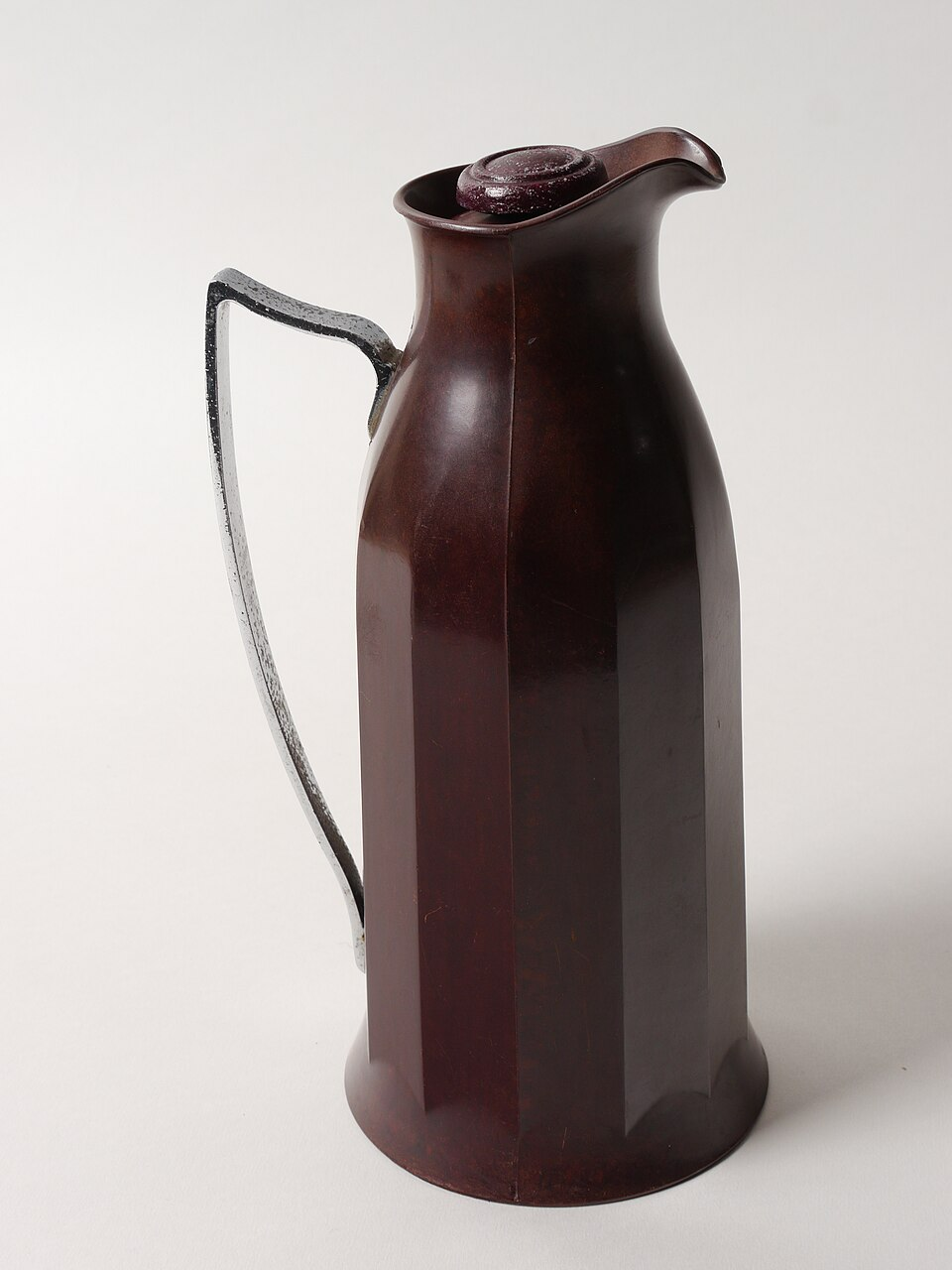
Coffee fueled the long miles. A trucker’s thermos was refilled constantly at truck stops.
A large metal thermos of coffee rode in every cab, refilled at nearly every truck-stop stop and consumed steadily through long overnight hauls. Staying alert on empty highways depended on it. Truck-stop diners built entire reputations on the quality of their coffee refills. A thermos of coffee that never ran dry is a beloved trucker-cab memory, the steady companion that fueled countless overnight miles, a simple comfort that remains just as essential to long-haul drivers today as it was in 1978.
4. A Whip Antenna Bent by the Wind
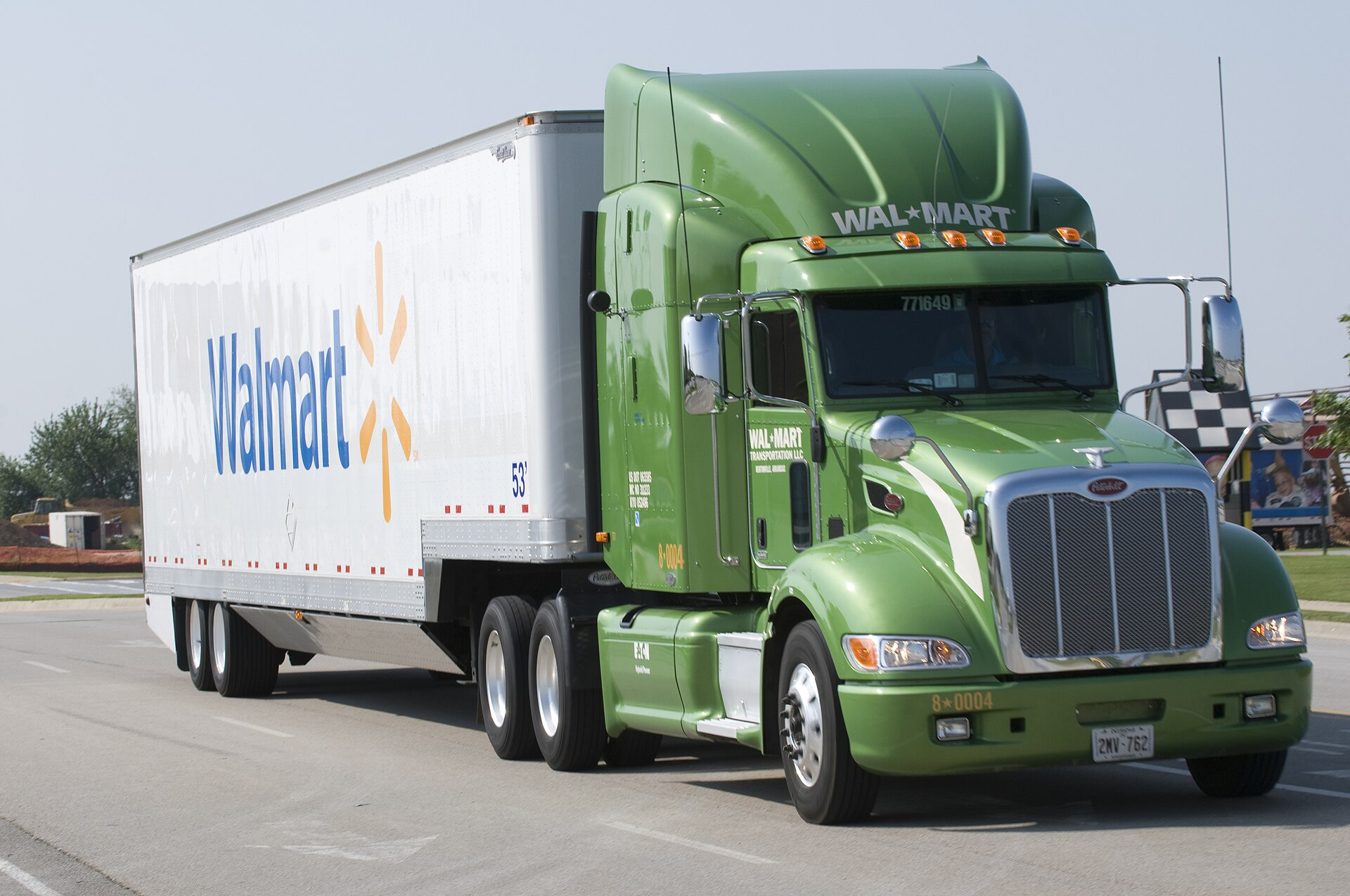
A tall antenna extended the CB radio’s range. It whipped visibly at highway speed.
Mounted on the mirror or cab, a tall, flexible whip antenna extended the CB radio’s broadcast range, bending dramatically in the wind at highway speed and instantly identifying a truck as CB-equipped from a distance. It was as much a signature look as a functional tool. Spotting a rig with a good antenna setup was a point of quiet pride. A whip antenna bent by the wind is an iconic trucker-cab image, the visible marker of CB culture that made a rig recognizable on sight, a distinctive piece of gear tied closely to the golden age of citizens-band communication.
5. A Radar Detector Watching for Speed Traps (Now Restricted in Many States)
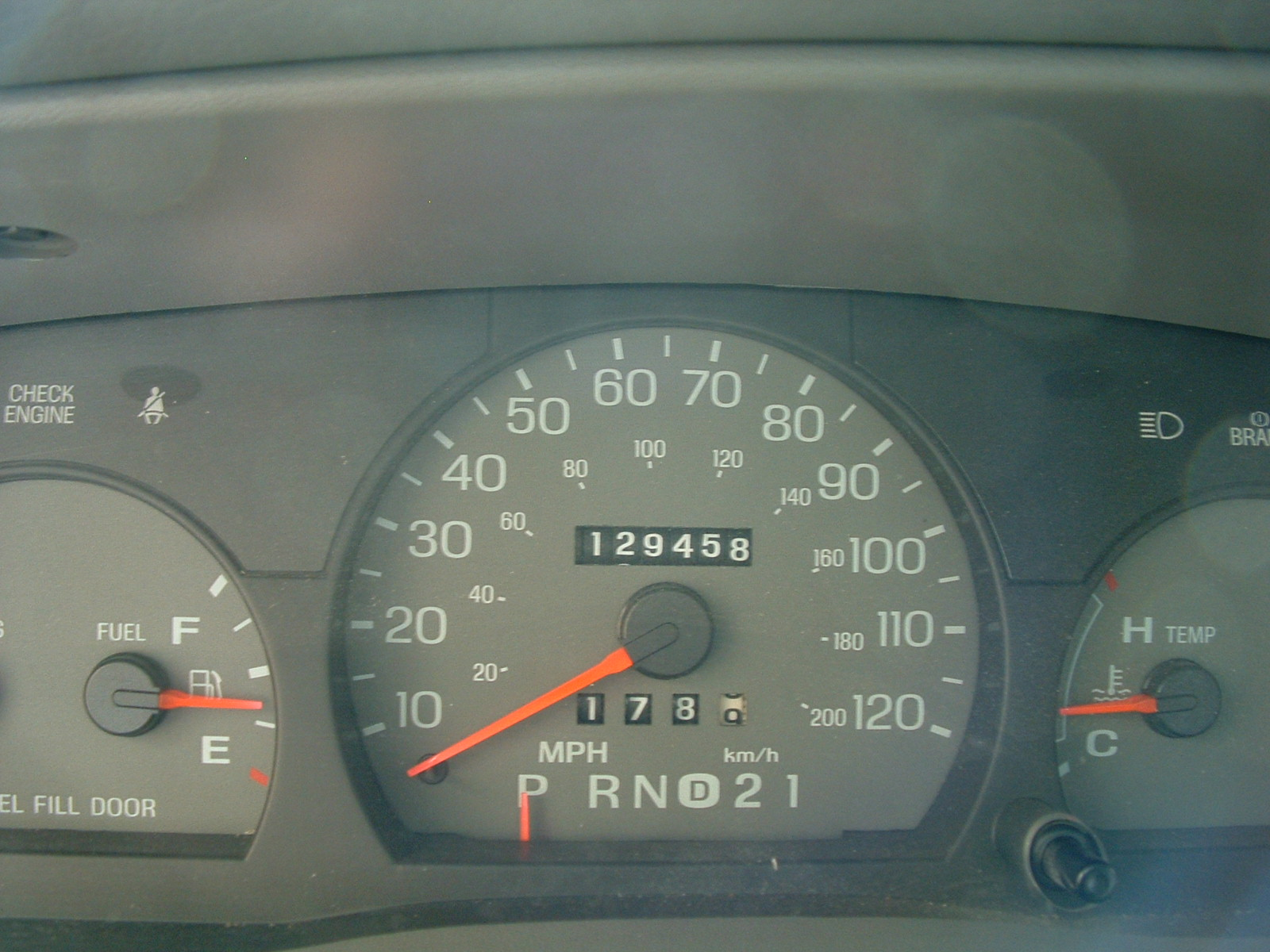
Radar detectors warned of speed enforcement. Many states now ban them for commercial trucks.
Mounted on the dashboard, a radar detector alerted truckers to police radar and helped drivers avoid speeding tickets on long, monotonous stretches of highway. It was considered a standard, if slightly illicit, piece of gear. Today, radar detectors are banned in commercial vehicles in several states and prohibited entirely on federal property and in certain jurisdictions for trucks specifically. A radar detector watching for speed traps is a once-common trucker-cab item now restricted in many places, a workaround that regulation has since curtailed for commercial drivers across a growing number of states.
6. A Bunk Curtain for Roadside Sleep
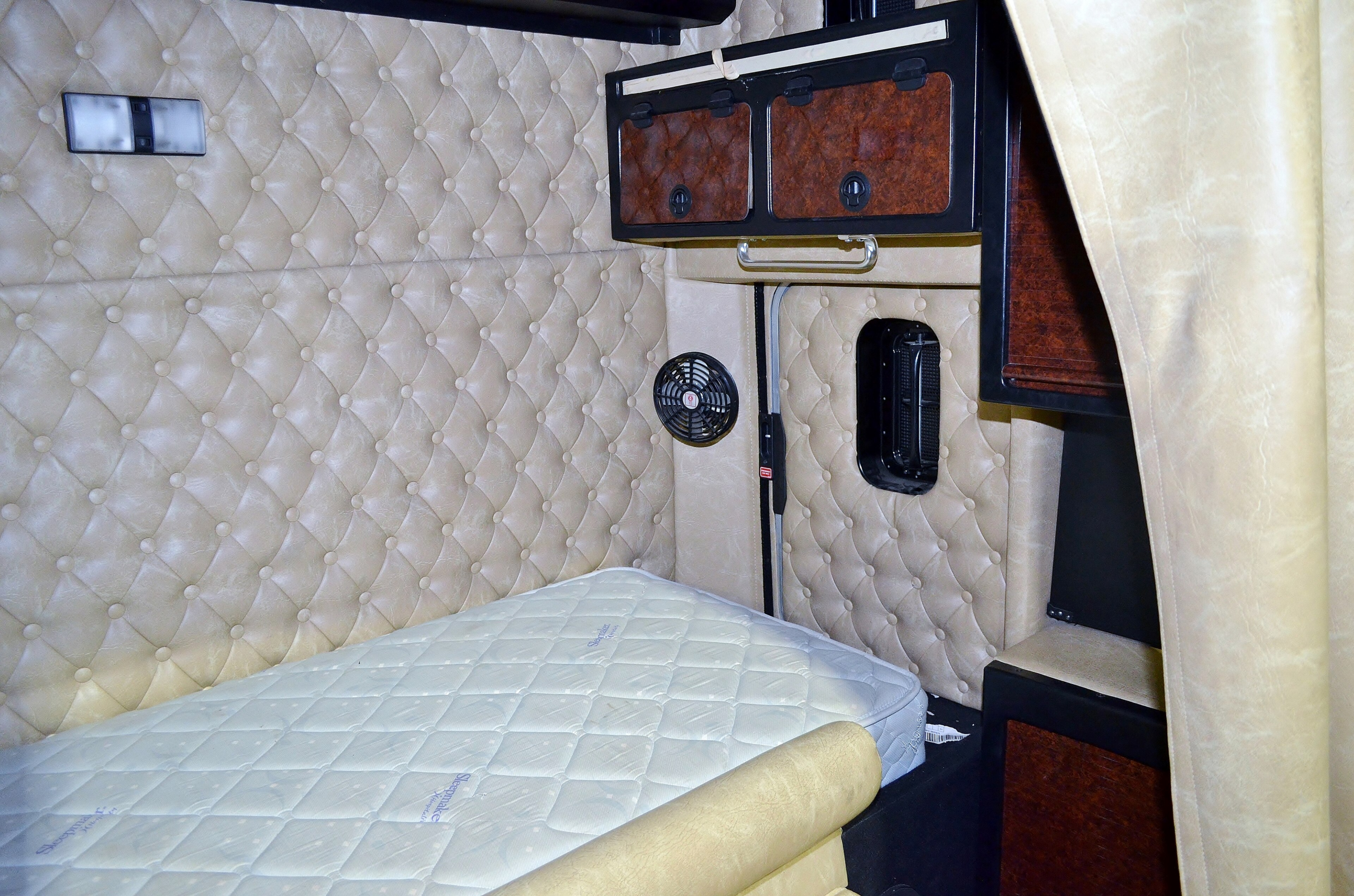
A curtain separated the sleeper bunk. It offered privacy during rest stops.
Behind the seats, a small sleeper bunk let truckers rest during mandated breaks, separated from the windshield by a simple curtain that offered a bit of privacy at truck stops and rest areas. It turned the cab into a genuine, if cramped, bedroom. Pulling that curtain closed signaled it was time to rest. A bunk curtain for roadside sleep is a practical trucker-cab memory, the simple divider that made overnight stops livable, a modest piece of equipment that remains a standard feature of long-haul trucks to this day.
7. A CB Handle Painted on the Door (Now Discouraged by Fleets)
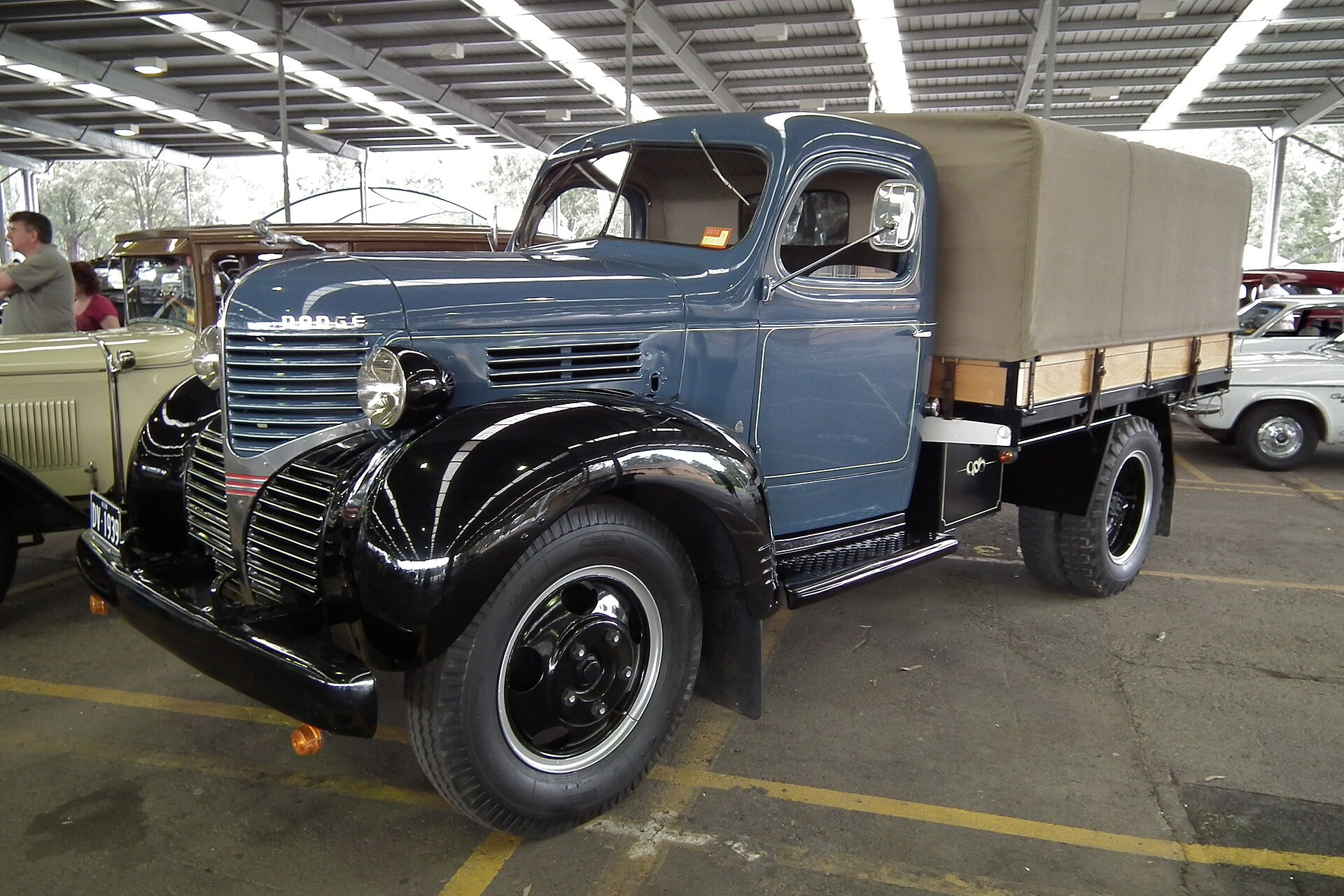
Truckers displayed a CB nickname on their rig. Modern fleet branding rules have largely phased it out.
Many independent truckers had their CB radio handle, a chosen nickname, painted or stenciled onto the truck door, a piece of personal branding that made a rig instantly identifiable to CB friends on the road. It was a point of real personality and pride. With the rise of large corporate fleets with strict uniform livery requirements, this kind of individual customization has largely been phased out on company-owned trucks. A CB handle painted on the door is a colorful trucker-cab memory now largely discouraged by fleet branding standards, a personal touch that corporate uniformity has since replaced across much of the industry.
8. A Detachable Steering Wheel Knob (Now Illegal in Most States)
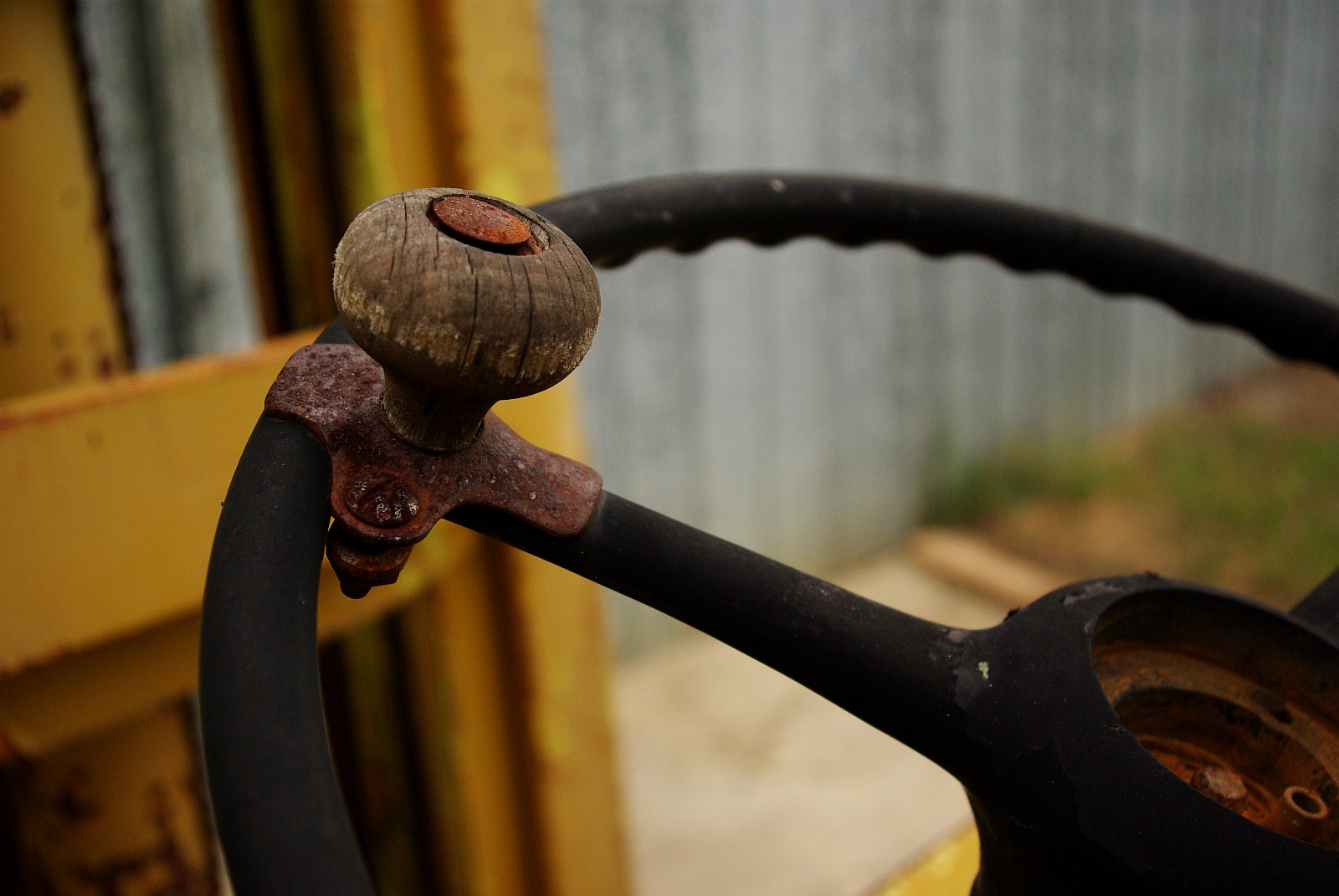
A knob on the wheel eased sharp turns. Most states now ban them as unsafe.
Many drivers attached a small spinning knob to the steering wheel, nicknamed a “necker’s knob” or brody knob, to make sharp turns and tight maneuvers easier with one hand on a large, heavy wheel. It felt like a practical convenience at the time. Today, most states have banned aftermarket steering wheel knobs as an unsafe modification that reduces steering control in an emergency. A detachable steering wheel knob is a once-common trucker-cab accessory now illegal in most states, a convenience-focused modification that safety regulation has since removed from the road.
9. A Road Atlas Held Together With Tape
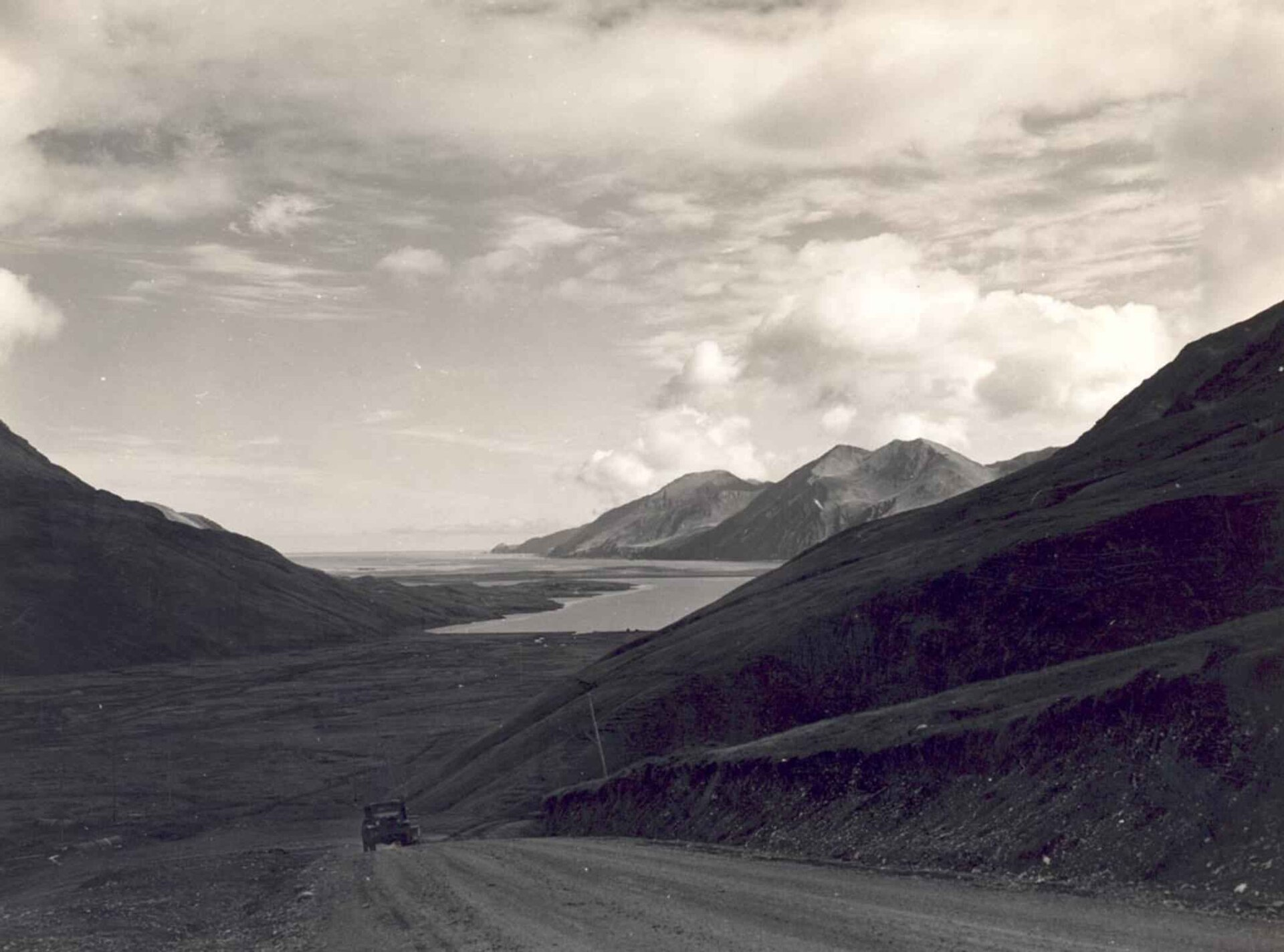
A thick paper atlas mapped the whole country. It was patched and re-taped constantly.
Navigation depended entirely on a thick paper road atlas, its spine cracked and pages held together with tape after years of constant use, marked up with a driver’s own notes on good routes and truck stops. There was no digital alternative to fall back on. Every experienced trucker knew their atlas inside and out. A road atlas held together with tape is a well-worn trucker-cab memory, the essential paper navigation tool that guided drivers across the entire country long before GPS existed, a humble object now replaced by satellite navigation in nearly every modern rig.
10. A CB Slang Dictionary Learned by Ear
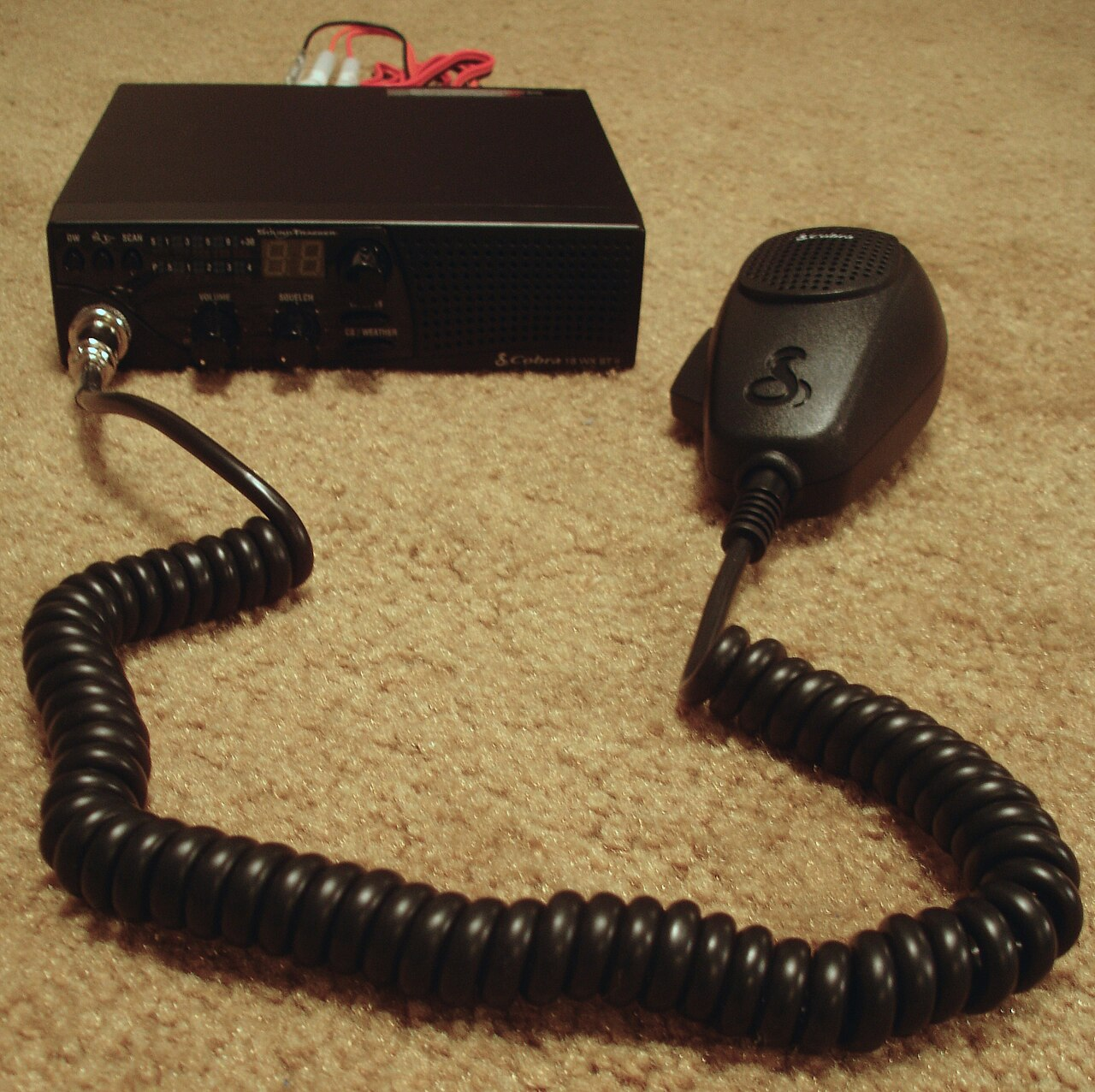
Truckers spoke a coded CB language. New drivers picked up the slang from listening.
CB radio culture came with its own rich slang, “smokey” for police, “eighteen-wheeler,” “convoy,” and dozens of other coded phrases that truckers picked up simply by listening to channel 19 for hundreds of hours. There was no official manual, just immersion. Mastering the lingo marked you as a genuine part of the community. A CB slang dictionary learned by ear is a colorful trucker-cab memory, the informal language that bonded an entire community of drivers, a distinctive piece of American subculture born entirely from the airwaves of the citizens-band radio.
11. A Loose CB Radar Detector Jammer (Now Federally Illegal)
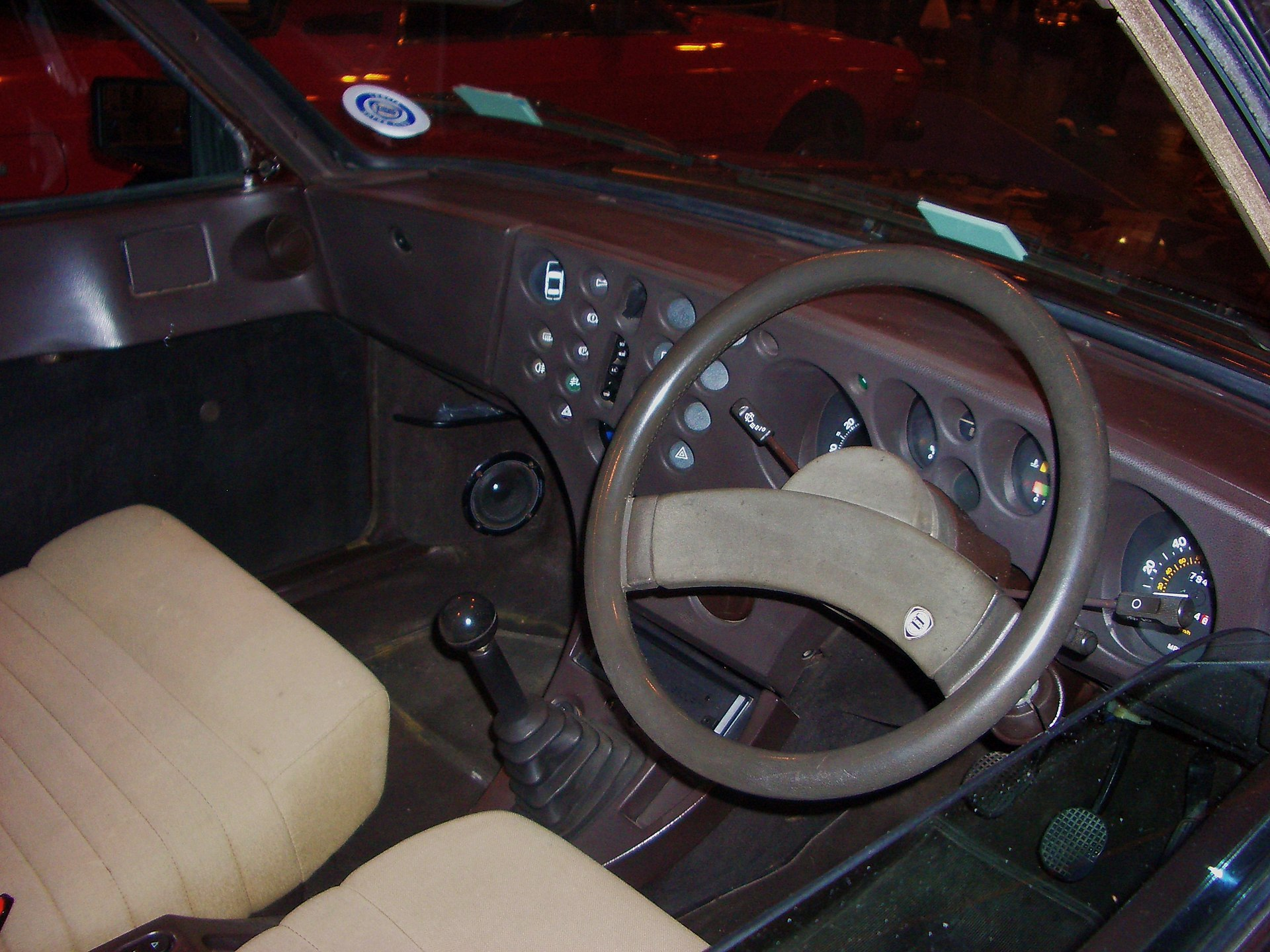
Some drivers used illegal radar jamming devices. Federal law bans them outright.
A small minority of drivers went a step further than a simple detector, installing devices intended to actively jam or interfere with police radar signals rather than merely detect them. Even in 1978, this was a legal gray area exploited by a determined few. Federal law has since made radar and radio-jamming devices of any kind explicitly illegal to own or operate in the United States, with serious penalties attached. A radar jamming device is a rare, now firmly illegal piece of trucker-cab history, an underground workaround that federal regulation has since eliminated entirely from legitimate use.
12. A Cassette Deck Loaded With Road Songs
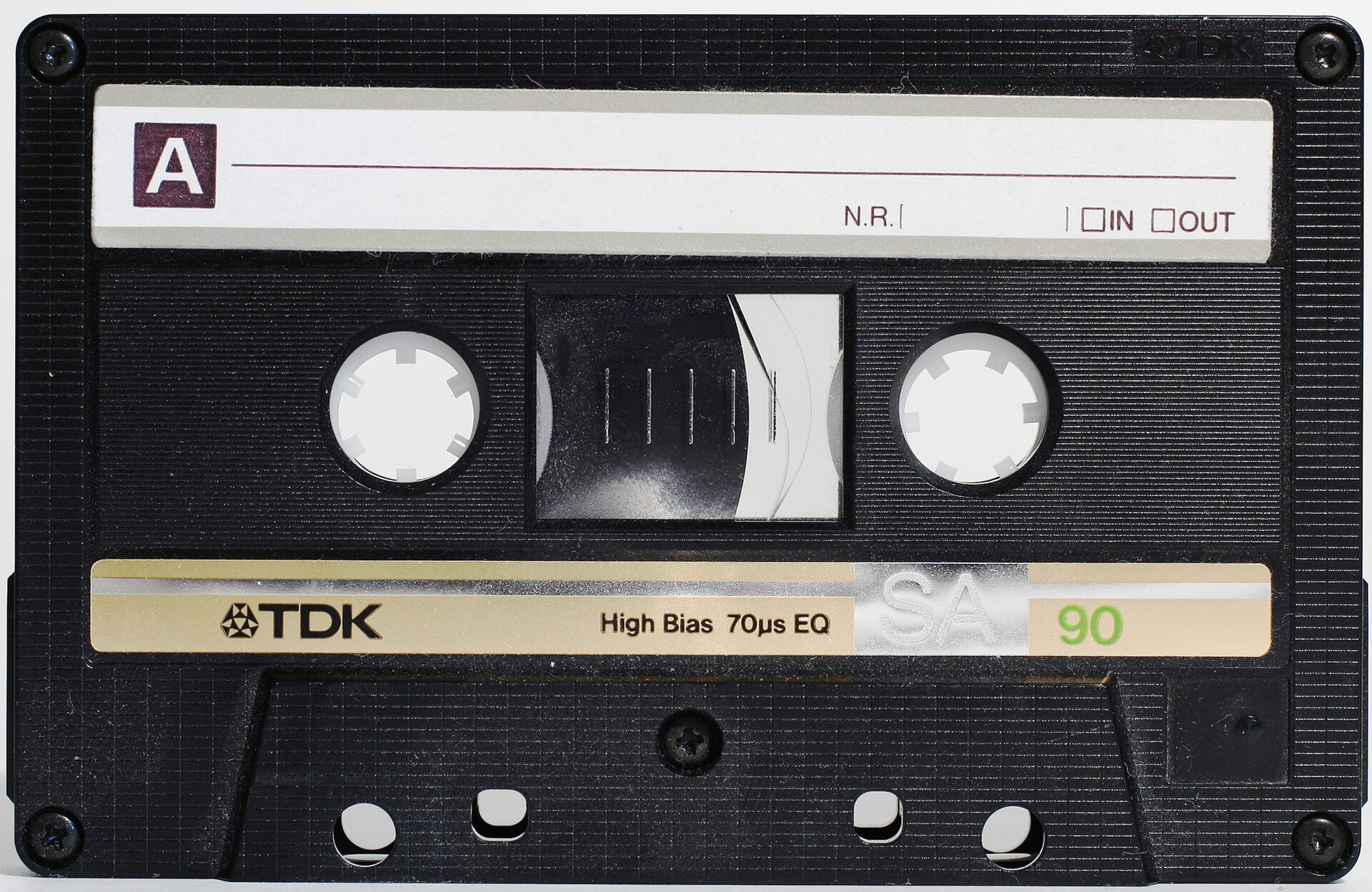
A cassette player provided music for the miles. Favorite tapes got worn out from replay.
Alongside the CB radio, a cassette deck kept music playing through the long, empty stretches of interstate, loaded with favorite tapes that got played on repeat until they wore thin. Trading tapes with other drivers at truck stops was a common ritual. It made the miles pass a little easier. A cassette deck loaded with road songs is a nostalgic trucker-cab memory, the musical companion that kept drivers company on solitary overnight hauls, a beloved piece of gear that has simply evolved into the streaming systems built into modern trucks today.
Five Now Restricted, Seven Still Riding Along
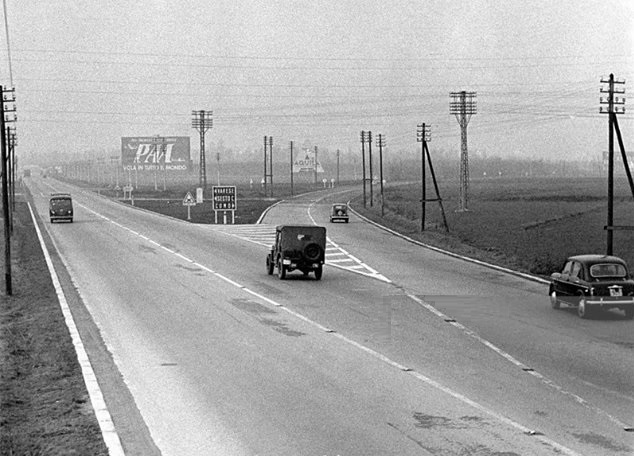
Taken together, these twelve items capture exactly what rode along in an American trucker’s cab in 1978, from the crackling CB radio and the well-worn atlas to the steering wheel knob and the illegal radar jammer tucked away by a daring few. Five of them, the paper logbook, the radar detector, the door-painted CB handle, the steering knob, and the CB jammer, are now illegal or heavily restricted, while the rest remain a beloved part of trucking culture and memory.
Trucking regulations have tightened considerably since 1978, driven by federal hours-of-service enforcement, highway safety data, and modernized logging requirements. The changes reflect genuine safety lessons learned over decades on the road. Yet for those who drove, or rode along, in that era, these details bring it all back: the CB chatter, the taped-up atlas, the thermos that never seemed to empty. Looking back at what every trucker kept in their cab in 1978 is a nostalgic tribute to the golden age of the American open road, banned gear and all.
Like our content? Follow us for more.