


From dialing a friend’s house and asking her parents if she could come to the phone, to setting your VCR to record a TV show with a 60% success rate, to making a mixtape that took 2 hours to produce 90 minutes of music, the 1980s teenage home life was a complete technological ecosystem that’s almost entirely gone. Modern teenagers have never experienced any of it. Here are 10 specific things every ’80s teenager did at home that would seem like ancient history to today’s kids.
For roughly 15 years between approximately 1980 and 1995, the American teenage home experience operated under a specific technological regime that has now almost entirely disappeared. The phone was attached to the wall by a cord. Music came from physical media. TV shows aired at specific times that you had to be home to watch. Information about your friends required active phone calls or in-person conversations. Plans had to be made in advance because you couldn’t reach people once they left the house.
Modern teenagers — those born after roughly 2010 — have never experienced any of this. The smartphone in their pocket has replaced essentially every device, ritual, and social pattern that defined teenage home life in 1985. The transformation isn’t gradual; it’s almost complete. The teenagers using TikTok and Snapchat in 2026 cannot really imagine the world their parents grew up in.
Here are 10 specific things every ’80s teenager did at home that would seem genuinely shocking to today’s kids — not because they were dangerous or inappropriate, but because the underlying technology that made them possible has simply disappeared.
1. Called your friend’s house and asked her parents if she could come to the phone

The 1980s teenage phone protocol was specific and universal. You’d dial a friend’s home phone number (memorized — you knew dozens of numbers from memory). The call would typically be answered by a parent or sibling. You’d identify yourself (“Hi, this is Jennifer, may I please speak with Sarah?”) and wait for the parent to call your friend.
This required actually interacting with your friends’ parents on a regular basis. They knew your voice. They formed opinions about you based on your phone manners. They could overhear conversations. They controlled the social access to your friend through their willingness to call her to the phone.
Modern teenagers text their friends directly without ever interacting with the parents. The entire layer of adult phone interaction that defined ’80s teenage social life has disappeared. Today’s kids can spend years being friends with someone without ever exchanging words with that friend’s parents.
2. Set your VCR to record a TV show
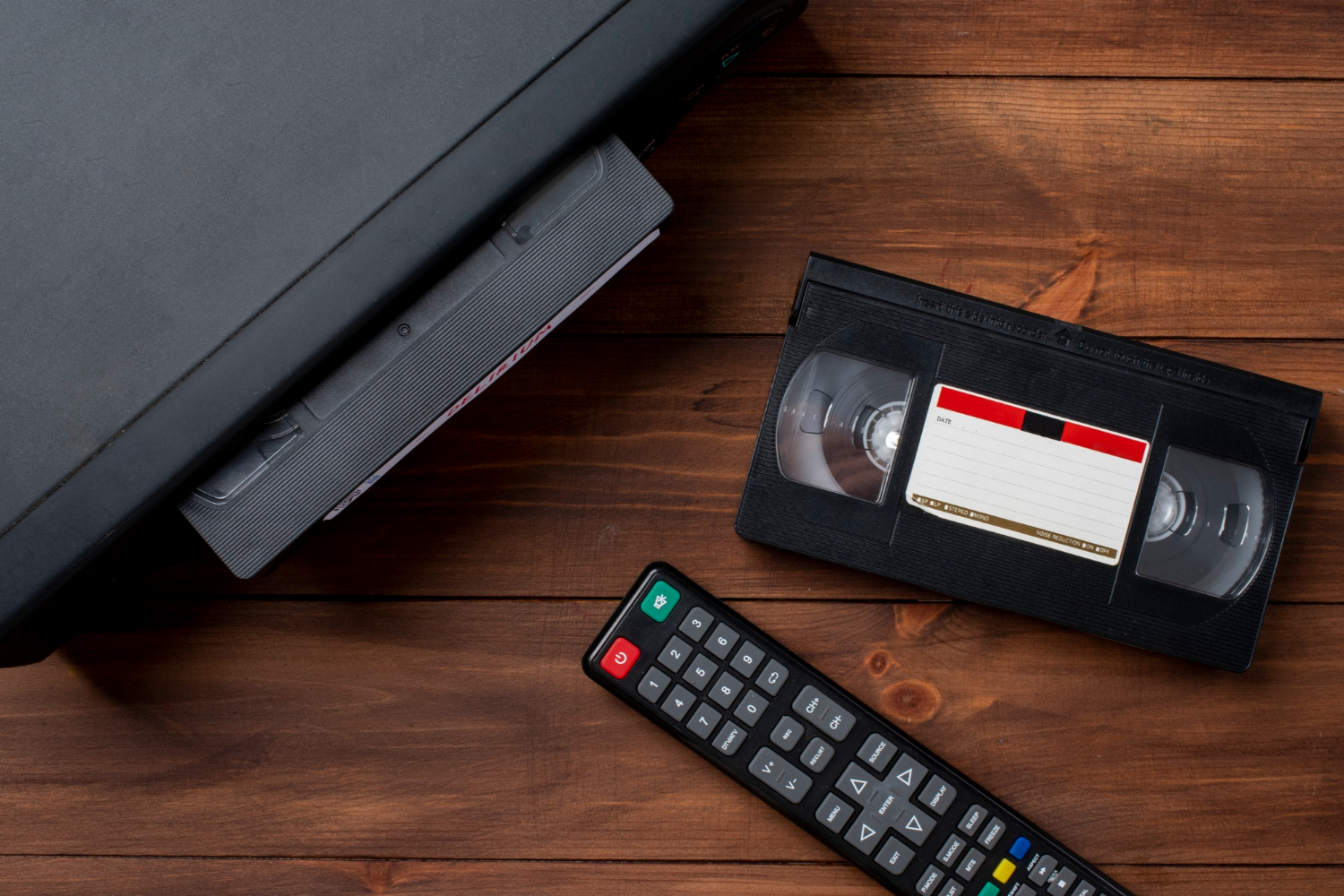
Every ’80s home with a VCR (video cassette recorder) had a specific ritual around recording TV shows. You’d consult the TV Guide magazine to find when your show aired. You’d estimate how long it would be (typically rounding up to account for variation). You’d insert a blank VHS tape, set the VCR’s timer using a complex menu system, set the channel, and hope.
The success rate was approximately 60% on a good day. Failures included: tape ran out before show ended, recorded the wrong channel, recorded the wrong time, recorded a scheduling change that pushed the show to a different time slot, recorded a hockey game that ran long pushing the show off entirely, recorded but the tape was damaged, recorded but a family member taped over it accidentally.
The phrase “set the VCR” became cultural shorthand for difficult technical tasks. The famous “I can’t even set the VCR” was used by adults of the era to acknowledge that the technology was genuinely difficult. Modern kids have no equivalent — DVRs and streaming services have eliminated the entire problem space that VCR recording occupied.
3. Made a mixtape on a cassette by recording from the radio
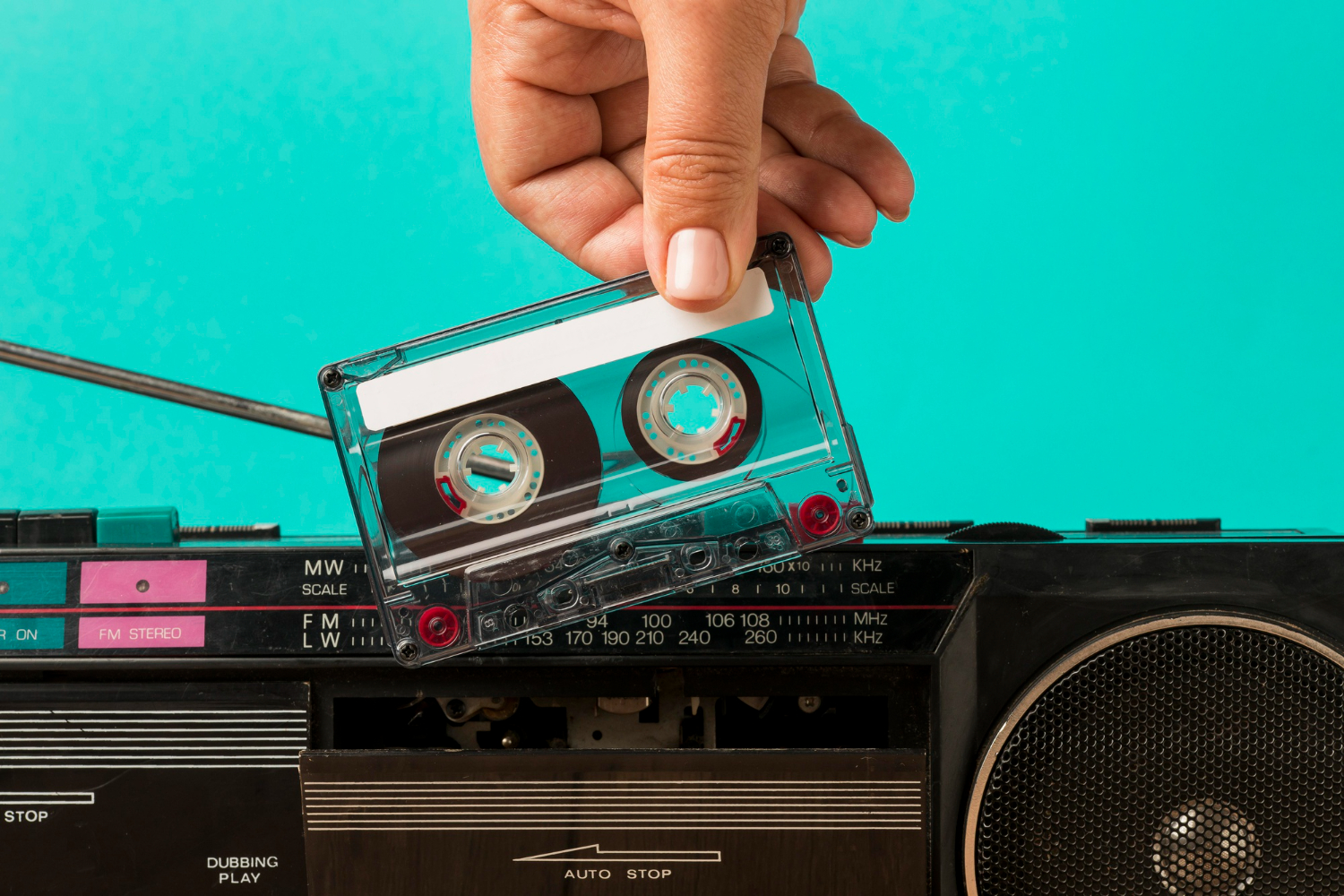
The 1980s mixtape required significant time investment. You’d listen to the radio for hours waiting for songs you wanted to record. When a song you wanted came on, you’d race to hit the “Record” and “Play” buttons simultaneously to capture it. You’d typically lose the first few seconds because of reaction time. The DJ might talk over the intro or outro, ruining the recording.
A 90-minute mixtape might take 8-10 hours of dedicated radio listening to assemble. The result was a personal collection of music that could be played in your Walkman, given to a romantic interest as a gesture, or shared with friends. Each mixtape was unique — you couldn’t replicate it exactly because the songs you’d captured depended on what the radio happened to play.
Modern kids share Spotify playlists in seconds. The entire concept of investing 10 hours to produce a 90-minute music collection seems incomprehensible to them. Even the deliberate gesture of giving someone a mixtape — which carried substantial romantic weight in the ’80s — has no real digital equivalent.
4. Got dropped off at the mall with no way to be reached for hours

The ’80s mall drop-off was a defining suburban teenage experience. Your parents would drop you off at the mall at noon, agree to pick you up at 6 PM, and you would have absolutely no way to communicate with them in the intervening 6 hours. If something changed — they were running late, you wanted to leave early, you needed money — the only option was to find a payphone and hope your parents were home to answer.
This required adult-level coordination from teenagers. You had to commit to plans hours in advance. You had to be at the agreed pickup spot at the agreed time. If you missed each other, recovery was difficult. The whole arrangement assumed reasonable autonomy from teenagers who would now be tracked via Find My iPhone in real time.
Modern teenagers can be reached in seconds. They can change plans instantly. They can be tracked at any moment. The 6-hour disconnection that defined the ’80s mall trip simply doesn’t happen anymore.
5. Memorized your friends’ phone numbers (and home addresses)

The typical ’80s teenager could recite the phone numbers of 20-50 people from memory. The phone numbers of close friends, romantic interests, and family members were so deeply memorized that adults of the era can still recite their childhood best friend’s number 30+ years later.
Address memorization was similar. Teenagers knew their friends’ addresses, knew how to drive there, knew which house belonged to which classmate. The entire geography of social relationships was held in memory rather than in a contacts app.
Modern teenagers don’t memorize phone numbers — they don’t need to. The phones do it for them. Some research has suggested this represents an actual measurable change in cognitive practice; the cognitive load of memorizing dozens of contact details has been outsourced to devices, freeing memory for other tasks but also reducing the practiced skill of memorization.
6. Watched MTV and waited 30 minutes for a specific music video
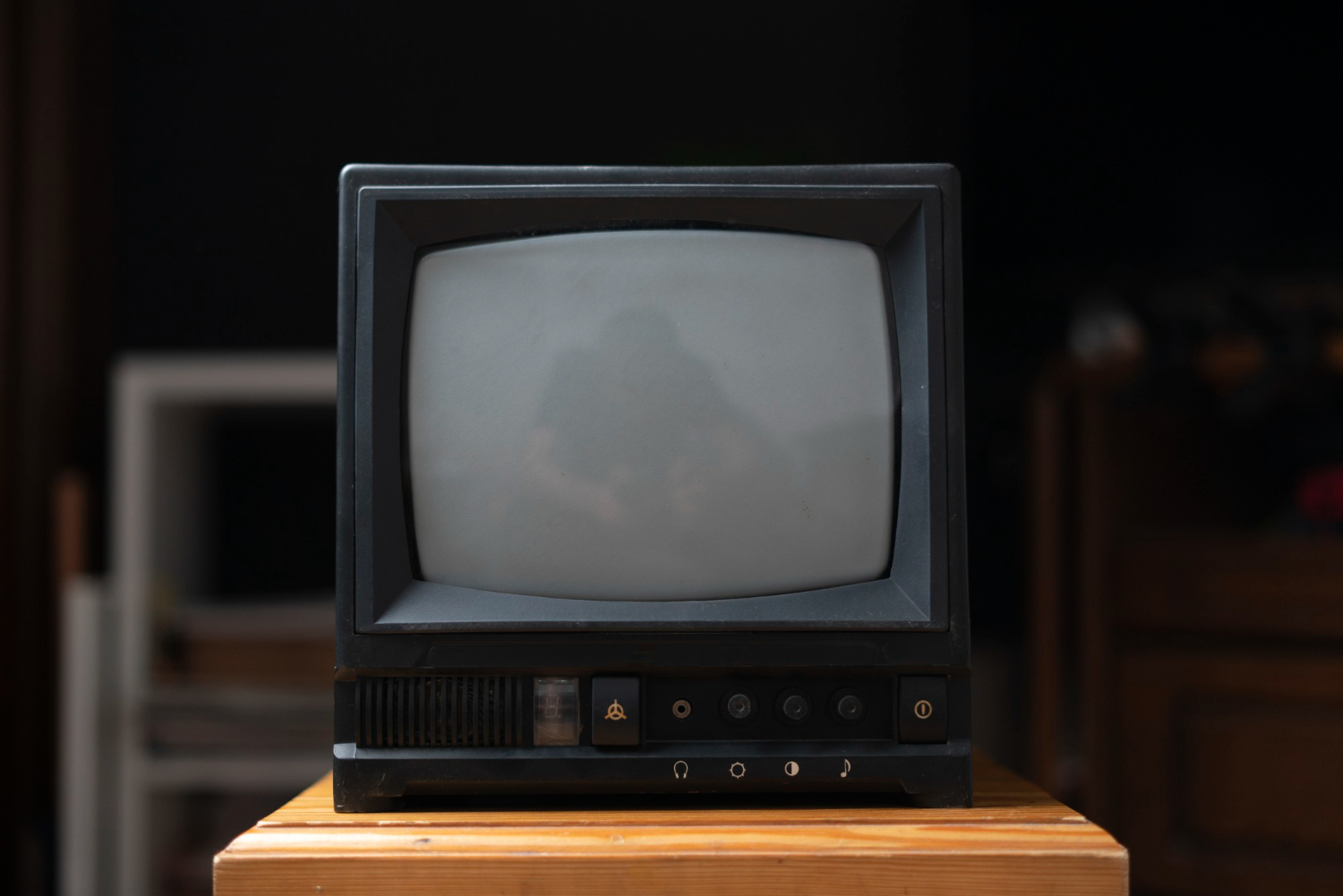
In the early-to-mid 1980s, MTV genuinely played music videos. Teenagers would watch for hours waiting for their favorite videos to appear in the rotation. You could call MTV’s request line and theoretically influence what got played, but mostly you’d just wait.
The “must-see” videos — Michael Jackson’s “Thriller,” Madonna’s “Like a Prayer,” Guns N’ Roses’ “November Rain” — were cultural events when they premiered. Teenagers organized their evenings around being home for the premiere. Recording the video on VCR became the only way to watch it again at will.
Modern kids have YouTube, where any music video ever made is available instantly. The waiting-and-hoping experience that defined music video consumption in the ’80s has no equivalent. The shared cultural moment of “did you see the new Madonna video last night?” has been replaced by asynchronous, on-demand consumption.
7. Used a Trapper Keeper to organize school papers
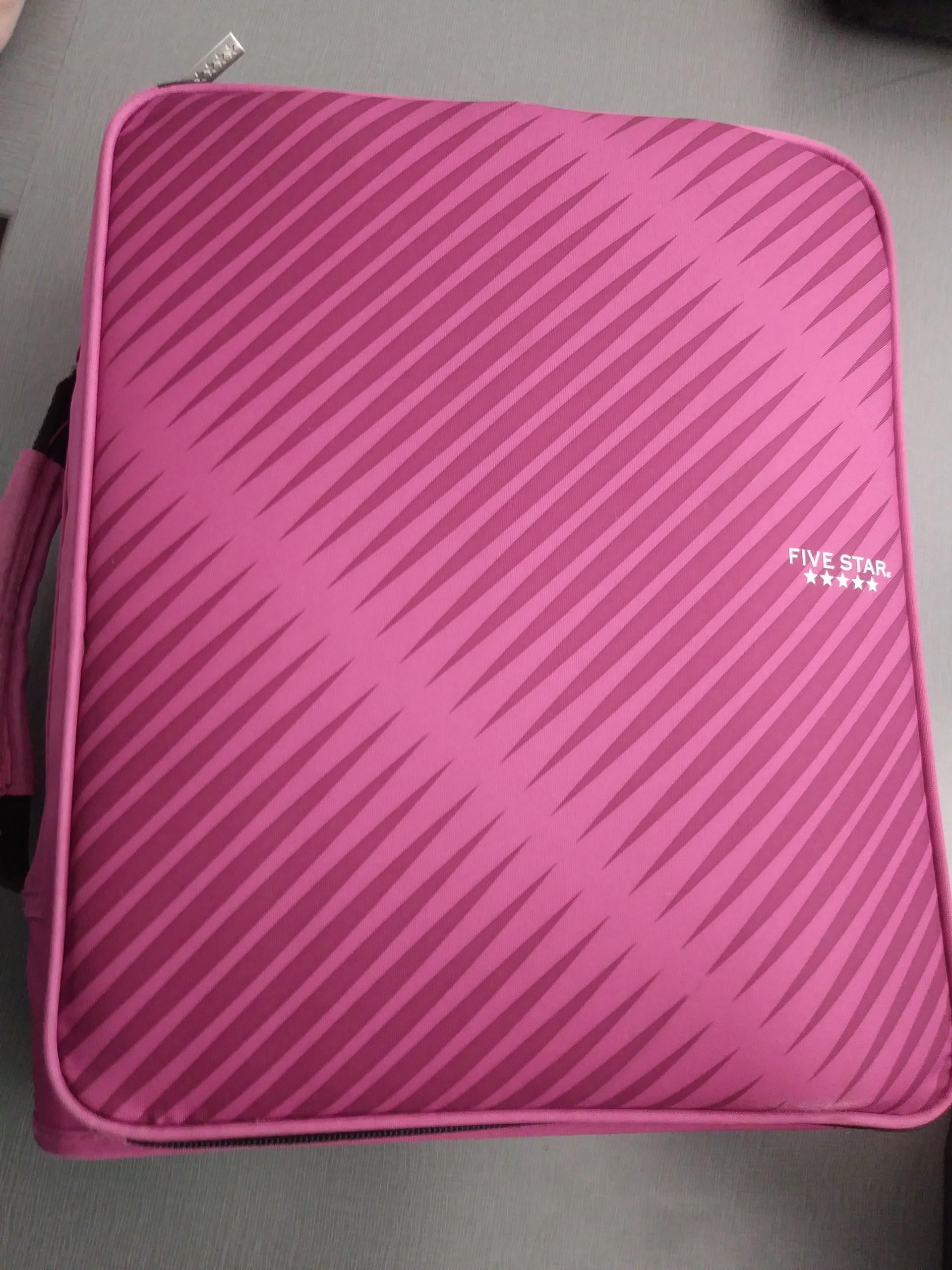
The Trapper Keeper, manufactured by Mead, was the iconic ’80s school binder system. The Velcro closure, the multiple folders (“Trappers”), the specific designs (geometric patterns, neon colors, photo prints) — all became cultural signifiers. Trapper Keepers were status symbols, with new design releases each fall generating excitement among students.
The system was specifically designed for paper-based school work that doesn’t really exist anymore in the same way. Modern students do most of their work digitally — Google Docs, online submission systems, electronic textbooks. The physical organization of paper that the Trapper Keeper enabled has been substantially replaced by digital organization in shared drives and learning management systems.
Trapper Keepers are still manufactured but in dramatically reduced volumes. The cultural moment they represented — when paper school organization was a substantial daily concern for students — has largely passed.
8. Looked up information in encyclopedias for school reports

Throughout the ’80s, school research projects required encyclopedia consultation. Most middle-class families owned a set of encyclopedias (Encyclopædia Britannica, World Book, Funk & Wagnalls, or similar). Research involved looking up topics in the index volume, then consulting the relevant volume for the article.
The encyclopedia represented an enormous physical investment — typically 20-30 volumes weighing collectively 100+ pounds, occupying significant shelf space in family rooms or studies. Sets cost $1,000-3,000 (substantial money in the 1980s) and were considered essential household equipment for families with school-age children.
Modern students Google their research topics, and encyclopedia sales collapsed in the 2000s as Wikipedia and search engines made physical encyclopedias obsolete. The 2012 announcement that Encyclopædia Britannica would cease print production marked the end of an era. Children today have never used a physical encyclopedia for school research.
9. Made elaborate forts with couch cushions and blankets
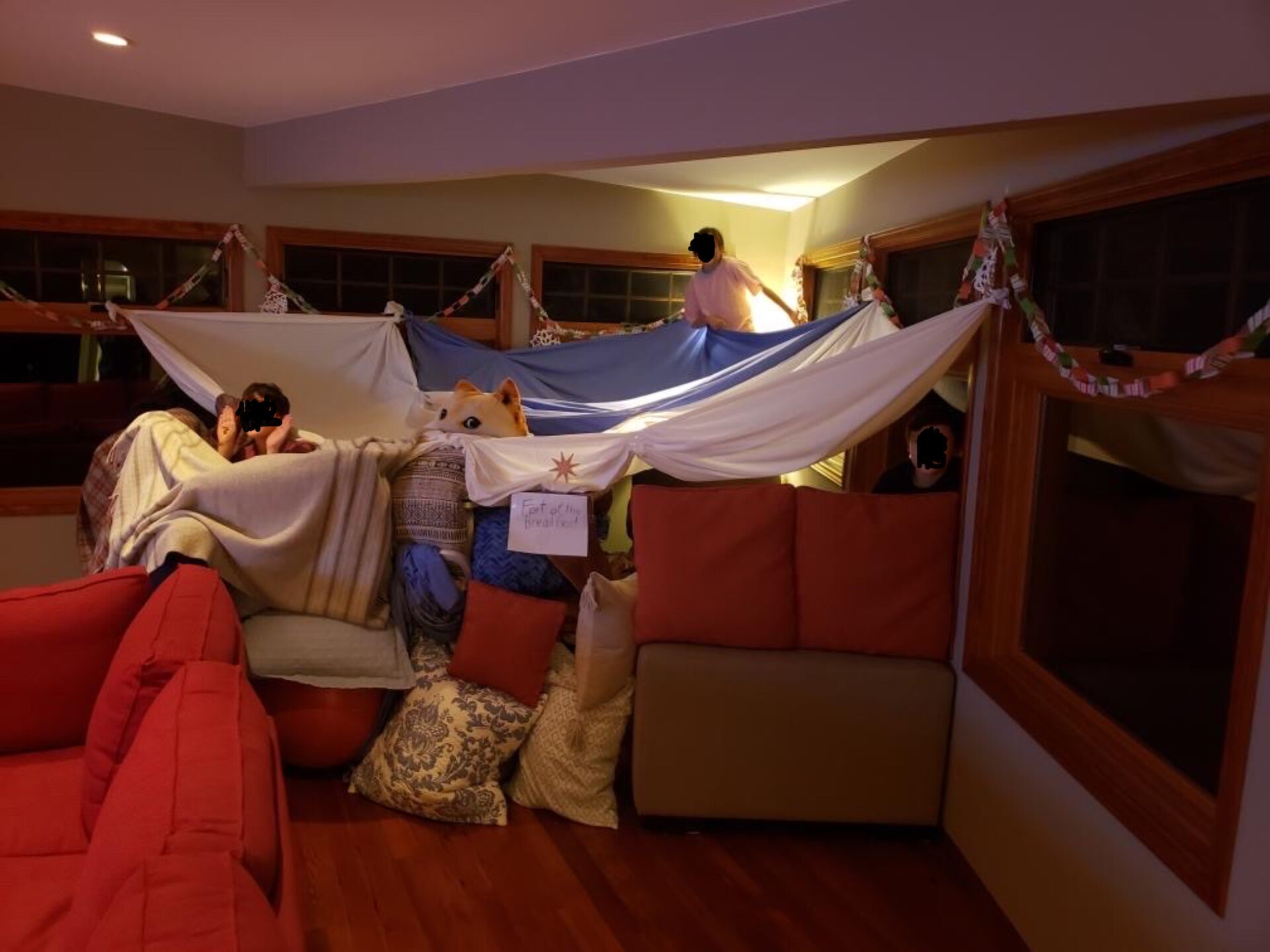
While not exclusive to the ’80s, the elaborate indoor fort-building tradition reached peak development in the era. Teenagers (and slightly younger kids) would spend hours arranging couch cushions, blankets, sheets, and chairs into elaborate structures that became hangout spaces for hours.
Forts represented a specific kind of unstructured creativity that required extensive time investment without screen-based entertainment alternatives. Without smartphones, tablets, or constant internet access, building a fort and hanging out inside it represented genuine entertainment value rather than what would now seem like an emergency backup activity.
Modern kids still build forts occasionally, but the practice has substantially declined as screen-based entertainment has occupied more of the available unstructured time. The hours-long fort engagement that defined many ’80s afternoons is rare in modern households.
10. Read books, magazines, and printed material as primary information sources

The ’80s teenage information diet was substantially print-based. Seventeen magazine, Tiger Beat, Mad magazine, YM, Rolling Stone, comic books, novels — physical paper was where teenagers got most of their information about culture, fashion, music, and various other interests.
Magazine subscriptions were standard household expenses. Trips to the bookstore (B. Dalton or Waldenbooks at the mall) were regular activities. Library visits were essential for research and entertainment reading. The entire publishing industry was structured around delivering printed material to engaged teen readers.
Modern teenagers consume information overwhelmingly through screens — TikTok, Instagram, YouTube, social media generally. Print media subscriptions have collapsed. Physical bookstores have substantially declined. Public library use has shifted toward digital lending. The teenage information consumption patterns of the ’80s have been substantially replaced by entirely different media consumption practices.
What this technology disappearance actually represents

The transformation from 1985 teenage home life to 2026 teenage home life reflects substantially more than just specific gadget changes. Several broader patterns are documented:
The smartphone consolidation. The smartphone has replaced or absorbed dozens of separate devices that defined ’80s teenage life: phone, camera, music player, TV, video player, calendar, calculator, encyclopedia, map, contacts list, gaming device, and various others. The cumulative effect is that one device now does what previously required a roomful of equipment.
The end of forced patience. Many ’80s teenage activities required patience that doesn’t exist in modern equivalents. Waiting for a music video to come on MTV. Waiting for a friend to come home from school to call them. Waiting for new music releases at Sam Goody on Tuesday. The on-demand nature of modern technology has substantially eliminated this kind of patience as a developed skill.
The end of forced creativity. The boredom that motivated fort-building, mixtape making, and various other ’80s teenage activities has been substantially eliminated by always-available screen entertainment. Whether the resulting reduction in unstructured creative time has cognitive or developmental implications is debated by researchers.
The end of unmonitored time. Modern teenagers can be tracked, contacted, and monitored continuously through their devices. The 6-hour disconnection of the mall trip has been replaced by constant connectivity. This change has both safety benefits and developmental costs that researchers continue to study.
The transformation of social geography. ’80s teenage social life happened in physical spaces — homes, malls, schools, neighborhoods. Modern teenage social life happens substantially in digital spaces. Whether the cumulative effect represents change for better, worse, or simply different is one of the most active questions in current developmental psychology research.
The acceleration of cultural moments. ’80s cultural events (a music video premiere, a TV show finale, a movie release) had specific moments when everyone experienced them together. Modern cultural consumption is asynchronous and fragmented, with individuals experiencing the same content at different times rather than collectively.
For modern parents trying to explain their own ’80s childhoods to their children, the difficulty isn’t usually the specific technology — kids can understand that VCRs existed and recorded TV shows. The difficulty is the cultural texture: the patience, the patience for waiting, the elaborate coordination required for simple activities, the genuine inability to reach people for hours at a time, the social geography that required physical presence.
That texture is what’s actually disappeared. The technology changed dramatically, but the more profound change is what the technology made possible (or required). The ’80s teenager who memorized 30 phone numbers, waited hours to record a Madonna video off MTV, and disappeared to the mall for 6 hours with no way to be reached existed in a fundamentally different relationship with information, communication, and time than the 2026 teenager who has none of those experiences.
For nostalgic adults wanting to give kids a taste of the ’80s teenage experience: limit them to a single landline phone, give them a book of phone numbers to memorize, hand them a blank cassette tape and a portable radio, and tell them to come back in 6 hours with a complete mixtape. Most modern teenagers would find the experience either impossible or fascinating in roughly equal measure. The combination would be revelatory for both generations: showing modern kids what their parents actually did, and showing the parents how dramatically the world has actually changed.

