That awkward cabinet above your fridge that’s nearly impossible to reach without a step stool isn’t useless. Professional organizers told Taste of Home exactly what belongs there — and what specifically shouldn’t. The 18-24 inch height combined with the fridge’s 24-inch depth makes it ideal for one specific category of items most people never think to put there.
In most American kitchens, there’s a small cabinet above the refrigerator that exists in a strange limbo. It’s too high to reach without a step stool. It’s too shallow for many items. It collects dust. It accumulates whatever doesn’t fit anywhere else — the random appliance you bought once, the platter from your wedding, expired cake mix from 2019.
Professional organizers see this same pattern in nearly every home they visit. According to Carol Appelbaum, founder of Luxury Pro Organizer in Houston, the cabinet above the refrigerator “is often overlooked or used as a catch-all for miscellaneous items, but it can become a functional storage space” when used intentionally. Courtney Cummings of The Stylish Organizer, also quoted in a 2025 Taste of Home article on hard-to-reach kitchen storage, explains the specific dimensional advantage: “The cabinet above the fridge is likely at least 18 inches tall, if not closer to 24 inches. Combine that with the fridge depth — usually 24 inches deep — and this is a perfect place for large platters.”
That dimensional reality — taller and deeper than most other upper cabinets — is the key to using the space well. The mistake most homeowners make is treating it like ordinary cabinet storage. It isn’t. It’s specialized storage for specialized items, and the rules for what belongs there are different from any other cabinet in your kitchen.
Here’s exactly what professional organizers recommend storing in this space, what to avoid putting there, and the specific organizing tools that make it actually functional.
What belongs in the cabinet above your refrigerator
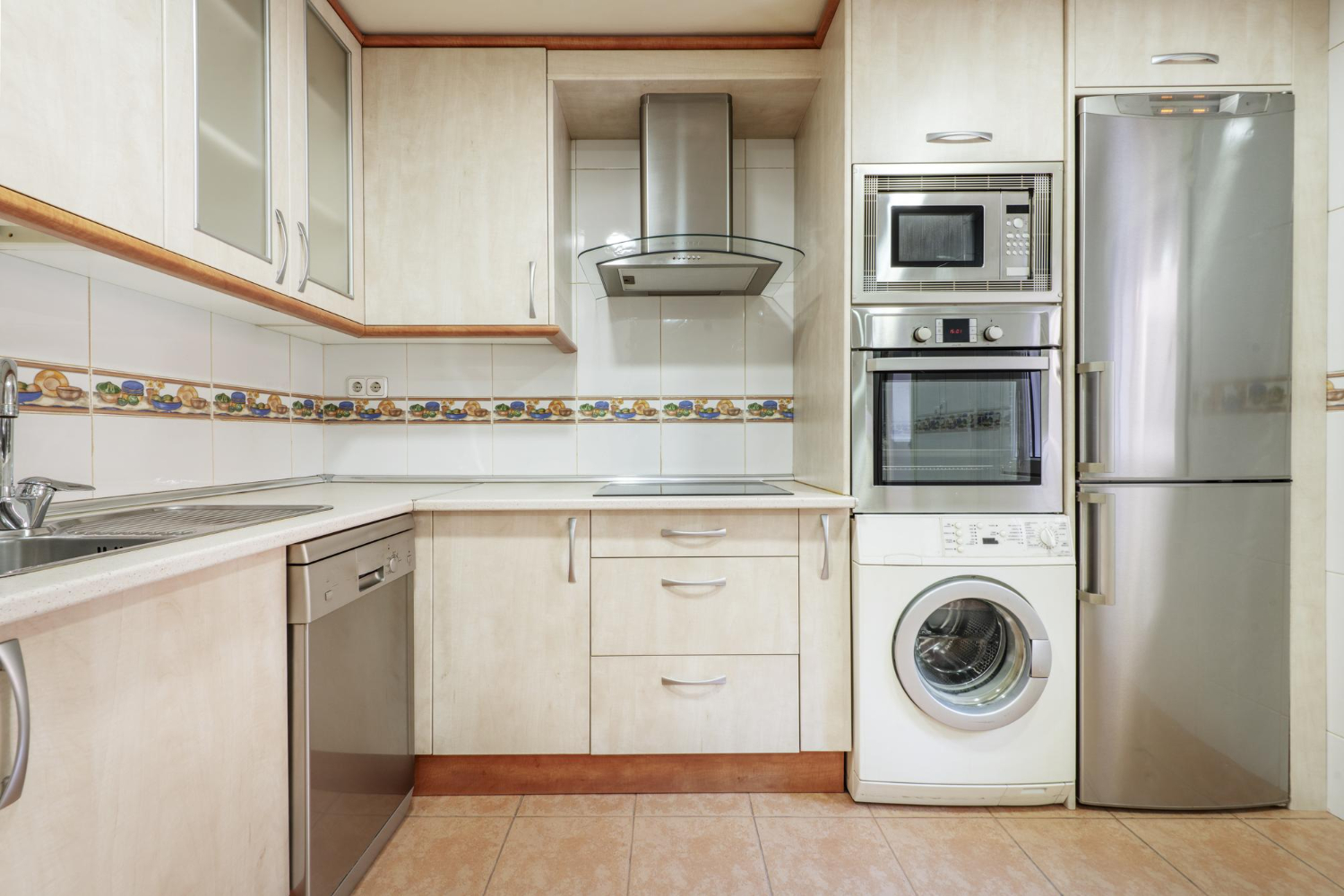
The professional consensus, consistent across multiple organizers featured in home design publications, comes down to four categories of items that match the cabinet’s specific characteristics.
Seasonal and holiday-specific items. This is the top recommendation from nearly every organizer. Holiday dishes, festive serving pieces, special occasion cloth napkins, holiday-themed cookie cutters, and similar items used a few times per year fit the access pattern perfectly. You only need to climb a step stool a few times annually rather than daily. Appelbaum specifically calls out this category: “Since these items are only used occasionally, they won’t clutter your everyday storage, but they’ll still be within reach when you need them.”
Large serving platters and trays. This is where the dimensional advantage matters. Most upper cabinets are too shallow to accommodate large platters laid flat. The over-fridge cabinet’s combined depth often does. Cummings recommends using vertical dividers to “section off each piece and easily slide platters in and out.” This eliminates the common problem of stacked platters where extracting the bottom one means moving everything above it.
Lightweight bulk items. Paper towels, bulk packages of napkins, lightweight pantry items in airtight containers. The key word is lightweight. Heavy items create both physical strain and safety risks when retrieving them from a position above your head.
Cookbooks you don’t reach for daily. This works particularly well if you stand them upright. The vertical orientation maximizes the height of the cabinet, and cookbooks you only reference occasionally don’t need to be at eye level.
What specifically should NOT go above the refrigerator
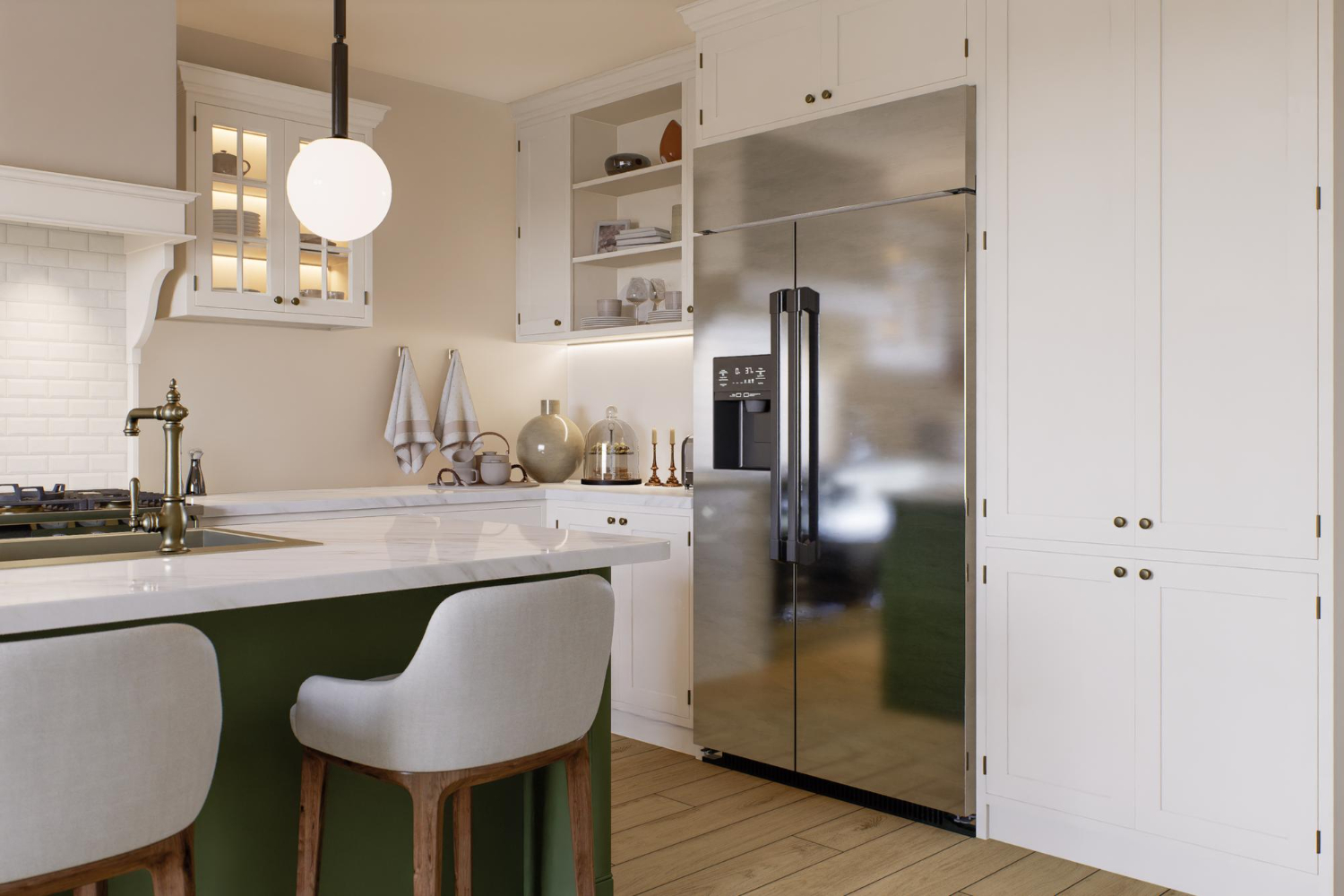
The professional advice is equally clear about what doesn’t belong:
Heavy small appliances. The Daily Positive Info-style advice to store food processors, blenders, and waffle makers above the fridge is exactly backwards. Heavy appliances become genuine injury risks when retrieved from above shoulder height. A 12-pound food processor falling onto your foot, your face, or your countertop is a real consequence. Professional organizers specifically warn against this. “Consider storing lighter items rather than bulky, heavy cookware or appliances,” Appelbaum advises.
Anything you use weekly or more often. If you’re climbing a step stool regularly to access something, it’s in the wrong place. The cabinet’s defining characteristic is inaccessibility. Daily-use items belong in cabinets you can reach without auxiliary equipment.
Items susceptible to heat damage. Refrigerators generate measurable heat from their coils, particularly older models with coils on the back or top. Chocolate, certain cooking oils, candles, and other heat-sensitive items can degrade faster when stored above the heat-generating appliance.
Multi-deep storage. Storing items more than one row deep defeats the cabinet’s purpose. As Appelbaum puts it: “Storing more than one item deep is not efficient because you will have to remove multiple items just to reach something in the back.” Single-row visibility from below is the rule.
Anything fragile that could fall. Wine glasses, fine china, and breakable items create cascading consequences if they slip during retrieval. Save these for cabinets where you have controlled access.
The specific organizing tools that make this cabinet work
Several inexpensive tools transform the over-fridge cabinet from chaos to function:
Vertical dividers. Wire or plastic dividers that section the cabinet into vertical slots transform it for platter storage. Each platter slides in and out independently. Search for “kitchen cabinet vertical dividers” — they typically run $15-30 for a set.
Adjustable shelves. If your cabinet has the standard fixed shelf, consider whether you can lower or remove it entirely. Some cabinets allow shelf height adjustment that dramatically changes what fits.
Stackable clear bins with labels. Container Store, Amazon, and IKEA all sell stackable storage bins designed specifically for high cabinet use. The clear material allows you to see contents from below without removing the bin. Large-font labels are essential because reading small text from below is genuinely difficult.
Cabinet risers. Small platforms that effectively create a second level within tall cabinets. Useful when the cabinet is significantly taller than your stored items, allowing you to use the vertical space efficiently.
Command Strips for organizers. As home blogger Megan from The Homes I Have Made discovered after extensive trial-and-error, organizing inserts in over-fridge cabinets tend to slide around during use. Command Strips secure them in place permanently while remaining removable if you change your mind later.
A dedicated step stool. Not optional. The cabinet’s height makes a sturdy step stool essential safety equipment, not a luxury. A two-step folding stool that lives in your pantry or laundry room ($25-50) eliminates the temptation to stand on chairs or counters.
The professional organizing principles that apply
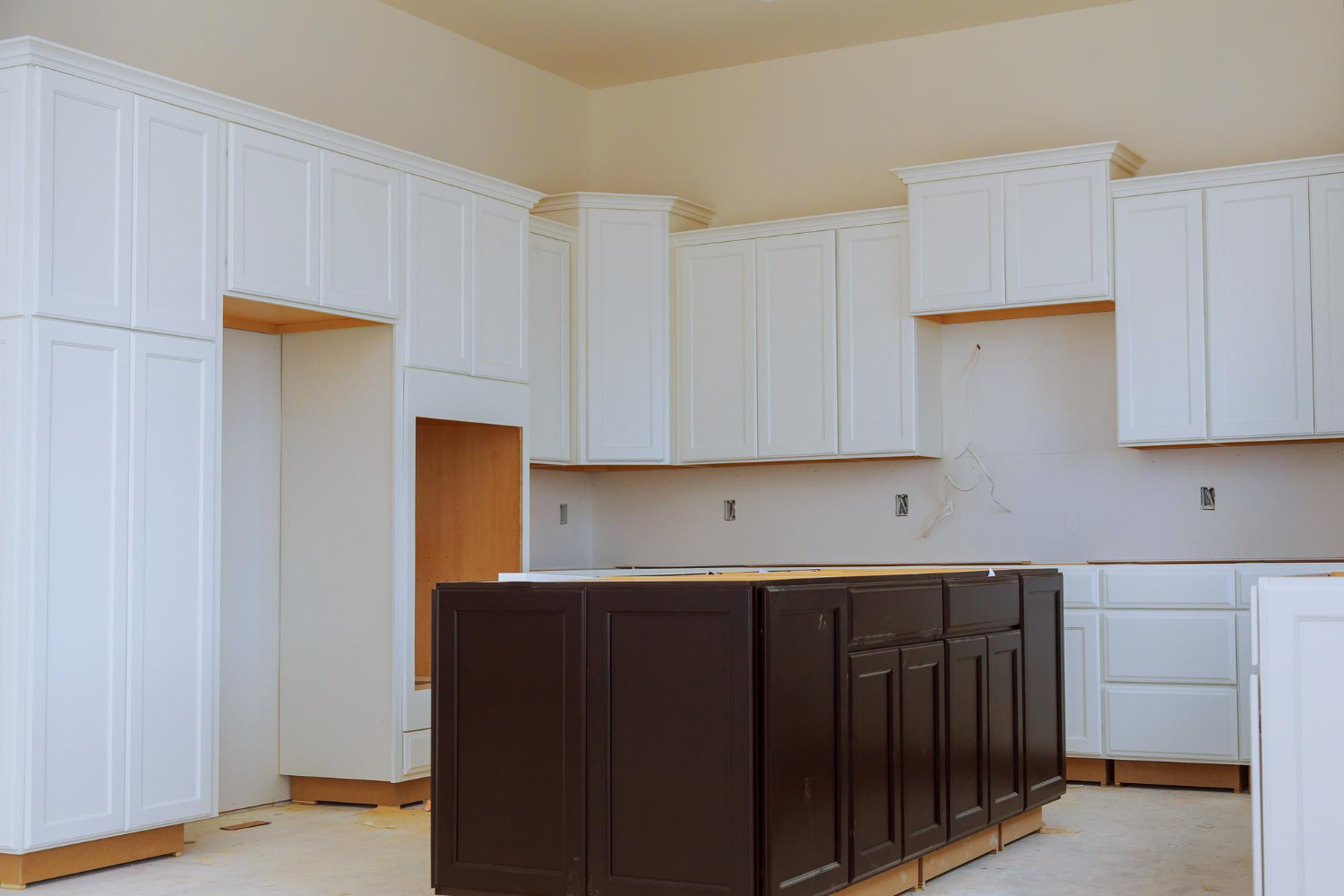
Beyond the specific tools, several principles from professional organizers shape how to use this space effectively:
Reassess once per year. Appelbaum recommends evaluating high cabinet contents annually, especially after the holidays. “If something hasn’t been used in a year or more, it’s worth asking whether it still deserves space in your kitchen.” Out-of-sight spaces collect items we no longer need but never notice.
Group items by category before placing them. Like with any organization project, empty the cabinet completely, group similar items together, and decide what categories actually justify the storage cost of being there.
Label everything that’s not immediately identifiable. A cabinet you can’t see into well requires labels you can read from below. The labels prevent the slow drift back to chaos that happens when you can’t quickly identify contents.
Match the storage to the cabinet’s actual access pattern. The over-fridge cabinet is for things you intentionally retrieve, not things you grab. Holiday china you use four times per year fits perfectly. The salt shaker you use three times per day does not.
Clean before reorganizing. Dust and grease accumulate quickly above a refrigerator due to the air circulation patterns kitchens create. An all-purpose cleaner or degreaser, applied before you put new items in, makes future maintenance dramatically easier.
What this reveals about kitchen organization more broadly
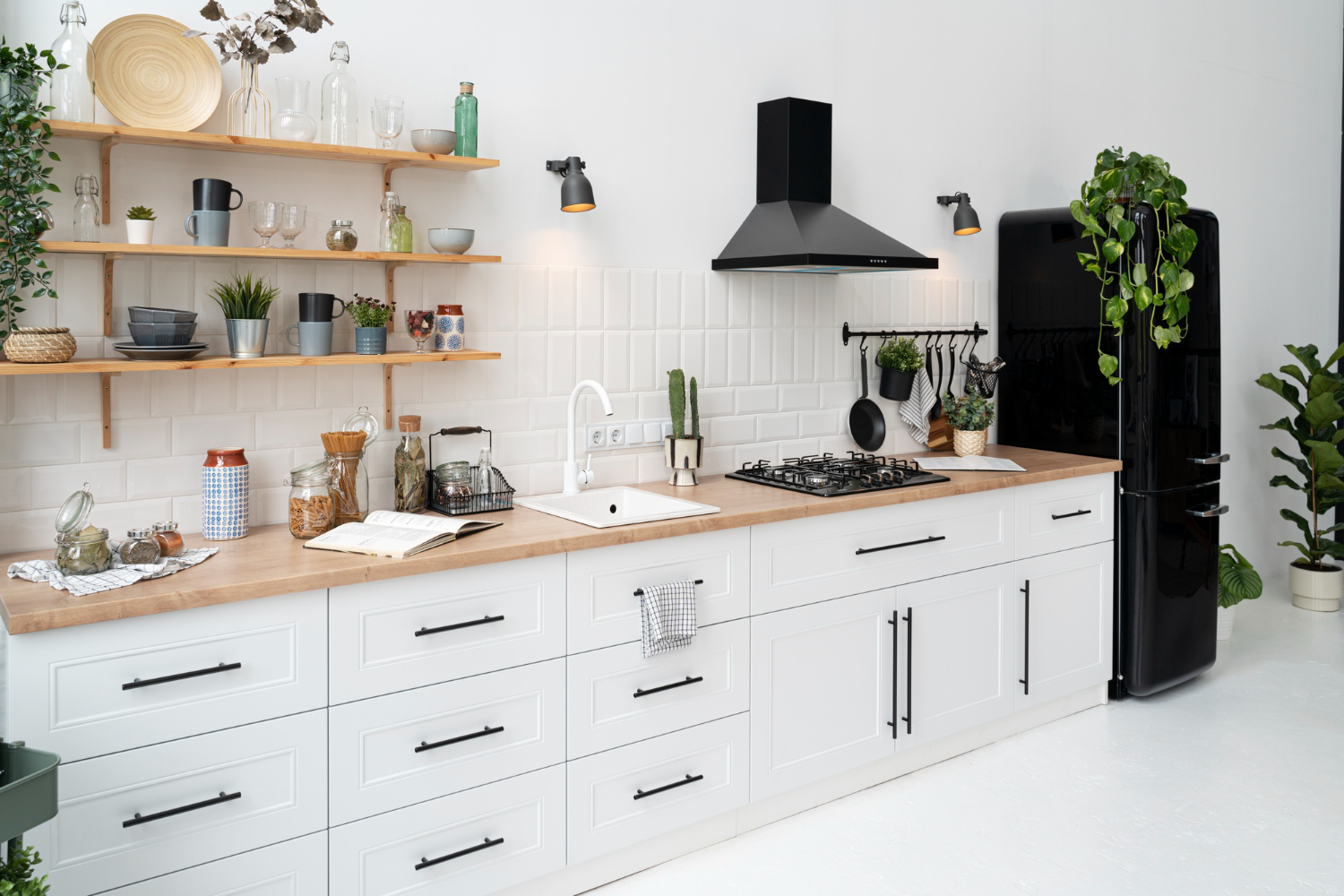
The cabinet above the refrigerator is a useful case study in a broader principle: every storage space in your home has specific characteristics that make it suited for specific items. The mistake most people make isn’t using their storage poorly — it’s treating all storage as interchangeable.
The same principle applies to:
Under-sink cabinets. High humidity and pipe access make this space ideal for cleaning supplies and rarely-used items, terrible for paper products or food.
Garage shelving. Temperature variations make it suitable for tools and seasonal items, unsuitable for paint, chemicals with freeze-sensitive labels, or anything heat-sensitive.
Attic storage. Extreme temperature swings make it suitable for items in protective containers (holiday decorations in plastic bins), unsuitable for electronics, photographs, or anything with adhesives.
Basement storage. Humidity and potential flooding make it suitable for items that can survive both, unsuitable for paper, fabric, or anything with metal parts that can rust.
Closet floor space. Easy access makes it suitable for daily-use items, but the lack of vertical organization makes it prone to chaos without specific organizing tools.
The cabinet above the refrigerator becomes useful when you stop treating it as ordinary storage and start treating it as specialized storage for items that match its specific characteristics — items used a few times per year, lightweight, large enough to benefit from the depth, and acceptable to access via step stool.
For most homeowners, the practical implementation is straightforward: empty the cabinet, group your kitchen items by frequency of use, identify the category of “use a few times per year” items currently scattered through your kitchen, and consolidate them into the over-fridge space using vertical dividers or stackable clear bins. The 30-minute project transforms one of the most-wasted spaces in your kitchen into one of the most efficient.
Most people think these cabinets are useless. The professional organizers who fix kitchens for a living disagree — but only when the cabinets are used for what they’re actually good at, not as overflow for whatever doesn’t fit elsewhere.