The Atlantic hurricane season runs from June through November, overlapping almost exactly with the deepest discounts of the year in the Caribbean, Florida, and the Gulf Coast, and travelers who understand how the season actually works can take advantage of it with clear eyes rather than crossed fingers. Here are ten things to know about traveling during hurricane season, counted down one by one.
1. The Season Is Six Months Long, but the Peak Is Narrow

June through November is the official window. Historically, activity concentrates from mid-August through October.
While the official Atlantic season spans a full six months, historical storm activity clusters heavily in its core, roughly mid-August through October, with early summer and late November trips statistically far calmer. The season is six months long, but the peak is narrow, which means a June or early-July getaway carries meaningfully different odds than the same trip booked for mid-September.
Like our content? Follow us for more.
2. Any Single Week in Any Single Place Is Usually Fine
Storms are large events but small targets. Most hurricane-season trips encounter nothing worse than an afternoon shower.
The tropics are enormous and any individual storm affects a limited area for a limited time, which is why the overwhelming majority of hurricane-season vacations pass with nothing more dramatic than a brief afternoon downpour. Any single week in any single place is usually fine, and the smart approach treats a storm not as an expectation but as a possibility worth planning around.
3. The Discounts Exist Because of the Risk You’re Accepting

Rates drop steeply in storm season. The savings are the market pricing in exactly this trade-off.
Hotel rates, airfares, and package prices across the tropics fall substantially during hurricane season precisely because demand drops with the risk, meaning the discount is not free money but fair payment for the small chance a storm reshapes your week. The discounts exist because of the risk you’re accepting, and travelers who internalize that trade tend to book happily and handle disruptions calmly.
4. Some Destinations Sit Largely Outside the Storm Belt
The southern Caribbean sees far fewer hurricanes. Islands near South America offer season-long alternatives.
Geography matters enormously in the tropics, and the islands of the far southern Caribbean, lying close to South America, sit largely below the historical track of most hurricanes, giving cautious travelers warm-weather options with substantially lower storm exposure even in peak months. Some destinations sit largely outside the storm belt, so travelers who want the season’s prices with less of its risk can simply choose their latitude accordingly.
5. Travel Insurance Only Helps if You Buy It Early
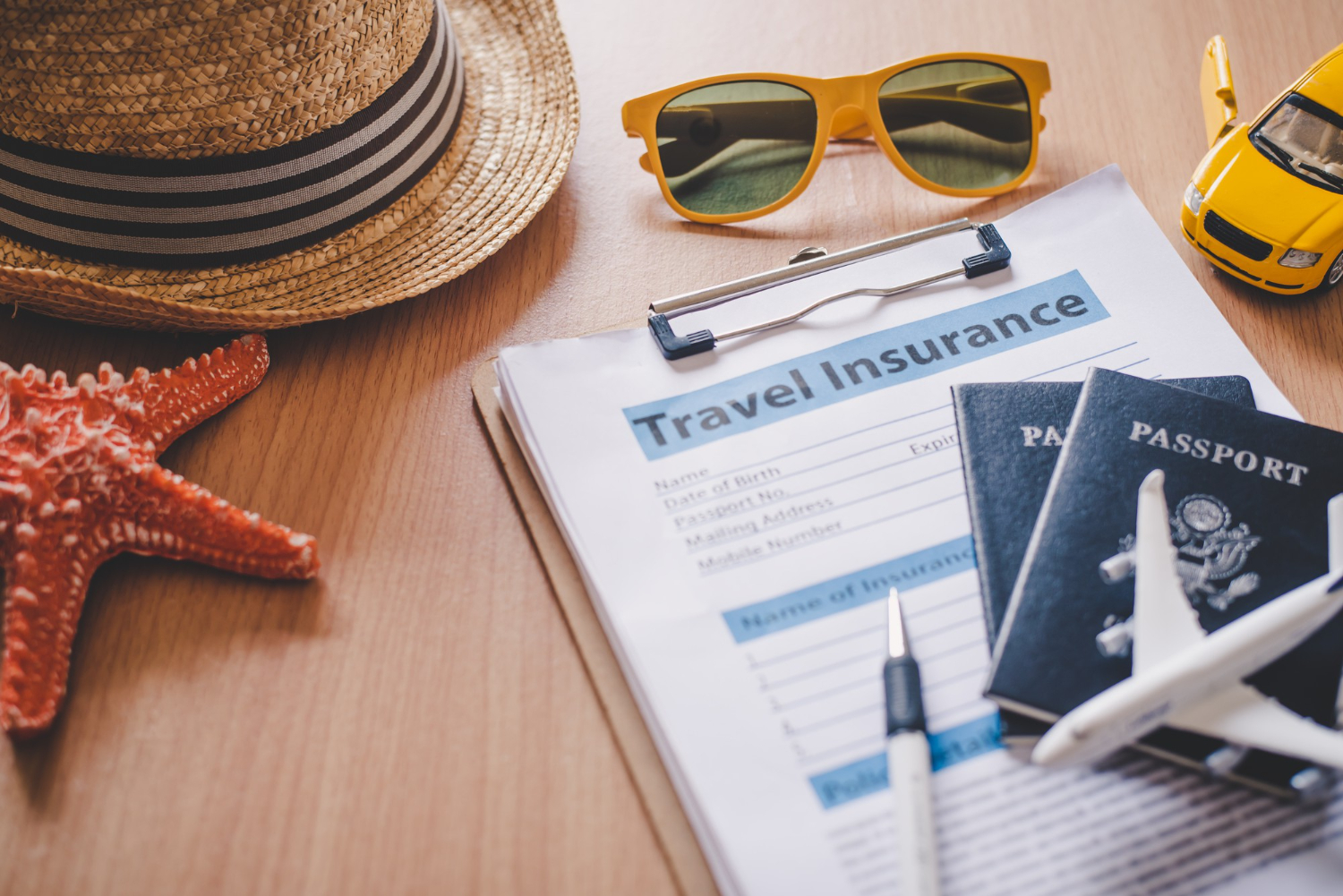
Coverage must be purchased before a storm is named. Waiting until a forecast appears is waiting too long.
The single most misunderstood rule of hurricane-season travel is that insurance generally covers only unforeseen events, and once a storm has been named, policies purchased afterward typically exclude it, making the days right after booking the correct time to buy. Travel insurance only helps if you buy it early, and reading the policy’s specific weather and cancellation provisions matters more in these months than anywhere else in travel.
6. “Cancel for Any Reason” Is the Season’s Premium Option

Standard policies cover defined disruptions only. CFAR coverage costs more but returns choice to you.
Standard trip insurance pays out for defined events, a canceled flight, an uninhabitable hotel, while “cancel for any reason” upgrades, which typically must be purchased shortly after booking and reimburse a percentage of costs, cover the far more common scenario of a forecast you simply don’t like. “Cancel for any reason” is the season’s premium option, worth a genuine look for expensive trips booked deep into the peak weeks.
7. Cruises Handle Storms Differently Than Resorts Do
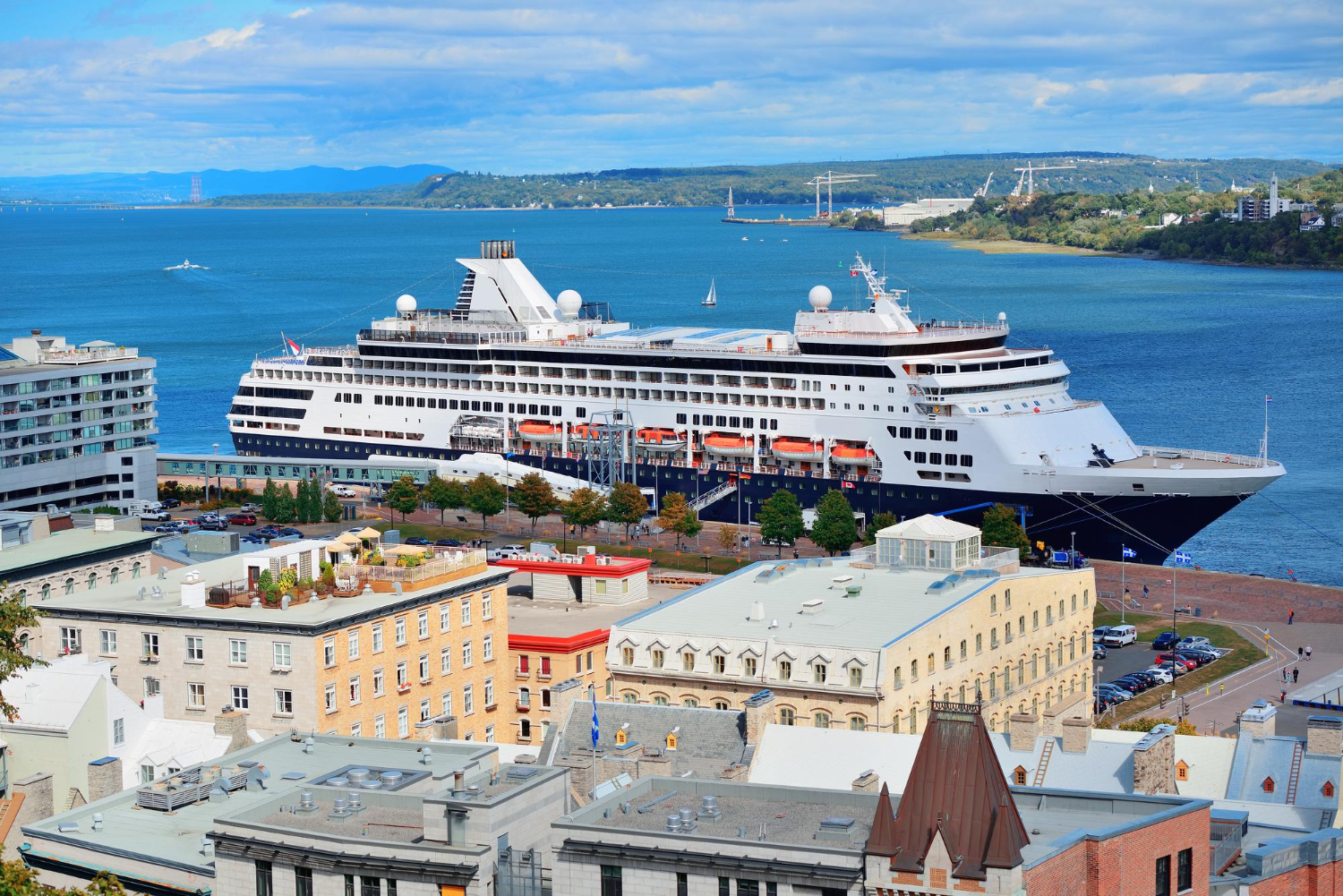
Ships steer around weather and swap ports. A storm usually means an itinerary change, not a canceled cruise.
Cruise lines monitor the tropics constantly and reroute ships around developing weather, which means a hurricane-season cruise far more often produces a swapped port or an extra sea day than a cancellation, a genuinely different risk profile than a fixed beachfront resort in a storm’s path. Cruises handle storms differently than resorts do, and travelers who care most about salvaging the vacation itself, rather than a specific itinerary, often prefer the ship for exactly that reason.
8. Know Your Hotel’s and Airline’s Storm Policies Before You Book

Many tropical resorts publish hurricane guarantees. Airlines issue waivers that open free rebooking windows.
Many resorts across the storm belt publish hurricane policies that offer rebooking or credits when a named storm disrupts a stay, and airlines facing a storm typically issue travel waivers allowing free changes within defined windows, protections that vary enough to be worth reading before booking rather than after a forecast. Know your hotel’s and airline’s storm policies before you book, because in this season the fine print is part of the price.
9. Build a Flexible Itinerary With a Day of Slack

Tight connections and packed schedules break first. A loose plan absorbs weather that a rigid one can’t.
Storm-season disruptions are usually small, a delayed flight, a rainy day, a shifted ferry, and they punish rigid plans far more than loose ones, which is why experienced tropical travelers pad connections, keep one unplanned day, and book refundable rates where the price difference is modest. Build a flexible itinerary with a day of slack, and most of what the season throws at you becomes an anecdote instead of a crisis.
10. If a Storm Does Come, Follow Local Guidance and Go Early

Local authorities and hosts know the drill. Adjusting plans early beats improvising late every time.
On the rare trip where a storm genuinely threatens, the playbook is simple and well practiced across the region: monitor official forecasts, follow the instructions of local authorities and your hotel, and make changes early, when flights and options are plentiful, rather than late, when they aren’t. If a storm does come, follow local guidance and go early, because in the tropics, acting a day sooner is worth more than any other preparation on this list.
A Calculated Trade Most Travelers Win
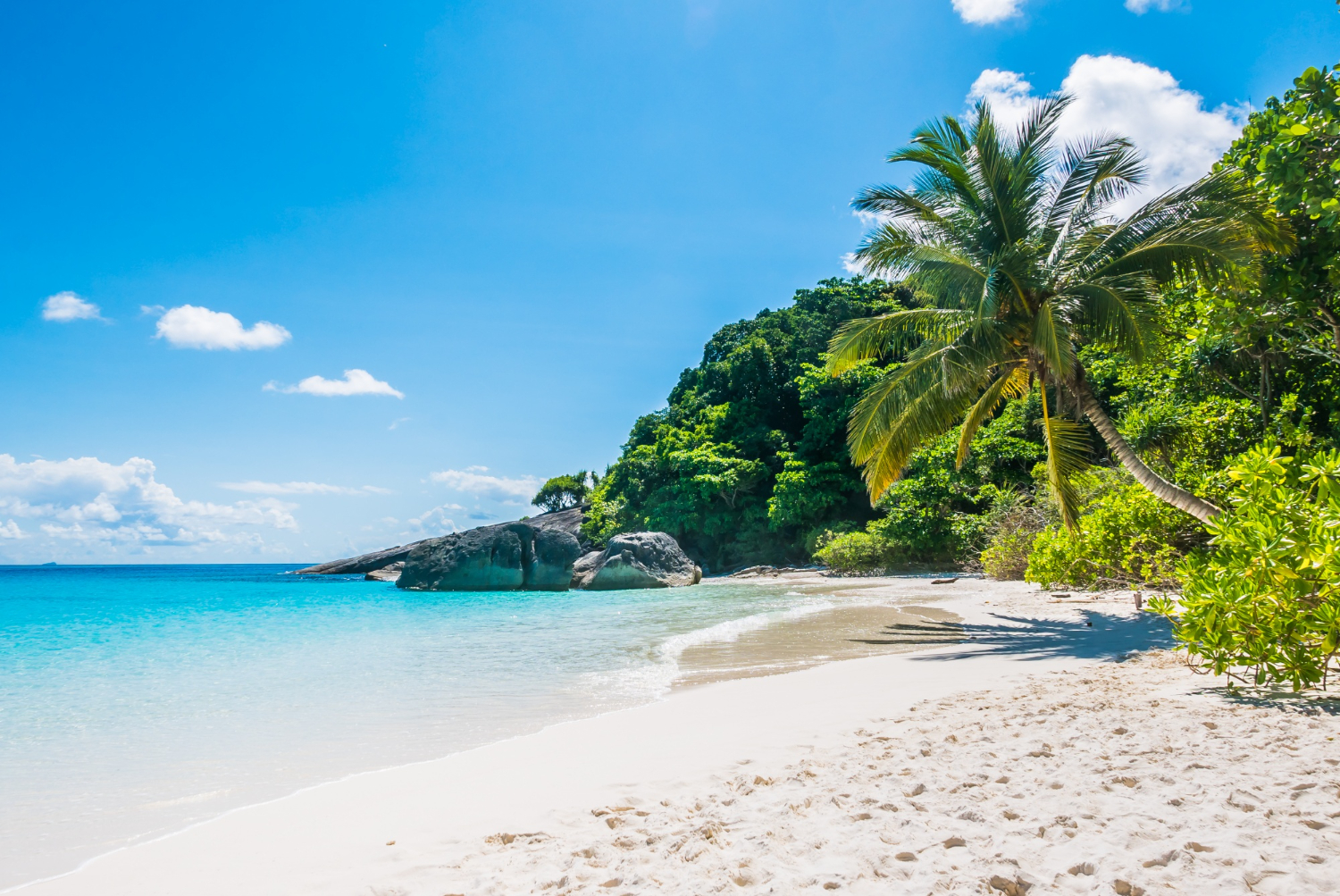
Taken together, these ten things reframe hurricane season as what it really is, a calculated and usually winning trade of small risk for large savings, made safest by early insurance, flexible plans, smart geography, and a clear-eyed read of the fine print. Millions of travelers make that trade every summer and come home with nothing but a tan and a bargain.
The Atlantic season arrives on schedule every year, and so do its discounts, and the travelers who benefit are the ones who plan for the season rather than pretend it isn’t there. Book with the peak weeks in mind, insure early, keep the itinerary loose, and know the policies behind your reservations. Do that, and the season’s math tilts firmly in your favor: emptier beaches, better prices, and a very good chance of a perfect week in paradise.
Like our content? Follow us for more.