Japan’s reputation for immaculate safety and impeccable social order is underpinned by a legal system enforced with a consistency that often catches foreign visitors off-guard. A minor misstep that might earn only a verbal warning elsewhere can rapidly escalate into severe questioning, heavy fines, or even arrest here. With post-pandemic tourist arrivals surging past 20 million annually, incidents of accidental rule violations have risen significantly. Understanding these precise regulations is essential for staying safe and respecting a system built on precision, accountability, and community trust.
1. Carrying Medication That’s Illegal in Japan

Many everyday pharmaceutical products common in the U.S. are banned or strictly controlled in Japan. This includes certain common ADHD medications and cold medicines containing more than 10mg of Pseudoephedrine per dose. Authorities confiscate thousands of these items at major ports of entry annually. Even legally prescribed quantities exceeding a one-month supply require a pre-approved Yakkan Shoumei certificate. Tourists who overlook these detailed customs laws may face immediate interrogation or detention.
2. Riding a Bicycle While Using an Umbrella or Phone
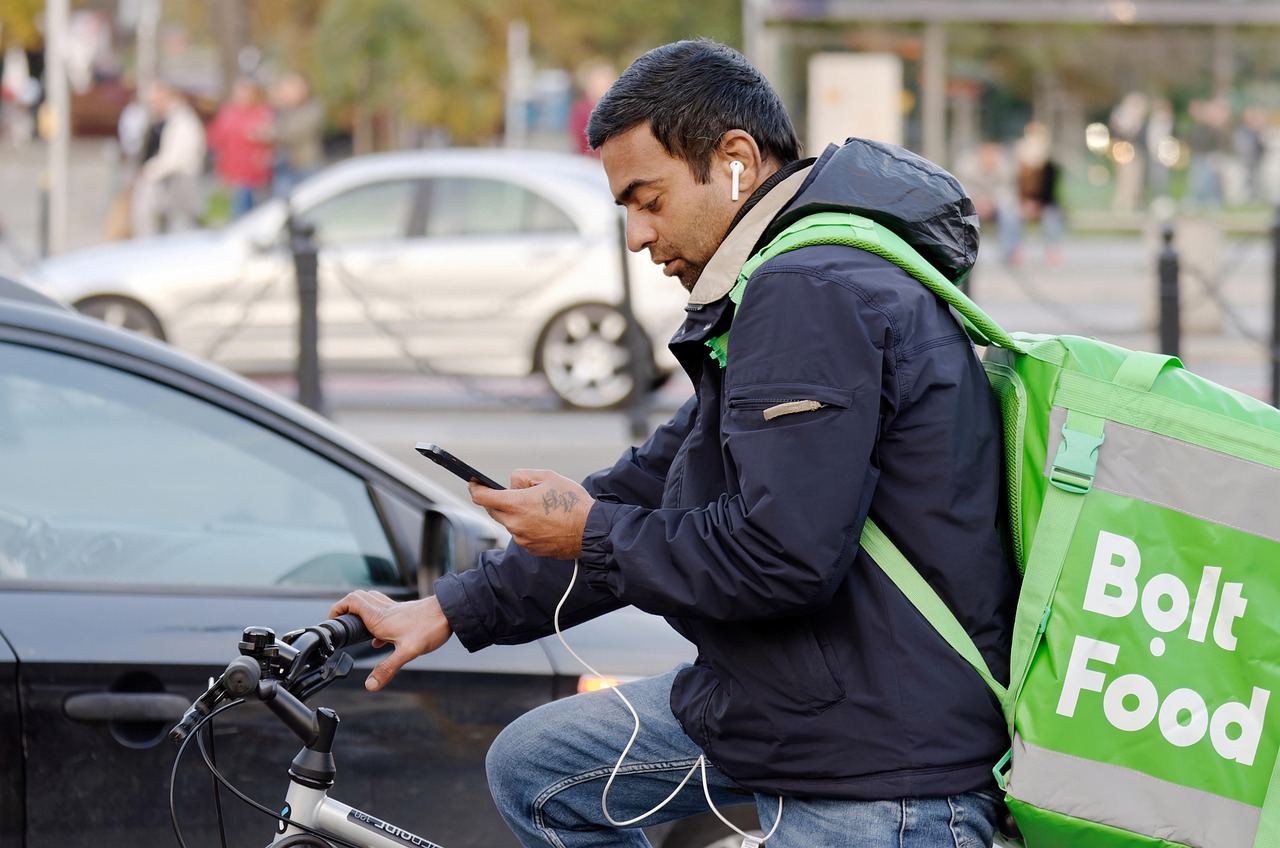
Japan documents over 70,000 bicycle accidents each year, leading to rigorous enforcement of cycling laws, which prioritize public safety. Holding an open umbrella, texting on a phone, or wearing headphones while cycling is classified as dangerous behavior. Police routinely stop cyclists in high-traffic urban areas, and fines can reach ¥50,000. Repeat offenses or serious violations may lead to formal arrest. Many visitors fundamentally underestimate how strictly small distractions on a bicycle are interpreted as risks to the public.
3. Staying in an Unregistered Airbnb or Rental

Following the 2018 Minpaku Law, every short-term lodging rental must prominently display a 15-digit registration number and rigorously maintain guest records. During major governmental compliance sweeps, hundreds of properties have been closed, resulting in legal action. Tourists staying in unlicensed units risk being questioned or detained as part of these enforcement checks. Always confirm a valid registration number and ensure the host requests your passport information, which is a mandatory requirement for all foreign guests.
4. Not Carrying Your Passport at All Times
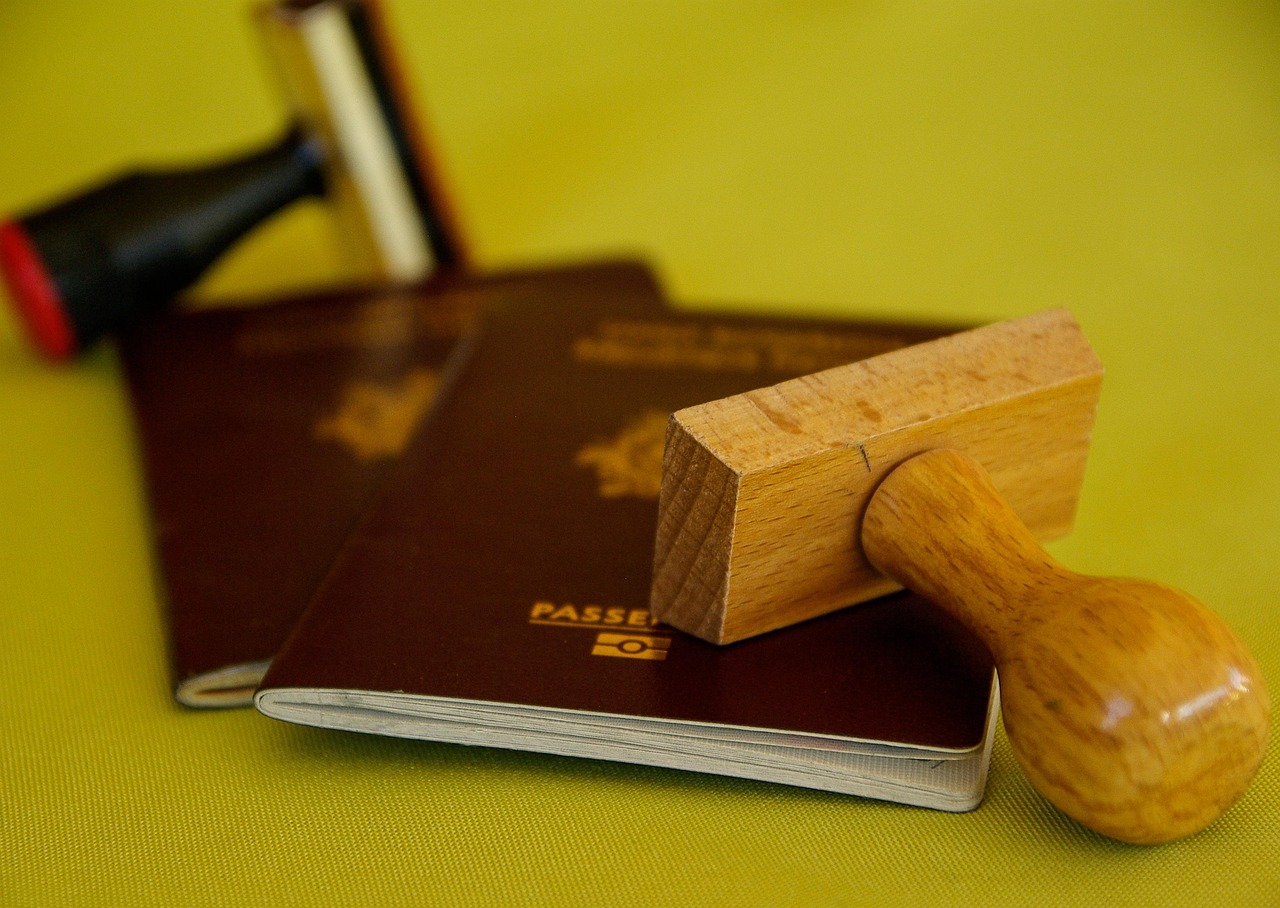
Japanese law mandates that all foreign visitors must carry their passports on their person at all times. Police conducted over 100,000 random identity checks nationwide last year, especially in nightlife and major transit hubs. Failing to present your physical passport on demand can lead to immediate detention until your identity and legal status are verified. A digital or photographed copy does not meet this strict legal requirement.
5. Public Drunkenness That Causes Disturbance

While consuming alcohol in public is legal in Japan, disorderly conduct or disturbance is not. Police respond to over 5,000 alcohol-related incidents annually. Behavior such as loud public arguments, blocking pedestrian paths, or causing discomfort to residents can lead to arrest, particularly in busy hubs like Shibuya or Dotonbori. Japanese society highly values social harmony, and officers will act swiftly if a visitor’s festive energy transitions into punishable disruption.
6. Keeping Lost Items Instead of Reporting Them

Japan operates one of the world’s most effective lost-and-found systems, recovering over 4 million items annually. Keeping something you find, even a seemingly worthless item like an umbrella or a lost wallet, is considered misappropriation under the law. Every found item must be reported immediately to a local $koban$ (police box), where officers log the detailed information. Failing to follow this precise reporting process is treated as intentional theft.
7. Entering Restricted Areas at Shrines or Train Stations
Train stations handle enormous daily passenger volumes, necessitating strict safety and trespassing enforcement. Entering maintenance zones, crossing tracks, or stepping over ropes in prohibited areas can result in immediate arrest. Similarly, Shinto shrines and Buddhist temples restrict access to inner sacred zones. Ignoring posted signs—even those only in Japanese—for the sake of a photograph is considered a violation, not a simple mistake, and can trigger intervention.
8. Handling Unattended or Stranger’s Luggage
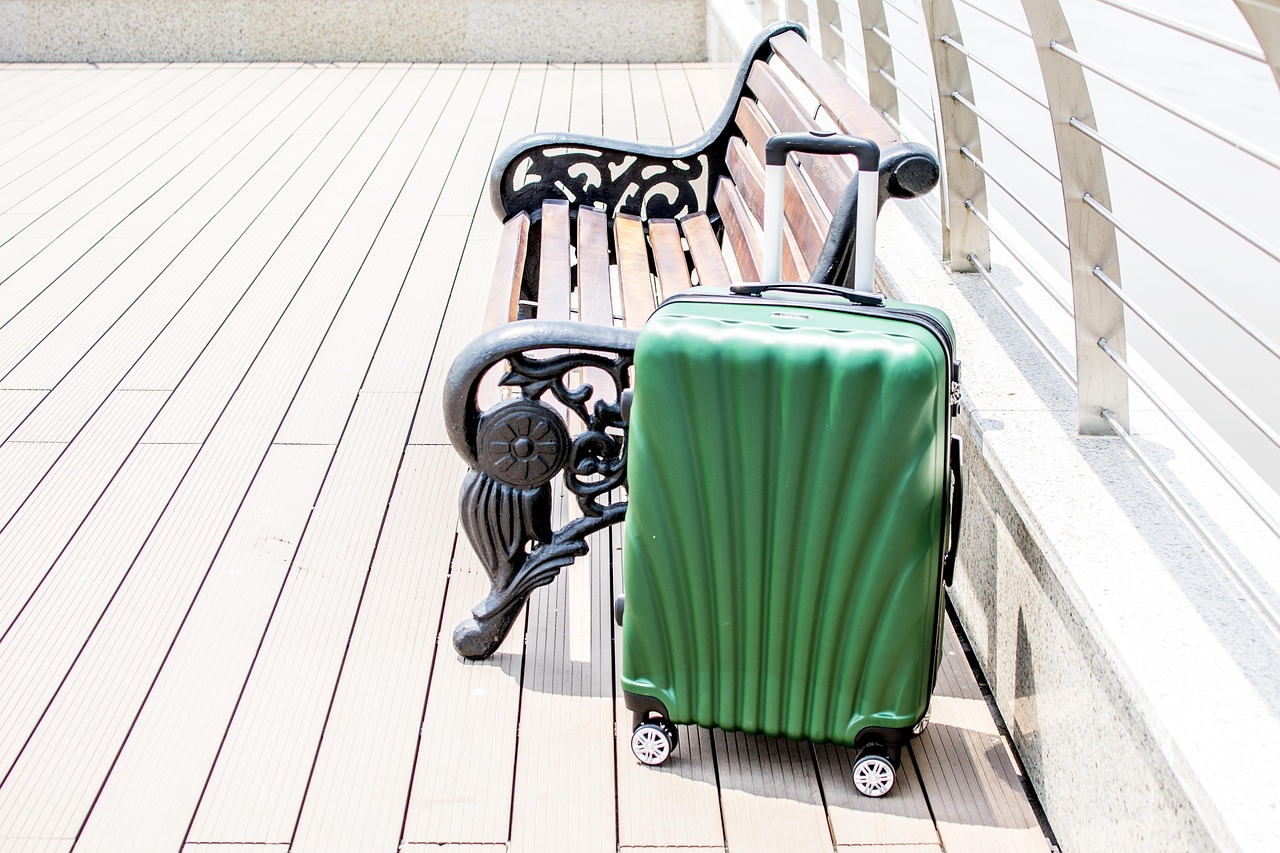
Japanese security protocols treat unattended baggage, especially in high-traffic areas, as a high-risk item. Touching or attempting to move someone else’s luggage without direct permission can immediately trigger suspicion of tampering or smuggling activities. Security personnel may detain and question individuals until they are cleared of involvement in prohibited actions. Even well-meaning attempts to assist a stranger with their bag should be avoided unless clearly visible to authorities.
9. Using Fake, Invalid, or Incorrect Train Tickets

Japan’s rail network records billions of journeys each year, and fare evasion is addressed aggressively. Practices like tailgating through fare gates, intentionally underpaying the fare, or reusing tickets is classified as fraud, with over 40,000 estimated incidents annually. Even honest calculation mistakes require an immediate explanation and correction. Since stations are heavily monitored, repeated or intentional violations can lead to formal arrest.
10. Filming or Photographing in Prohibited Areas

Japan’s laws surrounding privacy and security are stringent, resulting in thousands of photography-related complaints yearly. Filming inside restricted operational zones (like police stations or security tunnels) can lead to arrest. Crucially, taking photos of individuals—especially women or children—without explicit permission can also trigger police intervention, even in public spaces. Ignoring privacy expectations or small, Japanese-only signs is considered disrespectful and warrants immediate intervention.
11. Working or Volunteering on a Tourist Visa
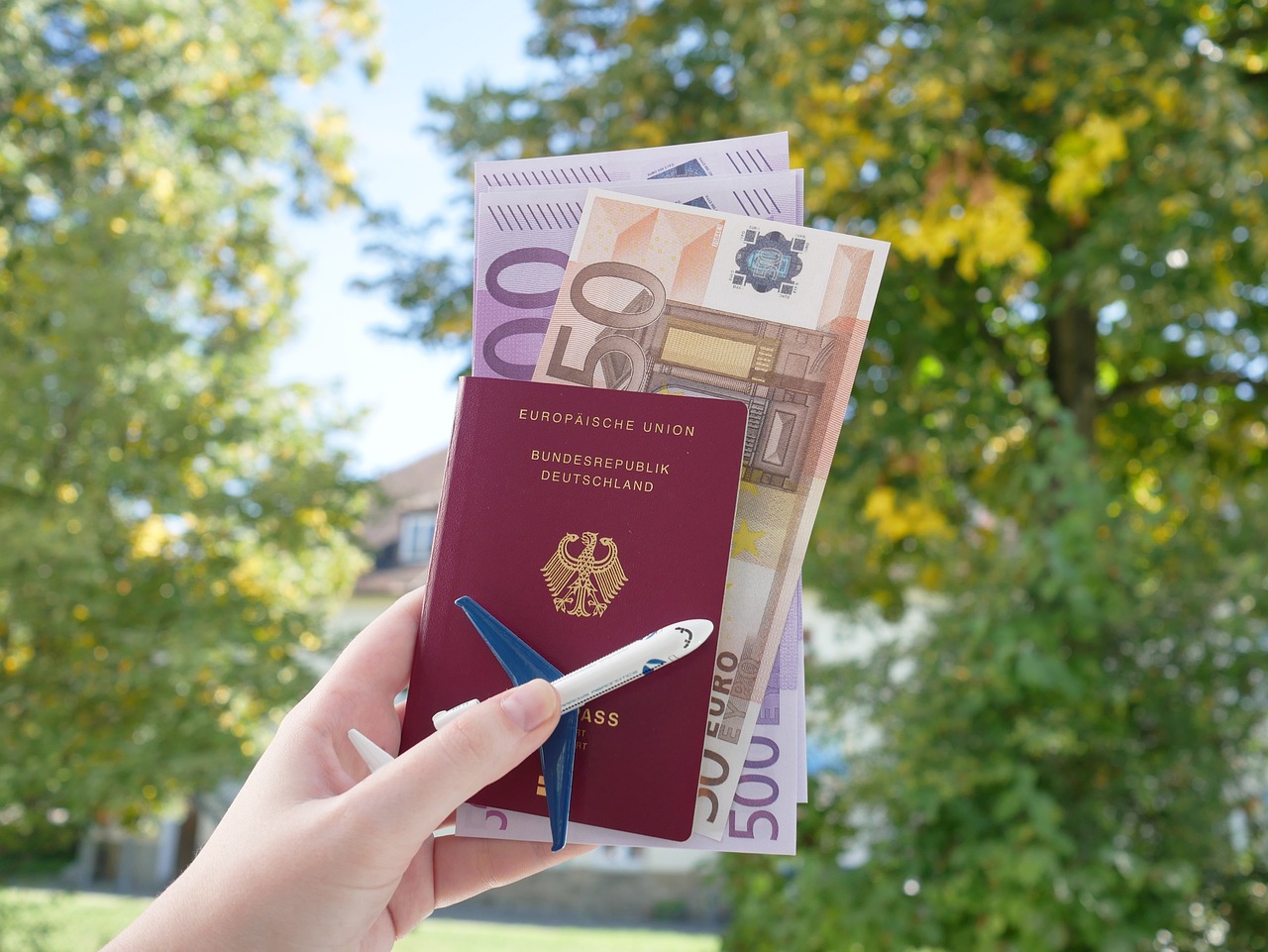
Immigration authorities cite over 10,000 annual violations involving unauthorized work. The rule is strictly applied: even unpaid volunteering, assisting at a friend’s small business, or engaging in activities that resemble organized labor can violate visa terms. Receiving perks or gifts that resemble compensation may also trigger rule breakage. Tourists found working without the proper visa status face detention, heavy fines, and rapid deportation.