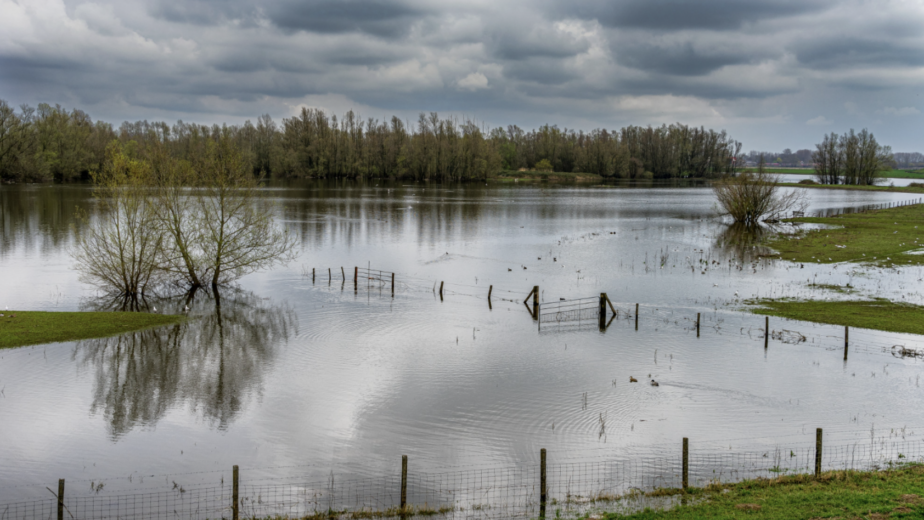
Travel vloggers often showcase only the most photogenic streets and curated, filter-perfect experiences, completely sidelining the realities that genuinely impact travelers. Many cities marketed as “must-see” destinations are currently grappling with exploding crime rates, overwhelming overtourism, limited infrastructure, or official safety warnings from international bodies. For Americans investing thousands of dollars in a vacation, understanding the gap between online exaggeration and verifiable truth is crucial. The following cities are frequently overhyped online despite clear data demonstrating significant challenges related to affordability, safety, transportation logistics, or the overall visitor experience.
Paris, France
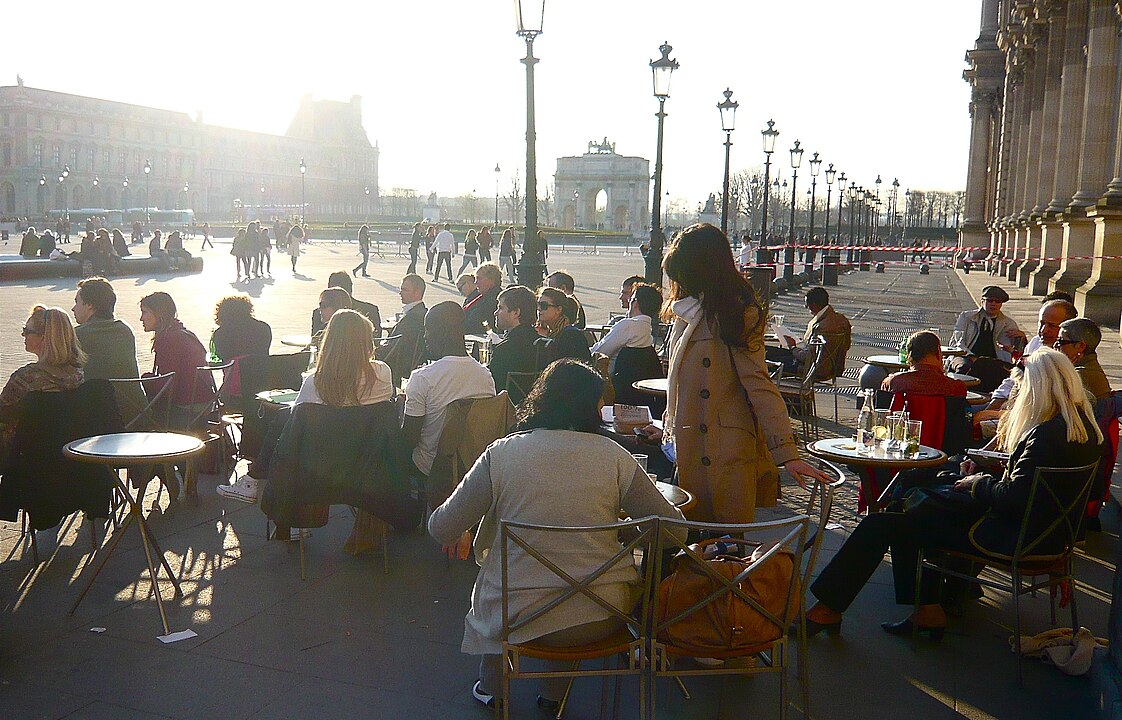
While the French capital remains iconic, travel bloggers frequently gloss over the dramatic surge in scams and petty theft concentrated near major tourist sites. The U.S. State Department explicitly flags pickpocketing near Montmartre and the Eiffel Tower as a high-level risk, with police reports documenting thousands of incidents annually. Furthermore, visitors face crippling lines and intense crowds driven by record tourist arrivals. These operational realities rarely feature in influencer itineraries that promise empty streets and carefree, solitary strolls.
Venice, Italy
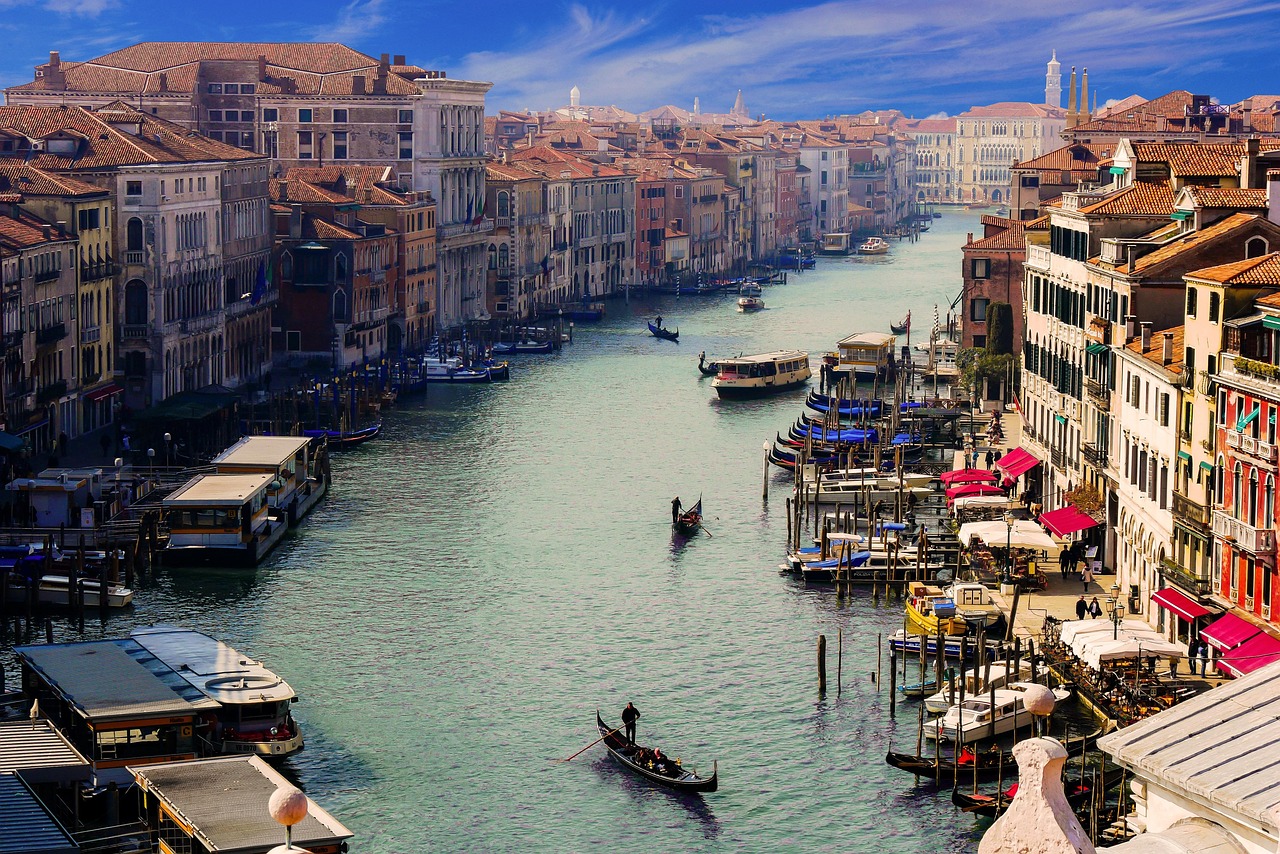
Venice is perpetually marketed as a dreamy destination, yet its overtourism crisis is well-documented by both city officials and UNESCO. The fragile city receives more than 20 million visitors each year while hosting a permanent population under 50,000, severely straining public infrastructure and inflating prices for everything from transportation to dining. New visitor taxes have been implemented specifically to mitigate congestion, a critical fact largely absent from blogger content. The expected peaceful, romantic canal experience often feels dramatically different amid the crowds.
Tulum, Mexico
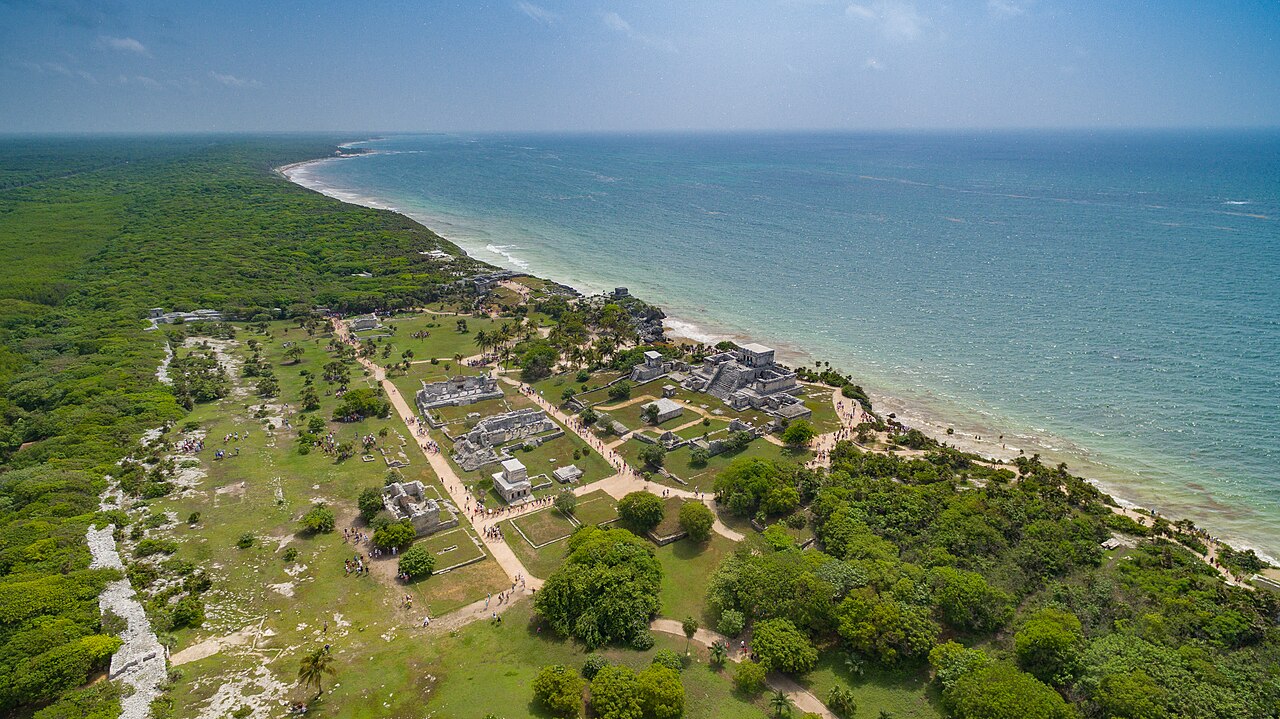
Tulum’s appealing Instagram aesthetic effectively conceals rapidly rising crime rates, including cartel-related incidents and armed robberies that have penetrated tourist zones, as tracked by Mexico’s National Public Security System. Prices for accommodation, food, and transport have likewise skyrocketed due to heavy demand, stripping away the advertised image of an affordable paradise. Many visitors report secondary issues like unreliable utilities and power outages, which are never featured in pristine marketing photography.
Bali, Indonesia
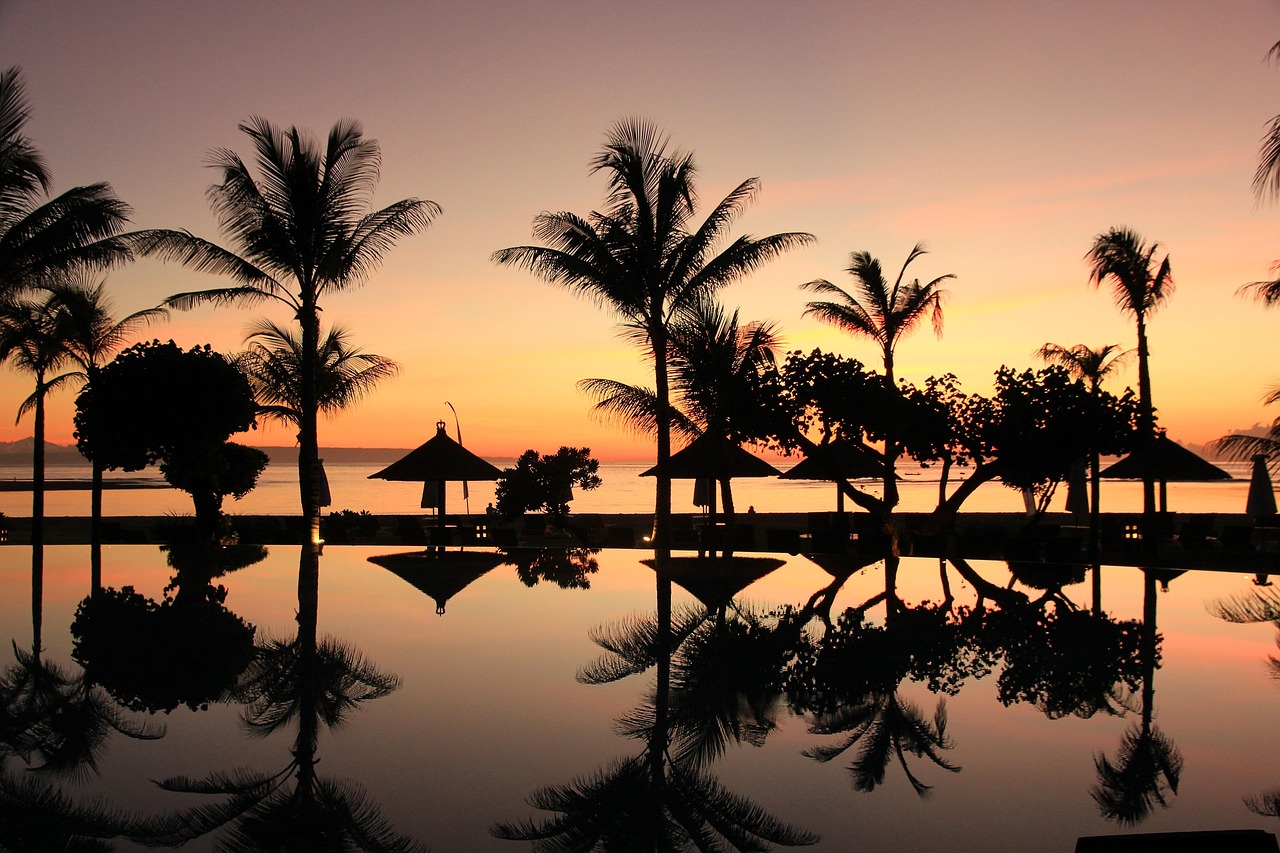
Bali is widely promoted as a serene, spiritual escape, but the island is wrestling with severe environmental strain and crippling overcrowding. Government figures indicate that annual visitor numbers now exceed the island’s sustainable capacity, resulting in intense traffic gridlock, visible beach pollution, and increasing water scarcity. New tourist fines and regulations have been introduced following repeated incidents of disrespectful visitor behavior. Blogger content seldom highlights these growing environmental and social frustrations.
Dubai, United Arab Emirates
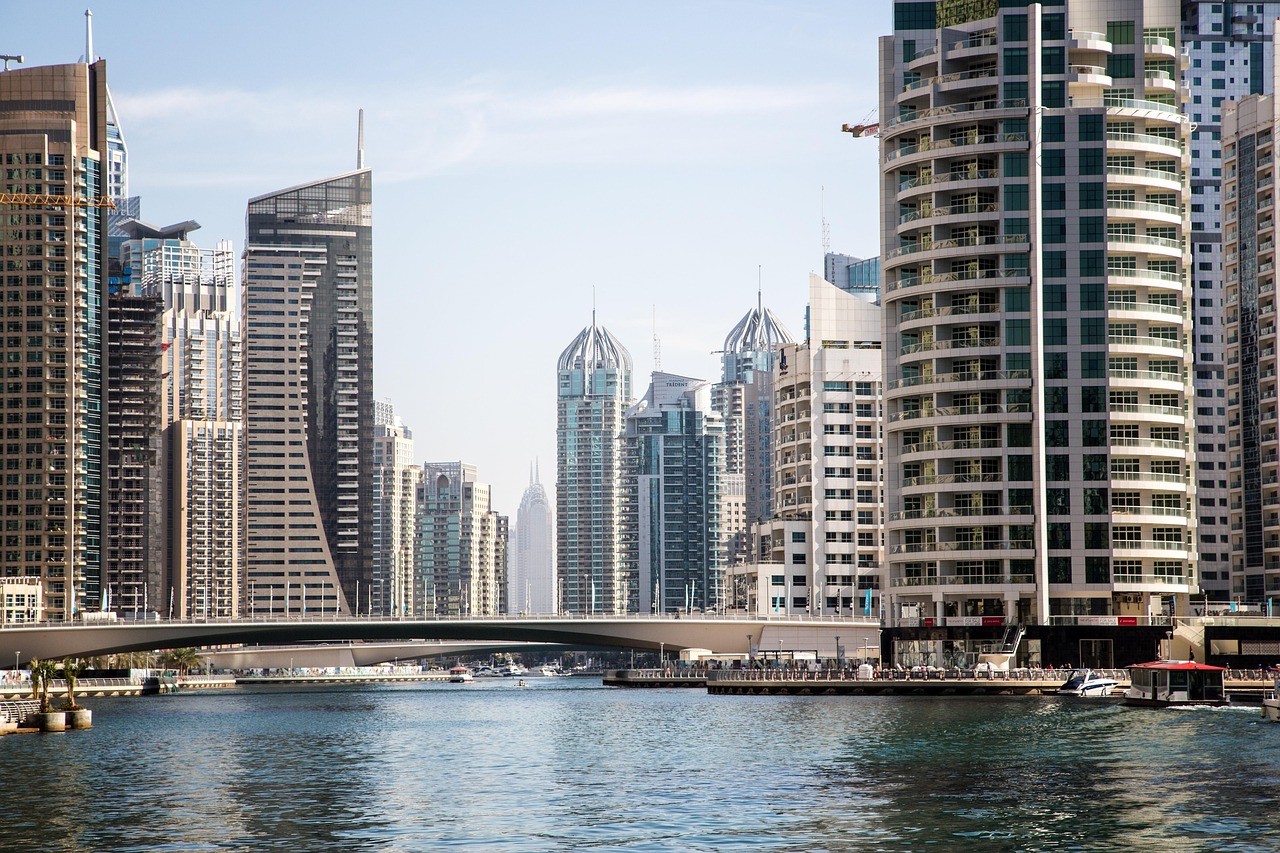
Dubai is relentlessly promoted as the world’s ultimate glamorous luxury hub, yet it offers severely limited budget-friendly alternatives. The Economist Intelligence Unit consistently ranks Dubai among the most expensive global cities for essentials like dining, hotels, and transportation. Additionally, travelers unprepared for the extreme climate may struggle with outdoor activities for much of the year, as summer temperatures frequently push past $105^{\circ} \text{F}$. Influencer videos filmed in climate-controlled indoor spaces do not reflect this physical reality.
Santorini, Greece
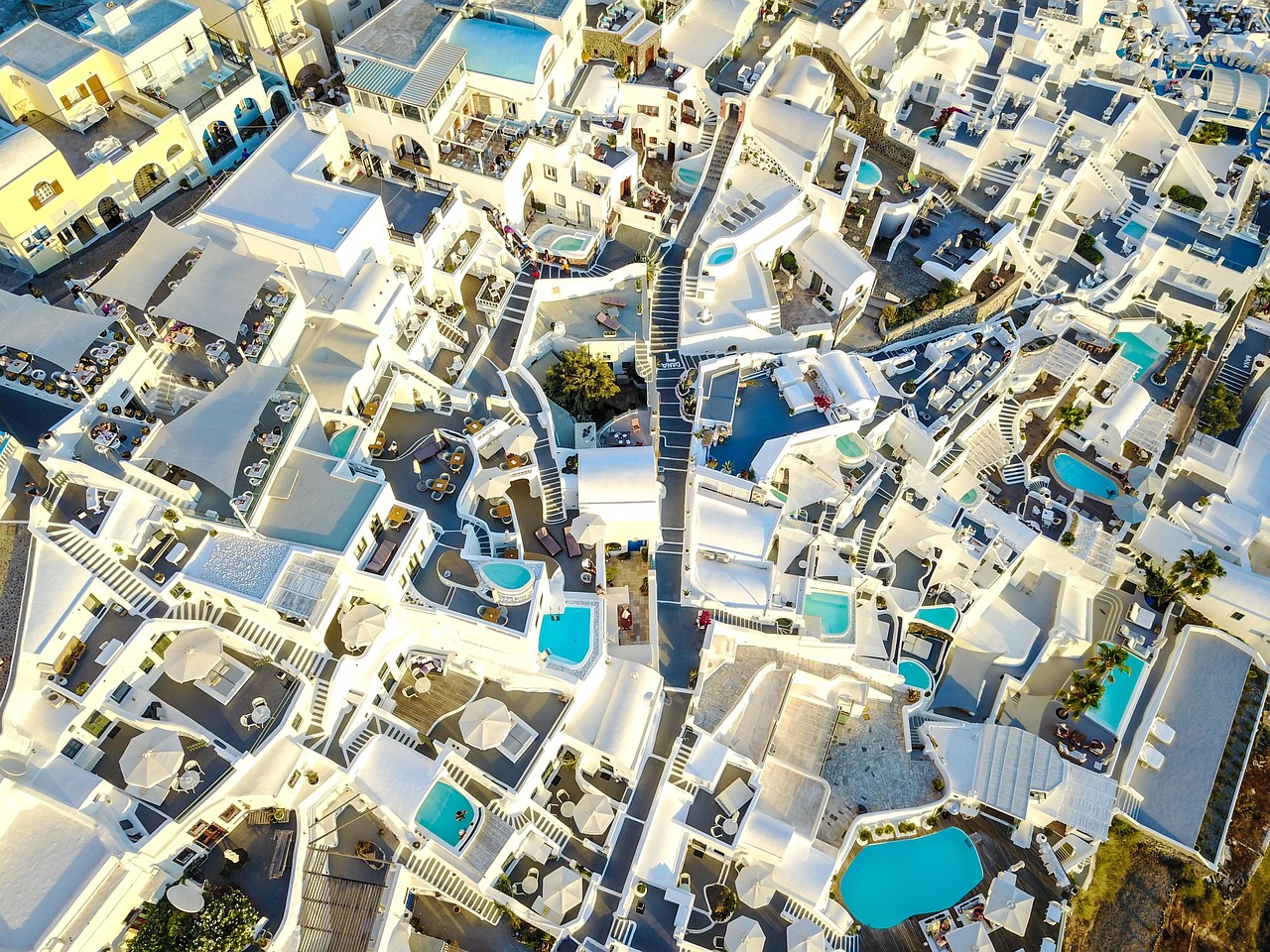
The iconic photographs of Santorini’s cliffside blue domes frequently overlook the massive crowds generated by daily cruise ship arrivals that overwhelm the small island. Greek tourism authorities have reported congestion so severe that physical movement across popular viewpoints can take hours during peak summer season. Hotel and meal prices are disproportionately high due to limited supply and intense global demand. Bloggers often capture their content during the quiet shoulder season, creating unrealistic expectations for most summer travelers.
Reykjavik, Iceland
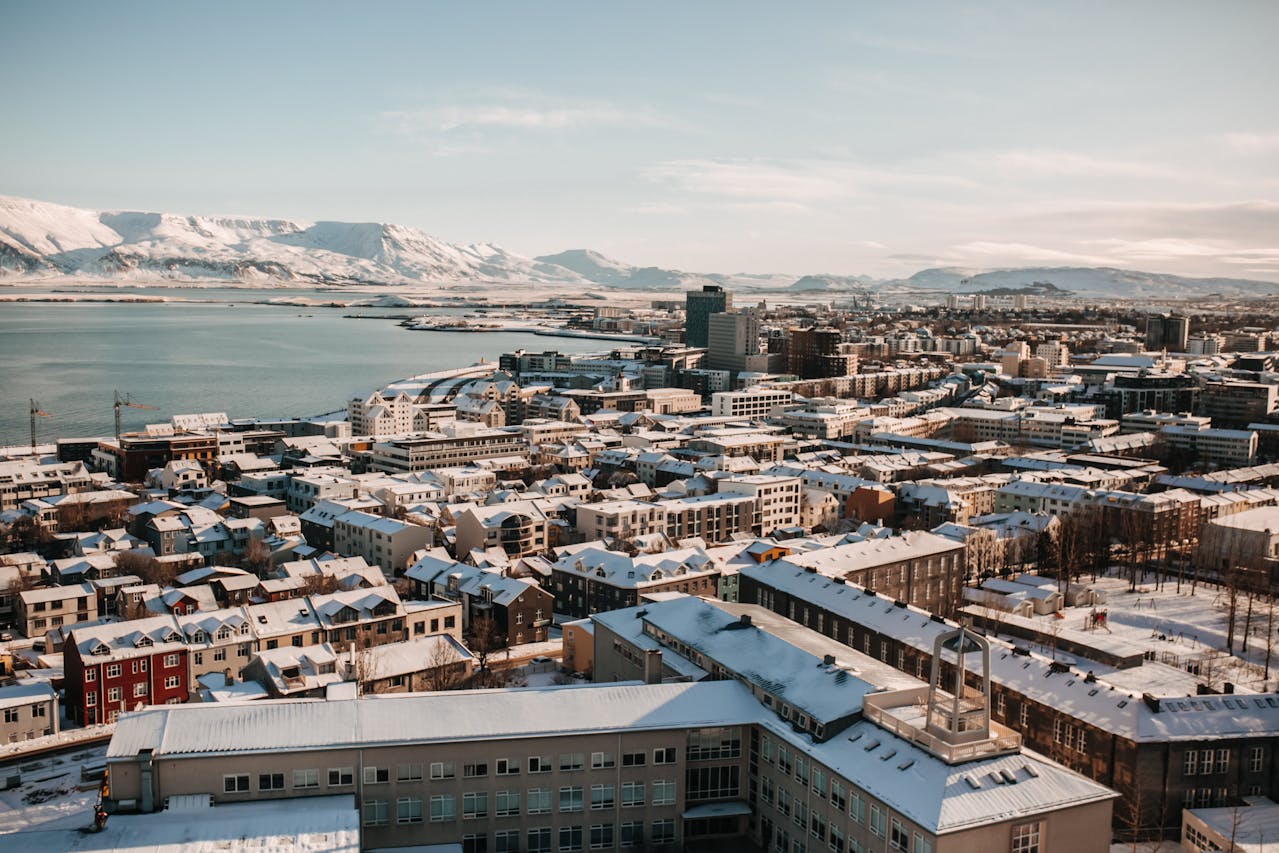
Iceland’s capital city is often promoted as an accessible adventure destination, but OECD cost-of-living data consistently ranks it as one of Europe’s most expensive capitals. Dining, groceries, and common services cost significantly more than equivalent major U.S. cities. Furthermore, weather conditions are notoriously volatile and change rapidly, with frequent winter road closures that escalate travel risk and logistical complexity—a reality rarely mentioned in promotional content.
Bangkok, Thailand
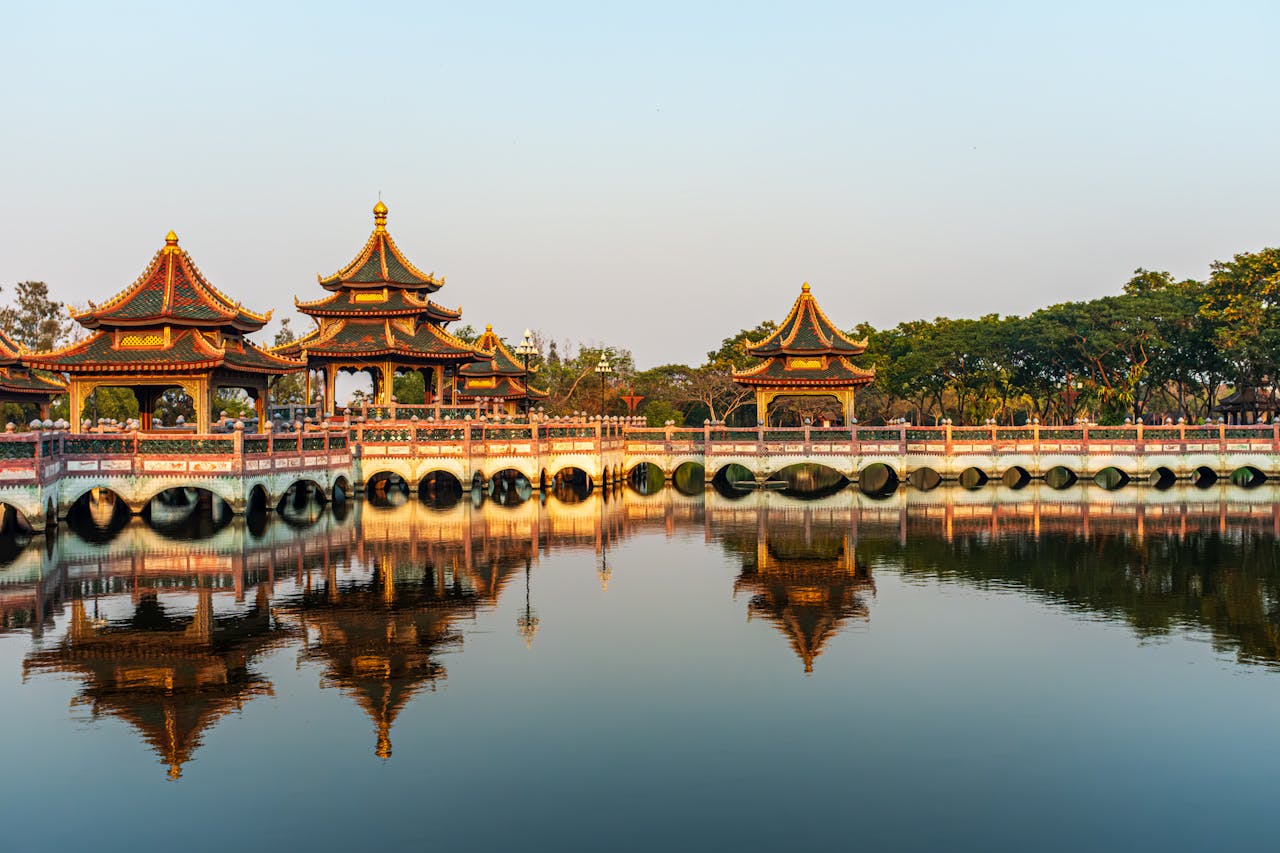
Bangkok is globally celebrated for its vibrant street food and dynamic nightlife, but critical safety warnings are often omitted. The U.S. Embassy warns of regular reports of scams targeting foreign tourists, including aggressive taxi overcharging and fraudulent tour operators. Traffic congestion is categorized as among the worst in the world by the TomTom traffic index, severely impacting travel times. Bloggers tend to showcase only quiet, specific areas while avoiding the city’s overwhelming density and operational chaos.
Marrakesh, Morocco
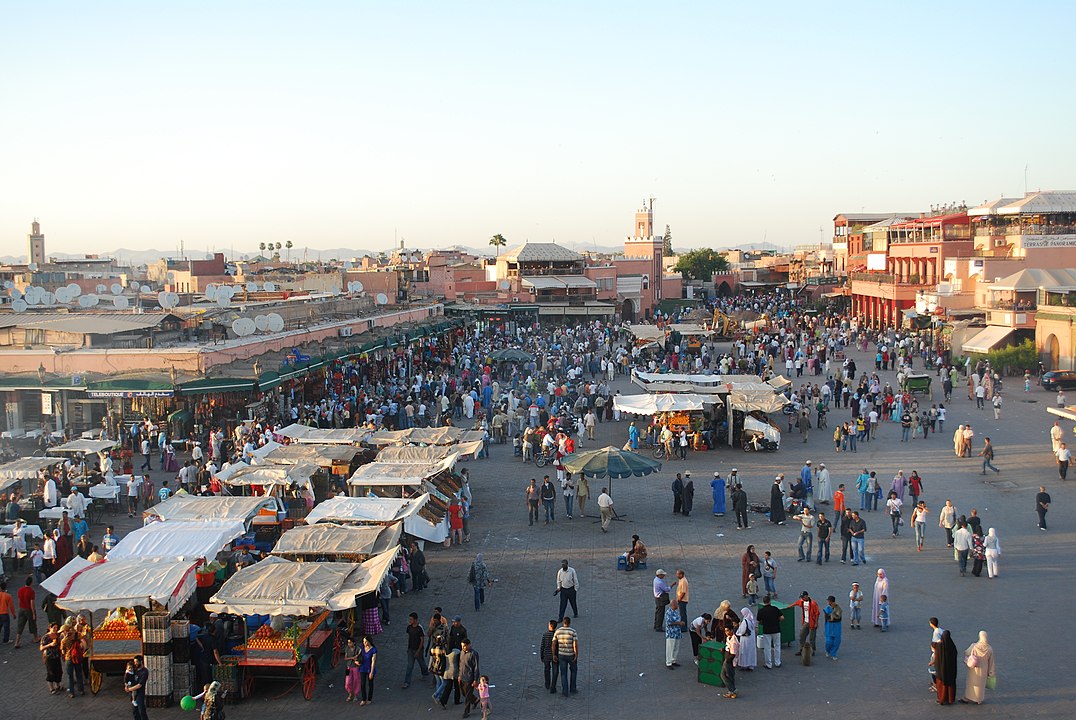
Marrakesh is profoundly photogenic, yet travel bloggers routinely fail to convey the intensity of aggressive sales tactics and street harassment within the historic markets. Consumer protection reports document frequent complaints from tourists regarding price manipulation, relentless vendor pressure, and unreliable tour experiences. The dense, narrow pathways of the medina can create sensory overload and feel genuinely intimidating for first-time visitors, an experience rarely reflected in serene online portrayals.
New Orleans, Louisiana
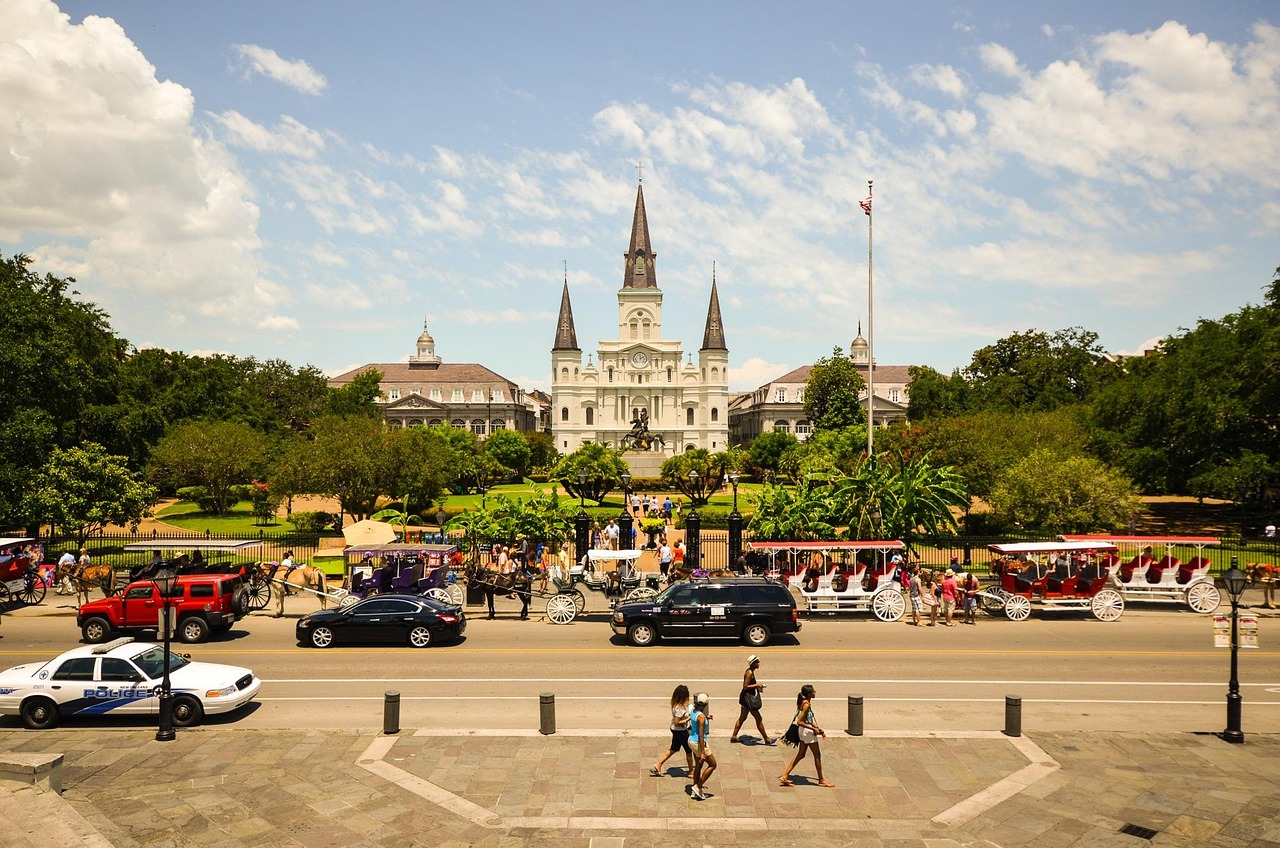
New Orleans receives widespread praise for its unique cultural vitality and world-class cuisine, but local crime statistics present a more complicated picture. FBI data consistently shows high rates of violent crime compared to the national average—a crucial factor many influencers bypass when promoting nightlife in the famous French Quarter. The city also grapples with frequent flooding and persistent infrastructure issues that can disrupt visitor travel plans and safety.
Honolulu, Hawaii

Honolulu is widely marketed as the quintessential tropical dream, yet visitors face some of the highest combined costs for food and accommodation in the entire United States, according to the Bureau of Labor Statistics. Peak-season crowds at Waikiki Beach can swell to tens of thousands daily, shattering the tranquil, relaxing atmosphere shown online. Local authorities have also voiced escalating concerns about environmental stress from overtourism, including visible coral damage and accelerated beach erosion.