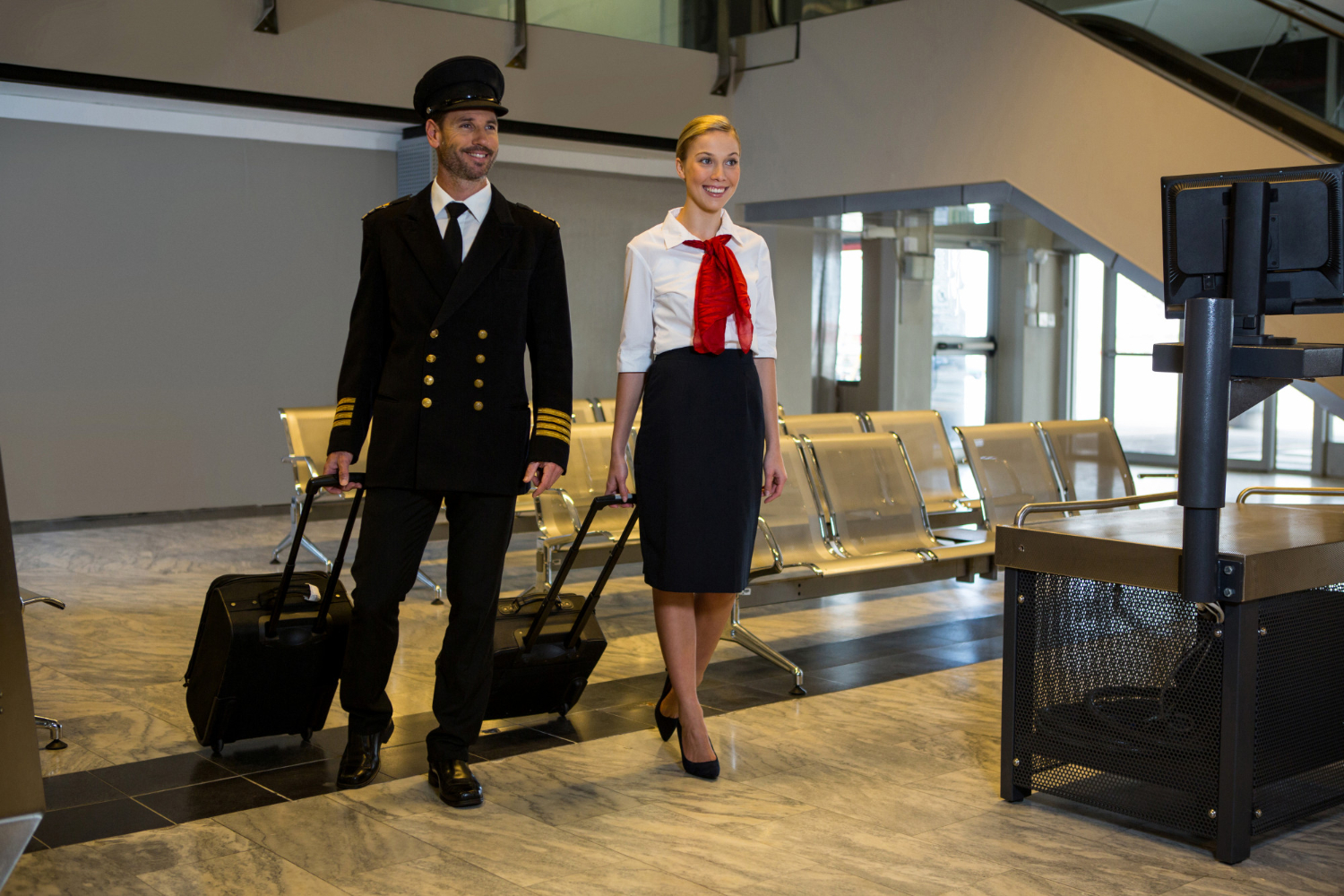
Flight attendants categorize every passenger as “helper, neutral, or potential problem” within 3 seconds of boarding, according to multiple veteran crew members. The cues they use are surprisingly specific. Here’s what they’re actually noticing — and what it tells them.
When you walk onto an airplane, the flight attendant standing at the cabin door is doing far more than greeting you. According to multiple working flight attendants who have spoken publicly about cabin crew training, the moment between “Welcome aboard” and “Your seat is to the left” involves a rapid-fire safety assessment that has been described by veteran crew members as more sophisticated than a TSA scan.
Flight attendants are trained to evaluate every passenger across multiple dimensions in approximately 3 to 4 seconds. They’re not judging your fashion choices for entertainment. They’re conducting a real-time risk assessment that determines who they’ll watch carefully, who they might call on for help in an emergency, and who they expect will be a problem during the flight.
Here are the 12 specific things they’re noticing — and what each one actually tells them.
1. Your eye contact and greeting
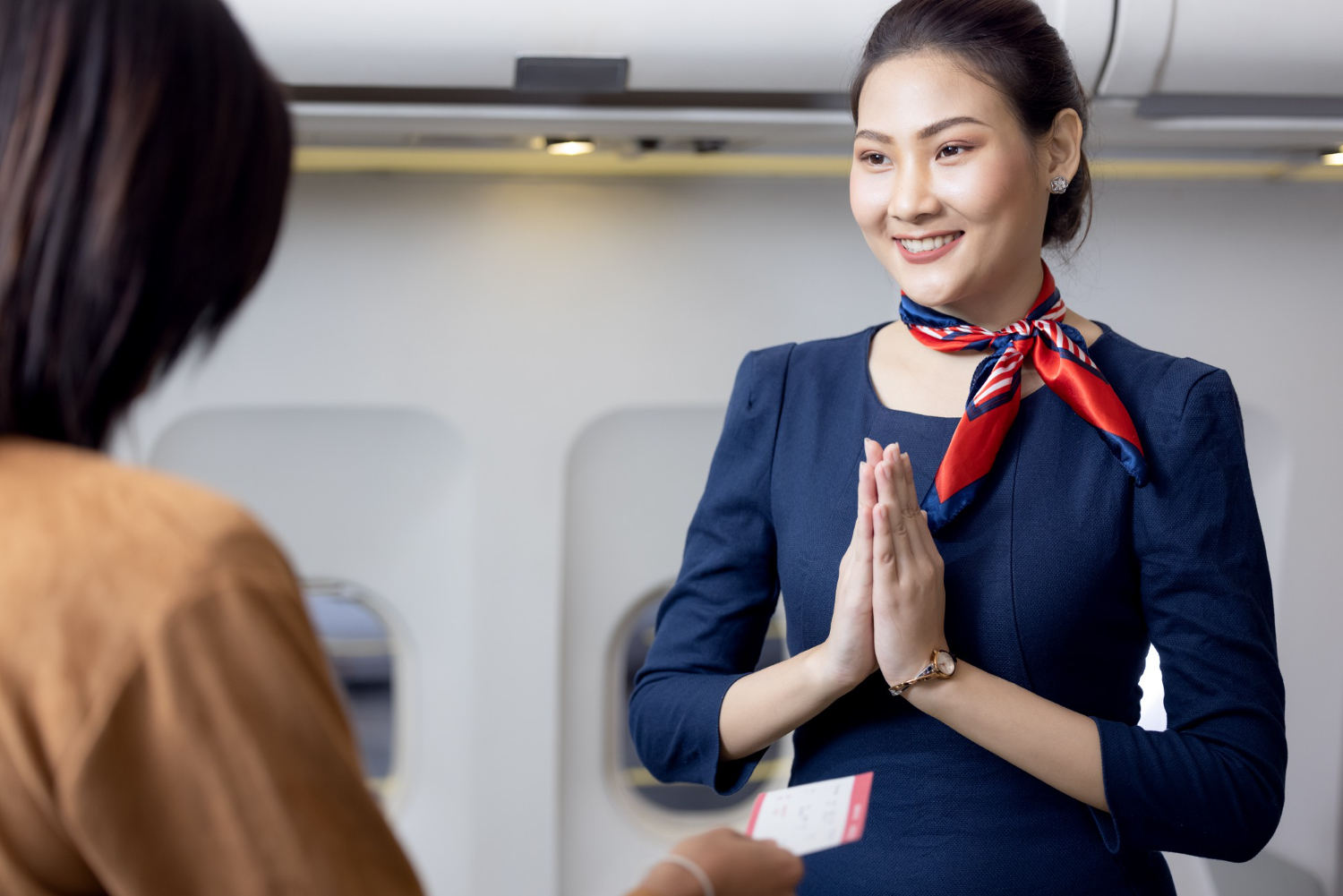
The single most important cue. According to one veteran flight attendant quoted in industry coverage: “We can tell who’s going to complain about everything, who’s going to hit the call button every five minutes, who’s going to argue about overhead space. It’s in how they interact with us in that first moment.”
A passenger who makes eye contact, returns the greeting, and shows basic courtesy gets mentally categorized as “safe.” A passenger who barges past without acknowledgment, sighs dramatically, or treats the attendant like furniture gets flagged as a potential problem. The categorization happens within 3 seconds and significantly influences how attendants approach you for the rest of the flight.
The practical implication: if you want better treatment during your flight, return the greeting. Smile. Make eye contact. The “free drink upgrade” stories that frequent flyers share usually trace back to this initial moment.
2. Your shoes
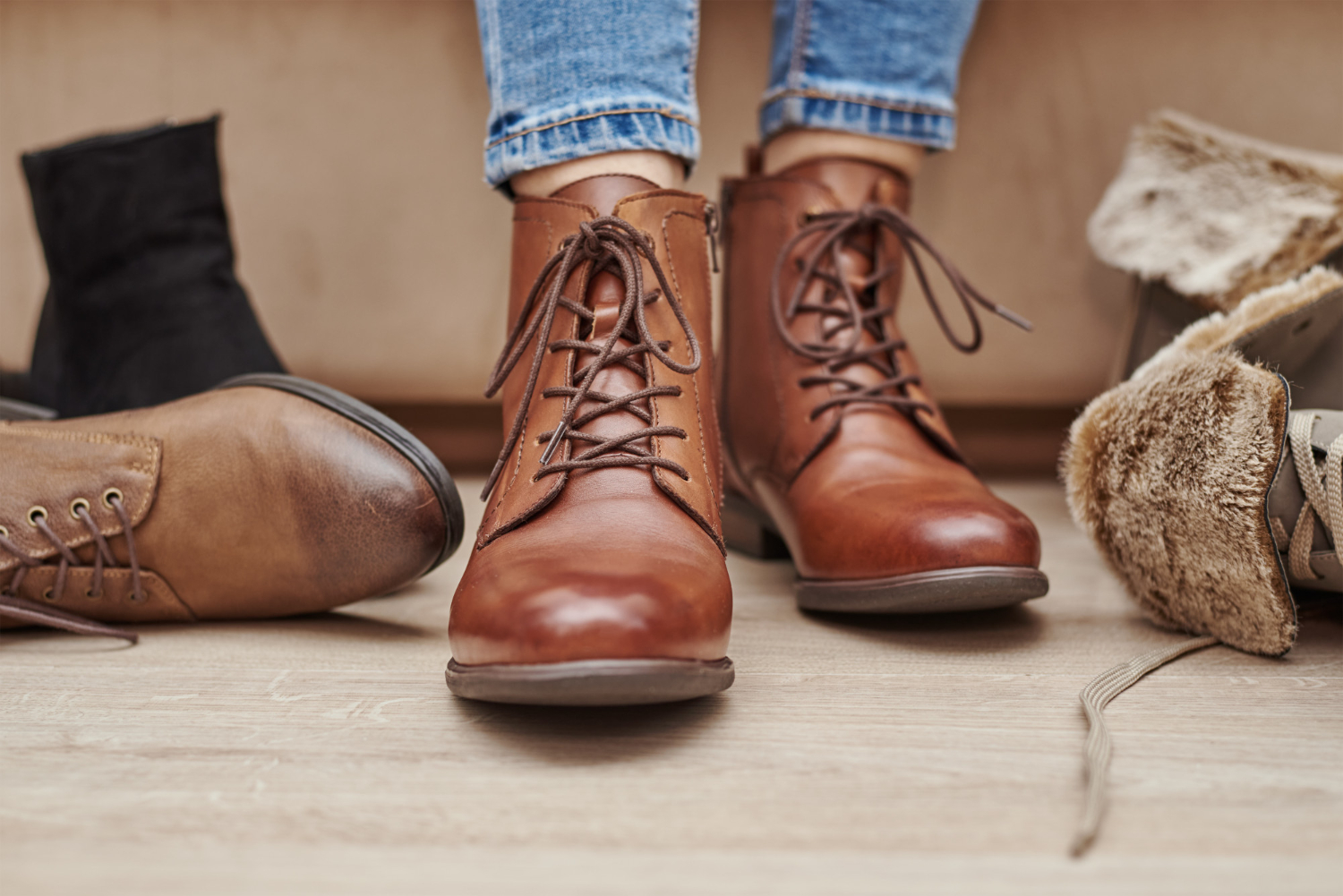
Flight attendants are specifically trained to evaluate footwear, and not because they have a fashion interest. As Amy Caris, a flight attendant and director of in-flight at JSX, has explained: “I always look at what kind of shoes a customer is wearing to determine whether they can run quickly and easily in them. If I see someone wearing high heels during boarding, I can make a note to add in an emergency command about removing them if the need arises.”
In an emergency evacuation, certain footwear becomes dangerous. High heels can puncture inflatable evacuation slides. Flip-flops fall off during running. Bare feet are vulnerable to glass, hot metal, and other hazards. The flight attendant’s mental note about your shoes is a real safety calculation.
3. Whether you’re an ABP (Able-Bodied Passenger)
Flight attendants are actively scanning for ABPs — passengers of fitness and build who could help in an emergency evacuation. As one veteran flight attendant explained: “We need people who can speak English and are willing to carry out instructions from the crew. They may be tasked with operating an emergency exit, helping people at the end of the slide, holding the slide if it deflates, and moving people away from the aircraft.”
Passengers who appear physically capable, calm, attentive, and traveling alone are particularly valuable as potential ABPs. If you’re seated in an exit row, the flight attendant will deliberately verify that you understand the emergency procedures — and that you’re willing to perform them.
4. Whether you’re traveling alone or with family
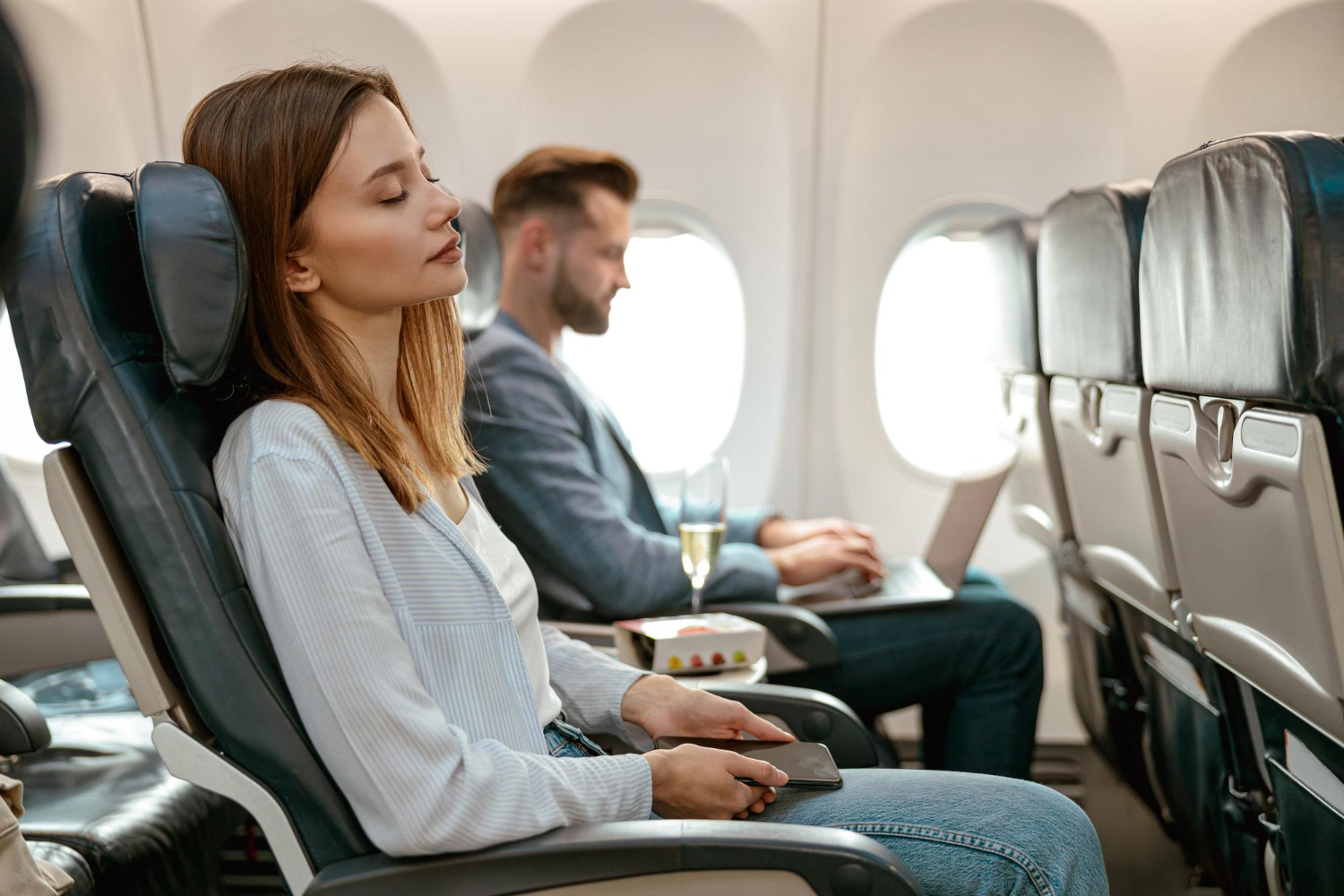
This is part of the ABP assessment. As another flight attendant observed: “If they are with a spouse or child or family members, they are likely to be more focused on their safety than being much help to the aircraft in an emergency situation.”
Solo travelers without dependents are mentally filed as more likely candidates for emergency assistance. Parents with young children are filed as needing assistance themselves. The classification doesn’t change how you’ll be treated under normal circumstances, but it does affect how the flight attendant plans for an emergency.
5. Signs of intoxication
Flight attendants are explicitly trained to identify intoxication during boarding. The signs they look for go beyond obvious staggering or slurred speech. According to working crew members, the indicators include:
- The “overly careful walk” of someone trying to appear sober
- Too-loud laughter or speech
- Slight delays in responding to greetings
- Strong alcohol smell (often masked with mints, but the masking itself is a signal)
- Aggressive or boisterous behavior
- Difficulty handling boarding passes or carry-on items
Flight attendants have authority to refuse boarding to passengers they believe are too intoxicated to fly safely. The decision is made during the boarding process. If you’ve been drinking heavily before your flight and the attendant flags it, you can be removed from the aircraft before takeoff.
6. Signs of illness
Flight attendants check every boarding passenger for visible signs of illness — fever flush, frequent coughing, sneezing, sweating, unsteadiness, or signs of recent vomiting. According to industry sources, an estimated one in every 212 flights produces a medical emergency. Flight attendants want to identify potential medical issues before takeoff, not at 35,000 feet.
If you’re visibly ill, the flight attendant may make a call about whether you’re fit to fly. If your symptoms appear serious enough — particularly anything resembling COVID-19, norovirus, measles, or other highly transmissible diseases — you may be removed from the aircraft. The decision is at the captain’s discretion based on the flight attendant’s assessment.
7. How you handle your carry-on bag
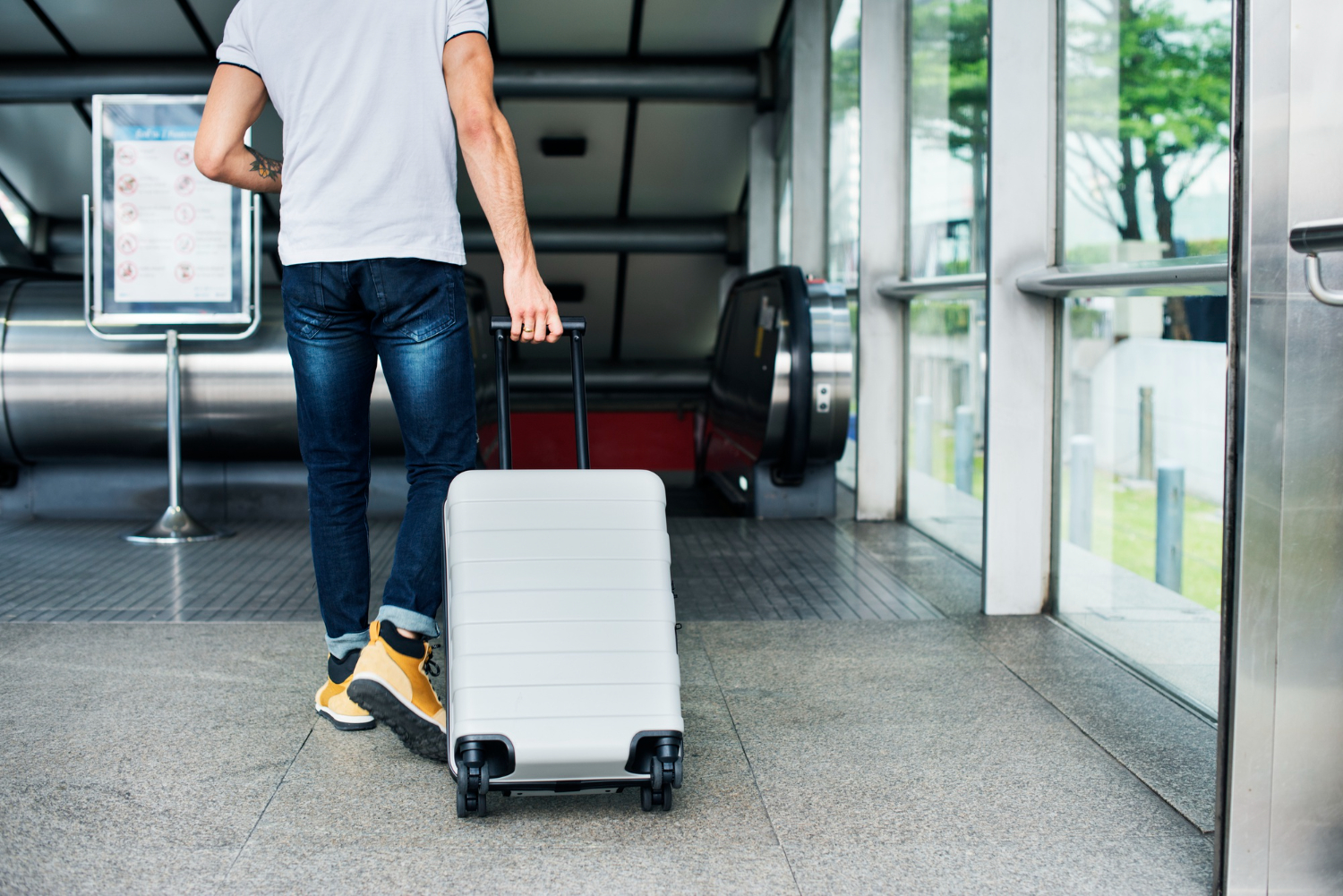
Flight attendants are the last line of defense against passengers who try to board with too many bags or oversized luggage. They watch how you handle your bag during boarding to assess whether it actually meets size requirements.
As one Delta flight attendant explained: “I try to pay as much attention to bags as possible. Does anything look a little off? Is the luggage too large to fit in an overhead compartment? I also check whether bags have been tagged to be put in cargo or have hazard labels on them.”
A bag that bulges suspiciously, drags along the floor when wheeled, or requires you to lift with both hands at full strain is going to be flagged. The attendant may pull you aside before you reach your seat to require gate-checking the bag.
8. Hazard items and inappropriate clothing
Beyond shoes, flight attendants notice items that could damage emergency equipment or pose safety risks: spiky jewelry that could puncture evacuation slides, oversized accessories, sharp objects in pockets, loose clothing that could catch on equipment, large hooped earrings, etc.
Inappropriate clothing is also flagged. T-shirts with offensive language or images, extremely revealing attire, or clothing with cursing visible can result in being asked to change or cover up before takeoff. Most major airlines have explicit dress code policies that flight attendants enforce.
9. Children under 2 years old
Flight attendants make specific notes about every infant on board — exactly how many there are and where they’re seated. The reason is regulatory: infants typically require their own life vests in an emergency (regular adult vests don’t fit them safely), and the flight attendant needs to know how many infant vests to retrieve from emergency storage.
Additionally, FAA regulations prohibit infants from sitting in emergency exit rows. If a parent has been mistakenly assigned an exit row seat with an infant, the flight attendant will quietly ask them to move during boarding.
10. Unaccompanied minors
Children traveling alone (typically ages 5-15, depending on the airline) are formally designated as unaccompanied minors and require specific airline procedures. Flight attendants identify these children during boarding, verify their paperwork, and often provide additional attention throughout the flight.
Many flight attendants take particular care to make unaccompanied minors comfortable — providing snacks, plastic pilot wings, additional check-ins, and reassurance. The combination of regulatory requirement and natural compassion produces what veteran crew describe as “going above and beyond” for these young passengers.
11. Suspicious behavior patterns
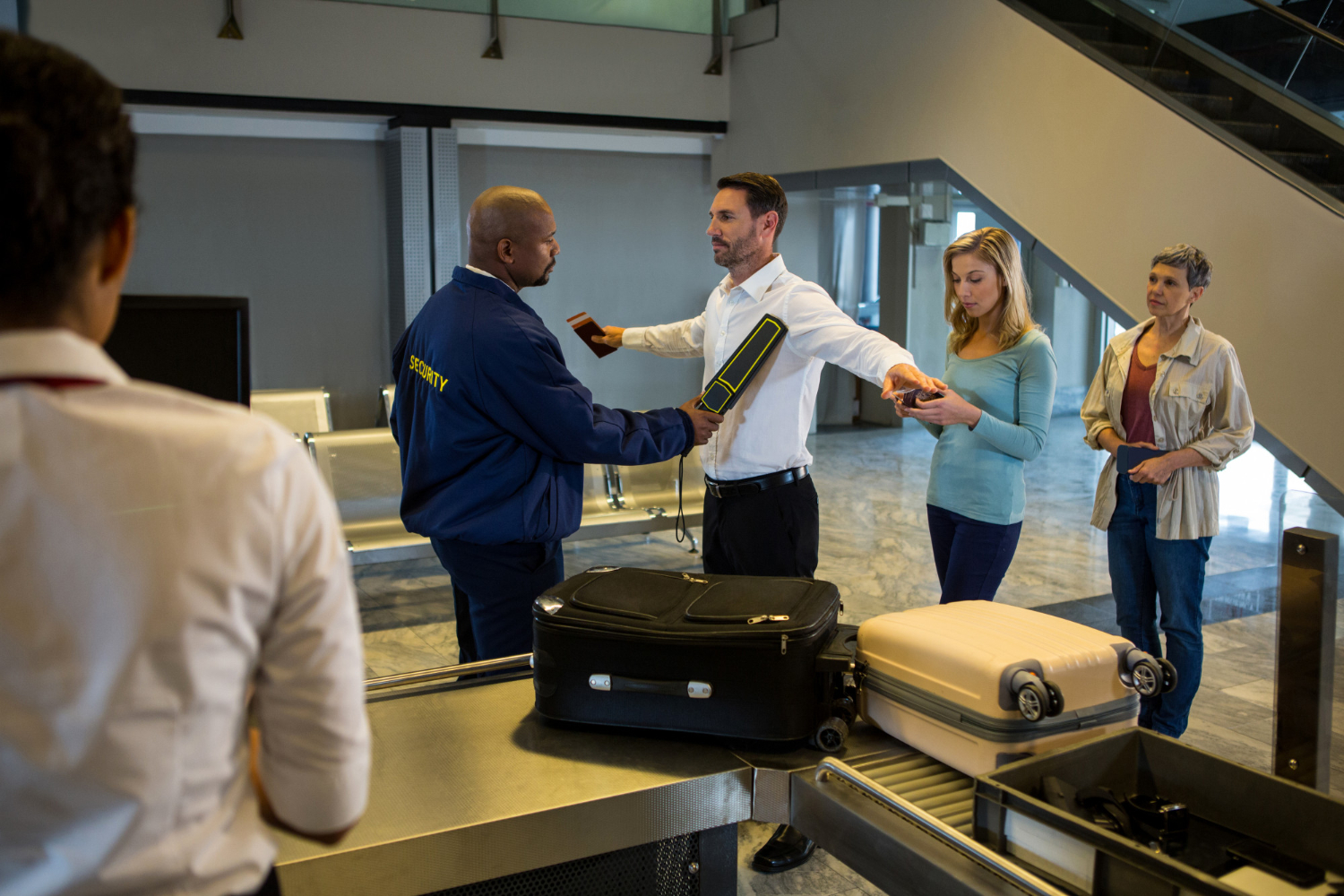
Flight attendants are specifically trained to identify potential drug smuggling and human trafficking situations. The cues they look for are subtle: a couple who don’t quite seem to know each other, someone whose passport details don’t match their stated relationship, a young person traveling with an older companion who seems to be controlling them, someone who appears to be carrying drugs internally (often signaled by excessive sweating, anxiety, and avoiding food/water during flight).
These observations don’t trigger immediate action — flight attendants don’t typically confront suspected smugglers or traffickers — but they do report concerns to the captain, who arranges for ground assistance to meet the aircraft on landing.
12. Signs of anxiety or panic
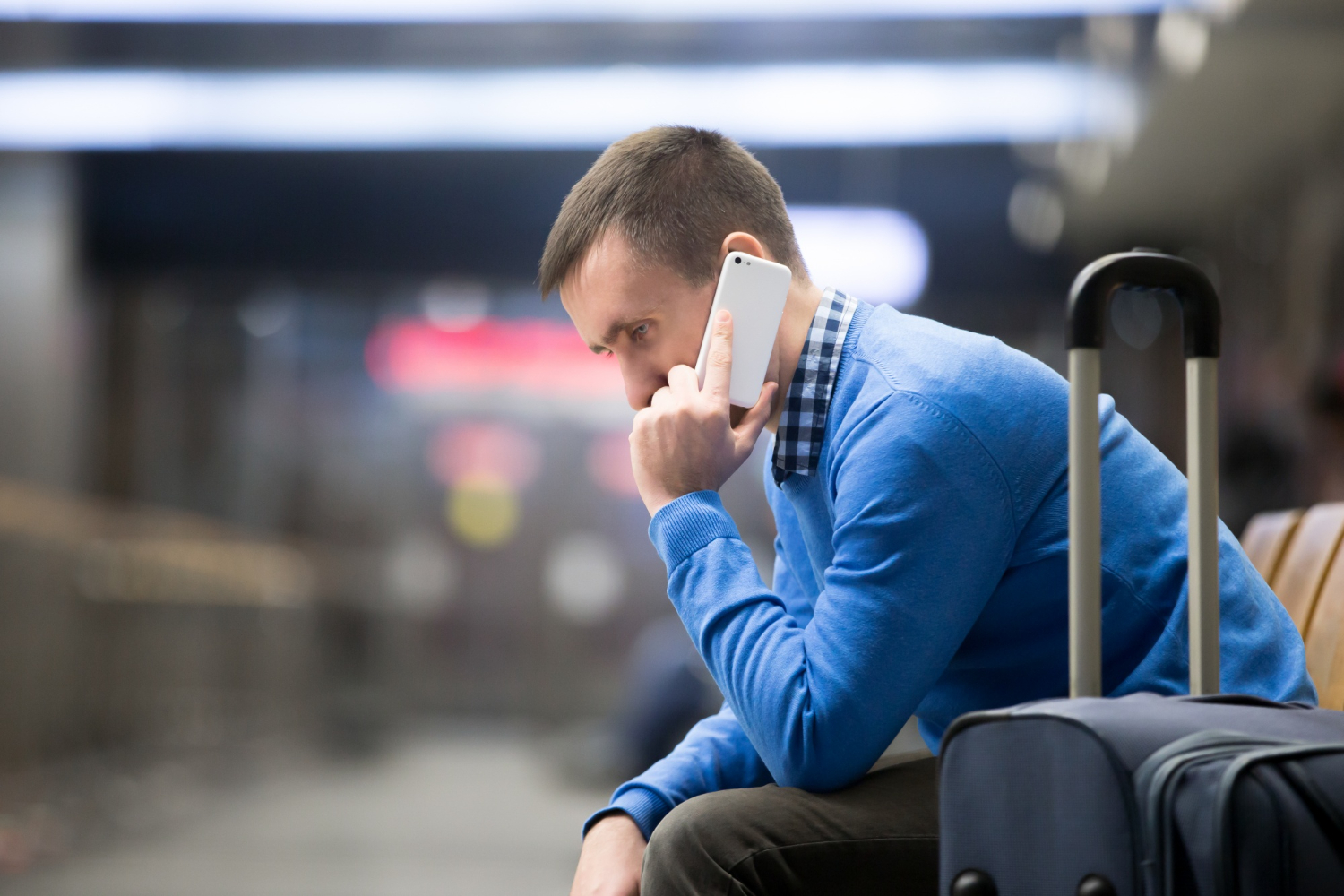
Nervous fliers are noticed and remembered. Flight attendants recognize the signs of flight anxiety: white-knuckled grip on the boarding pass, excessive sweating, rapid breathing, repeated visible swallowing, looking around frantically, or asking unusual questions about flight conditions.
The response is typically supportive rather than dismissive. Flight attendants may provide reassurance during turbulence, check on you periodically, offer extra water or snacks, or suggest distraction strategies. The recognition during boarding is the first step in providing this care.
What this actually means for your next flight
The core principle from working flight attendants is consistent: the boarding moment establishes how the rest of your flight will go. The good news is that earning a positive initial assessment is genuinely simple:
Make eye contact. Look at the flight attendant when they greet you, even if you’re tired or distracted.
Return the greeting. A simple “Hello” or “Thanks” earns you positive categorization.
Wear practical shoes. Closed-toe, comfortable, easy to run in. This is both for safety and for the impression you create.
Dress comfortably and unobtrusively. Avoid clothing or accessories that could cause hazards in an emergency.
Move efficiently. Don’t dawdle in the aisle. Get to your seat, stow your bag, sit down.
Show basic courtesy to crew and other passengers. Help with overhead bins if you can. Don’t argue about seat assignments. Don’t hold up boarding by talking on your phone.
Acknowledge if you have anxiety. A quiet word to the flight attendant about being a nervous flyer often produces extra attention and reassurance during the flight.
The flight attendant’s first-impression assessment isn’t a judgment of your character — it’s a professional risk evaluation based on observable cues. Knowing what they’re looking for makes it easy to ensure you’re in the “helper” category rather than the “problem” category. The result is typically better service, more patience for any minor issues during the flight, and the kind of small kindnesses (extra snack, friendly conversation, smoother check-in) that make travel less stressful.
The airlines that earn high customer satisfaction scores share one common attribute: their flight attendants build positive relationships with passengers who treat them well, and those passengers report better experiences. The dynamic begins in those first 3 seconds at the cabin door. Every other interaction during the flight builds on that foundation.