The 2026 WalletHub “Worst Cities to Live In” study, the 2026 Niche.com city satisfaction rankings, the U-Haul migration data, and the U.S. Census Bureau’s domestic out-migration statistics all converge on a specific set of American cities where current residents express the lowest satisfaction and the largest net departures. The ranking below combines all four data sources to produce a consensus list. The cities on the list share specific characteristics — declining population bases, high cost-of-living relative to local wages, persistent infrastructure problems, weather extremes, or some combination. None of the cities is irredeemable, and each retains residents who genuinely prefer it. But the data is consistent: these are the ten American cities where the largest share of current residents say they would move if they could, ranked from highest dissatisfaction to lowest among the ten on this list.
1. Memphis, Tennessee
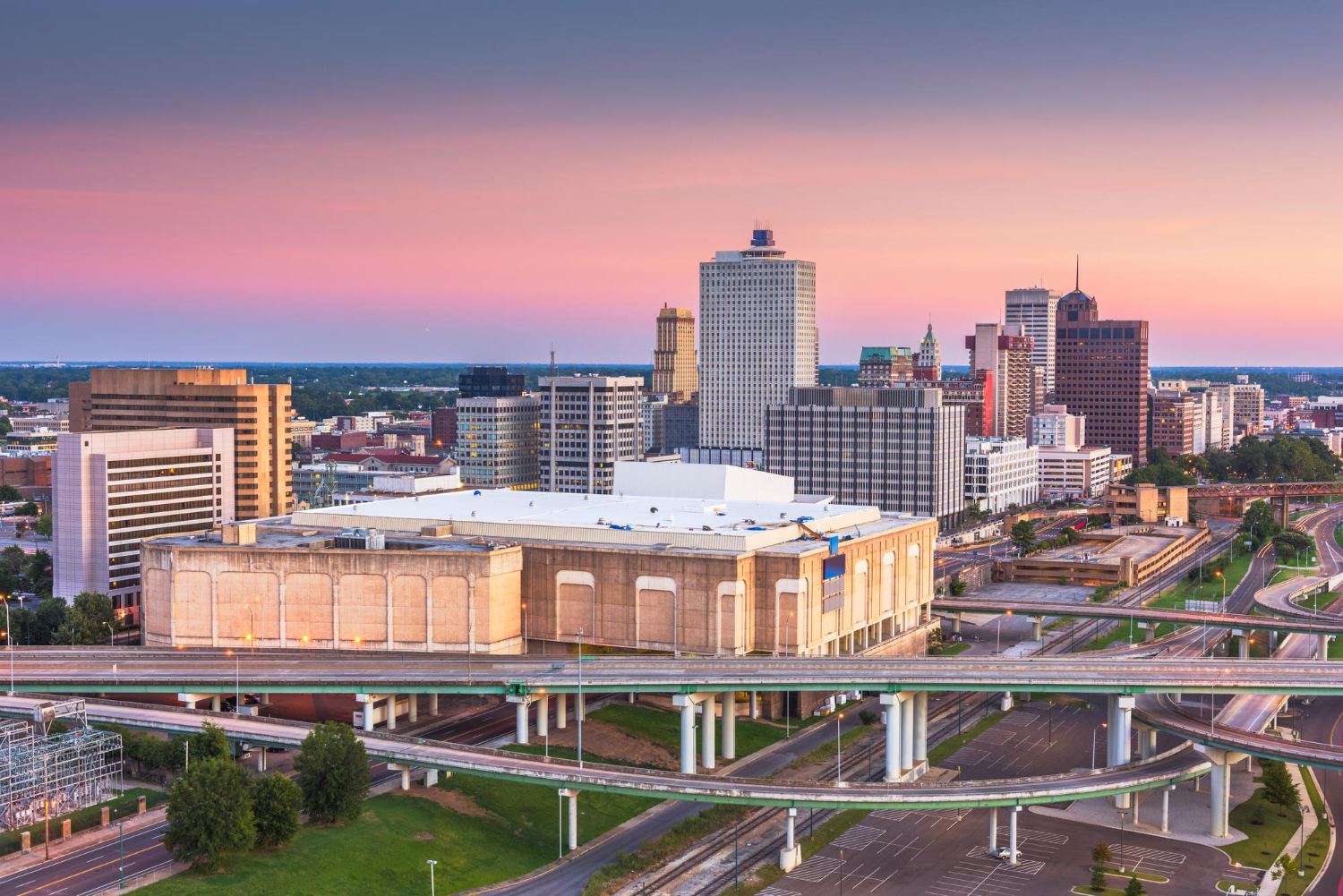
Memphis ranks at or near the top of multiple 2026 “worst cities” lists. The 2026 WalletHub analysis cites the city’s persistent crime rate (the FBI 2024 Uniform Crime Report ranked Memphis among the top 5 U.S. cities for violent crime per capita), declining population (peaked at 653,000 in 2000, down to approximately 615,000 in 2025), and infrastructure challenges. The city retains a substantial barbecue, music, and historic tourism economy — Graceland, the National Civil Rights Museum, the Stax Museum, Beale Street — but resident satisfaction surveys produce among the lowest scores of any major U.S. city. Net domestic out-migration from Shelby County exceeds 10,000 residents annually in recent years.
2. Detroit, Michigan
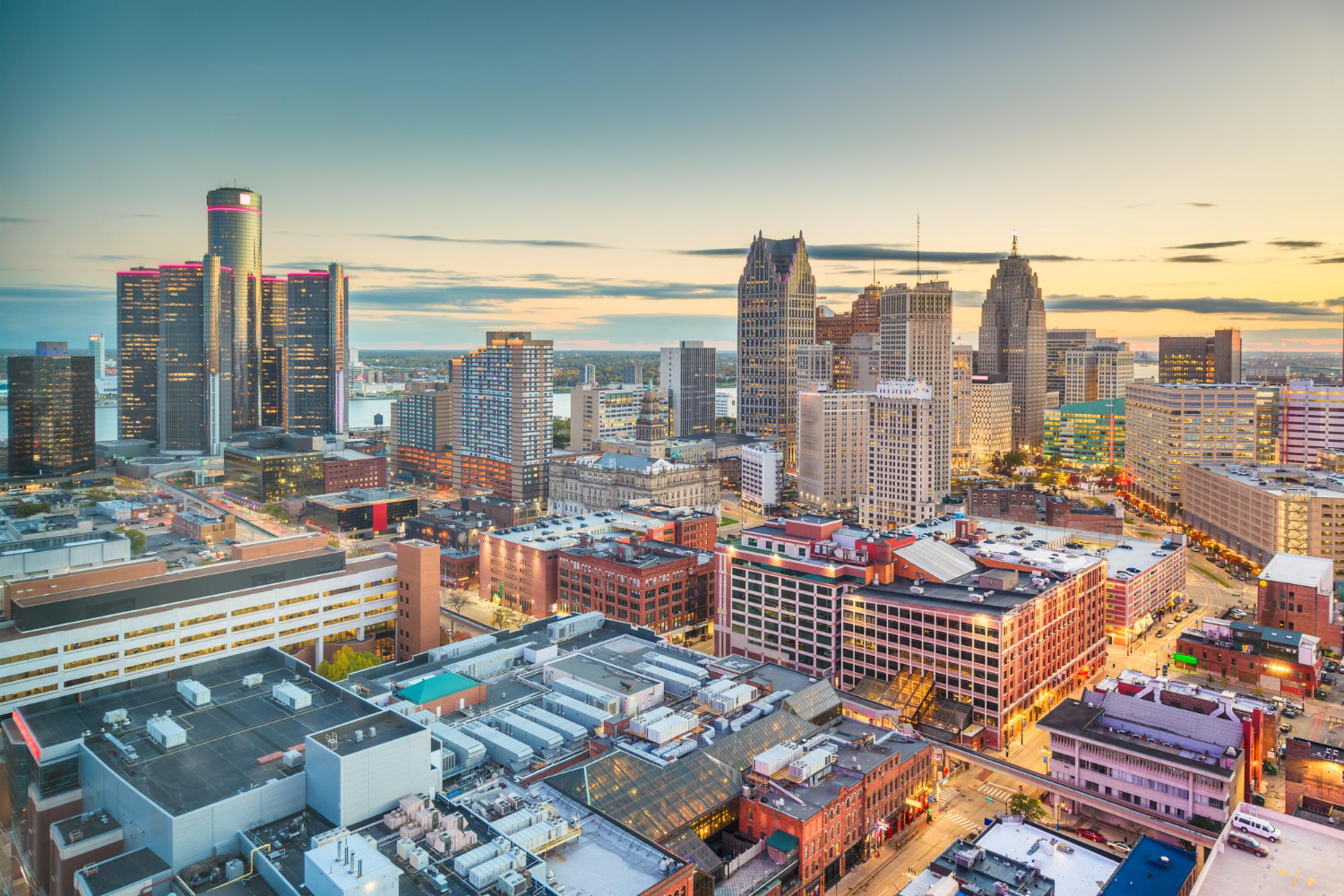
Detroit has been near the top of “worst cities” lists for over a decade. The city’s population peaked at 1,849,000 in 1950 and has fallen to approximately 624,000 in 2025 — a 66 percent decline, the largest sustained urban population decline in American history. The city emerged from bankruptcy in 2014 and has shown signs of revitalization (the renovation of the Book-Cadillac, the Shinola brand, the Detroit Pistons return to downtown, the Michigan Central Station restoration completed in 2024). The city’s core challenges — abandoned housing inventory exceeding 30,000 structures, school system funding gaps, infrastructure investment backlog estimated in the billions — remain substantial. Resident satisfaction surveys have improved modestly since 2014 but remain low in absolute terms compared with the national median, with the strongest improvements concentrated in the Midtown and downtown districts.
3. Cleveland, Ohio
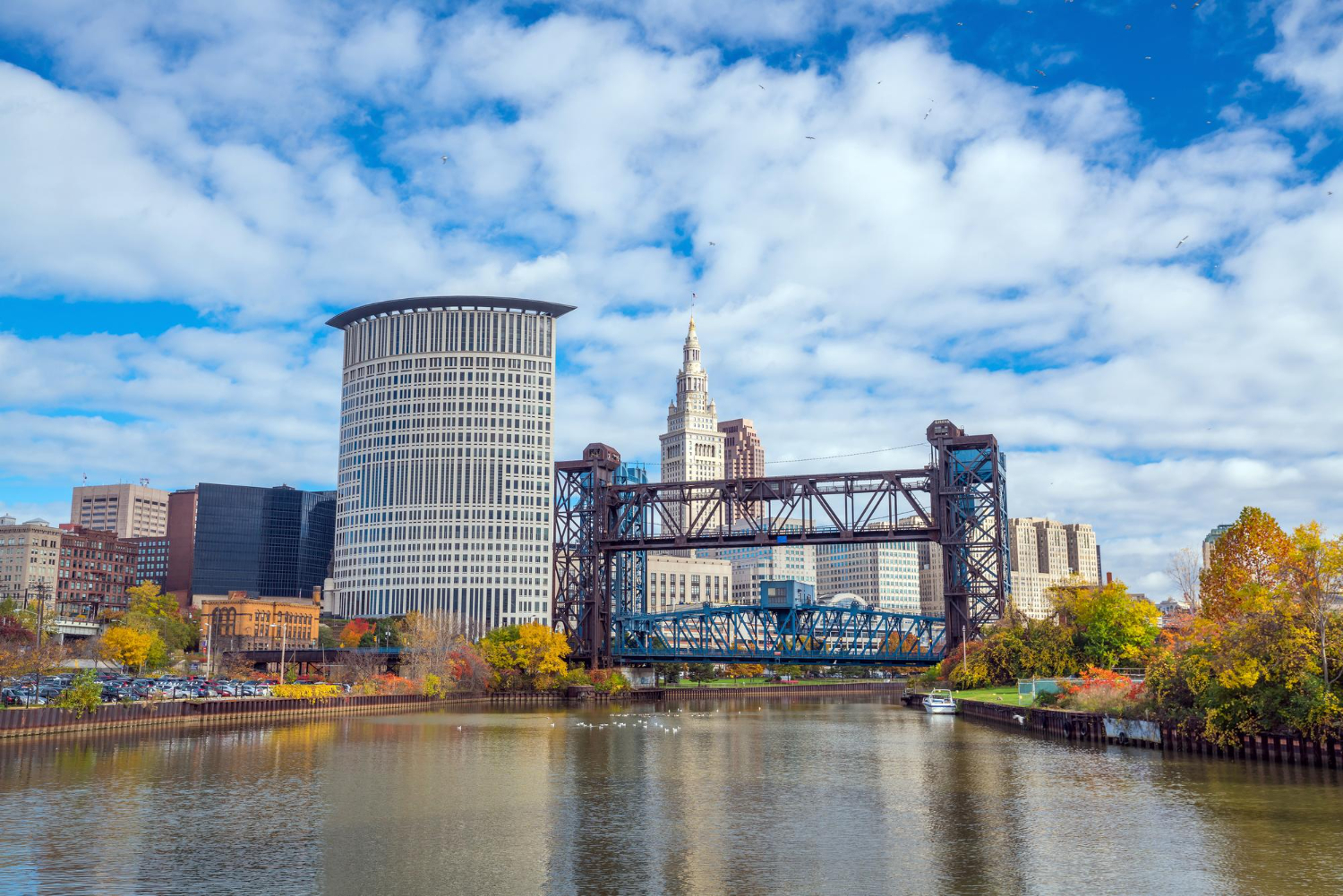
Cleveland consistently appears on worst-cities lists driven by population decline (914,000 peak in 1950 to approximately 367,000 in 2025), weather (Lake Erie’s lake-effect snow produces some of the highest annual snowfall totals of any U.S. city, averaging approximately 68 inches annually with several documented winters exceeding 100 inches), and economic stagnation. The city retains significant cultural assets — the Cleveland Orchestra (consistently ranked among the top five U.S. orchestras), the Rock and Roll Hall of Fame, the Cleveland Museum of Art, the Cleveland Clinic — and has improved its downtown commercial district through recent investments in the Public Square renovation completed in 2016 and the Flats East Bank redevelopment. The resident satisfaction surveys remain in the lower tier of American cities, particularly among younger residents who tend to relocate to other Ohio cities (Columbus and Cincinnati) or out of state.
4. Baltimore, Maryland
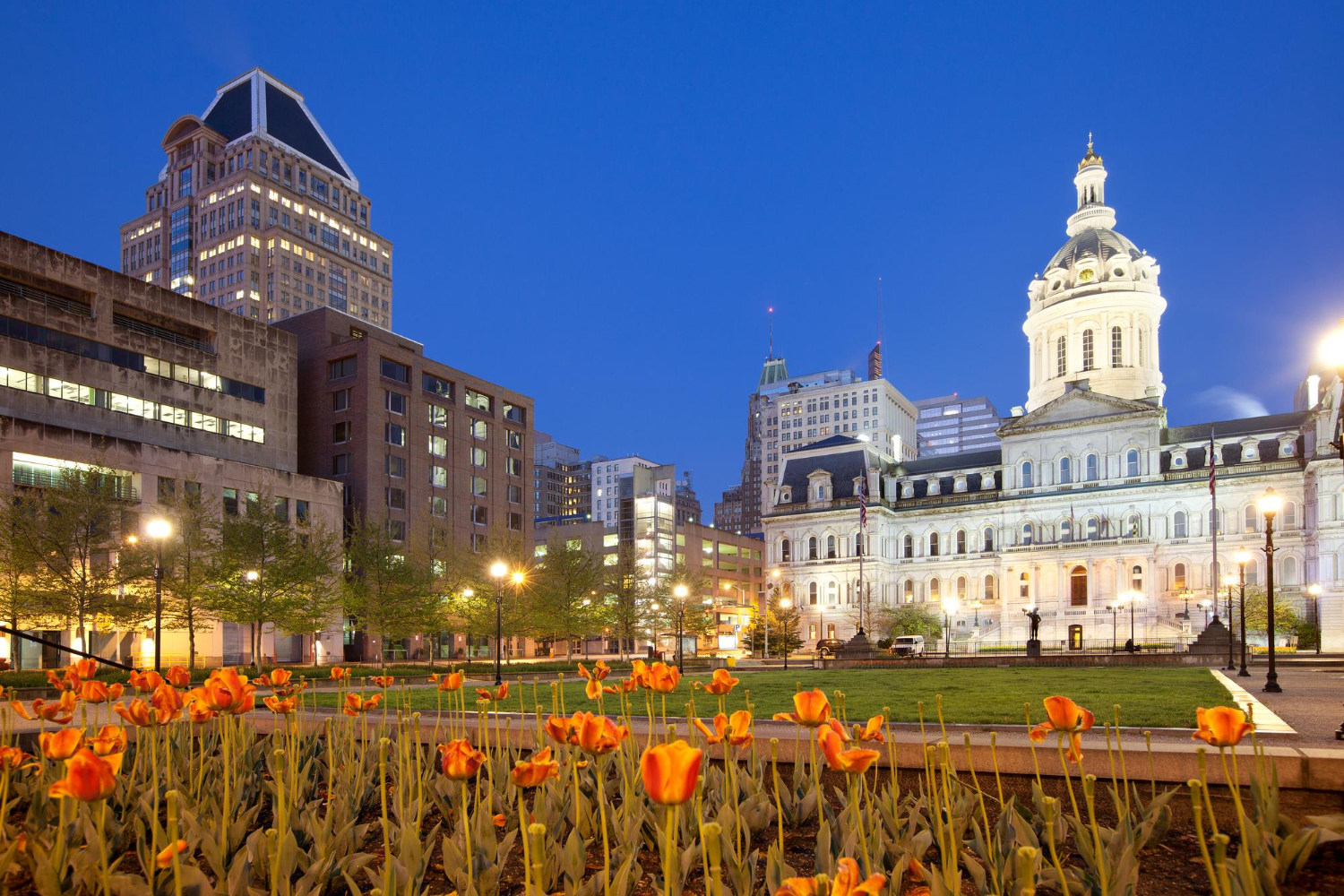
Baltimore appears on most 2026 “worst cities” lists primarily due to crime statistics. The city had the highest per-capita homicide rate among major U.S. cities in 2022 and 2023, dropping slightly in 2024 and 2025. The city’s population has fallen from a peak of 949,000 in 1950 to approximately 569,000 in 2025. The cultural and historical assets are substantial — the Inner Harbor, Fells Point, the National Aquarium, the Walters Art Museum, multiple historic neighborhoods. Resident satisfaction varies dramatically by neighborhood, with certain enclaves (Federal Hill, Mount Vernon, Hampden) producing high satisfaction scores while others producing very low scores.
5. New Orleans, Louisiana
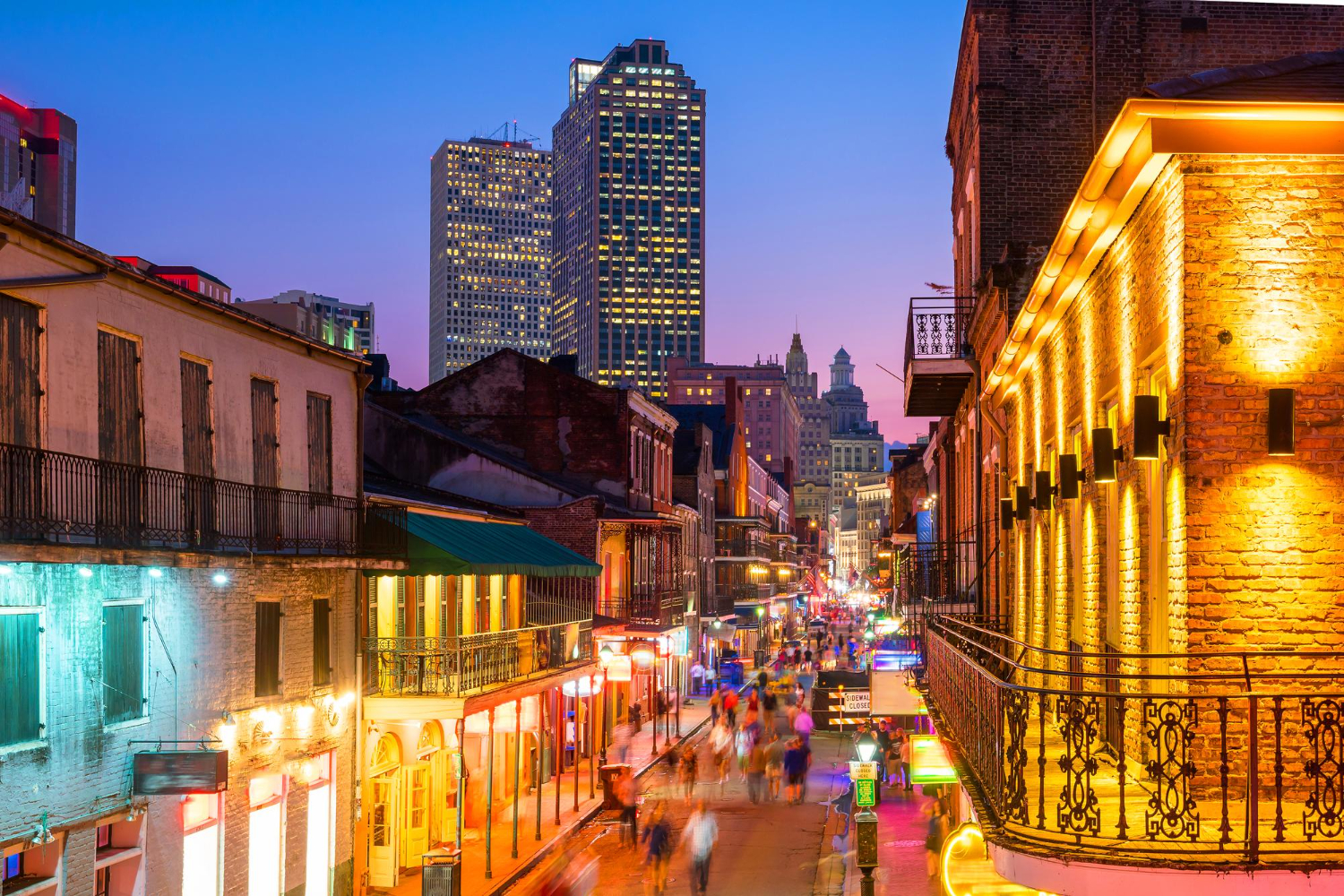
New Orleans appears on the 2026 list primarily due to Hurricane Ida (2021) recovery costs, ongoing levee and flood-control challenges, and a high crime rate that has not improved substantially since Hurricane Katrina (2005). The city’s population peaked at 627,000 in 1960 and has fallen to approximately 365,000 in 2025. The cultural significance is enormous — the city is among the most-photographed and most-visited in the United States — but the resident experience produces consistently low satisfaction scores due to infrastructure stress, crime, and the persistent threat of major hurricanes.
6. St. Louis, Missouri
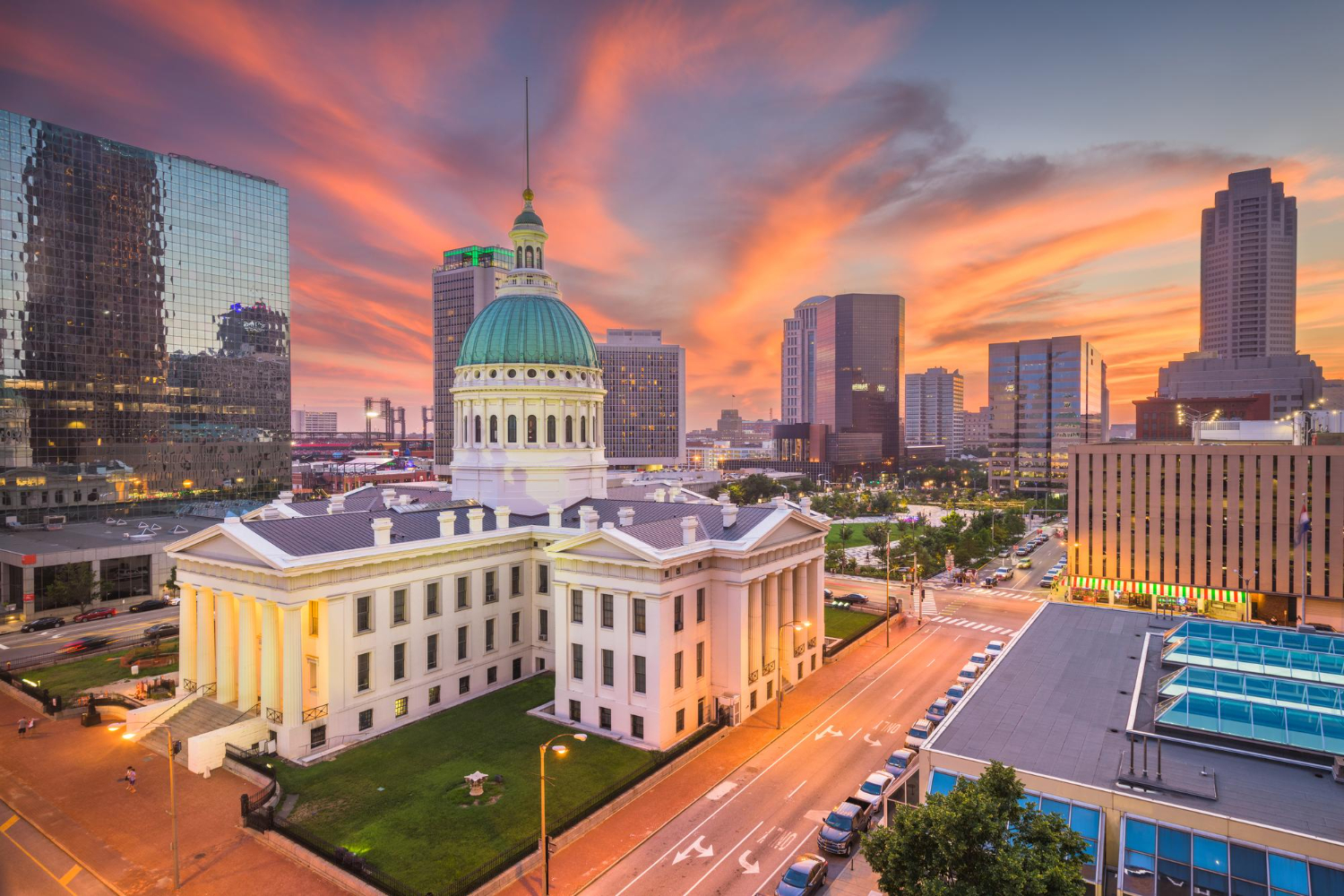
St. Louis consistently appears on worst-cities lists. The city’s population peaked at 856,000 in 1950 and has fallen to approximately 281,000 in 2025 — a 67 percent decline tracking closely with Detroit’s. The city has invested substantially in downtown revitalization (Forest Park, the City Foundry, the Cortex Innovation District, the Gateway Arch grounds renovation completed in 2018) but the broader regional pattern of suburban-flight and population loss has continued. Crime statistics rank St. Louis among the highest per-capita rates for violent crime in the U.S. across multiple recent years. Resident satisfaction surveys produce low scores particularly outside the wealthy western suburbs (Clayton, Ladue, Webster Groves) which themselves rank highly for satisfaction but are demographically and economically separated from the city proper.
7. Birmingham, Alabama
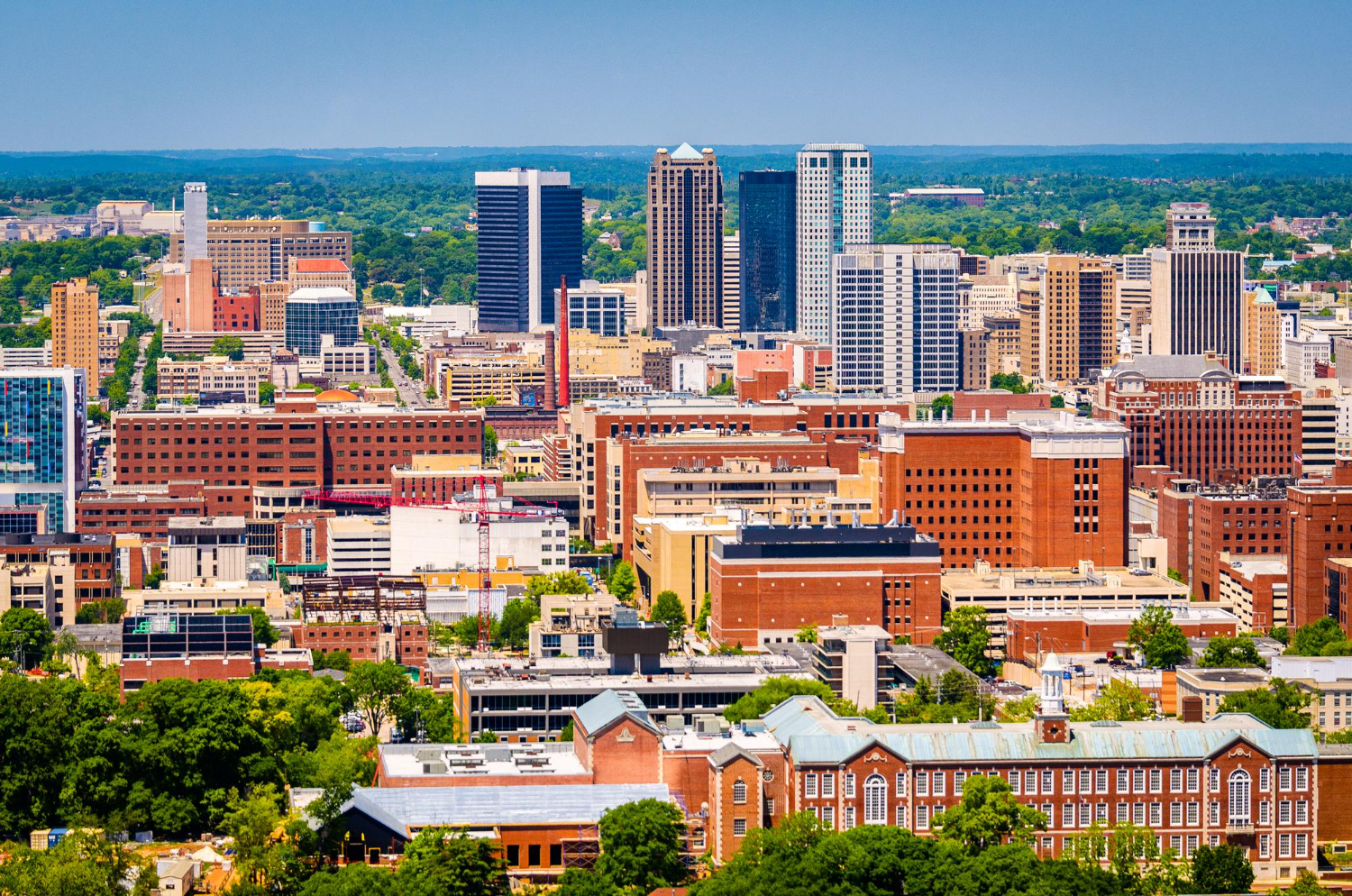
Birmingham appears on the 2026 list due to a combination of population decline (peaked at 340,000 in 1960, down to approximately 196,000 in 2025), infrastructure challenges, and per-capita crime statistics that rank in the top quintile of U.S. cities. The city retains significant historical and cultural assets — the Civil Rights District, the Vulcan Park overlook, Sloss Furnaces — and has invested in downtown revitalization. The resident satisfaction surveys remain among the lower tier of major U.S. cities, particularly among non-white residents in the urban core.
8. Hartford, Connecticut
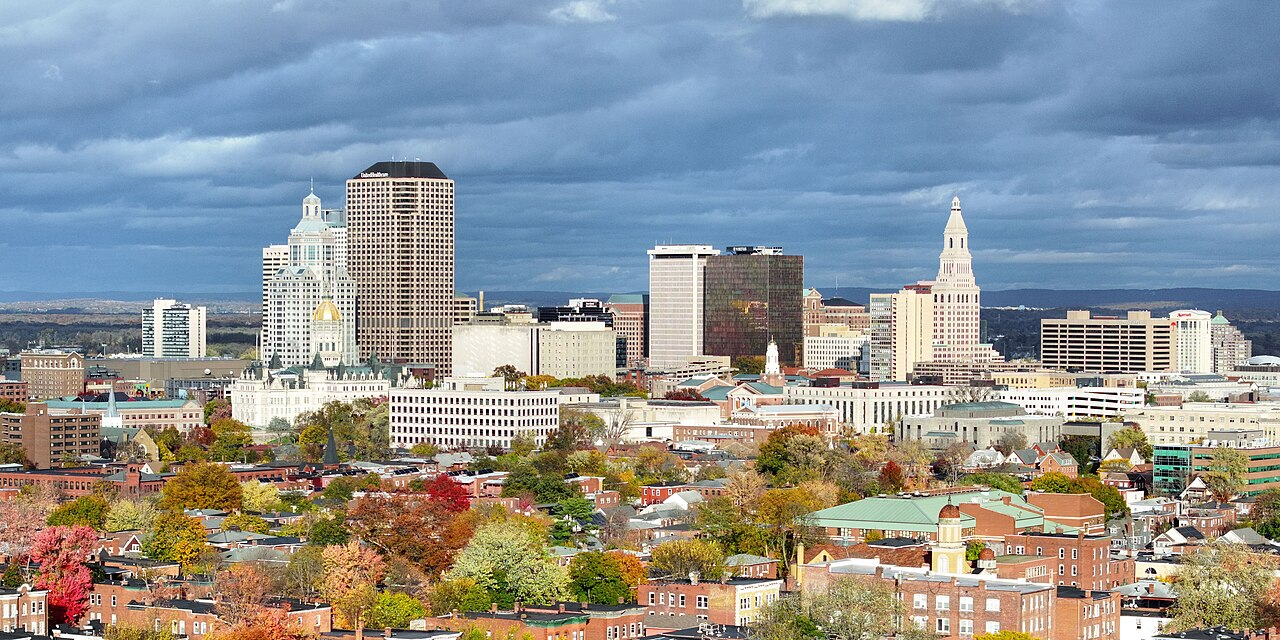
Hartford is the smallest city on this list but consistently appears on “worst cities” rankings due to specific demographic and economic challenges. The city is the state capital of Connecticut and contains substantial insurance-industry employment (Aetna, The Hartford, Travelers), but the city itself has experienced population decline and economic stagnation while wealthy suburbs have prospered. The Hartford population peaked at 177,000 in 1950 and has fallen to approximately 119,000 in 2025. The Connecticut Children’s Medical Center, the Wadsworth Atheneum Museum of Art, and the Mark Twain House provide cultural anchors. Resident satisfaction surveys produce low scores driven by the urban-suburban disparity that has defined the Hartford metropolitan area for decades.
9. Newark, New Jersey
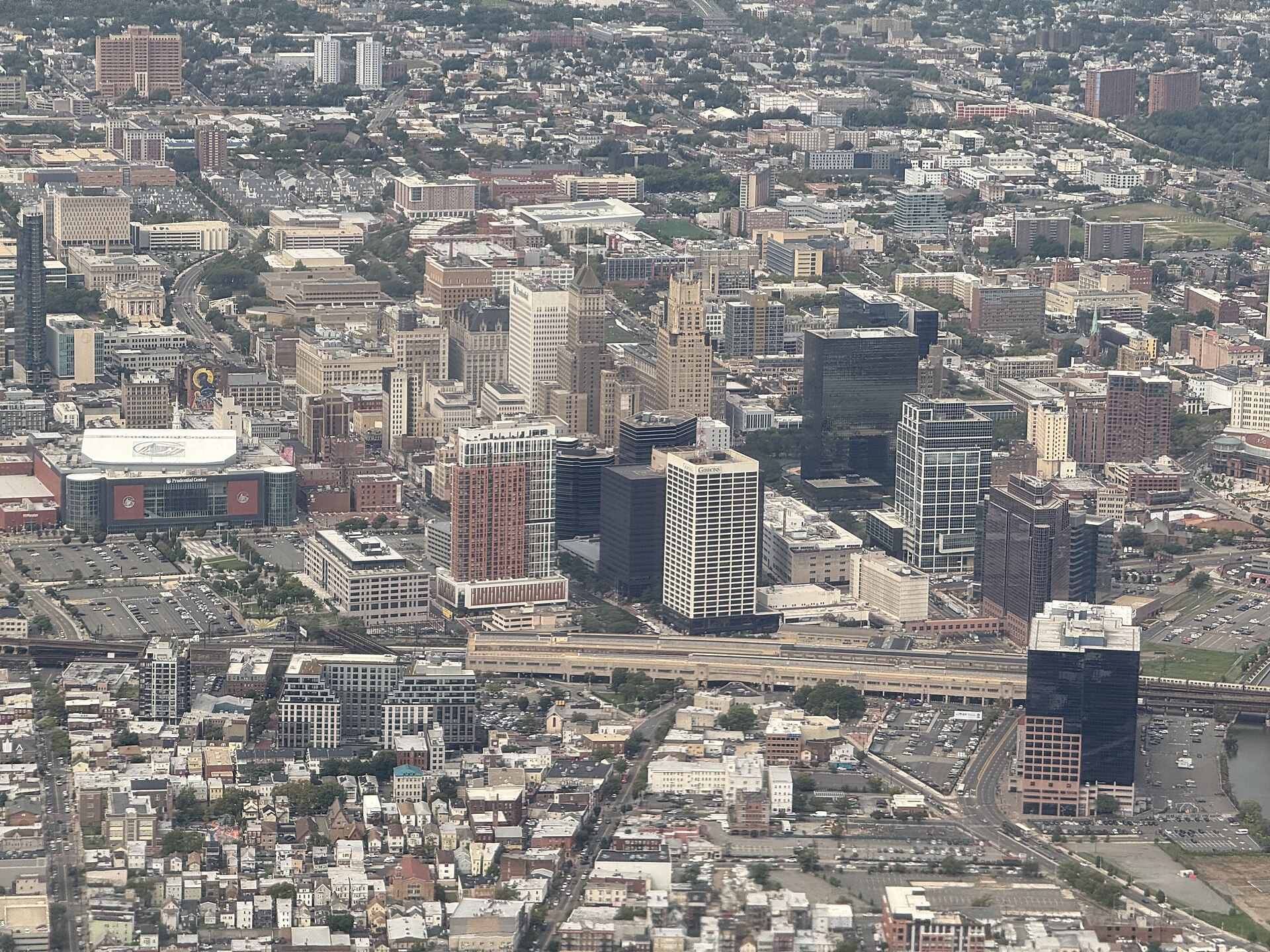
Newark appears on most 2026 “worst cities” lists driven by persistent crime statistics, infrastructure challenges, and the lingering effects of the 1967 Newark riots and subsequent decades of disinvestment. The city’s population peaked at 442,000 in 1950 and has fallen to approximately 305,000 in 2025. The city has invested in downtown revitalization around the New Jersey Performing Arts Center and the Prudential Center. The city contains major institutional assets (Newark Airport, Newark Penn Station, Rutgers University-Newark, the New Jersey Institute of Technology) but the resident experience continues to produce low satisfaction scores particularly outside the downtown core.
10. Buffalo, New York
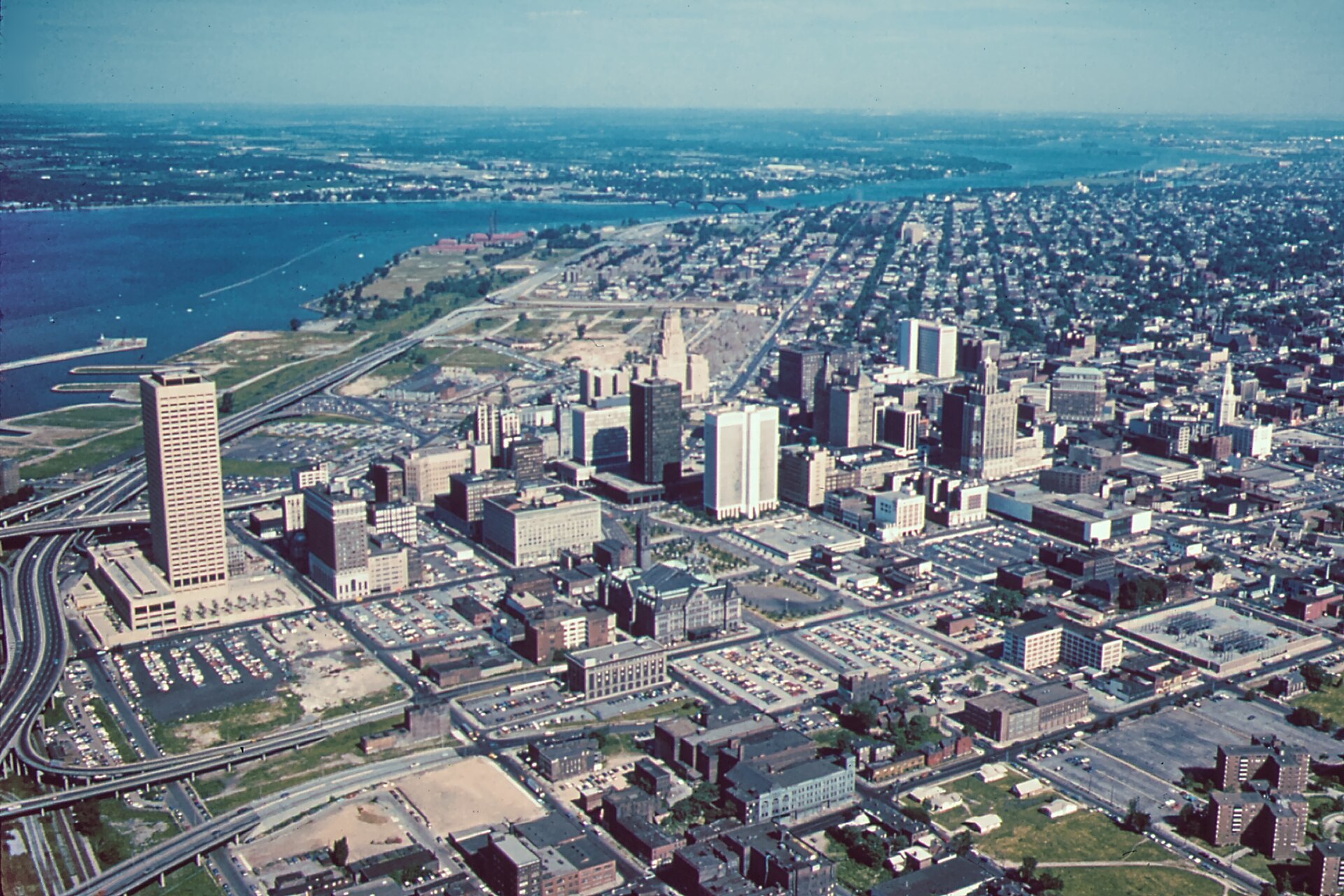
Buffalo makes the 2026 list primarily due to weather (the city’s average annual snowfall of approximately 95 inches is among the highest of any major U.S. city), population decline (peaked at 580,000 in 1950, down to approximately 274,000 in 2025), and economic stagnation. The city has shown modest revitalization since 2015 with downtown investment in the Canalside district, the Buffalo Niagara Medical Campus, and the Larkin District. The 2022 Tops Friendly Markets mass shooting and the 2022 Christmas Eve blizzard that killed 47 residents both contributed to a difficult recent period. Resident satisfaction surveys have shown modest improvement since 2023 but remain below the national median.