

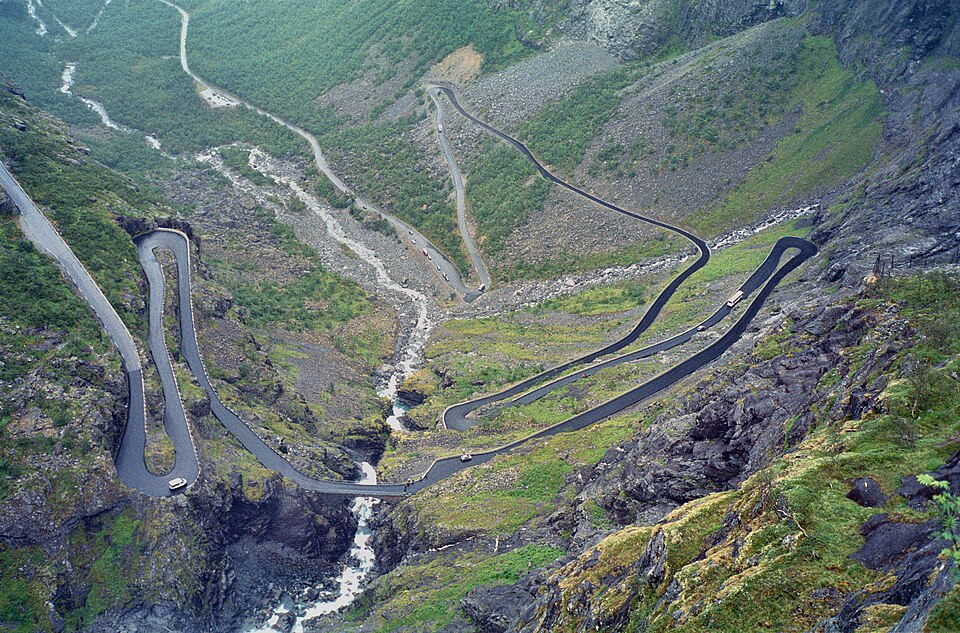
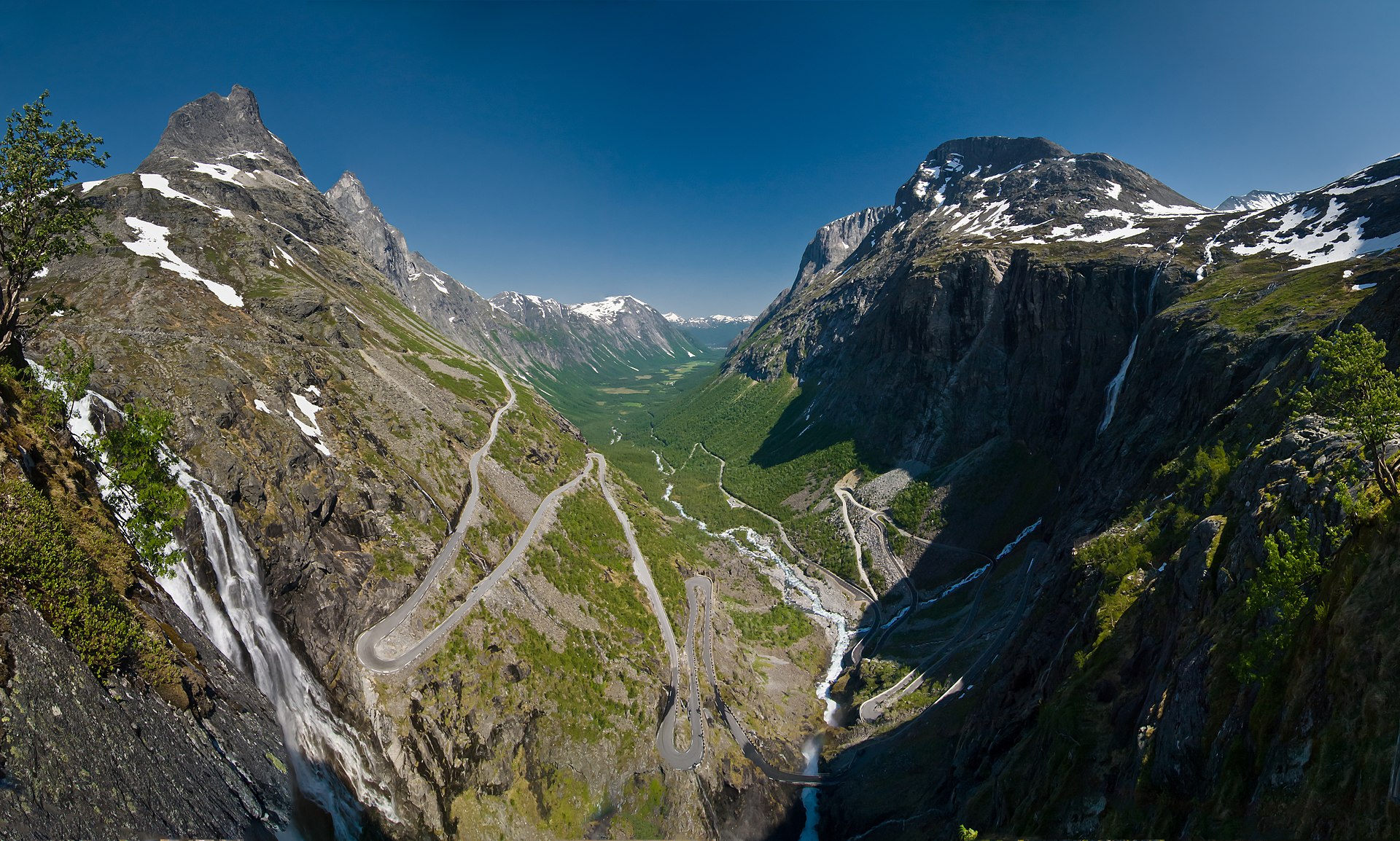
Trollstigen (“The Troll’s Path”) is one of Norway’s most dramatic mountain roads — an 11-hairpin route climbing approximately 850 meters through dramatic Romsdalen valley scenery in Møre og Romsdal county. The road operates only May through October each year because winter snow makes it essentially impassable. Average gradient: 9%. Maximum vehicle length: 12.4 meters. Approximately 100+ kilometers from substantial cities, but accessible from various Norwegian fjord destinations. The cumulative drive provides one of the most scenic mountain road experiences in Europe — and connects to substantial broader fjord touring routes that mainstream international tourism typically underexplores.
The Trollstigen mountain road represents specific intersection of dramatic Norwegian fjord scenery, substantial engineering achievement, and seasonal tourism economics. The cumulative route climbs through some of Norway’s most dramatic landscapes, providing access to substantial fjord destinations that mainstream tourism rarely emphasizes. The cumulative route closure each winter (typically October through May) substantially affects how international travelers can plan visits — and reveals specific aspects of Norwegian fjord tourism that ferry-based and major-city-centered tourism doesn’t capture.
The Specific Geographic Reality
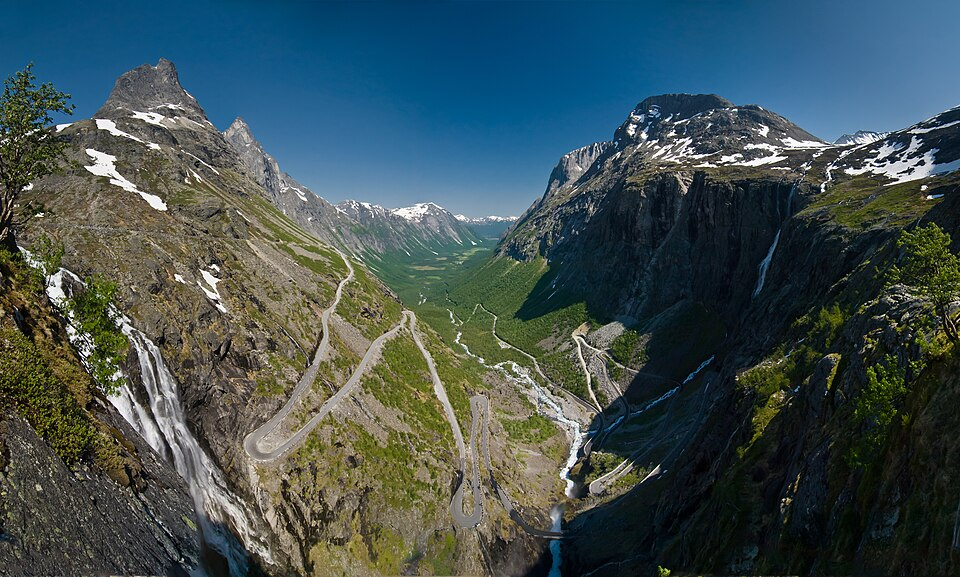
Trollstigen sits in Romsdal Valley in Møre og Romsdal county, western Norway. The cumulative location is approximately 100 km north of the substantial city Ålesund and approximately 110 km west of Oppdal. The cumulative geographic position places Trollstigen within accessible distance of various Norwegian fjord destinations including Geirangerfjord (UNESCO World Heritage site), Innfjorden, Norddalsfjord, and various other substantial fjord areas. The road specifically connects Åndalsnes (north end) with Valldal (south end).
The total Trollstigen route length is approximately 106 km from Åndalsnes through to Geiranger via various connecting roads, though the most dramatic hairpin section covers only approximately 5-6 km of substantial vertical climb. The cumulative climb reaches approximately 850 meters elevation from Trollstigen Plateau visitor center. The specific cumulative route provides access to multiple substantial fjord destinations that ferry-based tourism alone cannot reach. The cumulative road system substantially expanded Norwegian fjord tourism capacity since its 1936 opening.
The 1936 Opening
Trollstigen officially opened July 31, 1936 — substantial engineering achievement during Norway’s pre-war infrastructure development period. The cumulative construction took approximately 8 years and required substantial blasting, fitting, and various other specific engineering work to negotiate the extremely steep terrain. The cumulative project was substantially significant for its era — Norway in the 1920s and 1930s was substantially developing modern infrastructure across various rural regions.
King Haakon VII (Norwegian king during the construction period) attended the official opening ceremony. The cumulative road provided substantial economic opportunity for various Norwegian rural communities that had previously been substantially isolated from mainstream tourism and economic activity. Various villages along the cumulative route experienced substantial growth in subsequent decades as automobile-based tourism expanded substantially throughout Norway and Europe more broadly.
The 11 Hairpin Turns
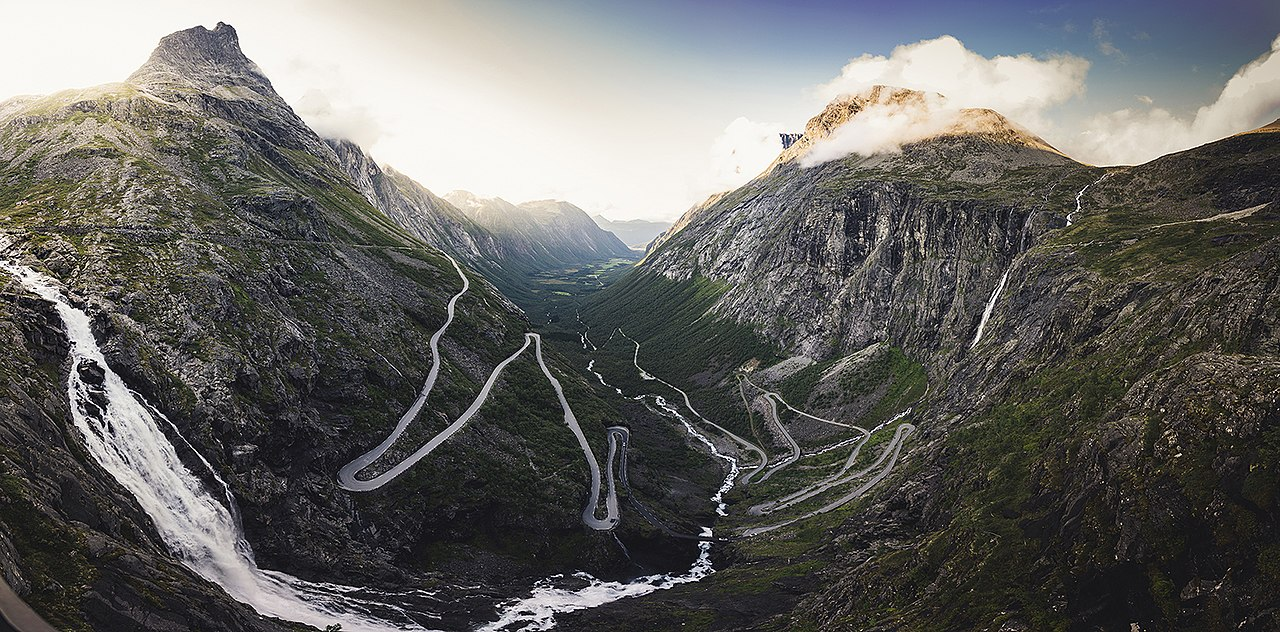
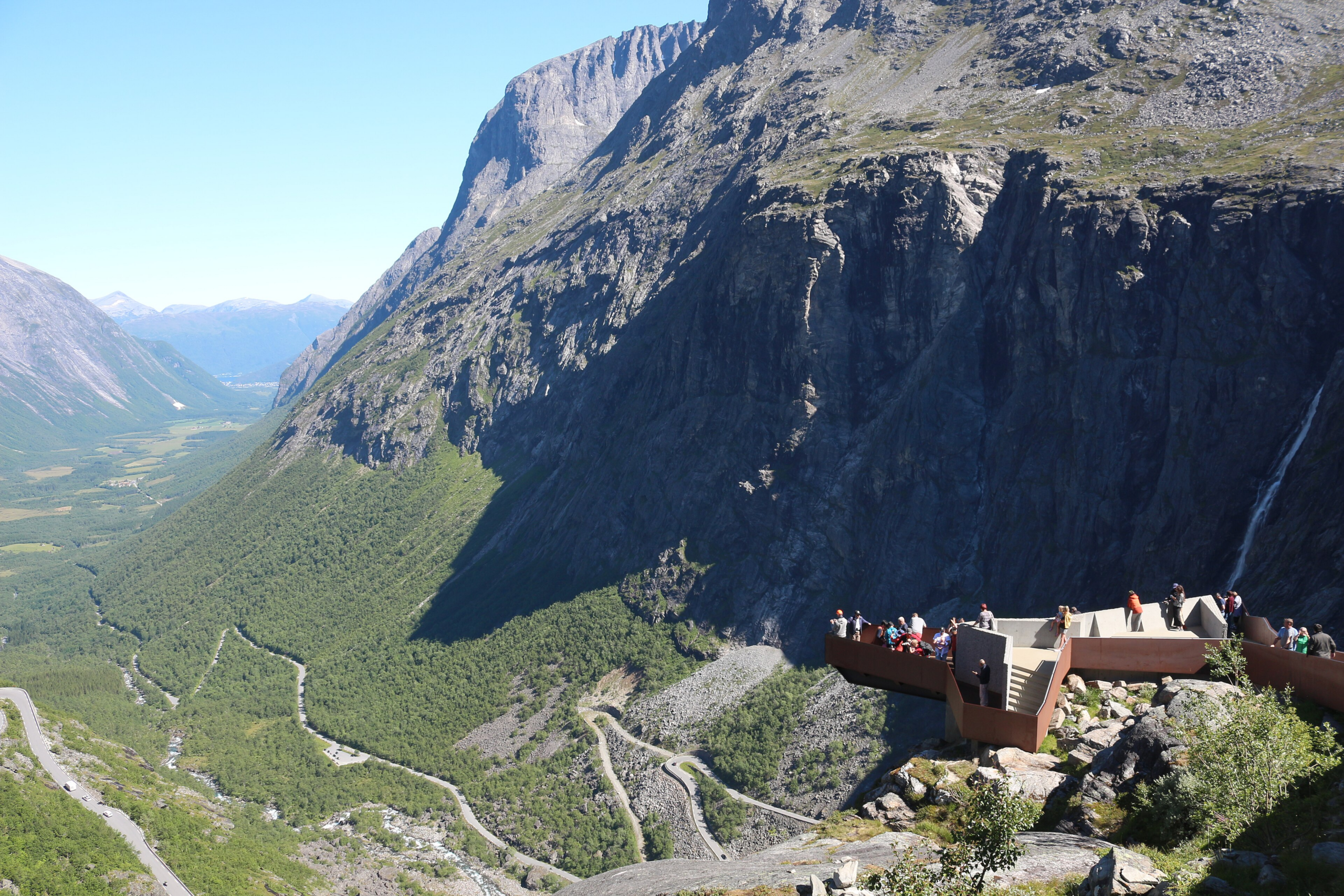
The defining feature of Trollstigen is its 11 hairpin turns climbing through the dramatic Romsdalen valley. Each hairpin is specifically named according to local naming traditions. The cumulative turns produce substantial elevation gain across relatively short horizontal distance. Average gradient: 9%, with various sections substantially steeper. The cumulative drive requires substantial driving attention even for experienced drivers — combined with substantial scenic distractions, the route demands focus despite the photogenic surroundings.
The cumulative road width is genuinely substantial considering the terrain — most sections handle two-way traffic plus occasional substantial vehicles. However, maximum vehicle length is specifically restricted to 12.4 meters due to specific turn radius limitations at the tightest hairpins. Various large RVs and tour buses require specific routing arrangements. The cumulative road conditions require substantial driving experience for traditional vehicles, and various international visitors significantly benefit from researching specific driving requirements before attempting the route.
The Stigfossen Waterfall
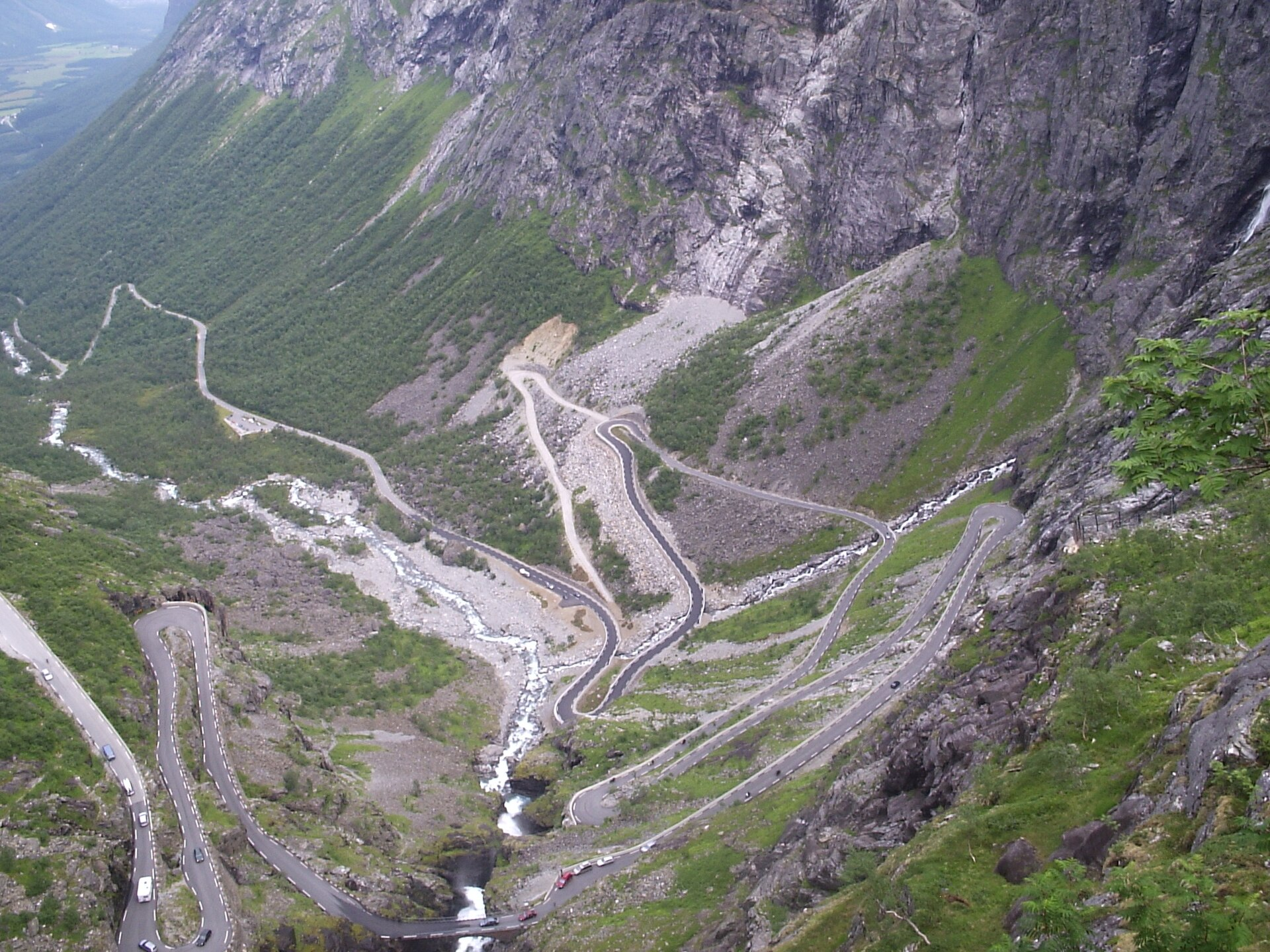
A specific element along Trollstigen is the dramatic Stigfossen waterfall — substantial 320-meter waterfall visible from various points along the route. The cumulative waterfall provides specific photographic and scenic value beyond just the road itself. The waterfall is fed by glacial meltwater and seasonal precipitation, with substantial flow variation across seasons. Peak flow typically occurs during late spring snowmelt period when the route also tends to be least accessible due to remaining snow conditions.
The cumulative waterfall has become substantial tourist destination in its own right. Various viewing platforms have been constructed along the route to provide substantial waterfall photography opportunities. The cumulative combined experience (road plus waterfall plus broader fjord scenery) produces substantial tourism value that mainstream Norwegian fjord tourism rarely captures despite Trollstigen’s substantial scenic significance. Various Norwegian tourism organizations specifically promote the cumulative route as alternative to mainstream fjord destinations.
The Trollstigen Plateau Visitor Center
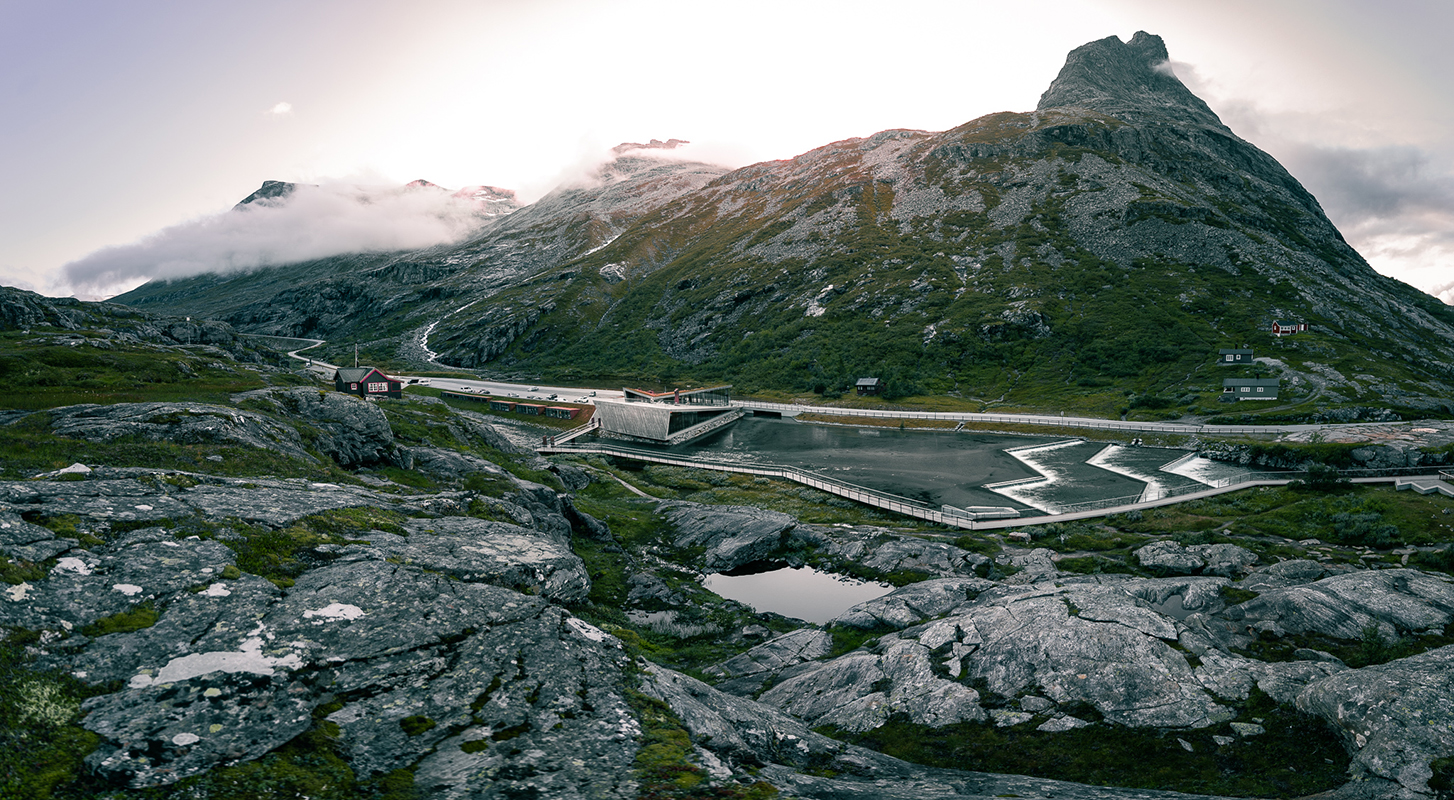
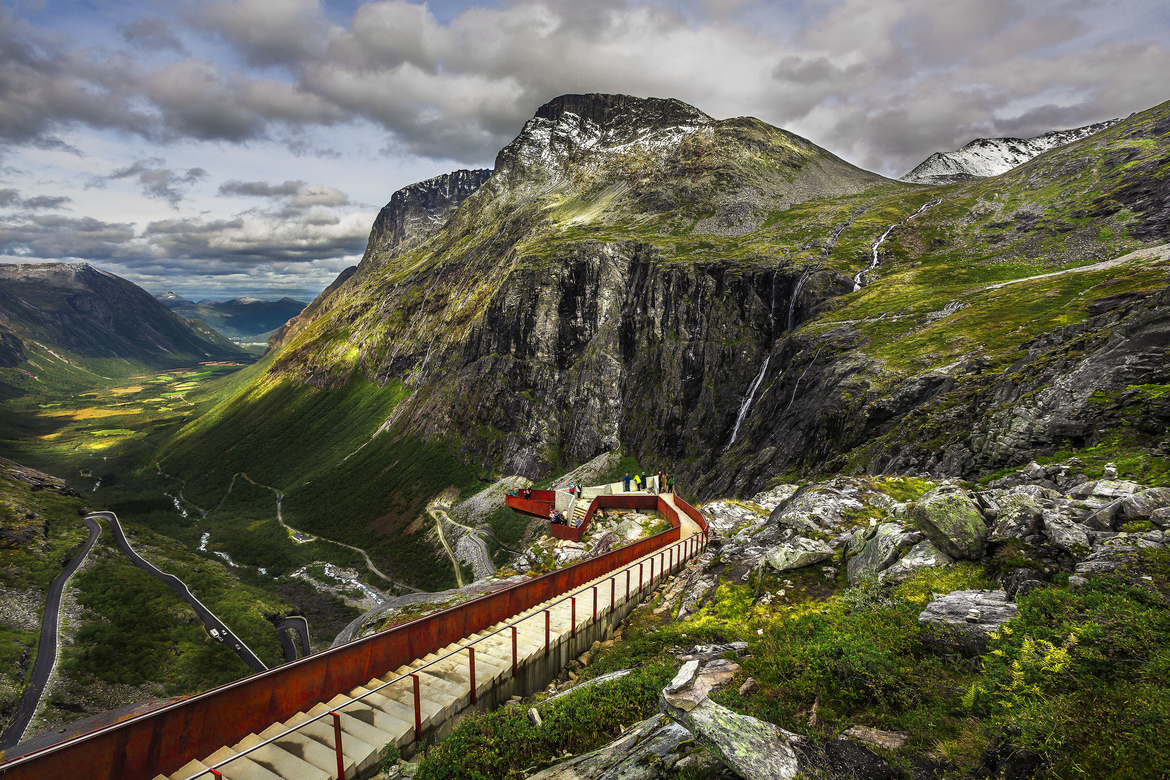
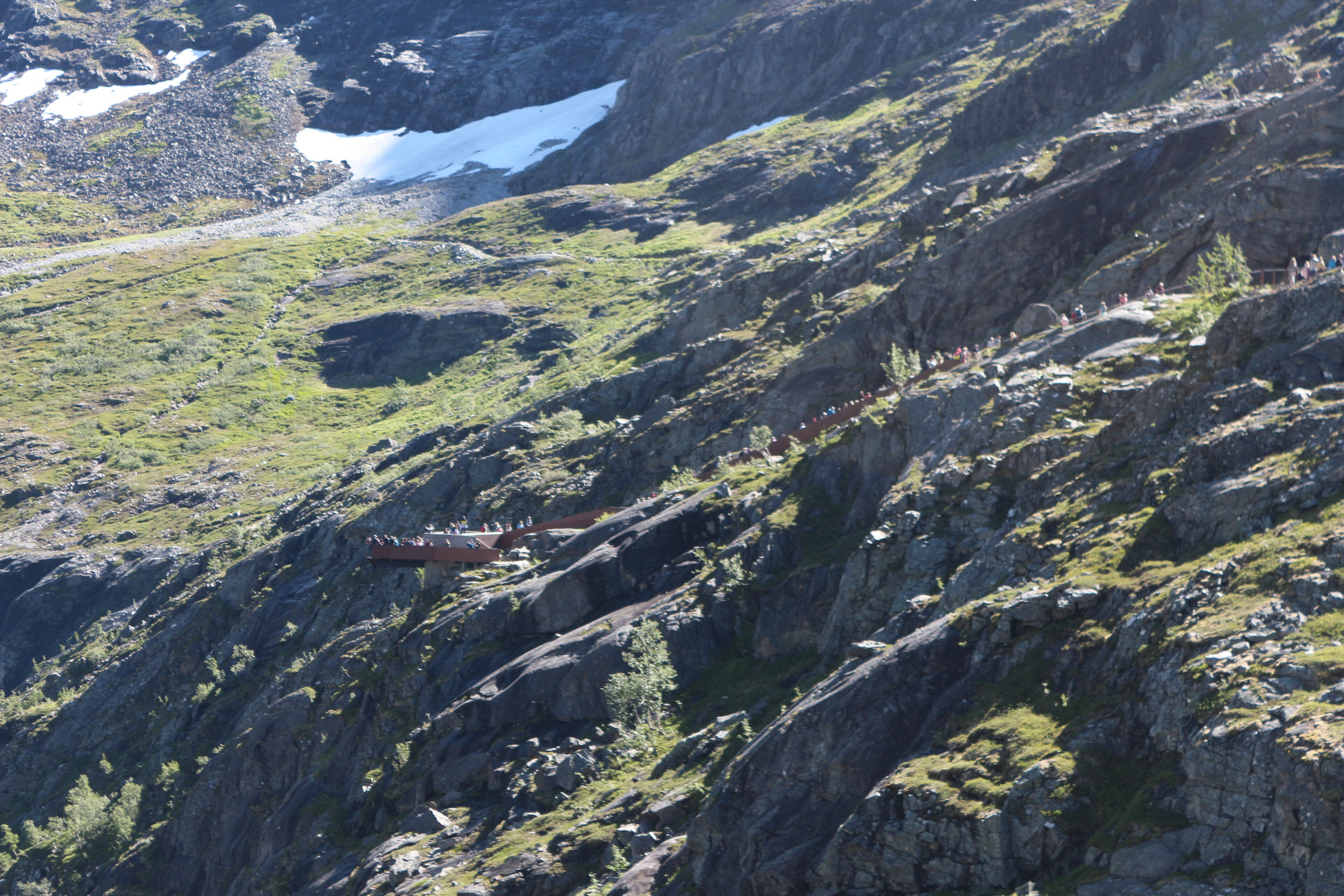
A specific element at the top of the climb is the substantial Trollstigen Plateau visitor center (Trollstigen Besøkssenter), opened 2012. The cumulative facility provides substantial parking, restrooms, café/restaurant, viewing platforms, gift shop, and various other tourist amenities. The cumulative architectural design uses contemporary Scandinavian aesthetic that has substantially won various international design awards.
The cumulative visitor center serves substantial tourist traffic during operating season. Various viewing platforms provide spectacular perspectives on the cumulative road below and the broader Romsdal valley. The cumulative facility includes specific multi-language information about the road’s history, construction, and broader regional context. International visitors substantially benefit from spending time at the cumulative visitor center beyond just the driving experience itself. The cumulative architectural design represents specific aspect of modern Norwegian tourism infrastructure investment.
The Seasonal Closure Reality
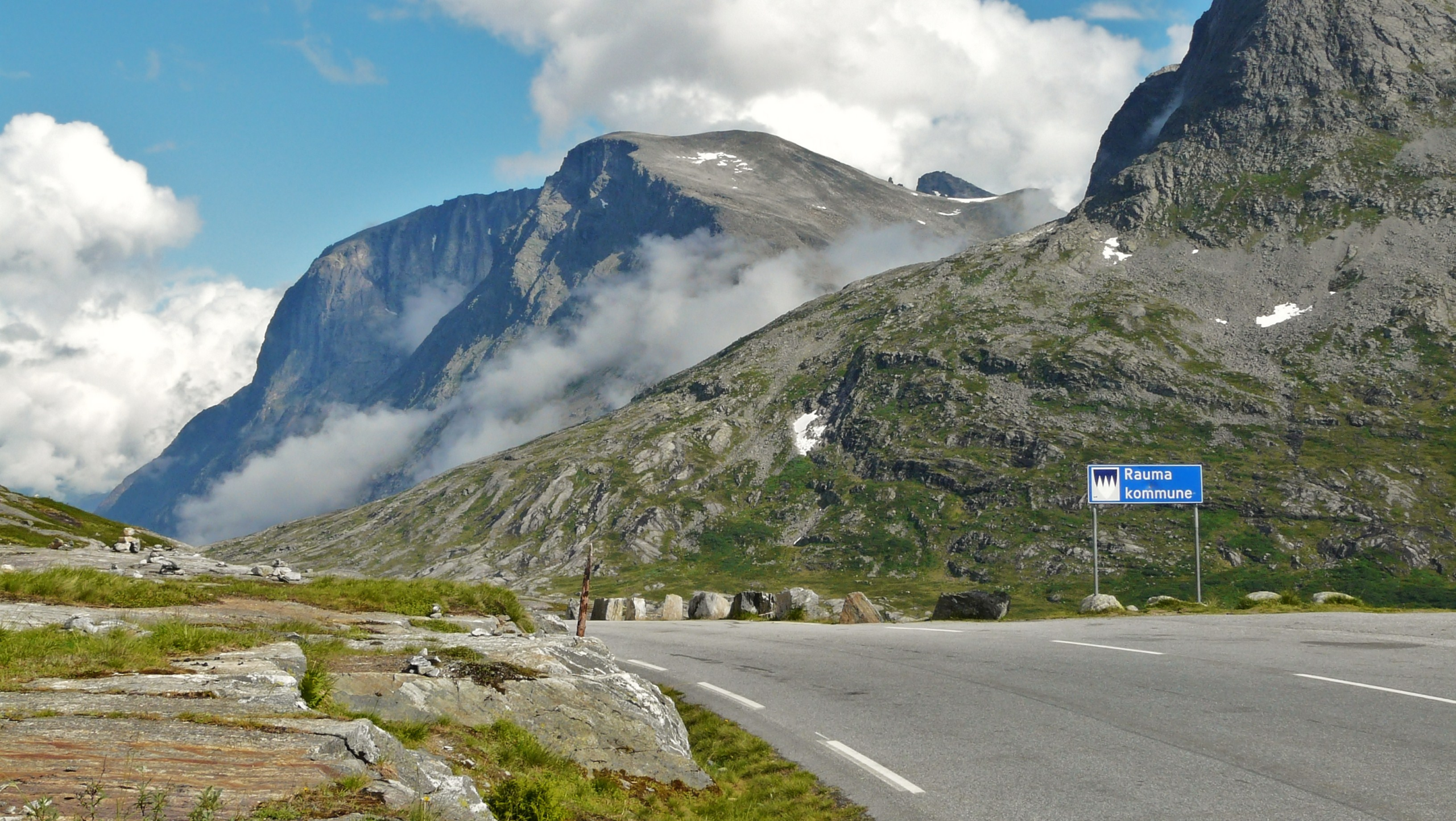
Trollstigen closes during winter months due to substantial snow conditions that make the road essentially impassable. Specific opening dates vary annually based on weather conditions, but typical operating season is mid-May through mid-October. The cumulative closure period of approximately 7 months reflects substantial Norwegian winter conditions at the cumulative elevation. Various other Norwegian mountain roads operate similar seasonal patterns.
The cumulative seasonal closure substantially affects international tourism planning. Visitors planning Norwegian fjord trips must specifically time visits to accommodate Trollstigen accessibility. Alternative ferry-based fjord access remains available year-round, but mainstream road access via Trollstigen requires summer or early autumn timing. Various international tourists are substantially surprised by the cumulative seasonal limitations — Norwegian tourism marketing sometimes inadequately emphasizes the cumulative scheduling constraints that affect specific route accessibility.
The Surrounding Fjord Network
Beyond Trollstigen itself, the surrounding region offers substantial fjord tourism. Geirangerfjord (UNESCO World Heritage) sits approximately 100 km via various connecting routes. The cumulative fjord features dramatic 250-meter waterfalls (Seven Sisters, the Suitor), substantial cruise ship traffic, traditional villages, and various other distinctive elements. Hjørundfjord, Innfjord, Norddalsfjord, and various other fjords provide additional substantial scenic experiences accessible from the broader Trollstigen region.
The cumulative fjord network supports substantial multi-day touring opportunities. Various international visitors plan 5-10 day Norwegian fjord trips that combine Trollstigen with multiple specific fjord destinations. The cumulative driving experience across the broader region exceeds the substantial single-day Trollstigen experience by substantial margins. Ferry connections between various fjord locations supplement road-based travel for specific routes that require water crossings. The cumulative route planning requires substantial advance research to optimize visit timing across various seasonal and operational considerations.
How to Actually Visit Trollstigen
Practical guidance for travelers planning Trollstigen visits. Best timing: late June through early September provides typical Norwegian summer weather with reliable road accessibility. May and October may have variable conditions affecting accessibility. International access typically through flights to Oslo, Bergen, or Ålesund with rental car for cumulative fjord region exploration. Rental car requirements include substantial confidence with mountain road driving — international visitors unfamiliar with Norwegian driving conditions should specifically research before attempting cumulative routes.
Most international visitors plan 3-7 day Norwegian fjord trips that include Trollstigen as one specific destination. The cumulative trip costs are substantial — Norway is genuinely expensive even by European standards. Typical daily costs for international visitors run $200-400+ per person depending on accommodation, food, and specific activity choices. Various rental car companies operate from major airports with substantial vehicle selection. Specific reservations 2-3 months in advance recommended for summer peak travel.
The Comparable Norwegian Routes
Trollstigen is one of several substantially dramatic Norwegian mountain roads. Other comparable routes include Aursjøvegen (substantially remote toll road), Stalheimskleiva (extremely steep section of older Bergen-Oslo route), various sections of the Atlantic Road (substantial coastal route), Lysebotn road to Lysefjord, and various other specific scenic mountain routes. The cumulative network provides substantial dramatic road experiences across Norway.
Various international visitors plan specific scenic-road-focused Norwegian trips that include multiple cumulative routes. The cumulative experience substantially exceeds what single-route visits can provide. Norwegian tourism organizations specifically promote various cumulative scenic route packages. International visitors particularly interested in dramatic mountain driving should research the cumulative options before planning specific itineraries. The cumulative variety substantially exceeds what mainstream international travel marketing typically emphasizes despite the substantial scenic value provided by various specific routes.
What Trollstigen Actually Represents
The Trollstigen mountain road represents specific successful integration of substantial natural beauty with engineering achievement and modern tourism infrastructure. The cumulative combination produces destination that exists nowhere else in quite the same way — Norwegian fjord landscape combined with dramatic mountain road plus substantial visitor infrastructure plus seasonal accessibility limitations. Various international visitors substantially underestimate the cumulative experience compared to mainstream fjord tourism that focuses on cruise-based or ferry-based access. For travelers willing to invest in mountain driving experience and accept the seasonal limitations, Trollstigen provides substantial value that mainstream Norwegian fjord tourism rarely emphasizes. The cumulative route will likely continue providing similar experiences for decades to come as long as Norwegian infrastructure investment continues maintaining the substantial route. Various specific elements may evolve — visitor center upgrades, road safety improvements, environmental management adjustments — but the basic dramatic mountain driving experience persists. The cumulative tradition substantially predates modern international tourism and will likely persist beyond current tourism patterns through various future changes that may substantially affect mainstream travel without affecting specific dramatic Norwegian routes.
