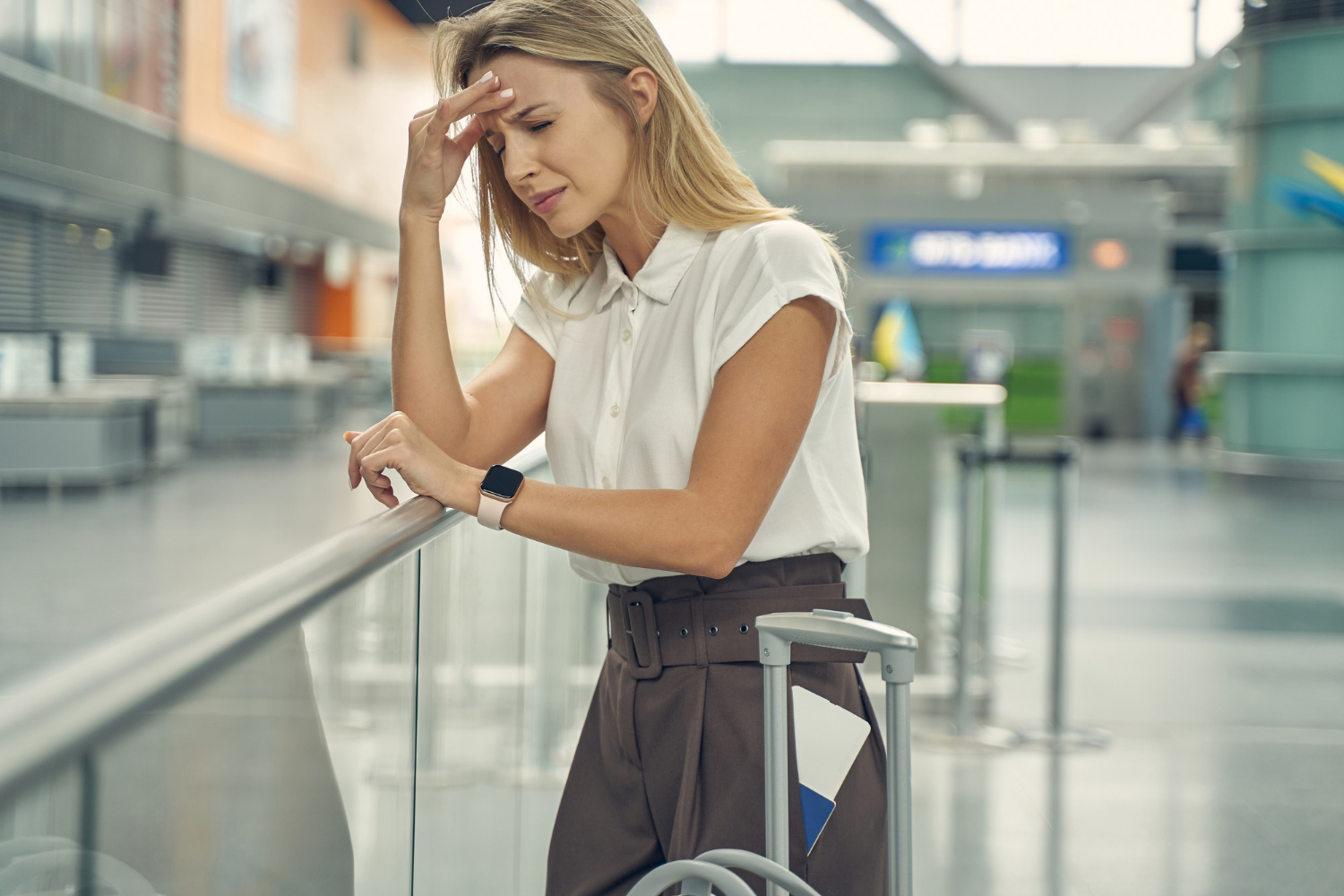
Most airline passengers know vaguely that flights are sometimes “overbooked” and that someone occasionally gets bumped. What most don’t know is that overbooking is not occasional — it is the standard pricing strategy for nearly every domestic flight on every U.S. carrier and most international carriers, applied to most flights, most days, on most routes. The reason you usually don’t notice is that the statistical model the airlines use is genuinely good at its job. Even when a flight is sold for 10% more seats than the plane has, the seats almost always work out.
Airline overbooking is the practice of selling more tickets for a flight than the aircraft has seats. The practice exists because, on average, a measurable percentage of ticketed passengers do not show up for their flights — they miss connections, change plans, get sick, oversleep, or simply forget. If airlines sold exactly as many tickets as seats and accepted the no-show rate as empty revenue, fares would have to be higher to cover the unused capacity.
By deliberately overselling, airlines fill the seats that no-shows would otherwise leave empty. The trick is to oversell by exactly the right amount — too little and you fly with empty seats; too much and you have more passengers than seats.
The No-Show Rate Foundation

The fundamental input to overbooking models is the historical no-show rate for a given flight. This is calculated separately for each route, time of day, day of week, season, fare class, and day of the year — because no-show rates vary substantially across these variables. A Monday 7 AM flight from Chicago to New York, sold mostly to business travelers on flexible fares, will have a substantially higher no-show rate than a Saturday afternoon flight on the same route sold mostly to leisure travelers on non-refundable fares.
Industry-wide, no-show rates have generally declined from peaks of 10-15% in the 1990s to substantially lower rates today, tracking the increased use of advance check-in technologies that essentially commit passengers to their flights before the day of travel. Modern systems provide continuous real-time updates as passengers check in, allowing airlines to adjust overbooking models throughout the booking process.
The Revenue Management Algorithm
Once an airline knows the expected no-show rate for a specific flight, the overbook factor is calculated to maximize expected revenue while keeping the probability of denied boardings low. If a flight has 200 seats and the historical no-show rate is 5% (10 passengers, on average, won’t show up), the airline might sell 205 to 210 tickets.
The actual algorithms used by airlines are substantially more complex. They account for the distribution of possible no-show counts, the expected cost of bumping someone if oversold (compensation, hotel, rebooking), the indirect cost in customer goodwill, the value of the marginal seat sale, and dynamic adjustments as the flight approaches departure and check-in data updates the no-show estimates.
The largest airlines run these calculations through revenue management systems that continuously adjust seat availability and pricing in real time. The systems are essentially betting, every minute, on what the actual passenger count will be at the gate.
What Happens When Oversold
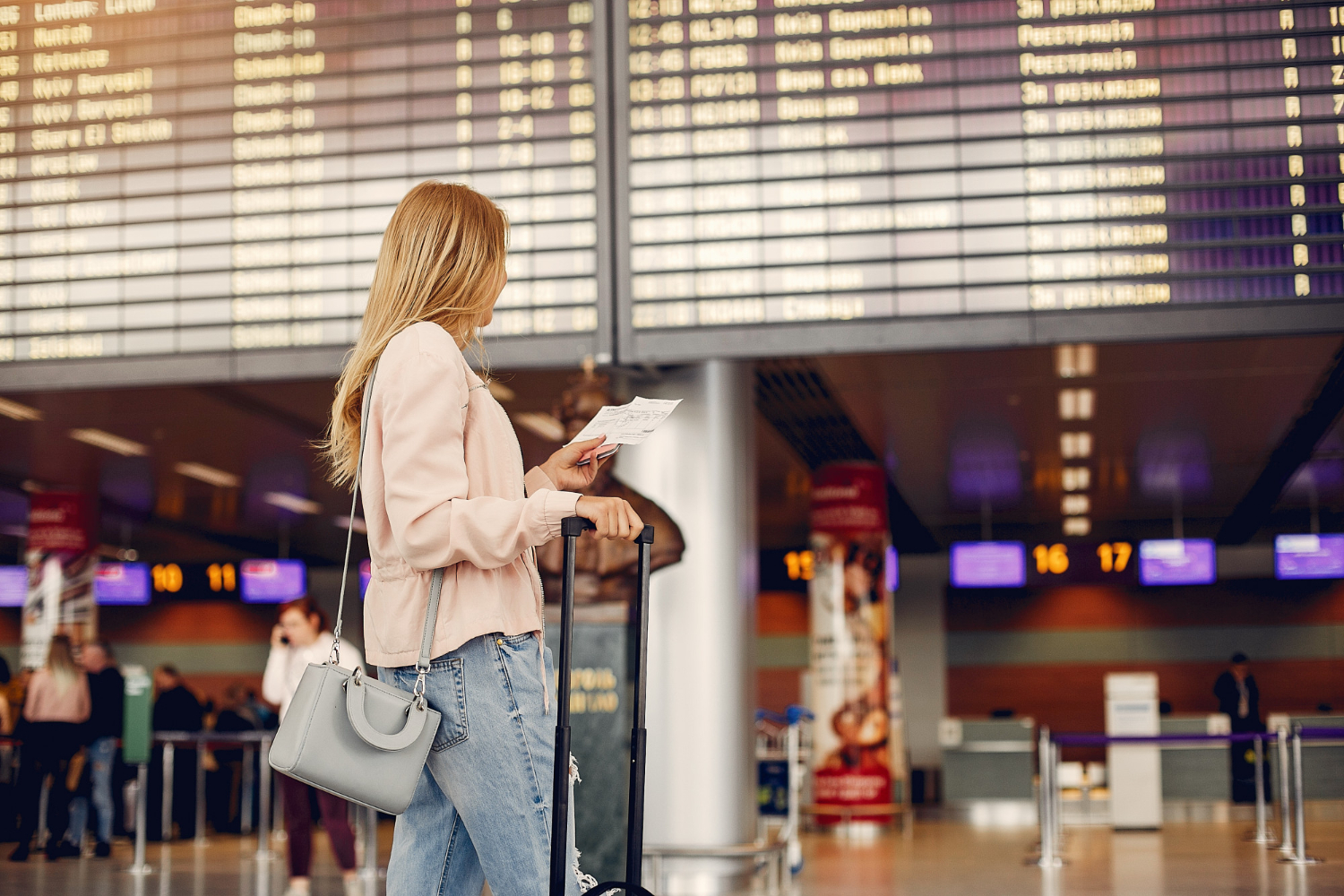
When a flight is oversold — meaning more passengers show up than the aircraft has seats — the airline has to remove the excess. The U.S. Department of Transportation regulates this process under 14 CFR Part 250. The first step is required to be voluntary. Airlines must solicit volunteers to give up their seats in exchange for compensation, typically through gate announcements offering travel vouchers, hotel accommodations if necessary, and rebooking on later flights. The compensation offered increases until enough volunteers come forward.
Most oversold flights are resolved entirely through voluntary bumping. The combination of high no-show rates (some passengers fail to show up after all) and willing volunteers (some passengers welcome a free voucher in exchange for a few hours’ inconvenience) usually finds a balance before anyone is forcibly removed.
When voluntary bumping doesn’t generate enough volunteers, airlines move to involuntary denied boarding. The DOT requires that passengers selected for involuntary bumping be chosen according to the airline’s published policy — typically based on a combination of check-in time, fare class, and frequent-flyer status.
What You’re Owed If Bumped
U.S. DOT rules require specific compensation for passengers who are involuntarily denied boarding on most flights. If the airline gets you to your destination within one hour of your original arrival time, no compensation is required. For arrivals 1-2 hours late on domestic flights, compensation is 200% of the one-way fare, capped at $775. For arrivals more than 2 hours late on domestic flights, compensation is 400% of the one-way fare, capped at $1,550 (as of recent updates).
Cash compensation is required by regulation. Airlines often initially offer travel vouchers, which are not required — passengers can specifically request cash and the airline must provide it. Voucher amounts may be higher than the required cash compensation; passengers can compare and choose.
In the EU, Regulation 261/2004 provides similar rights with different amounts — €250 to €600 depending on flight distance. EU 261 also applies to flights operated by EU carriers regardless of origin, and to flights departing from EU airports regardless of carrier nationality.
The United Flight 3411 Incident
On April 9, 2017, Dr. David Dao, a passenger on United Express Flight 3411 from Chicago to Louisville, was forcibly removed from his seat after refusing to give it up in an oversold situation. Video of the incident, which showed Dr. Dao being dragged down the aisle with visible injuries, went viral within hours.
The incident produced substantial public backlash, congressional hearings, and immediate policy changes across the airline industry. Several major U.S. carriers raised their voluntary bumping compensation caps significantly. United, Delta, American, and Southwest all increased the maximum amounts agents could offer at the gate. Several carriers also reduced their overbooking aggressiveness, accepting some empty-seat revenue loss in exchange for reduced incident risk.
The longer-term effect has been a meaningful reduction in involuntary denied boarding rates across the U.S. industry. Voluntary bumping has not declined and may have increased; passengers who would have been bumped involuntarily are now more often induced to volunteer through higher compensation offers.
How to Avoid Being Bumped
For passengers concerned about being bumped on a specific flight, several strategies are well-documented: check in early (most airlines bump the latest-checked-in passengers first); hold confirmed seat assignments rather than basic-economy fares; avoid the lowest fare classes; hold frequent-flyer status; and avoid known overbooking-heavy flights (last flights of the day, popular business routes).
The probability of any given passenger being involuntarily denied boarding on a U.S. domestic flight is, in current conditions, well under 1 in 10,000. The probability of being on an oversold flight is higher, but most oversold situations resolve through no-shows and voluntary bumping before reaching forced denial.