The 1960s were a golden age for the toy box. Cheaper plastics and mass production made colorful, clever toys affordable, while the arrival of TV commercials aimed at kids created instant, nationwide demand for the latest must-have. The Space Race filled shelves with rockets and robots, and a wave of role-play toys reflected the era’s home life. Many of these toys were so well designed that they never really went away, and a few still sit on store shelves today. If you grew up in the swinging sixties, this list will take you straight back to Christmas morning. Here are the toys that defined a 1960s childhood, the dolls, the gadgets, and the games that kept a generation entertained for hours.
Barbie
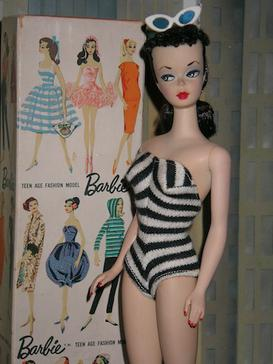
Though she debuted in 1959, Barbie truly came into her own in the 1960s, becoming the decade’s defining doll. Created by Mattel co-founder Ruth Handler and standing 11.5 inches tall, Barbie was something new: an adult fashion doll at a time when most dolls were babies. That was the magic. Instead of playing “mommy,” girls could imagine their own futures, careers, fashion, travel, and act them out. An ever-expanding universe of separately sold outfits, shoes, cars, and her famous Dreamhouse kept the play going and the cash registers ringing. Over a billion Barbies have been sold since her debut, a sign of how completely she captured the imagination. For countless children of the sixties, Barbie was the centerpiece of the toy box.
Like our content? Follow us for more.
G.I. Joe
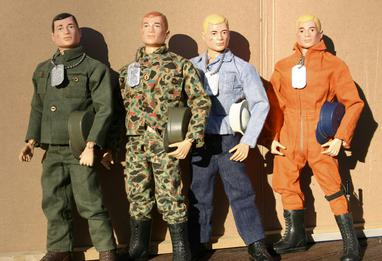
If Barbie ruled one half of the toy aisle, G.I. Joe ruled the other. Launched by Hasbro in 1964, G.I. Joe was marketed as “America’s movable fighting man,” and the company coined a now-universal term to sell it to boys who might balk at the word “doll”: the action figure. Around a foot tall with poseable joints and a wardrobe of military uniforms and gear, Joe let kids stage elaborate adventures and act out teamwork and strategy. The figure tapped directly into the era’s fascination with the armed forces and heroism. It spawned countless imitators and an enduring franchise that continues to this day, but the original 1960s G.I. Joe remains a landmark in toy history.
The Easy-Bake Oven
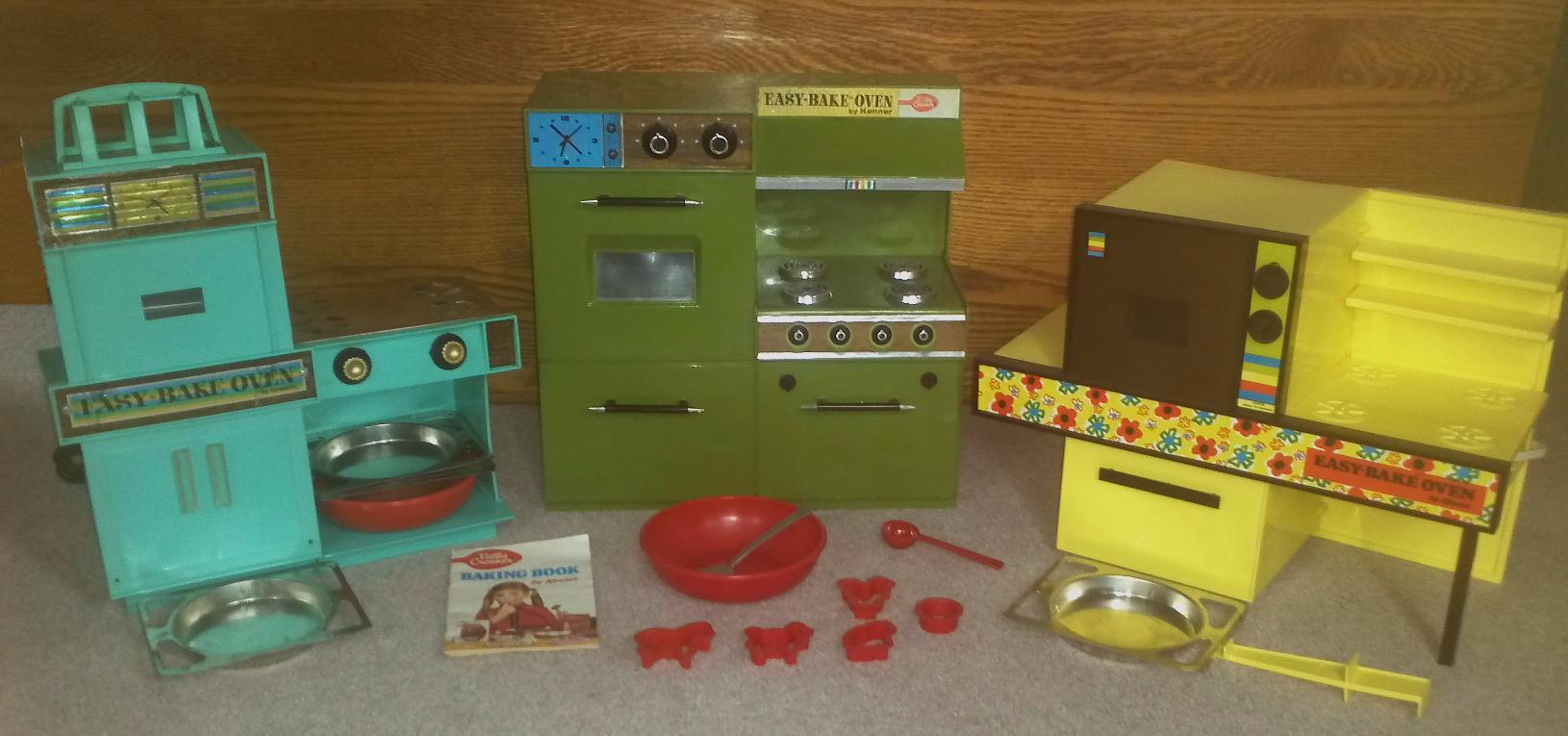
Few toys captured the imagination, or the appetite, like the Easy-Bake Oven. Introduced by Kenner in 1963, it used the heat from an ordinary incandescent light bulb to actually bake tiny cakes and treats, which felt like pure magic to children. The thrill was making something real and edible, and the commercials leaned into the era’s domestic ideals, showing girls proudly presenting their creations. It was a runaway hit and became a cultural fixture, so popular that competitors rushed out their own versions. The Easy-Bake Oven proved so beloved that it has been redesigned for new generations ever since, its look evolving to mirror real kitchen trends, but the sixties original holds a special place in many hearts.
Etch A Sketch
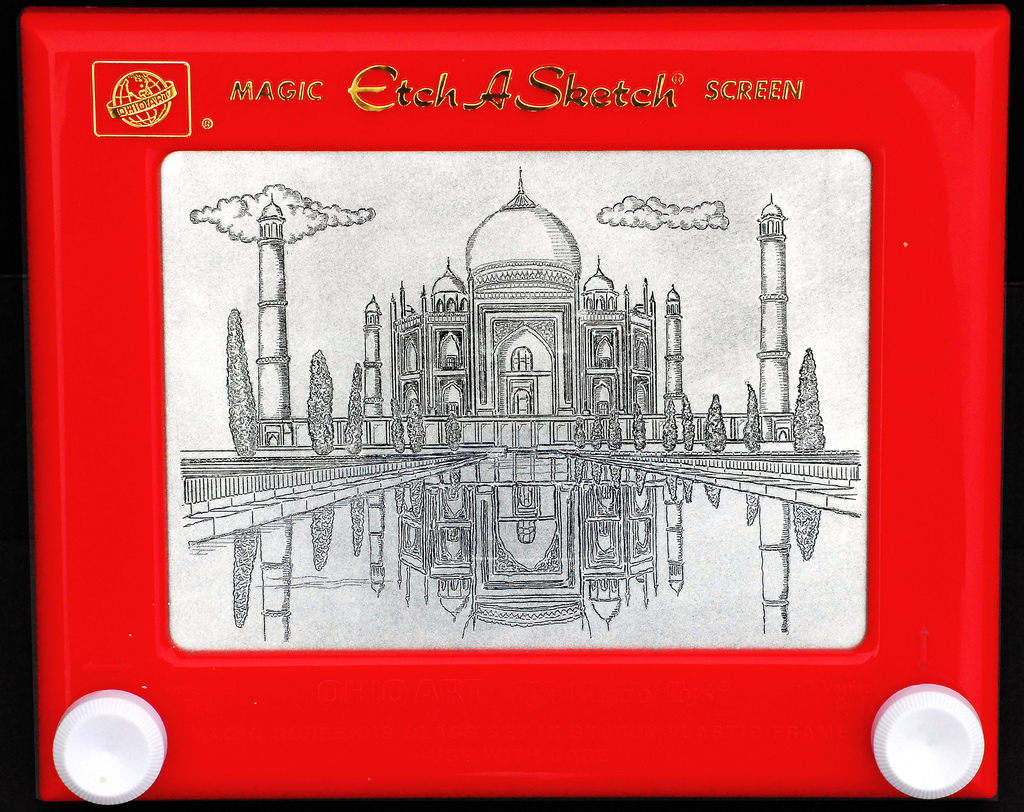
The Etch A Sketch turned every child into an instant artist, no mess required. Invented by French electrician Andre Cassagnes and mass-produced by the Ohio Art Company starting in 1960, it featured two white knobs that moved a stylus behind a gray screen, letting kids draw intricate lines and designs. The real genius was the reset: a quick shake erased everything, so the fun never ended and parents never faced a pile of scribbled paper. Mastering smooth curves with two straight-line dials was a challenge that kept children absorbed for hours. The toy became such an icon that it was inducted into the National Toy Hall of Fame in 1998, and it remains instantly recognizable more than six decades later.
Hot Wheels
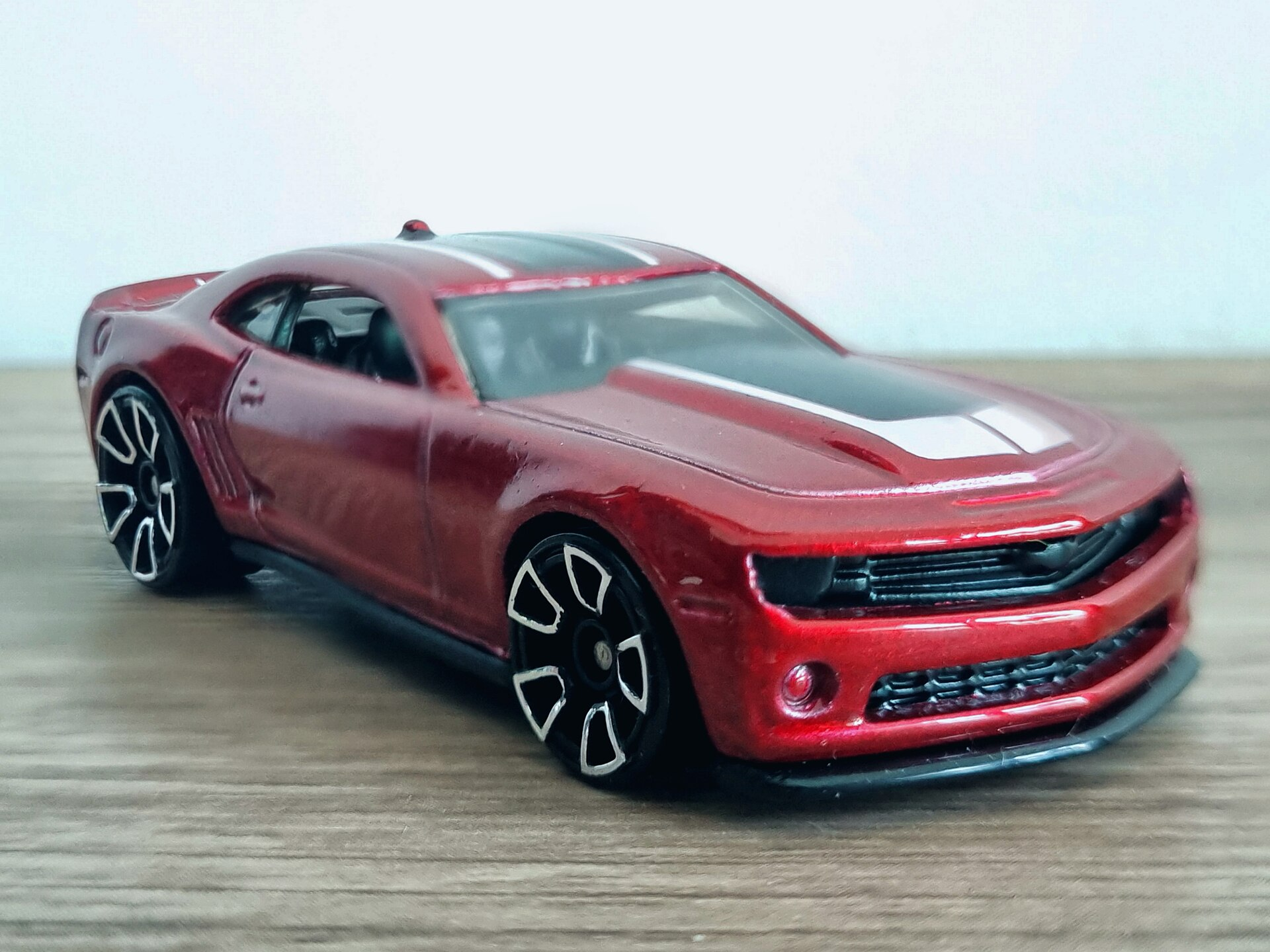
Late in the decade, in 1968, Mattel rolled out a toy that would redefine play for a generation of kids: Hot Wheels. Created under the direction of Mattel co-founder Elliot Handler, husband of Barbie’s creator, these die-cast miniature cars were designed to be faster and flashier than anything else on the market, with low-friction wheels that let them rocket down bright orange track. Kids could build loops and jumps, race their cars, and amass entire collections of different models. Hot Wheels were an instant phenomenon and launched a collecting hobby that endures to this day, with some early cars now highly prized. For many sixties kids, the arrival of Hot Wheels was nothing short of revolutionary.
The Slinky
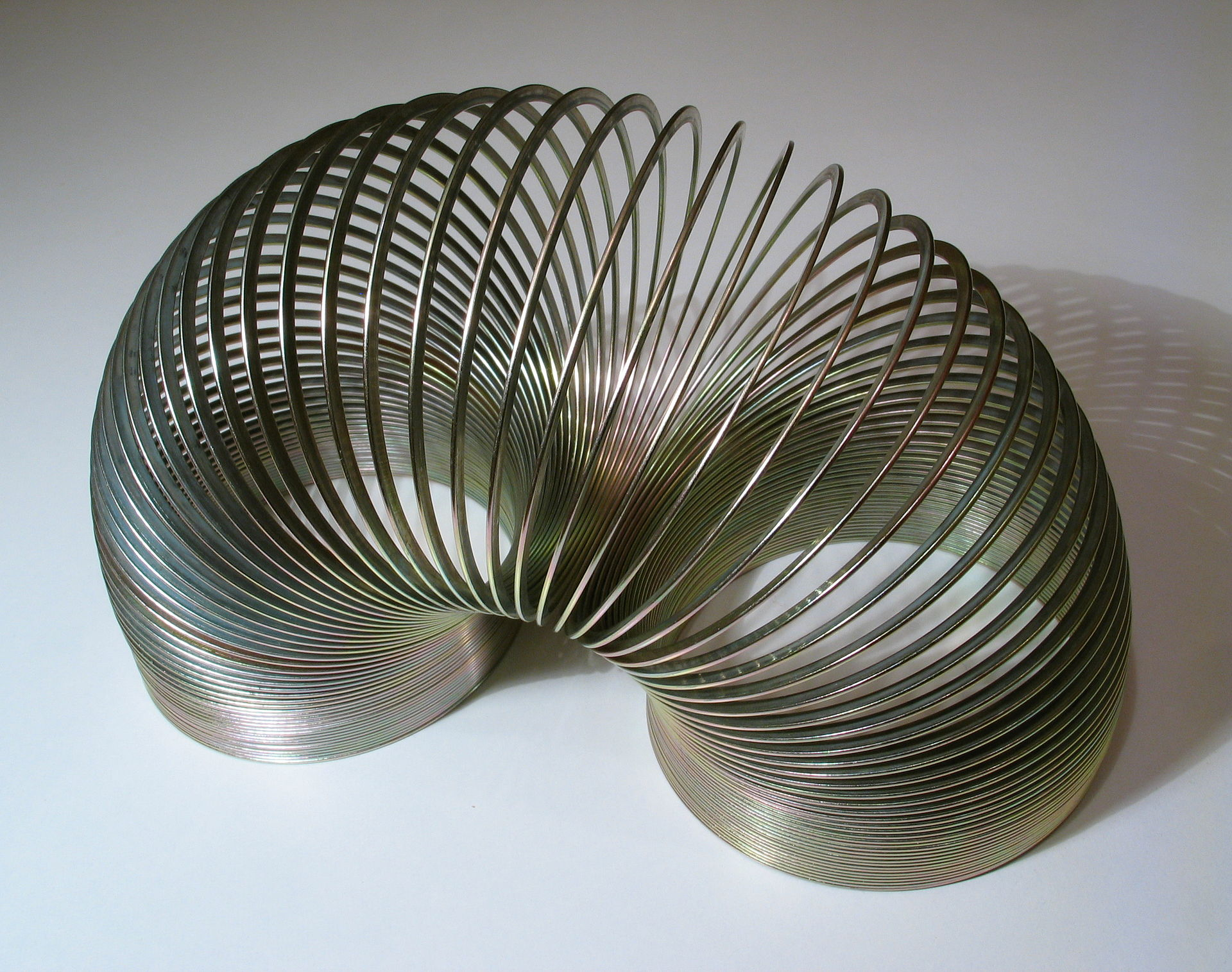
Some toys win through sheer simplicity, and none more so than the Slinky. Though it first appeared in the mid-1940s, the humble metal coil remained a beloved staple throughout the 1960s. Its trick was mesmerizing: set it at the top of a staircase, give it a nudge, and it would “walk” end over end down the steps, seeming to defy gravity. There were no batteries, no instructions, just a spring and a child’s imagination. Affordable enough for nearly any family, the Slinky represented a kind of magic found in the simplest of objects. Its enduring appeal across generations is a reminder that the best toys aren’t always the most complicated, and the Slinky still tumbles down staircases today.
Chatty Cathy

Before talking toys were everywhere, there was Chatty Cathy. Made by Mattel and hugely popular in the early 1960s, this doll amazed children with her ability to speak. A pull-string mechanism at the back triggered a small internal record, and Cathy would utter one of a rotating set of phrases, a genuine marvel of toy engineering at the time. For kids used to silent dolls, a toy that “talked back” felt almost alive, and Chatty Cathy became one of the decade’s most sought-after dolls. She paved the way for the talking toys that followed and remains a fond memory for many who grew up in the era, as well as a collectible prized by enthusiasts today.
Mouse Trap
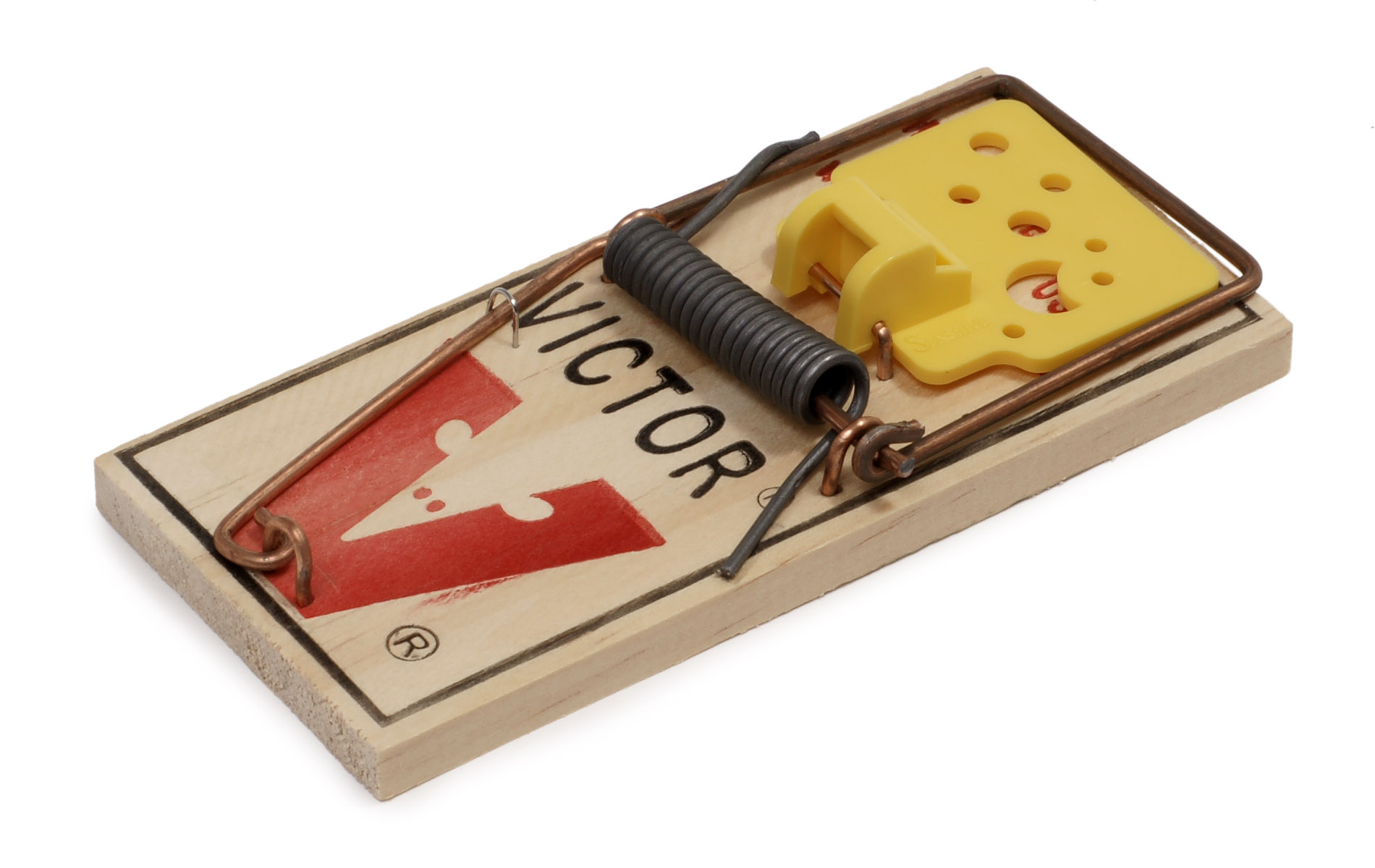
Board games flourished as family entertainment in the 1960s, and Mouse Trap stood out as something genuinely new. Introduced in 1963, it was one of the first mass-produced three-dimensional board games, and half the fun was building it. Players worked together to assemble an elaborate Rube Goldberg-style contraption, a staircase, a bathtub, a seesaw, and more, piece by piece across the board. Then the cooperation ended: once the trap was complete, players turned on each other, trying to spring the wobbly plastic mechanism to catch a rival’s mouse-shaped piece. The combination of construction, slapstick mechanics, and friendly rivalry made it a favorite, and its zany contraption remains one of the most memorable board games of the decade.
Lite-Brite
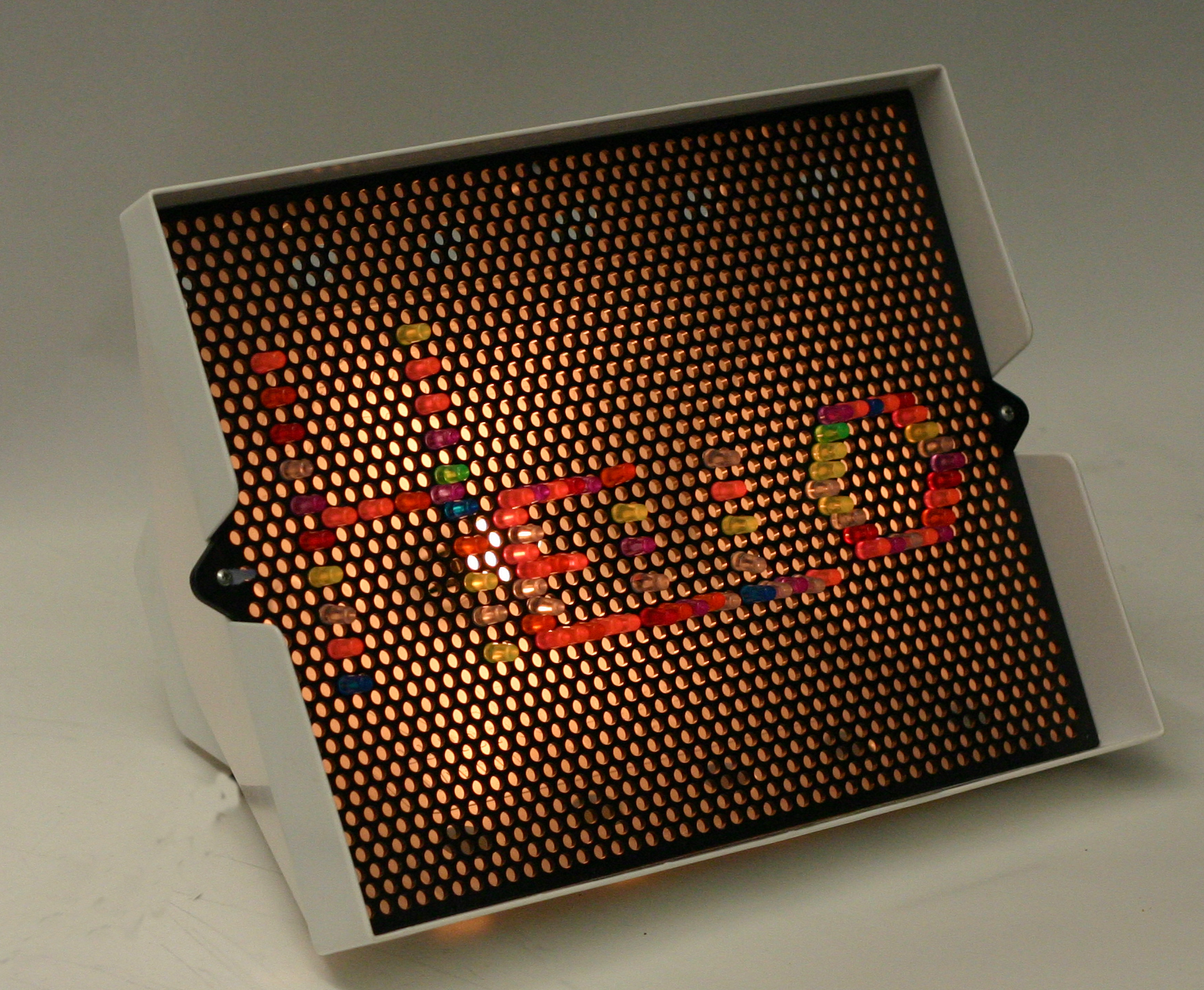
Lite-Brite let children quite literally make pictures with light. Released by Hasbro in 1967, the toy consisted of a light box and a supply of small, colored translucent pegs. Kids pushed the pegs through a sheet of black paper following a template, or freehand, and when the box was switched on, the design glowed brilliantly in a darkened room. The effect was dazzling, turning a simple peg pattern into a luminous work of art. It combined creativity with the irresistible appeal of glowing color, and the satisfying click of each peg finding its hole. Lite-Brite captured the era’s love of bright, modern design and remains a nostalgic favorite, having been reissued for new generations of young artists.
Spirograph
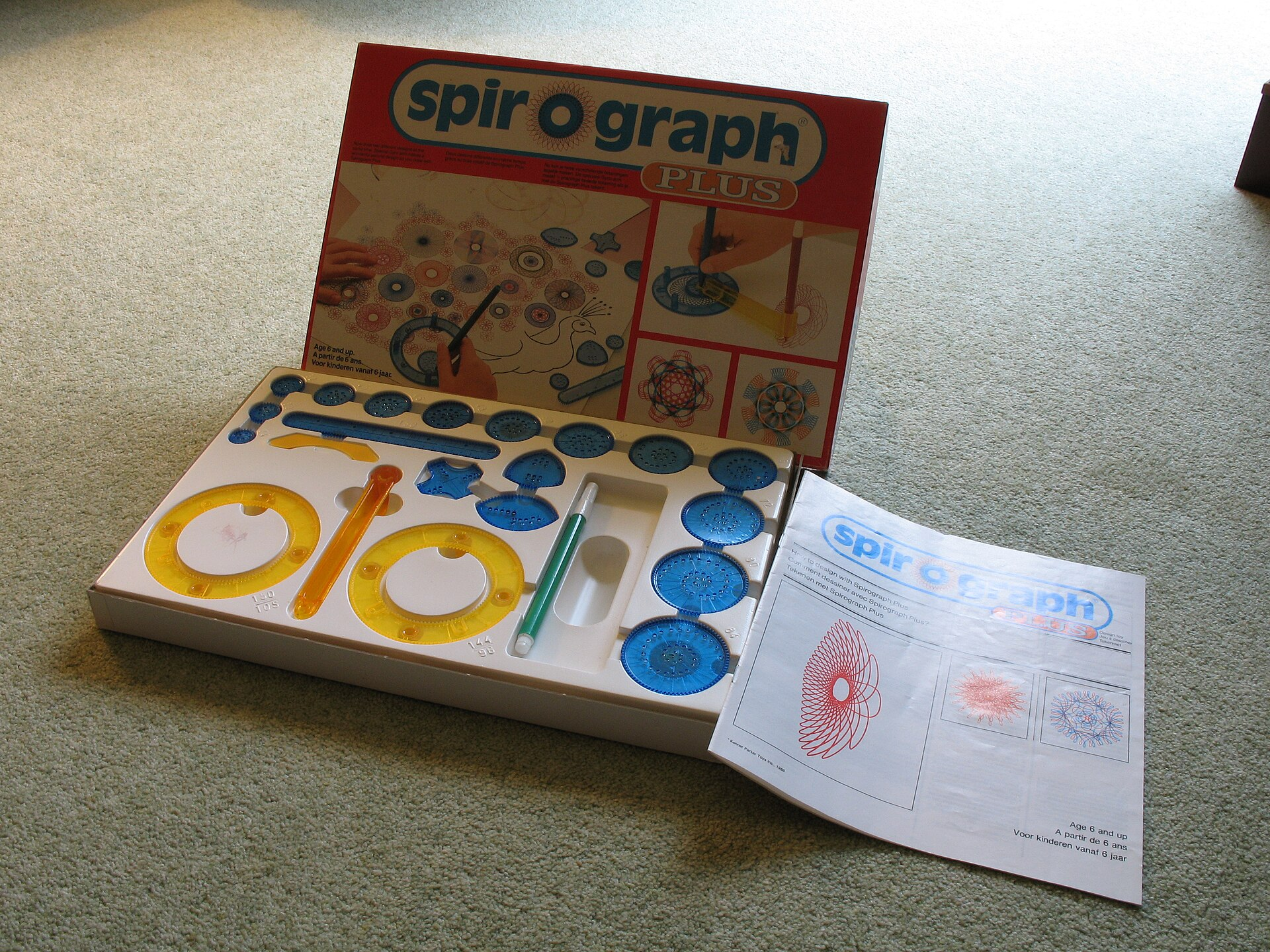
For the budding mathematician-artist, nothing beat the Spirograph. The drawing kit, which became popular in the mid-1960s, used a set of plastic gears and rings with small holes for a pen. By holding one piece steady and tracing a pen around the rotating gears, children produced intricate, looping geometric patterns that looked impossibly complex for something so easy to make. Each combination of gear and hole created a different mesmerizing design, and the results felt like genuine art. It was the rare toy that was equal parts play and craft, steadily teaching geometry while kids thought they were just making pretty pictures. Spirograph captured the decade’s fascination with science and design and remains a beloved creative classic.
A Generation’s Toy Box
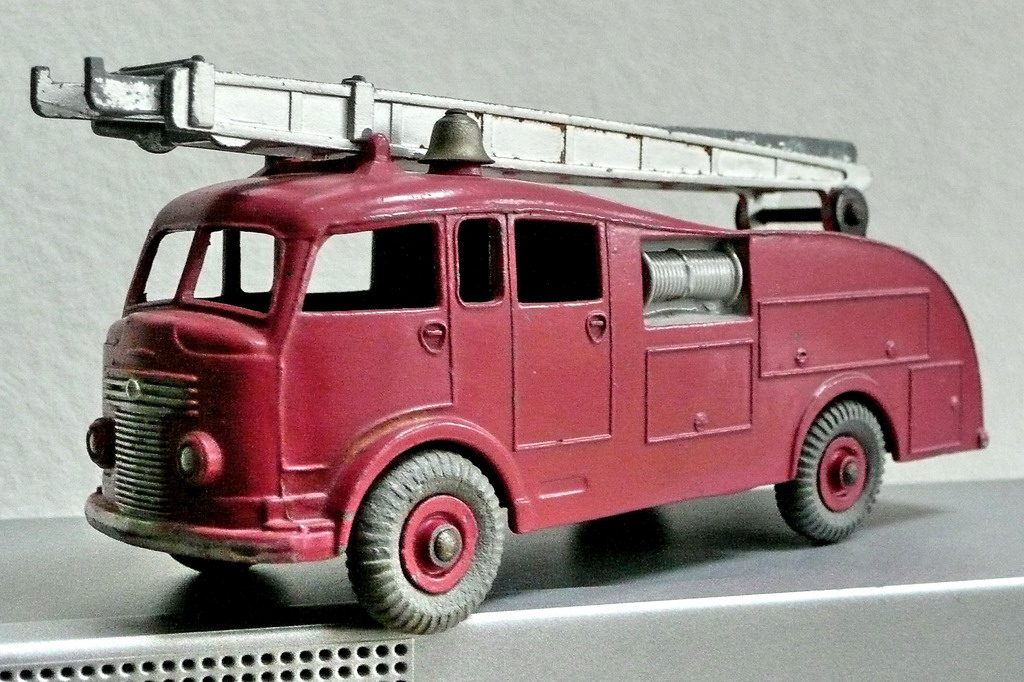
The toys of the 1960s reflected their era perfectly: optimistic, inventive, and shaped by new technology and the marketing power of television. From Barbie’s fashion dreams to the magic of an Easy-Bake cake, the thrill of a Hot Wheels loop, and the glow of Lite-Brite, these toys sparked imaginations in ways that still resonate. Many endured precisely because they got something right, whether it was open-ended creativity, clever engineering, or simple, timeless fun. For those who grew up with them, these toys are more than playthings; they’re a direct line back to childhood. And the fact that so many are still made today is the surest sign of just how special they were.
Like our content? Follow us for more.