When travelers picture Europe’s great outdoors, the same few places come to mind: the Alps, the Dolomites, maybe Croatia’s famous Plitvice Lakes. But the continent’s protected wilderness runs far deeper than its greatest hits. Scattered across the Balkans, Scandinavia, and beyond are national parks of jaw-dropping beauty that most people, even seasoned travelers, have never heard of, places where you can hike past glacial lakes, sandstone towers, deep canyons, and ancient forests with hardly another tourist in sight. They offer the same awe as the famous spots, often with more solitude and lower prices. Here are some of Europe’s most spectacular under-the-radar national parks worth seeking out, and what makes each one so special.
Durmitor National Park, Montenegro
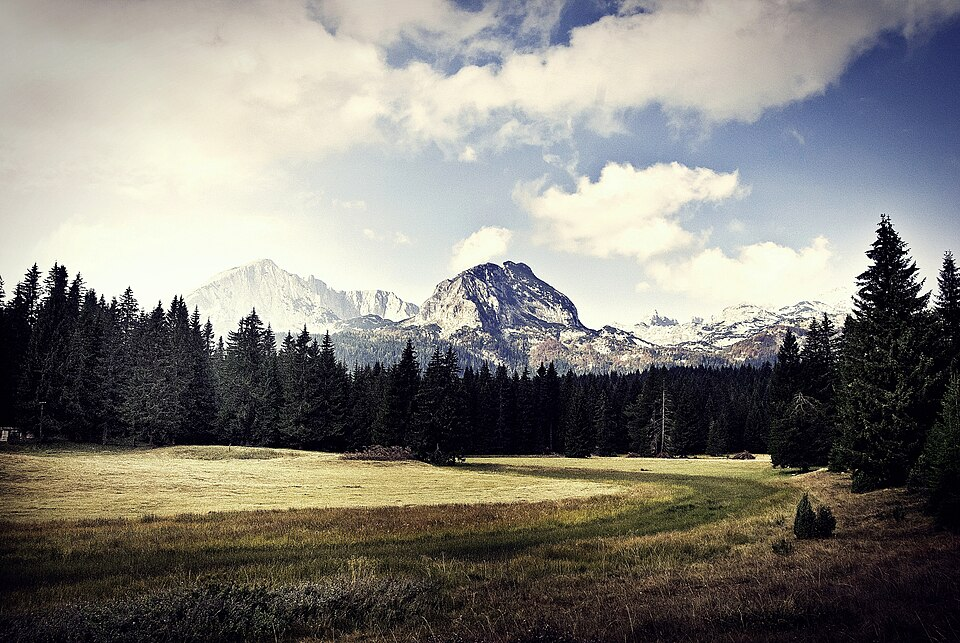
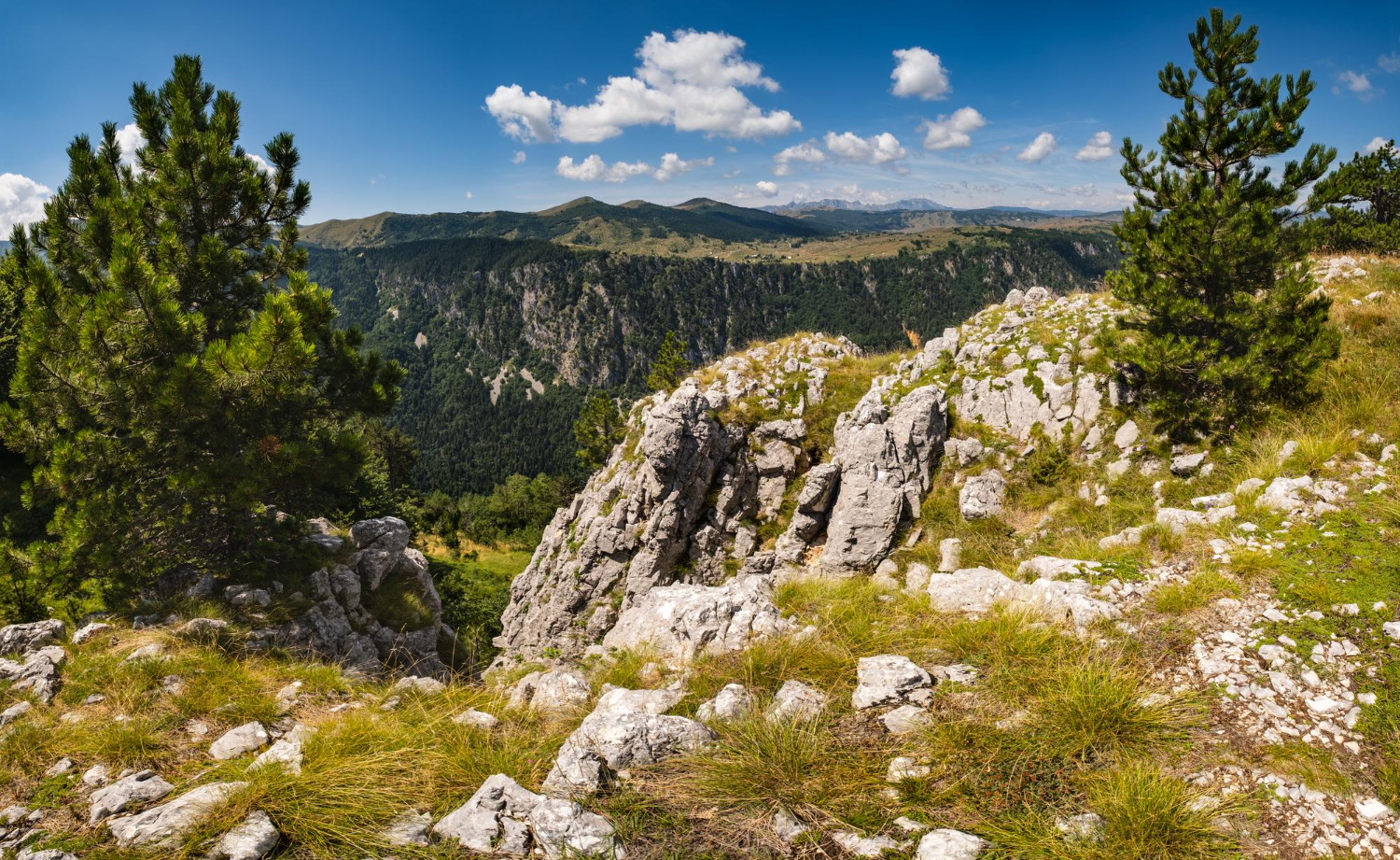
A UNESCO World Heritage site in Montenegro’s rugged north, Durmitor is a paradise for mountain lovers that remains surprisingly under-visited. Its dramatic landscape shifts quickly from dense pine forest to open alpine plateaus ringed by jagged peaks, dotted with eighteen shimmering glacial lakes poetically known as “mountain eyes.” The park is also home to the Tara River Canyon, the deepest gorge in Europe and a world-class spot for white-water rafting. In summer, wildflower meadows blanket the high country; in winter, the whole region becomes a quiet, snow-covered wonderland. With excellent hiking, rafting, and raw natural beauty rivaling far more famous destinations, Durmitor delivers a true wilderness experience in one of Europe’s most underrated corners.
Like our content? Follow us for more.
Saxon Switzerland, Germany
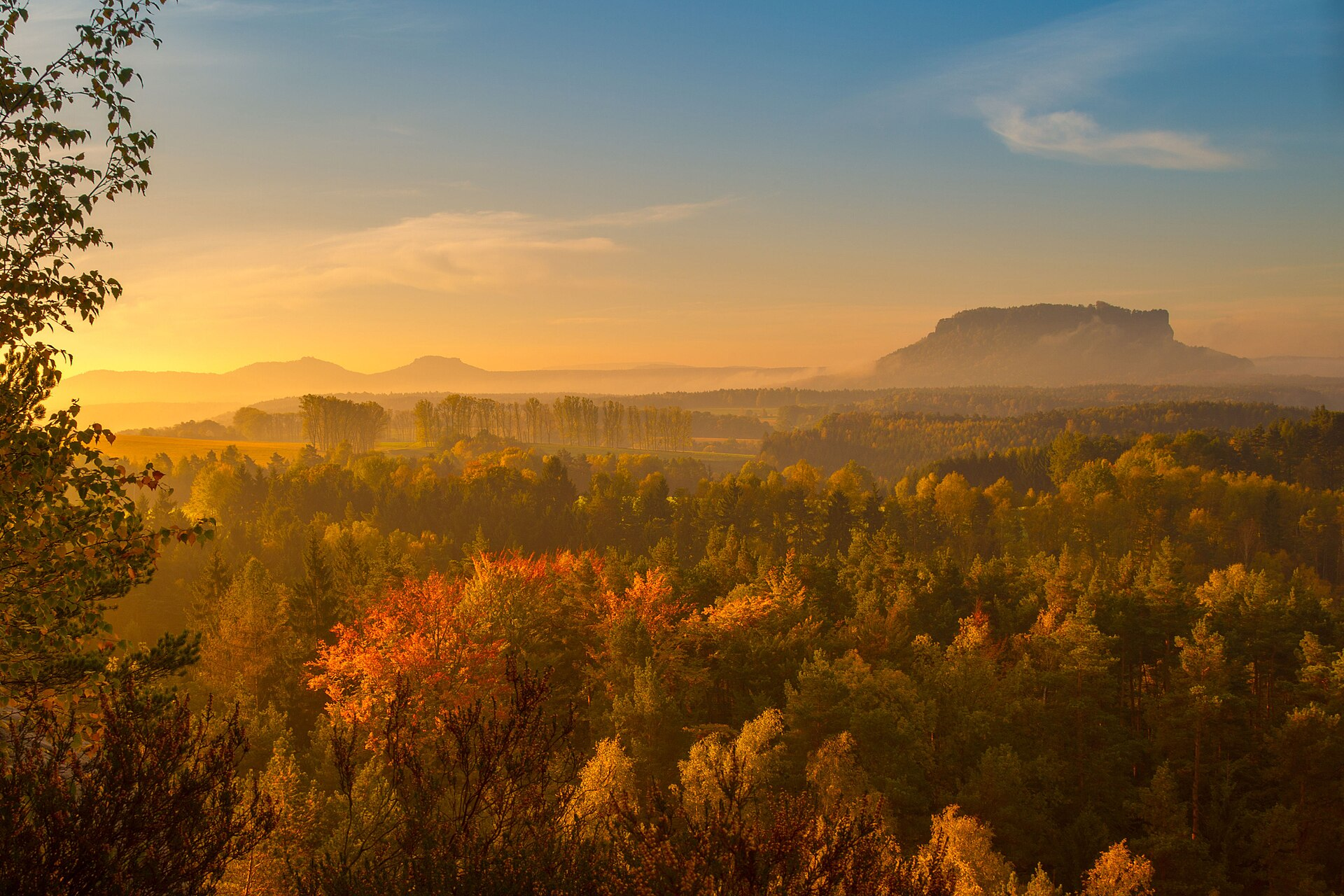
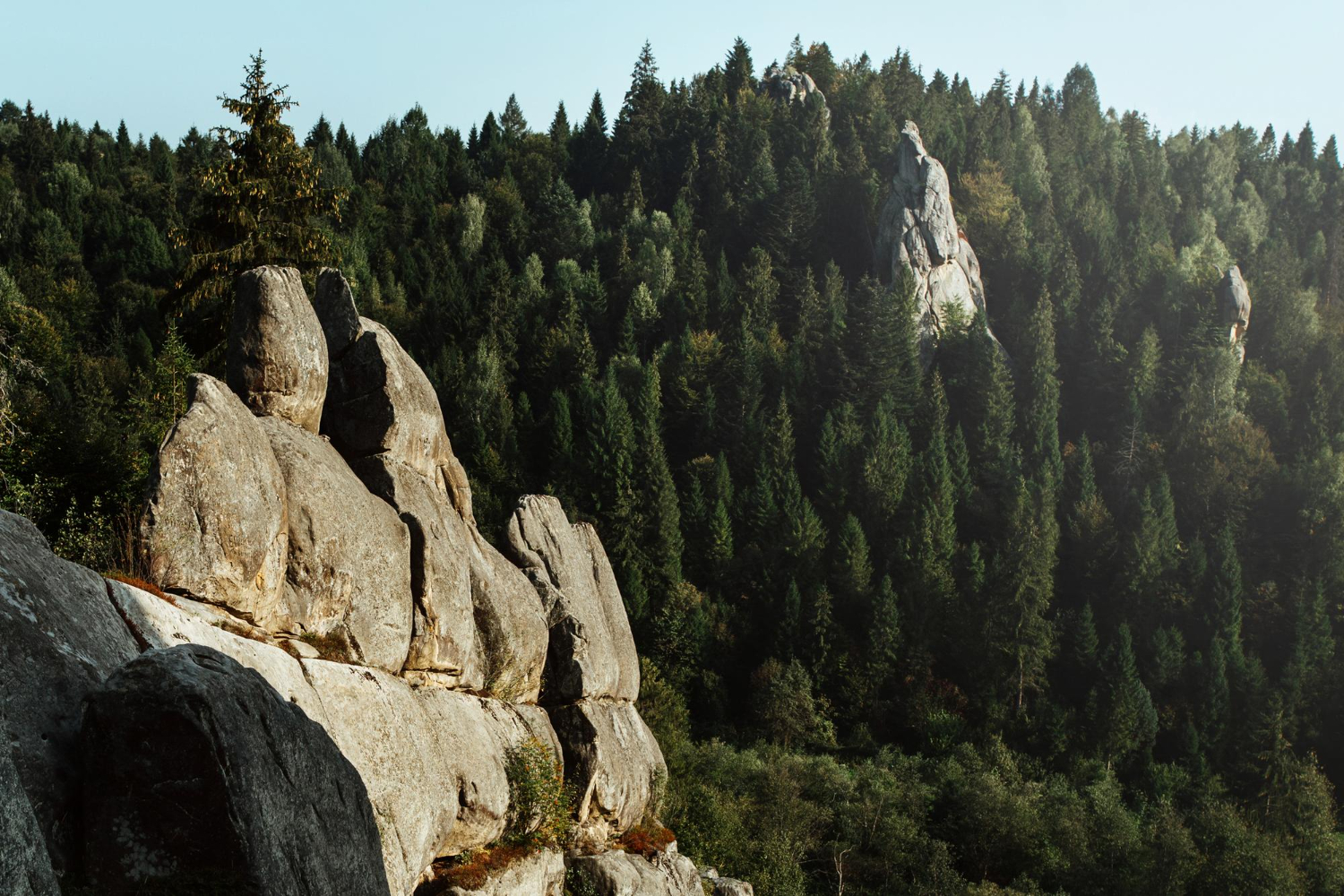
Despite its name, Saxon Switzerland National Park lies in eastern Germany, near the Czech border, and its landscape is unlike anywhere else in the country. Here, millions of years of erosion have sculpted the Elbe Sandstone Mountains into a surreal maze of towering rock pillars, narrow gorges, and dramatic cliffs rising above the forest. The park’s most famous landmark is the Bastei, a spectacular formation of rock spires linked by a historic bridge perched high above the Elbe River, offering one of the most jaw-dropping viewpoints in Germany. A haven for hikers and rock climbers, the park feels like a fantasy realm. For travelers seeking dramatic, otherworldly scenery just a short trip from Dresden, Saxon Switzerland is an unforgettable surprise.
Pirin National Park, Bulgaria
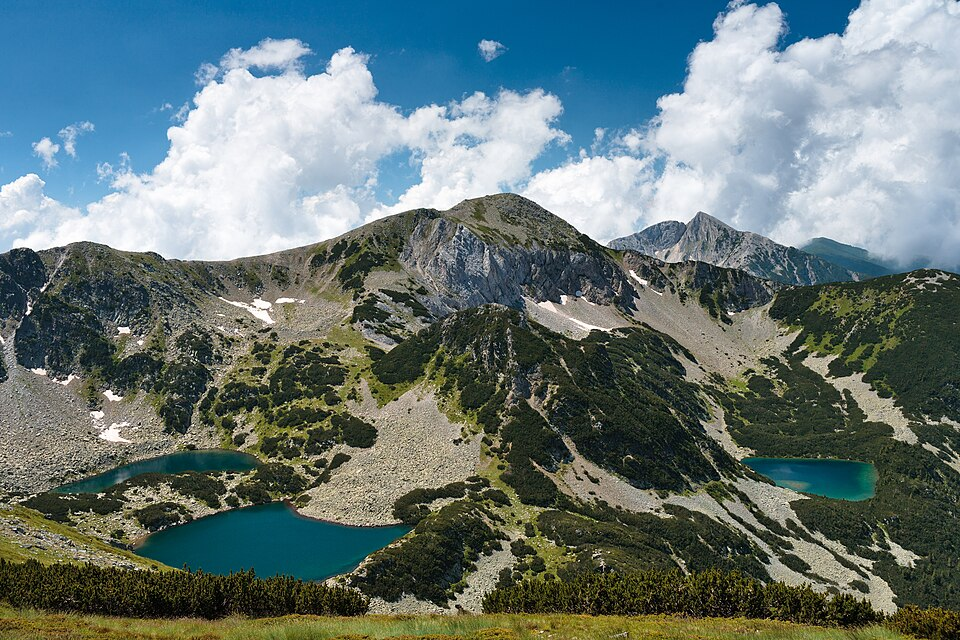
Tucked into southwestern Bulgaria, Pirin National Park is a UNESCO-listed wonderland that genuinely rivals the Alps in beauty, while seeing only a tiny fraction of the visitors. Jagged limestone and marble peaks soar above more than a hundred crystal-clear glacial lakes, with centuries-old pine forests sheltering rare wildlife including brown bears and wolves. Ambitious hikers can summit Vihren, Bulgaria’s second-highest peak at nearly 2,914 meters, for sweeping views across the range. The park’s combination of high mountains, alpine lakes, and ancient woodland makes it a dream for trekkers seeking grandeur without the crowds or high prices of Western Europe. For anyone who loves mountain scenery, Pirin is one of the continent’s best-kept secrets.
Calanques National Park, France
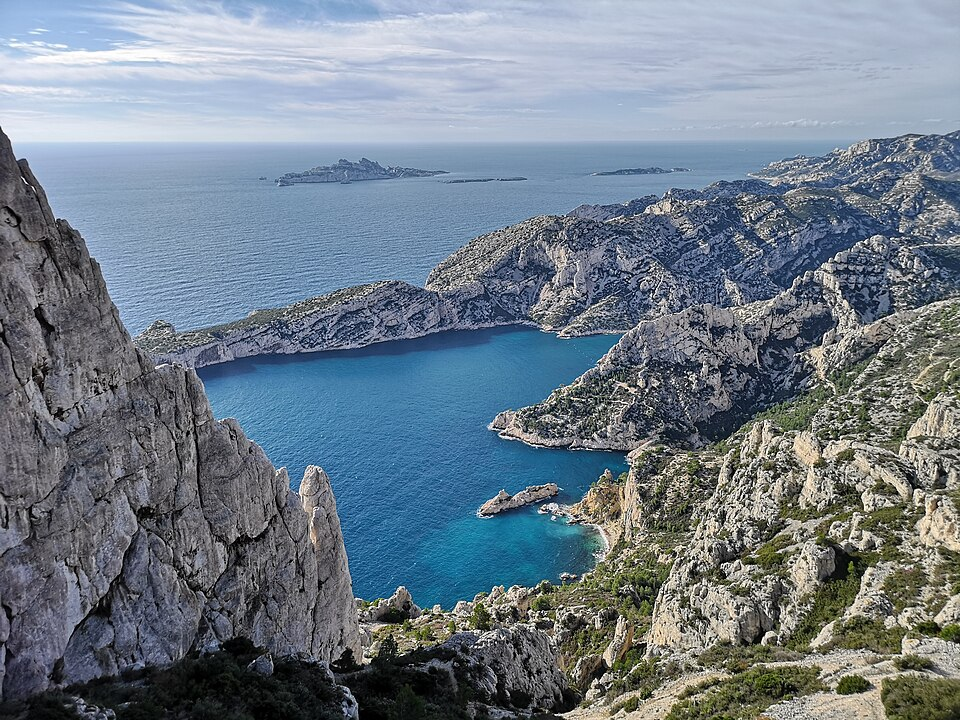
While summer crowds swarm the beaches of the nearby French Riviera, savvy travelers slip away to Calanques National Park, a stretch of rugged coastline between Marseille and Cassis. The park is famous for its calanques, dramatic limestone cliffs plunging into turquoise Mediterranean waters, sheltering tiny coves and hidden white-pebble beaches. Some of these coves are reachable only by boat, kayak, or a strenuous hike, which keeps them gloriously uncrowded. The water is a snorkeler’s dream, home to octopuses, seahorses, and colorful marine life. With its combination of towering cliffs, secret beaches, and clear blue sea, Calanques offers the beauty of the Mediterranean in its wildest, most unspoiled form, a striking contrast to the resort towns just down the coast.
Soomaa National Park, Estonia
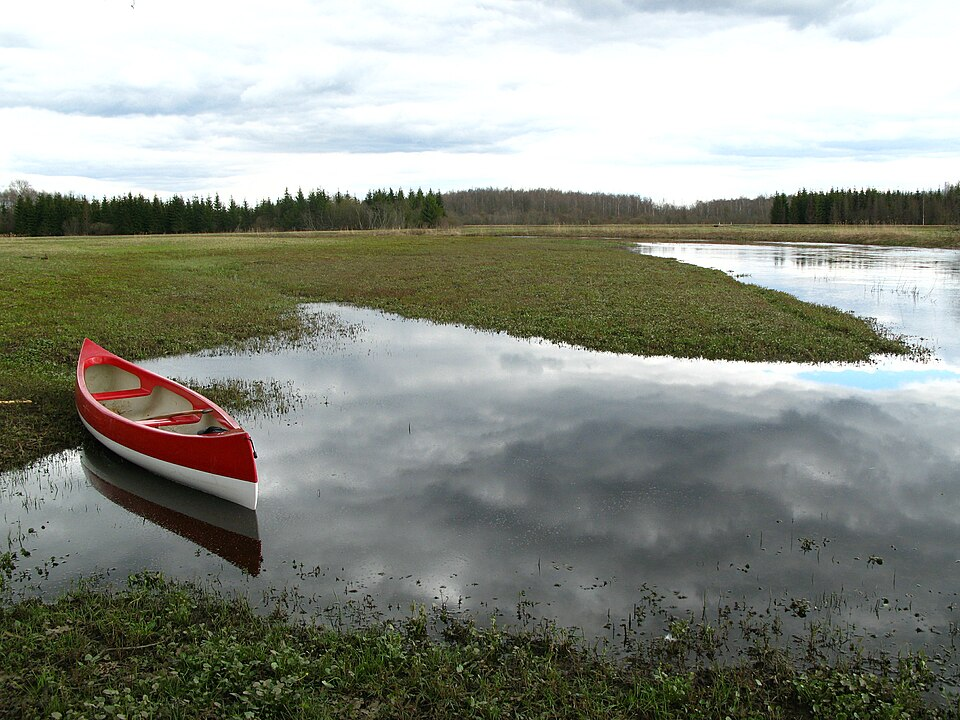
For something genuinely unusual, head to Soomaa National Park in Estonia, often called the country’s wilderness capital. This vast landscape of bogs, forests, rivers, and floodplains is famous for a quirk found almost nowhere else: its so-called “fifth season.” Each year, after the spring thaw or heavy rains, the park floods so completely that the primary way to get around becomes the canoe, with water covering fields, forests, and even some roads. Visitors paddle silently through submerged woodland in an experience that feels otherworldly. Beyond the floods, Soomaa offers boardwalk trails across ancient peat bogs, abundant birdlife, and deep tranquility. For travelers craving raw, peaceful nature and a truly unique phenomenon, this little-known Estonian gem is unforgettable.
Vikos–Aoös National Park, Greece
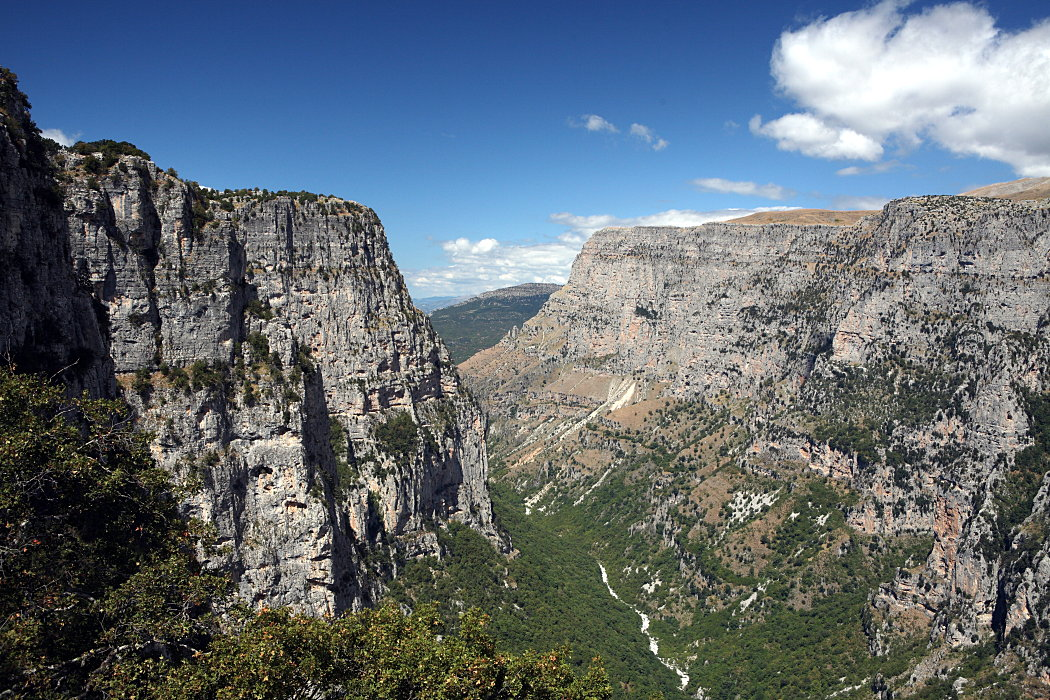
When people think of Greece, they picture islands and beaches, not dramatic mountain gorges, which is exactly why Vikos–Aoös National Park in the remote Zagori region of the mainland’s northwest is so overlooked. The park’s centerpiece is the Vikos Gorge, often cited among the deepest canyons in the world relative to its width, plunging dramatically through limestone cliffs. The surrounding region is dotted with traditional stone villages connected by elegant old arched bridges, offering a glimpse of a Greece few tourists ever see. Hikers can trek the gorge, explore mountain trails, and soak in scenery utterly different from the postcard islands. For travelers wanting to discover Greece’s wild, mountainous heart, Vikos–Aoös is a spectacular revelation.
Mljet National Park, Croatia
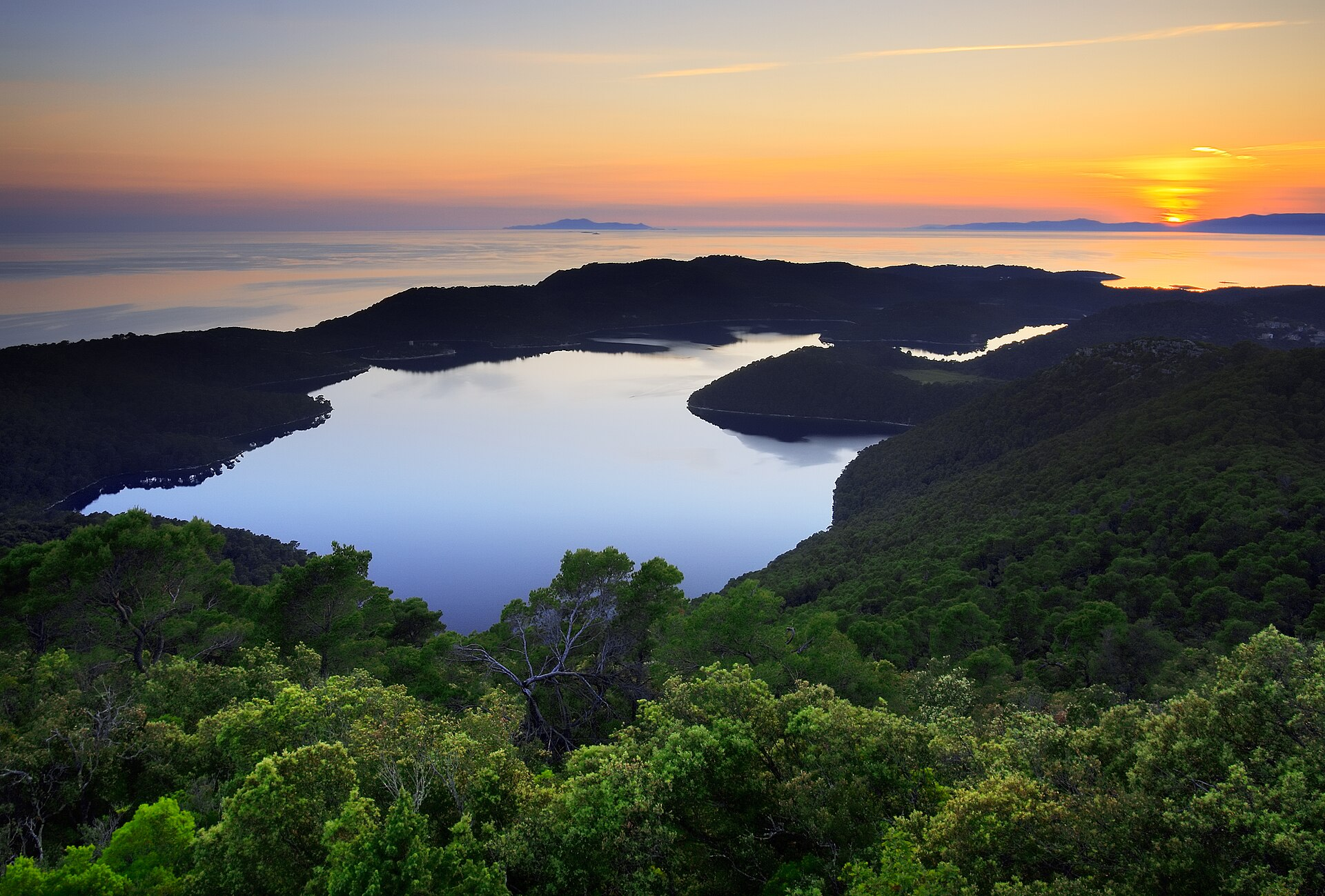
Croatia’s Plitvice Lakes get all the attention, but the island of Mljet, reachable by ferry from Dubrovnik, hides a national park of serene, lesser-known beauty. The protected area encompasses two striking saltwater lakes, Malo and Veliko Jezero, linked by a narrow channel and surrounded by lush pine forest. Trails for walking and cycling wind around the glassy water, leading to quiet beaches, while kayaking and swimming are popular in the calm lakes. At the heart of the larger lake sits a tiny islet crowned by a centuries-old Benedictine monastery, reachable by boat. Peaceful, green, and refreshingly uncrowded compared to Croatia’s mainland hotspots, Mljet offers an idyllic island-and-forest escape for travelers seeking tranquility and natural beauty.
Doñana National Park, Spain
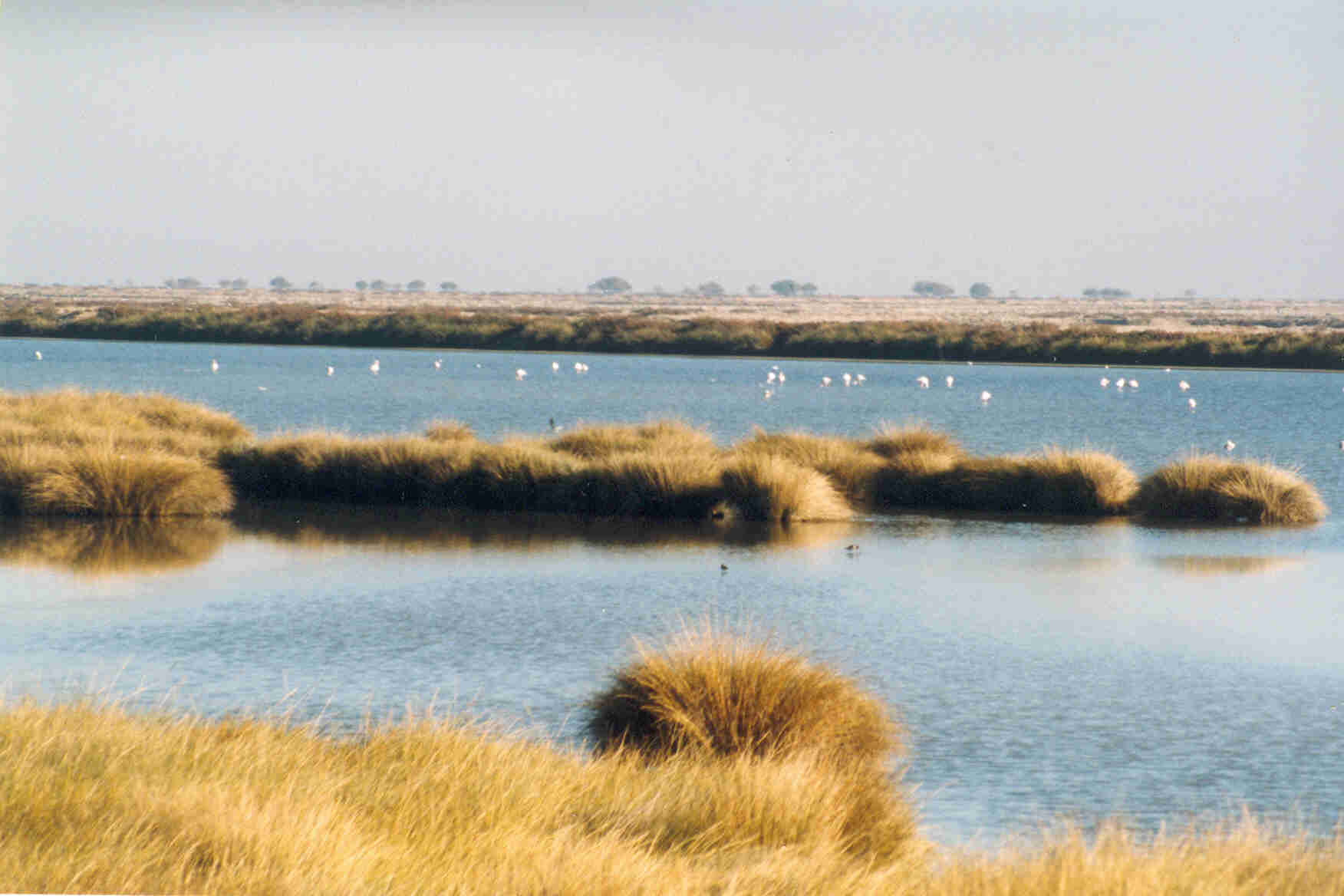
Just southwest of Seville, Doñana National Park is one of Europe’s most important wetlands and a UNESCO World Heritage site, yet it stays off most travelers’ radar. This unique landscape of shifting sand dunes, salt marshes, and grasslands forms a vital haven for wildlife, especially birds. More than two hundred species have been recorded here, from flocks of pink flamingos to the rare Spanish imperial eagle, and the park is also a last refuge for the endangered Iberian lynx. Guided tours take visitors deep into a mosaic of habitats teeming with life. For nature and wildlife lovers, particularly birdwatchers, Doñana offers an extraordinary experience just a short drive from one of Spain’s most popular cities, with a fraction of the crowds.
Sarek National Park, Sweden
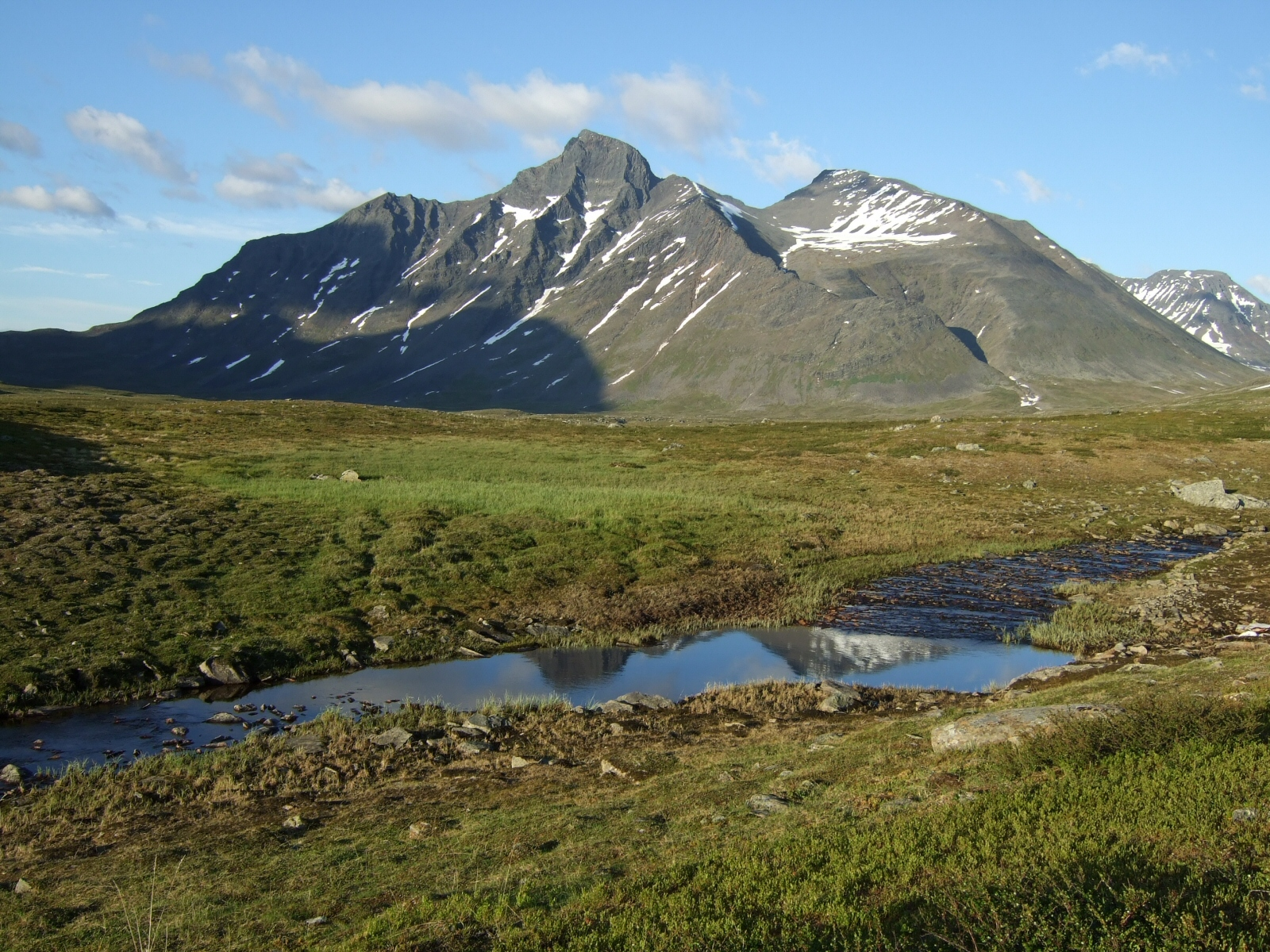
For true, untamed wilderness, few places in Europe compare to Sarek National Park in Swedish Lapland, deep inside the Arctic Circle. One of the continent’s oldest national parks and among its most remote, Sarek has no roads, no marked trails, and no facilities, just a vast, raw expanse of jagged peaks, glaciers, thundering rivers, and broad valleys. It’s a destination for experienced, self-sufficient hikers and adventurers seeking genuine solitude in one of Europe’s last great wildernesses. Reindeer roam the valleys, herded by the Indigenous Sámi people whose homeland this is. Visiting requires serious preparation, but the reward is a profound sense of isolation and untouched natural grandeur. For the adventurous, Sarek is one of Europe’s ultimate wild experiences.
Triglav National Park, Slovenia
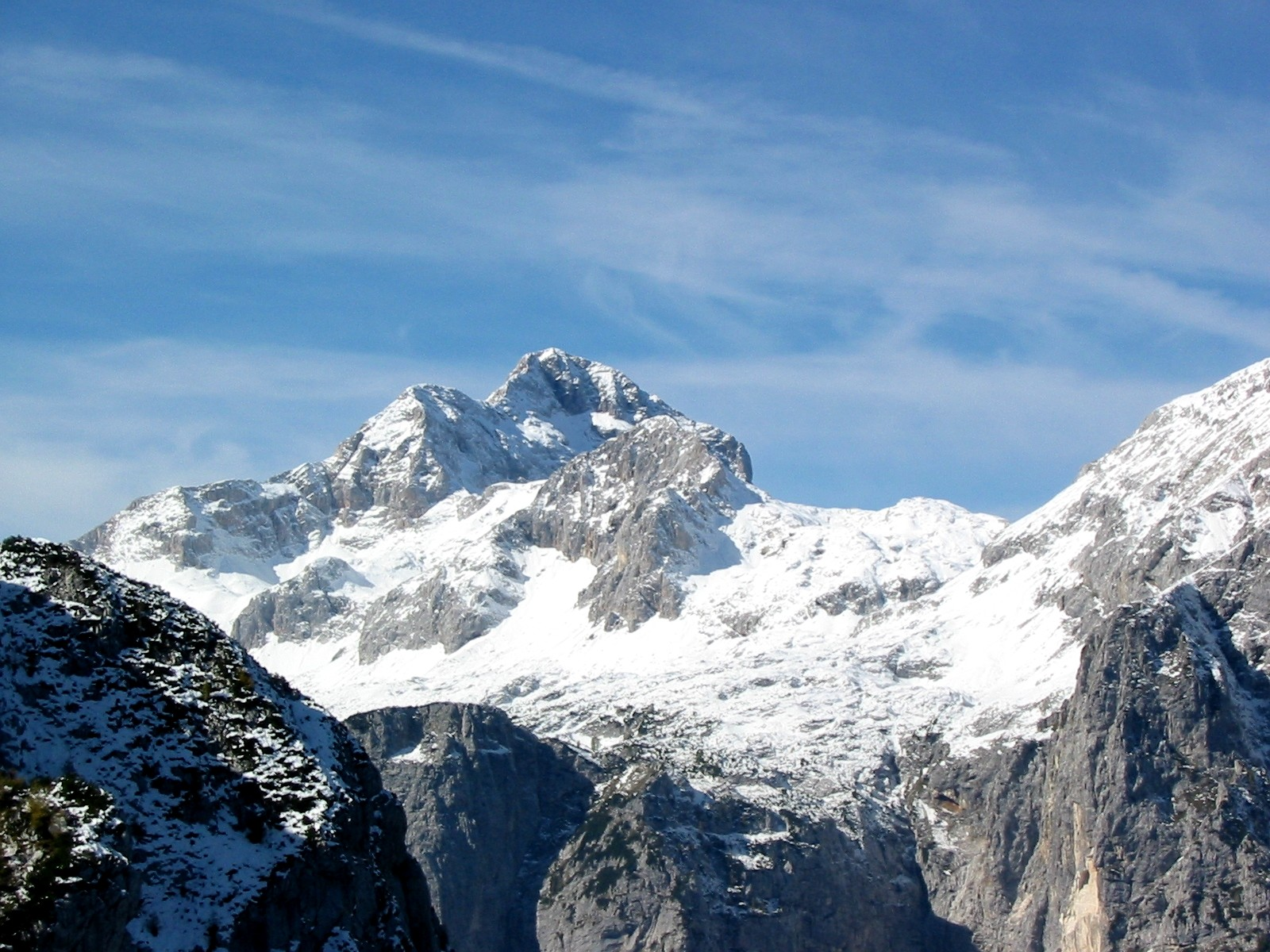
Slovenia’s only national park, Triglav, protects a glorious swath of the Julian Alps and remains underappreciated next to the better-known ranges of neighboring Austria and Italy. Named after the country’s highest peak, the park is a wonderland of soaring mountains, deep valleys, emerald rivers, and serene glacial lakes, including the tranquil Lake Bohinj, a quieter alternative to famous Lake Bled just outside the park. Hiking trails range from gentle valley walks to challenging alpine ascents, and the scenery is consistently spectacular. With its combination of dramatic peaks, crystalline waters, and a fraction of the crowds found in the more famous Alps, Triglav is a paradise for nature lovers and a fitting symbol of Slovenia’s astonishing natural beauty.
Seek Out Europe’s Wild Side
Europe’s most famous landscapes are famous for good reason, but they’re far from the whole story. These under-the-radar national parks, from the sandstone spires of Germany to the Arctic wilderness of Swedish Lapland, prove that the continent still holds plenty of wild, awe-inspiring places where you can escape the crowds entirely. Visiting them often means richer encounters with nature, more solitude, and the satisfaction of discovering somewhere genuinely special. Many are easily paired with a nearby famous city or region, making them simple to add to a wider trip. So next time you plan a European adventure, consider stepping off the well-trodden path and into one of these spectacular, lesser-known parks, where Europe’s wild heart is still beating.
Like our content? Follow us for more.