Some trips you plan around a single destination. Italy is the rare country you could plan a lifetime of trips around and still not run out of things that stop you in your tracks. Its greatest sights are famous for a reason: they have drawn travelers for centuries, and standing in front of them in person tends to exceed even the high expectations the photographs create. This is a tour of the big ones, the iconic landmarks and landscapes that belong on any first-time itinerary, with a sense of why each has earned its place. Consider it a starting point for the trip of a lifetime.
The Colosseum, Rome
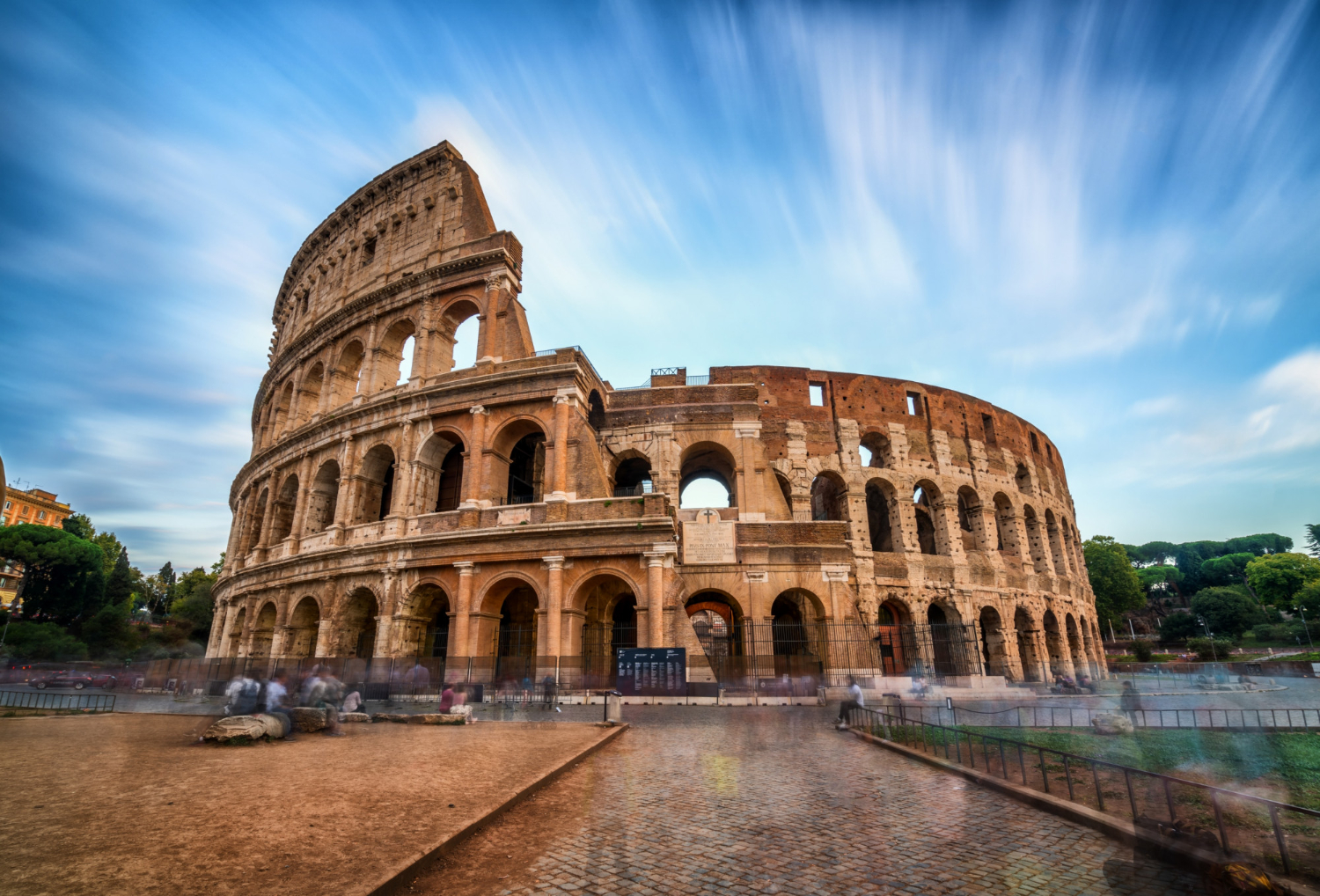
No building says “ancient Rome” quite like the Colosseum. Completed in the first century, this vast amphitheater once held tens of thousands of spectators for public spectacles, and even in its weathered, partial state it remains staggering in scale.
Walking through its arches and looking down into the exposed underground chambers, where the machinery and holding areas once operated, brings the ancient world startlingly close. It anchors a corner of Rome dense with ruins, including the Roman Forum and Palatine Hill, making it the natural first stop for anyone meeting the Eternal City.
Like our content? Follow us for more.
Vatican City and St. Peter’s Square
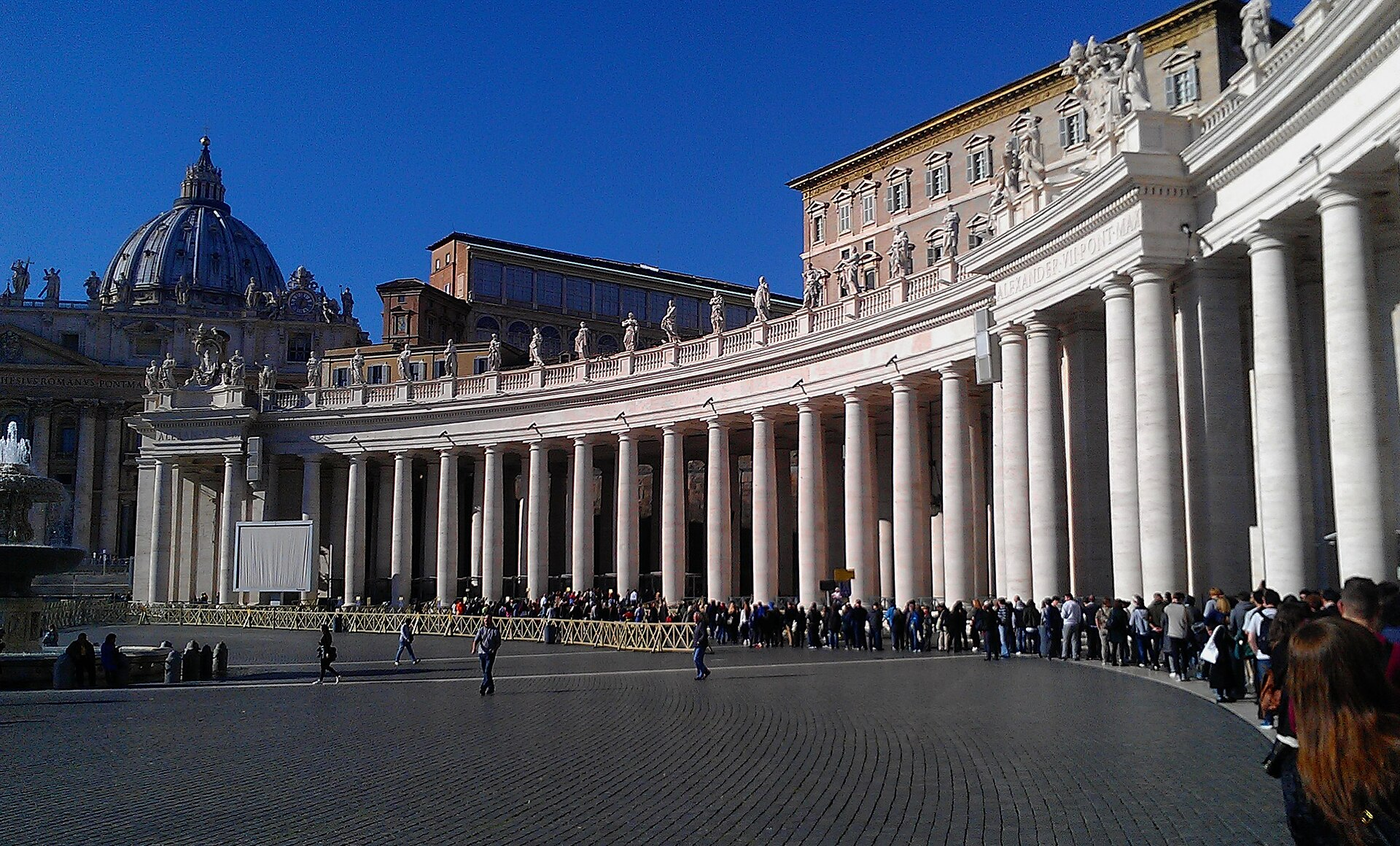
Within Rome lies the world’s smallest independent state, and it contains some of its greatest art and architecture. St. Peter’s Square, framed by sweeping colonnades, opens onto the largest church in the world, crowned by Michelangelo’s enormous dome.
Whether or not a visitor is religious, the sheer ambition of the place is overwhelming. The basilica, the square, and the nearby museums together represent one of the densest concentrations of human artistic achievement anywhere, and few travelers leave unmoved by the scale of it all.
The Grand Canal, Venice
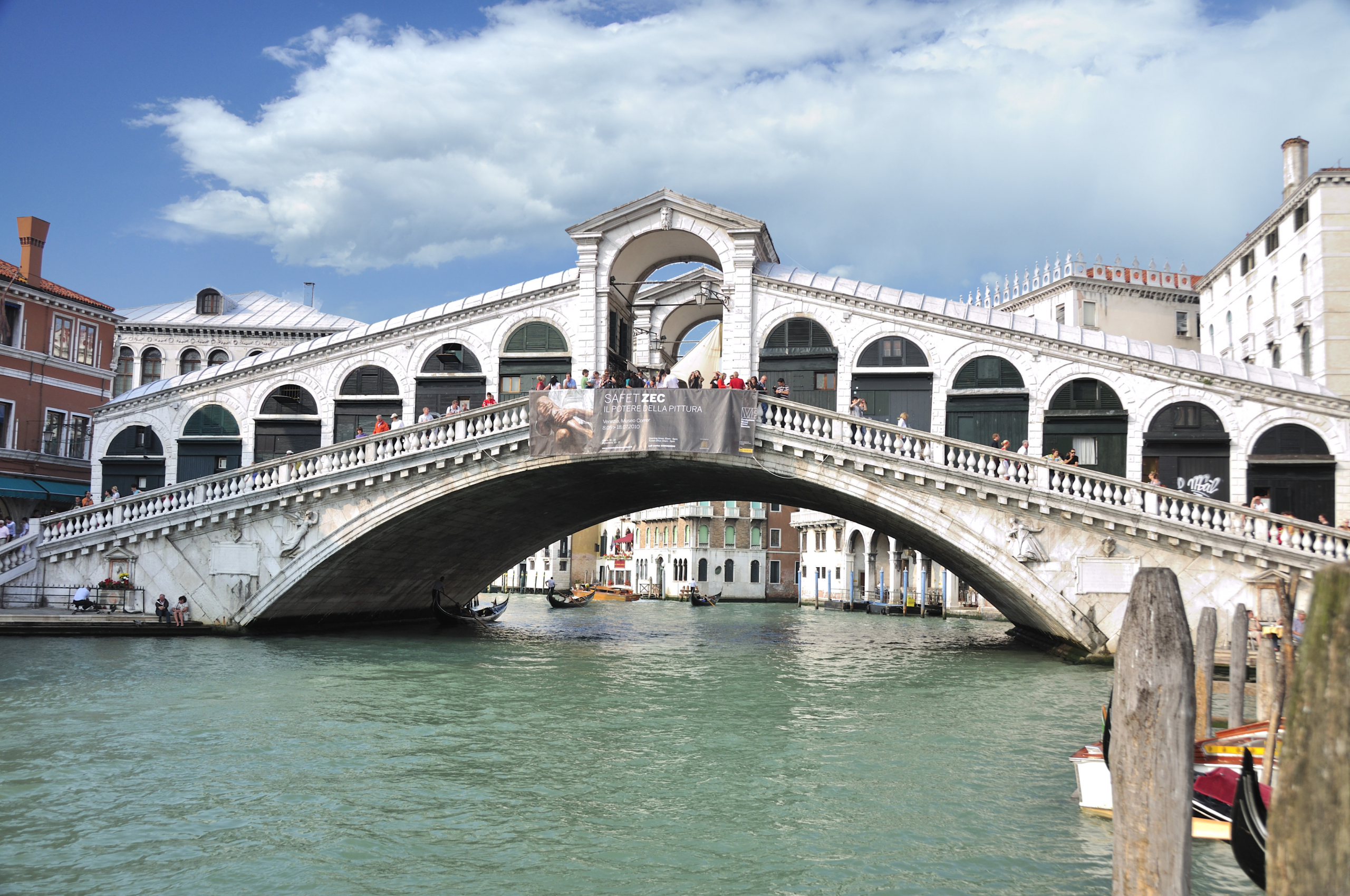
Venice is a city unlike any other, built across a lagoon and threaded with canals instead of streets, and its Grand Canal is the spectacular main artery. Lined with centuries-old palaces and crossed by graceful bridges, it is best experienced from the water.
A ride along its length, whether by public water bus or by gondola, passes a procession of facades that once displayed the wealth of a great maritime republic. That Venice exists at all, a city of stone and art rising straight from the sea, is one of the wonders of the traveling world.
Florence and the Tuscan Hills
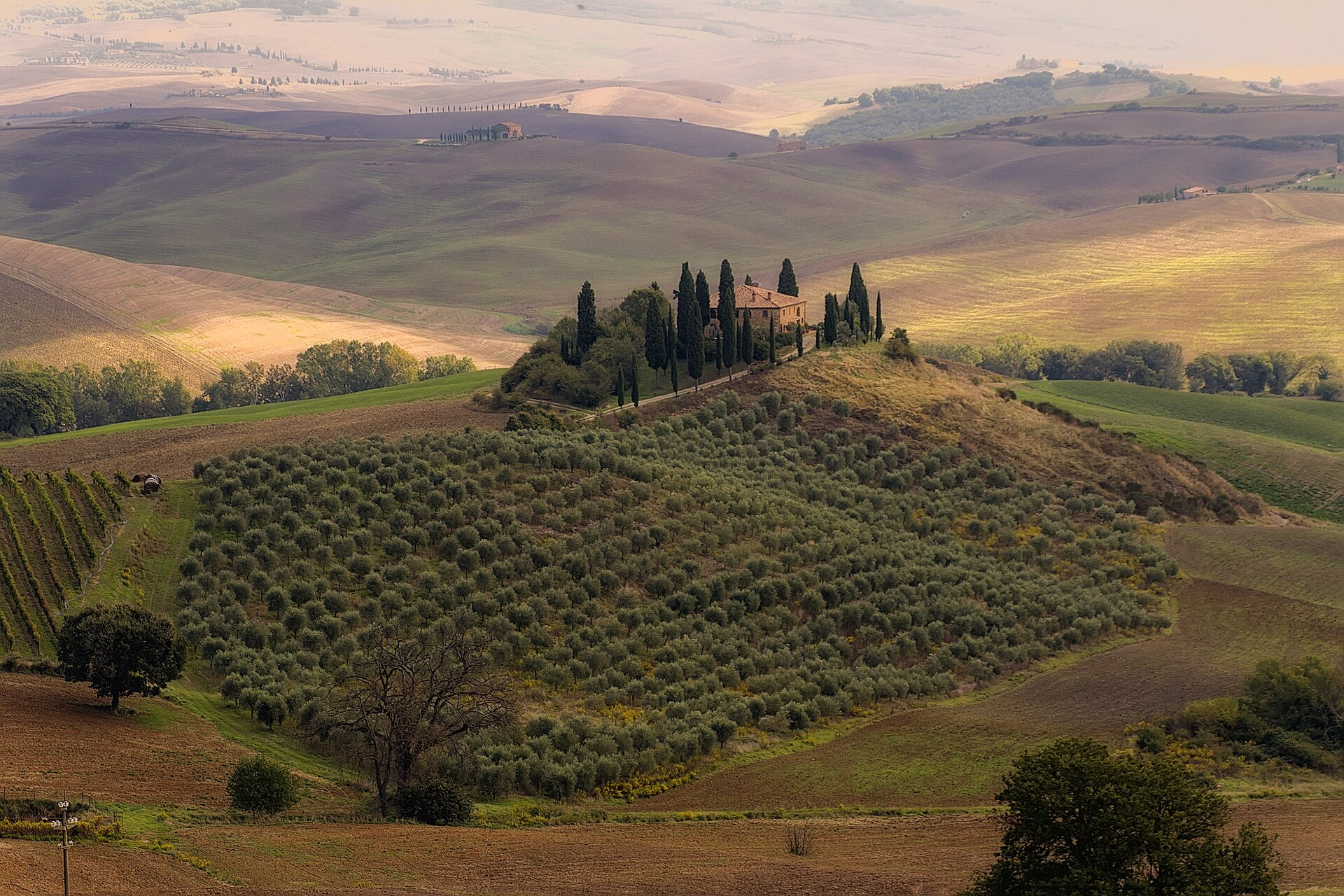
Florence is the jewel of central Italy, a compact city packed with art and crowned by the great dome of its cathedral. Beyond the city, the surrounding Tuscan countryside delivers the landscape that has become shorthand for rural Italy itself.
Rows of cypress trees line gravel roads, vineyards and olive groves roll toward the horizon, and hilltop towns glow gold in the late afternoon light. Pairing a few days in Florence with a drive through the Tuscan hills captures two essential faces of Italy: its urban genius and its timeless countryside.
The Amalfi Coast
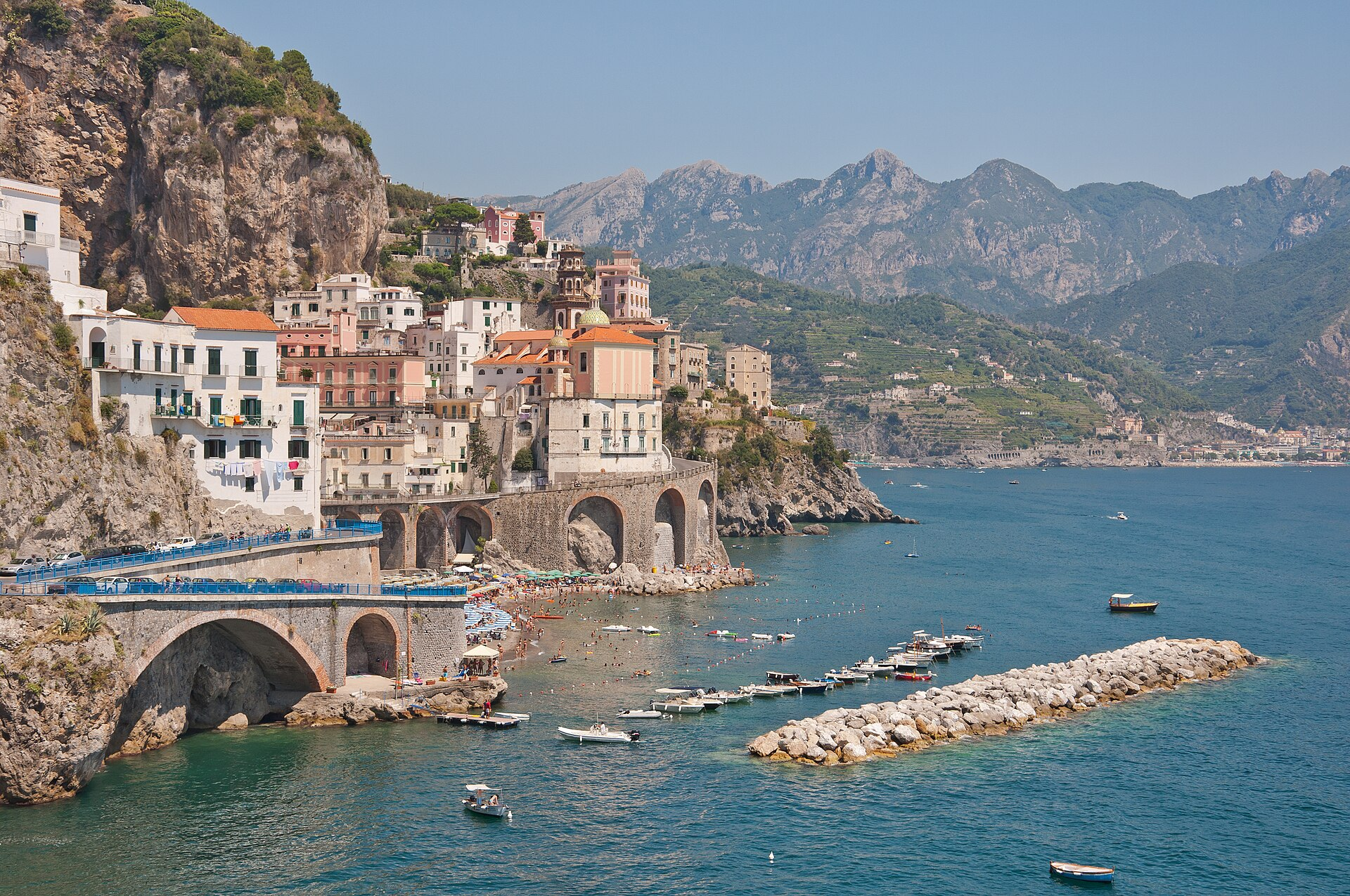
In the country’s south, the Amalfi Coast offers some of the most dramatic coastal scenery in Europe. Pastel villages cling to near-vertical cliffs above a brilliant blue sea, connected by a famously winding road that hugs the mountainside.
Towns like Positano and Amalfi tumble down toward the water in cascades of color, and the views around every bend explain why this stretch of coastline has enchanted travelers for generations. It is a place to slow down, eat well, and let the scenery do the work.
Lake Como
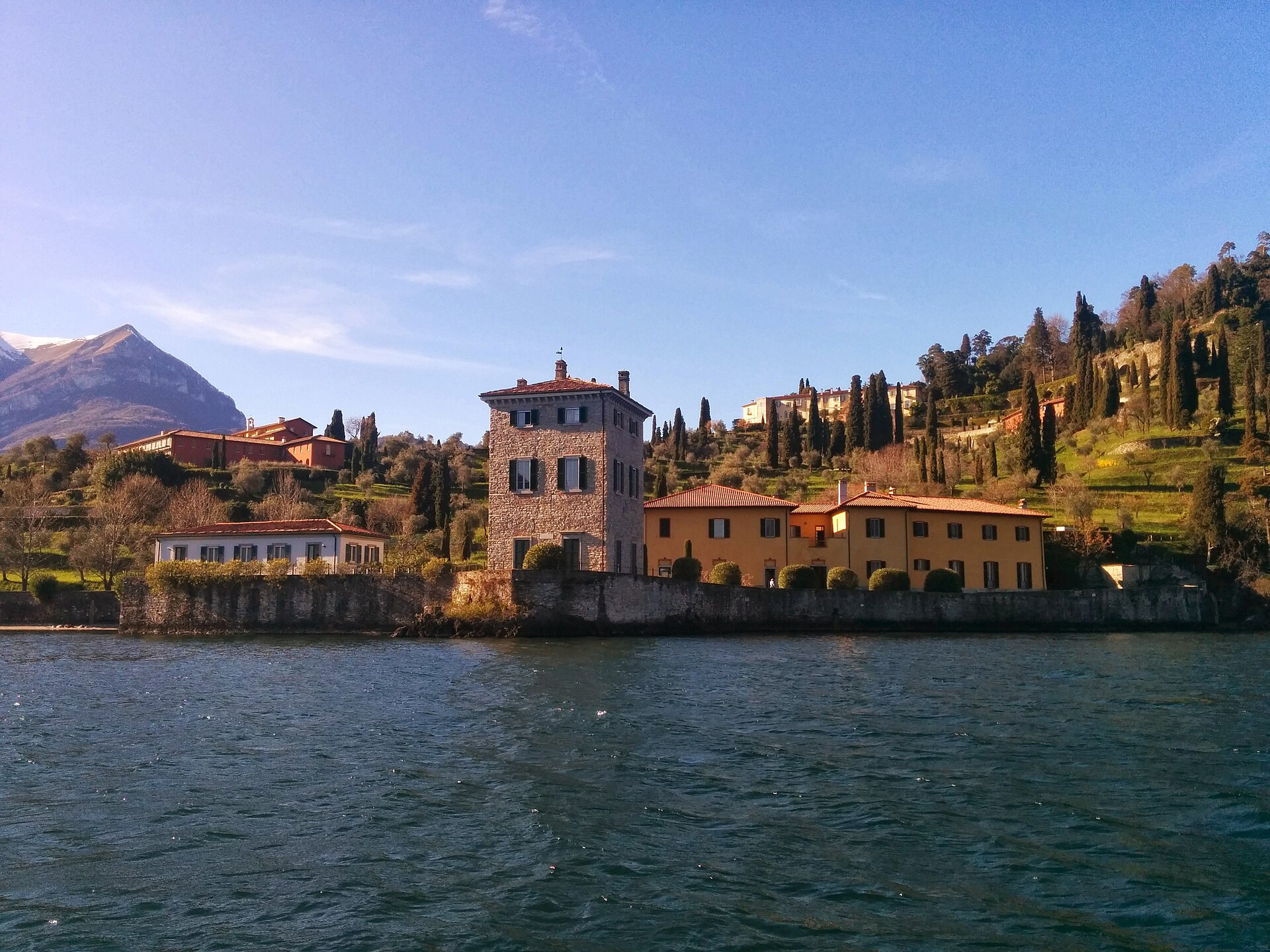
At the foot of the Alps in the north, Lake Como combines water, mountains, and grand villas into one of Italy’s most elegant landscapes. The deep blue lake, ringed by steep wooded slopes and dotted with lakeside towns, has drawn the wealthy and the artistic for centuries.
Historic villas with terraced gardens line the shore, and ferries glide between picture-perfect towns like Bellagio and Varenna. The setting feels almost impossibly refined, a reminder that Italy’s beauty extends well beyond its cities and coastlines to its alpine lakes.
Mount Etna and Sicily
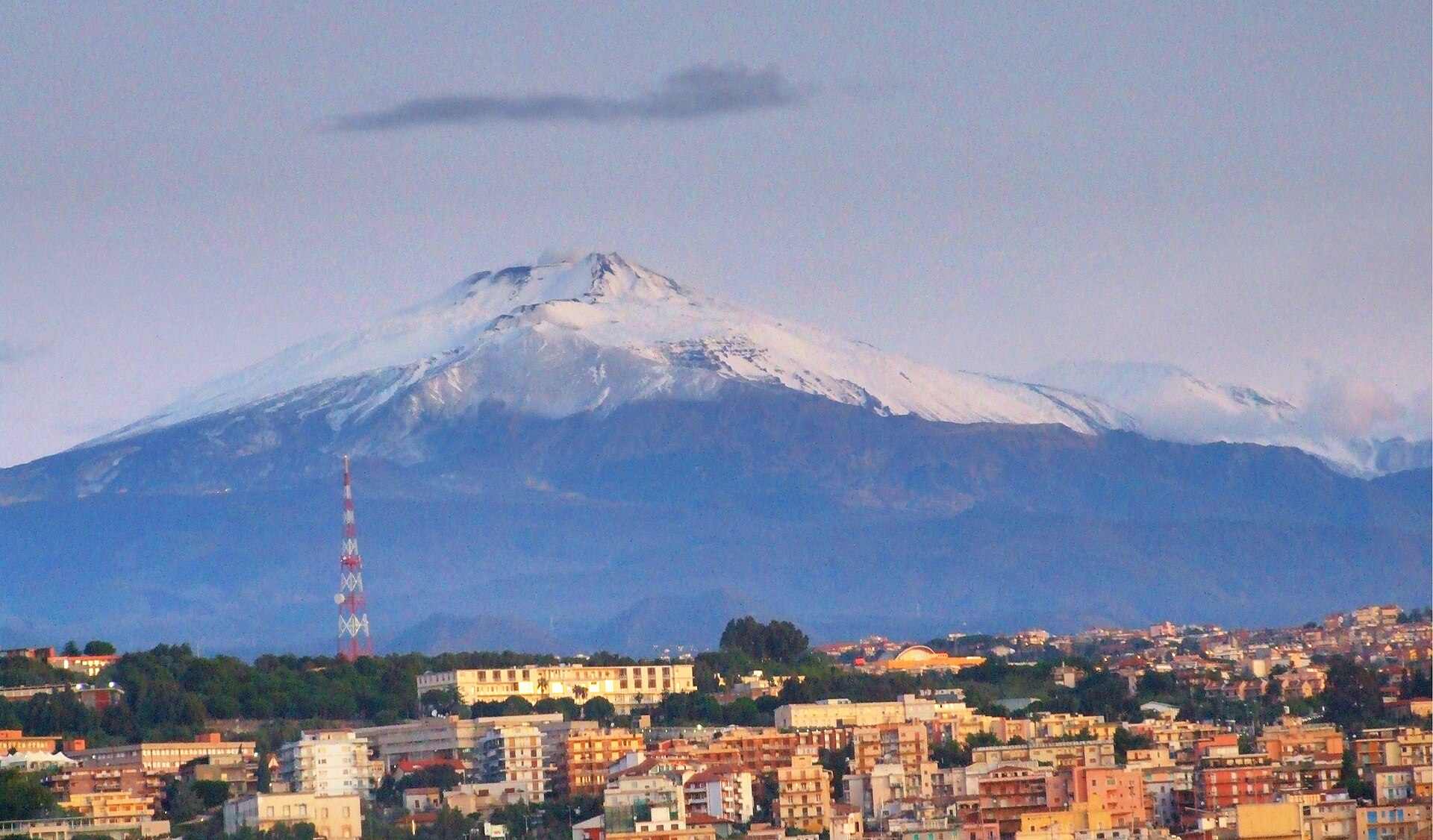
The island of Sicily, off the toe of the Italian boot, is a world unto itself, layered with Greek, Roman, Arab, and Norman history. Towering over its eastern coast is Mount Etna, one of the most active volcanoes in the world and the highest in Europe.
Visitors can explore the lower slopes, see old lava flows, and take in views across the island and sea. Combined with Sicily’s ancient temples, baroque towns, and remarkable food, Etna makes the case that the island deserves a dedicated trip all its own.
Pompeii and the Bay of Naples
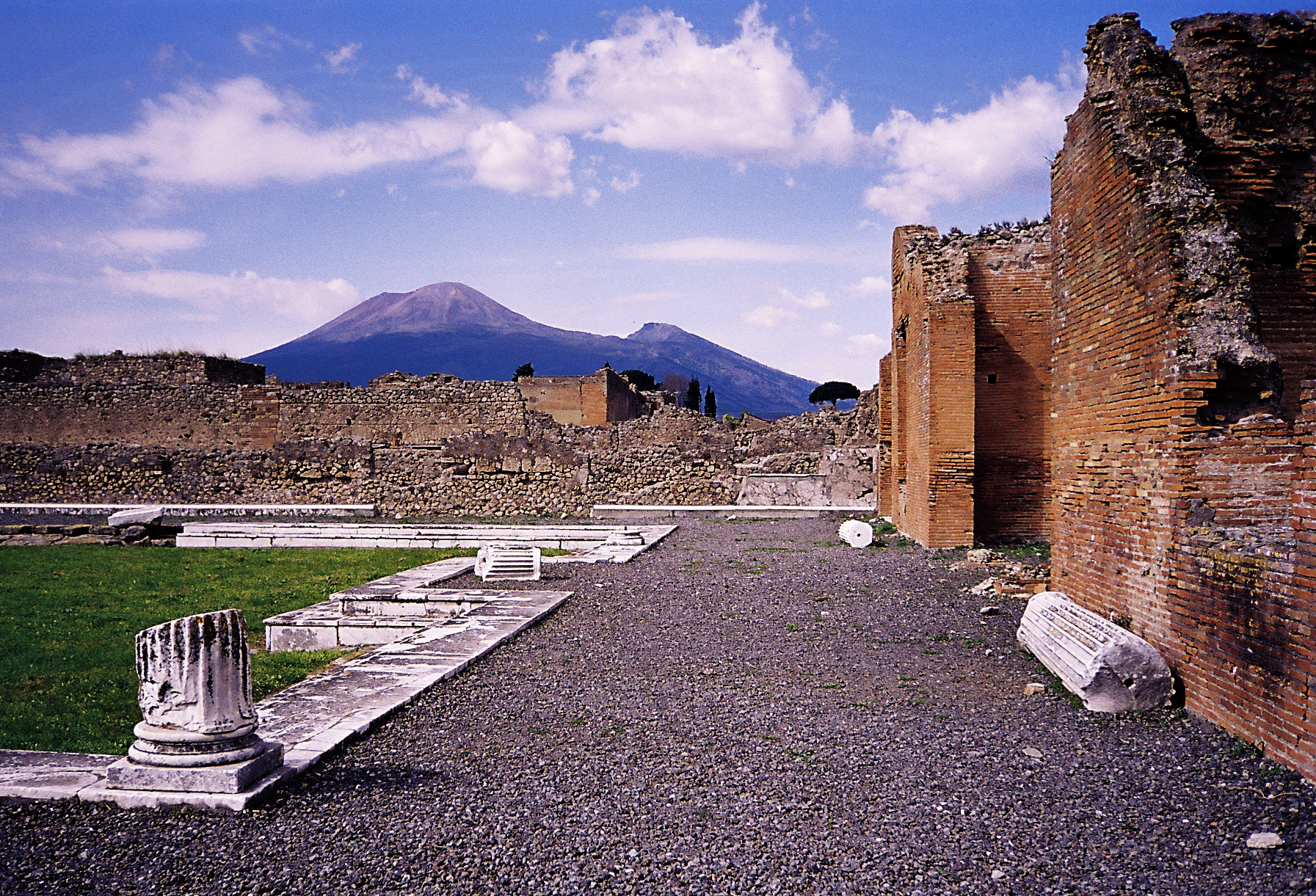
Near the lively city of Naples lies one of the most extraordinary archaeological sites on earth. Pompeii, buried by the eruption of Mount Vesuvius in 79 CE, preserves an entire Roman city, its streets, homes, and public buildings frozen in time.
Walking its paved streets, past shops and houses, offers a uniquely vivid encounter with the ancient world. Set on the Bay of Naples beneath the silhouette of Vesuvius, the site pairs naturally with the seafood, pizza, and coastal scenery of one of Italy’s liveliest regions.
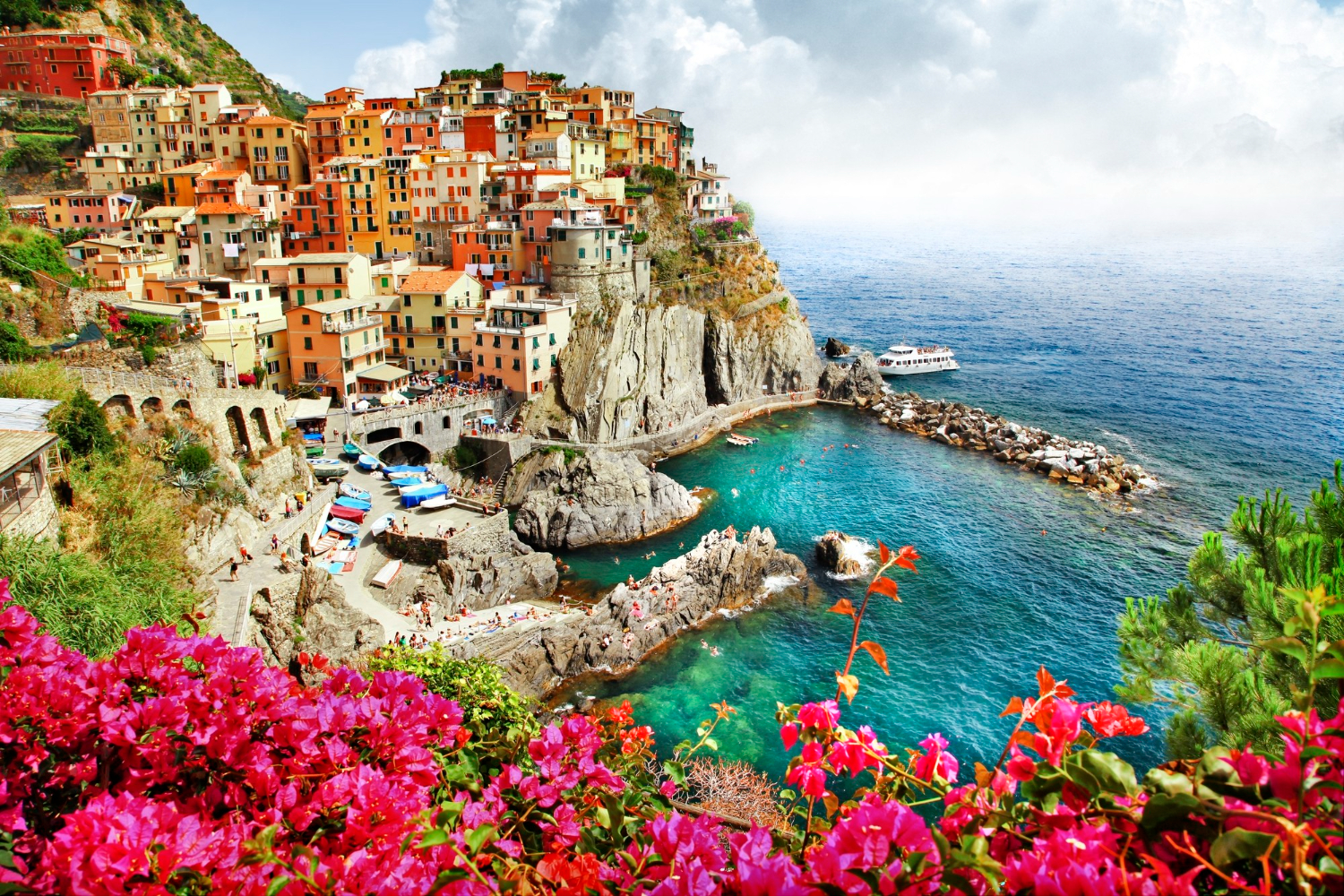
Cinque Terre, Liguria
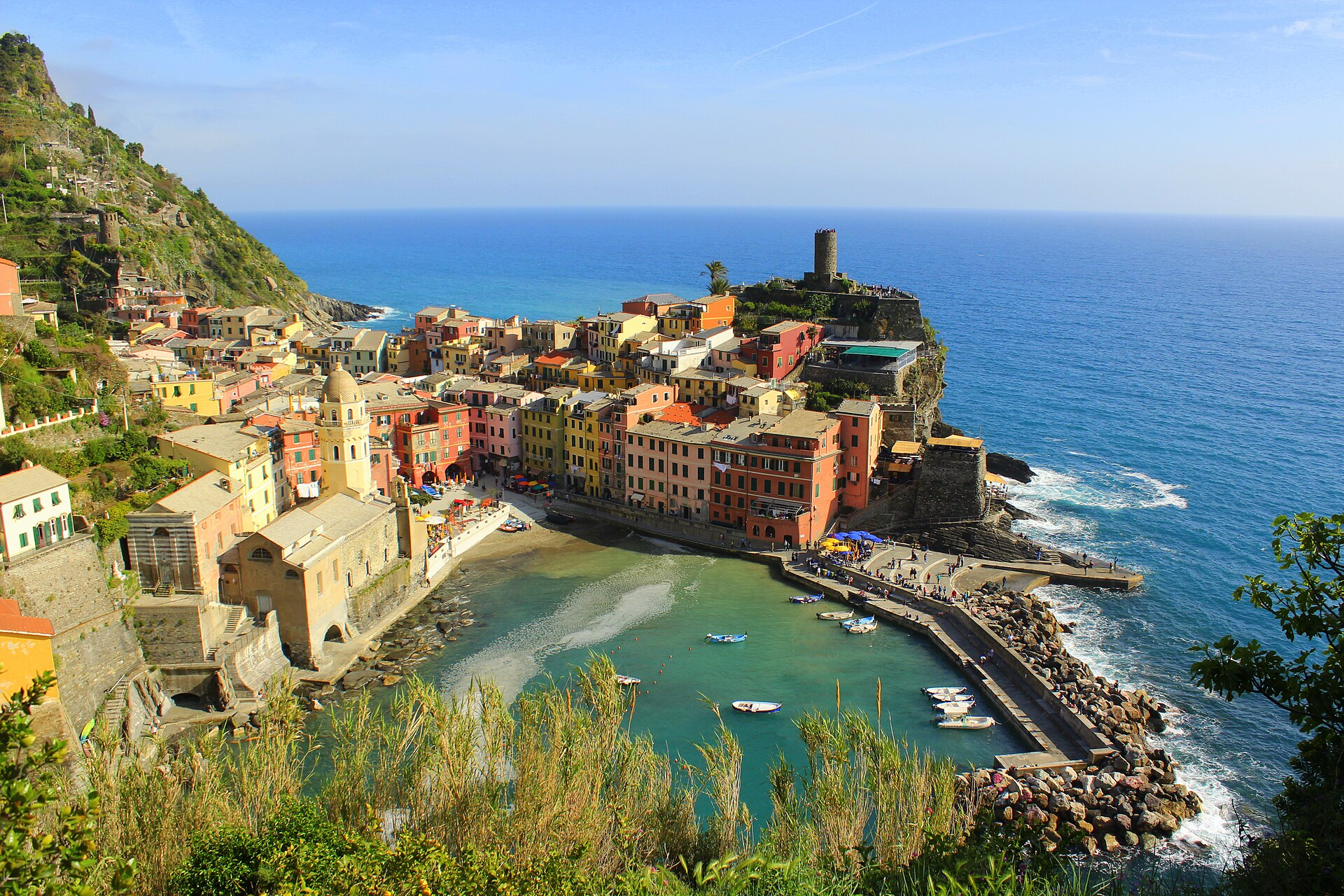
Strung along the rugged Ligurian coast, the five villages of the Cinque Terre are among Italy’s most photographed sights, and in person they live up to the images. Tiers of pastel houses tumble down steep hillsides to tiny harbors, connected by hiking trails, a coastal railway, and boats rather than busy roads.
Each of the five has its own character, from the harbor of Vernazza to the vineyard terraces above Manarola, and walking or taking the train between them makes for one of the most scenic day trips in the country. Protected as a national park and a World Heritage site, the Cinque Terre rewards an early start, since these small villages draw large crowds by midday.
Building Your Italian Bucket List
The challenge with Italy is never finding something worth seeing; it is choosing among an embarrassment of options. A first-time visitor often does best by anchoring a trip in two or three regions rather than racing to check off every landmark. Rome, Florence, and Venice form a classic, rail-connected first itinerary, while the south, Naples, Pompeii, the Amalfi Coast, and Sicily, easily fills a trip of its own.
Italy’s excellent train network makes hopping between cities straightforward, and slowing down to actually enjoy each place beats exhausting yourself trying to see everything at once. However you assemble it, the sights on this list deliver on their reputations. They have drawn travelers for centuries, and once you have stood before them yourself, it is easy to understand why Italy remains, for so many people, the trip of a lifetime.