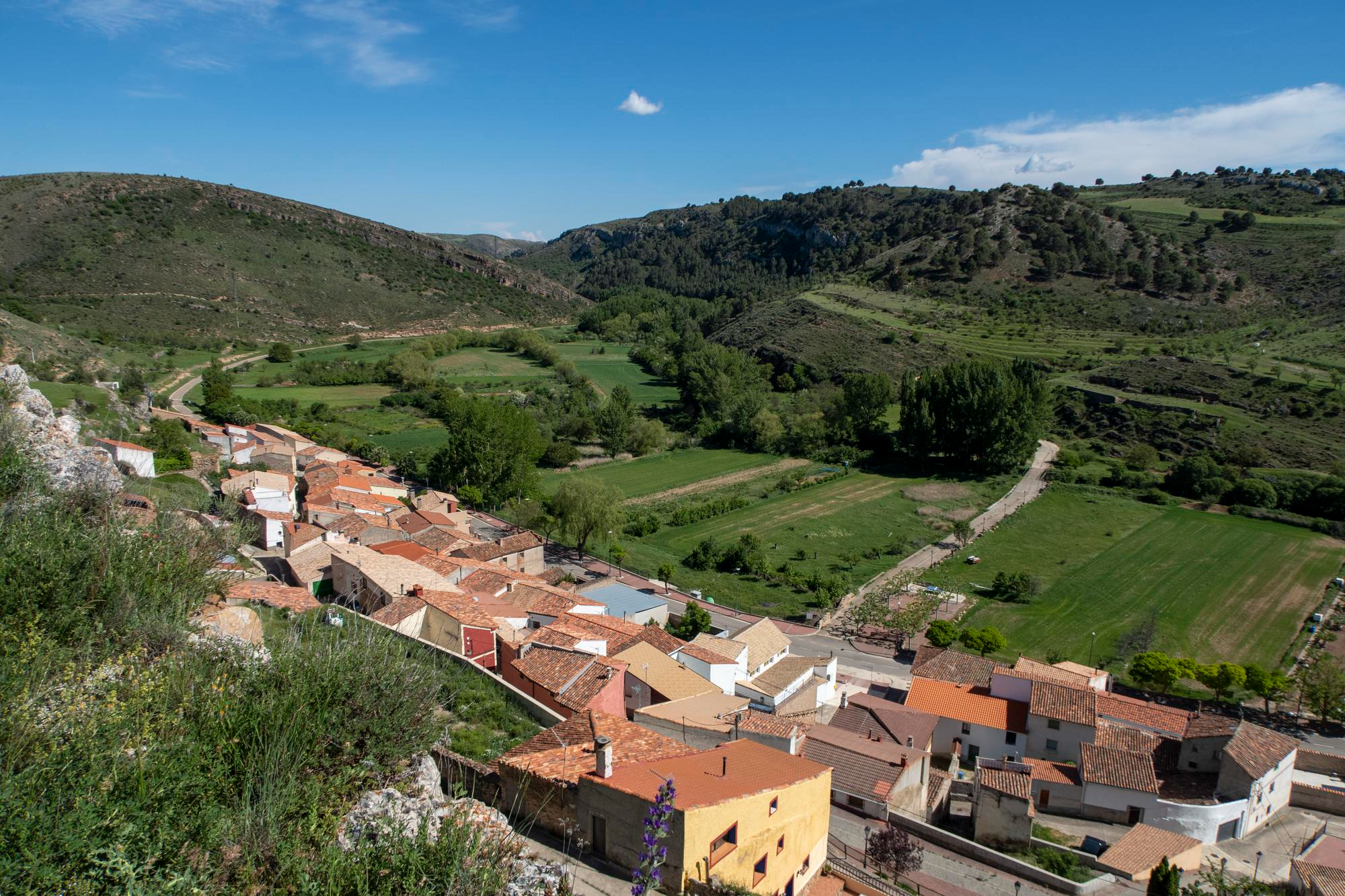
Italy’s most famous destinations hardly need an introduction, but some of its greatest pleasures are found in places most travelers have never heard of. Tucked into valleys, perched on hilltops, and strung along lakeshores, the country’s small villages, or borghi, preserve a slower, older way of life that the big cities lost long ago. An official association has spent more than two decades identifying the finest of them, and its 2026 additions offer a ready-made map to a quieter, more authentic Italy. Here are the seven villages newly recognized among the country’s most beautiful, and what makes each one special.
Limone sul Garda, Lombardy
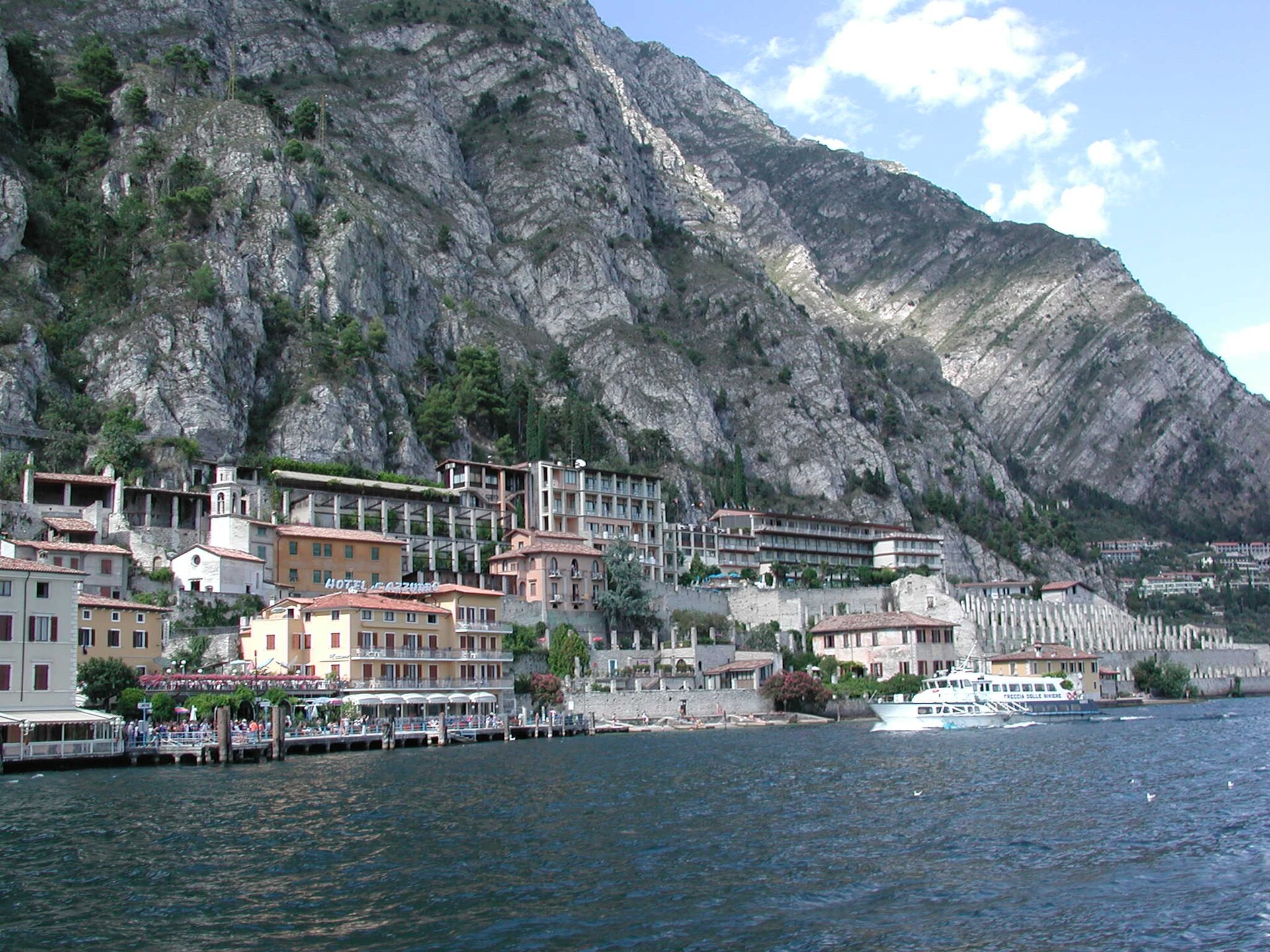
The most famous of the seven new additions, Limone sul Garda clings to the dramatic western shore of Lake Garda, its pastel houses stacked up the steep hillside above the water. The setting alone would earn it a place on any list, but the village is also known for something unusual: a microclimate mild enough to have supported terraced lemon groves for centuries.
The old lemon houses, with their tall stone pillars, are an architectural type found almost nowhere else, built to shelter the citrus trees through the alpine winters. As evening falls and the first lights reflect across the calm lake, the village reveals exactly why it has become the best known of this year’s honorees.
Like our content? Follow us for more.
Castelvetro di Modena, Emilia-Romagna
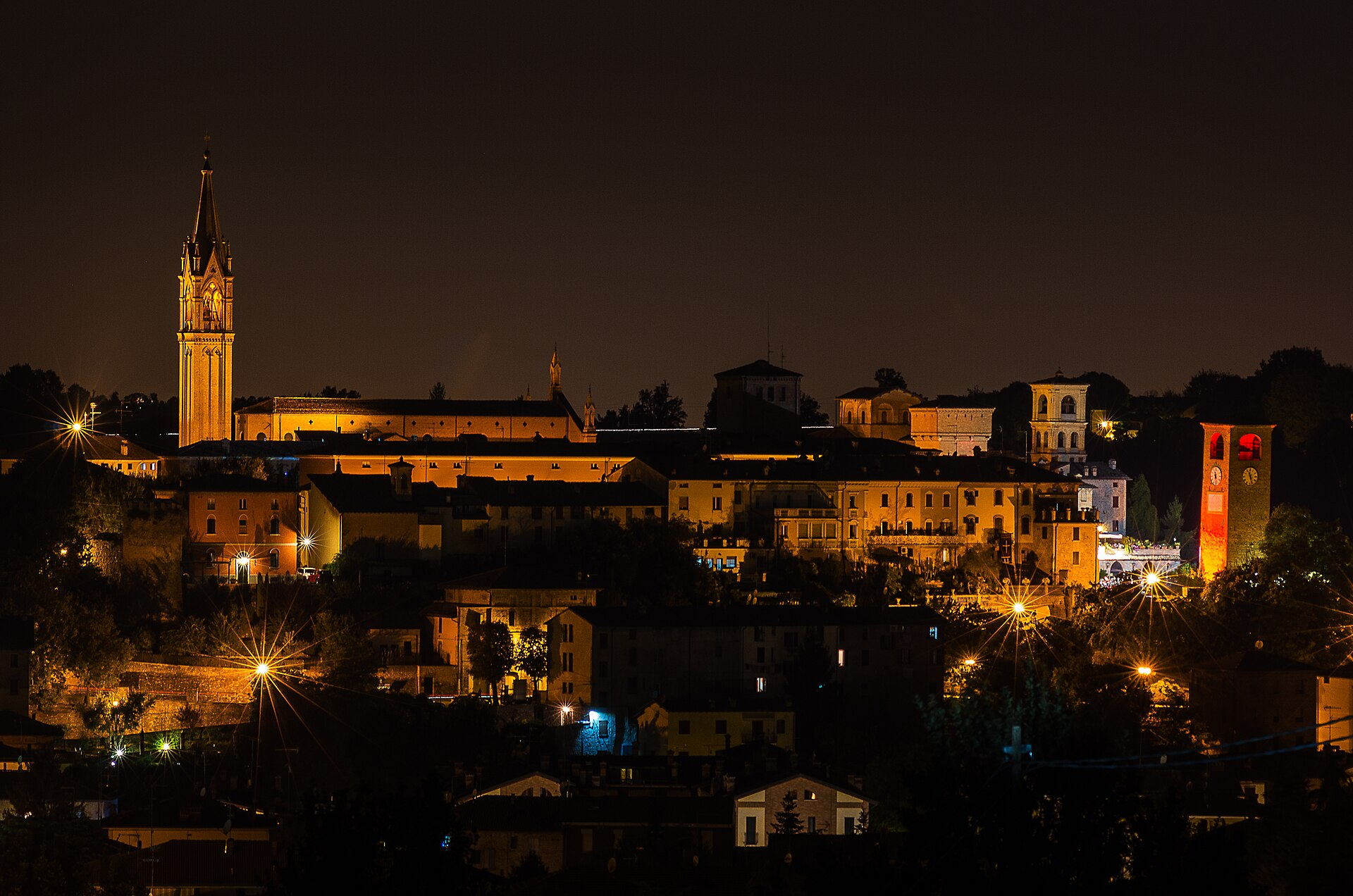
Often called the culinary heart of its region, Castelvetro di Modena sits surrounded by the rippling hills and vineyards that produce Lambrusco Grasparossa wine. For anyone who loves Italian food, this is hallowed ground, deep in the country of balsamic vinegar and Parmigiano Reggiano.
The village is anchored by the Torre dell’Orologio, a medieval clock tower overlooking the central Piazza della Dama, a square laid out like a chessboard. The combination of scenic drama, historic architecture, and one of Italy’s richest food traditions makes Castelvetro a destination for the table as much as the eye.
Rivello, Basilicata
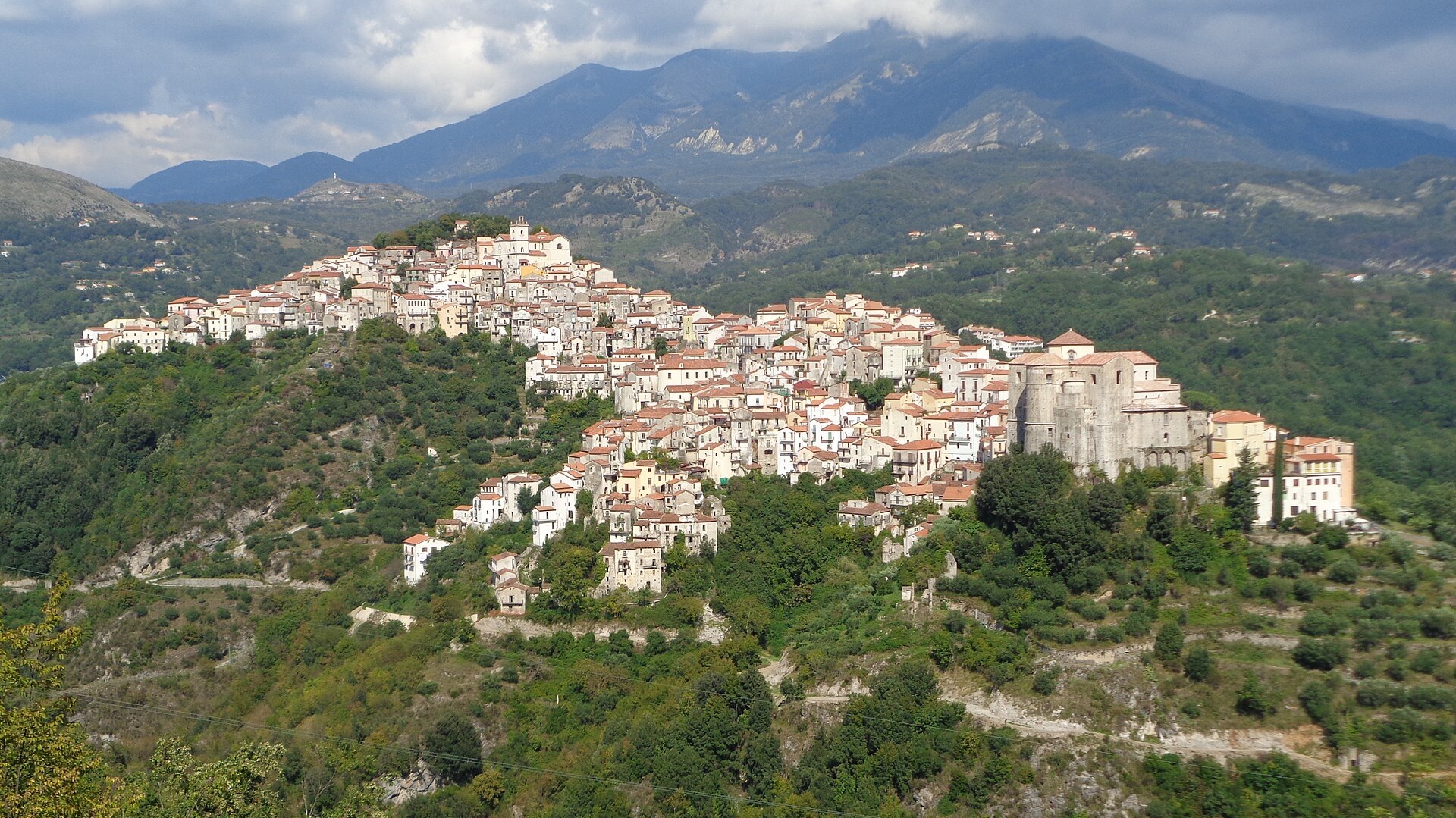
Perched high above the Noce Valley in the southern region of Basilicata, Rivello is a medieval mountain town that seems to grow out of the rock it sits on. Its loftily positioned houses and churches command sweeping views across one of Italy’s least-traveled and most rugged regions.
Far from the standard tourist circuit, Rivello rewards travelers willing to venture into Italy’s deep south with a sense of discovery that is increasingly rare. The reward is a place where the rhythms of village life carry on much as they have for generations, against a backdrop of mountains and open sky.
Cusano Mutri, Campania
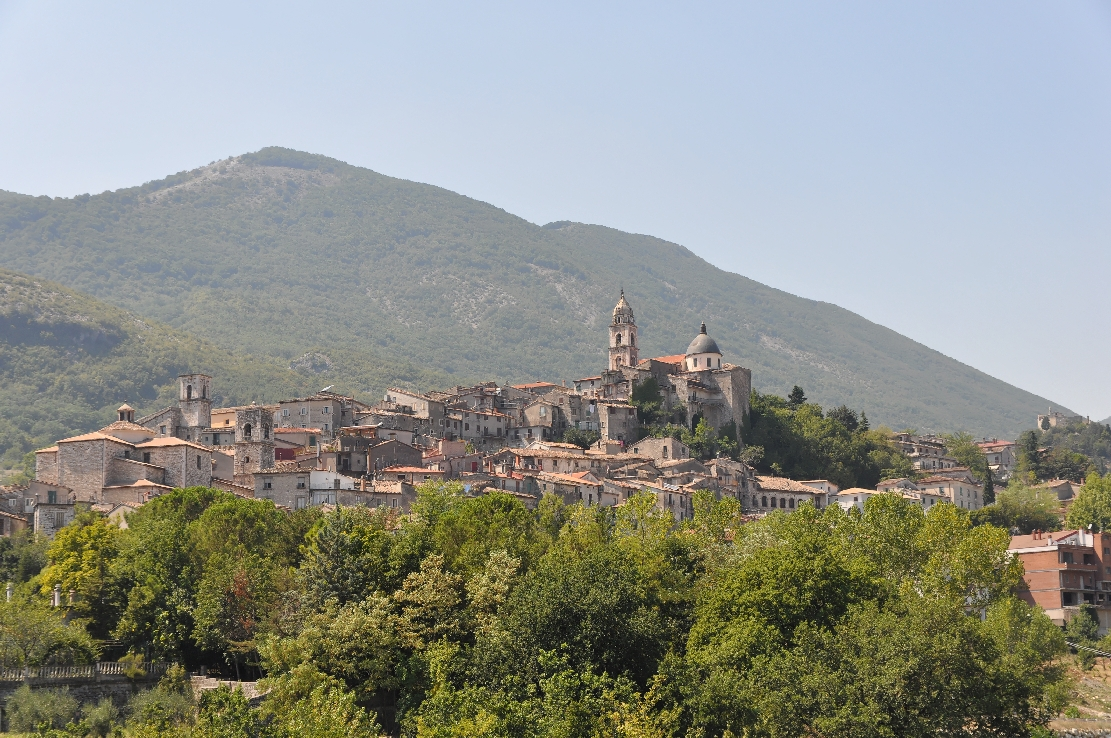
A white limestone town set within the Matese Regional Park, Cusano Mutri offers a different kind of beauty: a village woven into a protected natural landscape of mountains, gorges, and forest. The pale stone of its buildings gives the whole town a luminous quality against the green of the surrounding park.
For travelers who want their village-hopping paired with hiking and nature, Cusano Mutri is an ideal base. Its narrow lanes and stone houses reflect centuries of mountain life, and its position within a regional park means the wild scenery is never more than a few steps away.
Pieve di Teco, Liguria
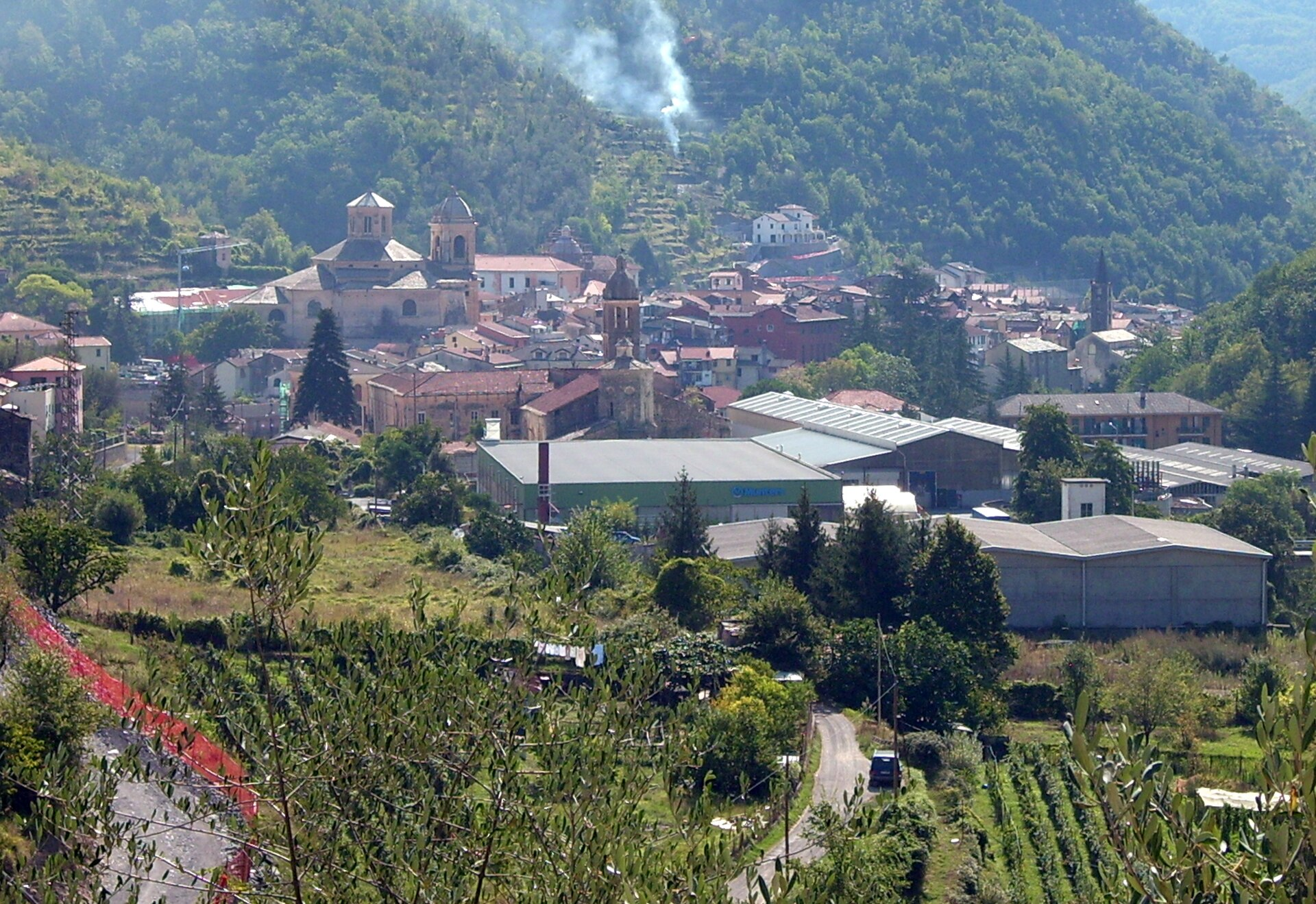
In the Ligurian hinterland, away from the famous coastline, Pieve di Teco preserves the character of an old inland trading town. While most visitors to Liguria head straight for the seaside, this village offers a glimpse of the region’s quieter interior, where commerce and craft once flowed along mountain routes.
Its historic arcades, churches, and well-preserved center reflect a prosperity built on trade rather than tourism. For travelers who think of Liguria only in terms of its coast, Pieve di Teco is a reminder that the region’s hills hold treasures of their own.
Borgo Il Piazzo, Biella, Piedmont
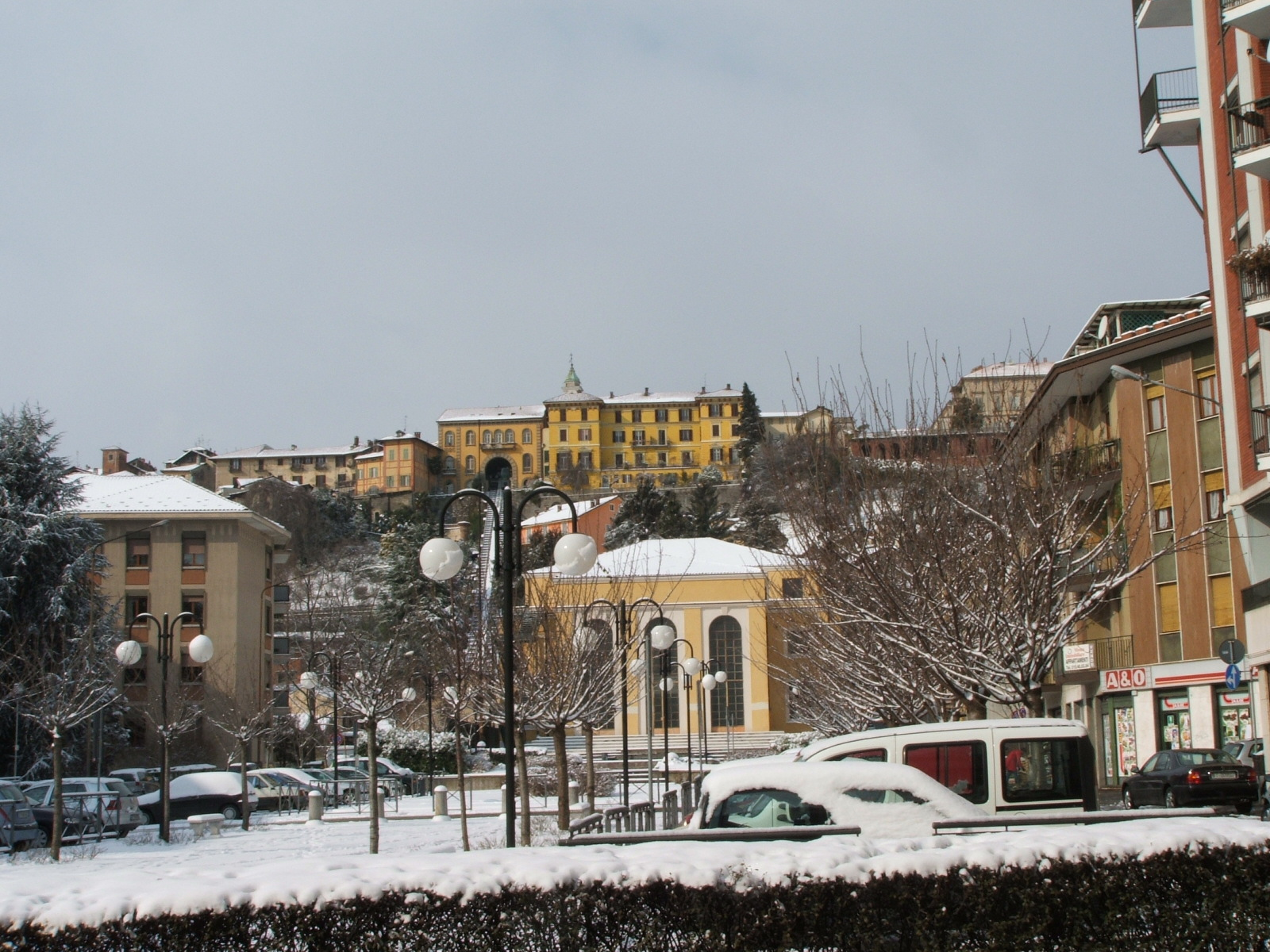
Admitted as a two-year “guest village,” Borgo Il Piazzo is the historic upper core of the city of Biella in Piedmont. Founded in the 12th century, the district grew into a cultural center, and for generations it was an important hub for the production of fine textiles, including cashmere.
Narrow cobbled alleys, old palaces, and quiet squares define the upper town, which is connected to the modern city below by a funicular, a small piece of time travel built into the daily commute. In summer especially, life gathers around its central squares.
Borgo Vecchio di Termoli, Molise
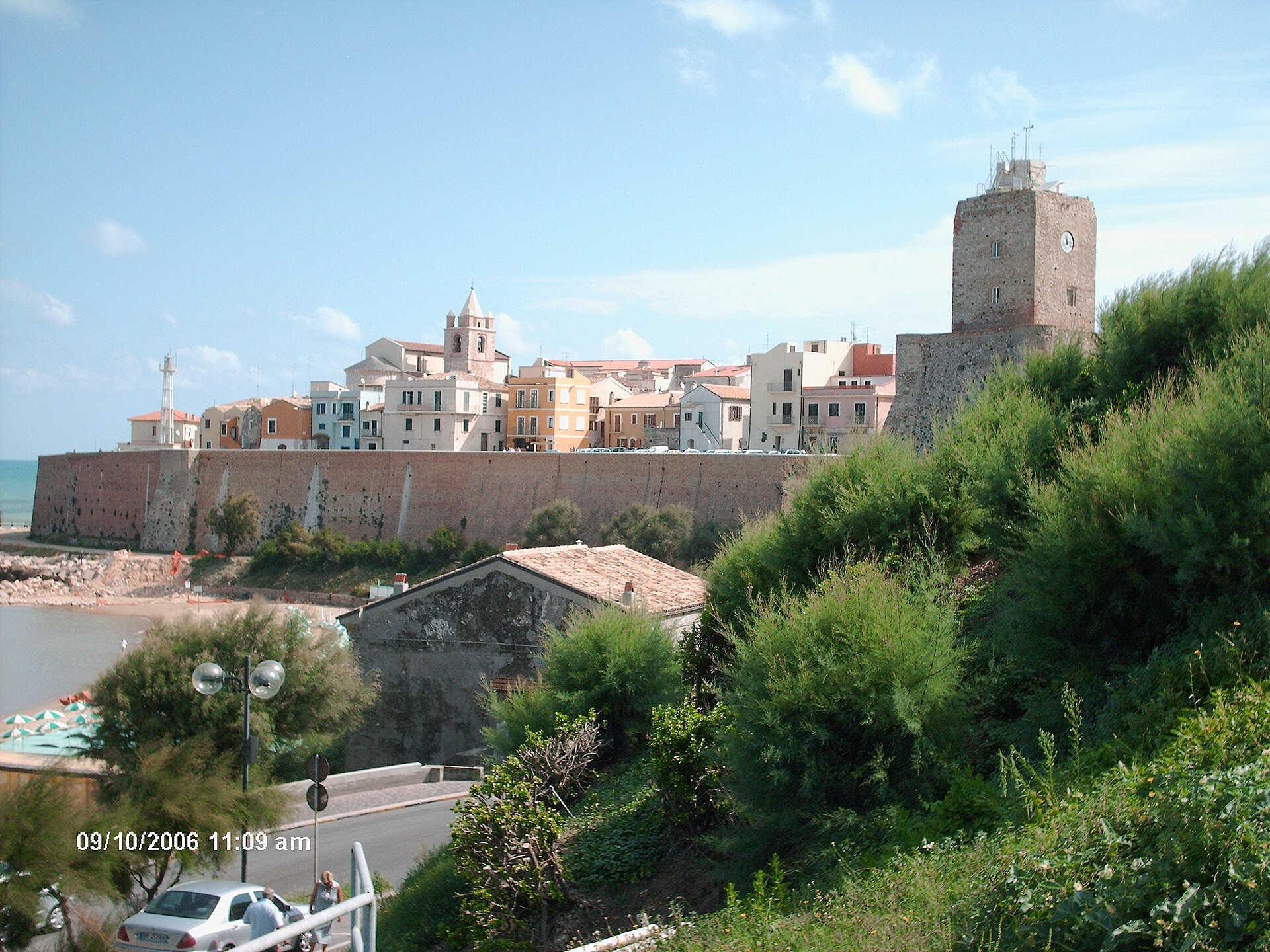
Also a guest village, the Borgo Vecchio of Termoli is a hilltop citadel on the Adriatic coast in the small region of Molise. Best known today as a beach resort, Termoli hides a medieval heart: an ancient walled old town of pastel houses and some of the narrowest alleys in all of Italy.
From its lanes you can glimpse the trabocchi, the traditional wooden fishing huts suspended above the water that line this stretch of the Adriatic. The combination of sea views, medieval streets, and living fishing tradition makes Termoli’s old town a fitting close to the 2026 list.
How to Visit Without Overwhelming Them
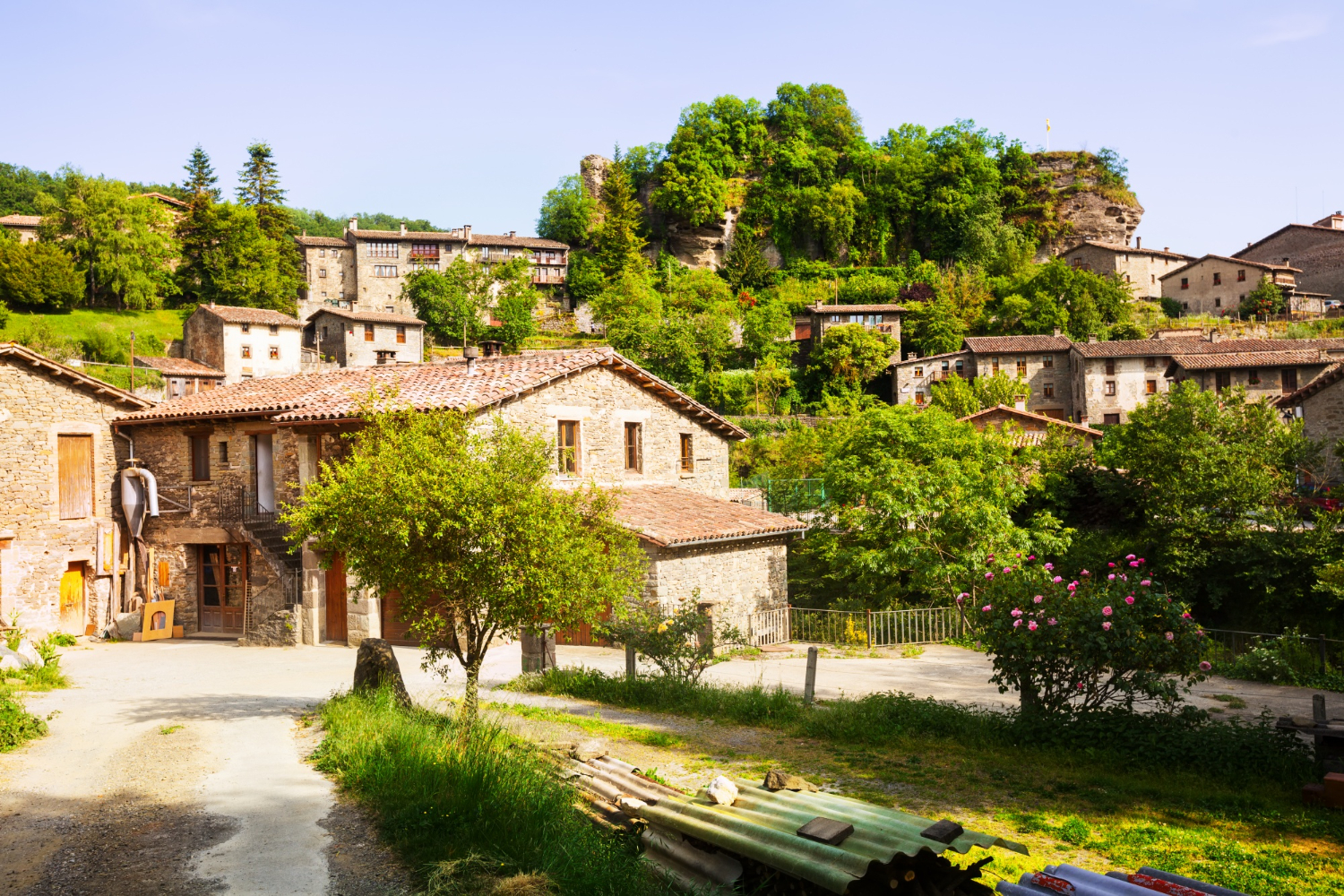
Part of what makes these villages special is precisely that they have not been overrun, which raises a gentle responsibility for the travelers who seek them out. Many of these borghi have small populations and limited infrastructure, so visiting thoughtfully helps preserve the very qualities that earned them recognition. That means staying overnight when you can rather than descending in a day-trip crowd, eating at local trattorie, buying from local producers, and treating these places as living communities rather than open-air museums.
Timing helps too. Visiting in the shoulder seasons of spring and autumn, or simply arriving in the early morning or staying into the evening after the day-trippers have gone, rewards you with the village at its most authentic. The light is softer, the squares are calmer, and you get a truer sense of the daily rhythm. The association that certifies these villages emphasizes sustainability and livability for a reason: the goal is to help these small towns thrive, not to love them to the point of harm. A traveler who keeps that in mind gets the best of both worlds, a memorable visit and the satisfaction of having been a good guest.
How the List Works, and Why It Matters
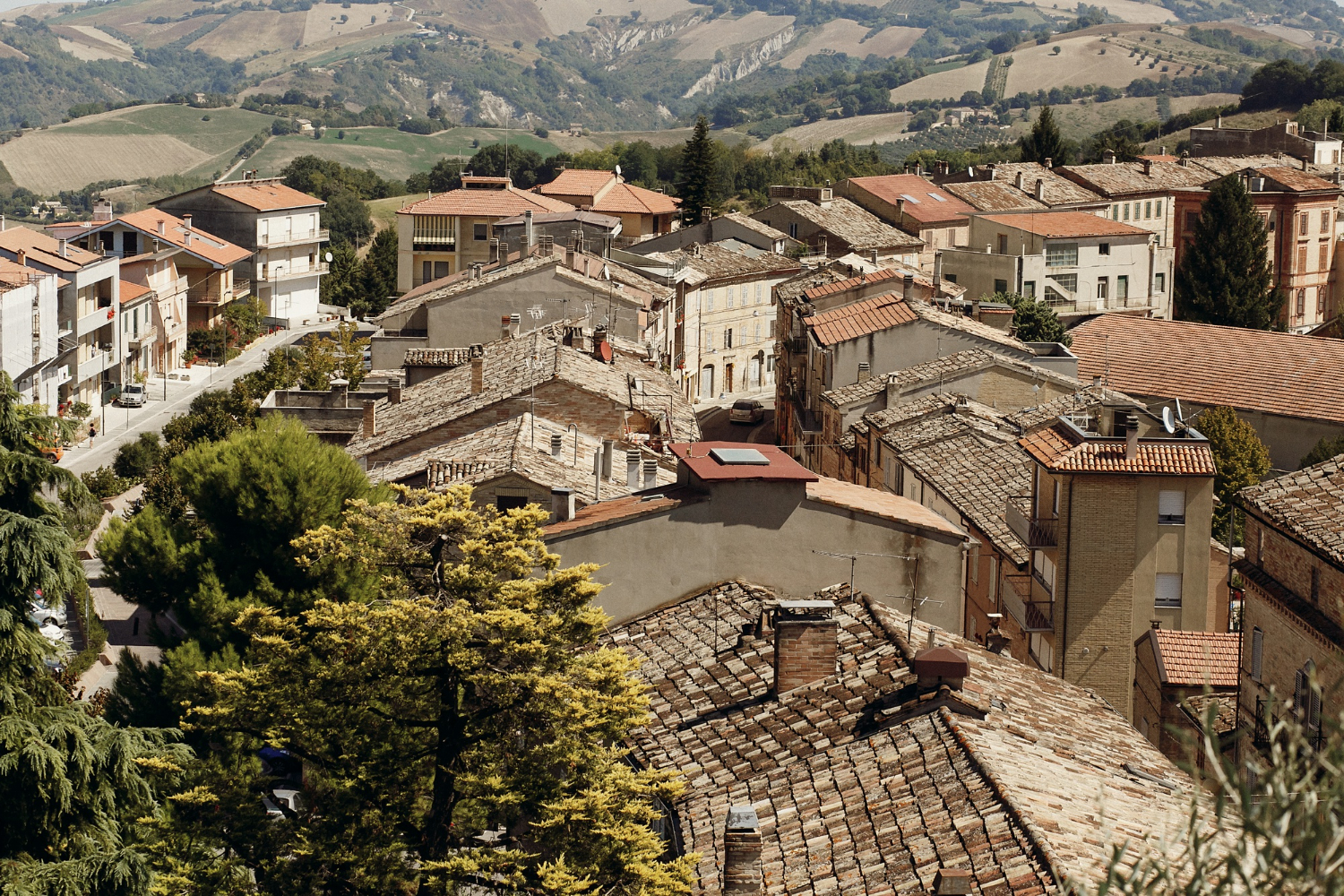
The association behind these honors, founded in the early 2000s, is not a glossy travel ranking or a social media trend but a formal body that protects and promotes Italy’s small historic centers, generally those with populations under 15,000. Villages are judged against dozens of criteria covering architectural integrity, the quality of the townscape, integration into the landscape, sustainable development, and the community’s commitment to its own traditions.
For travelers, the certification works as a kind of guarantee: a promise that the village offers a genuine, well-preserved experience away from the crowds of the major cities. Reaching these places often takes a little extra effort, a regional train, a rented car, a winding mountain road, but that effort is the point. These are the corners of Italy where the country’s history is not behind glass but lived in daily, and where a traveler can still feel like a discoverer rather than one of a crowd.