Cheese is a preservation technology that turned into a craft. The differences between these twelve come down to a handful of decisions made in the first few hours and then a great deal of patience. Here they are.
1. Comté — France
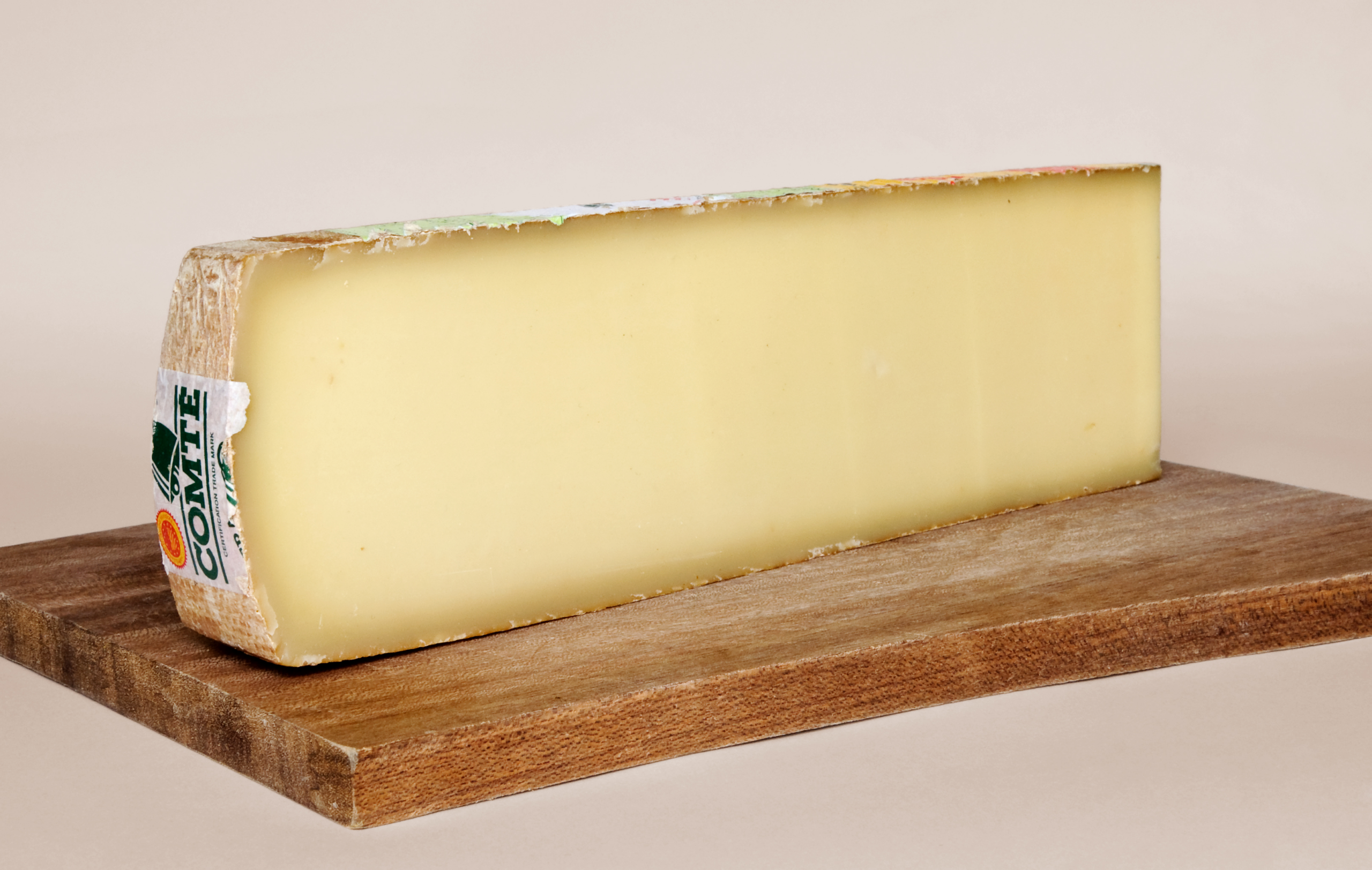
A firm mountain cheese from the Jura, made in large wheels from raw cow’s milk and aged for months or years, with flavours running from nutty and mild to intensely savoury.
Wheels from different dairies and seasons taste noticeably different, and good cheesemongers will let you compare. Age changes it substantially. Comté is the cheese that shows how much variation one name can contain.
Like our content? Follow us for more.
2. Manchego — Spain
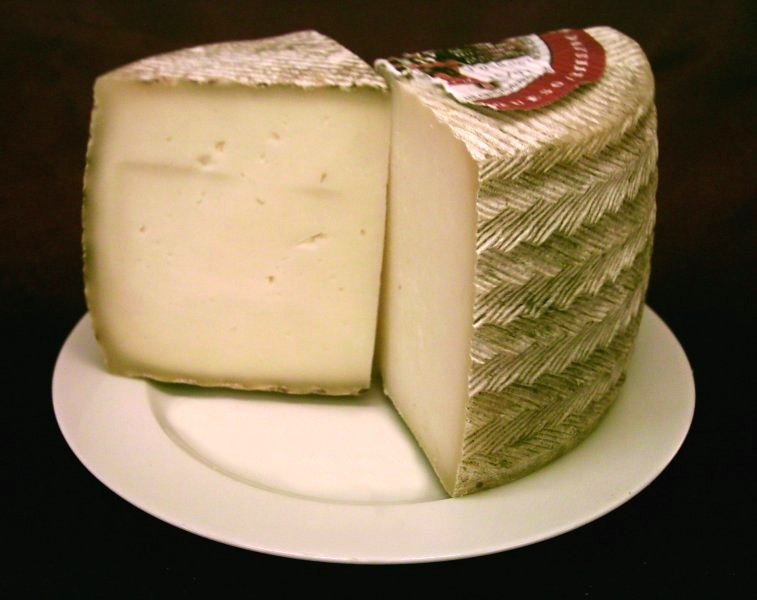
Made from the milk of a specific sheep breed on the plains of La Mancha, pressed in moulds that leave a distinctive zigzag pattern on the rind.
Younger versions are mild and springy; aged ones become firm, crystalline and deeply savoury. It is traditionally served with quince paste. Manchego is the cheese whose rind pattern tells you what it was made in.
3. Halloumi — Cyprus
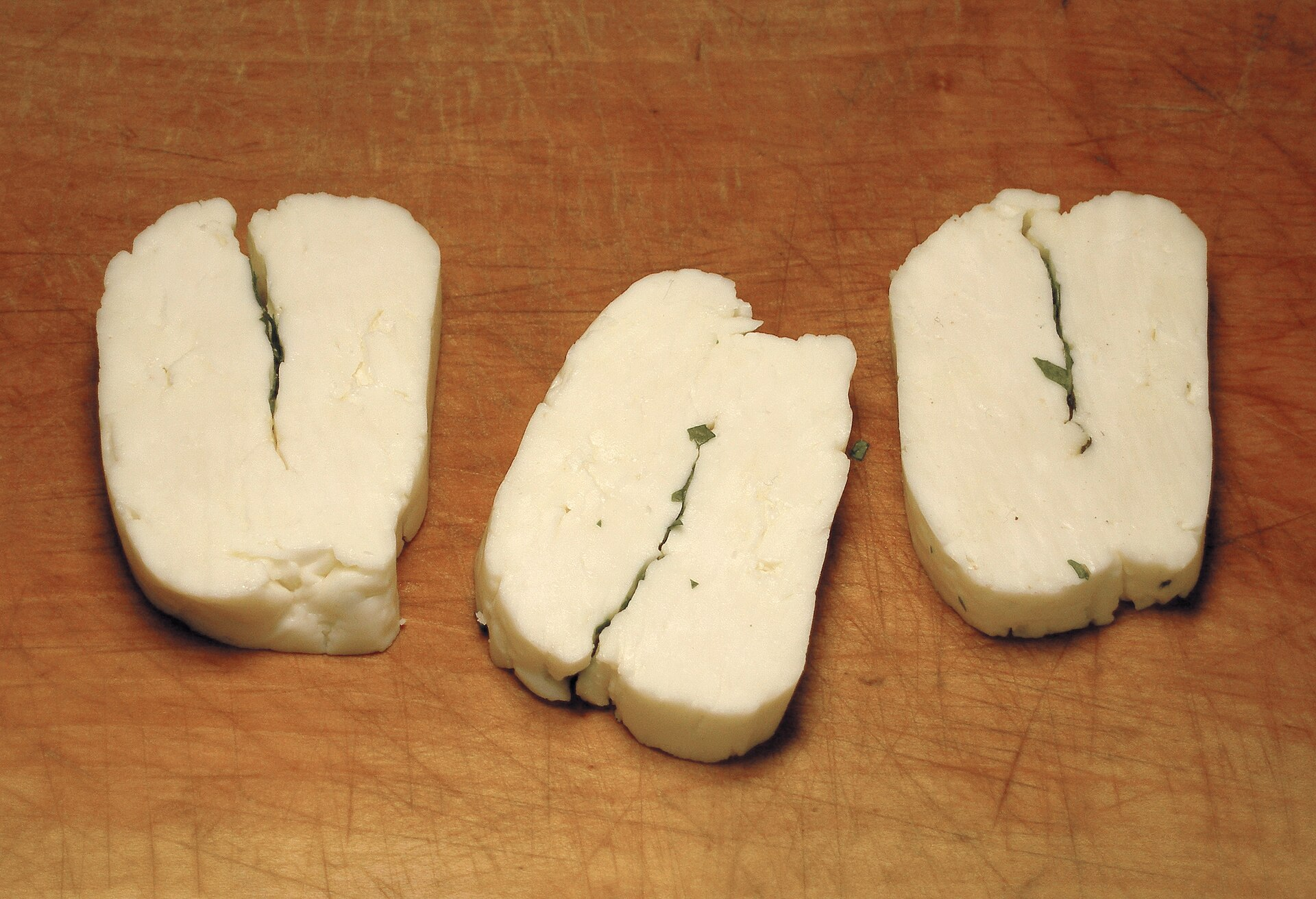
A firm, salty cheese with an unusually high melting point, which means it can be grilled or fried until browned without collapsing.
That property is the entire point, and it comes from how the curd is heated during production. It squeaks against the teeth. Halloumi is the cheese engineered, long before anyone used that word, to survive a hot pan.
4. Gorgonzola — Italy
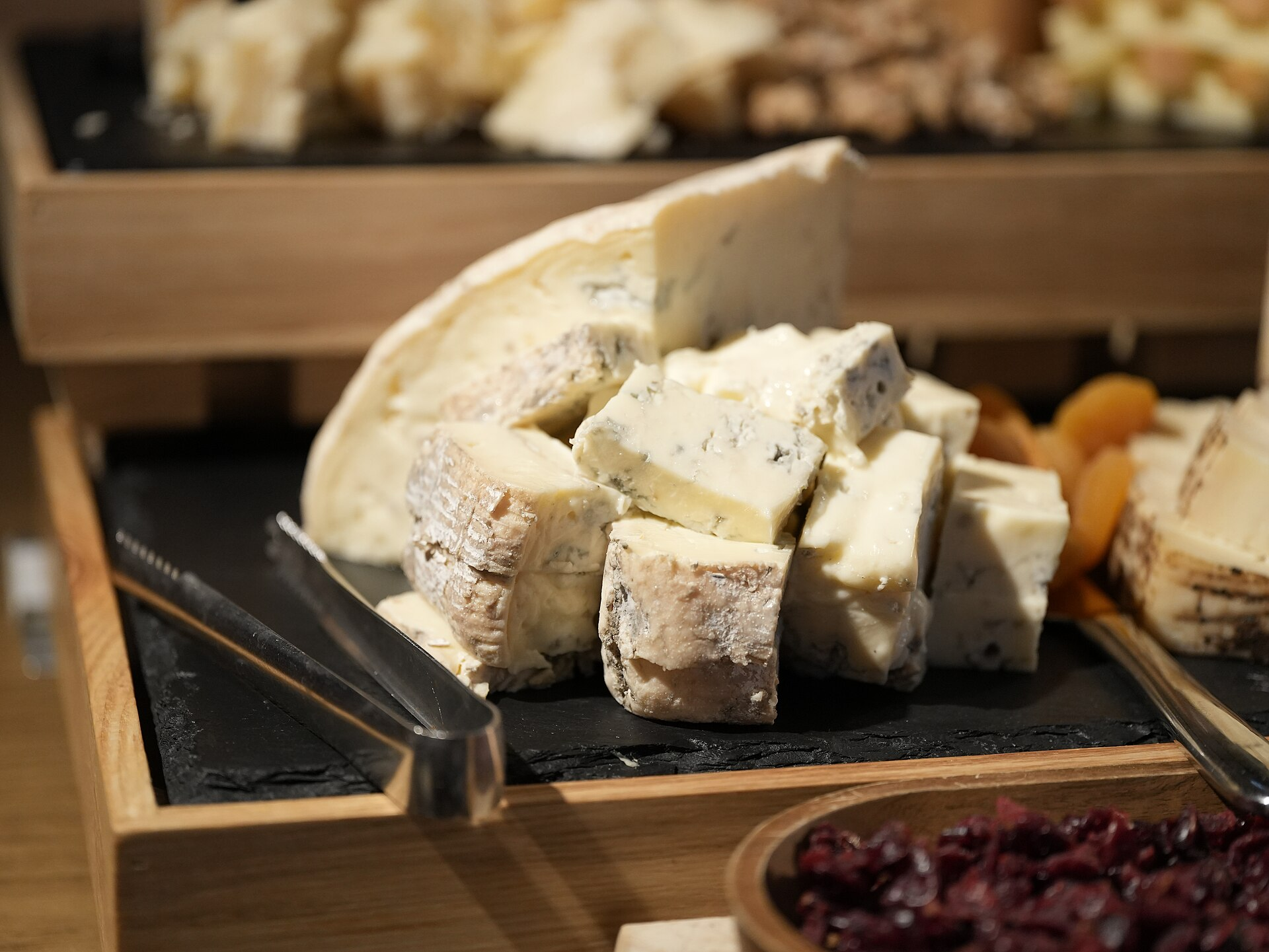
A blue cheese from northern Italy, produced in two distinct styles: a younger, softer, milder version and an older, firmer, substantially more assertive one.
The blue veining comes from a mould introduced during production, with the cheese pierced to admit air so the veins can develop. Both styles have devotees. Gorgonzola is the cheese that comes in two versions people argue about.
5. Roquefort — France
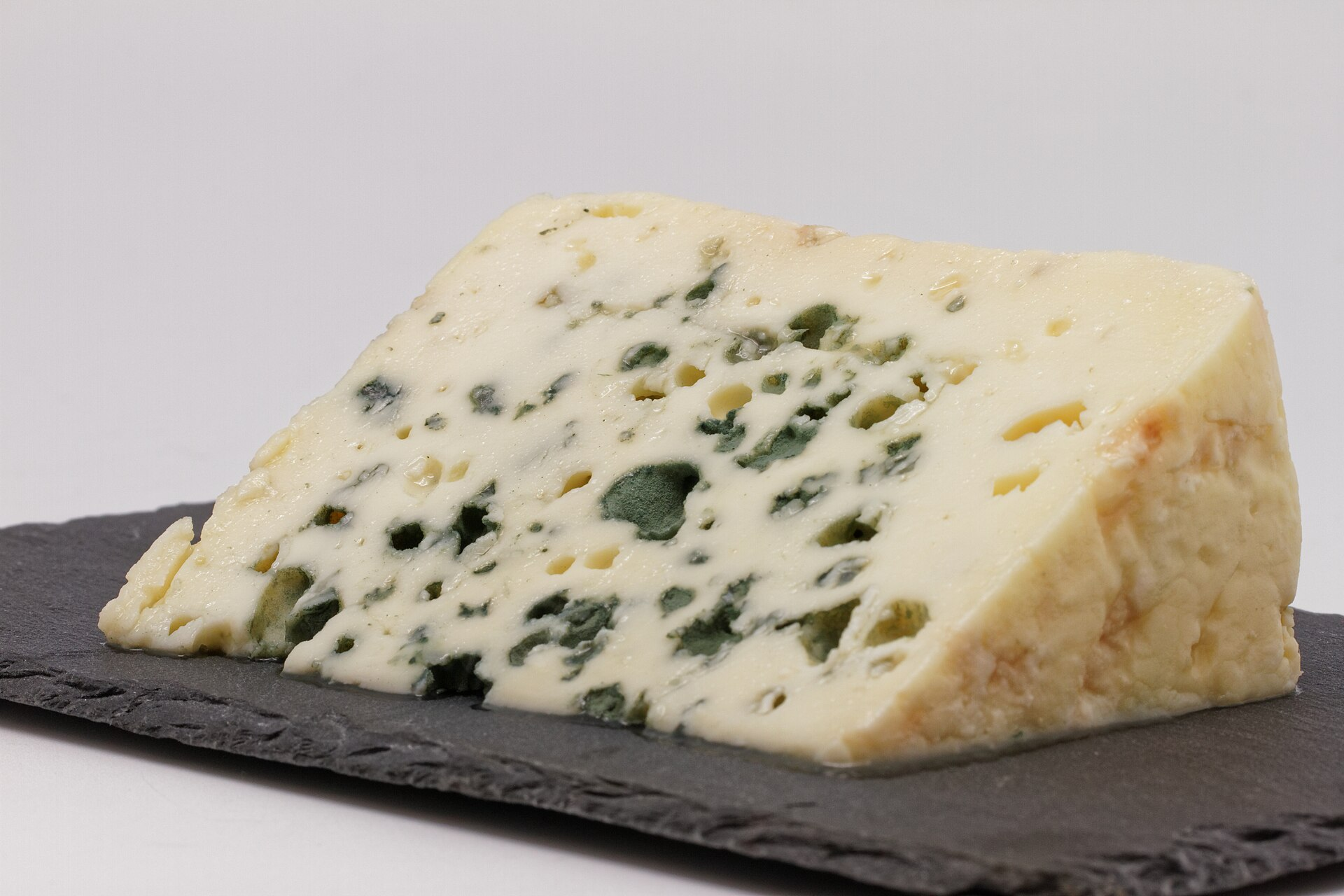
A sheep’s milk blue aged in limestone caves in the south of France, where the specific conditions have been used for centuries.
It is sharp, salty and moist, and its production is tightly regulated, including the requirement that it mature in those caves. It predates most cheese regulation entirely. Roquefort is the cheese whose legal definition includes the room it ages in.
6. Feta — Greece
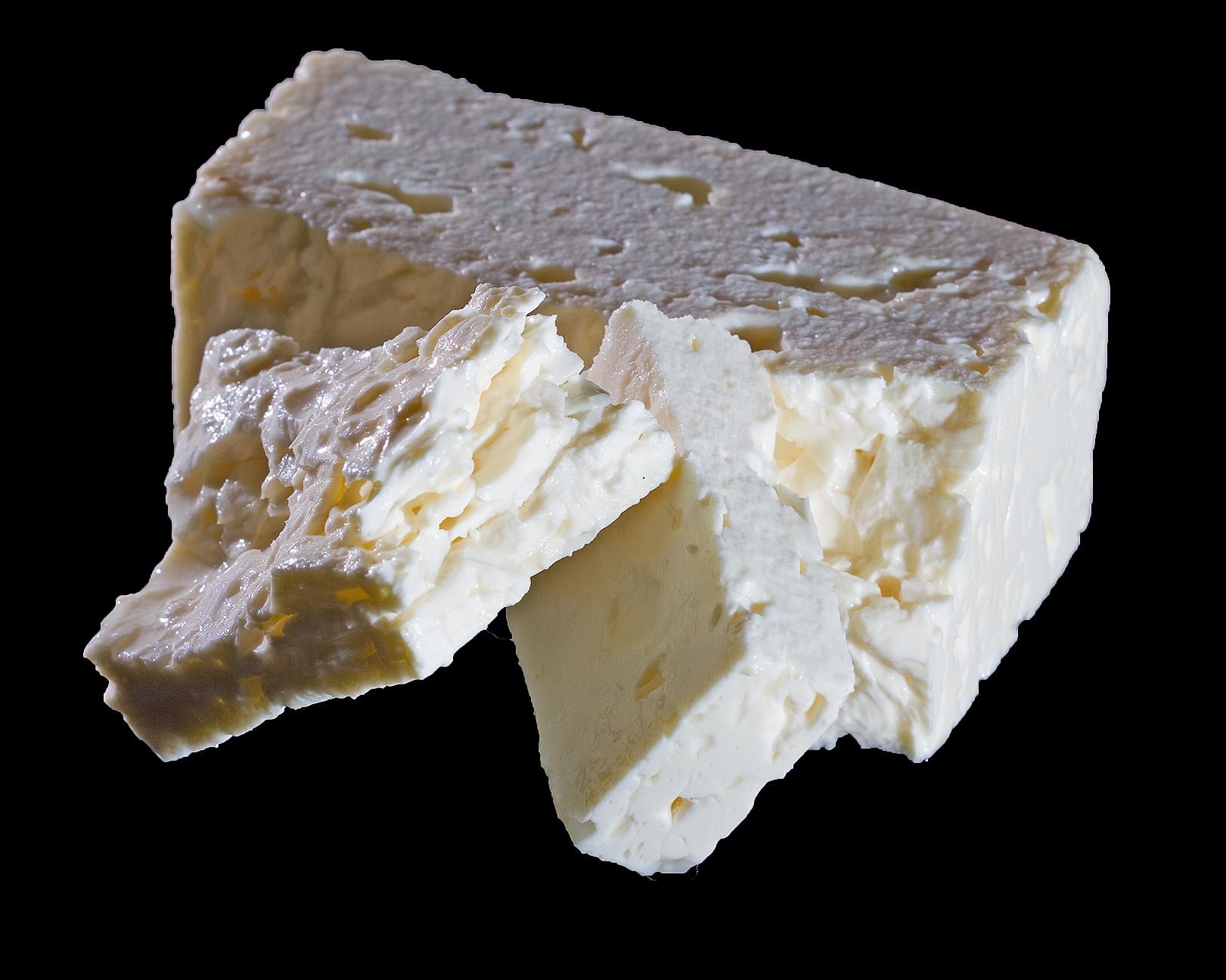
A brined white cheese made principally from sheep’s milk, sometimes with goat’s milk added, stored and sold in its own salty liquid.
The brine is not packaging but part of the process, and feta bought in brine keeps and tastes markedly better than pre-cut vacuum-packed versions. Crumbly rather than sliceable. Feta is the cheese that should always be bought sitting in its own liquid.
7. Gruyère — Switzerland
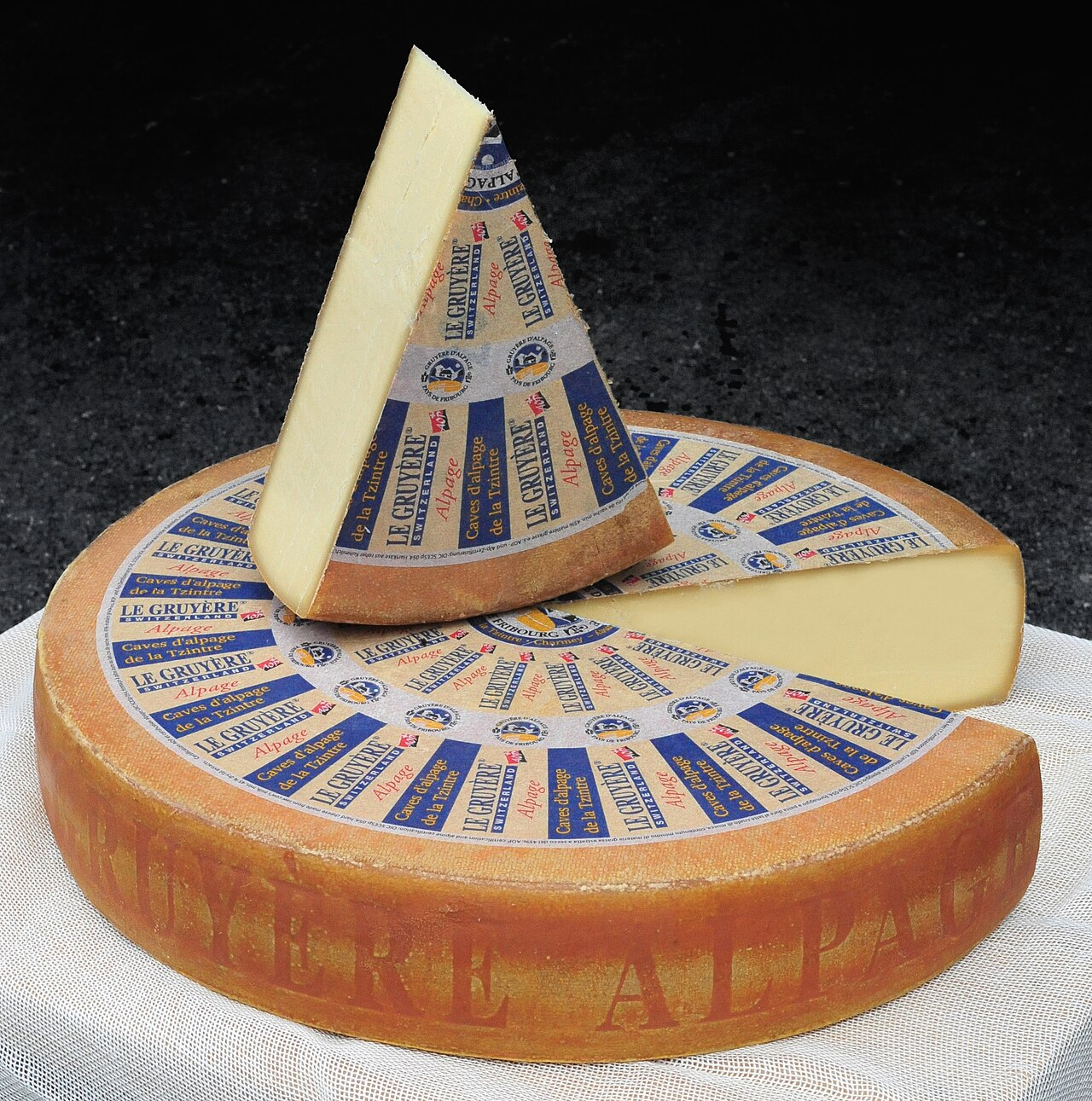
A firm alpine cheese aged for months, with a dense paste and a savoury, slightly sweet character that becomes more complex with age.
It melts exceptionally well, which is why it anchors fondue and gratins, and older wheels develop crunchy crystals. The rind is washed during ageing. Gruyère is the cheese that does the most work in a cooked dish.
8. Paneer — South Asia
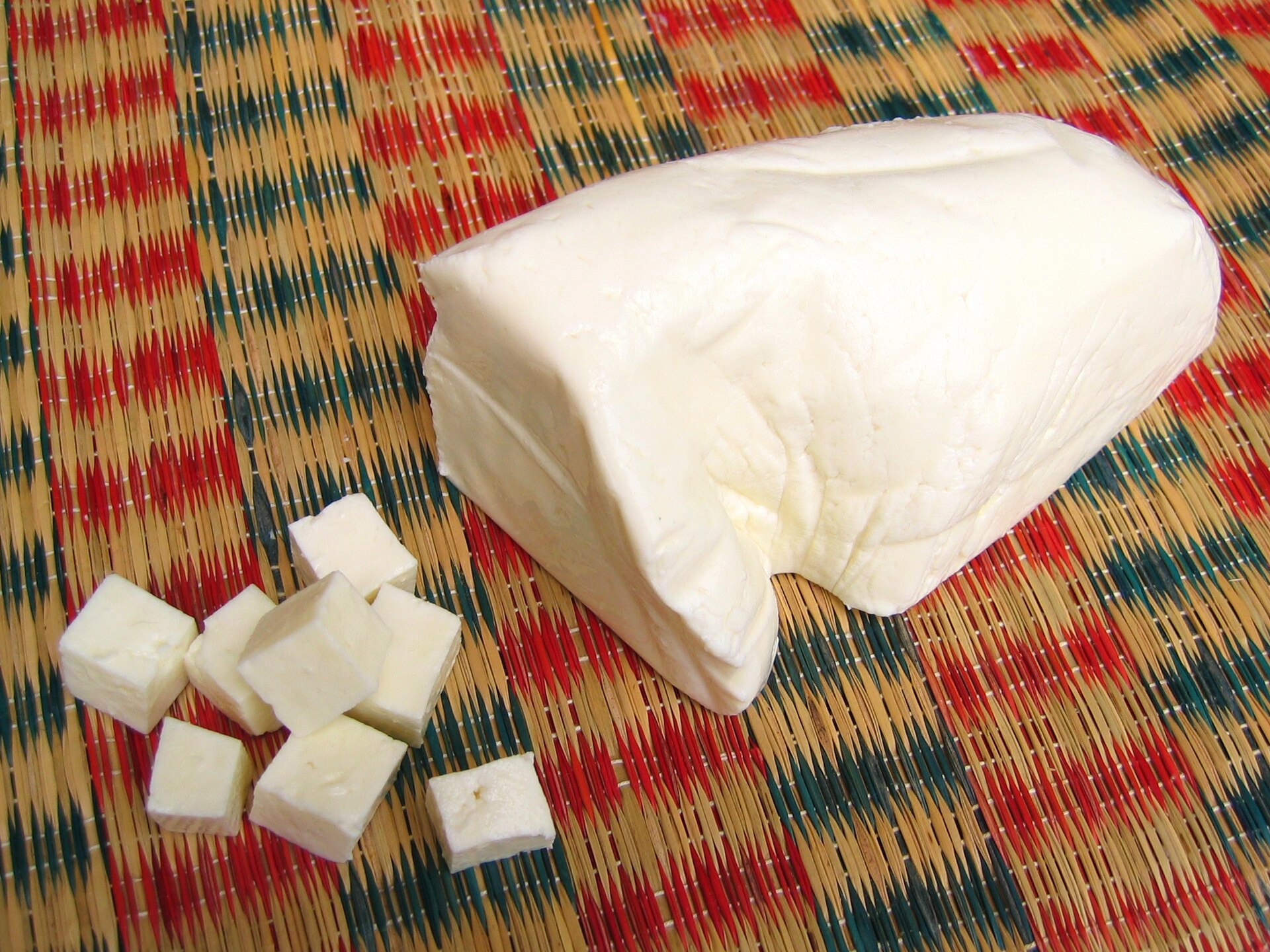
A fresh, unaged cheese made by curdling milk with an acid such as lemon juice, then pressing it. It does not melt.
That non-melting quality is precisely why it works in curries and grilled dishes, holding its shape in sauce. It is simple enough to make at home in under an hour. Paneer is the cheese defined by what it refuses to do.
9. Stilton — England
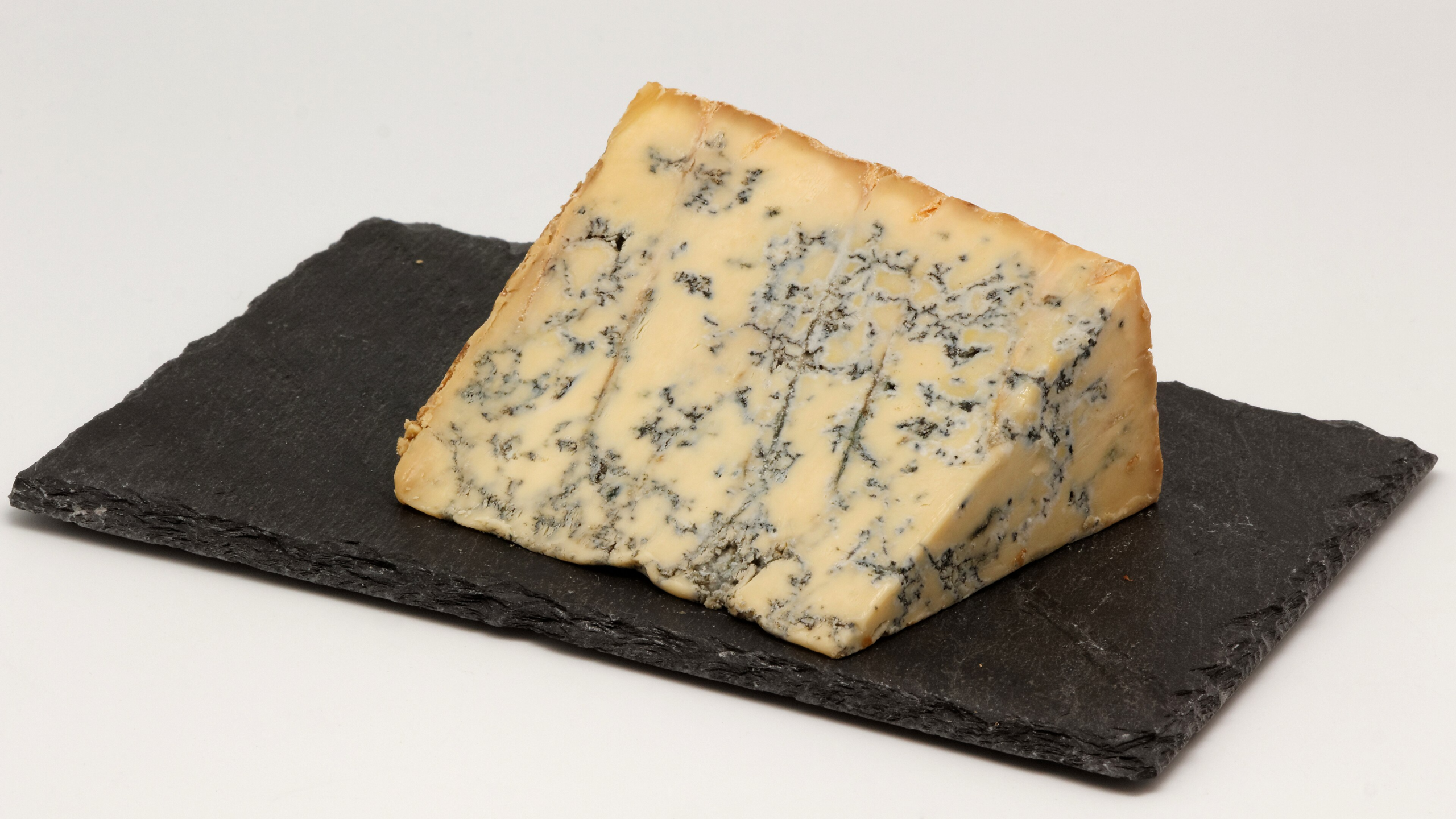
A blue cheese made in a restricted area of the English Midlands, with a crumbly paste and blue veining developed through piercing during ageing.
It is traditionally associated with the Christmas table, and there is a white version made without the blue mould that is far less known. Production is legally restricted. Stilton is the cheese with a protected name and a lesser-known pale sibling.
10. Queso Oaxaca — Mexico
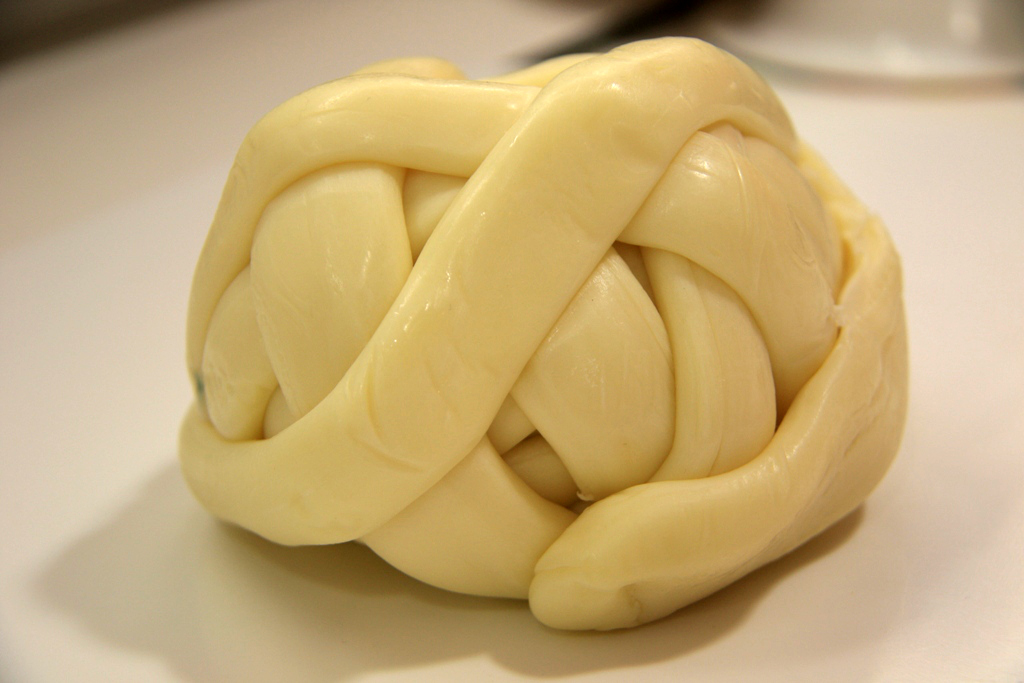
A semi-soft cheese made by stretching the curd into long ribbons which are then wound into a ball, resembling a skein of wool.
The stretching gives it a stringy texture and excellent melting behaviour, which is why it is the standard choice for quesadillas. It is pulled apart rather than sliced. Queso Oaxaca is the cheese you unwind rather than cut.
11. Époisses — France
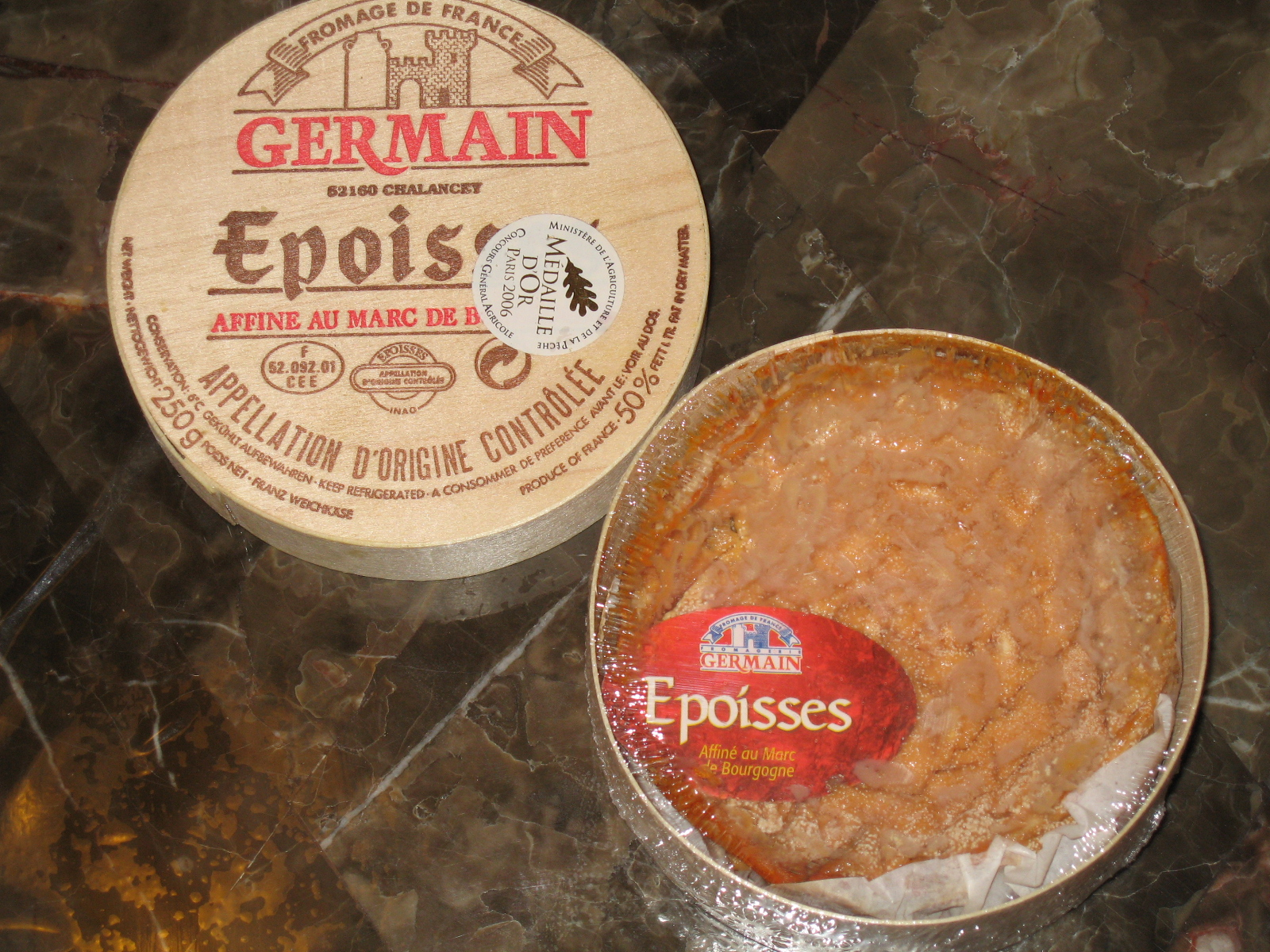
A washed-rind cow’s milk cheese from Burgundy, washed repeatedly during ageing with a local spirit, producing an orange rind and an extremely pungent aroma.
The smell substantially overstates the taste, which is rich and savoury rather than aggressive. It is sold in a wooden box for structural reasons. Époisses is the cheese most likely to be banished to the far end of the fridge.
12. Skyr and Fresh Dairy Cheeses — Iceland and the Nordics
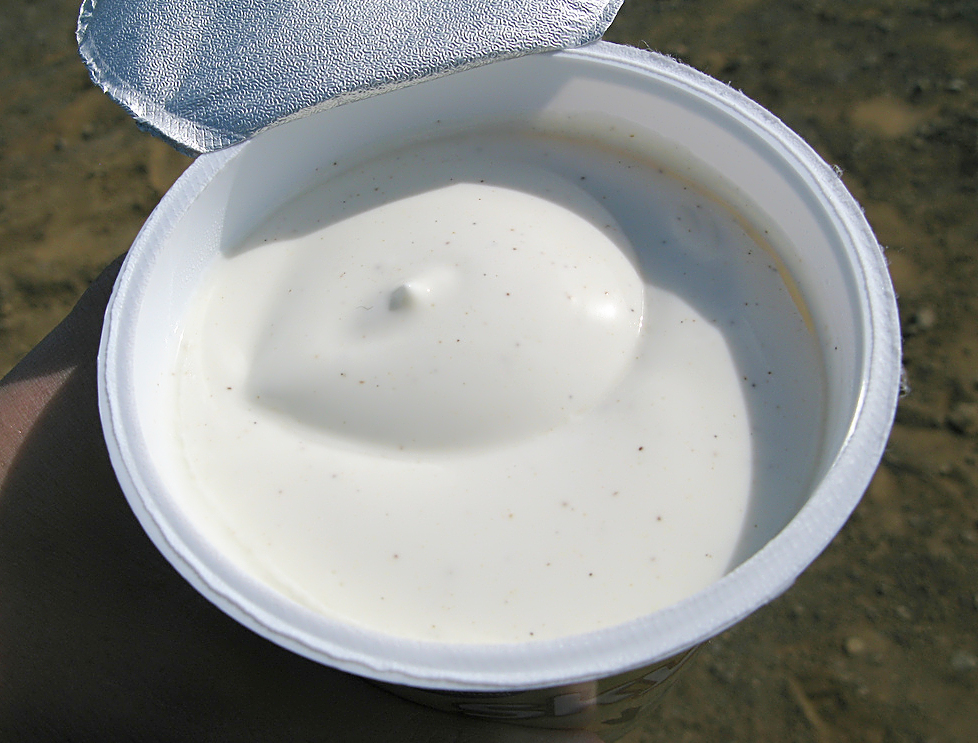
Skyr is technically a fresh cheese rather than a yoghurt, strained to remove whey, producing a thick, mild, high-protein result.
It sits alongside a family of Nordic fresh dairy products that blur the line between cheese and cultured milk, and the category distinction surprises most people. Skyr is the cheese that most of the world files under the wrong heading.
Milk, Salt, Time
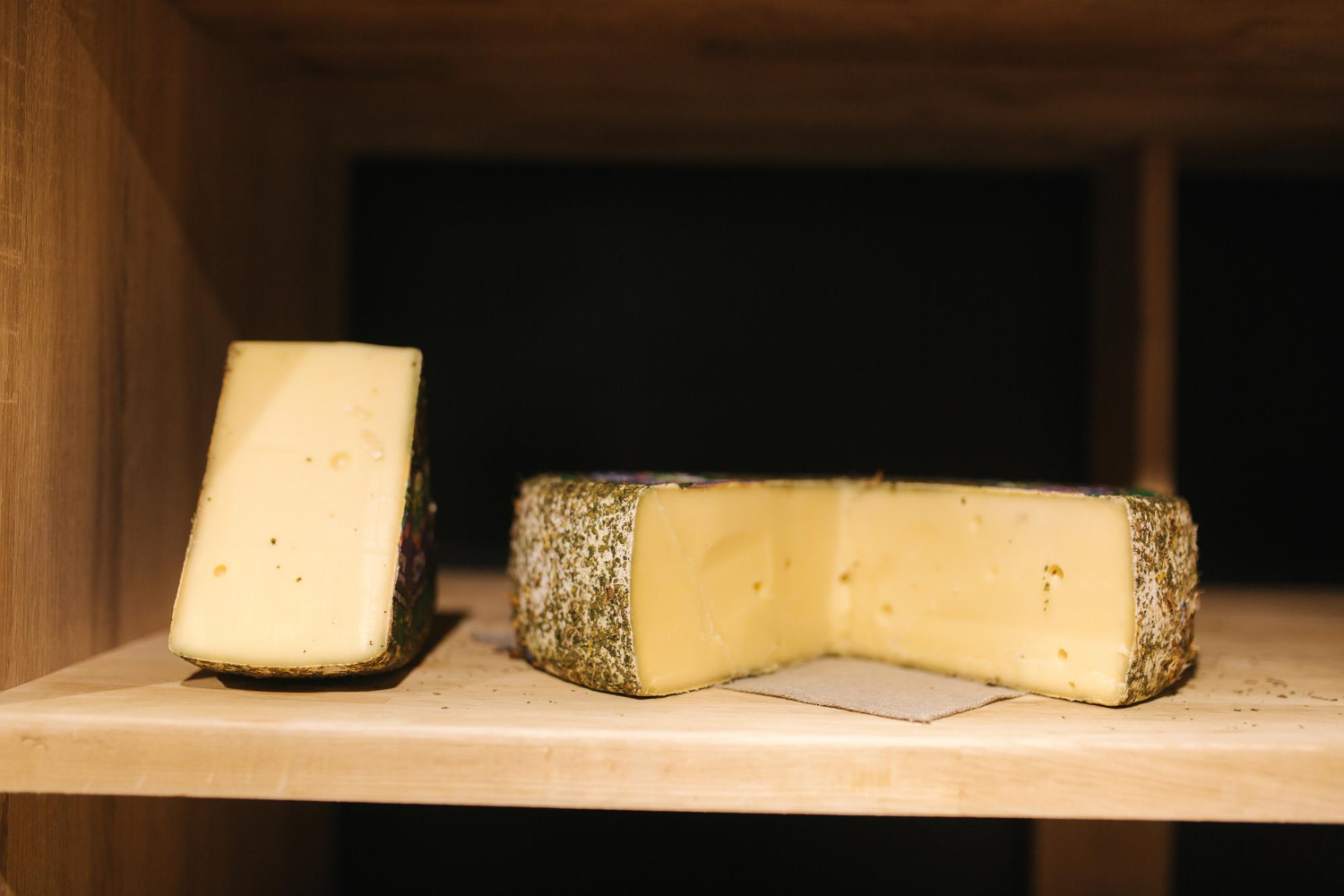
What separates these is a small number of early decisions — which animal, which culture, how much whey is removed, whether mould is introduced — followed by months or years of waiting.
Most of these are available from a decent cheese counter, and the single best thing you can do is buy small pieces of three at once and taste them side by side. The differences between a young and an aged version of the same cheese will teach you more than any description, including this one.
Like our content? Follow us for more.