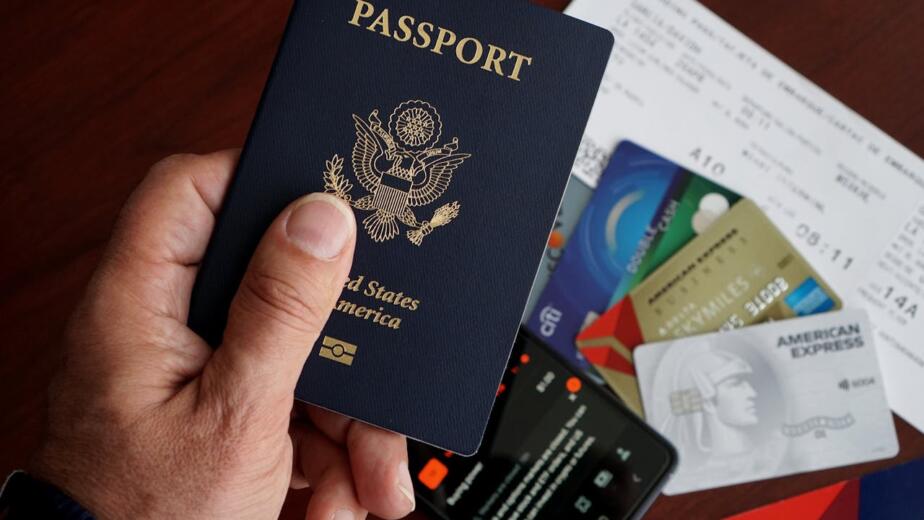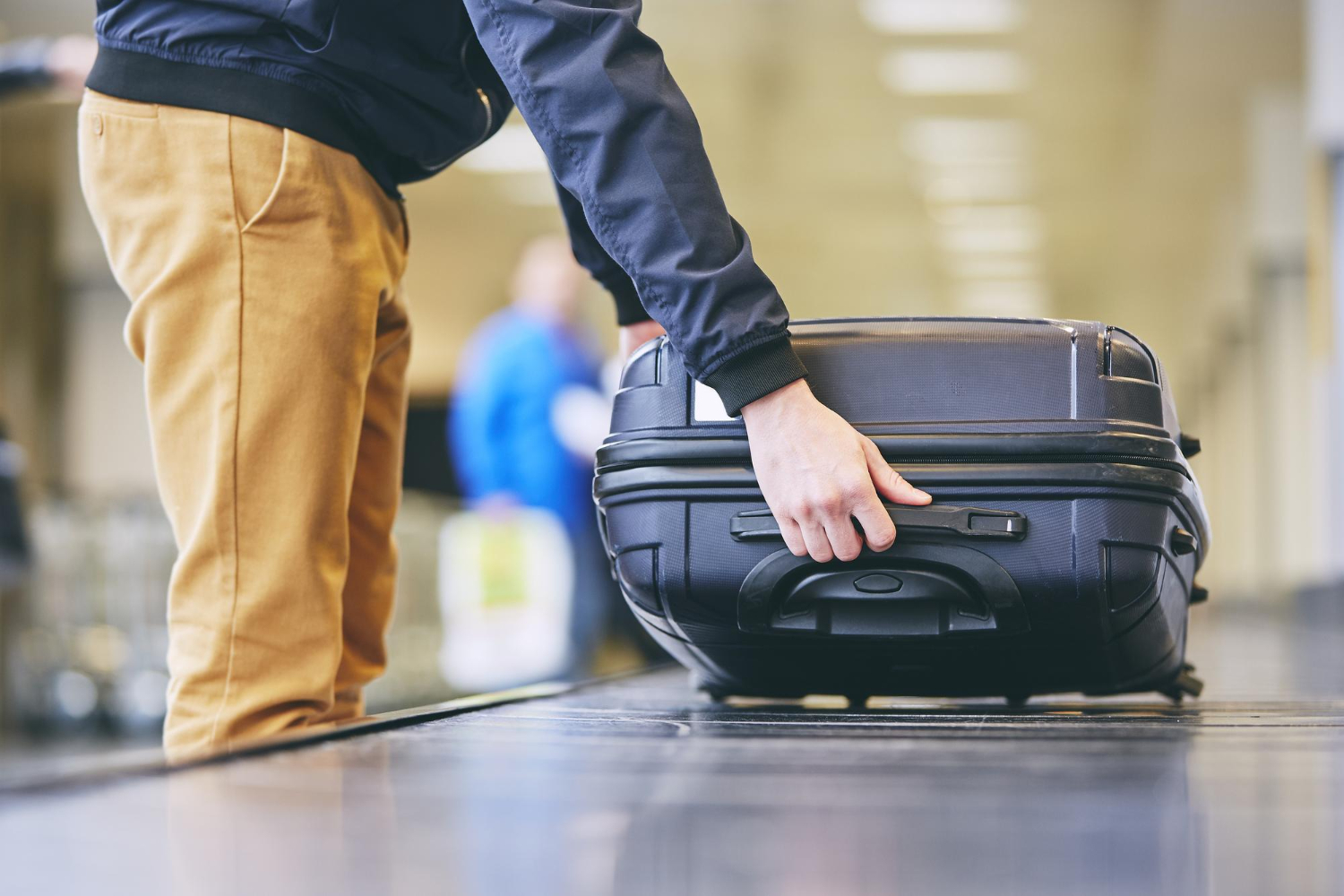
Going hand luggage only is less about heroic minimalism than about a handful of decisions that each remove several items. Here are twelve that do most of the work.
1. Check Your Airline’s Actual Limits First
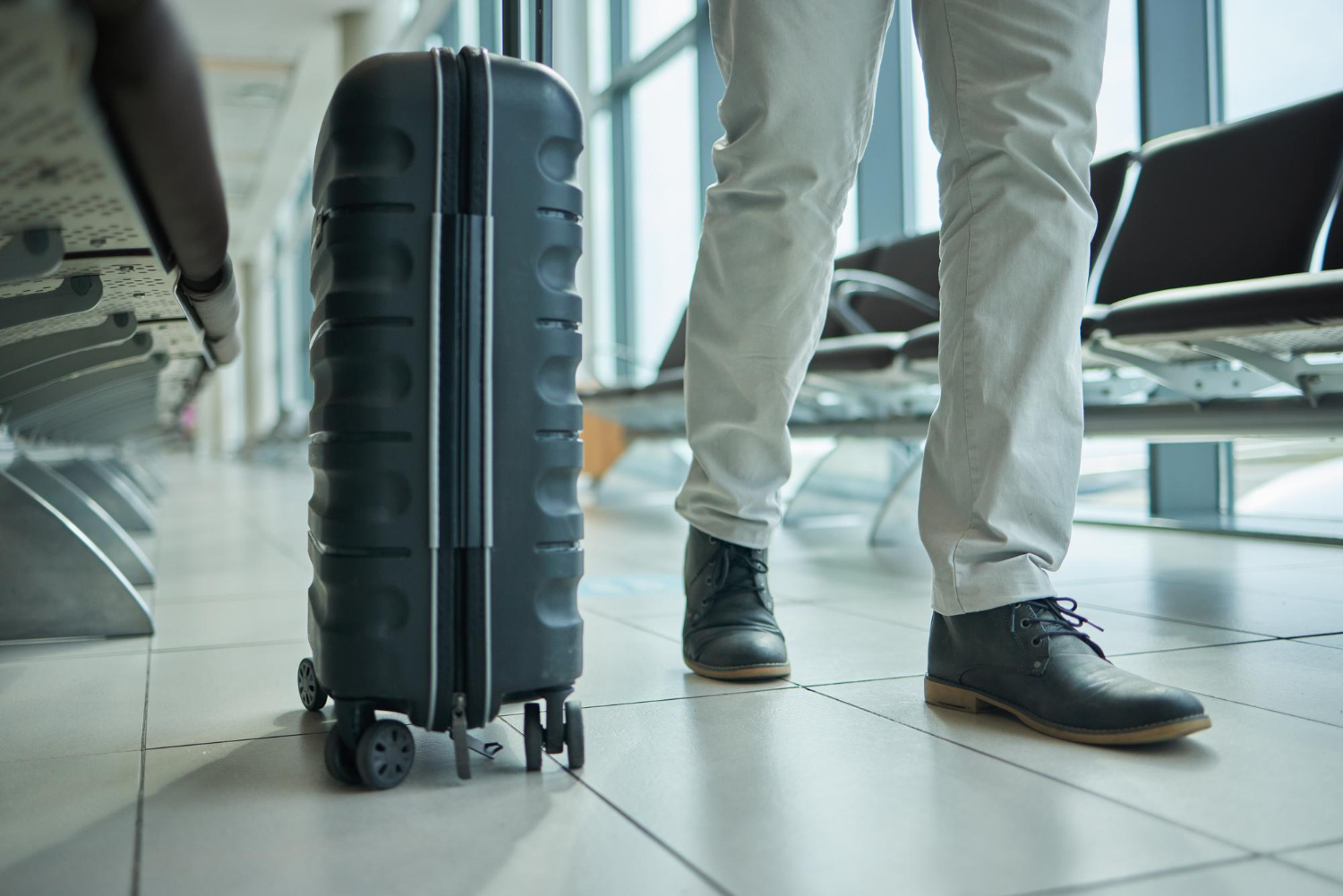
Cabin bag allowances vary substantially between airlines and change regularly, covering dimensions, weight and how many pieces you may bring.
Checking the specific airline’s current rules for your specific fare, rather than assuming a standard, is the step that prevents an expensive surprise at the gate. Measure your bag including wheels and handles. Checking the actual limits first is the foundation of hand luggage only travel.
Like our content? Follow us for more.
2. Pick One Colour Scheme
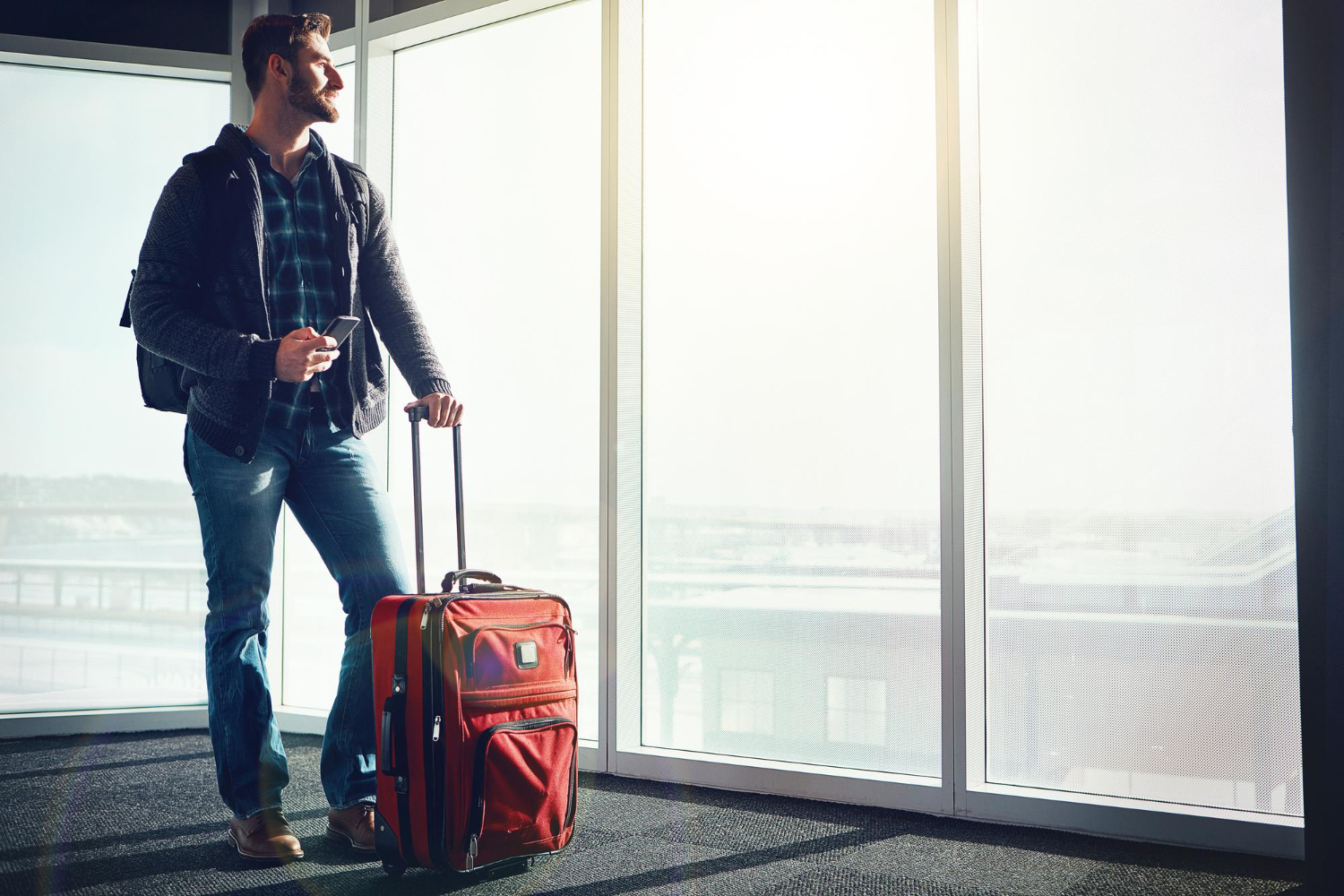
The single biggest reduction comes from making everything match, so any top works with any bottom and one pair of shoes works with everything.
A neutral base with two or three accent pieces gives many more outfits from far fewer garments. This sounds fussy and saves more space than any packing technique. Picking one colour scheme is the decision that removes the most from a hand luggage packing list.
3. Wear the Bulkiest Things

Coats, boots and heavy jumpers take up the most space and weigh the most, so they should be on you rather than in the bag.
Wearing your heaviest layer through the airport, even if it means carrying it once you land, buys a substantial amount of capacity. Layers can come off on board. Wearing the bulkiest things is the oldest hand luggage trick and still the most effective.
4. Take Half the Shoes You Planned
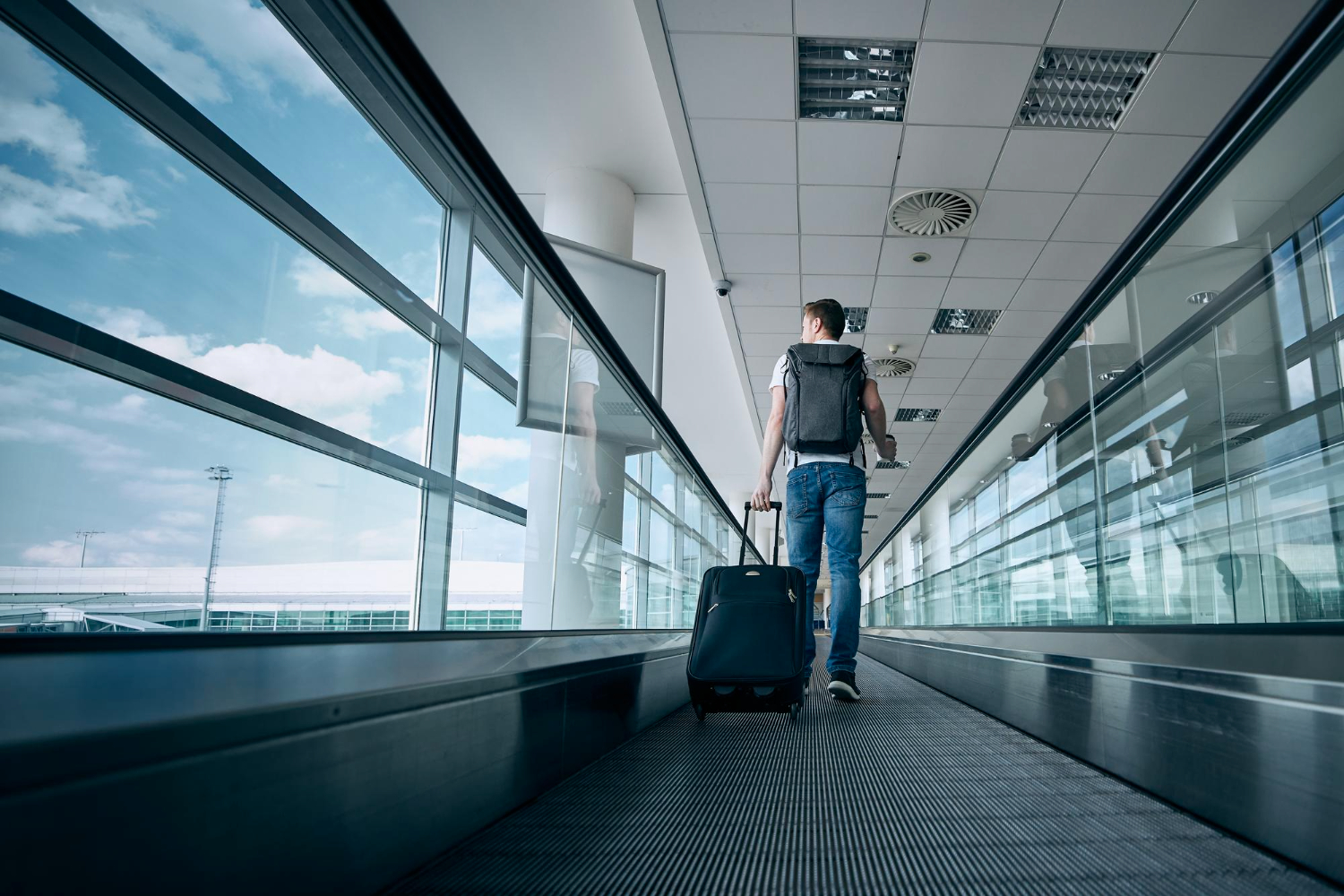
Shoes are the worst thing in any bag: heavy, awkwardly shaped and impossible to compress.
Two pairs is a workable maximum for most trips — one worn, one packed — and stuffing socks inside the packed pair recovers the space. Choose comfort over options. Taking half the shoes you planned is the single change that makes a hand luggage bag close.
5. Decant Liquids Properly
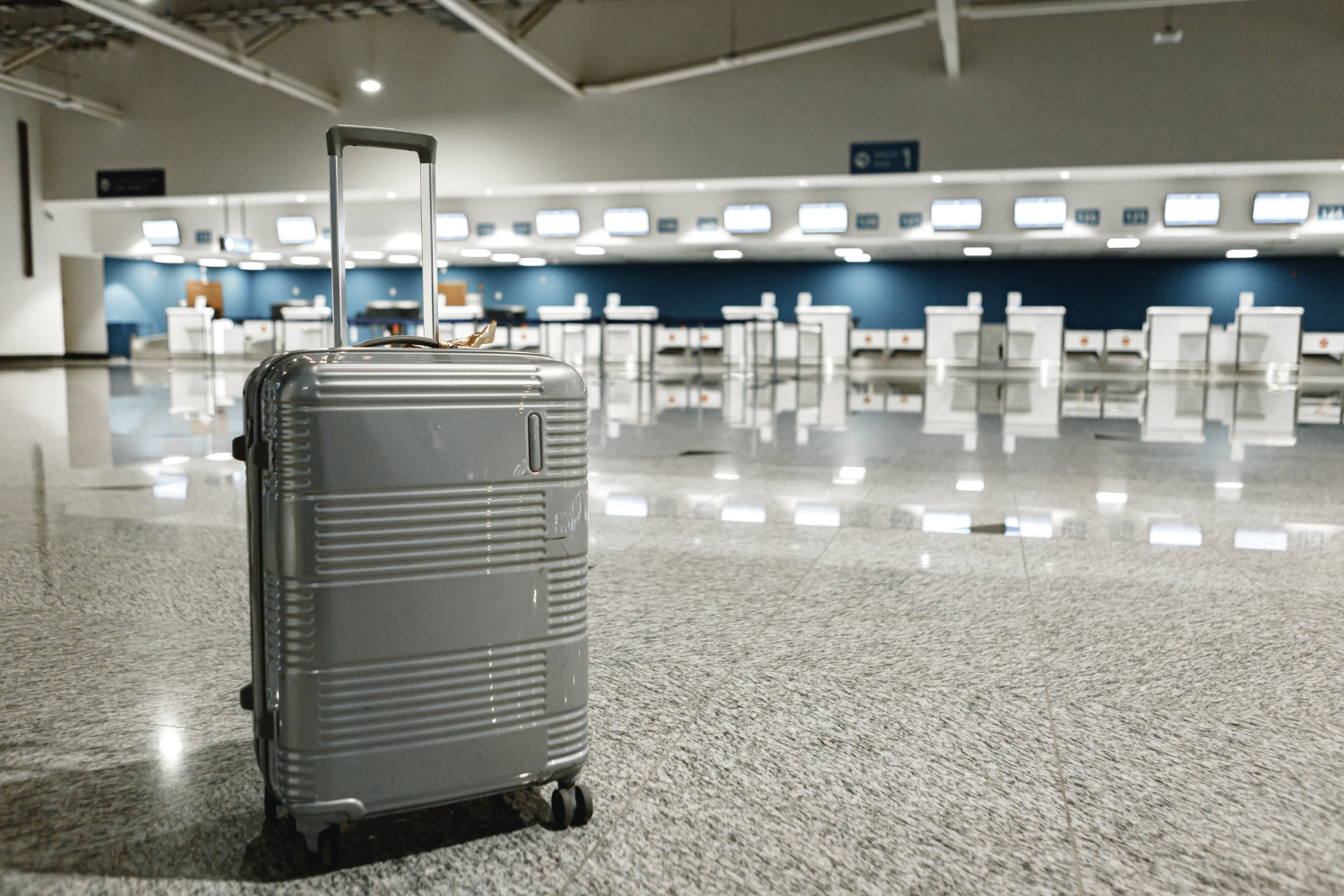
Liquid restrictions are the most common reason bags get opened at security, and rules differ by airport and change over time.
Decanting into small containers, keeping them together in a clear bag, and checking the current rules for your departure airport avoids the whole problem. Solid alternatives exist for many toiletries. Decanting liquids properly is the hand luggage step most likely to be got wrong.
6. Plan to Do Laundry
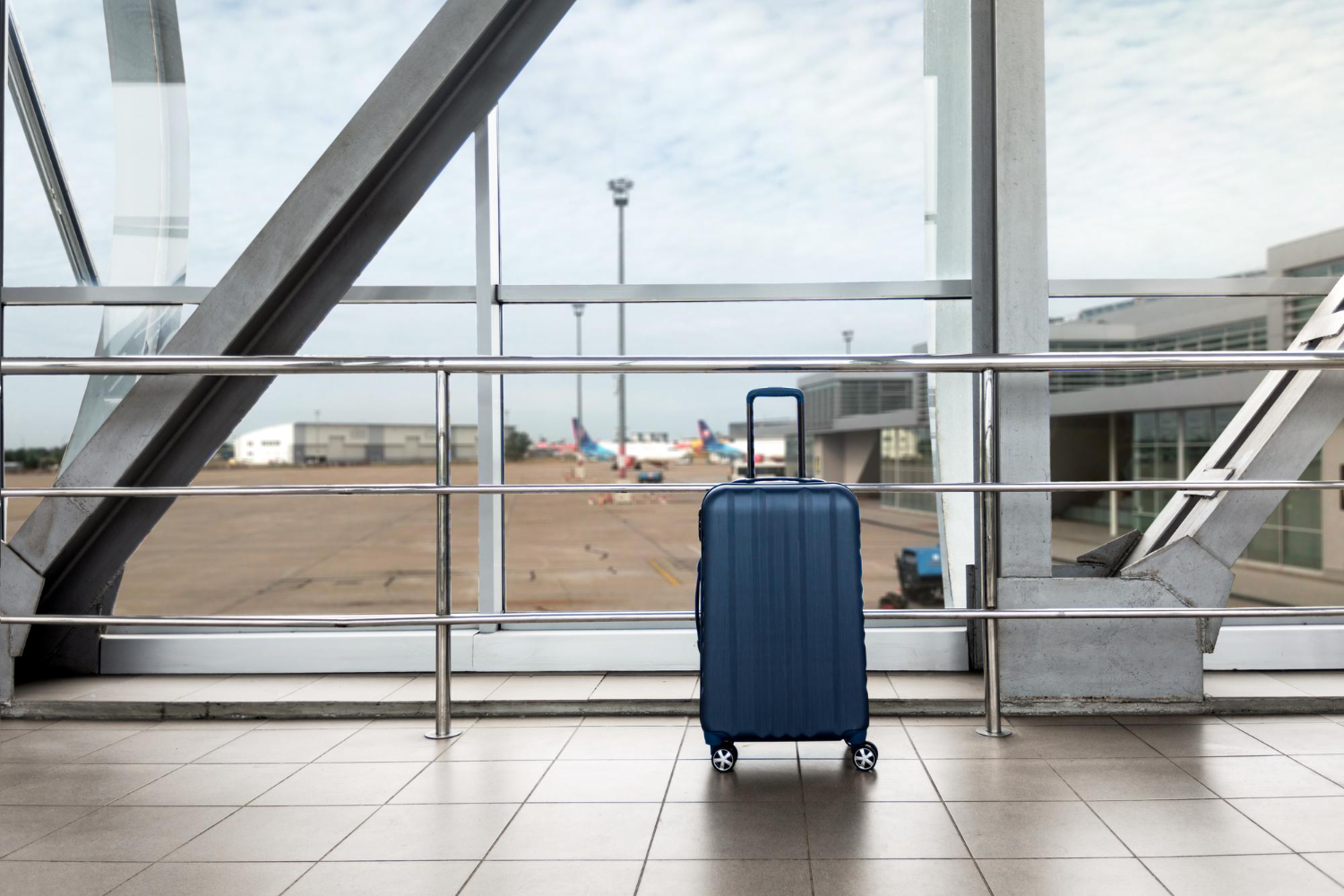
Packing for the length of the trip is what forces people into a checked bag. Packing for a few days and washing is what makes long trips possible with a small bag.
A little detergent, a sink and an evening covers most needs, and quick-drying fabrics make it practical. Many accommodations have facilities. Planning to do laundry is the shift in thinking that unlocks hand luggage only travel for longer trips.
7. Choose Fabrics That Recover
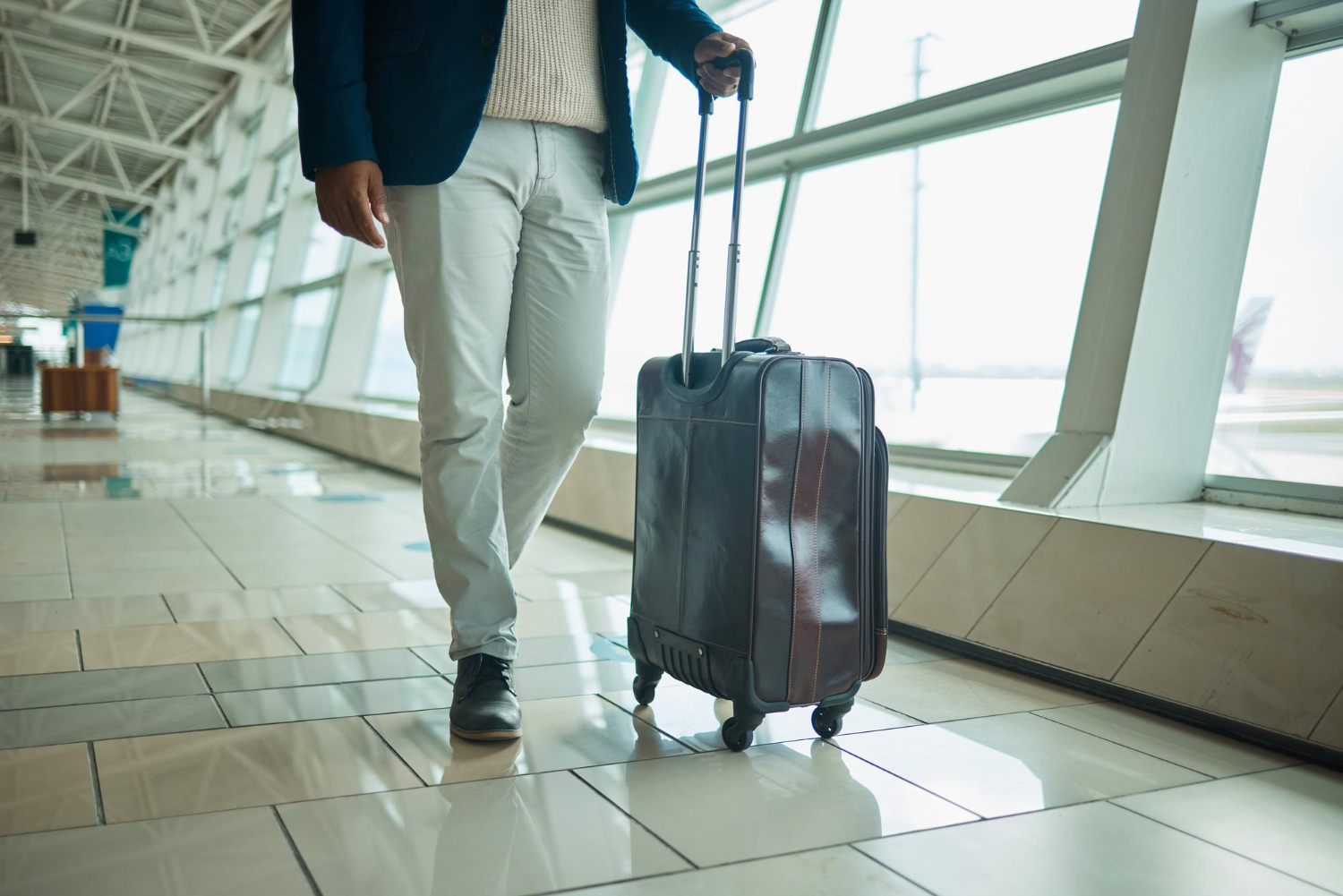
Some materials emerge from a compressed bag looking acceptable and some do not, and this matters more when you have no iron.
Merino wool, synthetic blends and knits generally recover; linen and stiff cotton generally do not. Merino also resists odour, so it can be worn repeatedly. Choosing fabrics that recover is the least obvious hand luggage decision with the biggest visible payoff.
8. Use a Small Personal Item Well
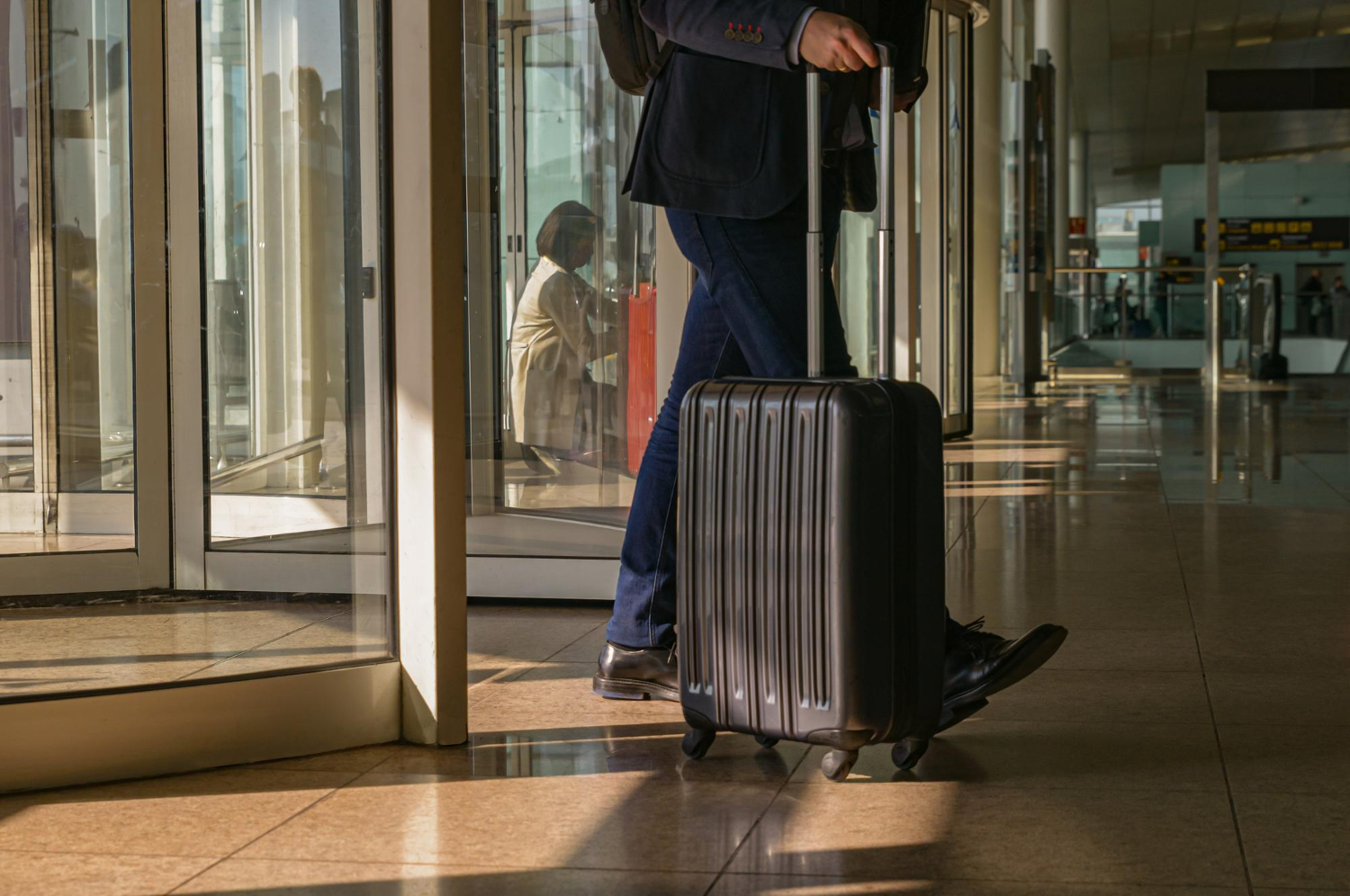
Most allowances include a second smaller bag, and using it properly effectively expands your capacity.
Keeping documents, electronics, chargers, medication and anything needed in flight in that bag also means your main case never has to be opened in a cramped cabin. Keep it under the seat. Using a small personal item well is how experienced hand luggage travellers get more in.
9. Leave the Just-In-Case Items
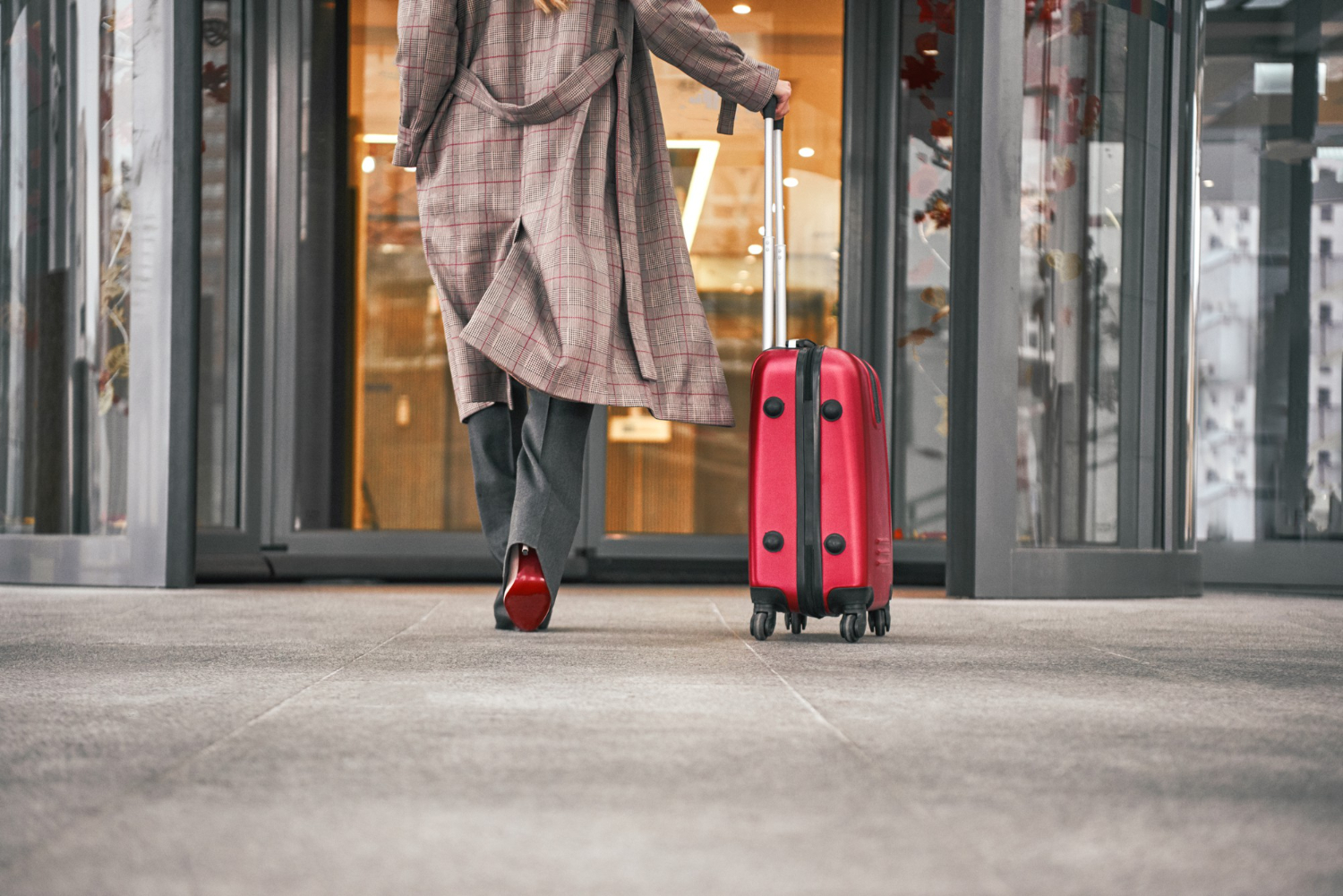
Most of what people pack for unlikely scenarios is available at the destination, usually cheaply and often within walking distance.
Real exceptions are prescription medication, specific documents and anything you actually cannot replace. Everything else can be bought if the situation arises. Leaving the just-in-case items is the mental hurdle that hand luggage travel requires you to clear.
10. Weigh the Bag at Home
Airlines increasingly enforce cabin bag weight as well as size, and finding out at the gate is expensive and stressful.
A cheap luggage scale, or standing on bathroom scales holding the bag, settles it in thirty seconds while you can still remove things. Do it the night before. Weighing the bag at home is the check that prevents the most common hand luggage failure.
11. Keep Souvenirs in Mind From Day One
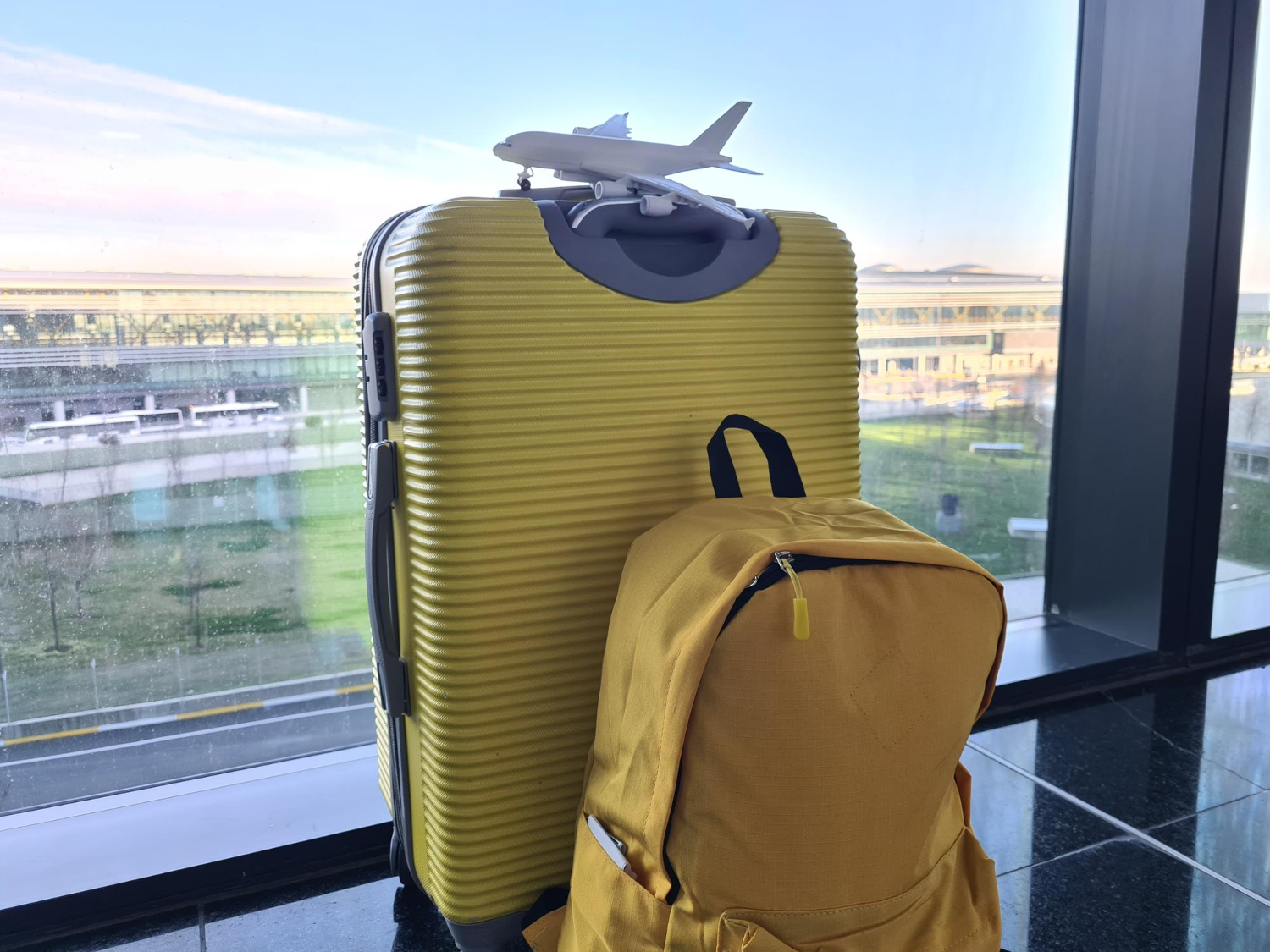
A bag packed completely full on the outbound journey has no capacity for anything acquired along the way.
Leaving a small amount of space, or planning to post things home, avoids the familiar scene of repacking on a hotel floor. Some travellers pack a foldable spare bag. Keeping souvenirs in mind from day one is the hand luggage consideration people forget until the last morning.
12. Accept That You Will Wear Things Twice
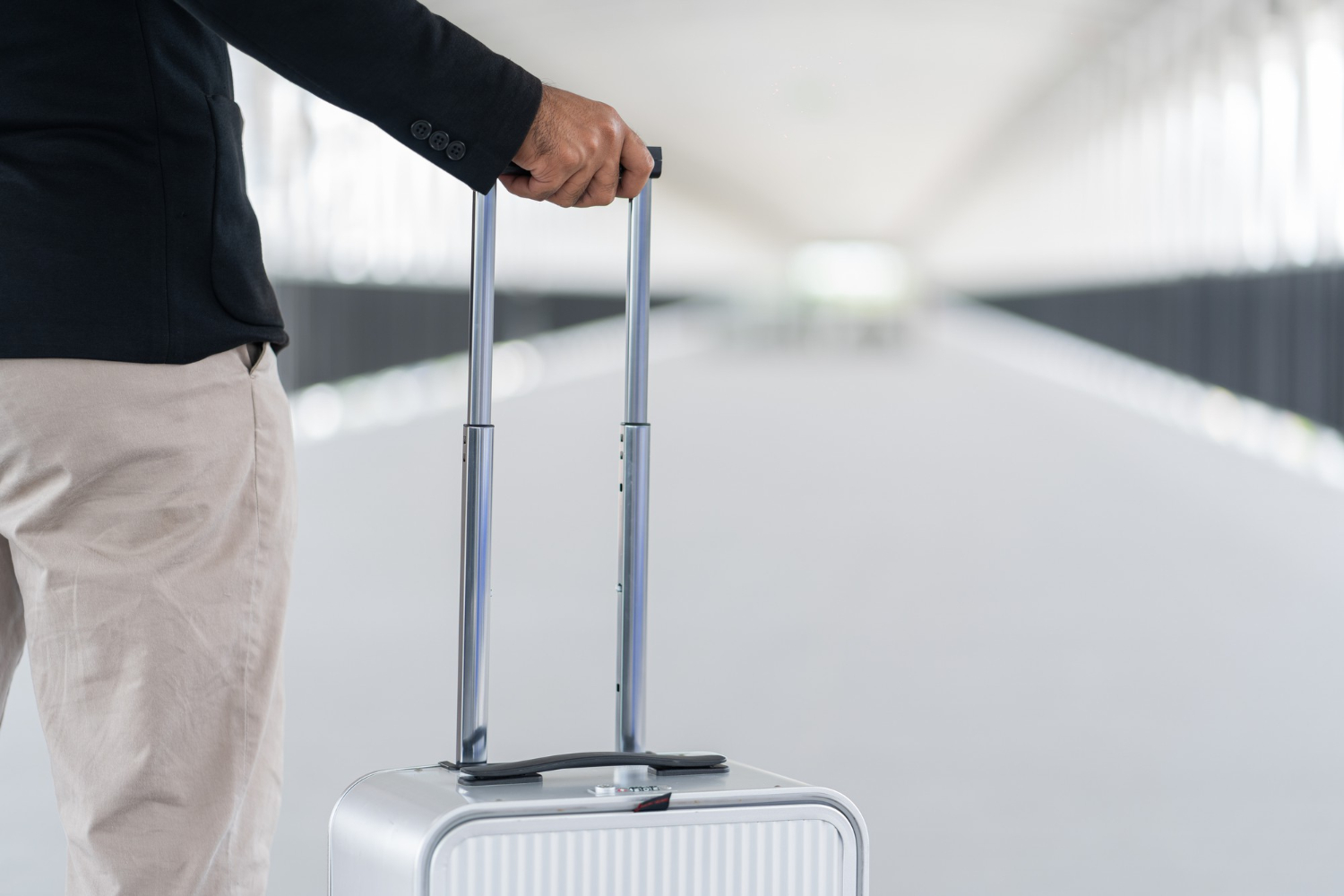
The whole approach rests on being comfortable repeating outfits, and almost nobody around you will notice or care.
Once that is accepted, the packing list halves, and the trade for never waiting at a carousel or worrying about a missing bag is one most people find worthwhile. Accepting that you will wear things twice is the attitude that makes hand luggage only travel truly easy.
Less to Carry, Less to Lose
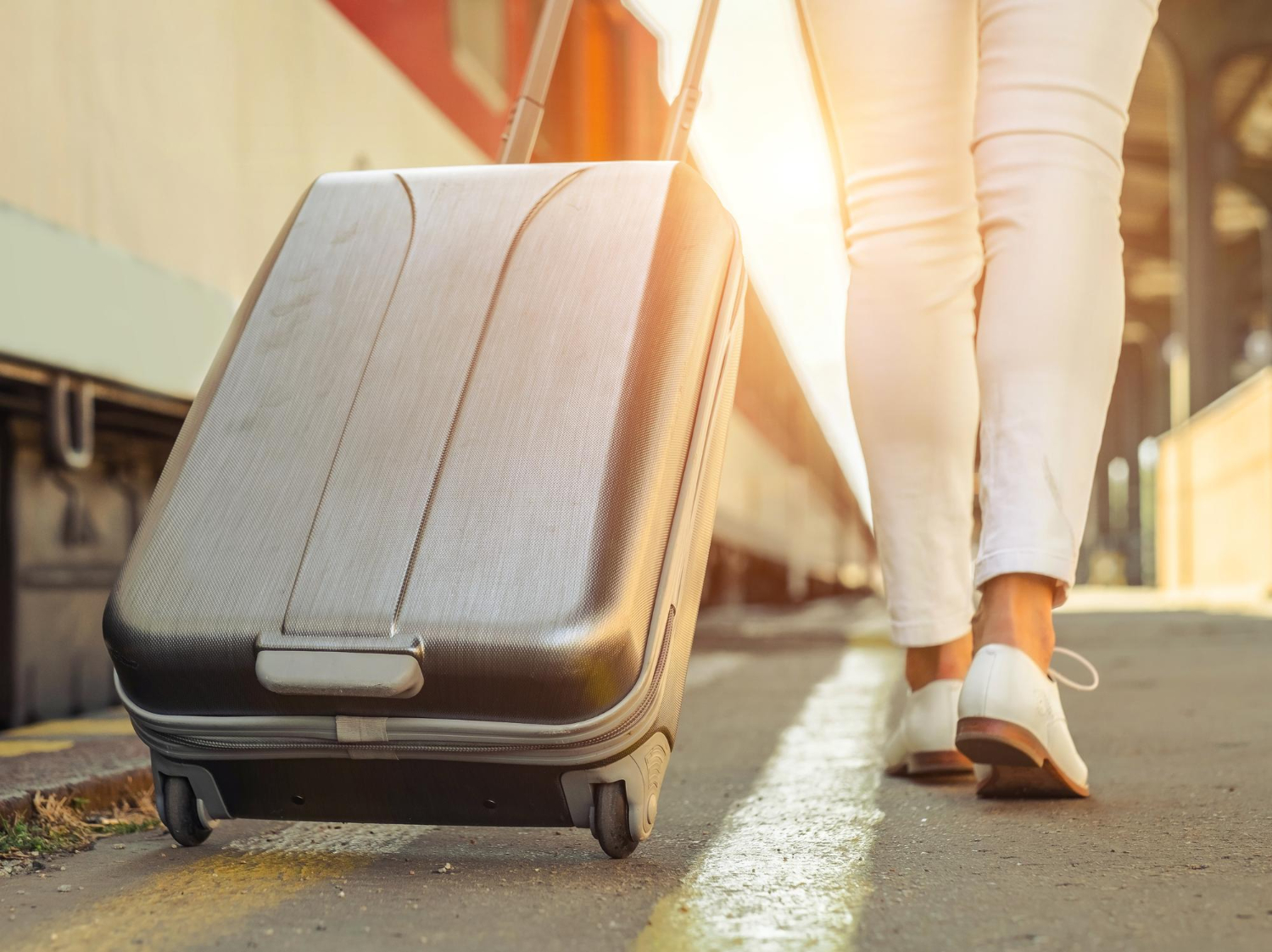
Everything here reduces to two ideas: bring fewer things that work together, and plan to wash rather than to pack for every day.
The reward is real. You walk off the aircraft and out of the airport while everyone else is standing at a belt, your bag has never been anywhere you were not, and you can get on a train or into a taxi without a production. For most trips of most lengths, it works.
Like our content? Follow us for more.