

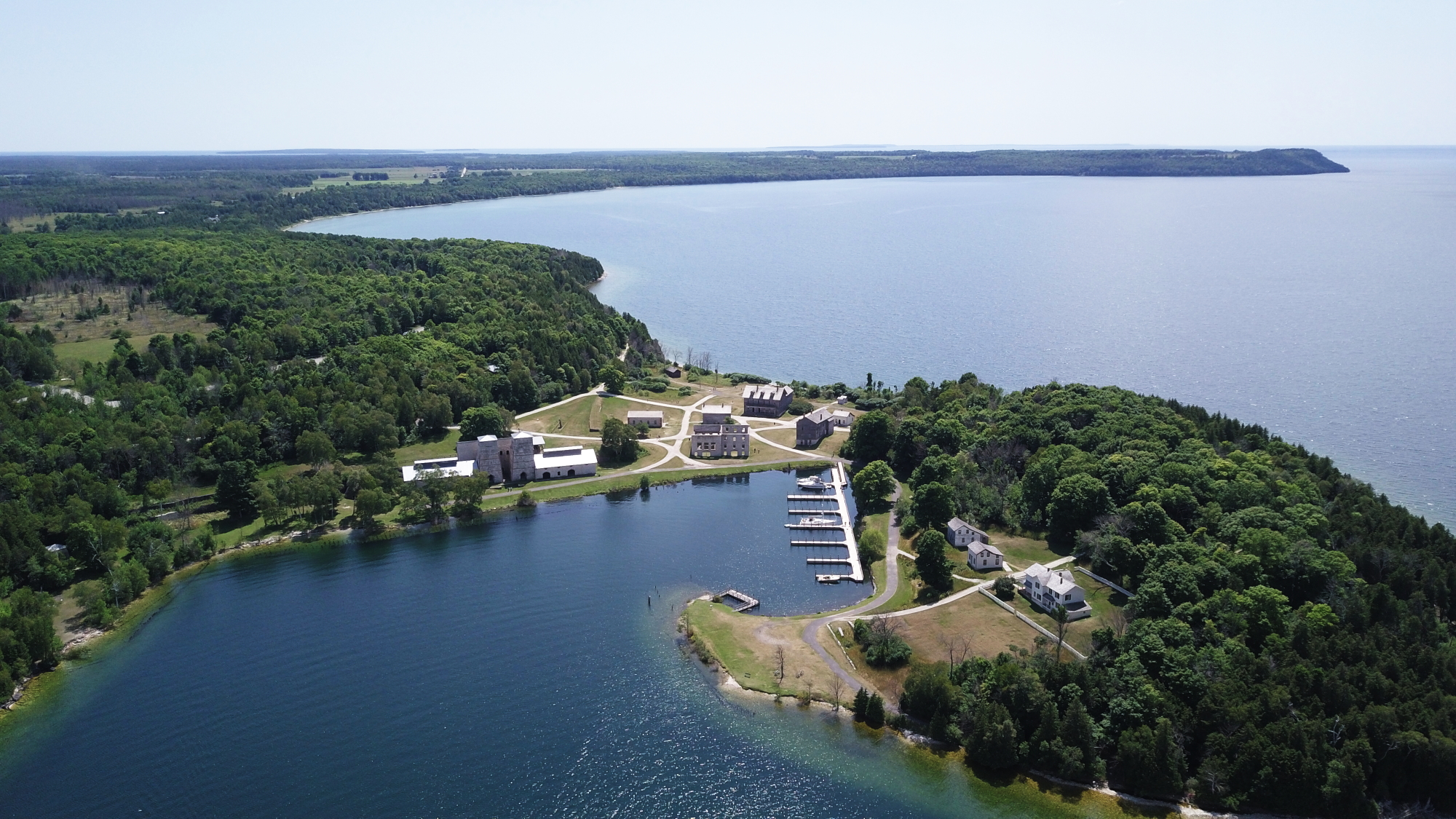
Tucked at the tip of Michigan’s remote Garden Peninsula, overlooking the turquoise waters of Snail Shell Harbor, sits one of the best-preserved 19th-century industrial ghost towns in the entire country, a place that boomed, busted, and was abandoned within a single generation.
Built Around Iron and Limestone
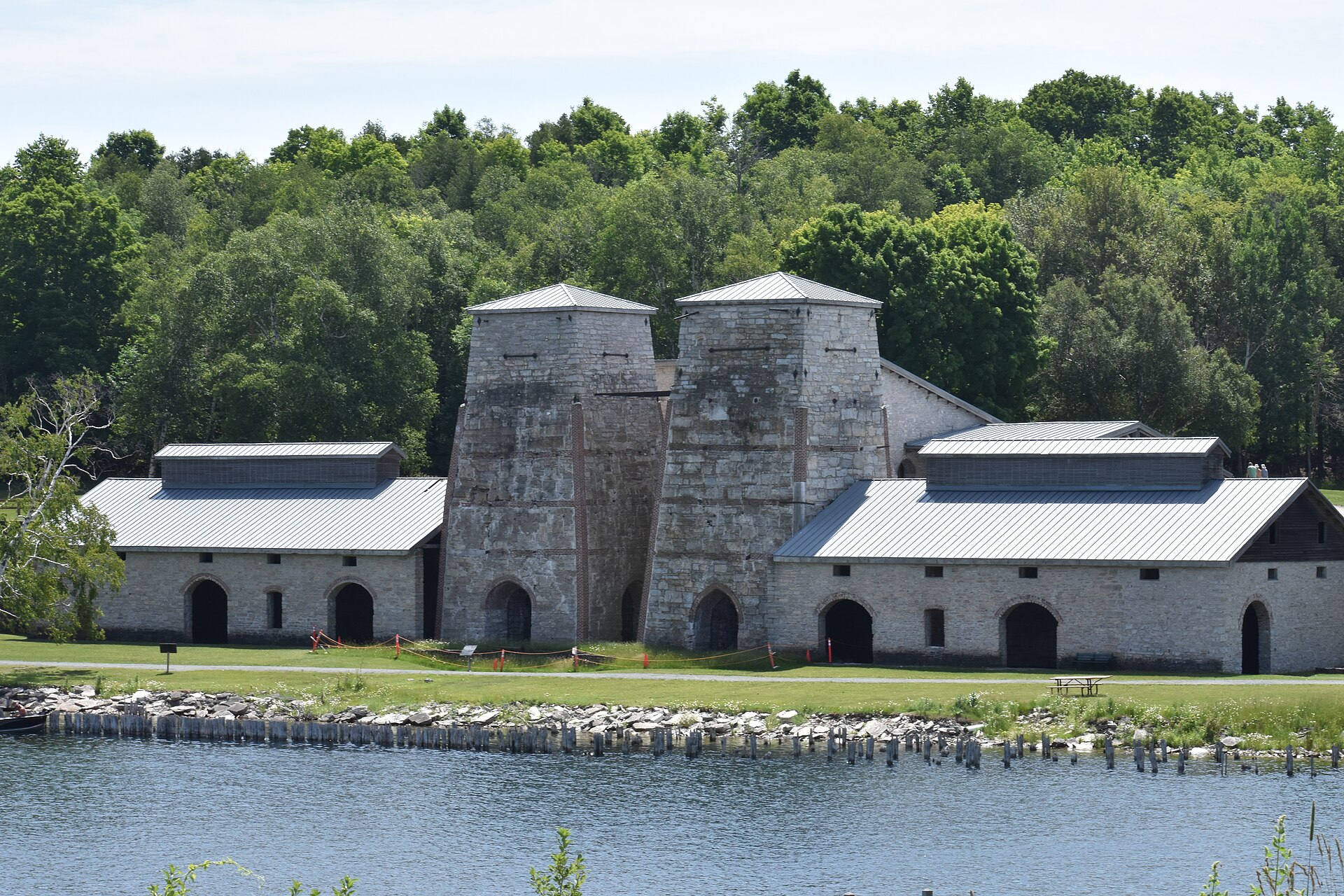
Fayette Brown, general manager of the Jackson Iron Company, selected this specific harbor location in 1867 for a very practical reason: the site offered everything an iron-smelting operation needed within easy reach. The harbor allowed ships to bring in iron ore and ship out finished pig iron, nearby hardwood forests supplied the charcoal needed to fuel the blast furnaces, and the surrounding limestone cliffs provided both flux for purifying the iron and material for constructing the town itself.
Like our content? Follow us for more.
A Genuinely Thriving Industrial Community
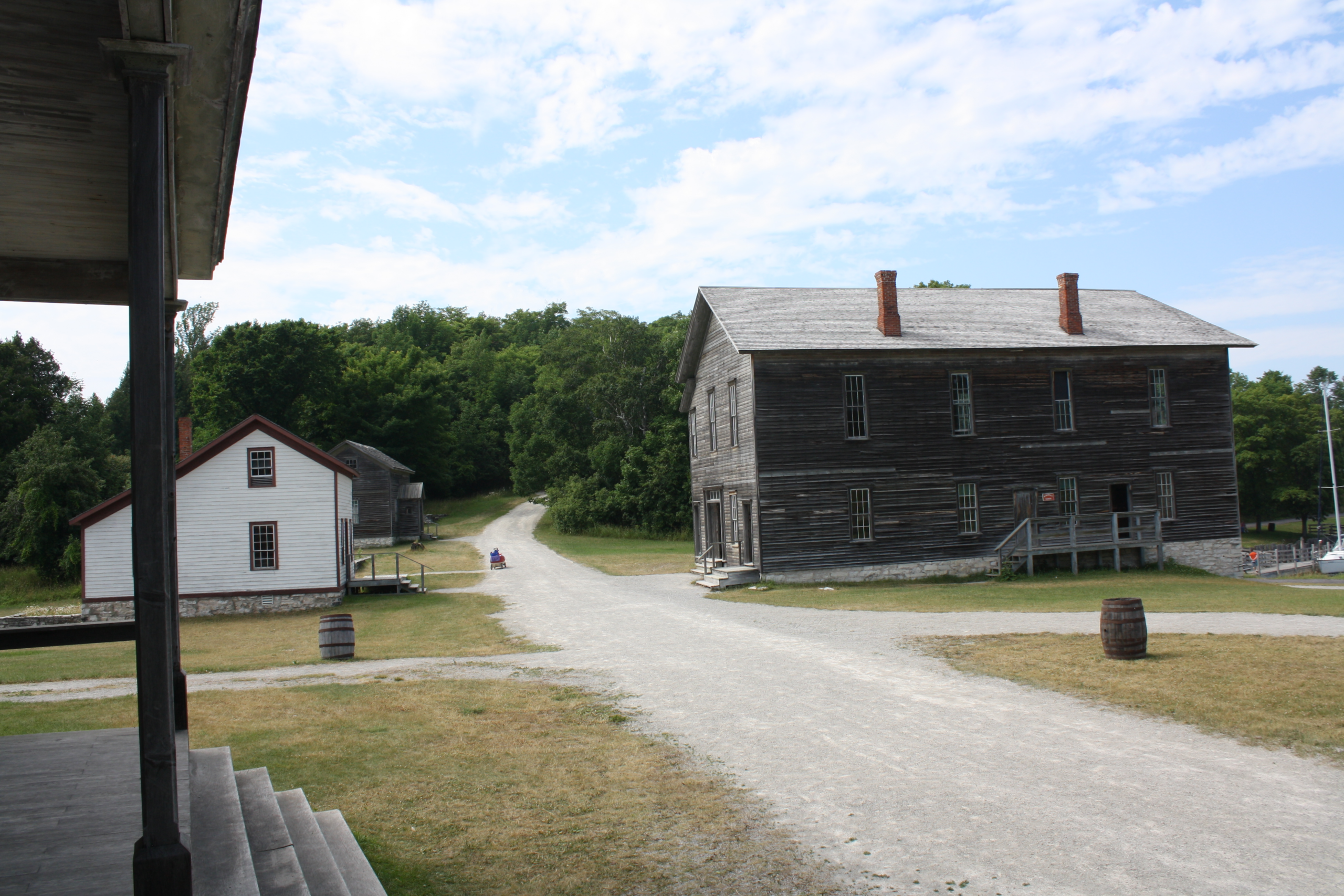
Between 1867 and 1891, Fayette grew into a genuinely thriving company town of roughly 500 residents, many of them immigrants from Canada, the British Isles, and northern Europe, who lived and worked around two massive blast furnaces and a network of supporting industrial buildings. The town was far from a bare-bones industrial outpost, residents enjoyed a company store, a school, a post office, a hotel, a cornet band, a baseball team, and even a horse racing track, a genuinely complete small community built entirely around the iron-smelting operation at its center.
A Boom That Ended Almost as Quickly as It Began
Fayette’s prosperity proved genuinely short-lived. The blast furnaces steadily consumed the surrounding hardwood forests needed for charcoal fuel, and new industrial methods for processing iron and making steel began drawing business toward more efficient operations in distant cities. By 1891, the Jackson Iron Company shut down its Fayette operations entirely, and most residents and their families packed up and moved on to work elsewhere within just a few years.
A Ghost Town, Then a State Park
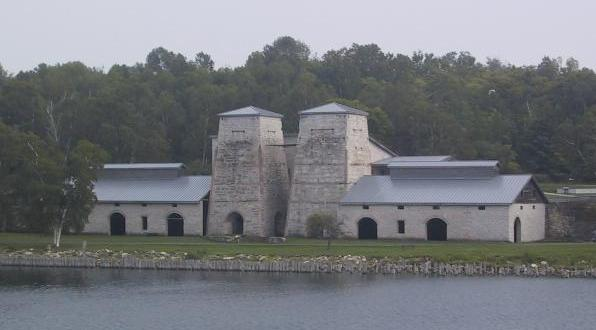
A handful of residents remained in the area even after the iron company departed, and the increasingly empty townsite gradually became a modest local tourist curiosity. In 1959, the State of Michigan formally acquired the site, beginning a decades-long preservation effort that stabilized the remaining structures and eventually transformed Fayette into a fully realized historic state park. The site earned a place on the National Register of Historic Places in 1970, formal recognition of its significance as a remarkably intact window into 19th-century industrial life.
What Makes Fayette Different From Other Ghost Towns
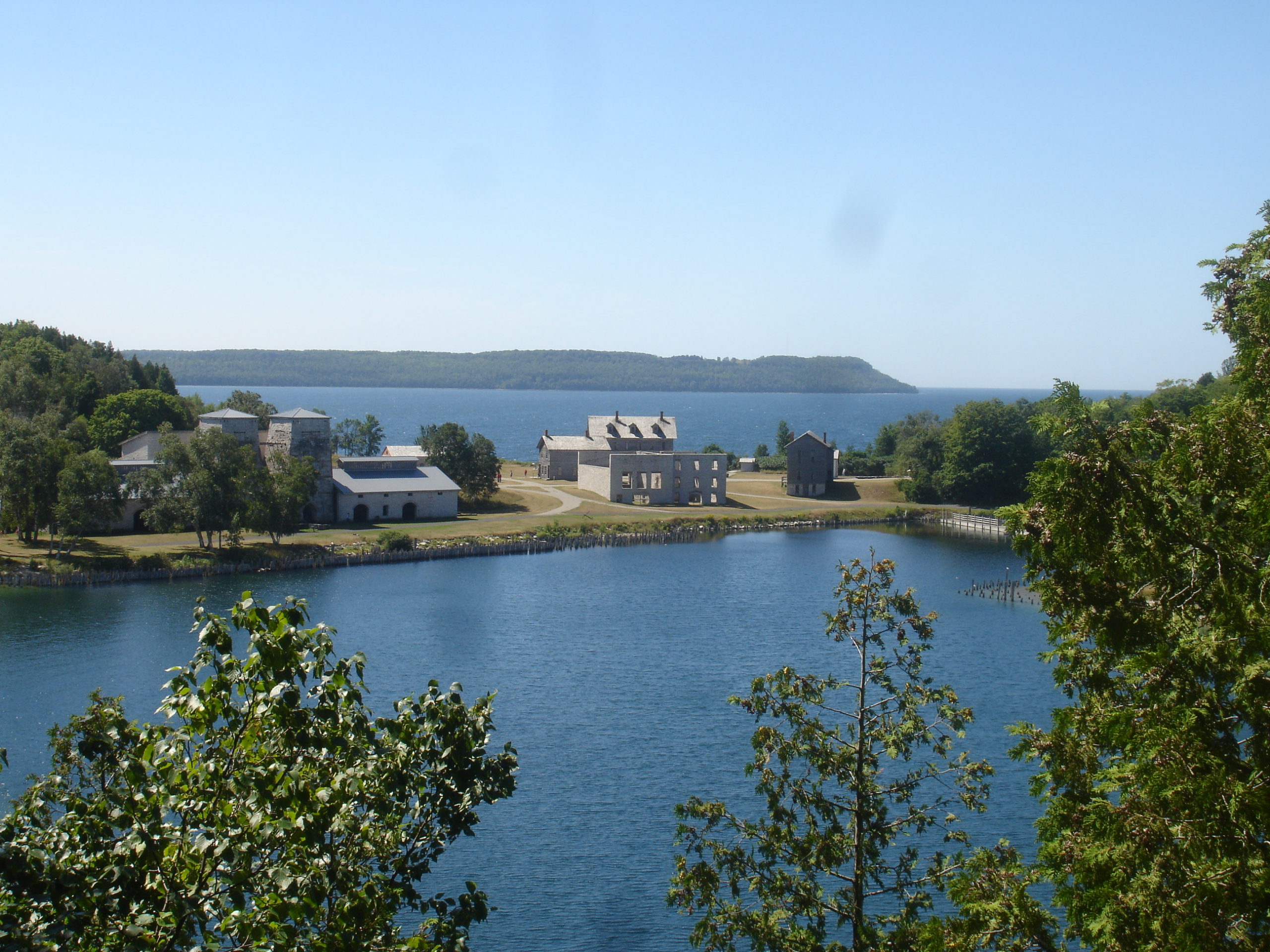
Unlike many abandoned industrial sites that gradually collapse into unrecognizable rubble, Fayette’s remote location and the state’s dedicated preservation work have kept more than 20 original buildings standing, including the massive blast furnace complex, the hotel, the machine shop, the company office, and several furnished residences complete with period-appropriate furniture and household items. Walking through the townsite today offers a genuinely rare, largely complete picture of exactly what a 19th-century company town actually looked like, rather than scattered fragments requiring real imagination to piece together.
Visiting Fayette Today
The historic townsite is open seasonally from mid-May through mid-October, with both self-guided exploration and scheduled guided tours available, and visitors should plan on two to four hours to properly explore the visitor center and more than 20 preserved buildings. A Michigan Recreation Passport is required for vehicle entry into the park, available to purchase on-site for out-of-state visitors, and the broader 711-acre park also offers camping, hiking trails along dramatic 90-foot limestone cliffs, swimming, and kayak rentals for travelers wanting to extend their visit beyond the historic townsite itself.
Beyond the Townsite Itself
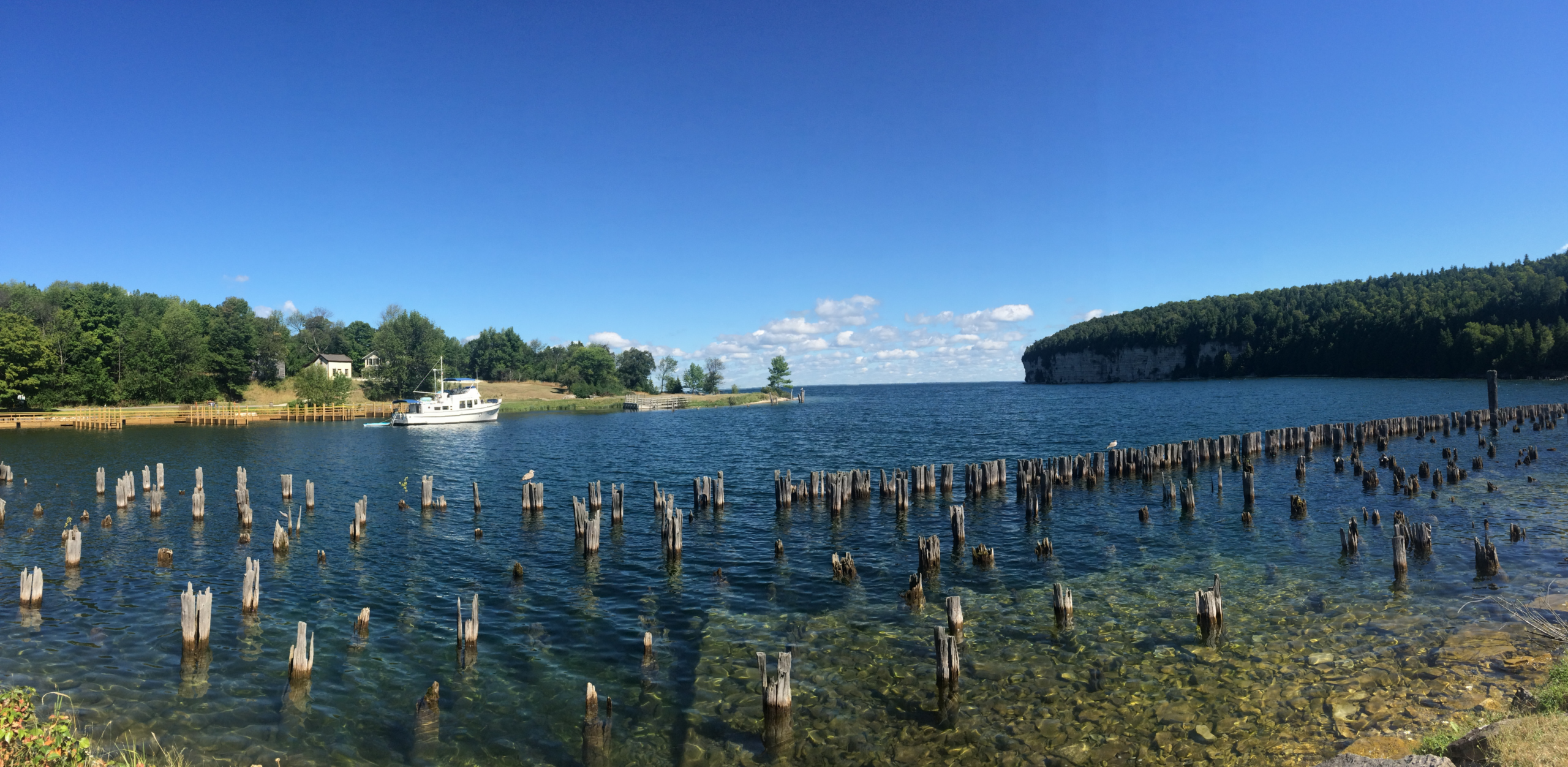
The surrounding park offers considerably more than the historic buildings alone, five miles of trails wind through beech and maple hardwood forests, some containing trees estimated at more than 1,400 years old, among the oldest known trees anywhere in Michigan. The harbor itself remains a working part of the park today, with boat slips and kayak rentals available seasonally, letting visitors experience the same turquoise waters that once shipped iron ore and finished pig iron to markets throughout the growing nation.
Fall Foliage Adds Another Reason to Visit
Many longtime visitors specifically recommend timing a trip to Fayette for late September through mid-October, when the surrounding hardwood forests turn brilliant shades of crimson and gold, adding a genuinely striking seasonal backdrop to the already atmospheric ruins. The combination of historic architecture, dramatic limestone cliffs, and peak fall color has made autumn a particularly popular season for photographers and history enthusiasts making the trip specifically to the Garden Peninsula.
A Genuinely Rare, Complete Piece of American Industrial History
Fayette’s story, a genuinely thriving company town built almost entirely around a single industry, gone within 24 years, then preserved so thoroughly that visitors today can walk the exact same streets its residents once did, makes it one of the most remarkable and complete ghost towns in the entire country. For travelers exploring Michigan’s Upper Peninsula, Fayette offers a rare, tangible connection to the boom-and-bust rhythm that shaped so much of 19th-century industrial America.
Like our content? Follow us for more.
