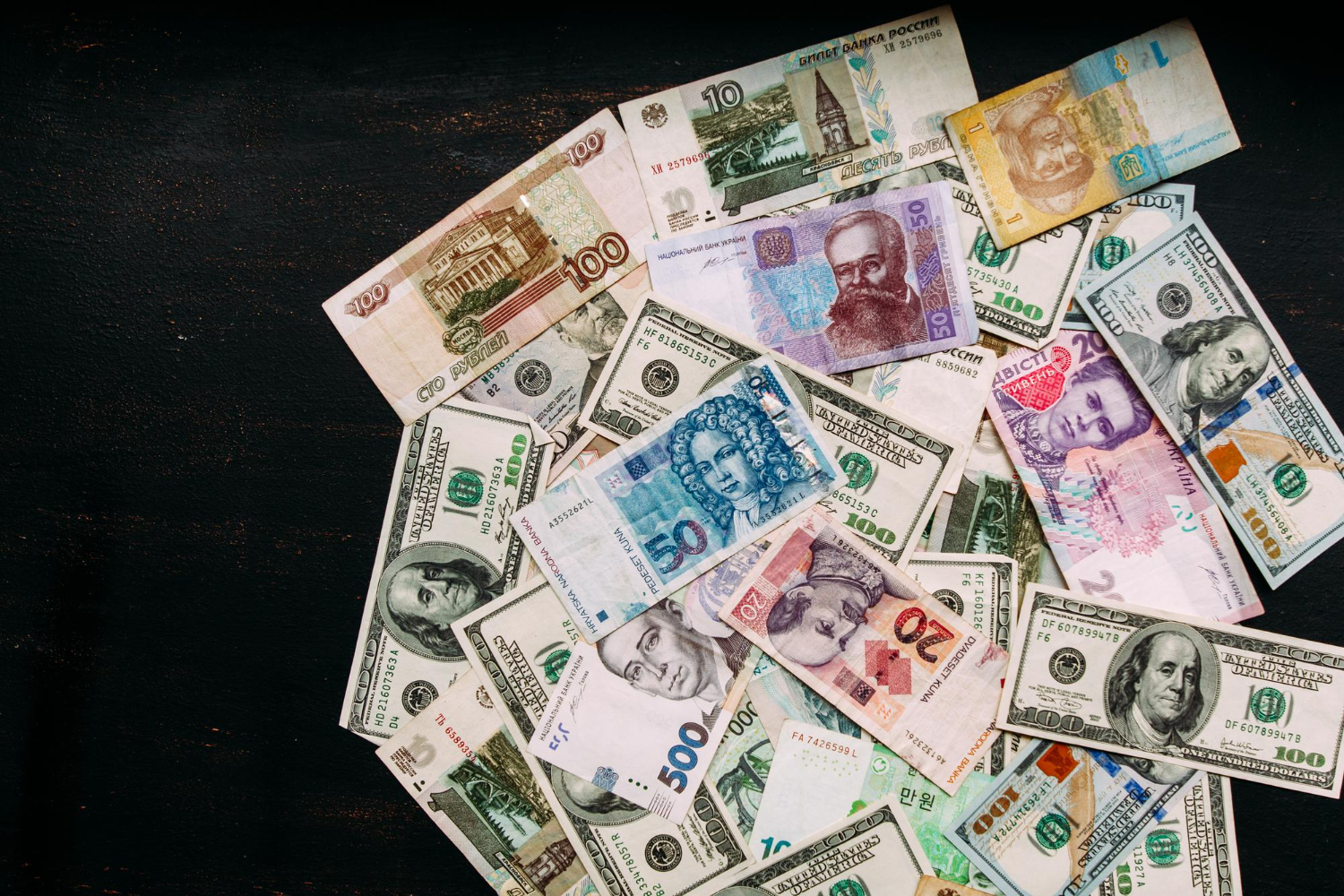
Nobody plans to waste money on a trip, but the way currency and fees work abroad makes it remarkably easy to lose a meaningful amount without noticing. Almost all of it is avoidable with a bit of preparation. Here are twelve mistakes worth knowing about before you go.
1. Exchanging Money at the Airport
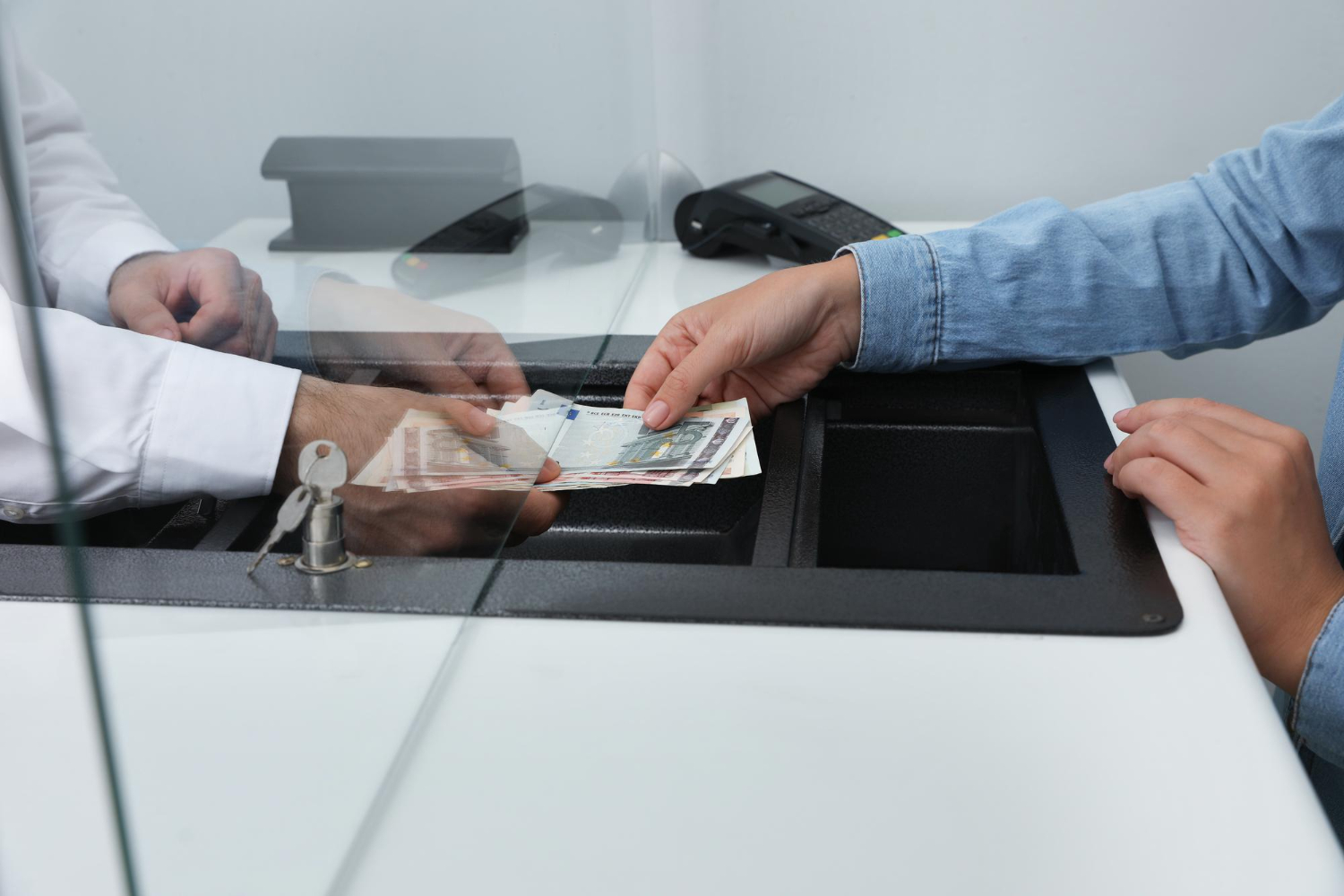
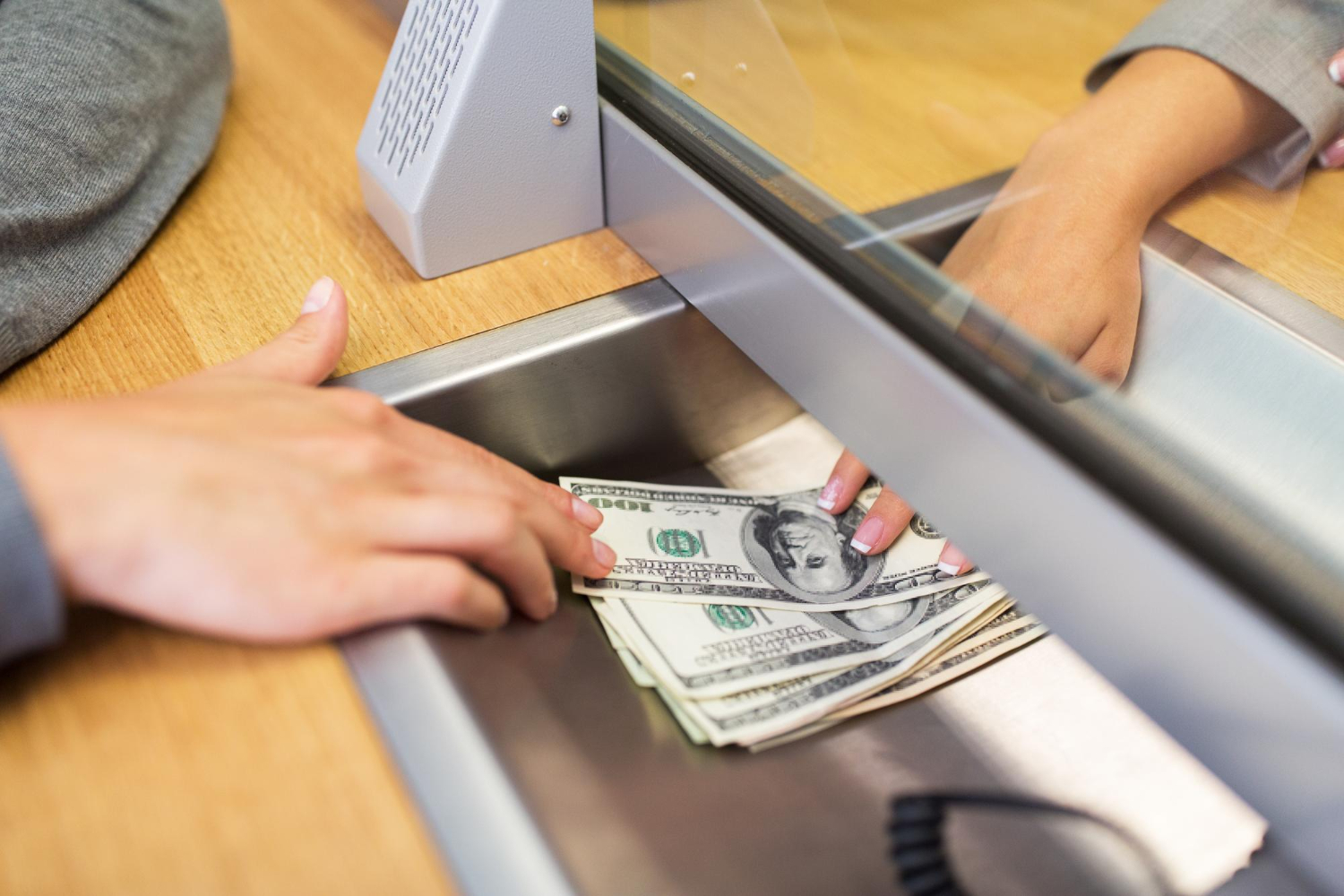
Airport exchange counters are convenient, and you pay heavily for that convenience. Their rates are typically among the worst you will encounter.
Changing a small amount to cover your first taxi or coffee is reasonable; changing your whole trip’s budget there is expensive. Better rates are usually available in town or from a bank machine. Exchanging money at the airport is the money mistake travelers make within twenty minutes of landing.
Like our content? Follow us for more.
2. Accepting the “Pay in Your Home Currency” Offer
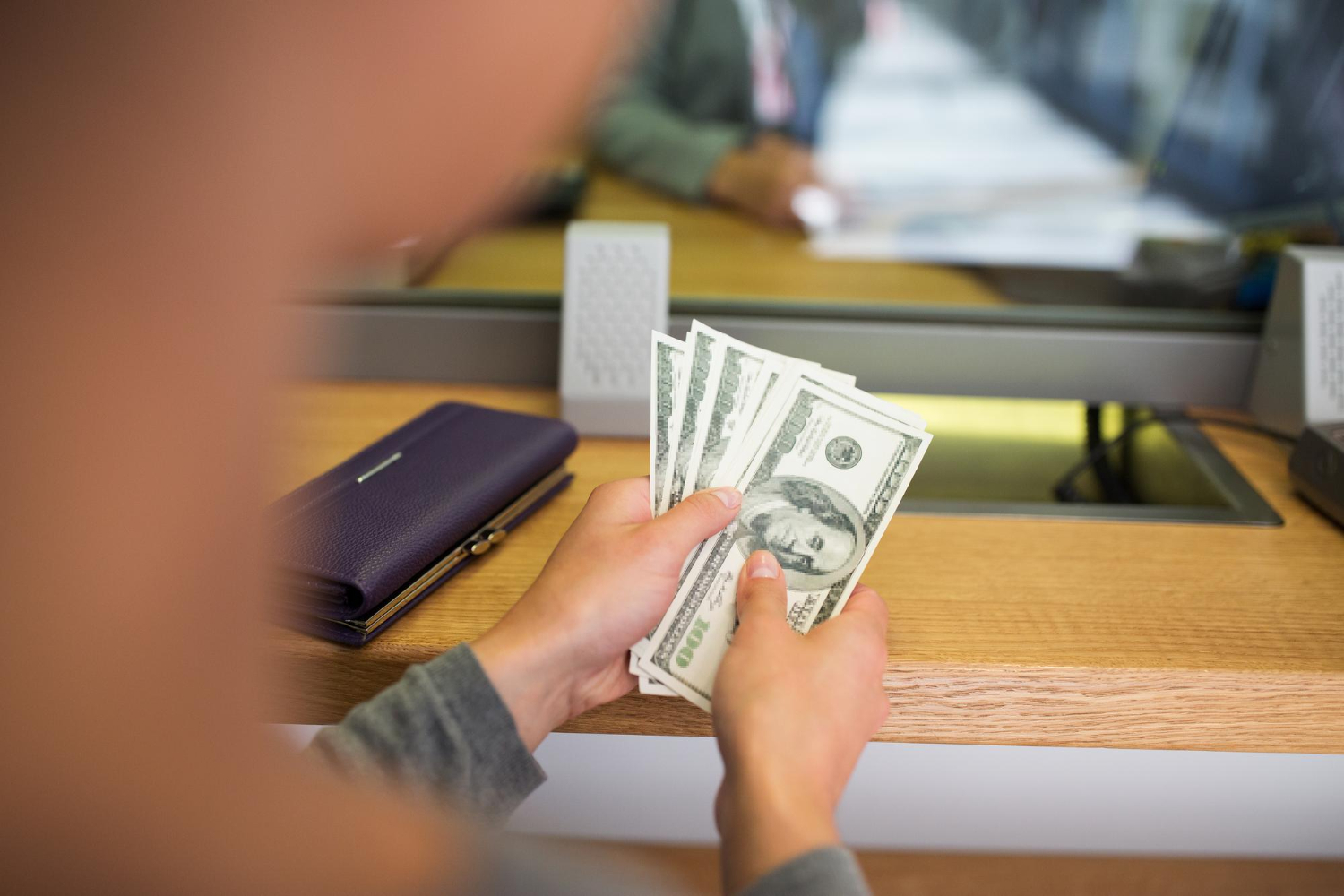
When a card machine abroad asks whether you want to be charged in your own currency or the local one, choosing your own currency almost always costs you more. This is called dynamic currency conversion.
The convenience of seeing a familiar figure comes with an exchange rate set by the terminal’s provider, usually a poor one. Choosing the local currency lets your own bank do the conversion. Accepting the pay-in-your-home-currency offer is a money mistake that is easy to make and easy to avoid.
3. Not Telling Your Bank You’re Traveling
An unexpected foreign transaction can look like fraud to your bank, and a frozen card in another country is a real problem. Many banks let you flag travel in advance.
Some cards no longer require this, but it costs nothing to check, and knowing the international number to call if something goes wrong is worth noting down. Not telling your bank you’re traveling is a money mistake that can leave you stranded without access to funds.
4. Carrying Only One Card
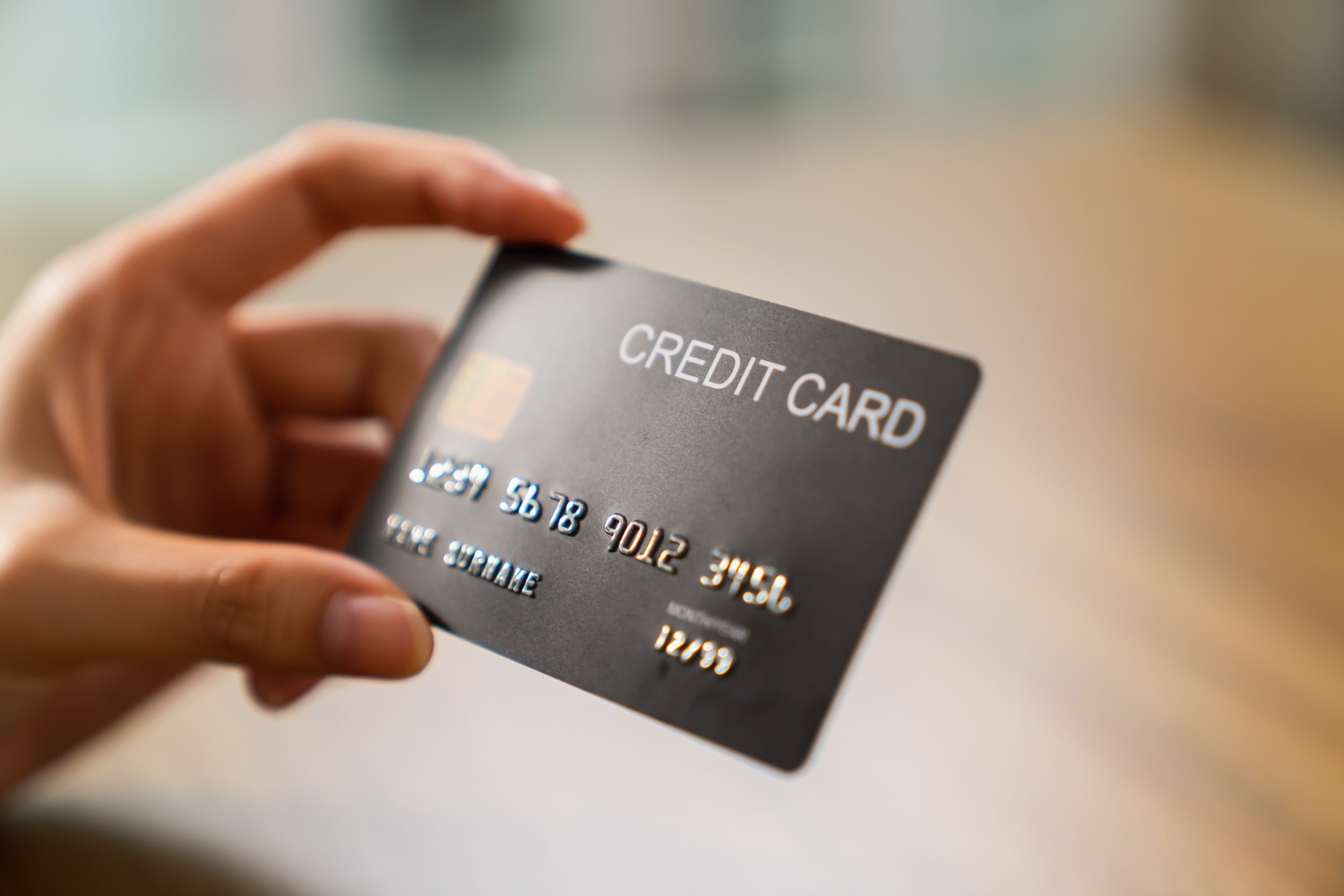
If your single card is lost, blocked, or simply not accepted, you have no fallback. Two cards from different networks, stored separately, is a far safer arrangement.
Keeping one in your wallet and one in your accommodation means a lost bag does not end your access to money entirely. Redundancy is cheap insurance. Carrying only one card is a money mistake that turns a small mishap into a serious one.
5. Ignoring Foreign Transaction Fees
Many cards add a percentage to every purchase made in another currency. Over a two-week trip, that steadily adds up.
Checking your card’s foreign transaction fee before you travel, and using the one with the lowest rate, is a five-minute task that can save a meaningful amount. Some accounts charge nothing at all. Ignoring foreign transaction fees is a money mistake that costs you steadily rather than all at once.
6. Using the Wrong ATMs
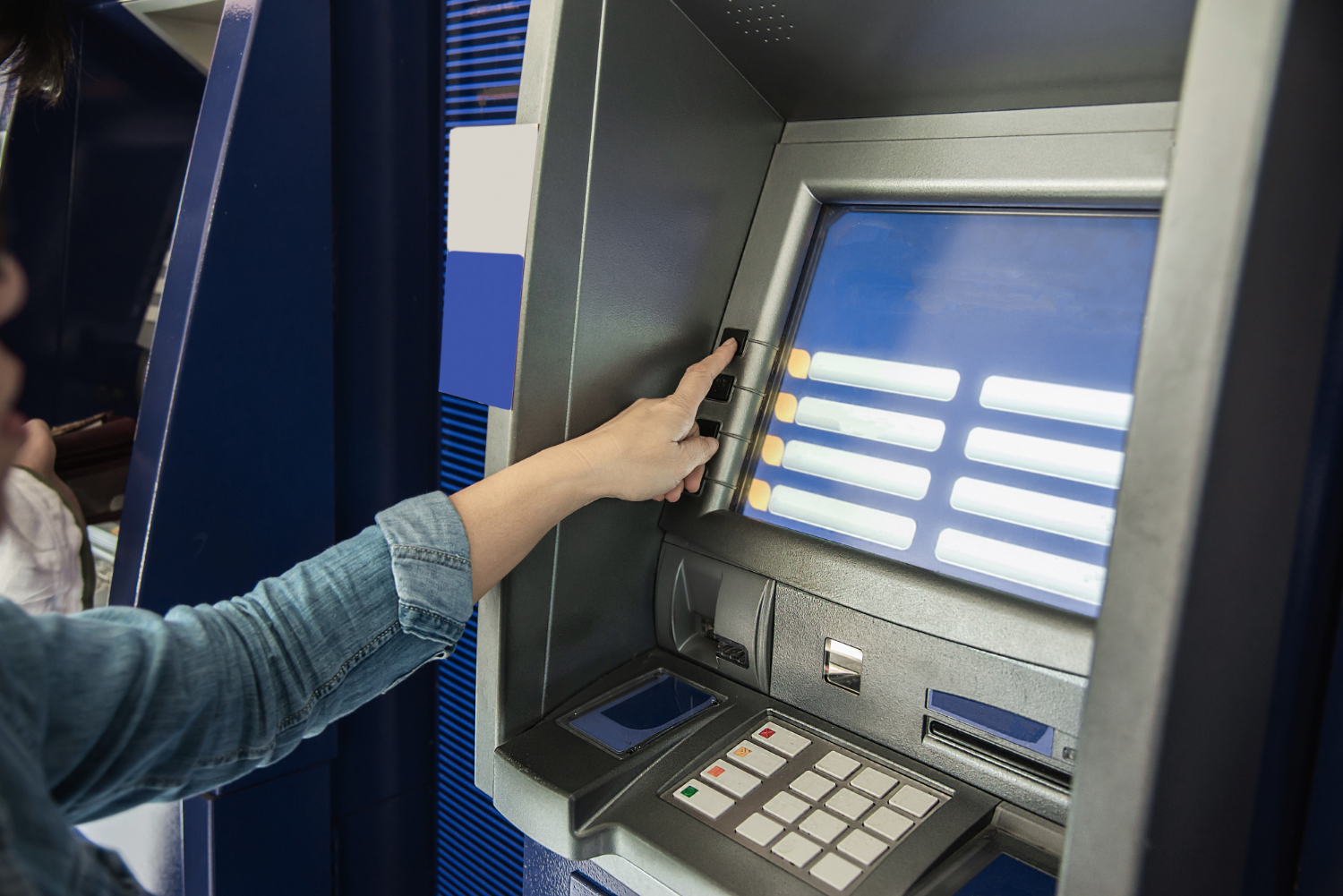
Independent cash machines in tourist areas often charge high fees and offer poor rates. Bank-operated machines are generally the better option.
Withdrawing a larger amount less frequently also reduces the number of fixed fees you pay, though it means carrying more cash, so balance that against security. Using the wrong ATMs is a money mistake repeated at every withdrawal for an entire trip.
7. Not Knowing Local Tipping Norms
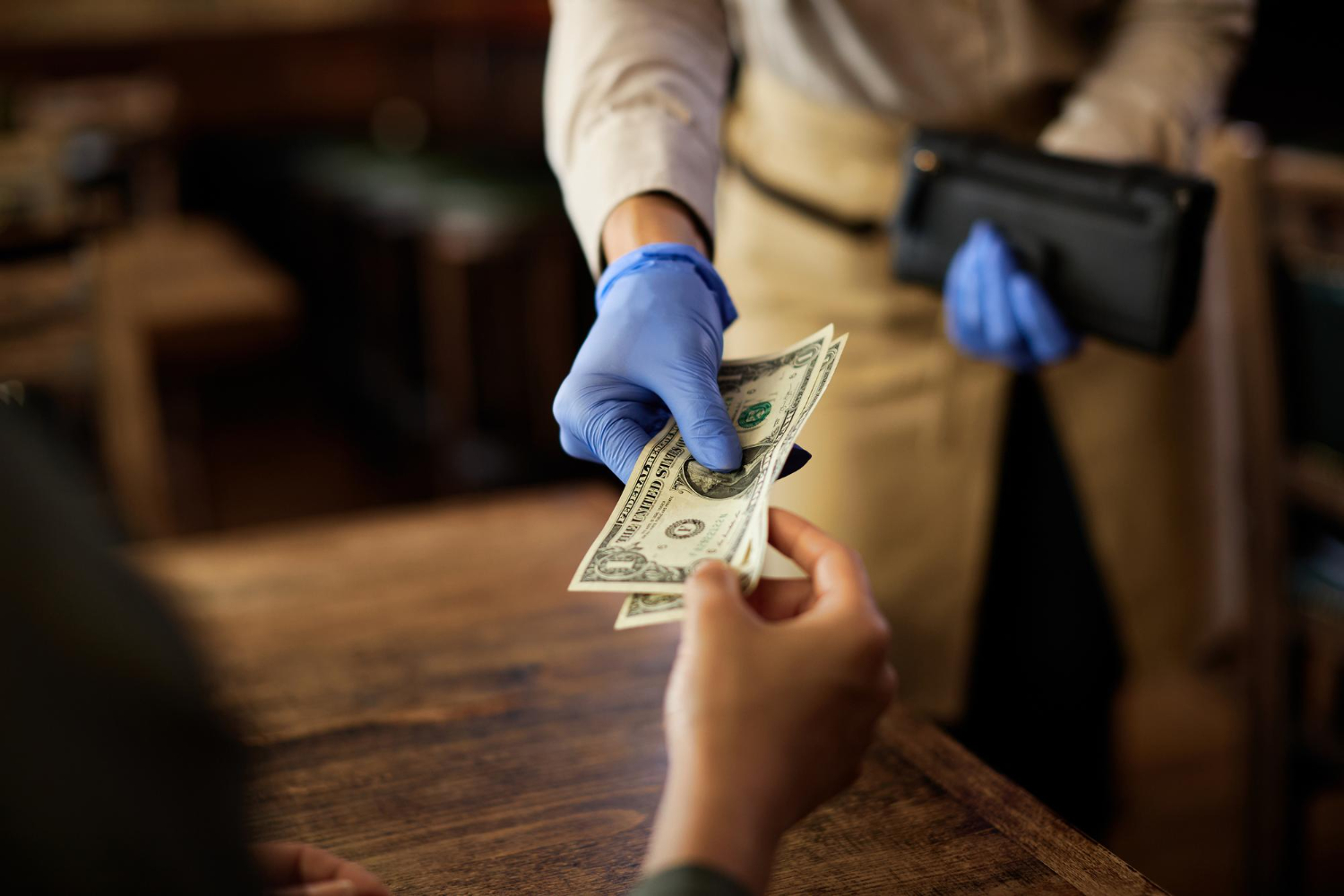
Tipping expectations vary enormously between countries, and getting it wrong in either direction is a problem. Over-tipping wastes money; under-tipping can be truly rude.
A quick check of local norms before you arrive tells you whether service is included, whether tipping is expected at all, and roughly what is customary. Not knowing local tipping norms is a money mistake with a social cost attached.
8. Changing Money With Street Traders
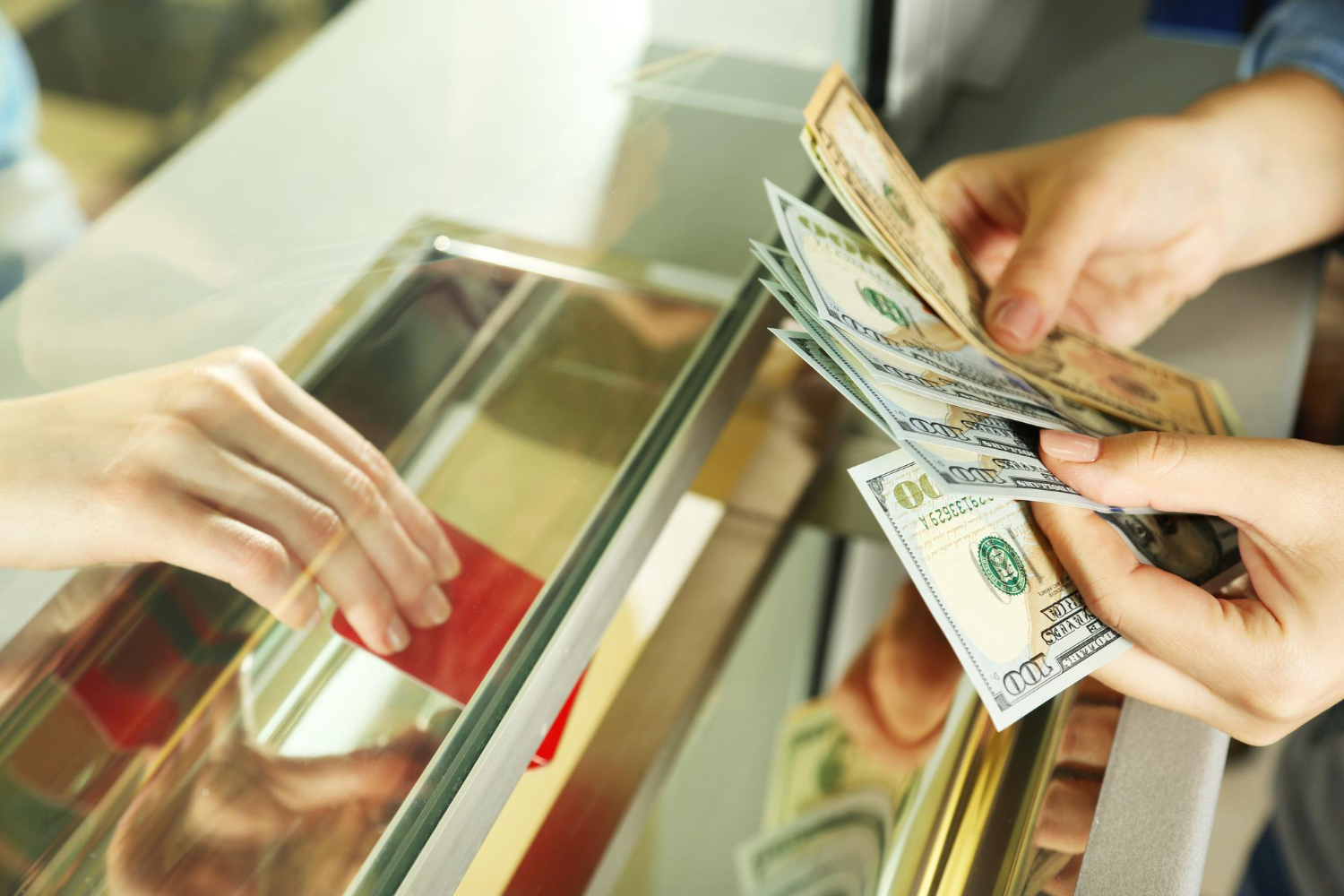
Unofficial money changers offering rates that beat the banks are a well-known way to end up with less than you expected, or with notes you cannot use. It is rarely worth the risk.
Sticking to banks, official exchange offices, or bank machines removes the problem entirely, at the cost of a slightly worse headline rate. Changing money with street traders is a money mistake that can cost you the entire amount.
9. Forgetting About Cash Entirely

Card acceptance varies enormously by country and by business. Assuming you will not need cash can leave you stuck at markets, small cafés, rural transport, and tolls.
Carrying a modest amount of local currency for small purchases covers the gaps without requiring you to carry much. The right balance depends on where you are going. Forgetting about cash entirely is a money mistake in more places than travelers expect.
10. Buying Currency You Cannot Change Back
Some currencies are difficult or impossible to exchange once you leave the country. Ending a trip with a pile of them is money written off.
Spending down your local cash before departure, or checking in advance whether it can be exchanged, avoids the problem. Small coins are usually unexchangeable anywhere. Buying currency you cannot change back is a money mistake discovered at the very end of a trip.
11. Skipping Travel Insurance
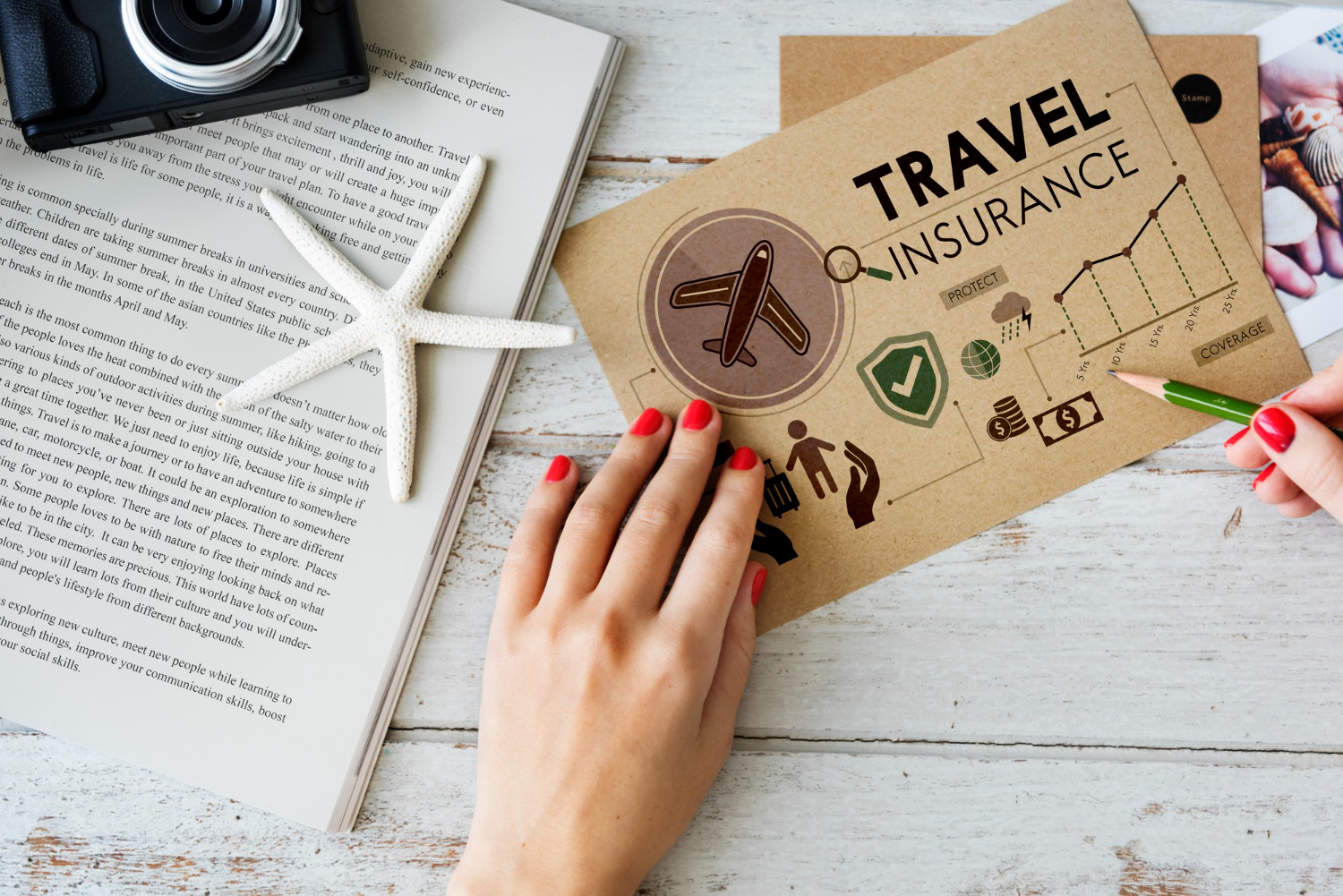
Declining coverage saves a small amount up front and exposes you to a potentially large cost. Medical care abroad, cancelled flights, and lost baggage are all expensive.
Reading what a policy actually covers matters as much as buying one, particularly around activities, existing conditions, and valuables. Skipping travel insurance is the money mistake with by far the widest range of possible outcomes.
12. Not Tracking What You’re Spending

Unfamiliar currency makes it truly hard to feel how much you are spending. Prices in unfamiliar denominations do not trigger the instincts that home prices do.
Keeping a rough running total, or checking your account every few days, keeps you oriented without turning the trip into an accounting exercise. Not tracking what you’re spending is the money mistake that hides all the others until you get home.
Spend on the Trip, Not the Fees

None of this is about being frugal on holiday. It is about making sure the money you set aside gets spent on the things you traveled for rather than on conversion margins and avoidable charges.
Sort out your cards before you leave, choose the local currency when a machine asks, keep a little cash on hand, and check what tipping looks like where you are going. That handful of habits covers most of what travelers lose abroad, and it leaves more in the budget for the part of the trip you will actually remember.
Like our content? Follow us for more.