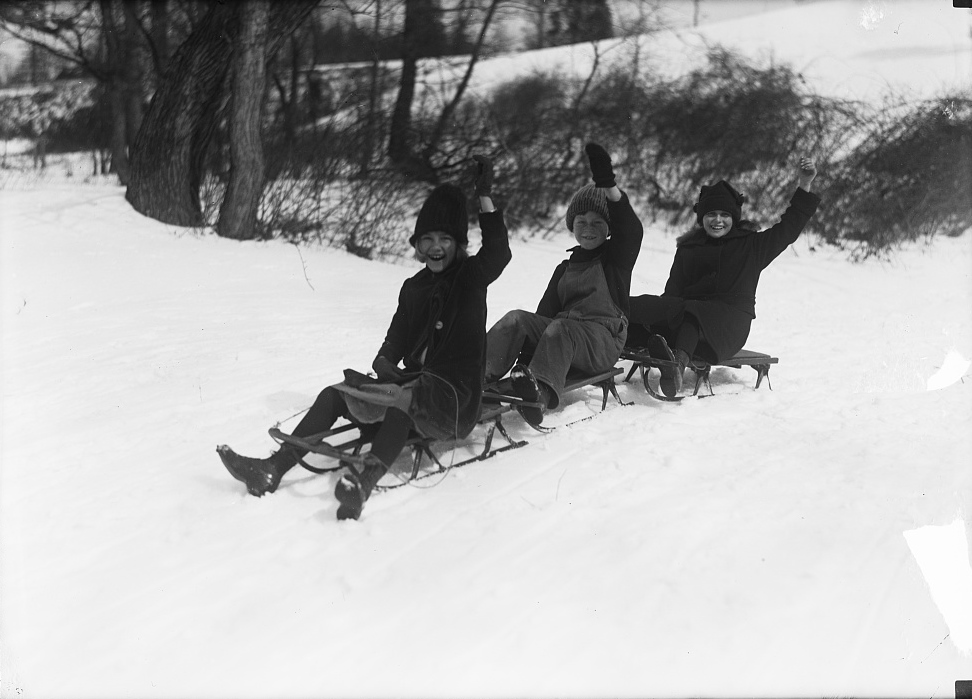
You found out from the radio, and you had to listen for it.
School closings were read out in a long alphabetical list, so a child sat beside the set at six in the morning waiting for one name to go past. A list read aloud cannot be searched or paused – miss it and you waited for the whole thing to come round again. The waiting was half the experience.
And the outcome was genuinely uncertain, because a person decided it. A superintendent looked at the roads at five in the morning, took calls from drivers and made a judgement, which is why children lay awake calculating and why two neighbouring districts regularly came to opposite conclusions about the same snow. Here are sixteen things every kid did.
1. You Found Out From the Radio, and You Had to Listen for It
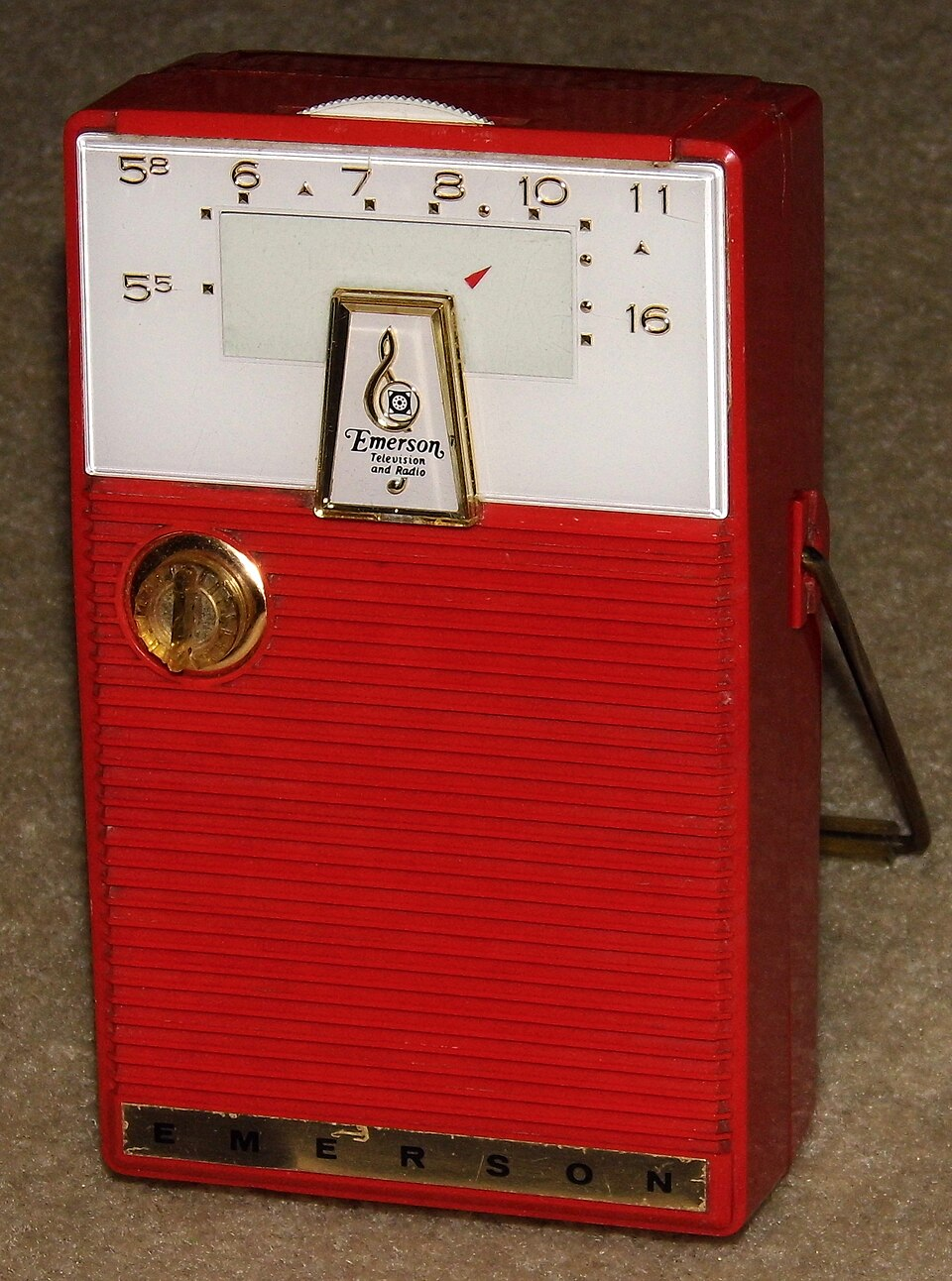
School closings were read out on the radio in a long alphabetical list, so a child sat beside the set at six in the morning waiting for one name.
A message on a phone before anybody is awake.
Start with how the news arrived, because the waiting was half the experience. A list read aloud cannot be searched or paused, so you had to catch your school’s name as it went past – and if you missed it, you waited for the whole list to come round again.
Like our content? Follow us for more.
2. The Decision Was Made by One Person at Five in the Morning
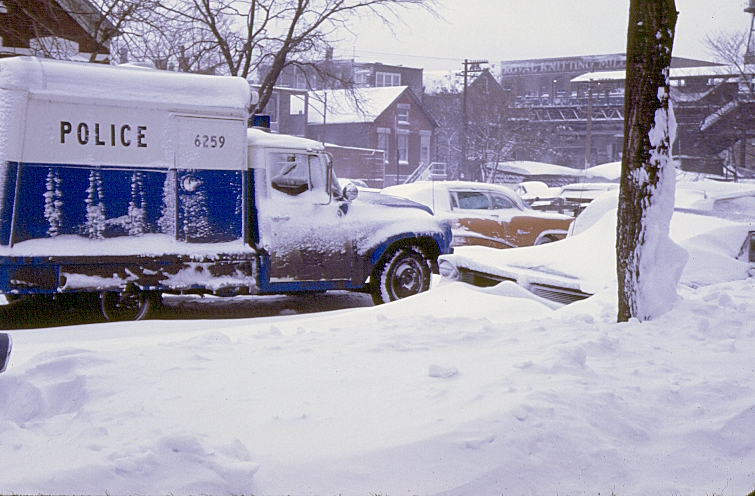
A superintendent looked at the roads, took calls from drivers and made a judgement, which meant the outcome was genuinely uncertain until it was announced.
Forecast-driven and often announced the night before.
The uncertainty is what made it exciting, and it came from the decision being human. A person weighing conditions at dawn can go either way, which is why children lay awake calculating and why two neighbouring districts regularly decided differently on the same snow.
3. Getting Dressed Took Longer Than the First Hour Outside Lasted
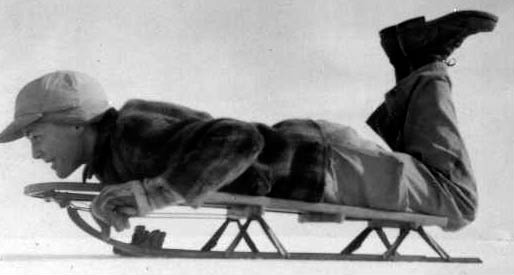
Layers went on in a fixed order over several minutes, and the whole assembly came off wet not long afterwards.
Technical outerwear.
The dressing is the forgotten labour of a snow day and it fell on an adult. Boots, socks over trousers, snow pants, coat, hat, scarf, mittens on a string – and then a child who needed the bathroom, which meant undoing the entire sequence.
4. Wet Wool Was the Limiting Factor on Everything
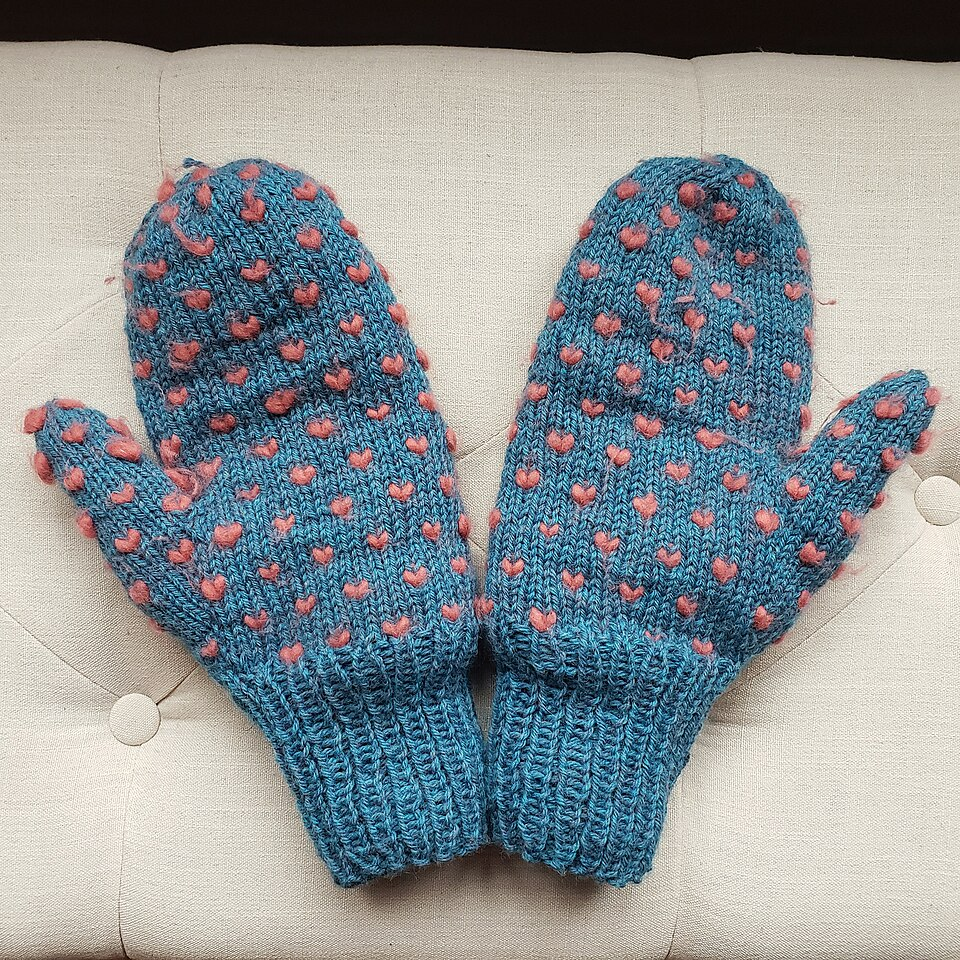
Mittens, hats and socks soaked through within an hour, and a child in wet wool gets cold fast whatever they are doing.
Waterproof shells.
The whole shape of the day was set by this. Outside until the clothes gave out, inside to dry everything on a radiator or behind the stove, outside again when it was dry – which is why a snow day was two or three short expeditions rather than one long one.
5. Shovelling Came Before Playing
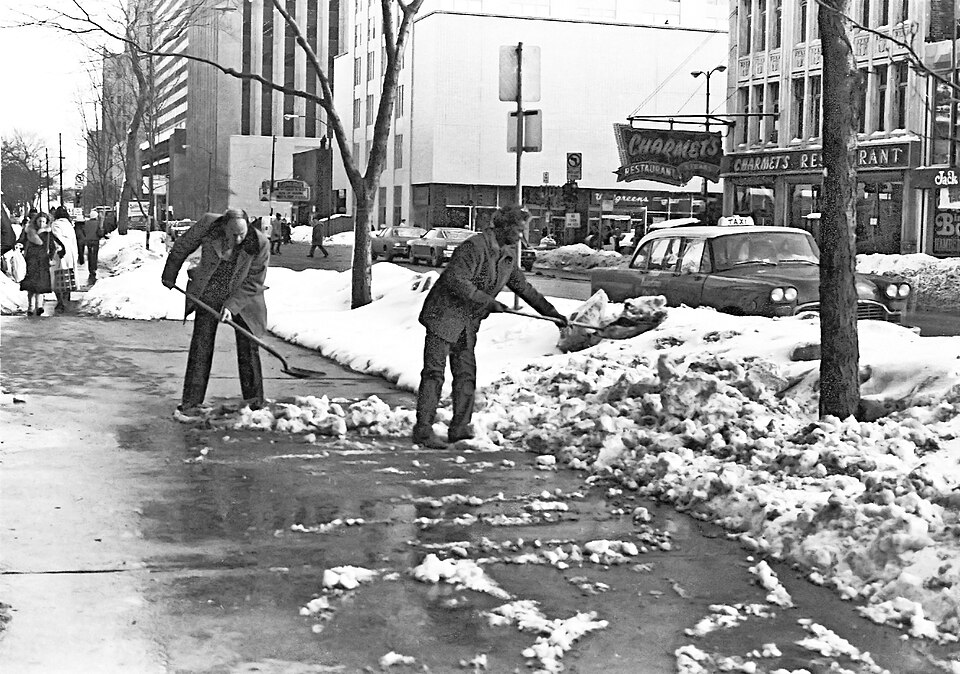
The walk, the steps and the drive had to be cleared, and a child at home on a weekday was the obvious labour.
Often paid for or mechanised.
The obligation came first and everybody understood the deal. A free day was not free – it was traded against the work the snow had created, and getting the shovelling done fast was the price of the afternoon.
6. The Best Sledding Hill Was Public Knowledge
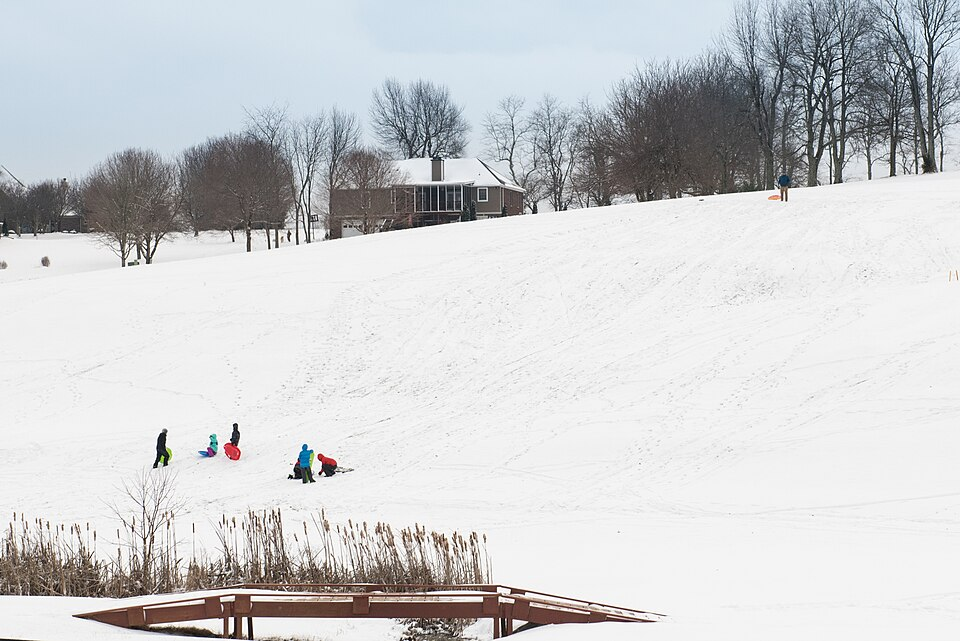
Every neighbourhood had an agreed hill, and its reputation was based on length, steepness and what you hit at the bottom.
Not applicable in the same way.
The shared assessment of terrain is a genuinely interesting piece of children’s knowledge. A hill was evaluated for run-out, for whether it crossed a road, for ice against powder – and the ranking was stable, inherited and known to every child without an adult ever being consulted.
7. Snow Had Types and Children Knew Them All
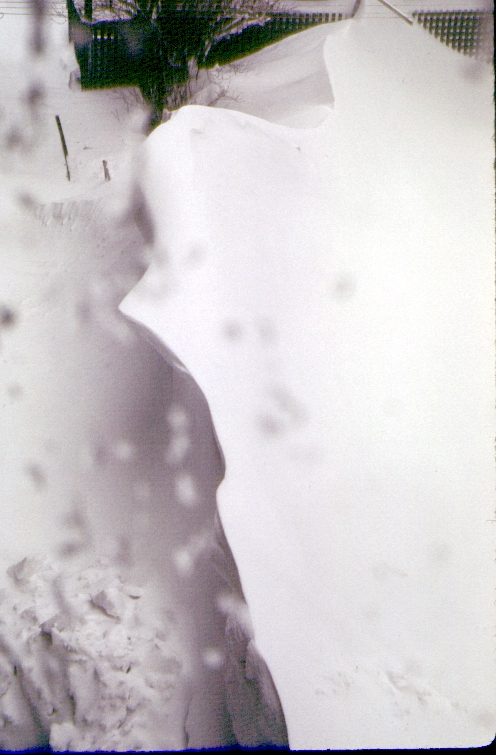
Wet packing snow, dry powder, crust that held your weight, and the useless kind – each one determined what was possible that day.
Not applicable.
This is practical material science learned by hand. Packing snow makes forts and balls and holds a shape; powder makes neither but is fast under a sled; crust can be walked on until it breaks – so the first thing anybody did was pick up a handful and squeeze it.
8. A Fort Was a Construction Project With Real Engineering
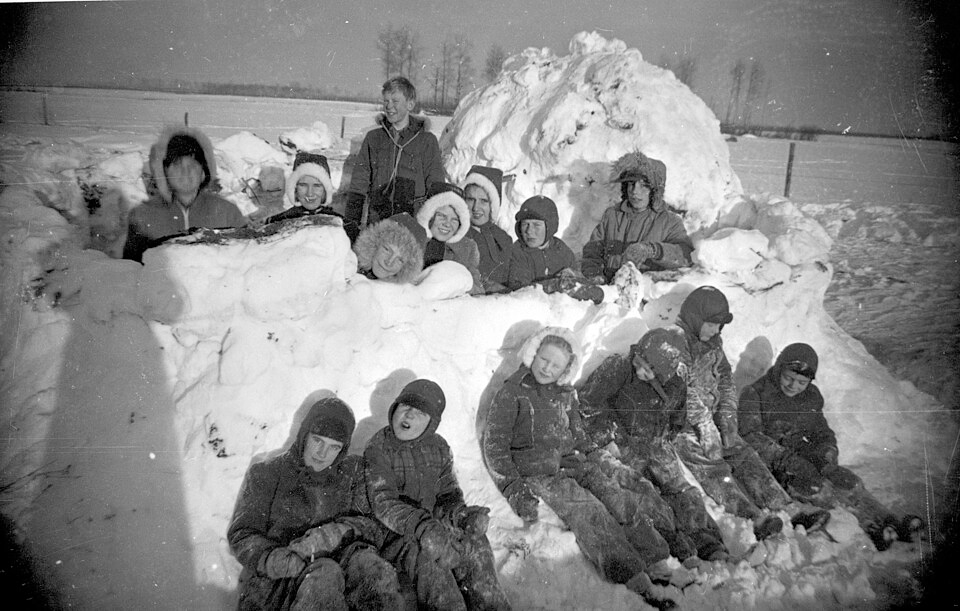
Walls were built up from packed blocks or dug out of a drift, and whether they stood depended on the snow and the temperature.
Not applicable.
Fort building was the most ambitious thing children did all winter, and it had genuine constraints. A wall of packed snow will stand in cold and slump in sun, a dug tunnel holds better than a built one, and an afternoon’s work could be gone by the next morning.
9. Tracks in Fresh Snow Changed Every Game
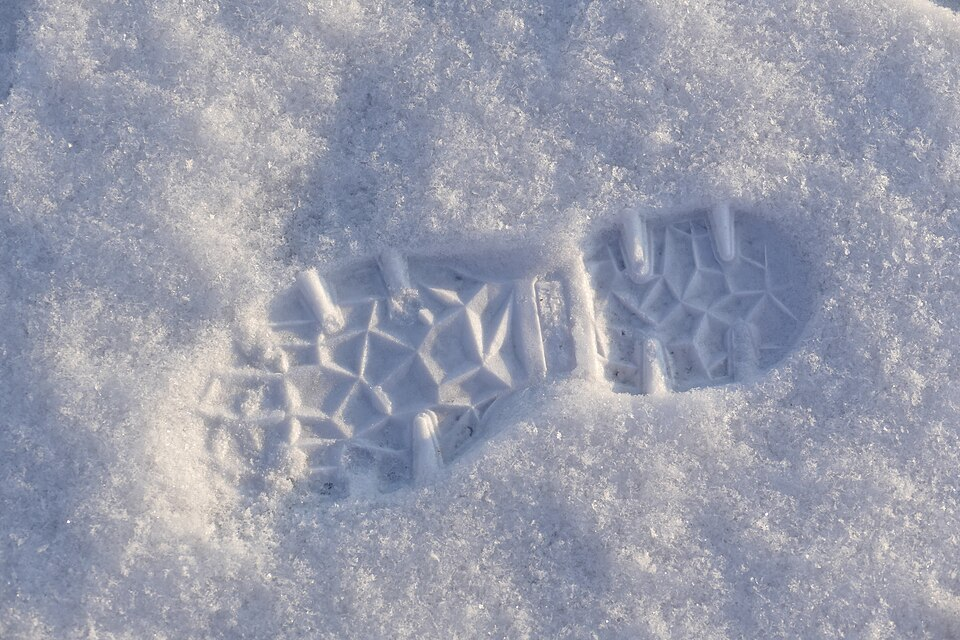
Fresh snow records where everybody has been, which makes hiding impossible and following trivial.
Not applicable.
The surface itself altered the rules, and children adapted immediately. Games that relied on concealment stopped working, games that relied on pursuit got better, and the clever ones learned to run on existing tracks to leave nothing new.
10. Everybody in the Neighbourhood Was Outside at Once
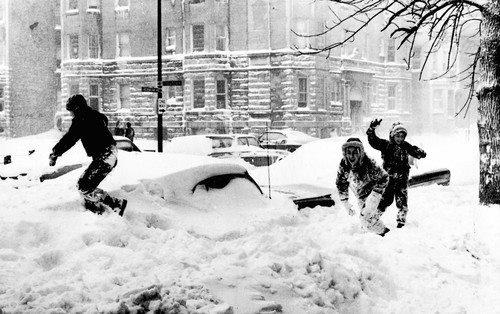
With no school anywhere in the district, every child on a street was available on the same day, at the same time, with no arrangement.
Scheduled and individual.
The simultaneity is the thing that cannot be recreated and it was the whole social basis of the day. Nobody organised it, nobody was invited and nobody needed a telephone – the closure was the arrangement, so the street simply filled up.
11. Mixed Ages Played Together Because Everybody Was There
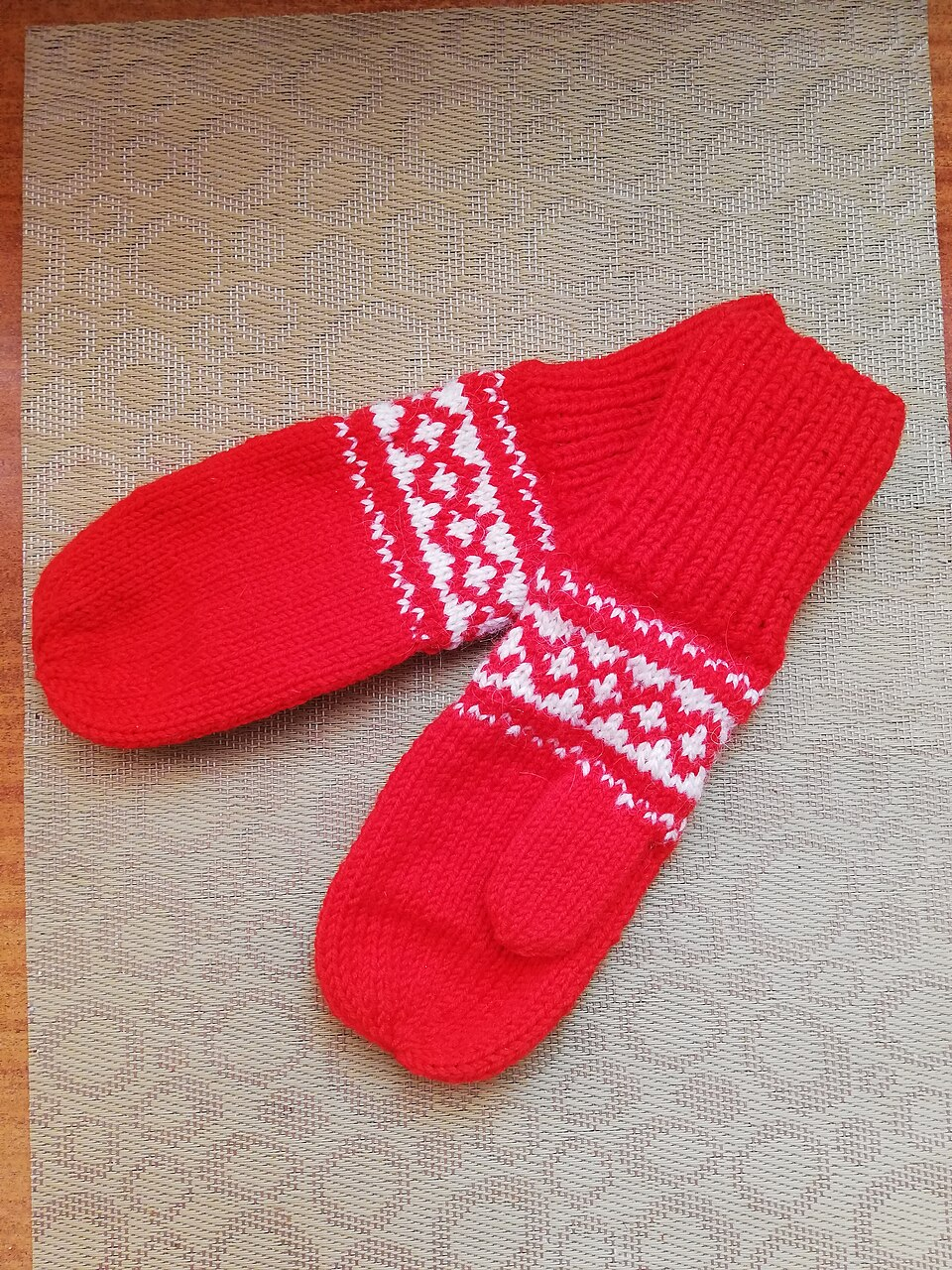
A snow day put six-year-olds and twelve-year-olds in the same field, which does not happen in a school or an organised activity.
Rarely.
The age mixing had real effects and it only happened because the group was defined by geography rather than by year. Older children built the structures and set the rules, younger ones were carried along, and the hierarchy sorted itself out without any adult involvement.
12. Hot Chocolate Was the Fixed Ending of Every Expedition
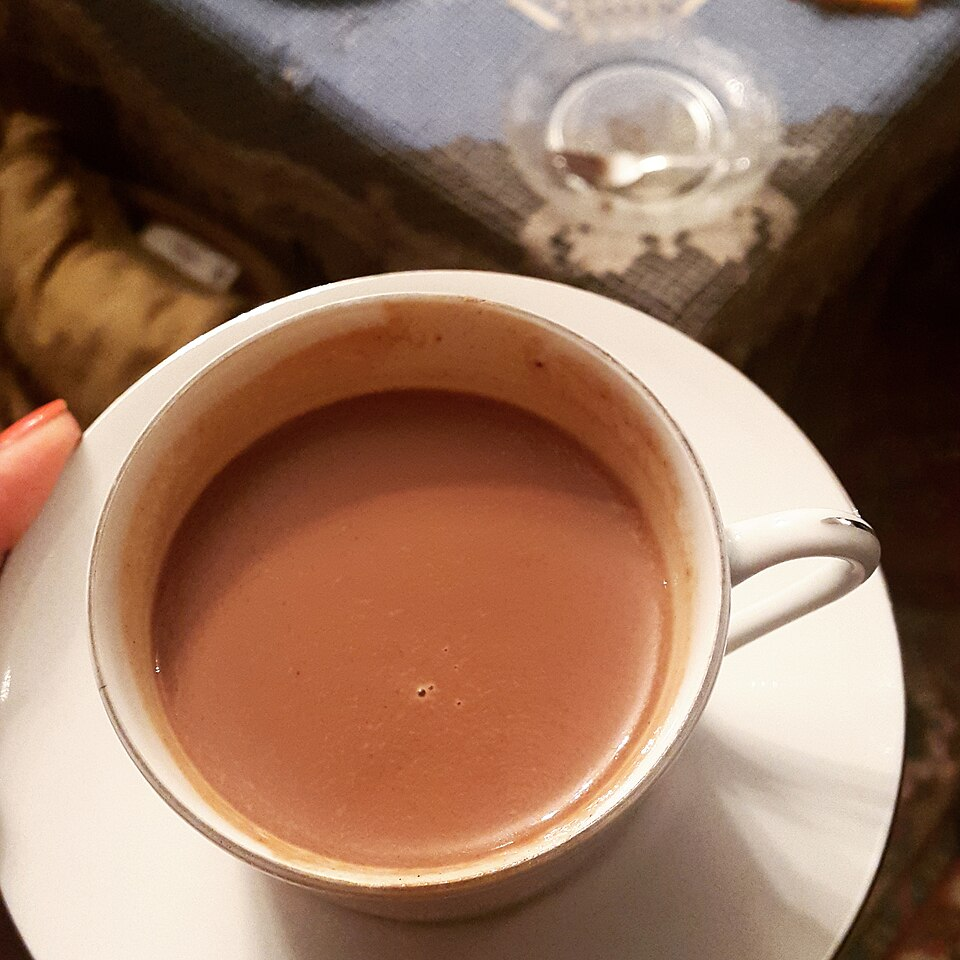
Coming in meant wet clothes off, something hot, and a period of thawing out before going back out again.
The same, broadly.
The ritual was practical before it was sentimental. A cold child needs warming from the inside and a wet child needs stripping at the door, so the pattern – door, clothes off, something hot, radiator – was a sensible procedure that happened to be lovely.
13. The Radiator or the Stove Was the Drying Rack

Every warm surface in the house was covered in wet wool, and the smell of it is the thing people remember most clearly.
Dryers.
That smell is a real and specific memory for a whole generation, and the reason is simple. Wet wool warmed slowly releases a very distinctive odour, and in a house with one heat source every snow day produced it in quantity.
14. Daylight Ended the Day, Not a Clock
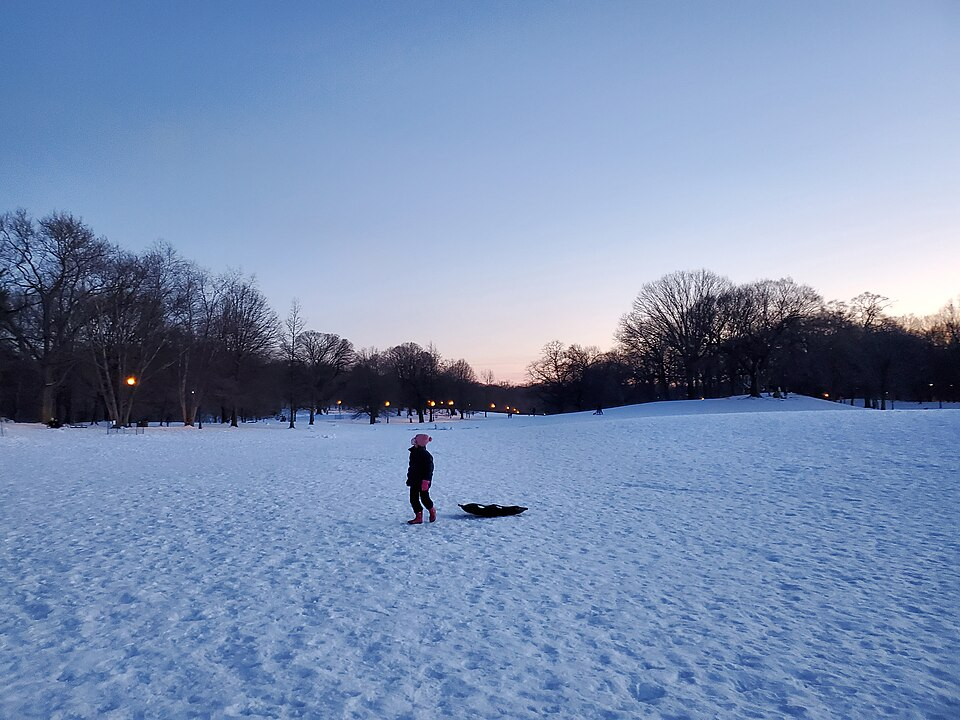
Play stopped when it got dark, which in midwinter is the middle of the afternoon.
Not applicable in the same way.
The short day is a constraint that shaped everything, and it compressed the whole business. A closure announced at six in the morning and daylight gone by half past four gives perhaps six usable hours, which is why nobody wasted any of them.
15. Then Everything Got Announced the Night Before
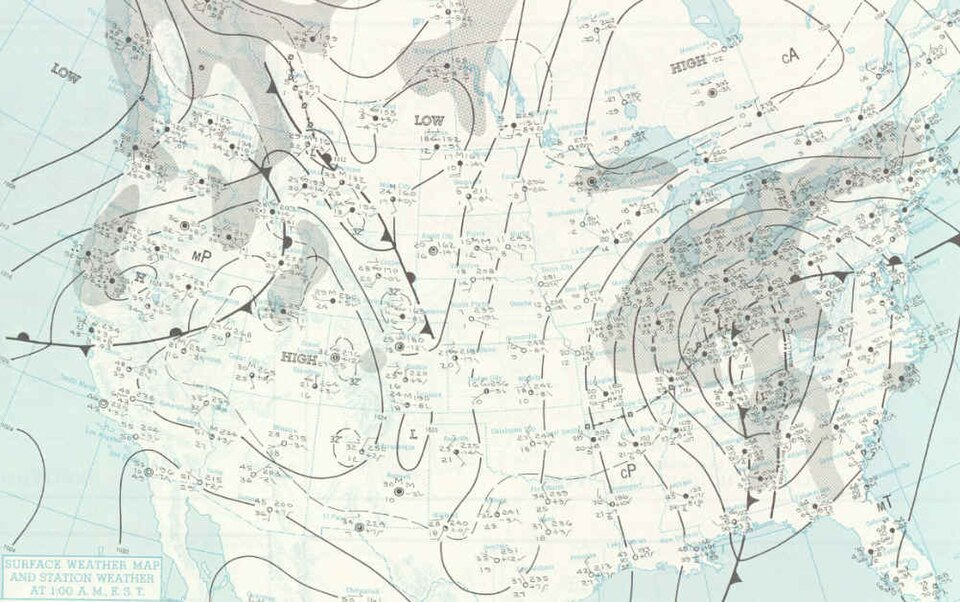
Better forecasting, automated calling systems and websites meant closures were known in advance, which removed the morning entirely.
Universal.
The improvement destroyed the best part, which is an honest thing to notice. A closure you learn about at bedtime is a day off; a closure you learn about at six in the morning from a list on the radio is a reprieve – and the difference is entirely in the uncertainty.
16. And by 1968 It Was the Only Unplanned Day a Child Got
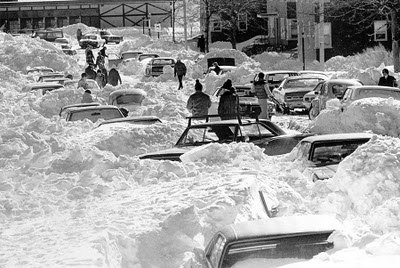
Everything else in a child’s week was scheduled by somebody, and a snow day was the one occasion when an entire neighbourhood was simultaneously free with no plan at all.
Remote learning.
And what deserves the last word is that the snow day’s magic was structural rather than meteorological. It was unpredictable, because one person decided at dawn and could go either way. It was universal, because the closure applied to every child in the district at once, so the street filled up with no arrangement and no telephone calls. It was unsupervised, because the adults still had to go to work. It mixed every age on the block, because the group was defined by geography rather than by school year. And it was short, because the clothes soaked through in an hour and the light was gone by mid-afternoon – which meant nothing was wasted. Every one of those conditions has since been engineered away: the forecast removed the suspense, the telephone tree removed the morning, and the laptop removed the day off entirely. The snow still falls exactly as it did.
The Magic Was Structural, Not Meteorological
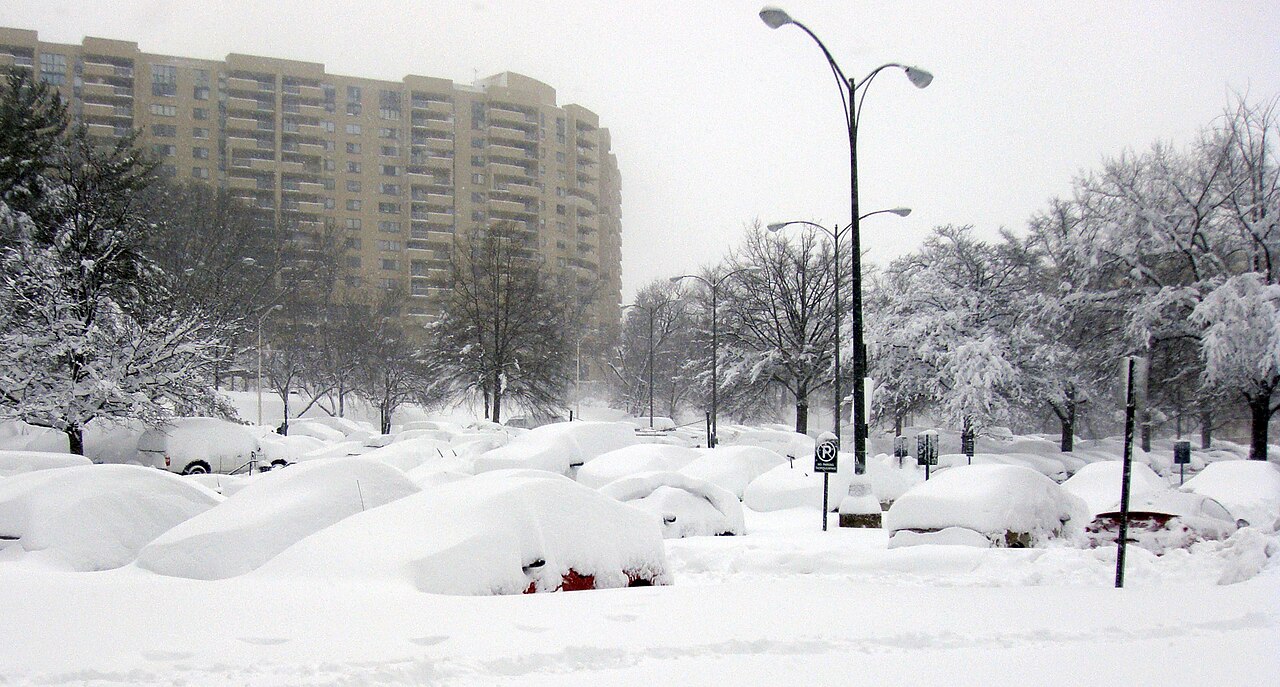
A snow day is remembered as weather, and almost everything that made it what it was had nothing to do with snow.
It was unpredictable, and that was a human artefact. One person looked at the roads at five in the morning and made a judgement, which is why two neighbouring districts regularly decided differently on the same snow. The news then arrived as a long alphabetical list read aloud on the radio, which cannot be searched or paused – so a child sat beside the set waiting for one name and, if they missed it, waited for the list to come round again.
It was universal. The closure applied to every child in the district at once, which means every child on a street was free on the same day at the same time with no arrangement made by anybody. Nobody was invited, nobody telephoned, and the street simply filled up. That simultaneity is the single thing about a snow day that cannot be recreated.
It was unsupervised, because the adults still had to go to work.
It mixed ages, because the group was defined by geography rather than by school year – six-year-olds and twelve-year-olds in the same field, with the older ones building the structures and setting the rules and the hierarchy sorting itself out with no adult involved. That does not happen in a classroom or an organised activity.
And it was short, which is why nothing was wasted. A closure announced at six and daylight gone by half past four gives about six usable hours.
The practical constraints are worth knowing because they shaped the whole day.
Getting dressed took several minutes in a fixed order and fell on an adult – boots, socks over trousers, snow pants, coat, hat, scarf, mittens – and then a child needed the bathroom and the entire sequence came undone.
Wet wool was the limiting factor on everything. Mittens, hats and socks soaked through within an hour, and a child in wet wool gets cold fast. So the day was two or three short expeditions rather than one long one: out until the clothes gave out, in to dry them on a radiator, out again when they were dry. Every warm surface in the house was covered in steaming wool, and that smell is one of the most specific shared memories a generation has.
Shovelling came first. The walk, the steps and the drive had to be cleared, and a child at home on a weekday was the obvious labour – so a free day was not free, it was traded against the work the snow had created.
Then the knowledge, which was real and entirely held by children.
Snow has types and everybody knew them: wet packing snow that holds a shape, dry powder that makes nothing but runs fast under a sled, crust that carries your weight until it breaks. The first thing anybody did outside was pick up a handful and squeeze it, because that determined what the day could be.
Forts were genuine engineering with genuine constraints. Packed blocks stand in cold and slump in sun, a dug tunnel holds better than a built wall, and an afternoon’s work could be gone by morning.
The best hill was public knowledge, ranked on length, steepness, run-out and what you hit at the bottom – a stable, inherited assessment of terrain that no adult was ever consulted about.
And fresh snow changed the games, because it records where everybody has been. Hiding stopped working, chasing got better, and the clever children learned to run on existing tracks so as to leave nothing new.
Coming in had a fixed procedure that was practical before it was sentimental: door, wet clothes off, something hot, thaw by the radiator, go back out.
Then every one of the structural conditions was engineered away. Better forecasting removed the suspense. Automated calling systems and websites moved the announcement to bedtime, which turns a reprieve into a scheduled day off – and the difference between those two things is entirely the uncertainty. Eventually a laptop removed the day itself.
The snow still falls exactly as it did.
If you remember the smell of wet wool on a radiator, that is the smell of the day being rationed.
The clothes gave out in an hour, which is why you went out three times.
Like our content? Follow us for more.