Everybody got one from everybody, and that rule is what the whole exercise turns on.
The requirement in most classrooms was that if you brought cards you brought one for every child. A distribution where everybody receives from everybody removes the possibility of a child sitting in front of an empty box – which means the design was specifically engineered against exclusion, and the teachers who enforced it knew exactly why.
The box itself was made in class from a shoebox, paper and glue, decorated, with a slot cut in the top and a name on the front. That is good design in two ways: a child who has spent an afternoon building something has an investment in what goes into it, and the slot makes the delivery anonymous at the moment of posting. Here are fifteen things every kid knew.
1. Everybody Got One From Everybody, Which Was the Whole Design
The rule in most classrooms was that if you brought cards you brought one for every child, so nobody received nothing.
Still common, and now usually mandatory.
Start with the universal rule, because it is the thing the whole exercise turns on. A distribution where everybody receives from everybody removes the possibility of a child sitting with an empty box – which means the design is specifically engineered against exclusion.
Like our content? Follow us for more.
2. The Box Was Made in Class From a Shoebox and Paper
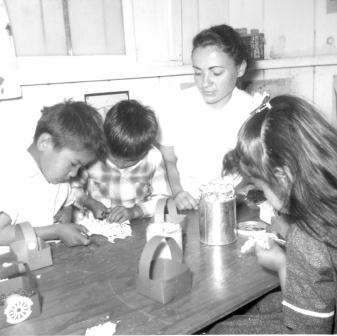
Each child built a container to receive cards, decorated it, cut a slot in the top and wrote their name on it.
Often bought ready-made.
Making the receptacle is the part that made the thing matter, and it is good design in itself. A child who has spent an afternoon building and decorating a box has an investment in what goes into it, and the slot makes delivery anonymous at the moment of posting.
3. The Boxes Were Lined Up and Delivery Was a Procession
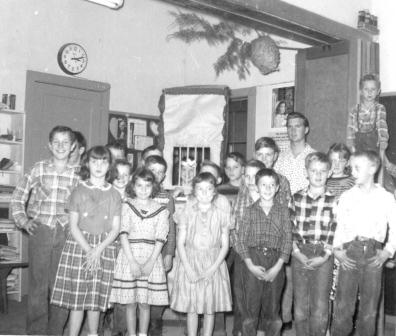
At the appointed time everybody walked round the room posting cards into boxes, which turned the exchange into a physical event.
Varies.
The procession is a well-judged bit of staging. Everybody is up and moving, nobody is watching anybody’s reaction, and the whole distribution happens in a few minutes – which is considerably kinder than a reading-out or a handing-over.
4. The Cards Came in a Punch-Out Sheet of Identical Designs

A packet contained enough small cards to cover a class, in a handful of repeating designs, pressed out of perforated card.
Still sold this way.
The format solved the quantity problem cheaply, and the repetition created the real decision. With four designs and thirty recipients, which design went to whom became the only variable – and that became the entire message system.
5. Who Got the Best Card Was the Actual Communication
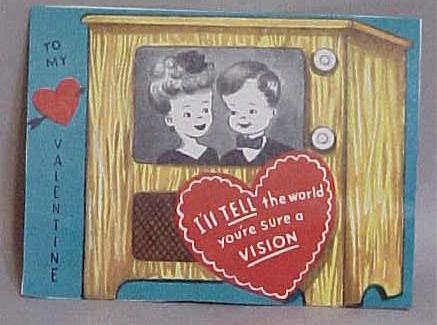
Since every child got one, the information was carried in which card they got, and children allocated them with great care.
Not applicable.
This is the clever thing children did with a flattened system. A rule that removes differences in quantity does not remove the desire to signal, so the signal migrated to quality – and a thirty-card distribution became a ranked list that nobody could complain about.
6. The Signature Was Where the Real Decision Was Made
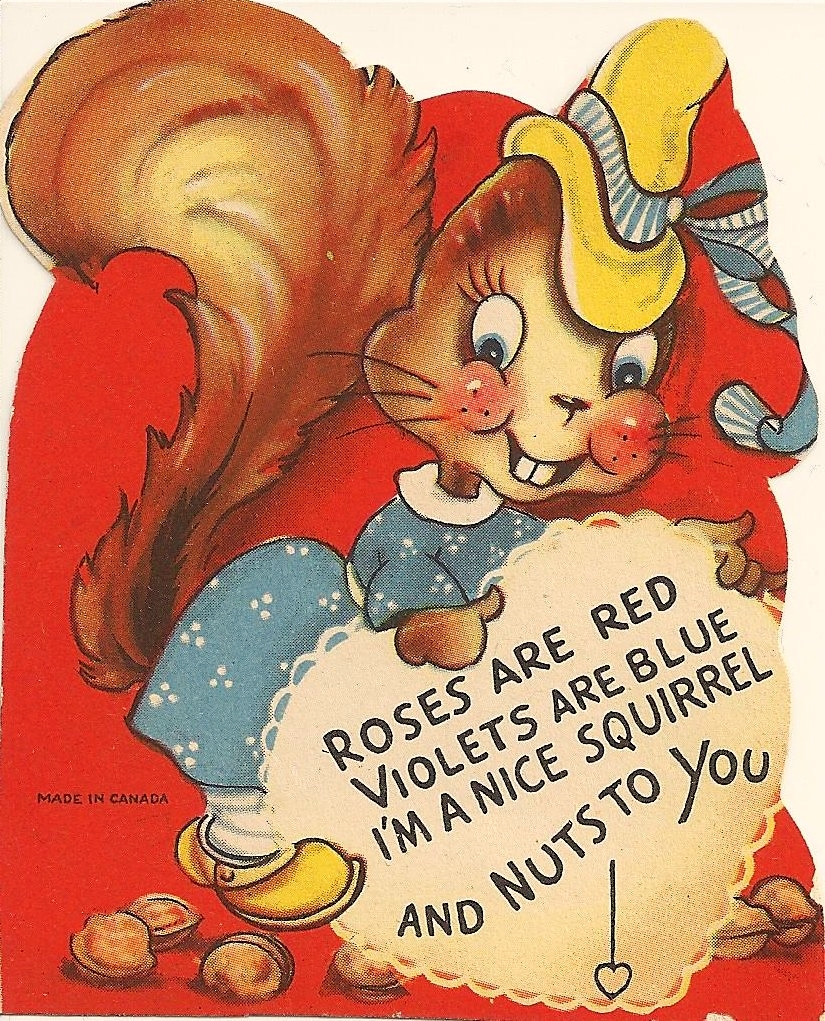
Signing with a first name, a full name, initials or nothing at all each said something quite specific.
Not applicable.
The signing convention is an entire grammar and children used it precisely. A full formal name is distant, a first name is friendly, and leaving it off entirely is either shyness or strategy – which is a surprising amount of meaning available in a space the size of a stamp.
7. Teachers Enforced the Everybody Rule Because They Had To
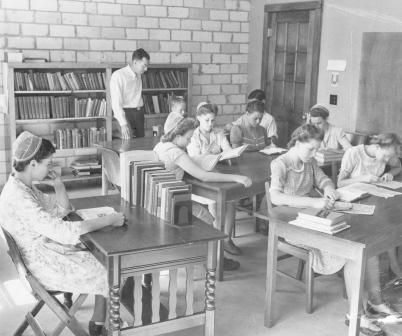
The requirement was stated in advance and checked, because a voluntary system would have produced exactly the outcome it was designed to prevent.
Universal.
The enforcement was necessary and everybody understood why. Left alone, children distribute attention unevenly, so the only way to guarantee no empty box is to make the rule compulsory and to count – which is a sensible intervention rather than a sentimental one.
There was a second-order problem with the designs that children solved without being told to, and it is worth noticing. A packet’s designs were not equal – one was always the good one – which means a child distributing thirty cards from four designs had perhaps six good ones to allocate and twenty-four that said nothing. So the real work was deciding who the six were, and that decision was made days in advance, revised, and in some cases agonised over for longer than any schoolwork that week.
8. The Classroom Party Was the Point for Most Children
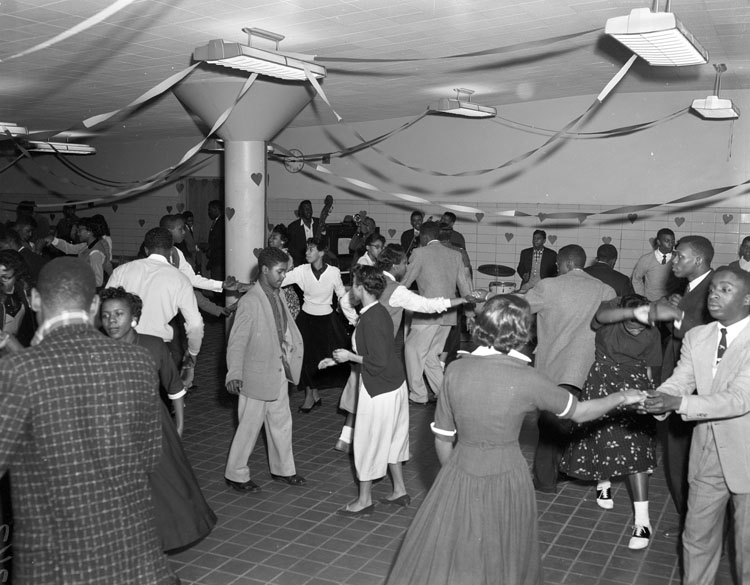
Cards were the mechanism, and what everybody actually wanted was the afternoon off, something to eat and an hour that was not lessons.
Still true.
It is worth keeping the proportions right. The social machinery was interesting and the attraction was a break in the school day with food in it, which is what children would have chosen if asked directly.
9. Mothers Supplied the Food and It Was Assumed
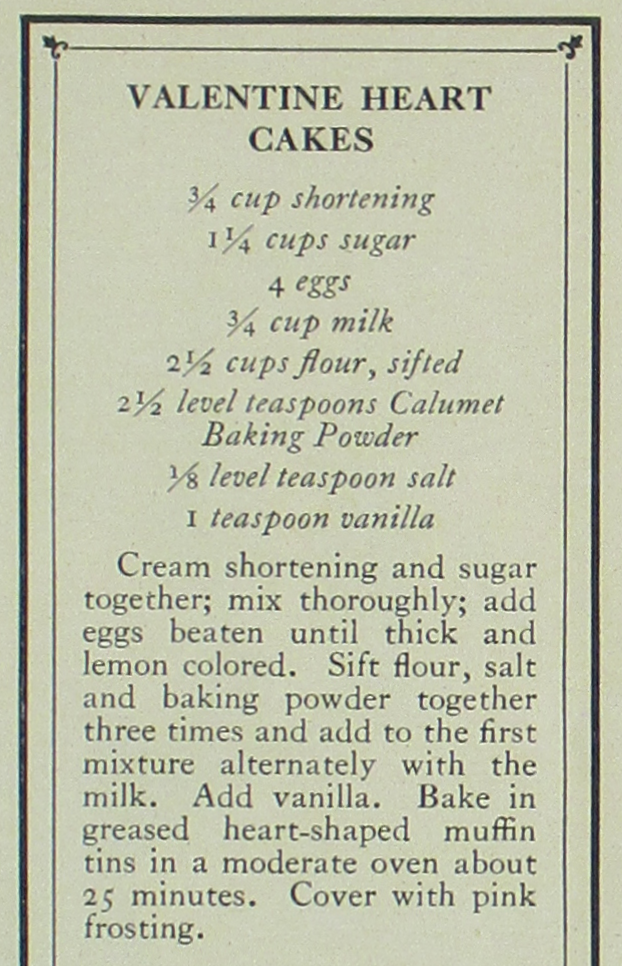
Classroom parties ran on baking and supplies sent in by parents, requested at short notice and provided without argument.
Requested formally, often declined.
The supply chain behind the afternoon was unpaid and unacknowledged. A party for thirty children requires somebody to produce food for thirty children, and that request landed on a specific person who was expected to meet it.
10. Writing Thirty Names Took a Whole Evening
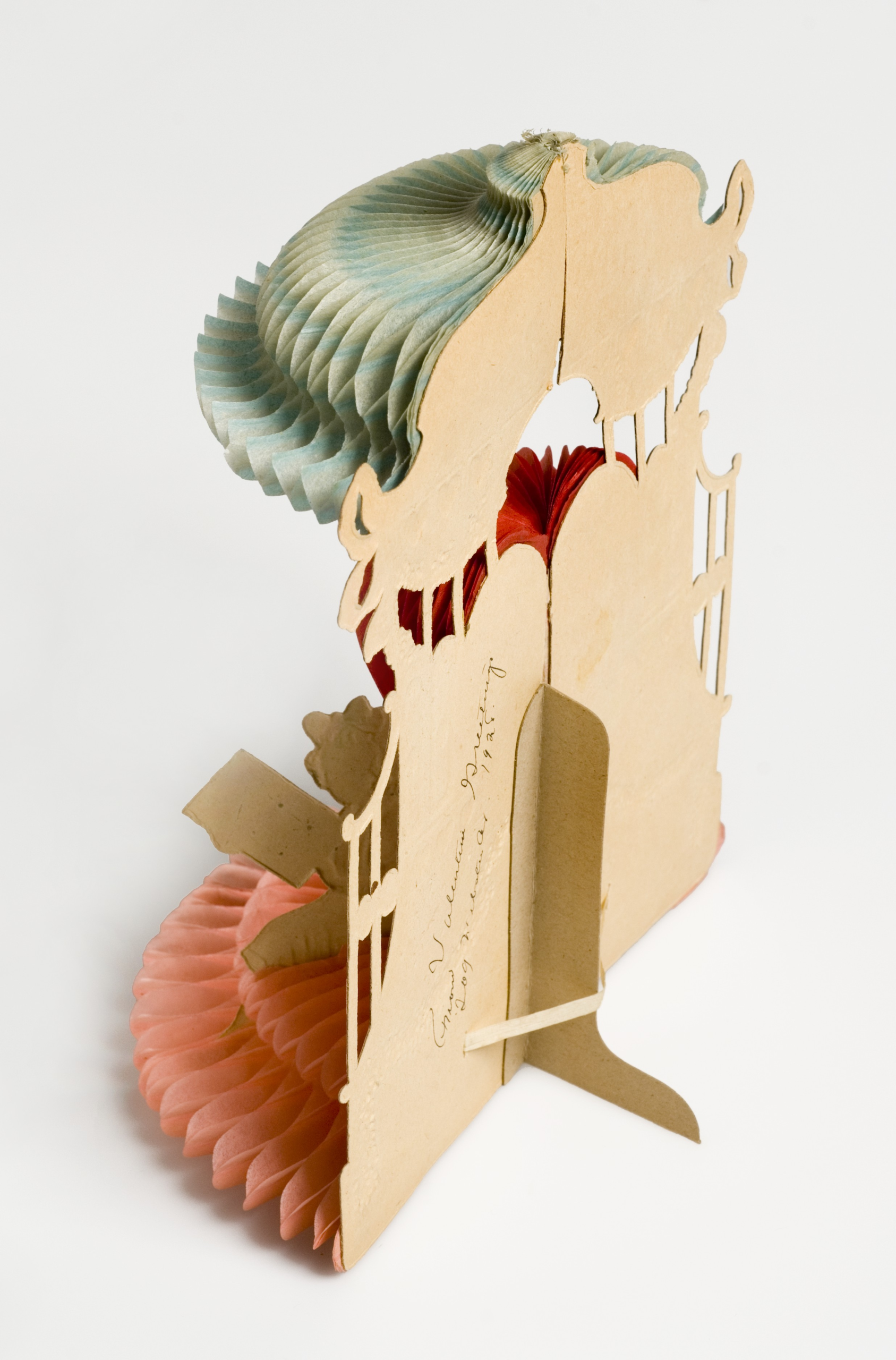
The cards had to be addressed at home, from a class list, one at a time, by a child whose handwriting was slow.
Often skipped.
The labour is the part everybody remembers resenting, and it is also where the thinking happened. Writing thirty names forces a child to consider thirty individual people in sequence, which is a social inventory nobody else would ever make them do.
11. The Class List Determined Everything
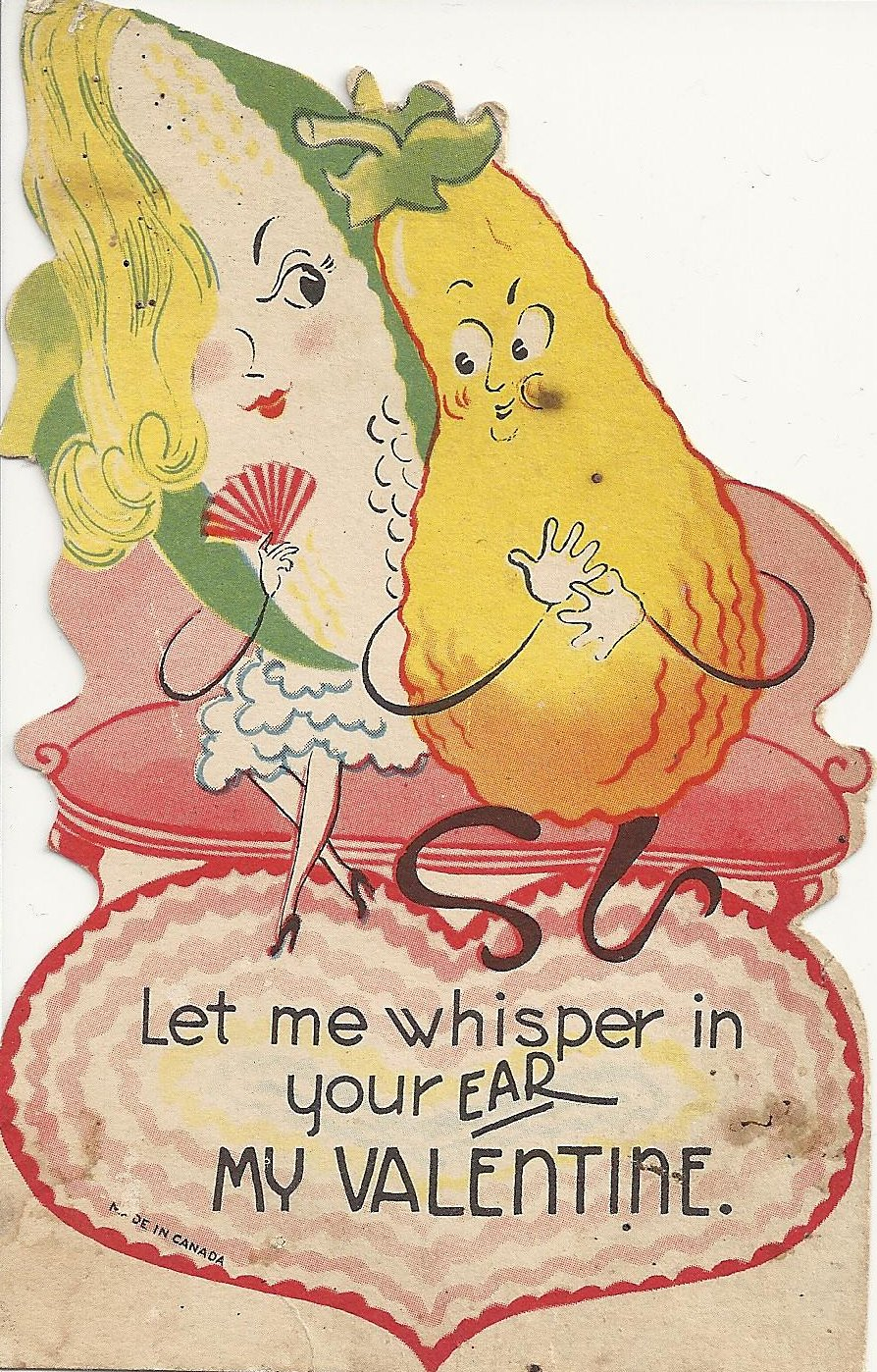
A duplicated list of names came home, and that list defined the complete set of obligations, with no room for omission.
Still true.
The list is the administrative heart of the exercise. It converts a vague social expectation into a finite checkable task, and it also makes any omission immediately visible – which is precisely how the universal rule was made to stick.
One more thing about the evening’s writing deserves saying, because it is where parents entered the system. A child working through a class list will stop at certain names, and a parent sitting nearby is the one who says keep going, or that is enough, or you have to do everyone. Which means the universal rule was enforced twice – once by a teacher who counted the cards, and once at a kitchen table by somebody making a seven-year-old include a child they did not want to include. That second enforcement is the one that did the actual moral work, and almost nobody remembers it as anything except tedium.
12. Children Counted Their Cards Afterwards
Everybody tallied what they had received, and the equal totals did not stop anybody comparing what was in the box.
Still true.
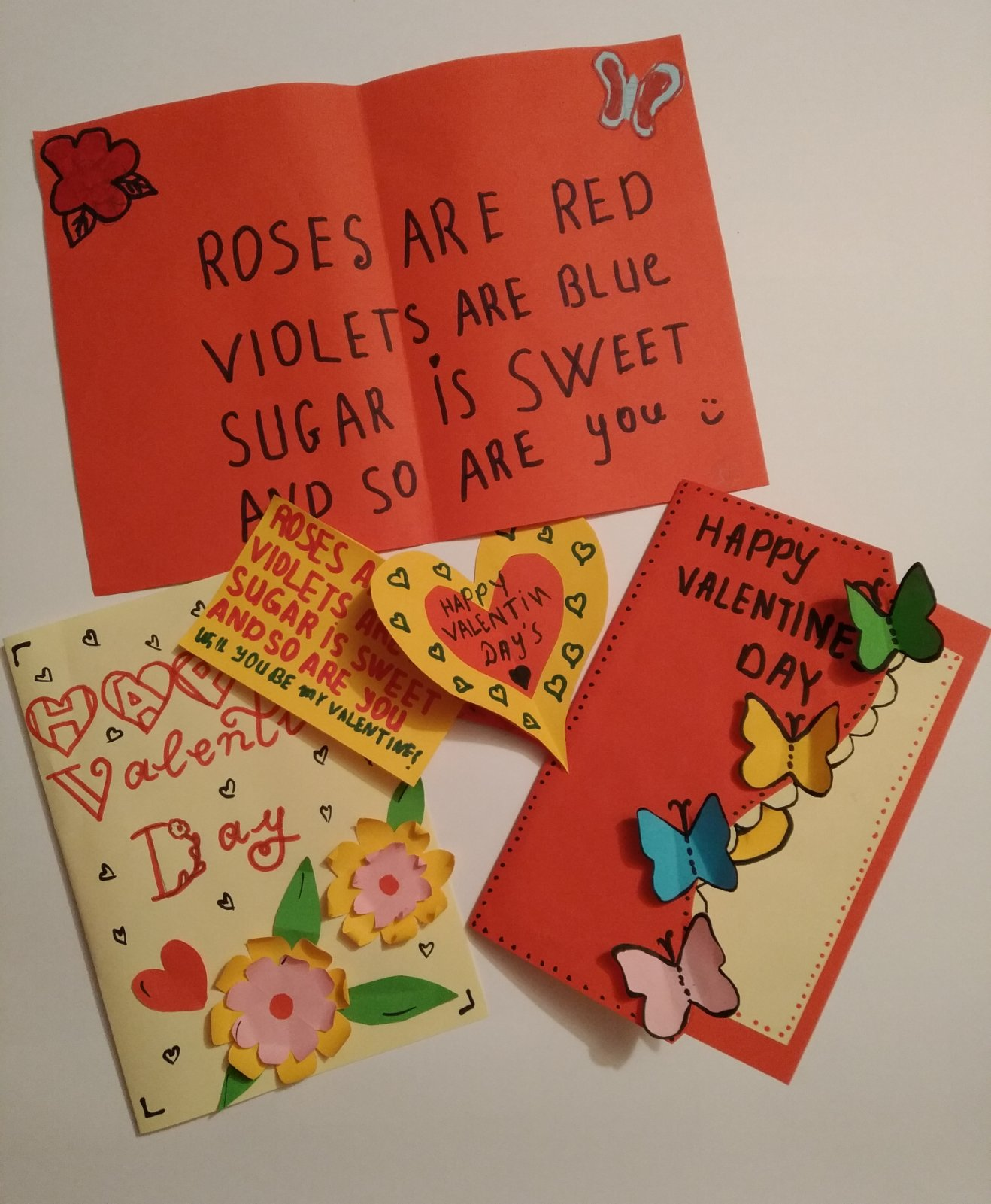
The counting shows the limits of designing out competition. You can equalise the number and you cannot equalise the content, so children simply shifted their attention to the designs, the signatures and anything extra – and the comparison continued regardless.
13. Something Extra Meant Something Serious

A sweet taped to a card, a longer message or a card obviously not from the standard packet was a deliberate departure from the format.
Not applicable.
Breaking format is the strongest available signal precisely because the format is so uniform. In a system where everybody sends the same thing to everybody, the only way to say more is to do something visibly different – and everybody involved understood exactly what it meant.
14. Then the Exchange Got Formalised and Flattened Further
Rules tightened, homemade cards were discouraged in favour of identical ones, food restrictions arrived, and the room for signalling narrowed.
Universal.
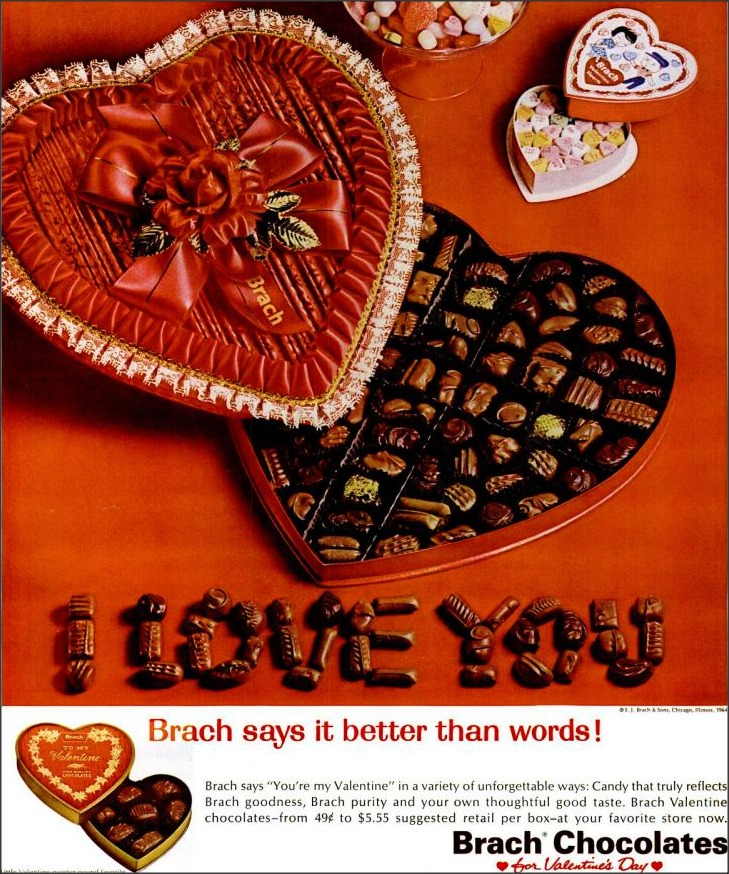
The formalising addressed real problems and it removed the interesting part. Every tightening was a reasonable response to something, and the cumulative effect was to close off exactly the channels children had been using to say anything at all.
15. And by 1964 the Shoebox Was Already the Last Handmade Part

The cards were bought, the food was supplied to a request, the list was duplicated – and the box a child cut a slot in was the only thing still made by the person using it.
Often bought.
And what deserves the last word is that this was a social system that had been deliberately flattened and that children immediately re-inflated. The everybody-gets-one rule exists to guarantee that no child sits with an empty box, and it works – which is why it was enforced and counted rather than left to goodwill. But equalising the quantity does not remove the wish to signal, so the signal moved: into which of four identical designs went to whom, into whether a card was signed with a full name, a first name, initials or nothing, and into anything taped to it that departed from the format. The box the child built, the slot that made posting anonymous, and the procession that let nobody watch a reaction were all genuinely well judged. And every later tightening of the rules was reasonable, and closed off one more of the few channels a seven-year-old had for saying anything specific to anybody.
It Was Flattened on Purpose, and Children Re-Inflated It
The classroom valentine exchange is one of the most deliberately engineered social systems a child ever encounters, and the interesting part is what children did to get around the engineering.
The design goal was to prevent exclusion. Everybody brings one for everybody, so no child sits in front of an empty box – and because a voluntary version would produce exactly the outcome it was meant to prevent, the rule was stated in advance, enforced and checked. That is a sensible intervention rather than a sentimental one.
The apparatus around it was well judged. A duplicated class list converted a vague expectation into a finite checkable task and made any omission visible. The handmade box gave each child an investment and a slot that made posting anonymous. And the delivery was a procession – everybody up and moving at once, nobody watching anybody’s reaction, the whole distribution done in a few minutes, which is considerably kinder than a reading-out.
Then the children got to work on it.
Because quantity had been equalised, the signal moved to quality. A packet contained enough small cards to cover a class in a handful of repeating designs, which means the only variable left was which design went to whom – and that became the entire message system, a ranked list of thirty people that nobody could complain about.
The signature was the other channel, and it is a complete grammar. A full formal name is distant. A first name is friendly. Initials are ambiguous. Nothing at all is either shyness or strategy. That is a remarkable amount of meaning packed into a space the size of a stamp, and children used it precisely.
And breaking format was the strongest move available, precisely because the format was so uniform. A sweet taped on, a longer message, a card obviously not from the standard packet – in a system where everybody sends the same thing to everybody, visible difference is the only way to say more, and everybody understood what it meant.
Which is why the counting afterwards continued regardless. You can equalise the number and you cannot equalise the content, so children tallied their cards, found the totals identical, and immediately started comparing designs, signatures and anything extra.
Two practical facts belong in the picture.
Writing thirty names took an evening, from a list, one at a time, by a child whose handwriting was slow – universally resented, and also where the thinking happened, because it forces a child to consider thirty individual people in sequence. Nobody else would ever make them do that.
And the food arrived from mothers, requested at short notice and provided without argument. A party for thirty children needs somebody to produce food for thirty children, and that request landed on a specific unpaid person who was expected to meet it.
It is worth keeping the proportions right, too. The social machinery is the interesting part for an adult looking back; what the children actually wanted was an afternoon that was not lessons, with something to eat in it.
Then the rules tightened over the following decades – identical cards, homemade ones discouraged, food restrictions – and every one of those changes was a reasonable response to a real problem.
The cumulative effect was to close off, one at a time, the few channels a seven-year-old had for saying anything specific to anybody.
If you remember choosing which card went to which person, that was the message.
Everybody got one, so the only thing you could control was which one.
Like our content? Follow us for more.