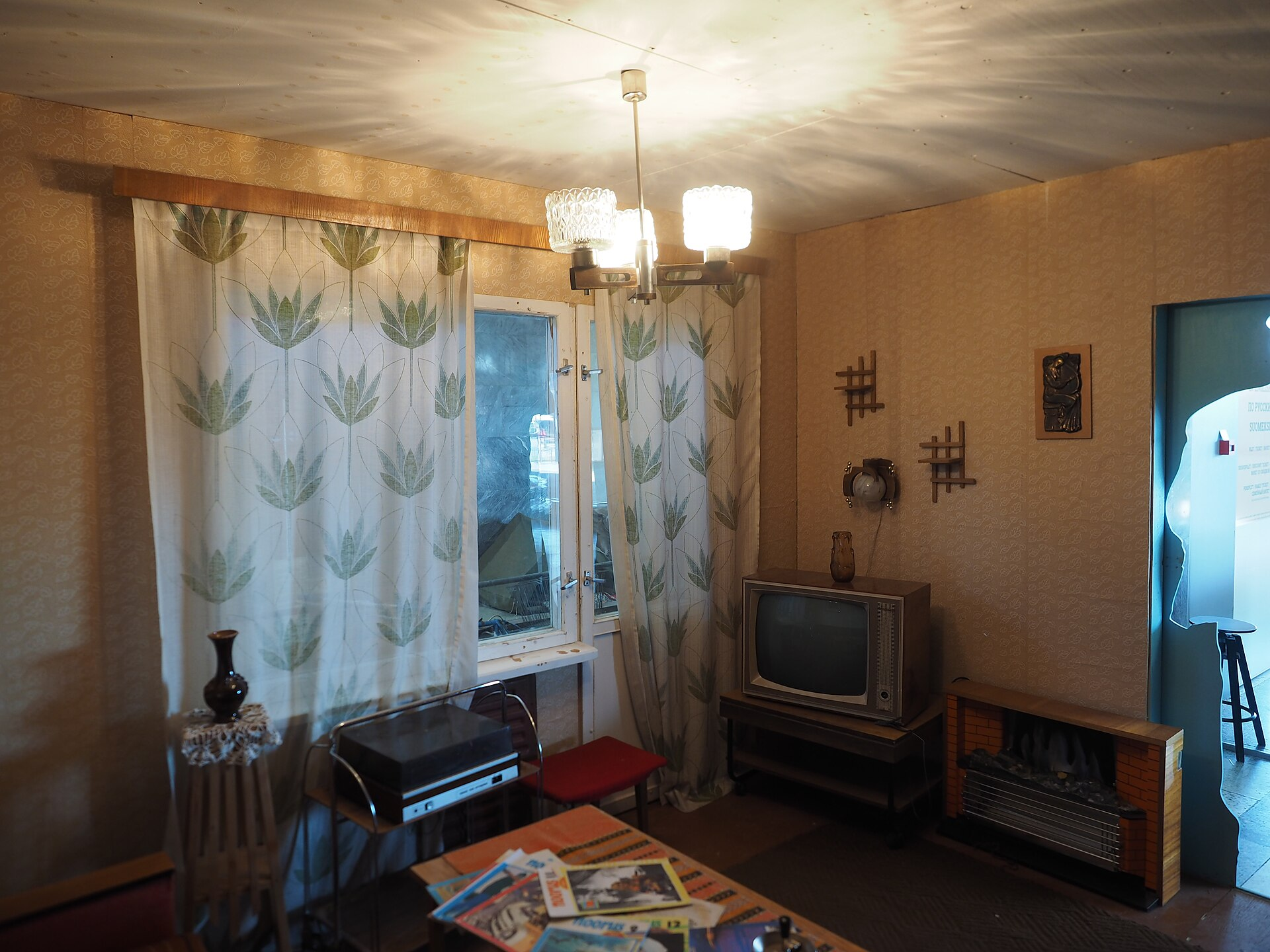
Before urgent care visits and streaming on demand, a child’s ordinary sick day, the sniffles, a low fever, an upset stomach, was handled entirely at home by a well-rehearsed family playbook, equal parts practical care and quiet ceremony, that turned an uncomfortable day into one many adults now remember with real warmth. Here are eleven things every American kid’s sick day at home involved in 1970, counted down one by one.
1. The Thermometer Verdict at the Kitchen Table
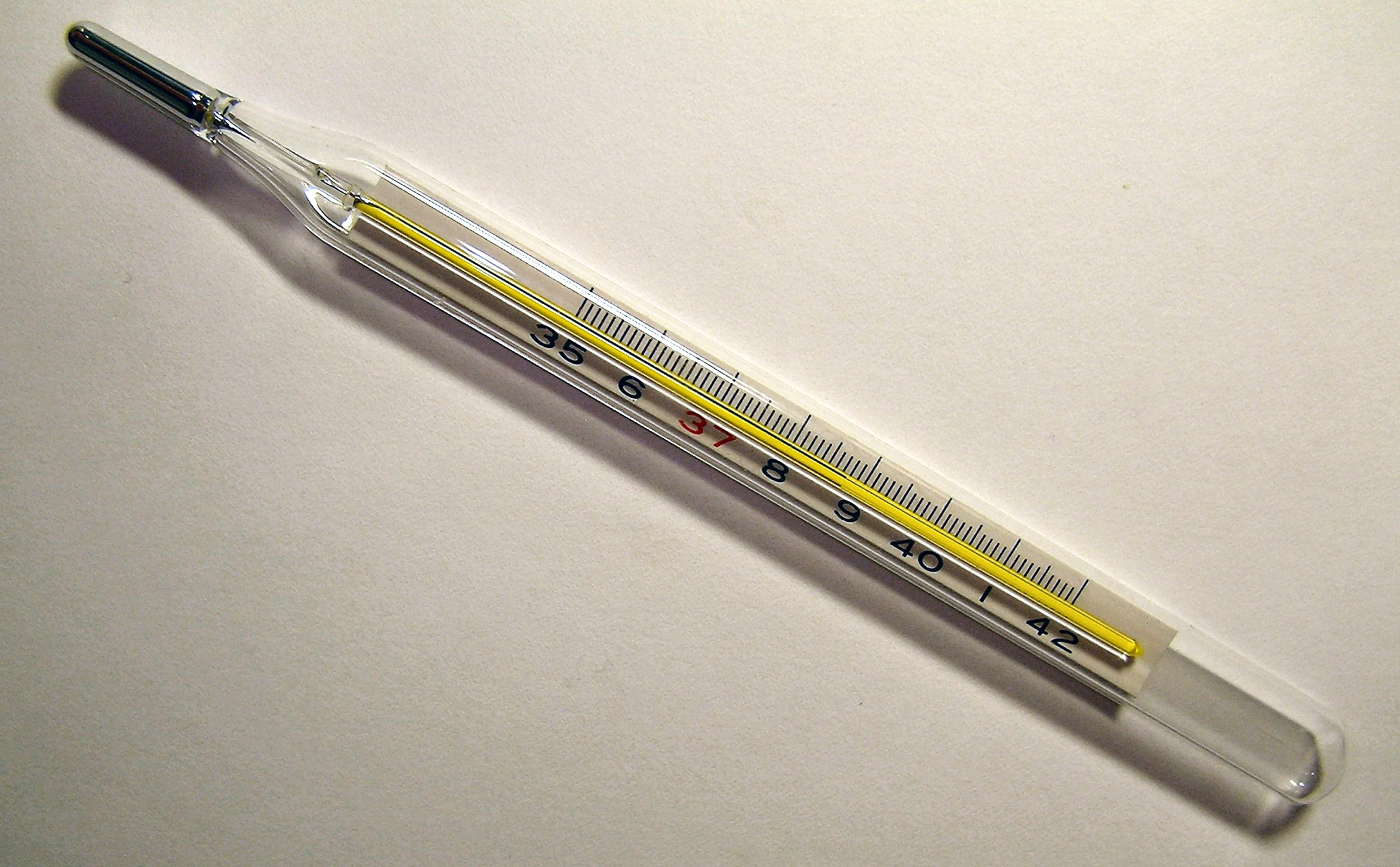
The glass thermometer went under the tongue for an eternity. The reading decided the entire day’s fate.
The day began with the glass thermometer held under the tongue for what felt like an eternity, followed by mom tilting it toward the kitchen light and turning it slowly to find the silver line, a reading that decided in one moment whether the day held arithmetic or the living room couch. The thermometer verdict at the kitchen table was the sick day’s opening ceremony, a ritual whose suspense every former kid can still feel.
Like our content? Follow us for more.
2. Mom Calling the School Office on the Kitchen Phone
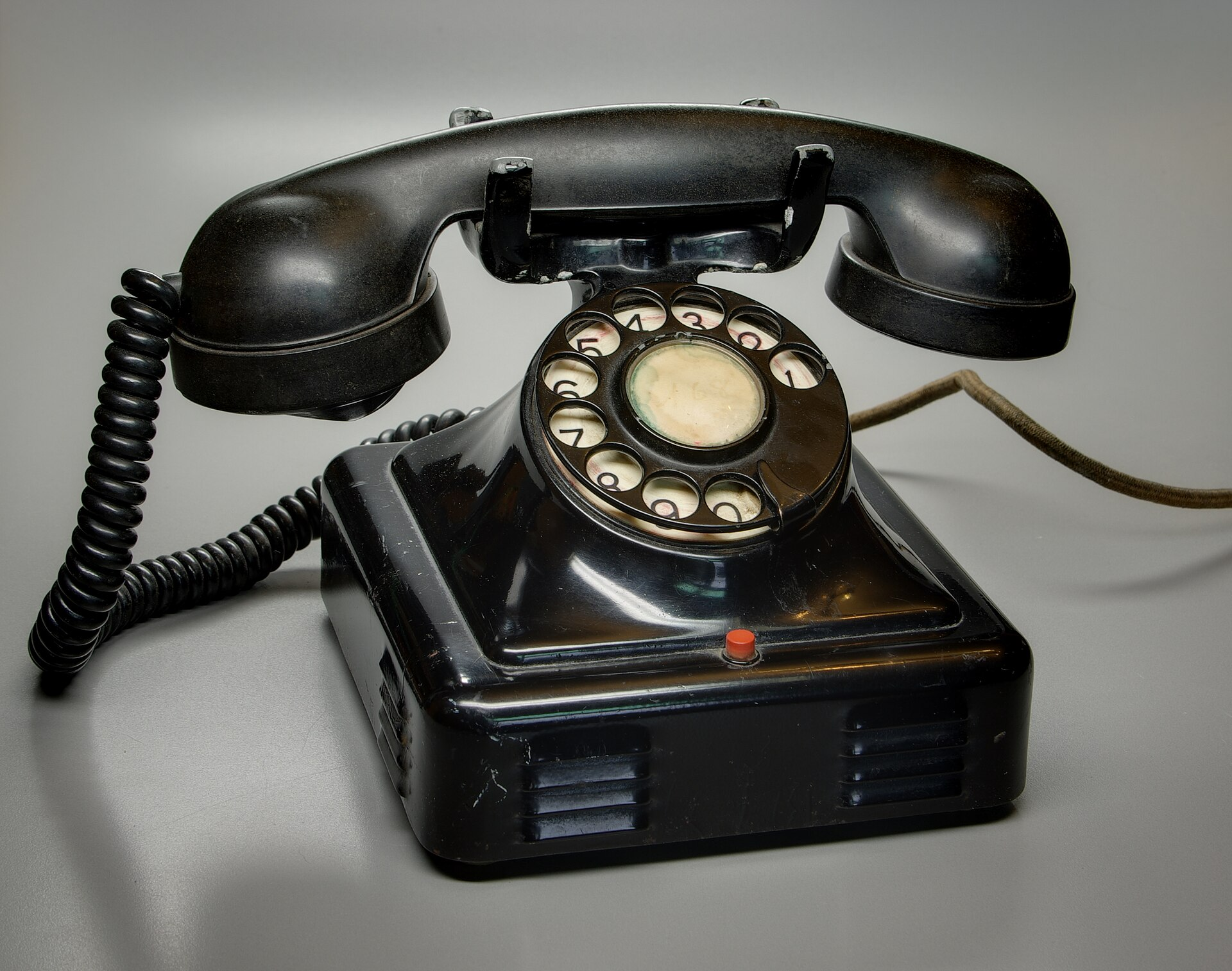
The absence was reported by an official phone call. Hearing your own name spoken to the school made it real.
The sick day became official when mom dialed the school office on the kitchen wall phone and reported the absence in her formal telephone voice, a call every kid strained to overhear because hearing your own name pronounced sick to the school made the whole thing gloriously real. Mom calling the school office on the kitchen phone was the sick day’s legal paperwork, one rotary-dialed sentence that granted a full day’s release.
3. The Couch Made Up Like a Daytime Bed
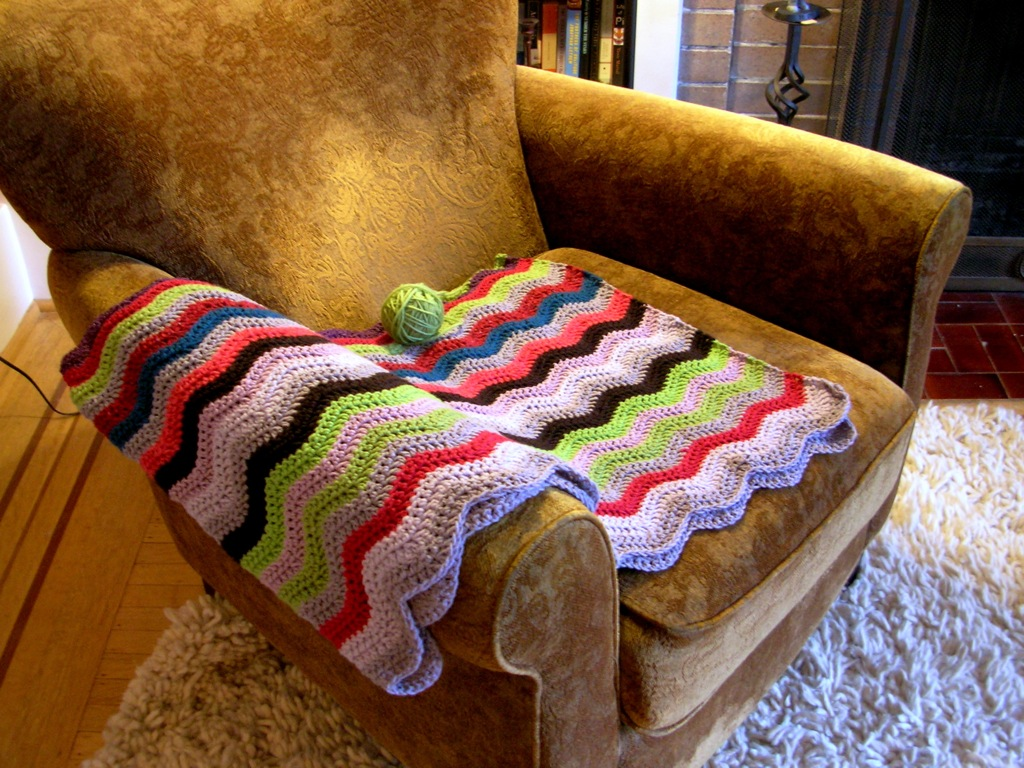
A pillow and blankets transformed the living room couch. The sick kid held territory at the center of the house.
A proper 1970 sick day was not spent exiled to a bedroom but installed on the living room couch, made up with a bed pillow and blankets so the patient could hold territory at the warm center of the house, within earshot of the kitchen and in command of the television. The couch made up like a daytime bed was the sick day’s headquarters, a temporary throne that made a kid feel cared for rather than quarantined.
4. Daytime Television on Three Channels
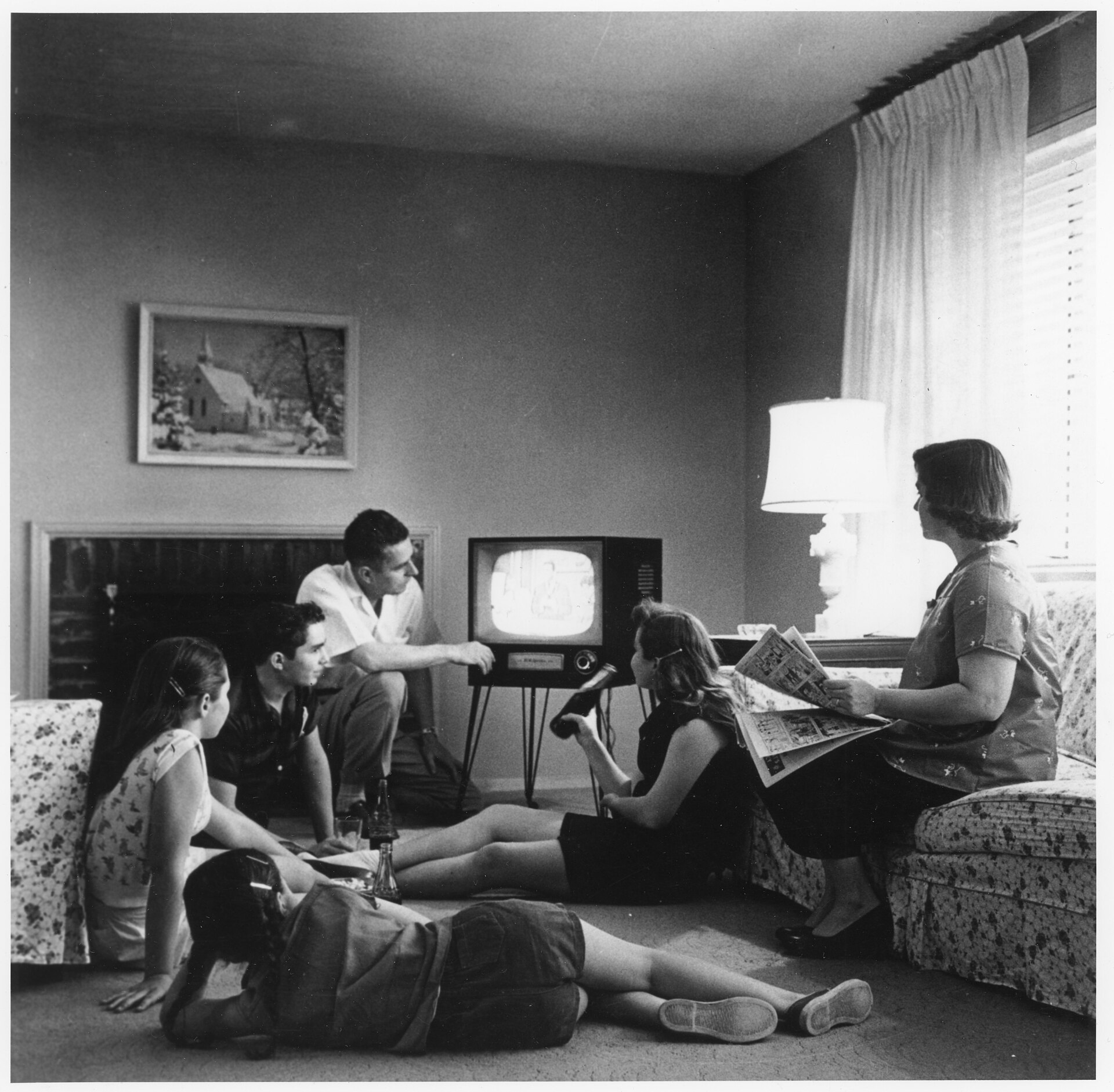
Game shows and soap operas filled the morning. The sick kid glimpsed the mysterious daytime world of adults.
Daytime TV in 1970 meant three or four channels of game shows, soap operas, and reruns, a strange and fascinating adult world that school kids never otherwise saw, and part of the sick day’s magic was simply discovering what television did while everyone else was at their desks. Daytime television on three channels was the sick day’s entertainment and its anthropology, a broadcast schedule many former kids can still recite.
5. Ginger Ale Sipped Slowly Through a Bendy Straw

Ginger ale was the official beverage of not feeling well. Small sips were doctor’s orders from mom.
Whatever the ailment, the beverage was ginger ale, poured over ice and administered in small sips, often through a bendy straw, on the universal maternal theory that it settled the stomach, and to this day the taste of it returns many adults instantly to that couch. Ginger ale sipped slowly through a bendy straw was the sick day’s official medicine of the beverage kind, prescribed with total confidence in every American kitchen.
6. Saltines, Dry Toast, and the Gentle Food Rules
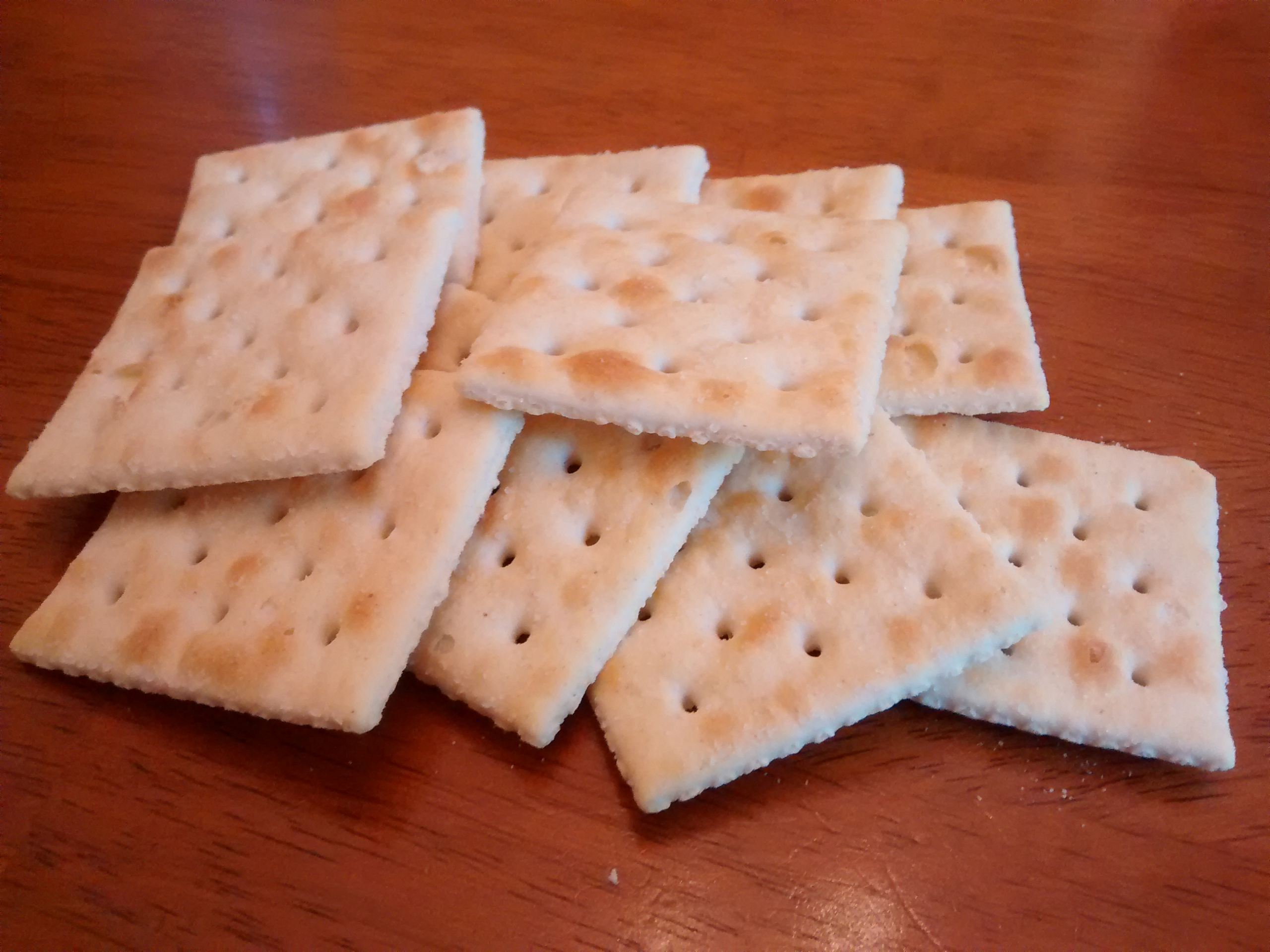
Plain crackers and toast were the approved menu. Graduating back to real food marked recovery.
The sick day menu followed strict maternal science, saltines and dry toast first, perhaps applesauce or a soft-boiled egg once things improved, and the graduation back to ordinary food was itself the official announcement of recovery. Saltines, dry toast, and the gentle food rules gave the day its structure, a culinary ladder every family climbed the same way.
7. Chicken Noodle Soup Served on a Tray

Soup arrived at the couch on a proper tray. The presentation was half the cure.
At lunchtime came chicken noodle soup, delivered to the couch on a proper tray with crackers on the side, and whether it came from a can or a pot hardly mattered, because the presentation, hot soup brought to you like room service, was itself half the cure. Chicken noodle soup served on a tray was the sick day’s main event, a small ceremony of care that outlived every fad remedy of the era.
8. The Vaporizer Humming in the Corner
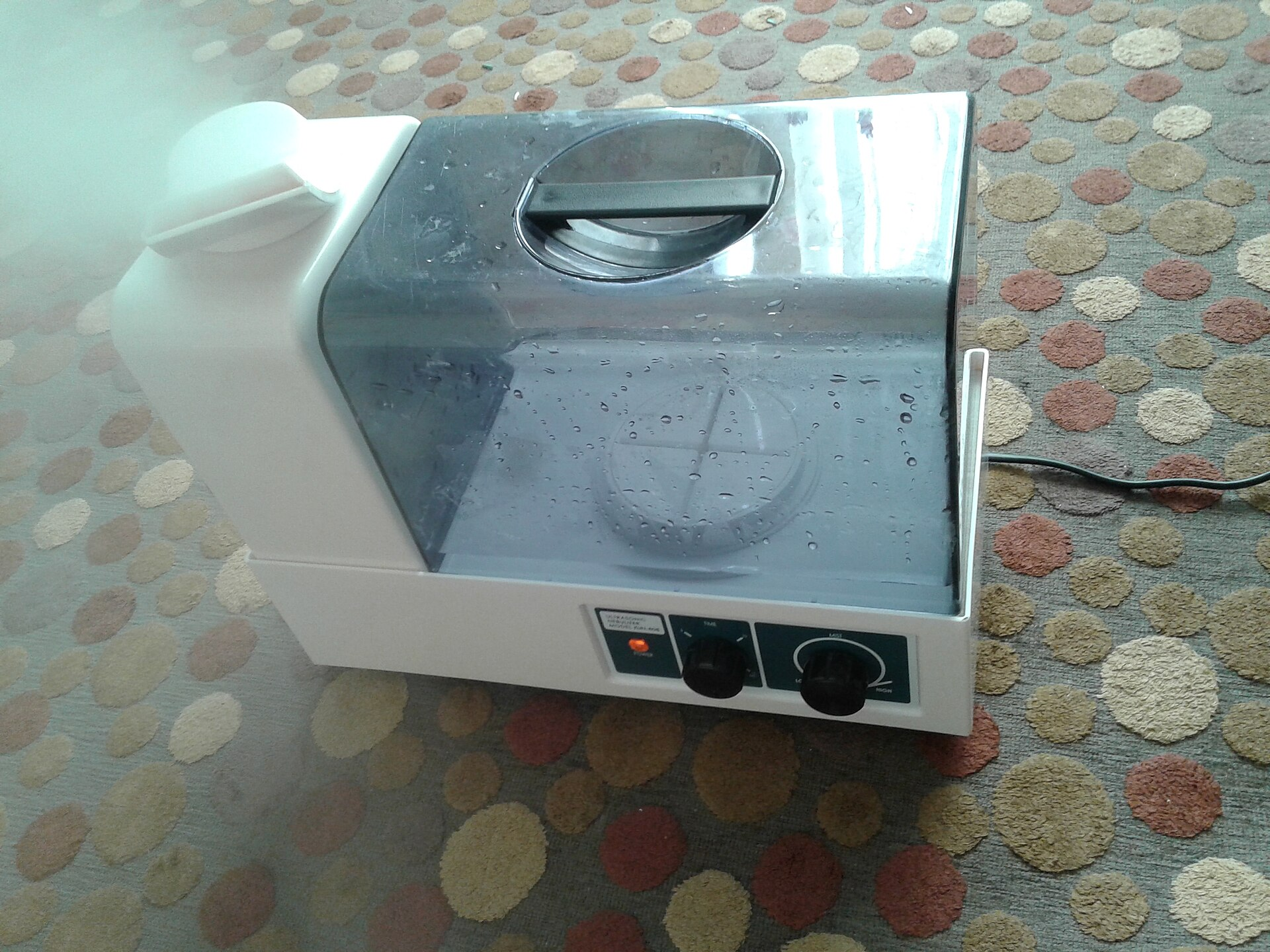
A steam vaporizer ran near the couch or bed. Its hum and menthol cloud defined the sick room.
For coughs and stuffy noses, out came the steam vaporizer, set close enough to reach the patient with its warm menthol-scented cloud, and its steady hum became the soundtrack of the sick room, a sound and smell combination stamped permanently into the memory of the era’s kids. The vaporizer humming in the corner was the sick day’s atmosphere machine, equal parts treatment and lullaby.
9. A Stack of Comic Books and Library Books Reread
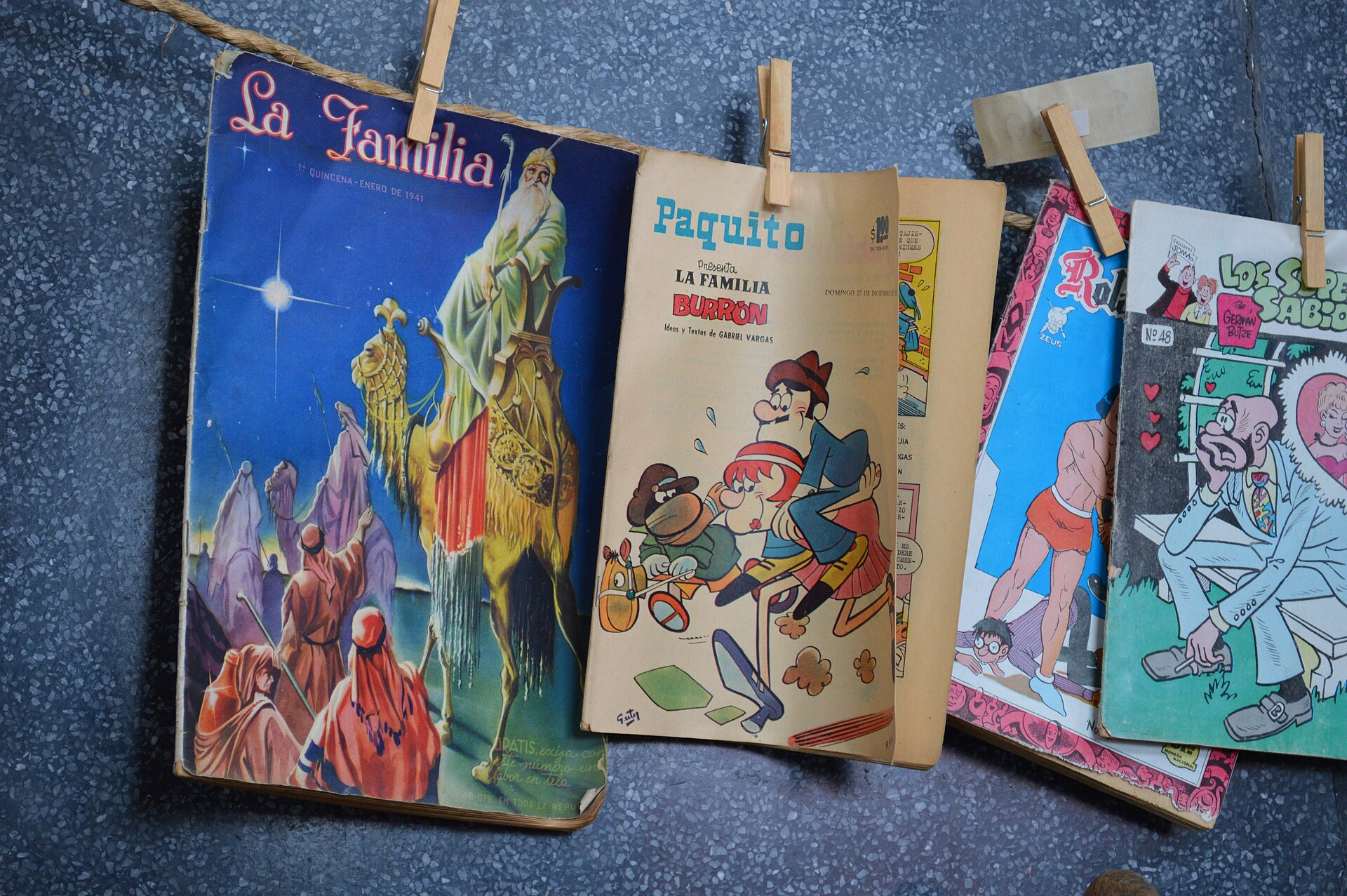
Reading material was gathered from around the house. Familiar comics were reread cover to cover.
Between programs, the sick kid worked through a stack of reading gathered from around the house, comic books reread for the tenth time, library books, and the occasional encyclopedia volume browsed out of pure boredom, since when the television offered nothing, the stack was the only channel left. A stack of comic books and library books reread filled the sick day’s quiet hours, boredom and comfort bound together in the same pile.
10. The Afternoon Nap That Actually Happened
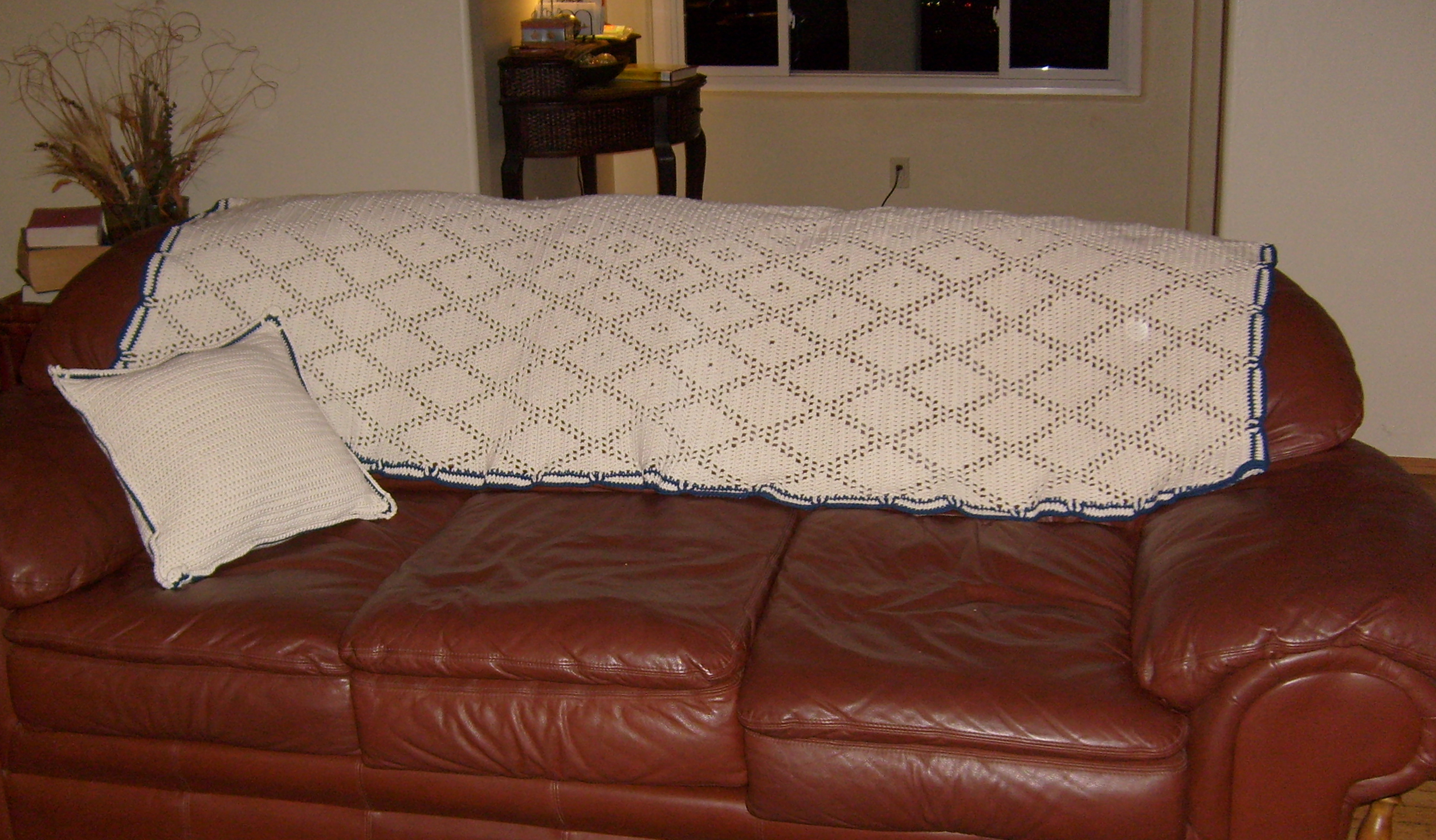
Sleep arrived without protest for once. Waking near dinnertime meant the worst had passed.
Somewhere in the afternoon, the kid who fought bedtime every night of his life fell asleep on the couch without protest, and waking near dinnertime, groggy, warm, and noticeably better, was the sick day’s quiet turning point that mothers watched for. The afternoon nap that actually happened was the day’s true medicine, the one prescription no child ever resisted.
11. A Genuine Luxury in Being Fussed Over for a Day
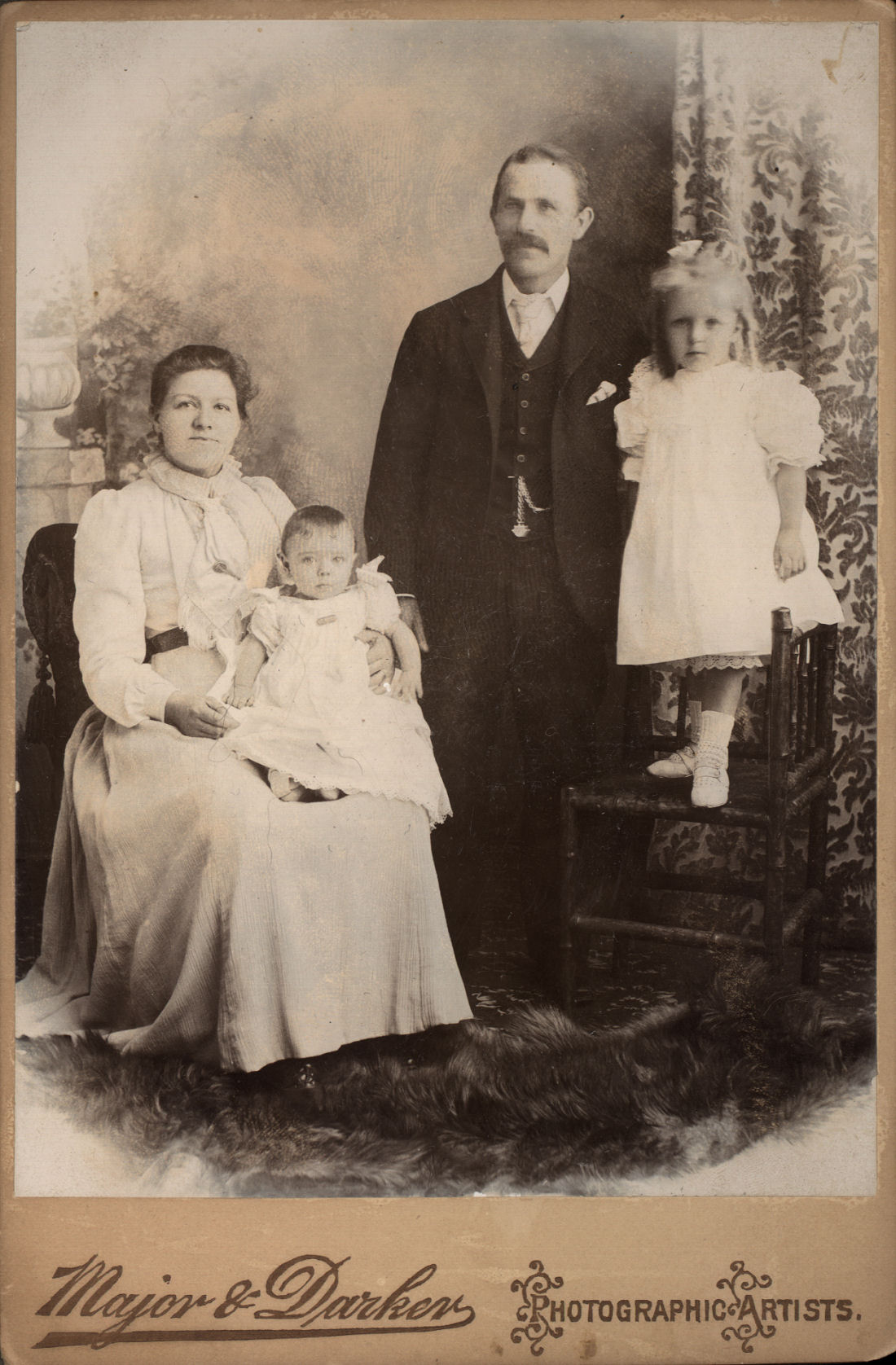
The undivided attention was its own remedy. Many adults remember the care more than the illness.
Underneath the ginger ale and the game shows, the 1970 sick day delivered something rarer than any remedy, a full day of a parent’s undivided fussing, forehead checks, tray deliveries, and blanket adjustments, which is why so many adults remember their childhood sick days with more warmth than the illnesses ever deserved. A genuine luxury in being fussed over for a day was what the sick day really provided, and it remains the part no one ever outgrew.
The Day the House Took Care of You
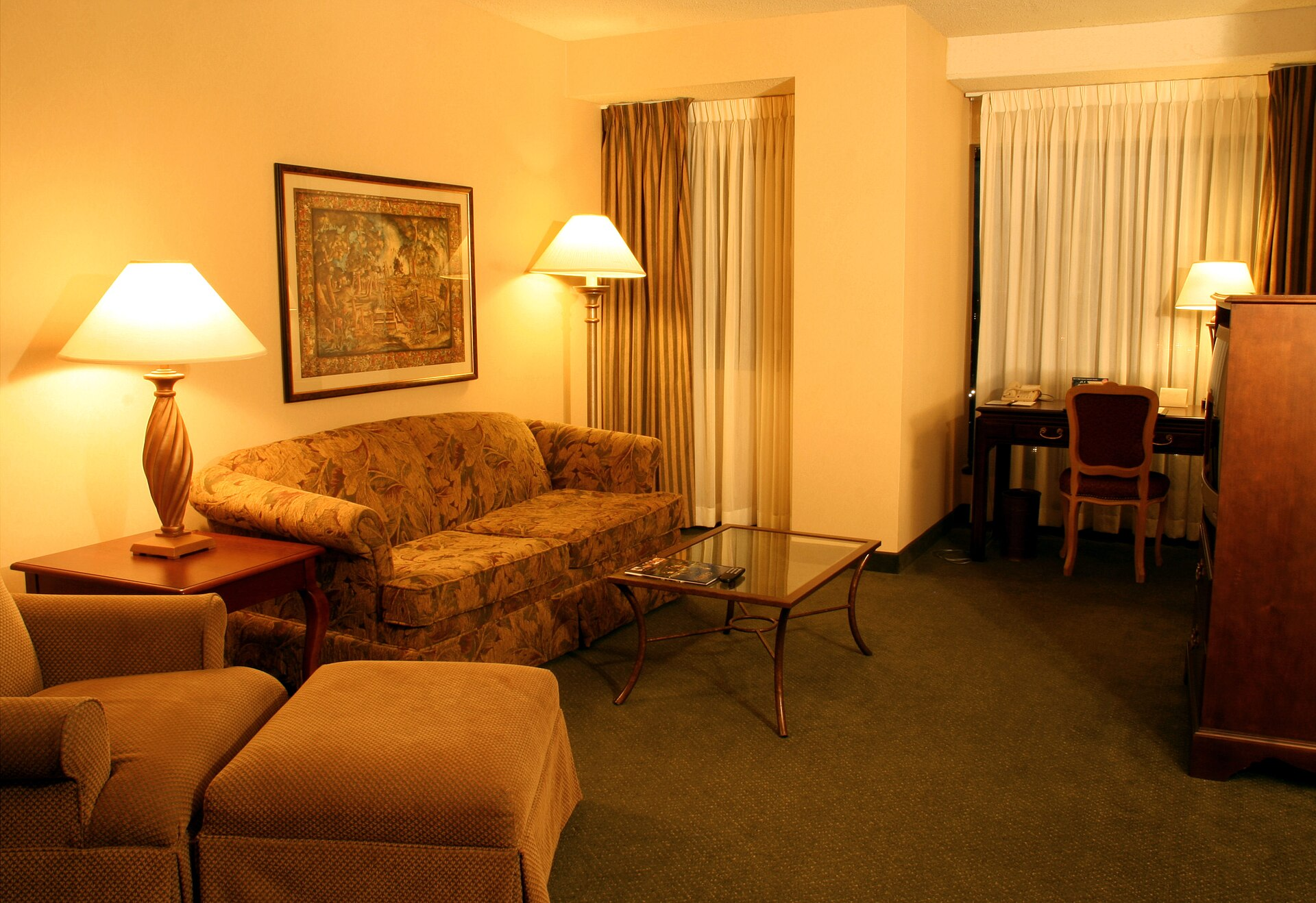
Taken together, these eleven things capture what an ordinary childhood sick day meant in 1970, from the thermometer verdict and the official phone call to the soup tray, the humming vaporizer, and the nap that finally came. It was a family playbook performed with such consistency that millions of Americans share the identical memory.
The sick day has since transformed along with everything around it, digital thermometers replaced the silver line, streaming replaced the three channels, urgent care visits replaced some couch days entirely, and working parents juggle absences the 1970 household organized differently. The changes reflect real shifts in medicine, media, and family life. Yet for those who lived the original version, these details bring it all back: the taste of ginger ale through a straw, the menthol cloud of the vaporizer, the weight of the blanket on the couch. Looking back at the childhood sick day of 1970 is a warm tribute to the simplest kind of family care, a day when the whole house slowed down to look after you.
Like our content? Follow us for more.