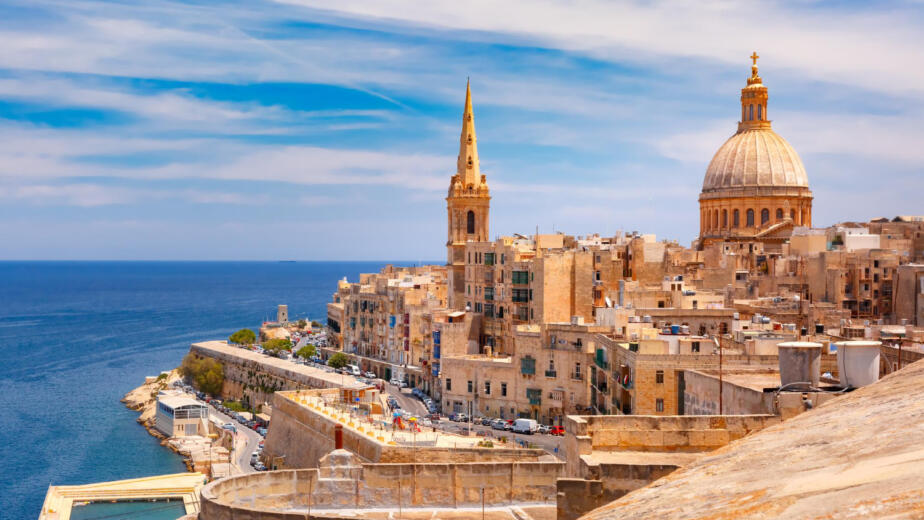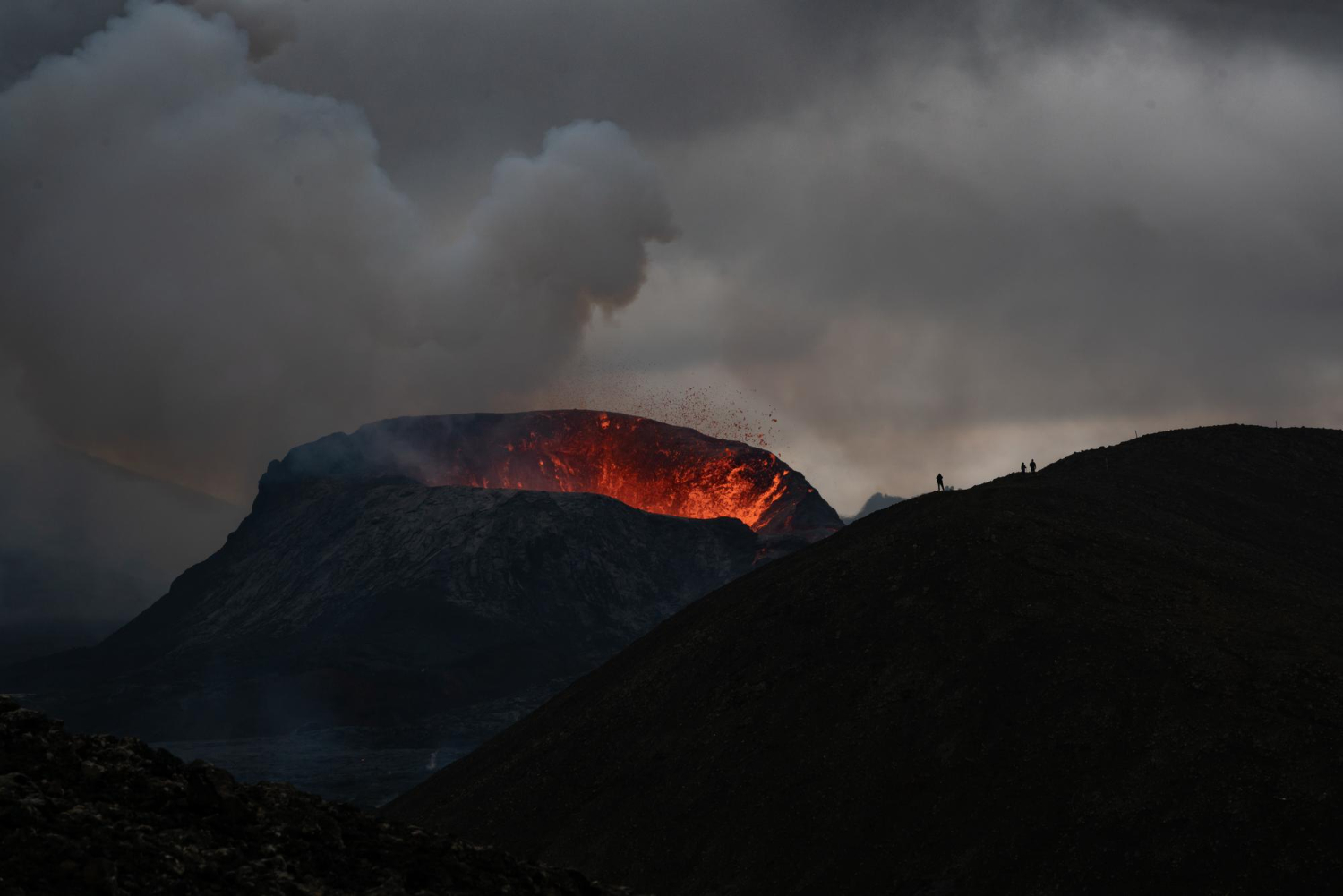
There is nothing quite like looking into a crater and understanding, in a physical way, that the ground you live on is a thin crust over something enormous. These fourteen volcanoes are all accessible to visitors, with a range that runs from an easy afternoon to a demanding multi-day climb.
1. Mount Vesuvius, Italy
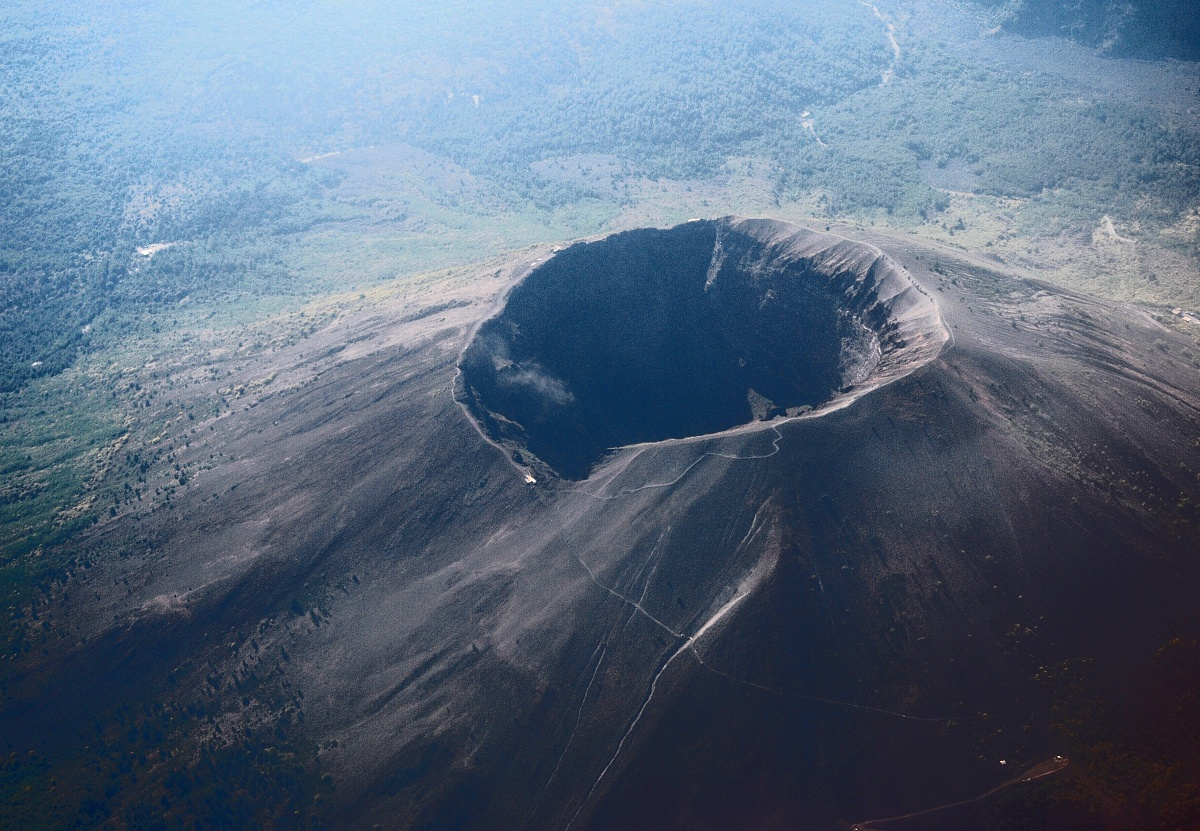
The most historically famous volcano in the world sits within sight of Naples, and a path runs right to the crater rim. The walk from the car park takes about half an hour.
From the top you look down into the crater on one side and across the Bay of Naples on the other, with the excavated Roman streets of Pompeii and Herculaneum below. The history is inseparable from the view. Vesuvius is the volcano to visit if you want geology and archaeology in a single afternoon.
Like our content? Follow us for more.
2. Kīlauea, Hawaii, USA
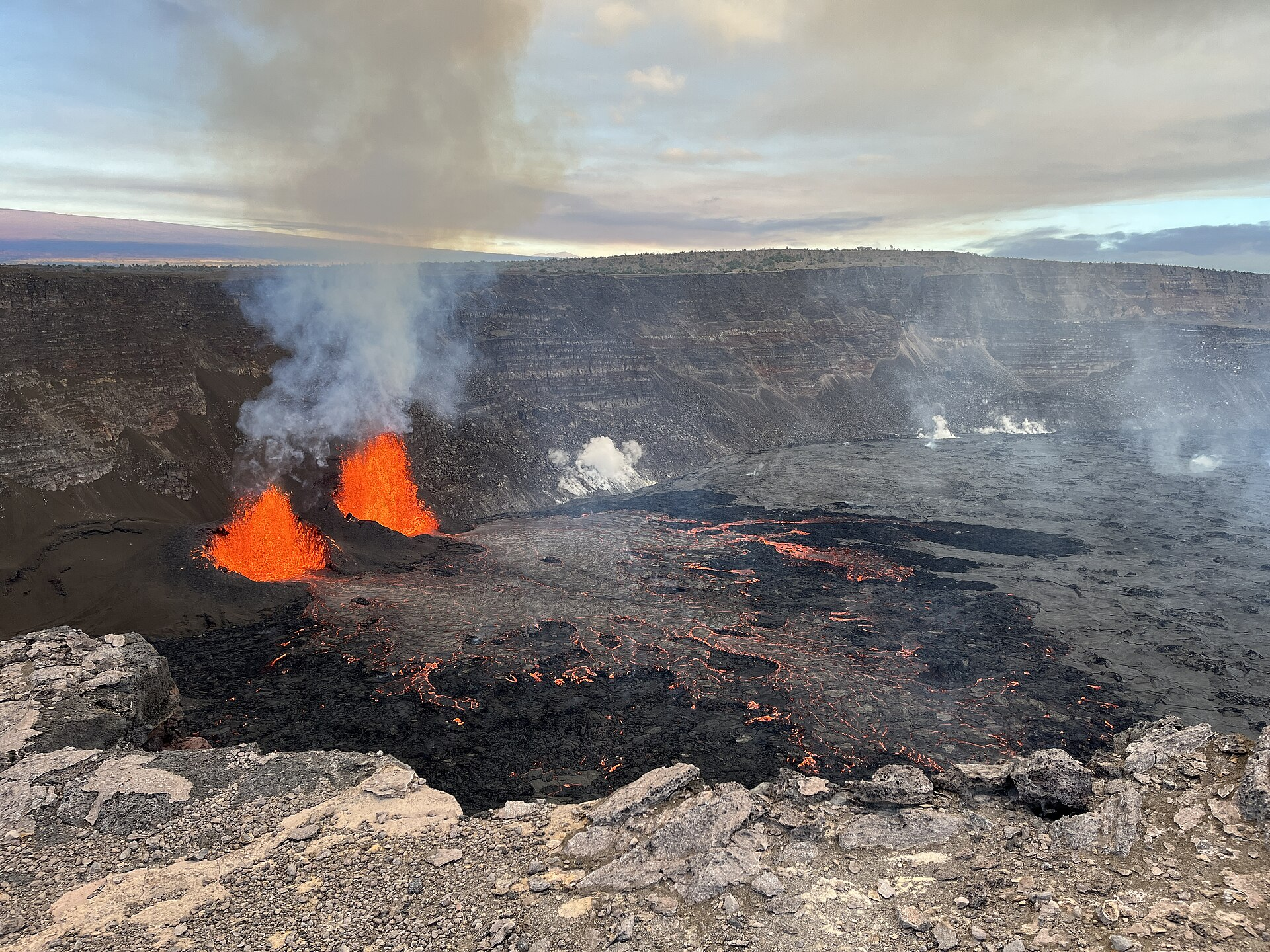
One of the most active volcanoes on Earth sits inside a national park with roads, trails, and viewpoints throughout. Access depends entirely on current activity.
When eruptions are underway, glowing vents can sometimes be viewed safely from designated areas, and the park communicates conditions clearly. The landscape of hardened lava flows is remarkable regardless. Kīlauea is a volcano where the park service does the hard work of showing you something extraordinary responsibly.
3. Mount Etna, Italy
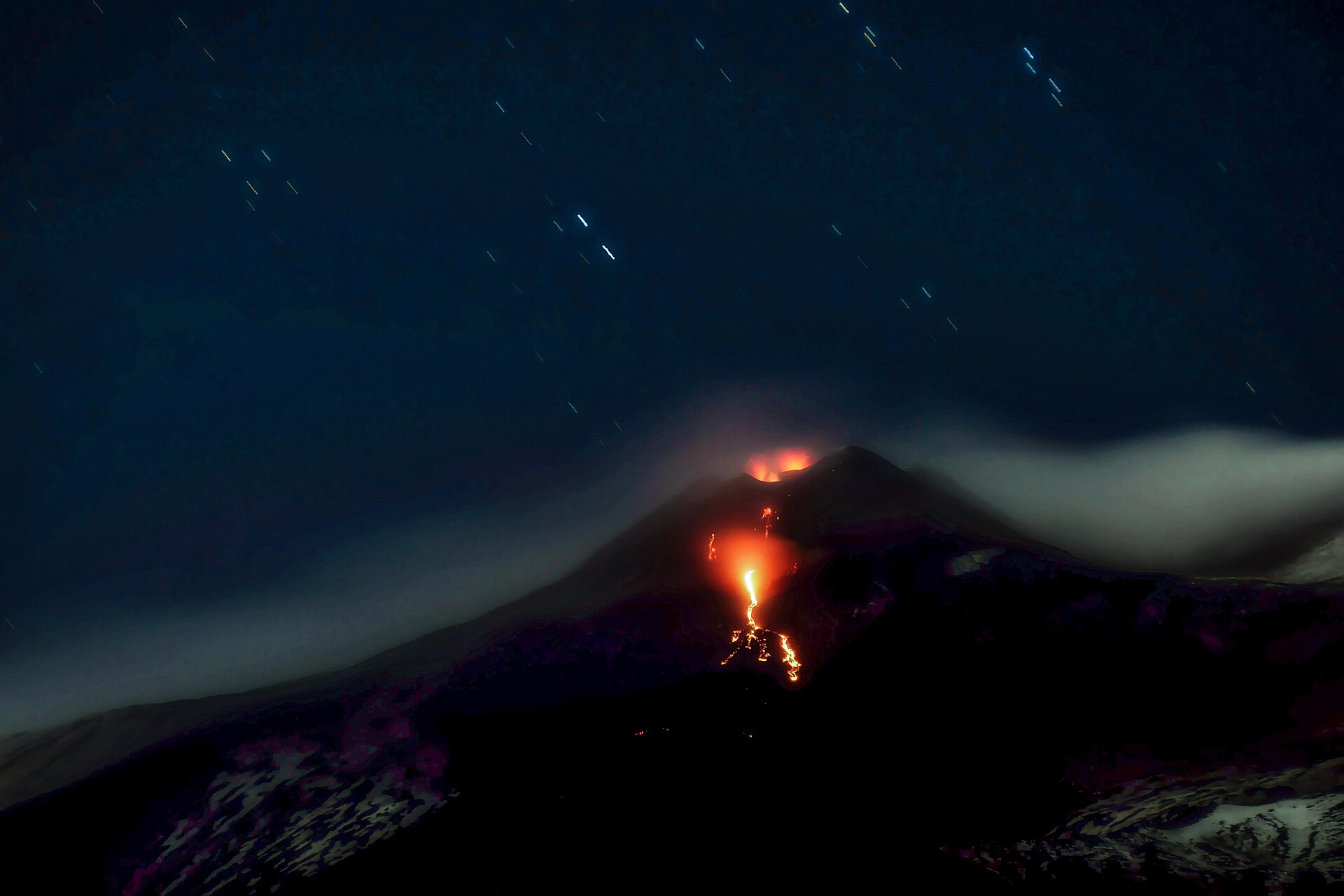
Europe’s most active volcano dominates eastern Sicily and is unusually easy to reach, with a cable car and off-road vehicles carrying visitors well up the slope. Guided walks continue from there.
Etna erupts frequently but usually gently, and its lower slopes are covered in vineyards that make use of the mineral-rich soil. You can ski there in winter. Etna is the volcano that best demonstrates how people build entire livelihoods on a mountain that never quite settles.
4. Mount Bromo, Indonesia
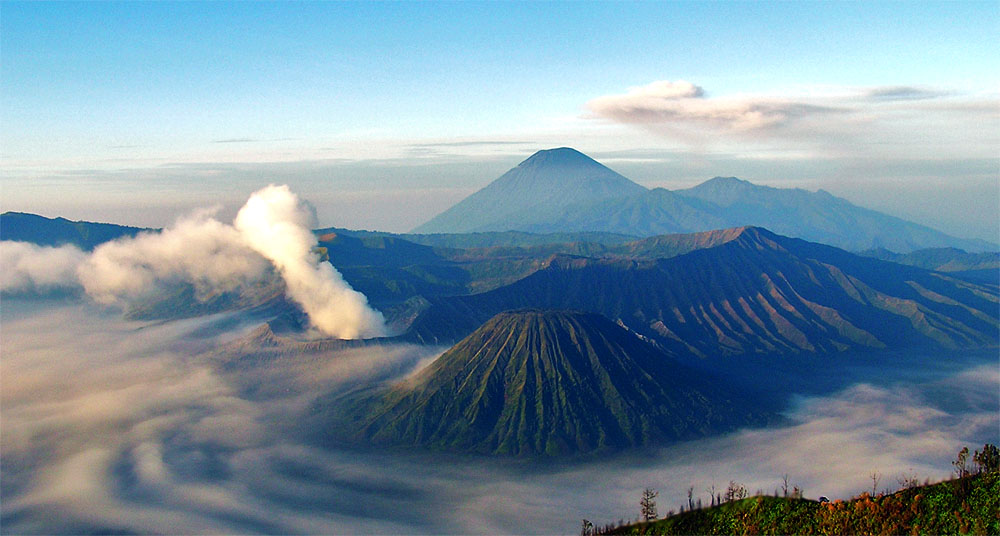
Rising from a vast sea of volcanic sand inside a much larger caldera, Bromo is one of the most photographed landscapes in Southeast Asia. Most visitors arrive before dawn.
The classic experience is watching sunrise from a viewpoint on the caldera rim as mist pools around the cones below, then crossing the sand to climb the steps to the crater edge. It looks unreal. Bromo is a volcano that delivers one of the great sunrise views on the planet.
5. Fagradalsfjall Area, Iceland
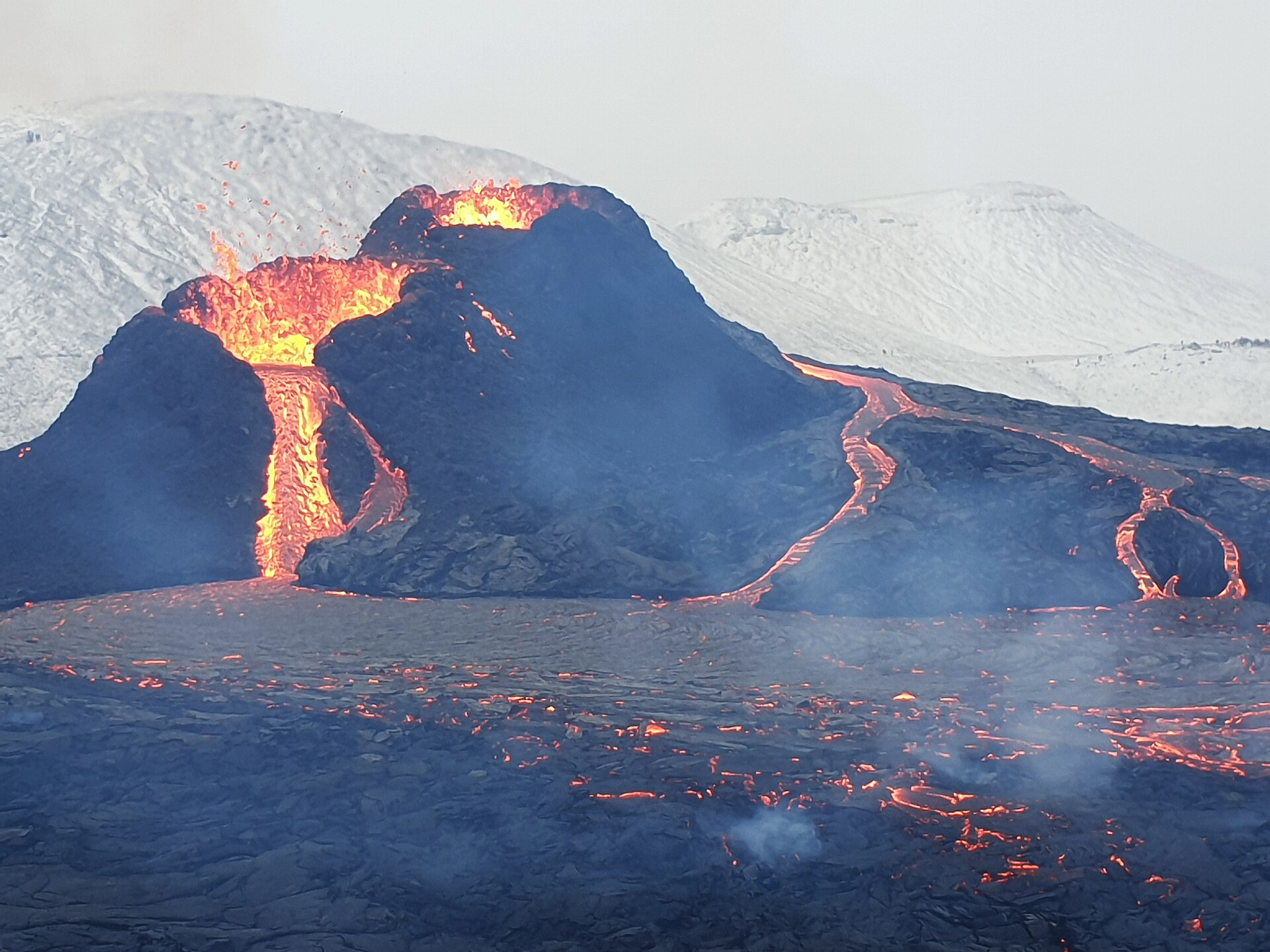
The Reykjanes peninsula southwest of Reykjavík has seen repeated eruptions in recent years, and when conditions allow, marked hiking routes bring visitors within view of fresh lava fields.
Access changes constantly with activity, and Icelandic authorities open and close routes as conditions dictate. Checking official guidance is not optional here. The Reykjanes volcanic area is where the newest ground on Earth is being made, sometimes within a day trip of the capital.
6. Mount Fuji, Japan
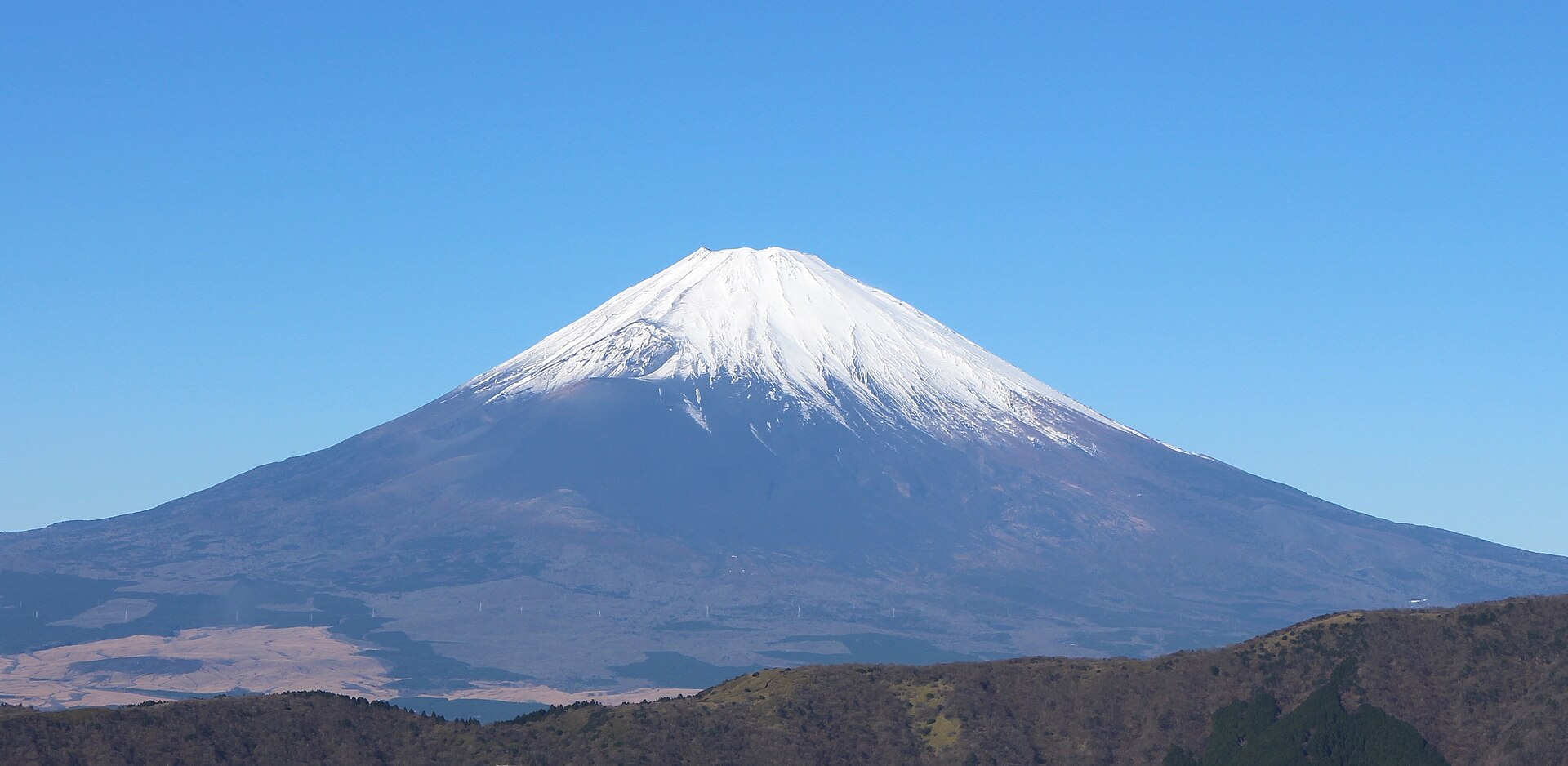
Japan’s highest peak and most recognizable landmark is an active stratovolcano, climbed by large numbers of people during a short official season, typically in July and August.
The ascent is a demanding overnight slog rather than a technical climb, traditionally timed to reach the summit for sunrise. Outside the season the mountain is truly dangerous and not recommended. Fuji is a volcano that is as much a cultural pilgrimage as a hike.
7. Arenal, Costa Rica
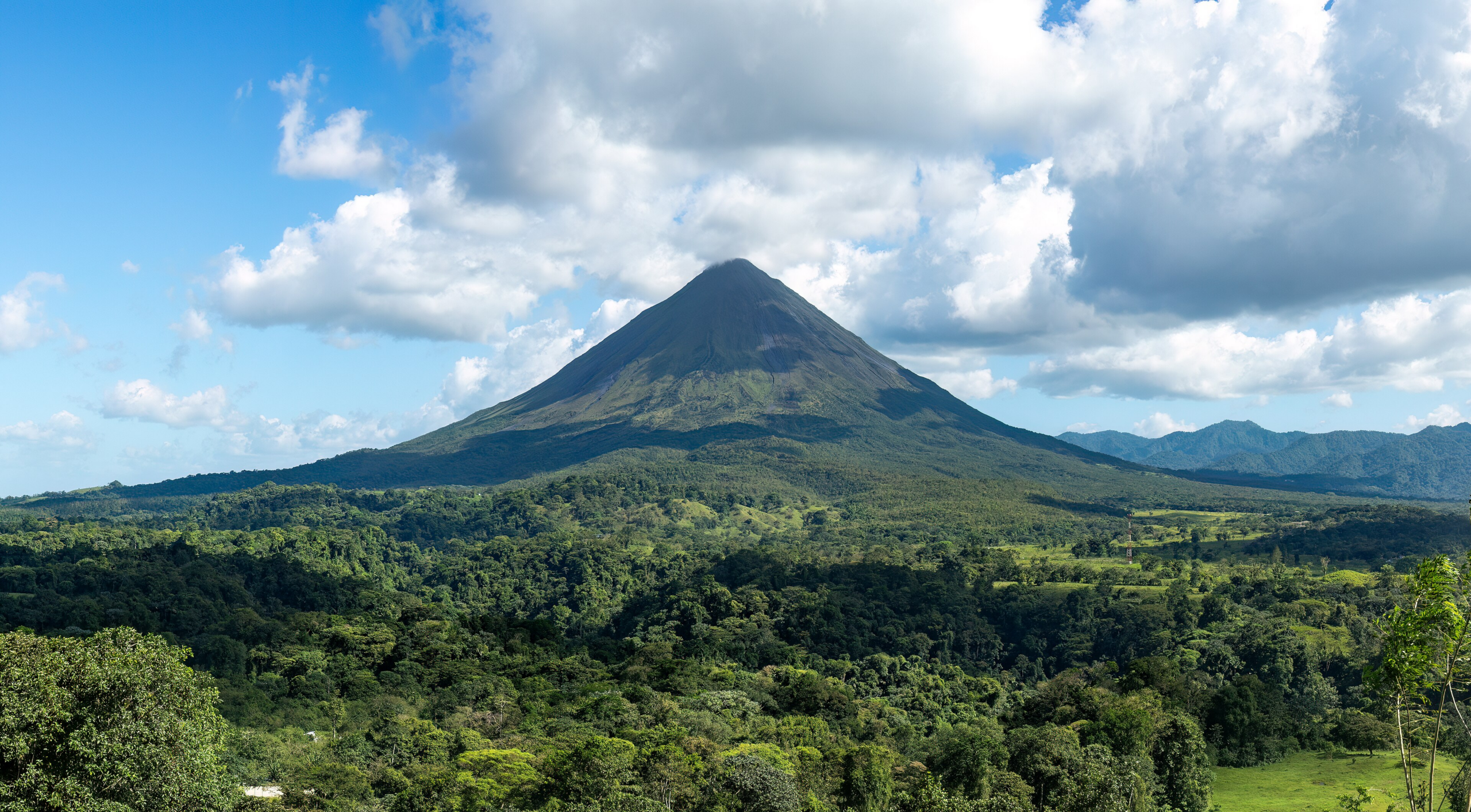
This near-perfect cone in northern Costa Rica anchors a national park laced with trails through old lava flows and rainforest. It is currently in a resting phase.
The area has become known for hot springs heated by the volcano’s system, making it a rare place where you can hike a volcano in the morning and soak in its warmth by evening. Arenal is a volcano that offers the whole package with very little hardship.
8. Mount Teide, Tenerife, Spain
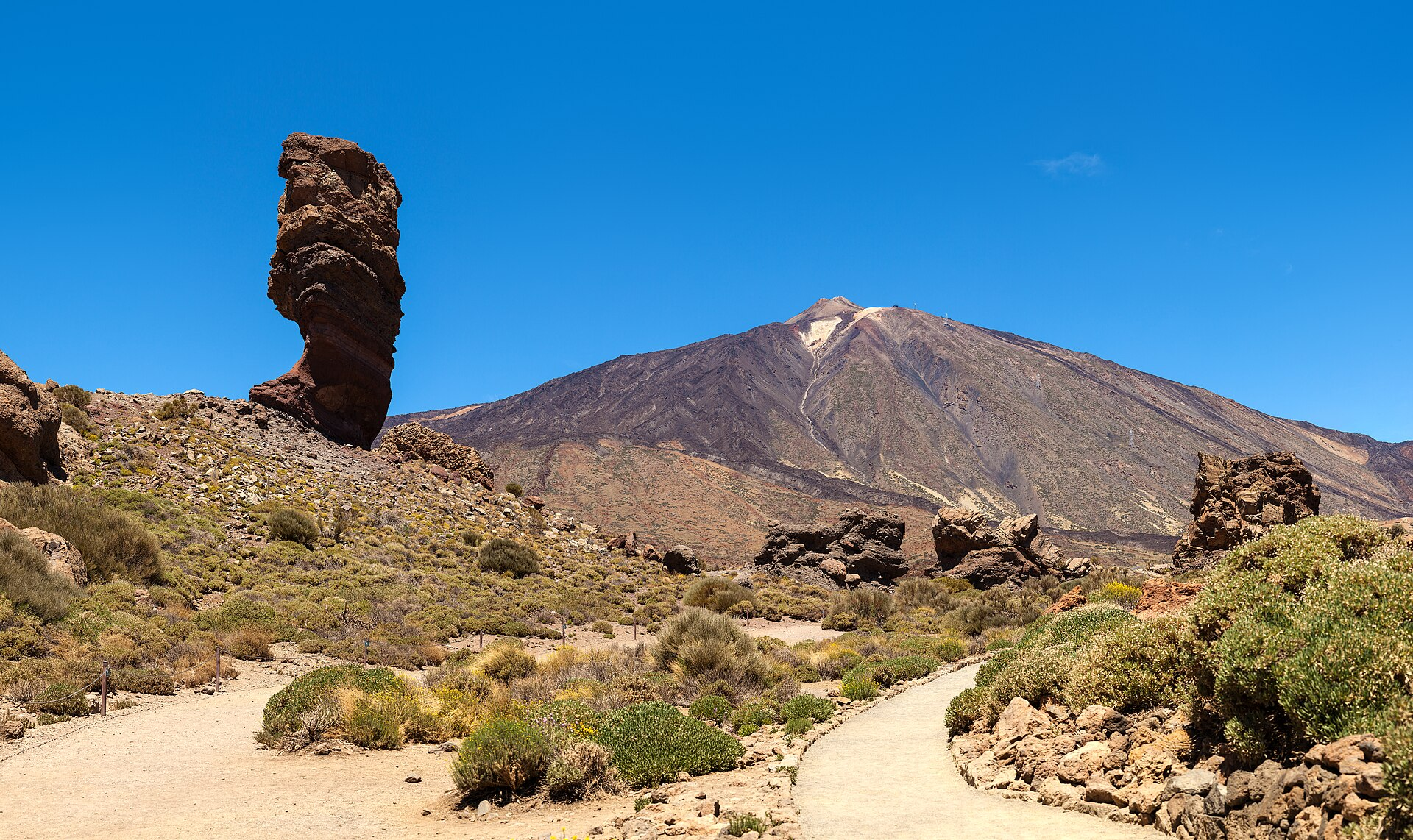
Spain’s highest peak sits inside a national park of extraordinary volcanic terrain, reachable by cable car to just below the summit. The final ascent requires a free permit.
The surrounding landscape of lava fields and rock formations is so otherworldly that it has stood in for other planets on film, and the high altitude makes it a superb stargazing site. Teide is a volcano that gives you an alien landscape without a difficult climb.
9. Villarrica, Chile
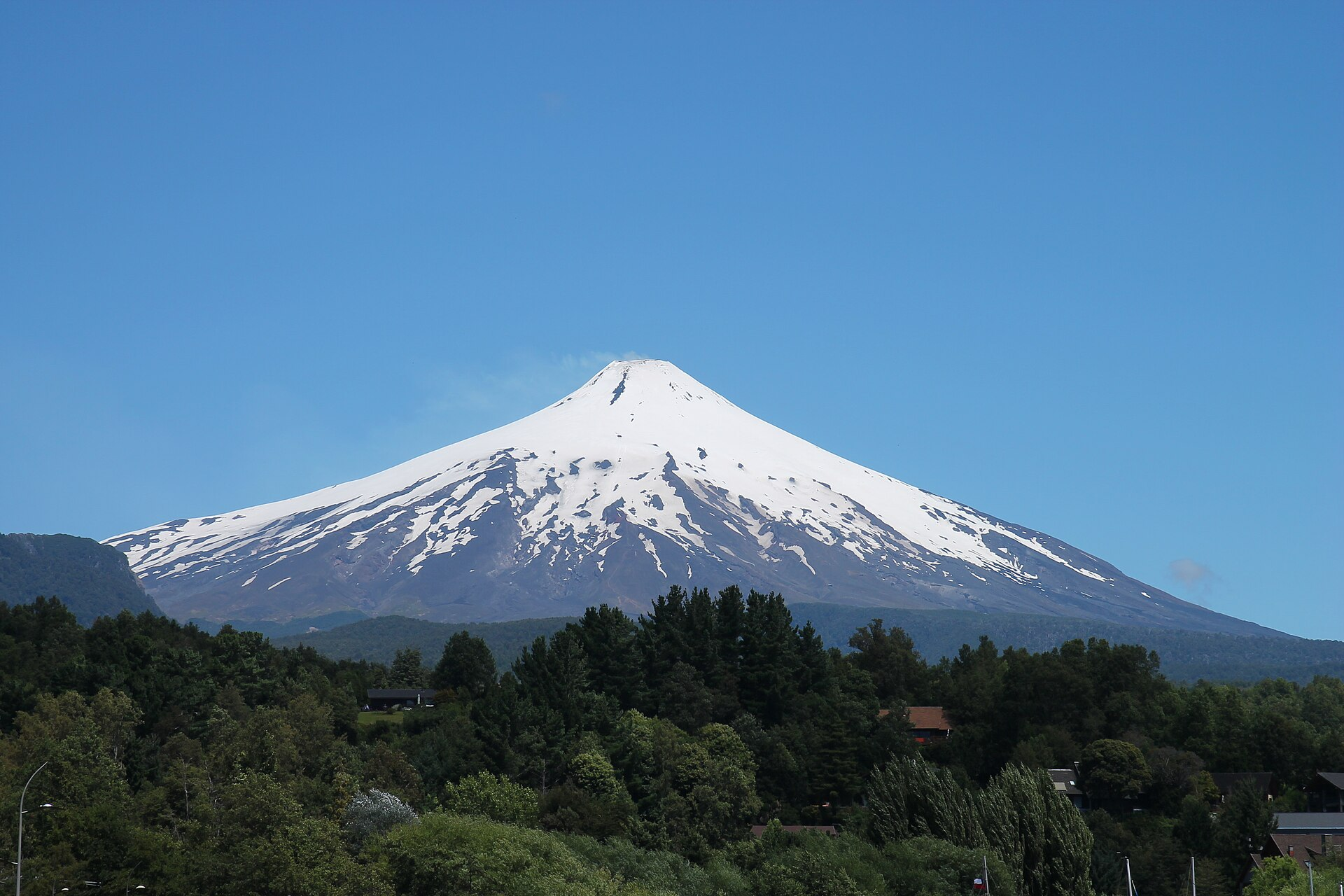
One of Chile’s most active volcanoes rises above the lake town of Pucón, and guided ascents to the crater rim are a well-established local industry. Crampons and ice axes are typically provided.
Reaching the top means looking into an active crater, and the descent often involves sliding down snow slopes, which is substantially more fun than walking. Guides are mandatory. Villarrica is a volcano that offers a real mountaineering taste with professional support.
10. Pacaya, Guatemala
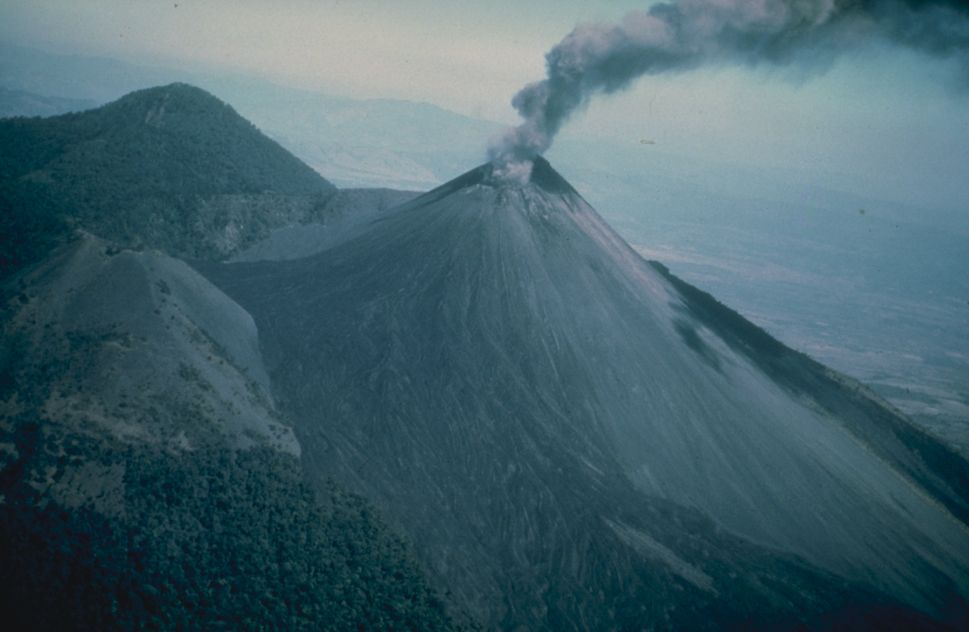
A short, accessible hike near Antigua leads up this frequently active volcano, with views across a landscape of other cones. It is popular as a half-day trip.
Depending on activity, visitors sometimes encounter ground warm enough that guides famously toast marshmallows on it, and the views at sunset are exceptional. Horses are available for the tired. Pacaya is the volcano to choose when you want the experience without a serious expedition.
11. Santorini, Greece
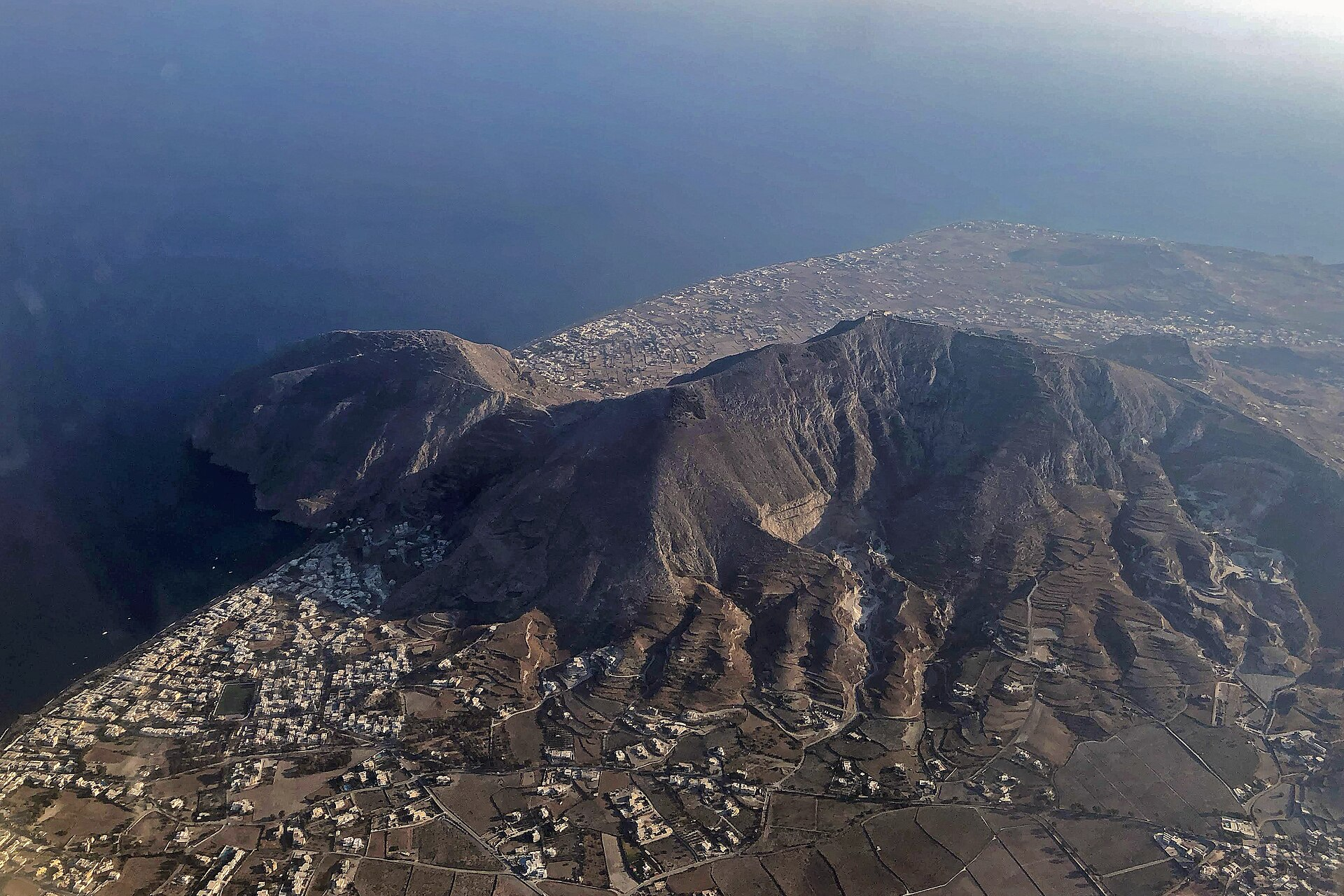
The famous caldera that tourists photograph from Oia is the flooded remains of an enormous eruption, and boats run out to the volcanic islet at its center. You can walk on it.
The trail across the bare volcanic rock to the crater comes with warm ground, sulfur smells, and a view back at the cliffs that were once the inside of the mountain. Santorini is a volcano most visitors admire for days without realizing they are standing inside it.
12. Mount Yasur, Vanuatu
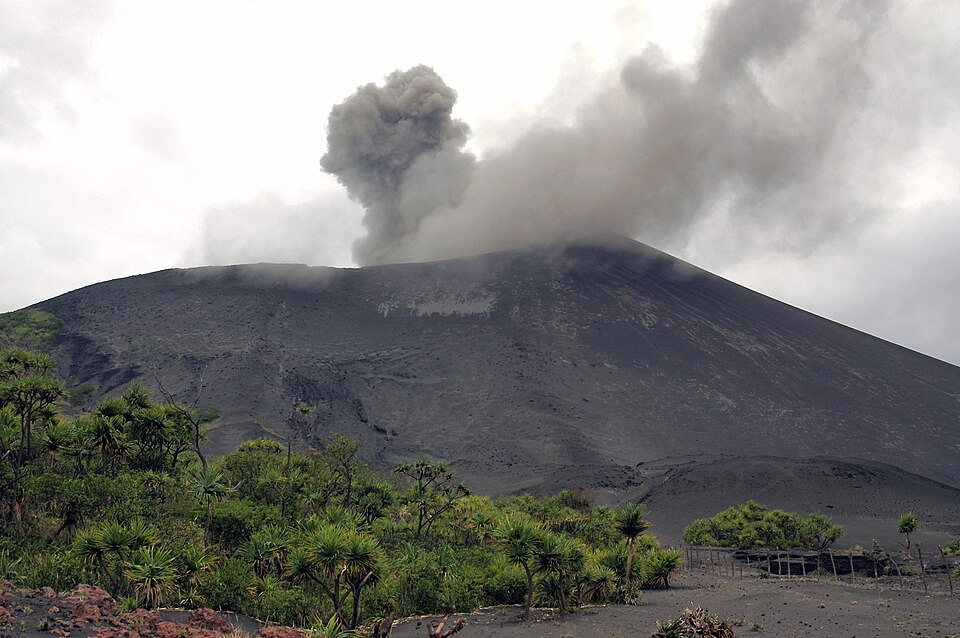
On the island of Tanna, this remarkably accessible volcano allows visitors to stand near the rim of a persistently active crater. It has been erupting more or less continuously for a long time.
Evening visits reveal glowing explosions against the dark, and the sound alone is worth the journey. Access is managed by local landowners and guides. Yasur is a volcano offering one of the most reliable displays of active eruption anywhere accessible to travelers.
14. Cotopaxi, Ecuador
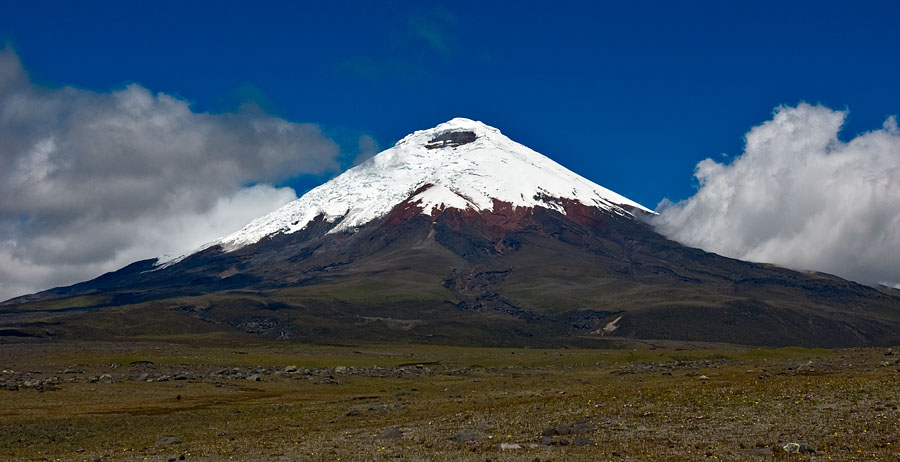
One of the world’s higher active volcanoes rises inside a national park south of Quito, its symmetrical snow-capped cone visible for enormous distances. Most visitors go to the refuge rather than the summit.
The drive and walk to the mountain hut at high altitude is achievable for reasonably fit travelers, while the summit is a real glaciated climb requiring guides and equipment. Cotopaxi is a volcano that offers both a day trip and a serious objective.
15. Mount Batur, Indonesia
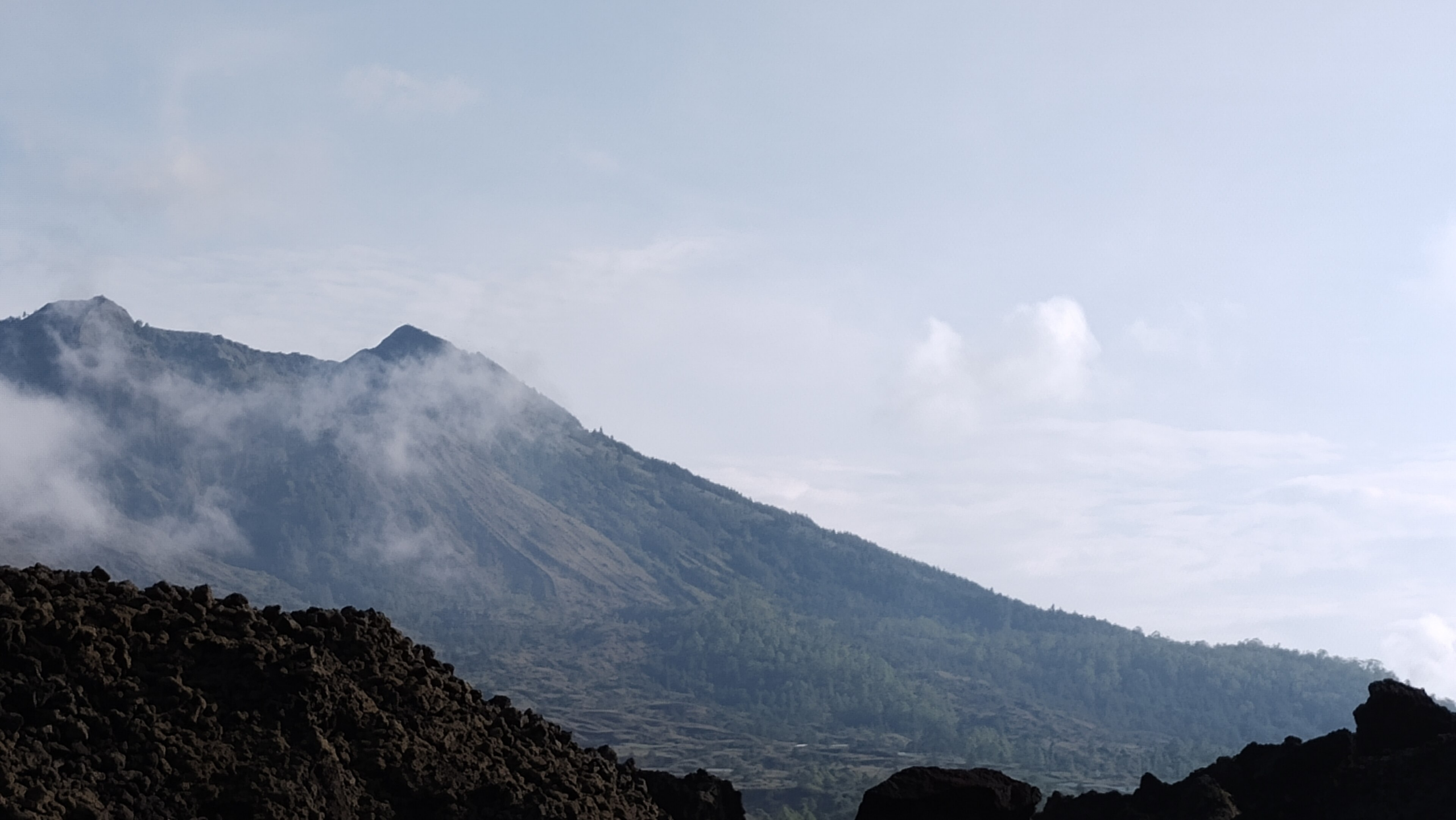
This Balinese volcano is famous for a pre-dawn hike timed to reach the summit for sunrise over the caldera lake. It takes around two hours up.
The trail is straightforward but dark and early, and the reward is watching light spread across the caldera with steam rising from vents nearby. Local guides run the route. Batur is a volcano that has become one of Bali’s most popular sunrise traditions for good reason.
Standing on the Restless Ground
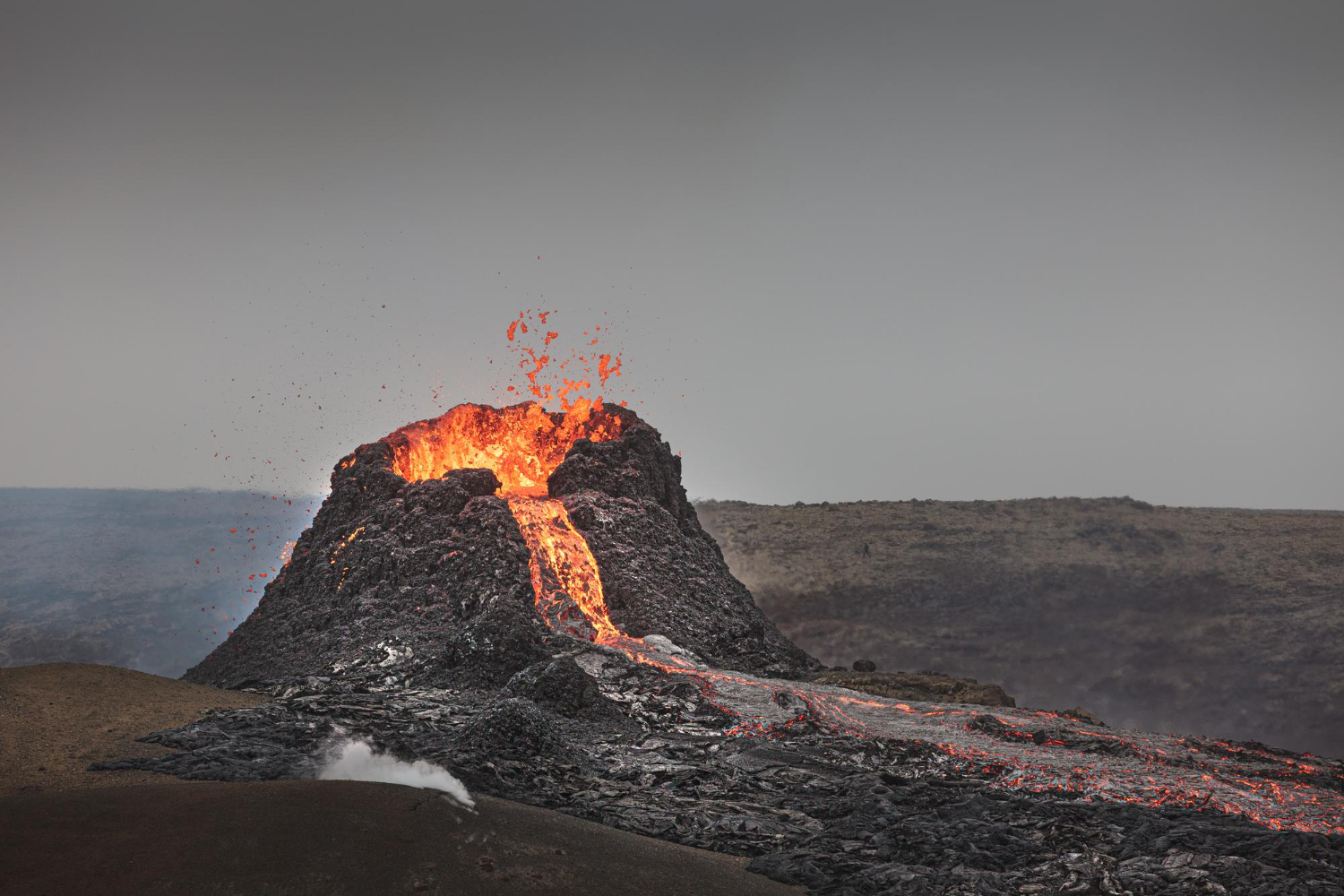
What these places share is the sensation of standing somewhere the planet is visibly still under construction. It is a rare feeling, and photographs never quite carry it.
One practical note worth stating plainly: volcanic conditions change, sometimes quickly, and access that was open last season may be closed now. Always check current official guidance for the volcano and the country, follow local authorities and park services without exception, and use licensed guides where they are required. Do that, and these mountains offer one of the most extraordinary experiences travel has to offer.
Like our content? Follow us for more.