
We tend to assume that simple things are old things. If an object is uncomplicated and useful, surely someone thought of it long ago. In fact, the gap between when something became possible and when someone actually thought of it can be astonishingly wide. Here are fourteen everyday items that arrived far later than most people would guess.
1. Sliced Bread

Bread has been baked for thousands of years, but selling it pre-sliced only began in 1928. The bread-slicing machine was the work of an American inventor named Otto Rohwedder.
The idea had been technically possible forever, since slicing bread requires only a knife; the real obstacles were keeping the loaf fresh and wrapped once cut. It was marketed as a major advance for the baking industry. Sliced bread is far more recent than most people assume, which makes the familiar phrase about it rather younger than expected too.
Like our content? Follow us for more.
2. Wheeled Suitcases
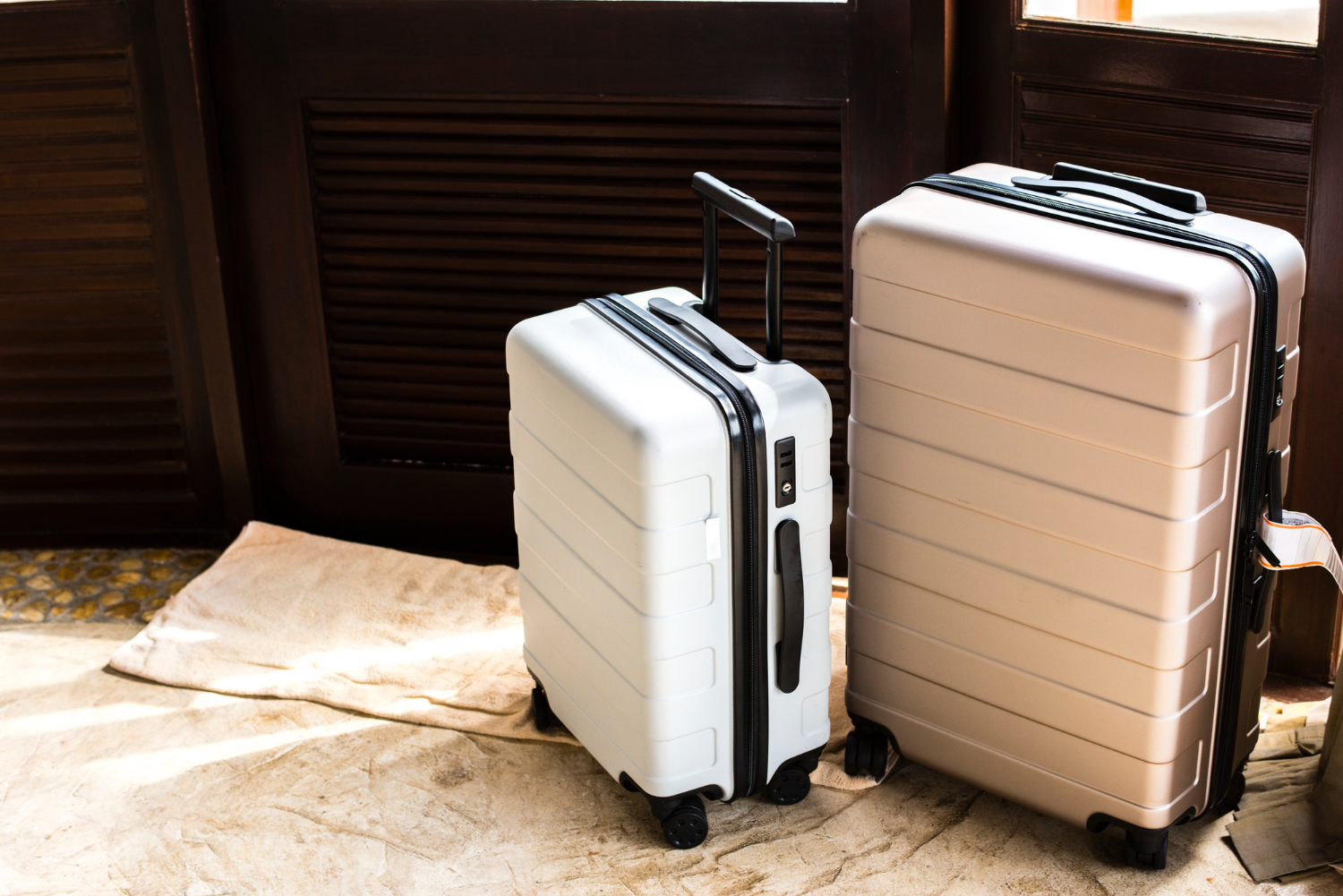
The wheel dates back roughly five and a half thousand years. Luggage has existed for about as long as travel. Putting the two together did not happen until 1970.
That was the year an American luggage executive patented a suitcase with wheels and a towing strap, reportedly after watching an airport worker glide heavy equipment across a terminal. The modern upright design with a telescoping handle came later still. Wheeled suitcases are a startlingly recent invention given how long both components had been lying around.
3. The Retractable-Handle Rolling Bag
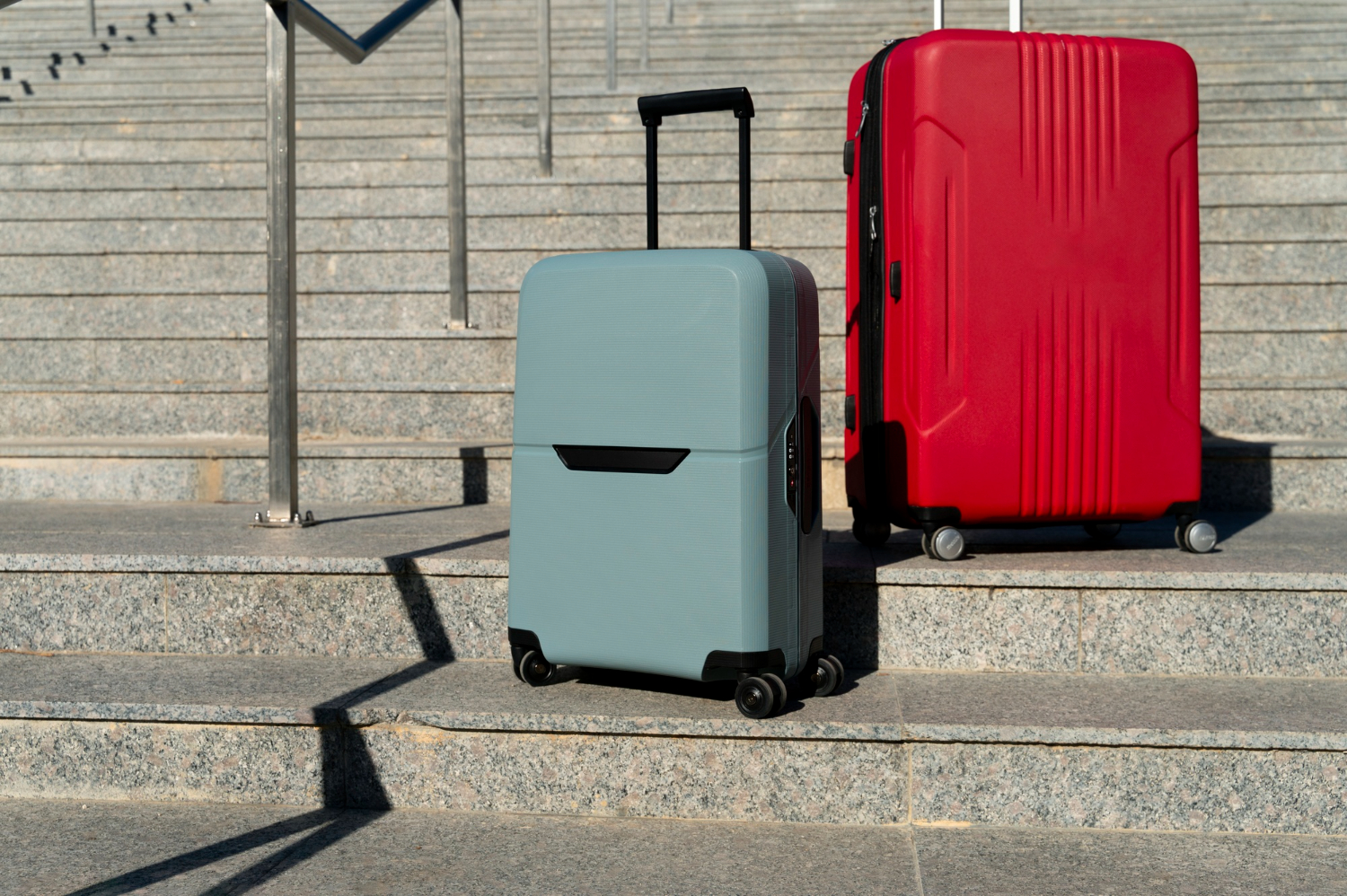
The version everyone actually uses today, standing upright on two wheels with a pull-out handle, arrived in 1987. It was devised by an airline pilot.
He built it for himself and his colleagues, and passengers who saw flight crews wheeling them through terminals wanted the same thing. Within a decade it became the default form of carry-on luggage worldwide. The retractable-handle rolling bag is barely older than many of the travelers using it.
4. The Barcode at the Checkout
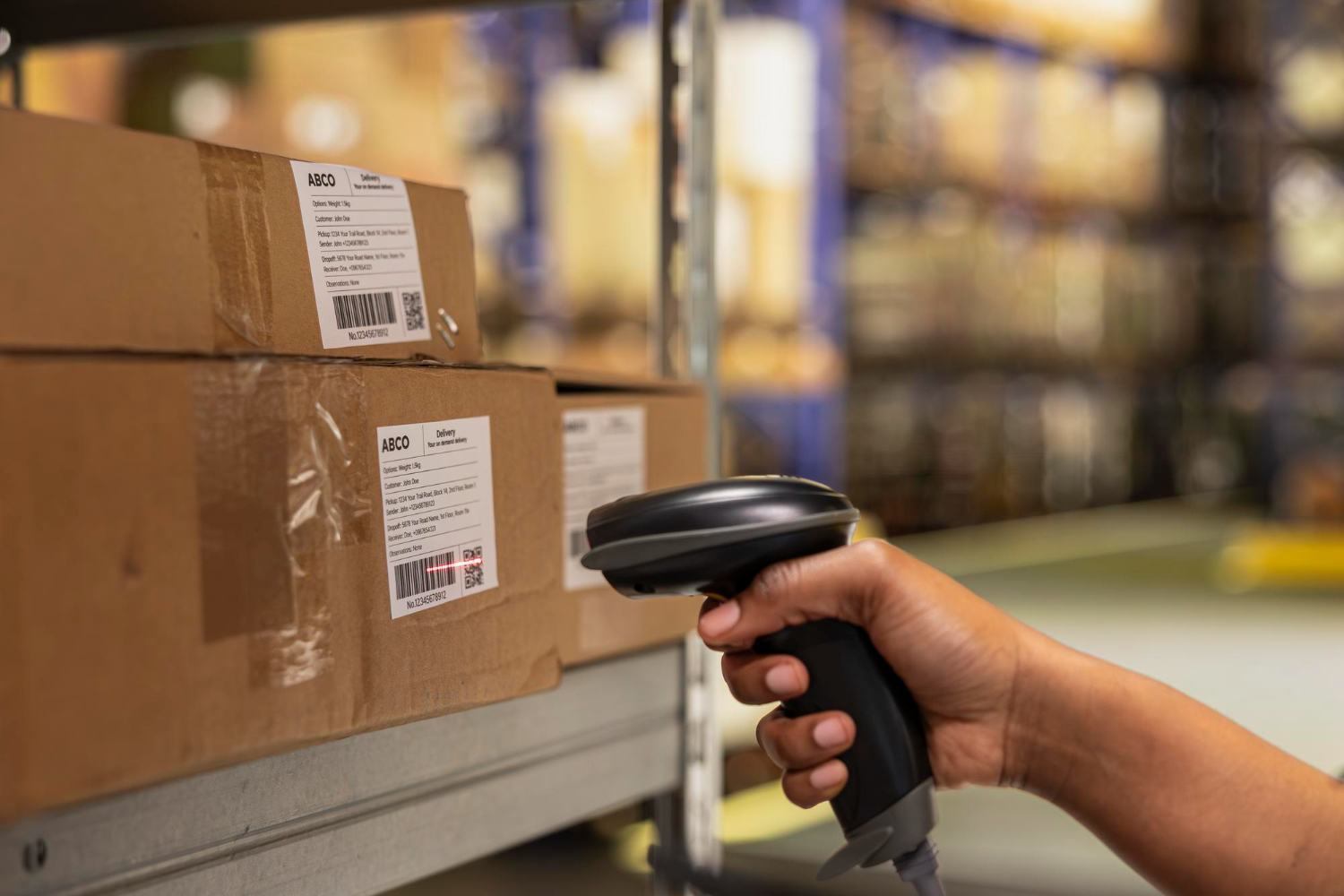
The concept was sketched out in 1948 by an inventor drawing Morse code dots and dashes in beach sand and then extending them into lines. It took until 1974 for the first product to be scanned in a shop.
The delay came down to infrastructure: scanners, computers, and universal standards all had to exist and be adopted before the idea could work. Now it underpins global retail. The barcode is a much more recent arrival at the checkout than its ubiquity suggests.
5. Emoji
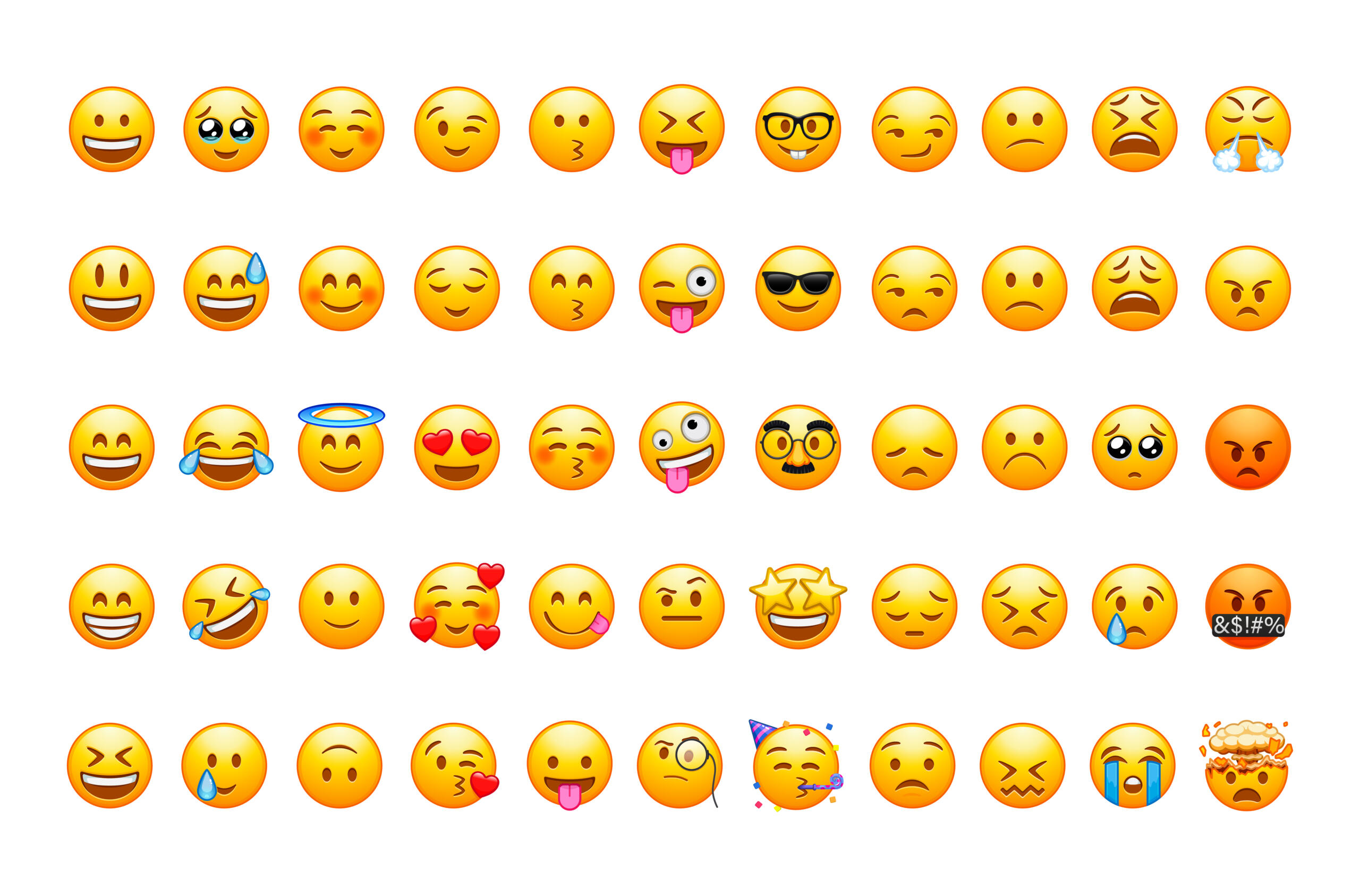
The little pictograms that feel inseparable from modern messaging were created in 1997 by an engineer at a Japanese telecommunications company. The original set contained 177 characters.
They were designed to solve a practical problem: phone screens of the era displayed very few characters, so small images let people convey more with less. Many of today’s most-used emoji descend directly from those first designs. Emoji are younger than a great many of the people who use them constantly.
6. Text Messaging

The first text message was sent in 1992, and for years afterward the feature was an afterthought that phone companies barely promoted. Nobody expected it to matter much.
Early handsets made typing truly laborious, and the idea that people would prefer texting to calling struck the industry as unlikely. It became one of the most-used communication tools on the planet. Text messaging is a more recent invention than its total dominance would suggest.
7. The Digital Camera
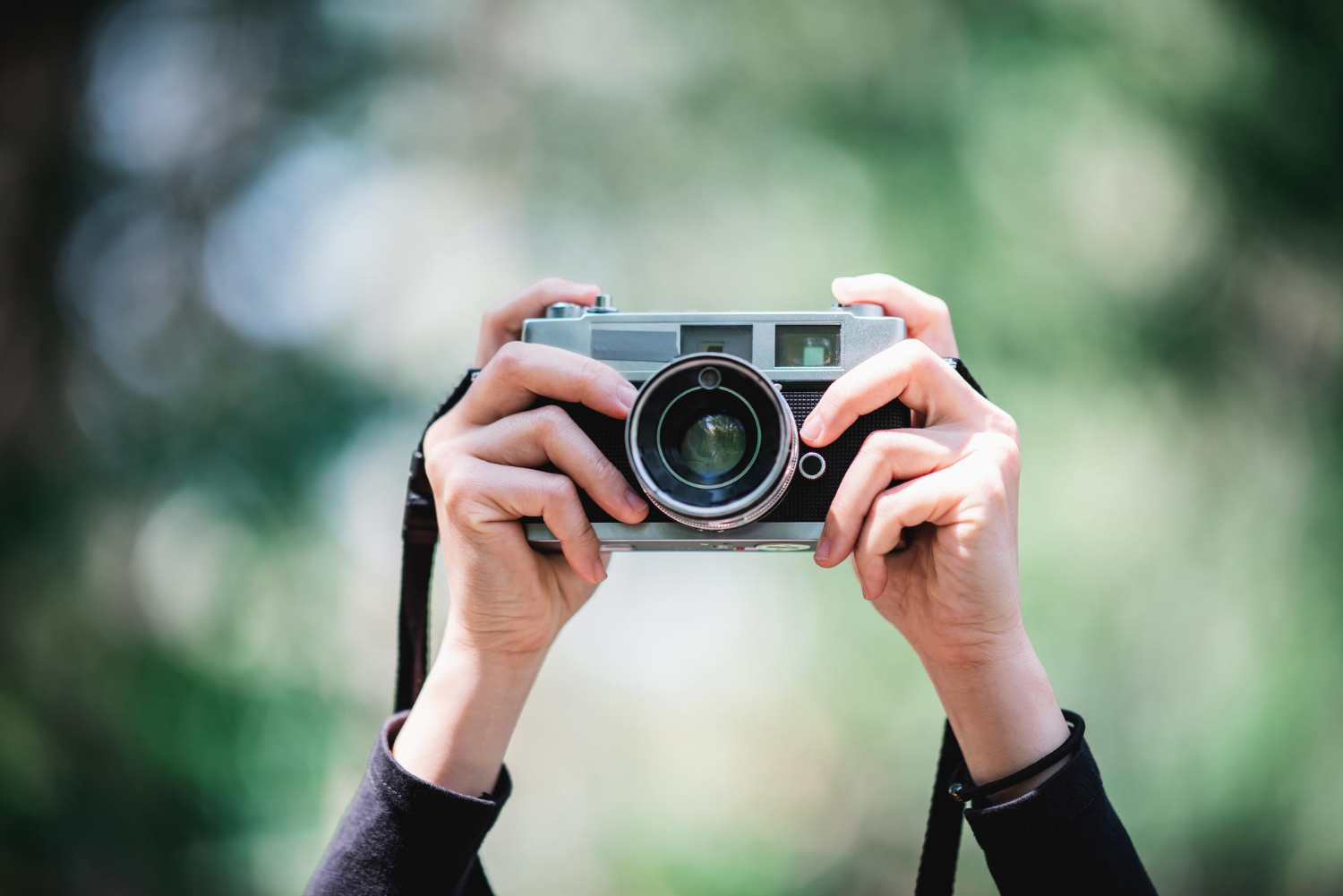
The first self-contained digital camera was built in 1975 by an engineer at a film company. It weighed several pounds and took about twenty seconds to record a single low-resolution black-and-white image onto a cassette tape.
The technology took decades to become practical, and film remained dominant into the early 2000s. The company that built the prototype famously struggled to capitalize on it. The digital camera existed far earlier than most people realize, and became useful far later.
8. Bubble Wrap

Invented in 1957, bubble wrap was not originally intended for packaging at all. Its creators were trying to make textured wallpaper.
When that failed to catch on, they marketed it as greenhouse insulation, which also went nowhere, before finally landing on protective packaging. Its most famous use today may be as a stress reliever. Bubble wrap is a recent invention with a substantially stranger history than its simple purpose suggests.
9. The ATM
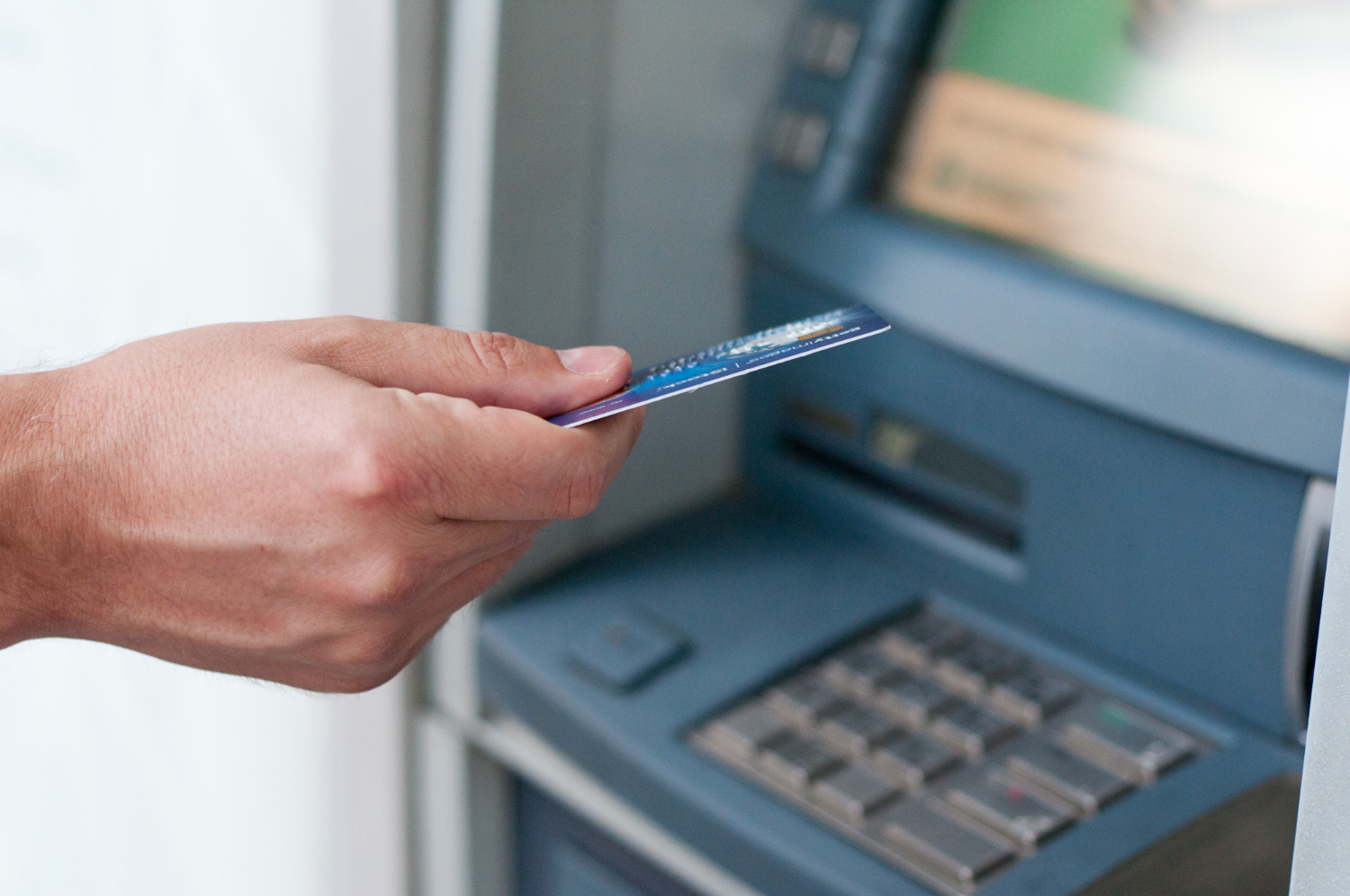
Automated cash machines only appeared in 1967, meaning that within living memory, getting cash required visiting a bank during banking hours. The first machines were a real novelty.
Early versions used paper vouchers rather than the plastic cards we know, and the technology spread gradually through the 1970s and 1980s. Now they are so routine as to be invisible. The ATM is a much more recent fixture of daily life than most people assume.
10. The Three-Point Seat Belt
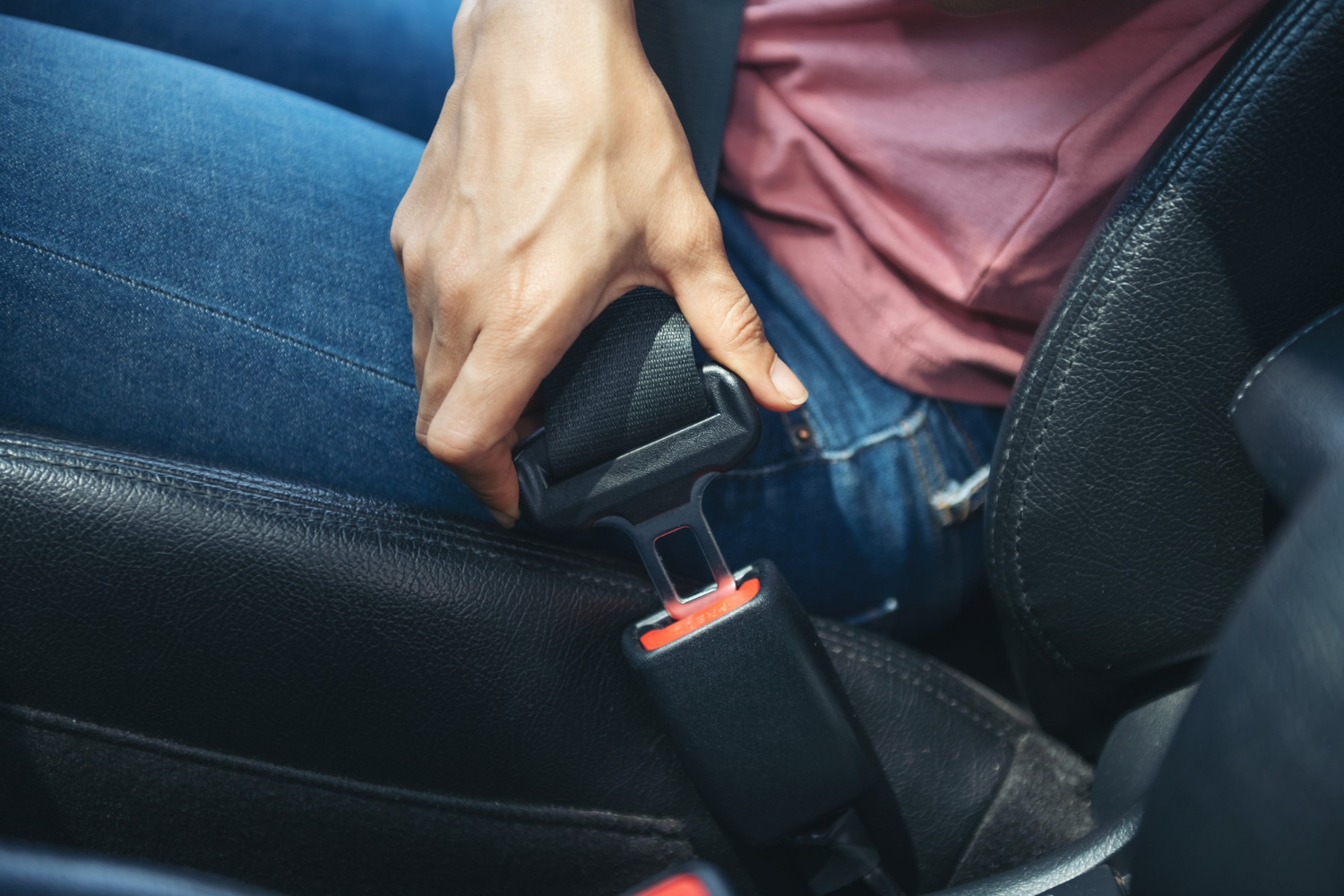
The familiar diagonal-and-lap belt design was developed in 1959 by an engineer at a Swedish carmaker. Cars had existed for more than half a century by then.
In a decision widely praised since, the company made the patent freely available so that other manufacturers could adopt it, prioritizing safety over exclusivity. It is now standard worldwide. The three-point seat belt arrived remarkably late in the history of the automobile.
11. Instant Noodles
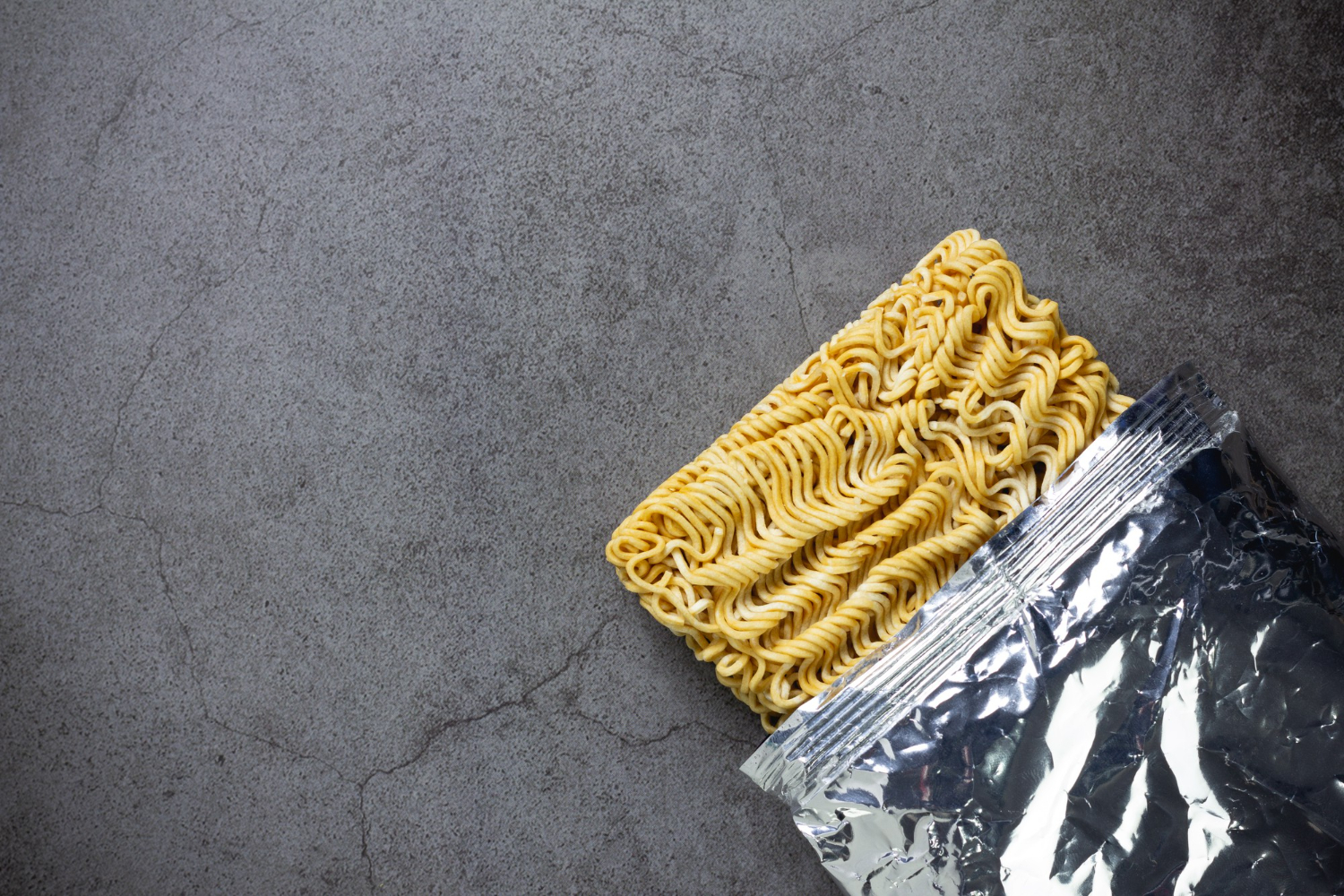
Instant ramen was introduced in 1958 by a Japanese inventor after a long period of experimentation with flash-frying noodles so they could be rehydrated quickly.
The cup version followed later and helped the product spread internationally, eventually becoming one of the most widely consumed convenience foods anywhere. It was voted a favorite national invention in Japan. Instant noodles are a more recent creation than their global ubiquity would imply.
12. The Shopping Cart

Grocery stores existed for decades before anyone thought to give customers a wheeled basket. The shopping cart was introduced in 1937 by an American store owner.
Shoppers initially resisted it, reportedly finding it undignified or associating it with baby carriages, and staff were hired to demonstrate its use. It went on to reshape how supermarkets are designed. The shopping cart is a surprisingly recent invention for something so central to grocery shopping.
14. The Plastic Shopping Bag

The one-piece plastic carrier bag was patented in the 1960s and only began displacing paper bags in shops during the 1970s and 1980s. Before that, paper was standard.
It spread quickly because it was cheap, strong, and light, and it has since become the focus of considerable efforts to reduce single-use plastic. Many places now restrict or charge for them. The plastic shopping bag had a much shorter run as the default than most shoppers realize.
15. The Modern Bicycle Ancestor
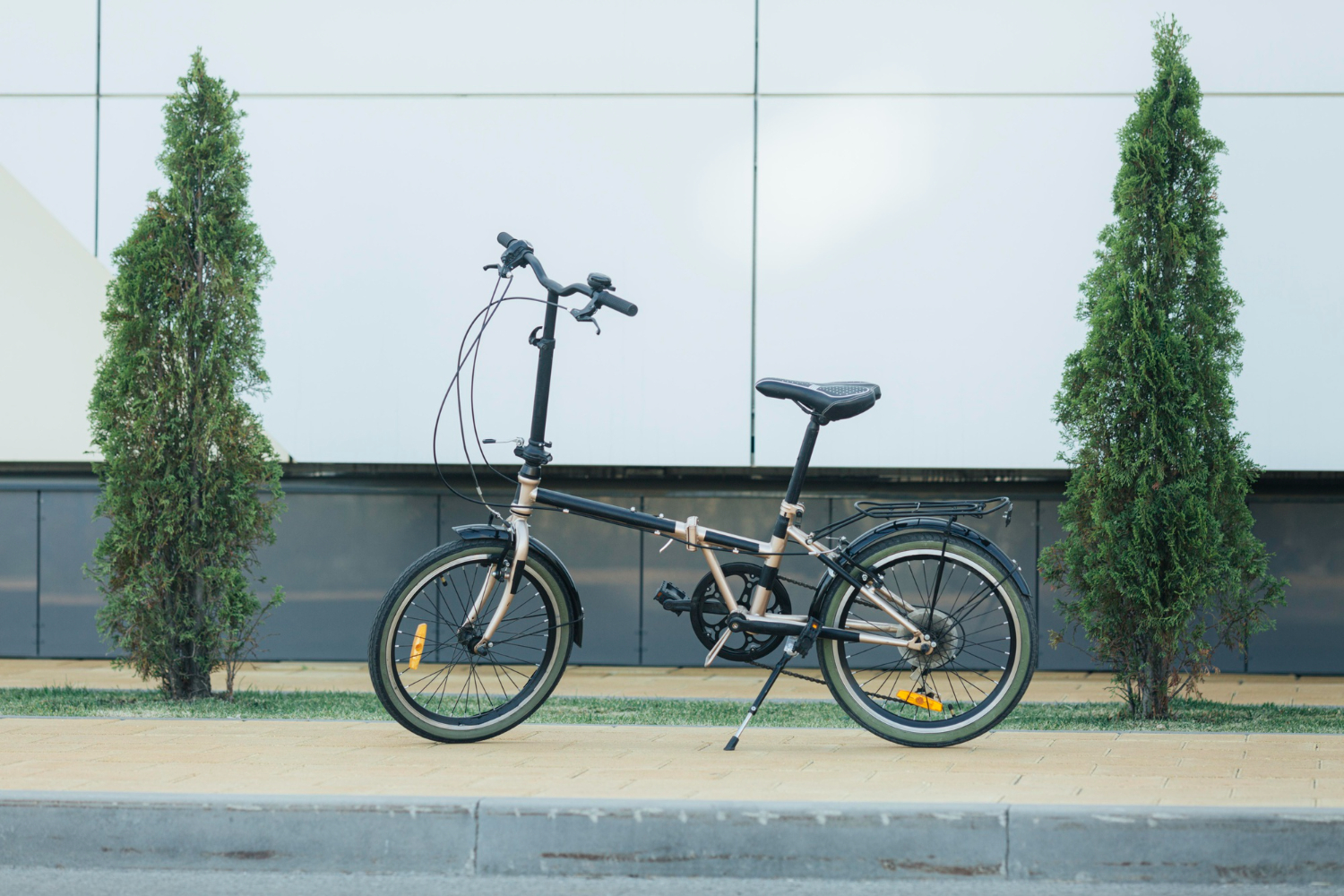
The earliest two-wheeled ancestor of the bicycle appeared in 1817, thousands of years after the wheel and long after far more complex machines existed. It had no pedals; riders pushed along the ground.
Pedals, chains, and the familiar diamond frame followed across the nineteenth century, arriving surprisingly late for a device that seems so mechanically straightforward. The bicycle’s basic form is more recent than the steam engine.
Later Than You Think

What these examples share is that the delay was rarely technical. In most cases the materials and know-how existed long before anyone connected the dots, which suggests the hard part of inventing is often simply noticing that a problem could be solved.
It is worth remembering this the next time something strikes you as obvious. The obvious ideas are frequently the ones nobody got around to for centuries, sitting in plain sight until someone finally looked at an ordinary problem and thought there might be a better way.
Like our content? Follow us for more.